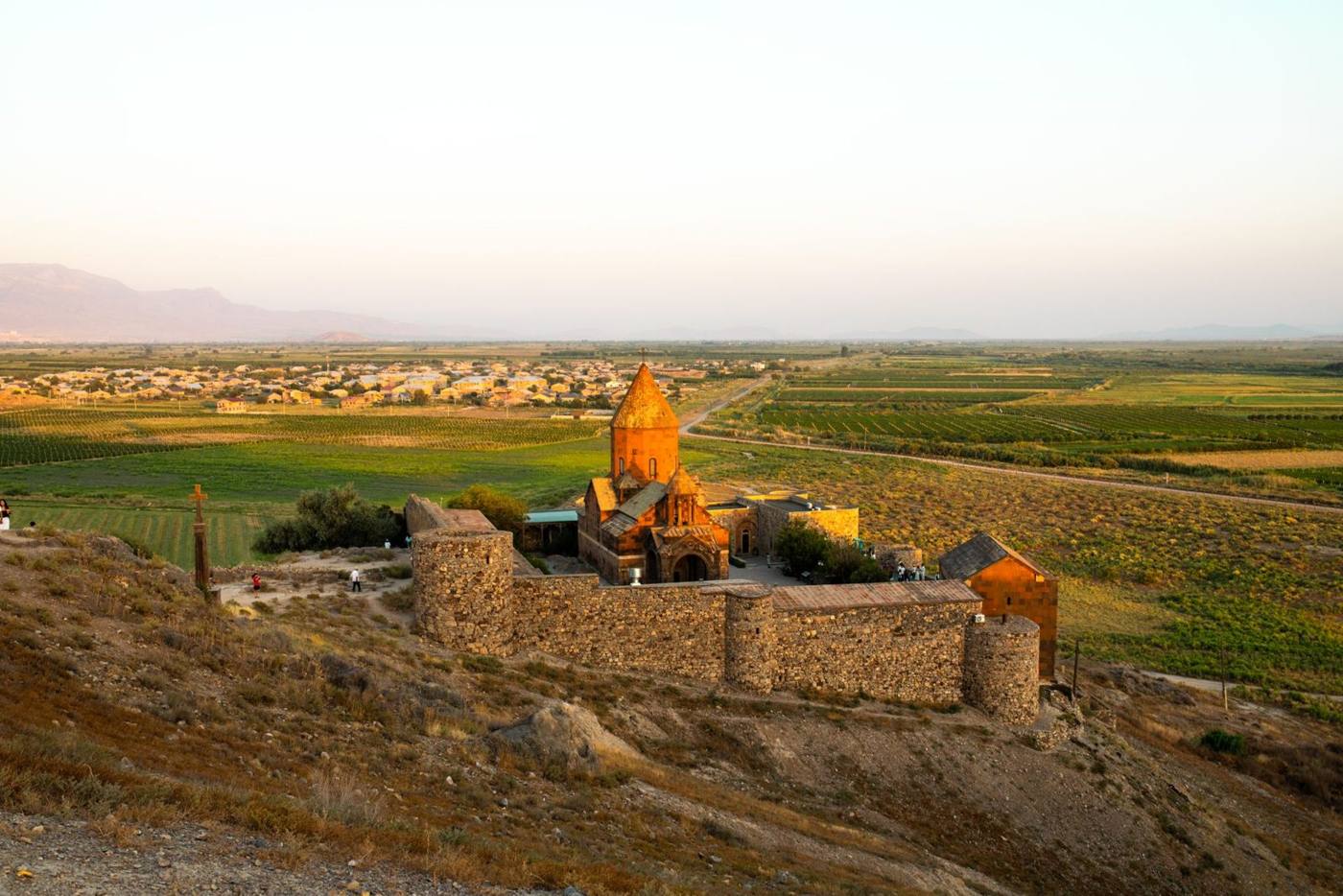
Yerevan and the monasteries
The pink capital beneath Ararat, Etchmiadzin, Garni temple, rock-cut Geghard, Khor Virap and Lake Sevan.
- Yerevan
- Etchmiadzin
- Garni
- Geghard
- Khor Virap
- Sevanavank
- Dilijan
Day by day
- Day 1
Yerevan: the Cascade and the GUM market
This trip tells the story of Armenia's oldest Christian heritage, starting from the capital: Yerevan, the pink city beneath Ararat, the cathedral of Etchmiadzin, the temple of Garni, the rock-cut monastery of Geghard, Khor Virap facing the sacred mountain and Lake Sevan with Dilijan.
Before you go: Italian citizens can enter Armenia only with a passport, valid for the whole stay: an identity card is not enough. EU citizens do not need a visa for tourism, for up to 180 days in a year. Other nationalities should check their own rules. Italy's travel advice warns against the areas along the border with Azerbaijan and near Nakhchivan, especially the Syunik and Vayots Dzor regions and the southern and eastern parts of Gegharkunik; the UK advises against all travel within 5 kilometres of the entire eastern border. For this reason the trip does not go to Areni, in Vayots Dzor, and stays away from the areas advised against. Do not drink tap water.
You land at Zvartnots airport, about half an hour from the centre. Change some euros into dram in the city: it is easy.
In the afternoon walk around Republic Square, with its pink tuff buildings, and then climb the Cascade, the great white staircase leading towards the hill. At its foot is a garden of modern sculptures and, inside, escalators to the top. From up there, on clear evenings, you see Ararat behind the city.
Before dinner stop at the covered GUM market for dried fruit, spices and sujukh, walnuts threaded on a string and coated in thickened grape juice.
Sleep in Yerevan.
Practical tip: look for Ararat early in the morning or at sunset, because in the middle of the day haze often hides it.
- Day 2
Yerevan: the Matenadaran and the genocide memorial
Today you discover the written memory and the wounded memory of the Armenian people.
In the morning visit the Matenadaran, at the top of Mashtots Avenue. It is the institute of ancient manuscripts and holds thousands of illuminated Armenian codices, as well as Greek, Persian and Arabic texts. In the exhibition halls you see Gospels painted in bright colours, books of medicine and astronomy and old maps. Check prices and times and take the guided tour or audio guide.
In the afternoon climb the hill of Tsitsernakaberd, home to the memorial to the Armenian genocide of 1915. An eternal flame burns in the middle of twelve sloping basalt slabs, next to a split obelisk. The museum, set into the hill, uses documents and photographs to tell of the deportation and extermination of most of the Armenians of the Ottoman Empire. It is an intense visit: take the time you need. Check the museum's times.
In the evening return to the centre and have dinner with Armenian dishes: tolma in vine leaves, khorovats and lavash. Then stroll along Northern Avenue, the pedestrian street between the Opera and the centre.
Sleep in Yerevan.
Practical tip: at the memorial dress soberly and keep silent; many Armenian visitors bring a flower to lay beside the flame.
- Day 3
Etchmiadzin and the ruins of Zvartnots
Today you visit the religious heart of Armenia, half an hour from Yerevan.
In the morning drive west to Vagharshapat, the town everyone calls Etchmiadzin. Here is the seat of the Catholicos, the head of the Armenian Apostolic Church, and the cathedral founded at the start of the fourth century, shortly after Armenia adopted Christianity as its state religion, the first country in the world to do so. Walk around the large complex, among gardens, khachkars and churches, and if you can attend the Sunday liturgy, with the choir singing. The complex also has a museum with sacred objects and relics; check prices and times.
Then visit the churches of Saint Hripsime and Saint Gayane, nearby, two seventh century buildings with simple, powerful shapes.
In the afternoon, on the way back, stop at the ruins of Zvartnots. It was a great round cathedral of the seventh century, which collapsed around the tenth century. Today columns, capitals carved with eagles and bunches of grapes and the circular plan remain, with Ararat in the background. Etchmiadzin and Zvartnots are together a UNESCO World Heritage Site.
In the evening return to Yerevan.
Sleep in Yerevan.
Practical tip: at Etchmiadzin women may cover their heads with a scarf in the churches, and everyone must have shoulders and knees covered.
- Day 4
The temple of Garni and Geghard monastery
Today you see a pagan temple and a monastery carved into the rock, less than an hour from Yerevan.
In the morning drive east to Garni. The Graeco-Roman style temple of the first century AD stands on a high base above a deep gorge. It collapsed in an earthquake in the seventeenth century and was rebuilt in the twentieth with the original stones. Around it are the remains of a palace and of a Roman bath with a mosaic. Check prices and times.
Then go down into the gorge below the temple for the Symphony of Stones, a wall of basalt columns that look like organ pipes. The path is easy and short.
In the afternoon continue to Geghard, at the end of a narrow valley. The monastery is partly built and partly carved into the rock: some churches are real caves, with carved ceilings and extraordinary acoustics. A spring flows in one of the chapels. The complex is a UNESCO World Heritage Site. If you find a group singing, stop and listen.
At the exit local women sell gata and sweets made with dried fruit.
In the evening return to Yerevan.
Sleep in Yerevan.
Practical tip: arrive early at Garni and Geghard, before the organised groups, which usually come in the late morning.
- Day 5
Khor Virap facing Ararat
Today you head south, into the Ararat plain, to the most photographed monastery in Armenia.
Early in the morning drive for about an hour to Khor Virap, on a hill among vineyards, a few kilometres from the closed border with Turkey. Behind it rises Ararat, the sacred mountain of the Armenians, now in Turkish territory, with its snowy summit. The view is clearest in the morning.
In the monastery you can climb down a narrow ladder into the pit where, according to tradition, Saint Gregory the Illuminator was held prisoner for many years before converting King Tiridates III. The ladder is steep and the pit is small: it is not suitable for anyone who dislikes enclosed spaces. Then climb the hill next door for the photo of the monastery with the mountain.
The original plan went on to Areni, but Areni is in Vayots Dzor, a region that Italy's travel advice warns against: do not go there. Instead head back to Yerevan and, if you like wine, try Armenian wines from native grapes, such as red areni, in a wine bar in the centre.
In the afternoon rest or visit the Vernissage market, open mainly at weekends, with carpets, ceramics and crafts.
Sleep in Yerevan.
Practical tip: at Khor Virap bring water and a hat, because in summer there is no shade on the hill.
- Day 6
Lake Sevan with Sevanavank, Dilijan and the return
On the last day you head north, to Lake Sevan and the forests of Dilijan.
In the morning drive for about an hour to the town of Sevan. On the nearby peninsula stands Sevanavank monastery, founded in 874, with two dark stone churches above the water. Climb the steps to see the lake, at about 1,900 metres, blue and ringed by mountains. Stay on the north-west shore: the southern and eastern parts of the region are advised against.
Then continue to Dilijan, through a tunnel that comes out on the green side of the mountains. Walk through the old town, along Sharambeyan Street, with its restored houses and craft workshops, and have lunch with soups and mushroom dishes in season.
In the afternoon return to Yerevan, about two hours away.
Trip summary: six easy days between Yerevan, its museums and its memory, Etchmiadzin and Zvartnots, the temple of Garni and the rock-cut monastery of Geghard, Khor Virap facing Ararat and Lake Sevan with Dilijan, always far from the border areas advised against.
When to go: May and June, September and October. In spring the hills are green and Ararat still has plenty of snow, in autumn it is harvest time. In July and August Yerevan is very hot, often above 35 degrees.
Practical tip: before leaving buy dried fruit, brandy or a small khachkar at the Vernissage, but remember that antiques or old carpets may need an export permit: ask the seller.
A trip rich in ancient Christian history, easy and safe in the areas listed. Ararat is only clearly visible on clear mornings. Avoid the border areas with Azerbaijan and follow your government's advice; EU citizens enter without a visa.
Before you go
- Documents and visa
- Passport valid for the whole stay. British citizens can visit without a visa for up to 180 days in a year for tourism or business.
- Health and vaccines
- No compulsory vaccinations; ask your doctor about hepatitis A and B and diphtheria. Medical facilities are limited outside Yerevan: you need insurance covering medical costs and repatriation. Do not drink tap water and avoid ice. Emergencies: 911.
- Money and payments
- Armenian dram: payments in other currencies are not allowed. Euros and dollars are easy to change in Yerevan. Visa and Mastercard work well in the capital, much less elsewhere: carry cash outside the city.
- Power sockets
- Types C and F, 230 volts: you need an adapter for British plugs.
- Time zone
- UTC+4 all year, four hours ahead of the UK in winter, three in summer.
- Safety
- The UK advises against all travel within 5 km of the entire eastern border with Azerbaijan and along the road between Ijevan and Noyemberyan. The borders with Azerbaijan and Turkey are closed. The United States advises increased caution and says not to travel to the border with Azerbaijan. Yerevan is not in these areas. Official advice: GOV.UK.
Information checked in November 2026 for Italian and EU citizens. Rules change: always check before you travel.
Variations
Short version: four days, with Yerevan, Etchmiadzin, Garni and Geghard and Khor Virap.
Long version: add two days in the Debed valley, north of Dilijan, for the UNESCO monasteries of Haghpat and Sanahin.
Frequently asked questions
Why does the trip not go to Areni?
Areni is in Vayots Dzor, one of the regions that Italy's travel advice warns against. You can still find Areni wines in Yerevan's wine bars.
When can you see Ararat clearly?
On clear mornings, especially in spring and autumn. In the middle of the day and in summer haze often hides it.
Do you need a car?
No: for day trips from Yerevan you can use a taxi with a driver or a group excursion. If you hire a car, check the excess and the deposit.
Indicative itinerary written by World Atlas. Before booking, check timetables, seasonal openings, documents and safety.
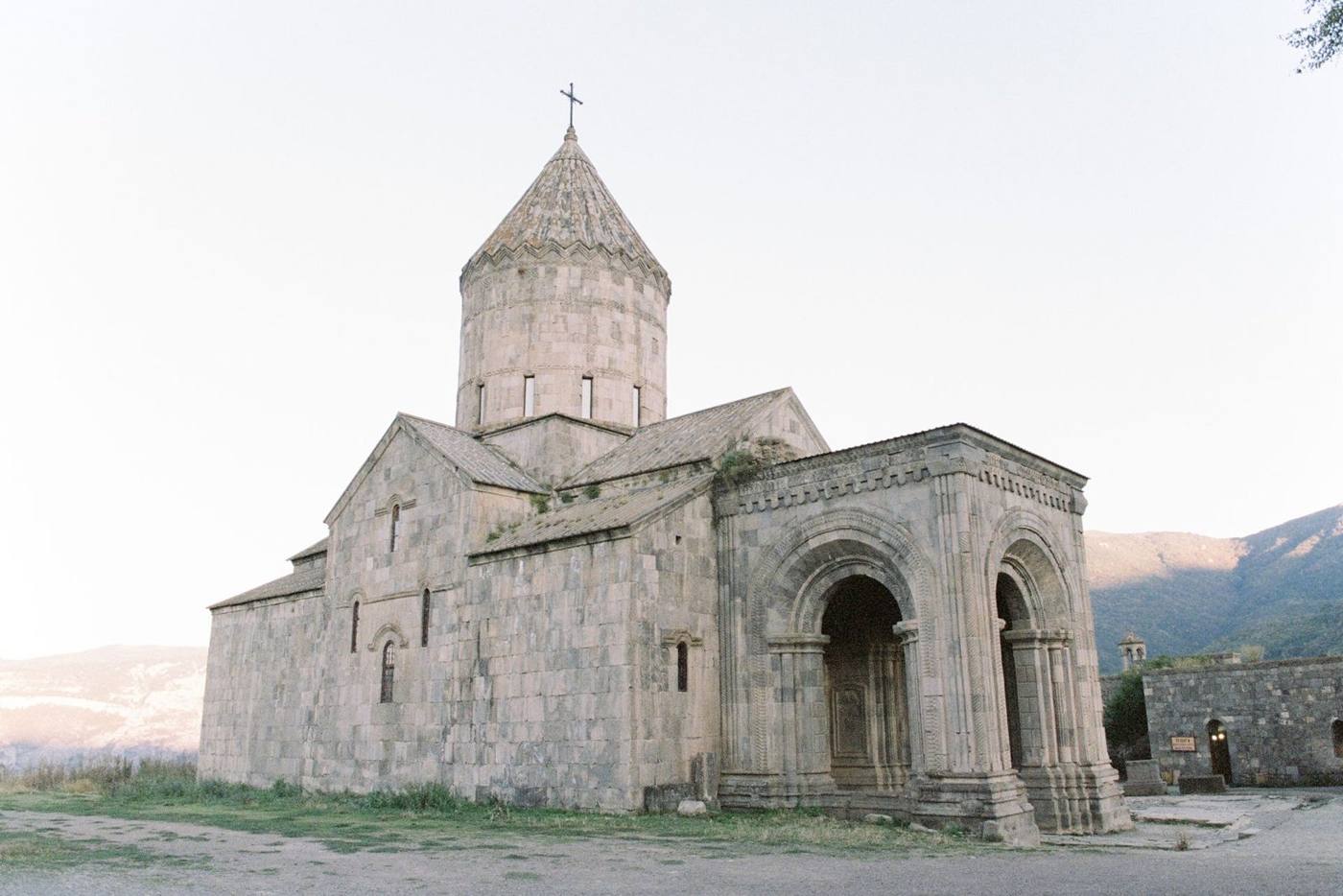 5 daysModerate
The south and Tatev
Noravank monastery in its red canyon, the Wings of Tatev cable car, the cave dwellings of Khndzoresk and the Carahunge site.
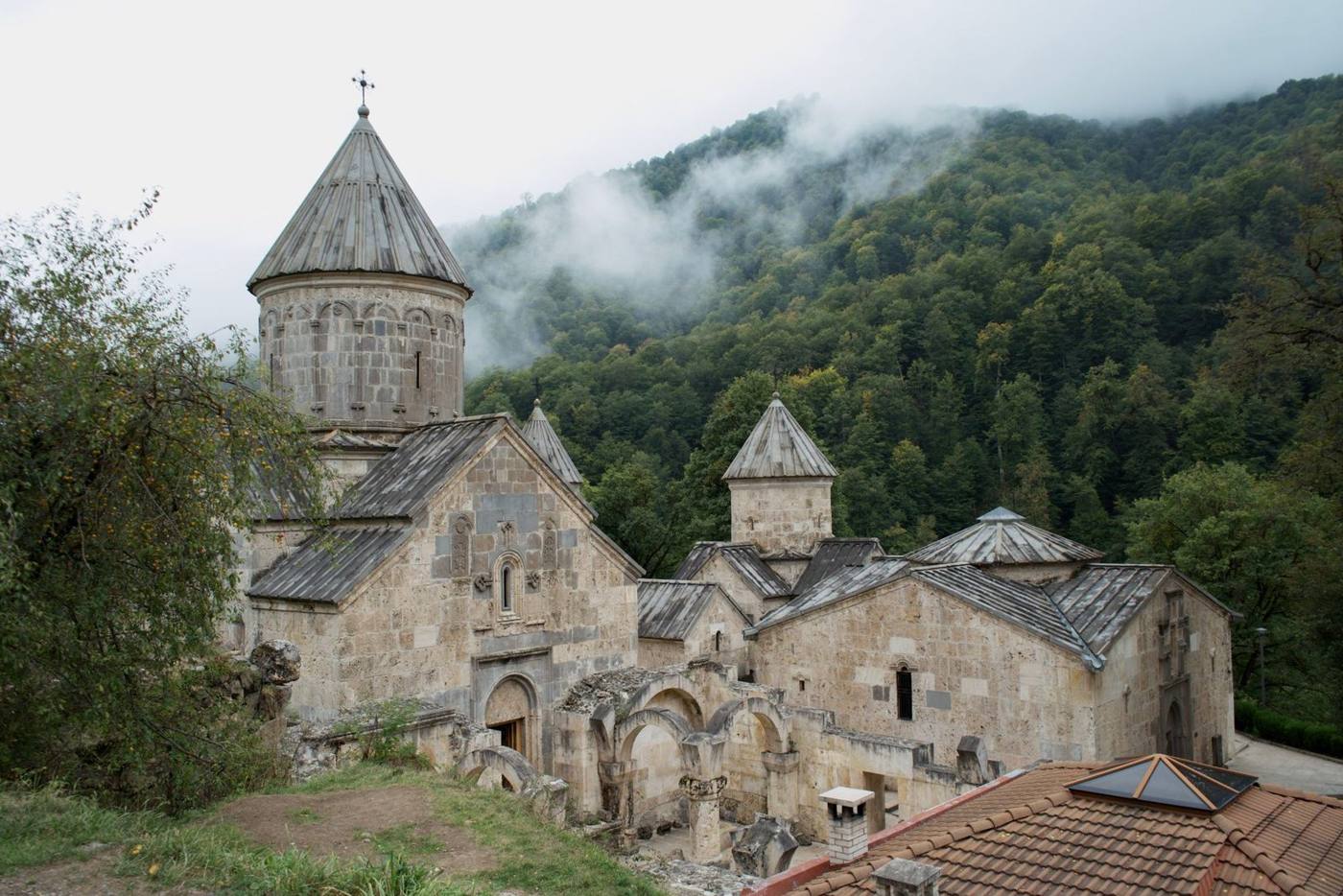 4 daysEasy
The north and the Debed valley
The UNESCO monasteries of Haghpat and Sanahin, Akhtala and its frescoes, the forests of Dilijan and Haghartsin monastery.
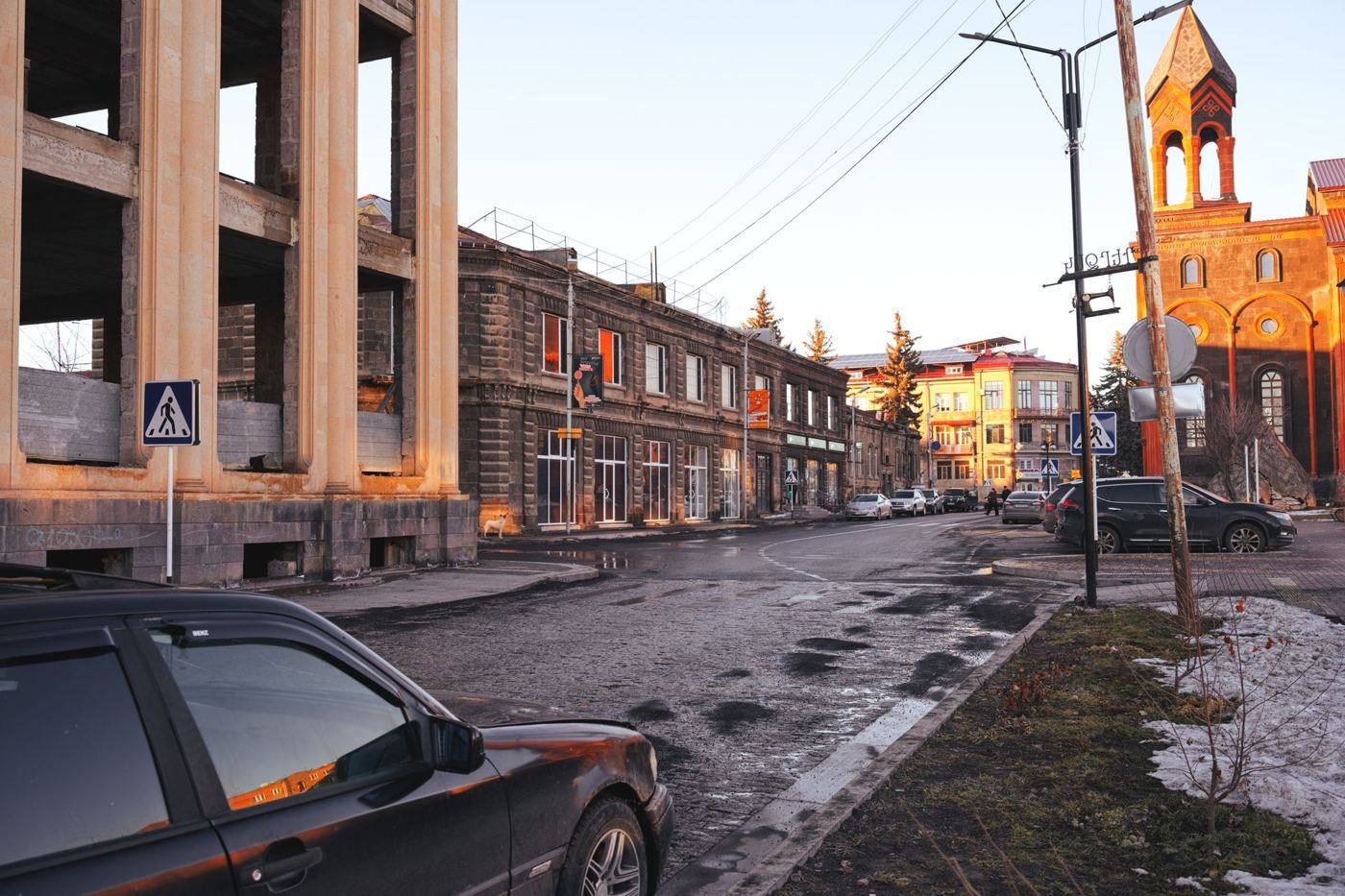 3 daysEasy
Gyumri and the north-west
Armenia's second city with the historic Kumayri district in black and red tuff, its craft workshops, and the monasteries of Marmashen and Harichavank.