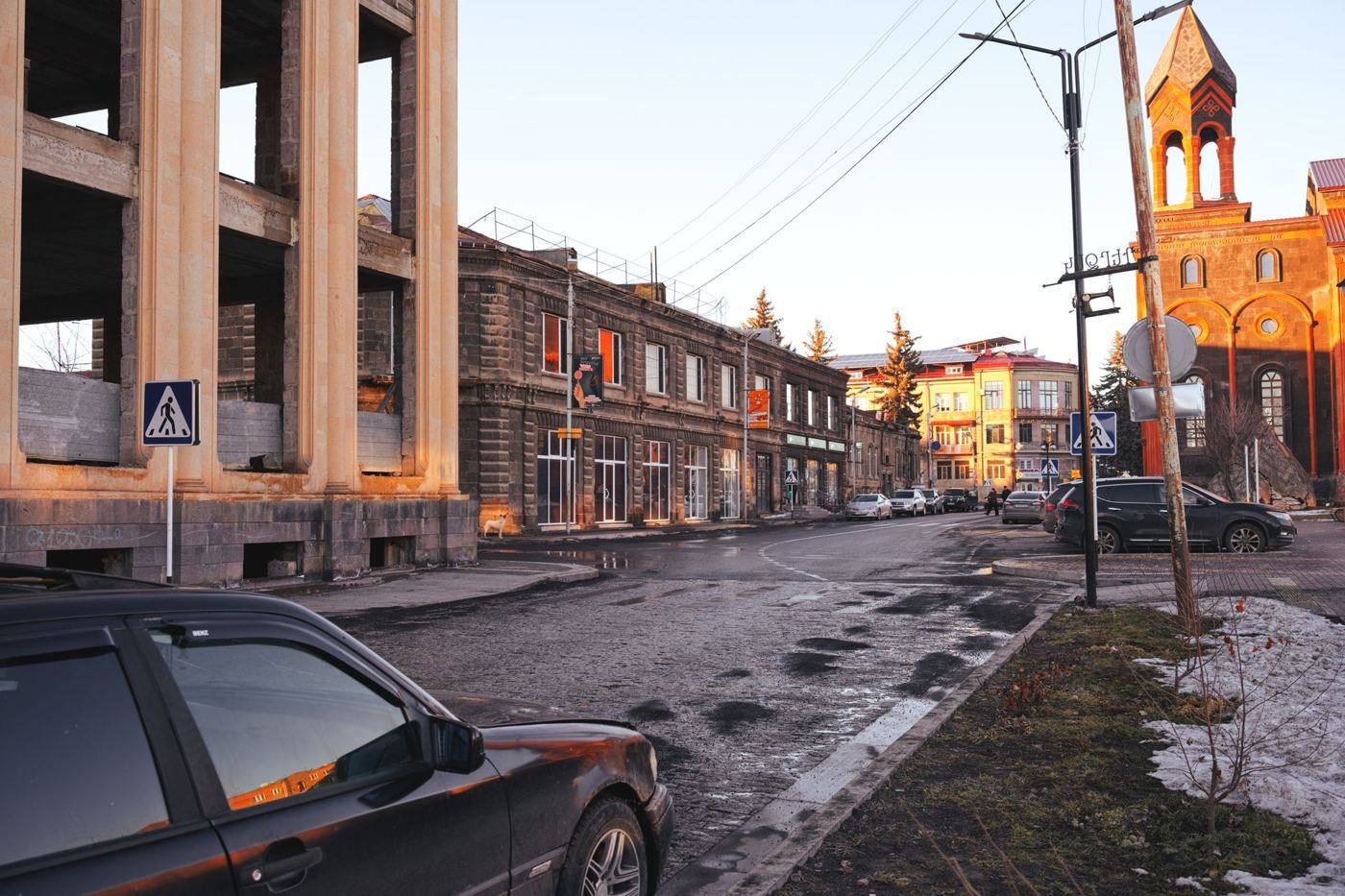
Gyumri and the north-west
Armenia's second city with the historic Kumayri district in black and red tuff, its craft workshops, and the monasteries of Marmashen and Harichavank.
- Yerevan
- Gyumri
- Marmashen
- Harichavank
Day by day
- Day 1
By train from Yerevan to Gyumri and the Kumayri quarter
This trip takes you to Gyumri, Armenia's second city, in the north-west of the country: the historic Kumayri quarter with its houses of black and red tuff, craft workshops and two country monasteries, Marmashen and Harichavank.
Before you go: Italian citizens can enter Armenia only with a passport, valid for the whole stay: an identity card is not enough. EU citizens do not need a visa for tourism, for up to 180 days in a year. Other nationalities should check their own rules. Italy's travel advice warns against the areas along the border with Azerbaijan and near Nakhchivan, especially the Syunik and Vayots Dzor regions and the southern and eastern parts of Gegharkunik; the UK advises against all travel within 5 kilometres of the entire eastern border. Gyumri and the north-west are far from these areas. Do not drink tap water.
In the morning take the train from Yerevan's central station. The journey is slow but comfortable and crosses the plain and then the uplands of Aragatsotn and Shirak, with the outline of Aragats in view. Check times and prices the day before.
In Gyumri drop your bags and walk through Kumayri, the nineteenth century historic centre. The low houses are built from blocks of black and red tuff, with wooden doors and wrought iron balconies. Reach Vardanants Square, home to the Church of the Holy Saviour, badly damaged by the 1988 earthquake and later restored, and the Church of the Seven Wounds.
In the evening try khorovats, meat grilled over embers, with herb salads. If you travel in winter, ask about khash, the thick soup Armenians eat early in the morning.
Sleep in Gyumri.
Practical tip: buy your train ticket at the station a little in advance, because seats sell out at summer weekends.
- Day 2
The monasteries of Marmashen and Harichavank
Today you leave the city to see two very different monasteries in the Shirak countryside.
In the morning go to Marmashen, about ten kilometres north-west of Gyumri. The monastery stands in a green valley near the Akhurian river and was built between the tenth and eleventh centuries. The main church is in pinkish tuff, with a slender dome and fine carving on the façades. Around it are the foundations of other churches and a small cemetery with stone crosses. It is a quiet place, often empty.
Return to Gyumri for lunch. In the afternoon drive east to Artik and then to the village of Harichav, where Harichavank stands. The monastery is larger, with churches built from the seventh to the thirteenth century and an enclosing wall. From the edge of the gorge you look across the open upland, with fields and mountains on the horizon.
For today's journeys a taxi with a driver for the whole day is the best choice: it is common in Armenia, and Gyumri's drivers know the country roads well. Agree the price before you set off.
In Armenian churches go in quietly, with your shoulders covered, and do not take photos during services. You can light a thin candle, as worshippers do.
In the evening return to the centre and walk along Rustaveli Street, lined with restored old houses.
Sleep in Gyumri.
Practical tip: bring water and something to eat, because there are often no open shops near the country monasteries.
- Day 3
The market, the workshops and the return
The last day is about everyday life in Gyumri and its crafts.
In the morning go to the covered market, where women sell cheeses, mountain herbs, dried fruit, vegetables and lavash bread. Taste chanakh, a salty cheese, and dried fruit stuffed with walnuts.
Then visit the museum of national architecture and urban life, in a grand house in the centre, which shows how Gyumri families lived in the nineteenth century. Check prices and times. If you are interested in more recent history, climb to the Black Fortress, a nineteenth century Russian fort on a hill with a view over the whole city.
Late in the morning step into some of Kumayri's workshops: potters, blacksmiths, woodcarvers and painters work in small courtyards and often show you how they work. Gyumri is famous in Armenia for its craftsmen and for the sense of humour of its people, which survived even the earthquake of 7 December 1988. Many families lived for years in temporary housing, and signs of that wound can still be seen in the city.
In the afternoon take the train or a minibus back to Yerevan.
Trip summary: three easy days, with a city of black stone and strong character, two country monasteries and living crafts, far less touristy than Yerevan.
When to go: from May to October. Winter in Gyumri is long and very cold, and snow makes the roads to the monasteries difficult.
Practical tip: in the workshops always ask before taking photos and, if you want to buy, pay cash in dram.
A city with strong character and a sharp sense of humour, scarred by the 1988 earthquake. Far less touristy than Yerevan. The train is slow but comfortable.
Before you go
- Documents and visa
- Passport valid for the whole stay. British citizens can visit without a visa for up to 180 days in a year for tourism or business.
- Health and vaccines
- No compulsory vaccinations; ask your doctor about hepatitis A and B and diphtheria. Medical facilities are limited outside Yerevan: you need insurance covering medical costs and repatriation. Do not drink tap water and avoid ice. Emergencies: 911.
- Money and payments
- Armenian dram: payments in other currencies are not allowed. Euros and dollars are easy to change in Yerevan. Visa and Mastercard work well in the capital, much less elsewhere: carry cash outside the city.
- Power sockets
- Types C and F, 230 volts: you need an adapter for British plugs.
- Time zone
- UTC+4 all year, four hours ahead of the UK in winter, three in summer.
- Safety
- The UK advises against all travel within 5 km of the entire eastern border with Azerbaijan and along the road between Ijevan and Noyemberyan. The borders with Azerbaijan and Turkey are closed. The United States advises increased caution and says not to travel to the border with Azerbaijan. Yerevan is not in these areas. Official advice: GOV.UK.
Information checked in November 2026 for Italian and EU citizens. Rules change: always check before you travel.
Variations
Short version: two days, just Kumayri and Marmashen, returning by train on the evening of the second day.
Long version: add a day for Aragats and Amberd fortress on the way back to Yerevan.
Frequently asked questions
How do you get to Gyumri from Yerevan?
By train from Yerevan's central station, or by minibus or taxi. The train is slow but comfortable; check times and prices the day before.
Is Gyumri safe?
Yes, Gyumri is far from the border areas with Azerbaijan that Italy and the UK advise against. Normal city precautions apply.
Do you need a car for the monasteries?
Not really: a taxi with a driver for the day is the easiest way to reach Marmashen and Harichavank. Agree the price before you set off.
Indicative itinerary written by World Atlas. Before booking, check timetables, seasonal openings, documents and safety.
 3 daysModerate
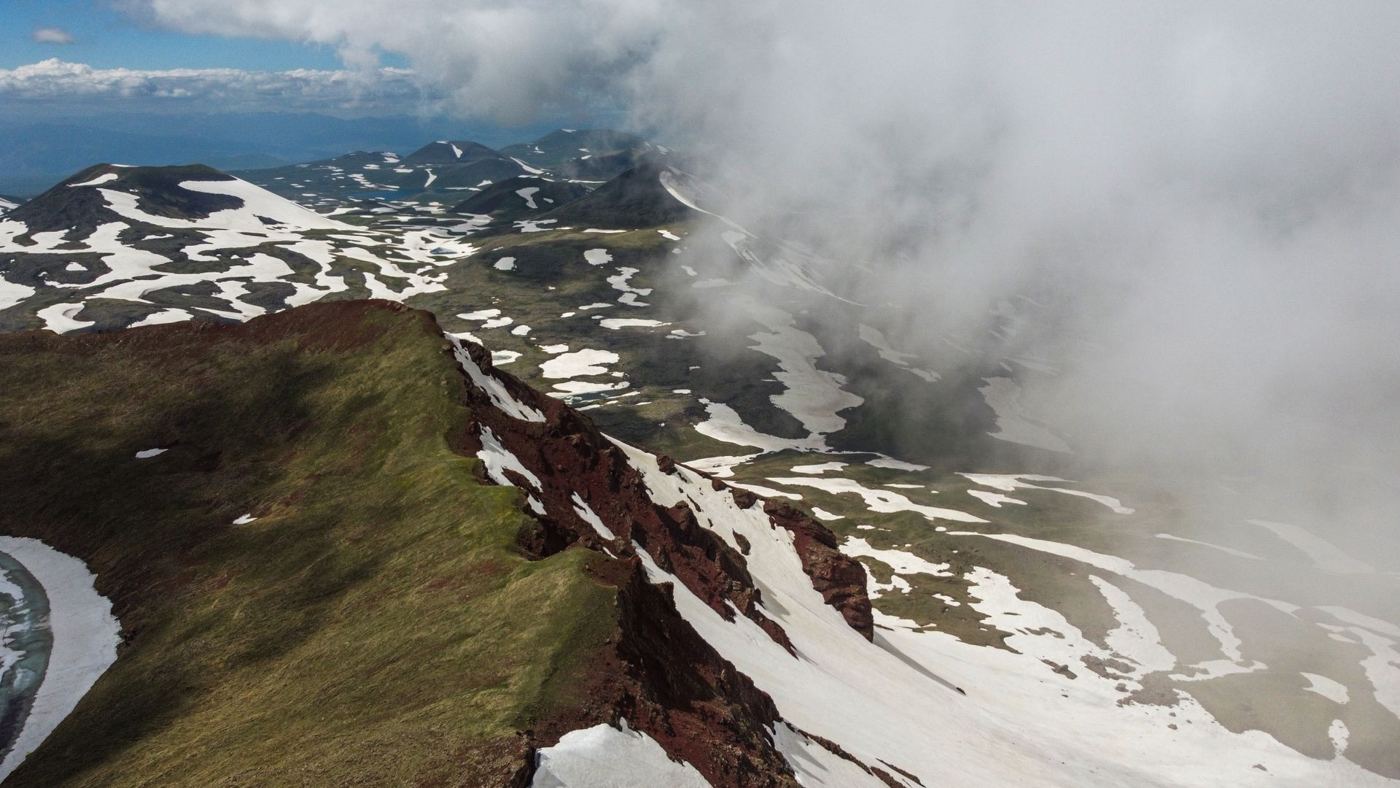
Aragats and Amberd
Amberd fortress on the slopes of Aragats, Lake Kari at 3,200 metres, the climb to the south summit of Armenia's highest mountain and the Armenian Alphabet monument.
 4 daysEasy
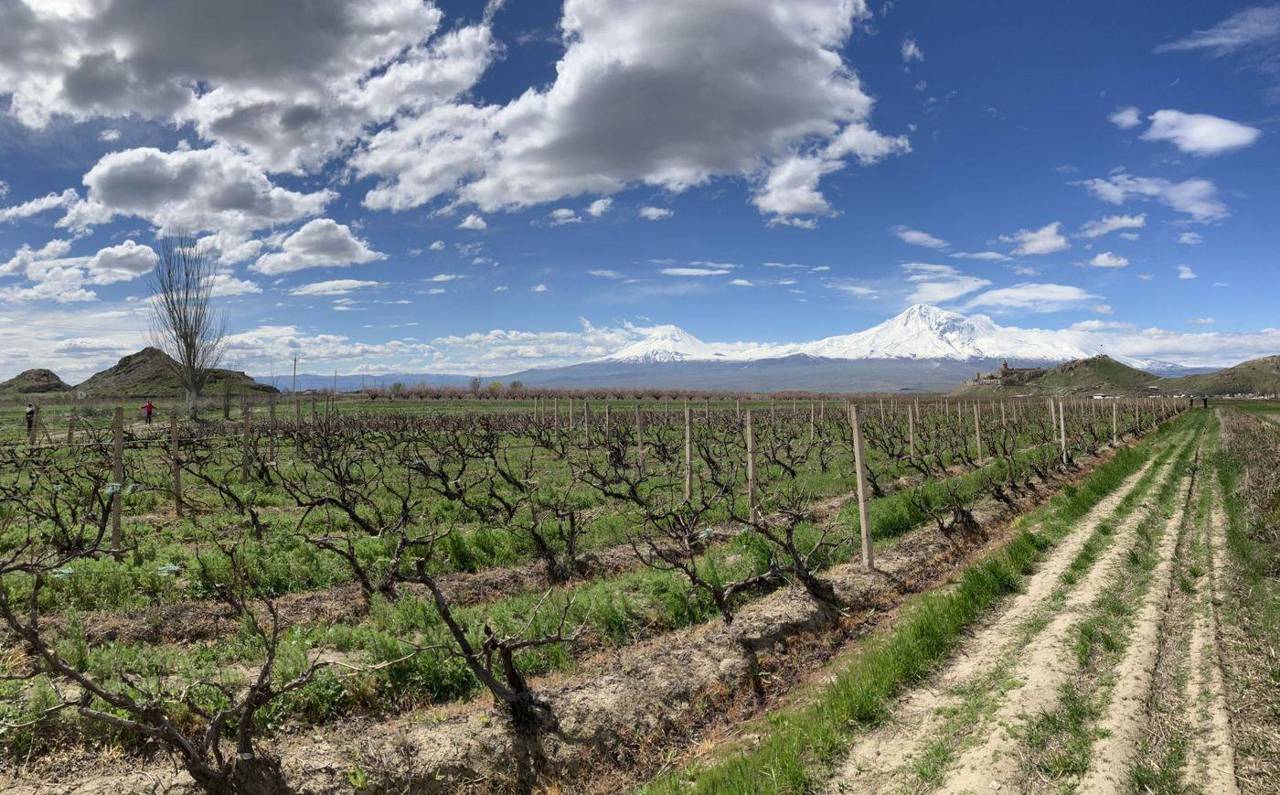
Areni wine and Jermuk
Areni-1 cave, where one of the world's oldest wineries was found, the wineries of Vayots Dzor, and the spa town of Jermuk with its waterfall.
 3 daysModerate
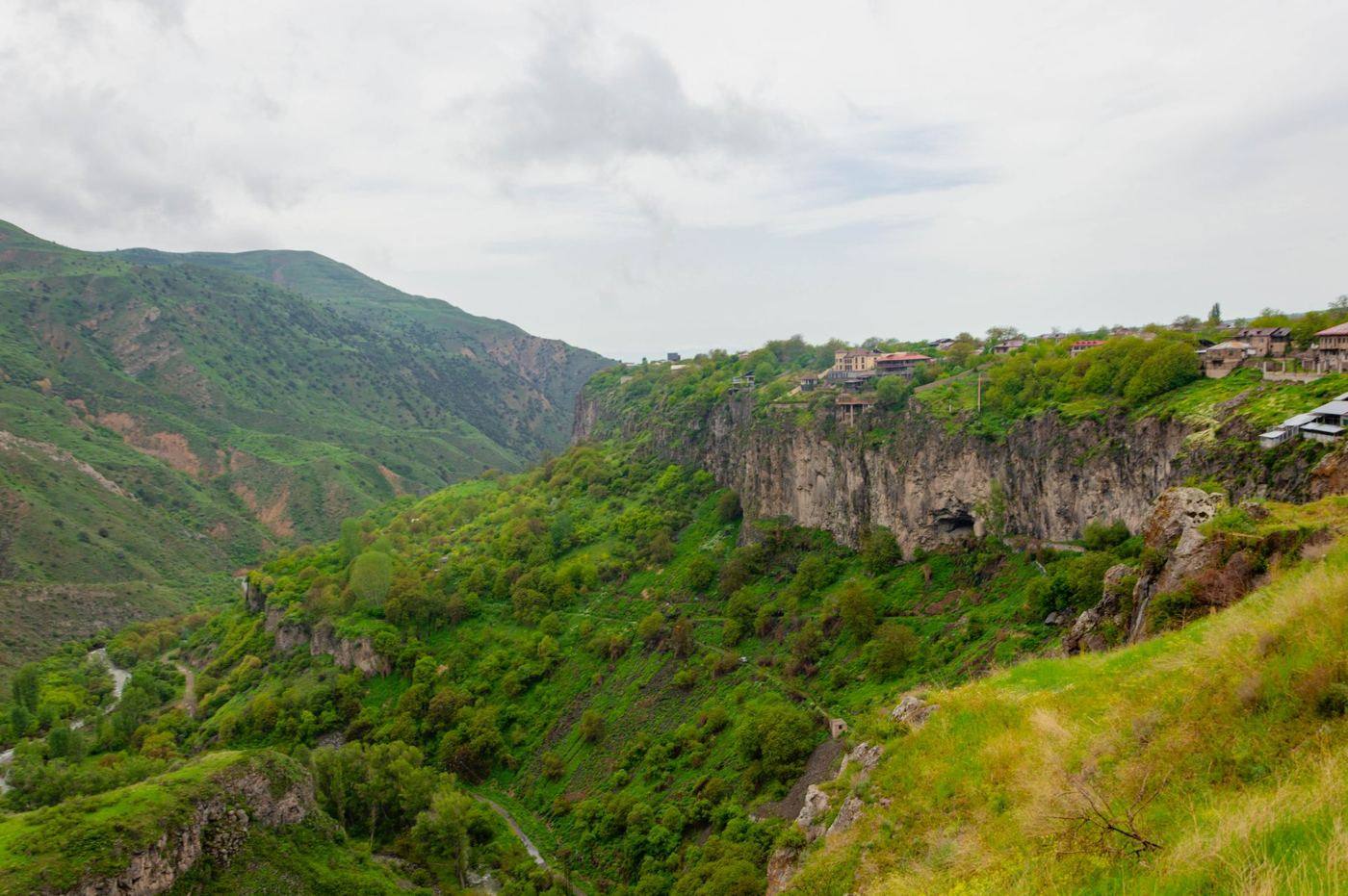
The Dilijan trek
A waymarked section of the Transcaucasian Trail in Dilijan National Park, from Lake Parz to Goshavank monastery, through beech forests and villages.