The north and the Debed valley
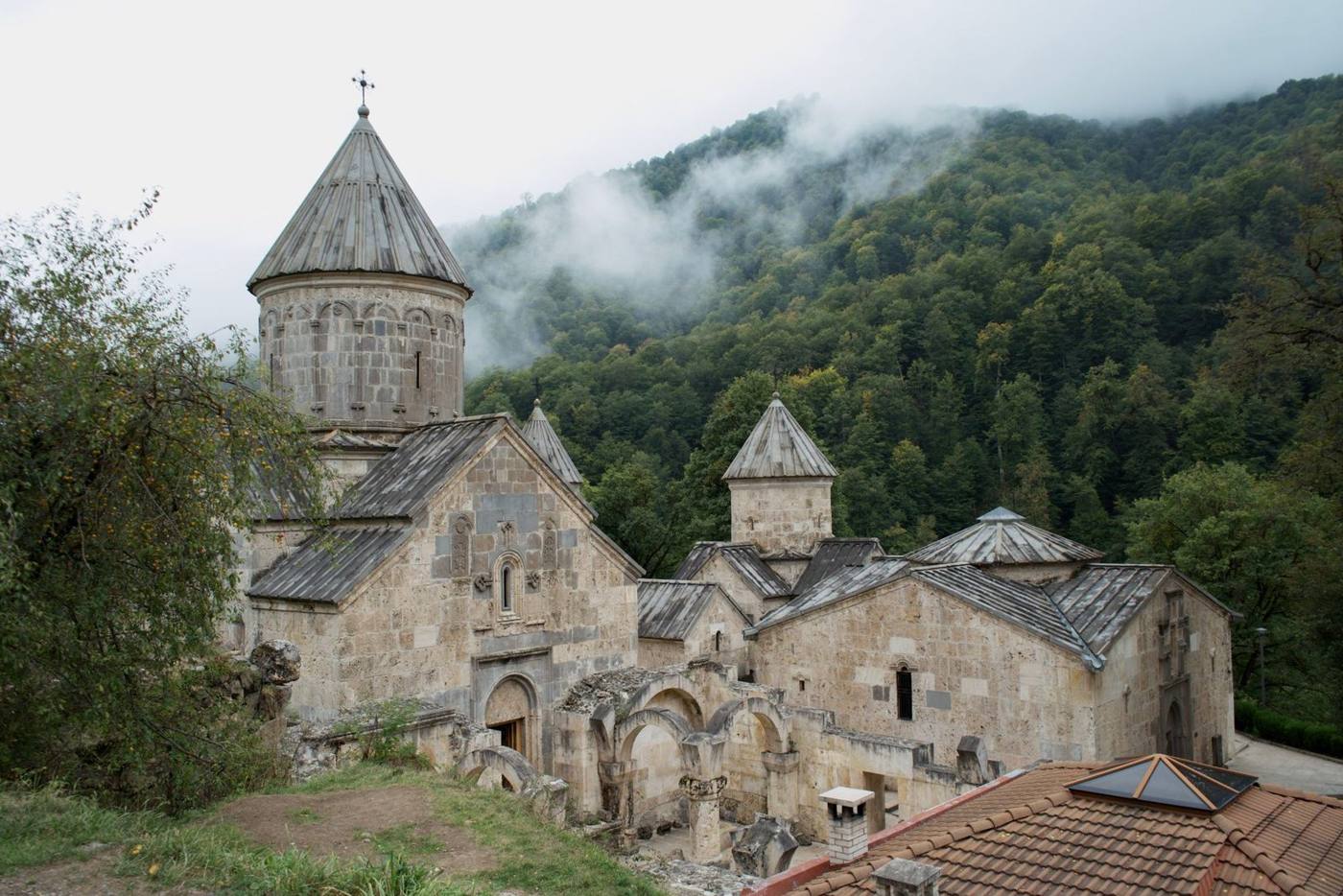
The UNESCO monasteries of Haghpat and Sanahin, Akhtala and its frescoes, the forests of Dilijan and Haghartsin monastery.
- Yerevan
- Dilijan
- Haghartsin
- Sanahin
- Haghpat
- Akhtala
Day by day
- Day 1
Dilijan and Haghartsin monastery in the forest
This trip crosses northern Armenia, through forests and canyons: Dilijan and the monastery of Haghartsin, then the Debed valley with the UNESCO monasteries of Sanahin and Haghpat and the frescoed church of Akhtala, a few kilometres from Georgia.
Before you go: Italian citizens can enter Armenia only with a passport, valid for the whole stay: an identity card is not enough. EU citizens do not need a visa for tourism, for up to 180 days in a year. Other nationalities should check their own rules. Italy's travel advice warns against the areas along the border with Azerbaijan and near Nakhchivan, especially the Syunik and Vayots Dzor regions and the southern and eastern parts of Gegharkunik; the UK advises against all travel within 5 kilometres of the entire eastern border and on the road between Ijevan and Noyemberyan. This trip does not use that road: from the Dilijan area it reaches the Debed through Vanadzor, and it stays far from the border. Do not drink tap water.
From Yerevan you reach Dilijan in about two hours, passing Lake Sevan. After a walk through the old town, along Sharambeyan Street with its restored houses, take the narrow road that climbs through the forest to Haghartsin.
The monastery, built between the tenth and thirteenth centuries, sits in a valley covered with beech and hornbeam. It has several churches of pale stone, a medieval refectory with crossed arches and large trees all around. Since its restoration it has become a living place again, with families coming for picnics.
Sleep in Dilijan, in a family guesthouse.
Practical tip: Haghartsin is cool in the evening even in summer, so bring a jumper and go in the late afternoon, when the light filters through the trees.
- Day 2
The Debed valley: Sanahin and Haghpat
Today you enter the Debed valley, a deep canyon where medieval monasteries stand above old Soviet factories.
In the morning drive from Dilijan towards Vanadzor and then north along the Debed river. The road drops into the canyon between basalt walls and villages clinging to the slopes. In Alaverdi you see the chimneys of the copper smelter, working since the nineteenth century: a strong contrast with what you find above the town.
Climb to the Sanahin plateau. The monastery, founded in the tenth century, is a group of churches, galleries, a library and a medieval academy, with floors made of gravestones and finely carved khachkars. The halls are dark and cool, lit by small openings in the roof.
In the afternoon continue to Haghpat, on the other side of the canyon. The monastery, founded a few years after Sanahin, has a large church with an old fresco, a bell tower and a famous thirteenth century khachkar. Together, Haghpat and Sanahin are a UNESCO World Heritage Site. From the edge of the monastery you look over the valley and the mountains towards Georgia.
In the evening have dinner in a family guesthouse: vegetables from the garden, cheeses and fruit from the valley.
Sleep in the Debed valley, in Haghpat or Alaverdi.
Practical tip: bring a small torch for the churches of Sanahin and Haghpat, because the interiors are very dark and the inscriptions can only be seen up close.
- Day 3
Akhtala and on towards Georgia
Today you see the northernmost monastery of the trip and decide whether to carry on to Georgia.
In the morning drive along the Debed to Akhtala, a mining town. Above the town, on a rocky spur protected by walls, stands a monastery with the Church of the Holy Mother of God. The church is famous for its thirteenth century frescoes, which cover walls and vaults in colours that are still bright: deep blue, saints, scenes from the life of Christ. It is one of the best preserved cycles of medieval painting in the country.
Take your time with the frescoes and then walk along the walls, which look over the valley and the wooded hills.
If you carry on to Georgia, the Bagratashen crossing is less than an hour's drive away. Before you leave, check the documents Georgia requires for your nationality.
If you stay in Armenia, in the afternoon go back into the valley and walk between the villages, or rest at the guesthouse. Many families make fruit wine and jams at home.
Sleep in the Debed valley.
Practical tip: at Akhtala the church may keep irregular hours; arrive in the morning and ask the caretaker, who is often near the entrance.
- Day 4
Odzun and the return to Yerevan
The last day is the journey back to Yerevan, with a stop at a very old church.
In the morning climb to the plateau above Alaverdi and the village of Odzun. Its church, among the oldest in Armenia, is a large stone building from the early centuries of the Middle Ages, with a double arched funerary monument beside it. The village looks down on the Debed canyon.
Then drive down to Vanadzor and continue south, through Spitak, one of the towns hit by the 1988 earthquake, and across the uplands of Aragatsotn. The journey takes a few hours, with stops for Armenian coffee along the way.
In the afternoon you reach Yerevan.
Trip summary: four easy days in northern Armenia, with the forests of Dilijan and Haghartsin, the UNESCO monasteries of Sanahin and Haghpat, the frescoes of Akhtala and the church of Odzun, far from the border areas advised against. It is an ideal trip to combine with Georgia.
When to go: from May to October. May and June are green and in flower, September and October bring autumn colours to the woods. In winter the mountain roads may be under snow and some guesthouses close.
Practical tip: on the way back buy fruit and vegetables from farmers' stalls, but always wash the fruit with bottled water.
Ideal to combine with Georgia, a few kilometres away. The Debed valley has old Soviet factories next to the monasteries, a striking contrast. Family guesthouses are simple but welcoming.
Before you go
- Documents and visa
- Passport valid for the whole stay. British citizens can visit without a visa for up to 180 days in a year for tourism or business.
- Health and vaccines
- No compulsory vaccinations; ask your doctor about hepatitis A and B and diphtheria. Medical facilities are limited outside Yerevan: you need insurance covering medical costs and repatriation. Do not drink tap water and avoid ice. Emergencies: 911.
- Money and payments
- Armenian dram: payments in other currencies are not allowed. Euros and dollars are easy to change in Yerevan. Visa and Mastercard work well in the capital, much less elsewhere: carry cash outside the city.
- Power sockets
- Types C and F, 230 volts: you need an adapter for British plugs.
- Time zone
- UTC+4 all year, four hours ahead of the UK in winter, three in summer.
- Safety
- The UK advises against all travel within 5 km of the entire eastern border with Azerbaijan and along the road between Ijevan and Noyemberyan. The borders with Azerbaijan and Turkey are closed. The United States advises increased caution and says not to travel to the border with Azerbaijan. Yerevan is not in these areas. Official advice: GOV.UK.
Information checked in November 2026 for Italian and EU citizens. Rules change: always check before you travel.
Variations
Short version: three days, with Dilijan, Haghartsin, Sanahin and Haghpat, returning to Yerevan on the third day.
Long version: carry on into Georgia through the Bagratashen crossing and add a few days in Tbilisi.
Frequently asked questions
Which road should you take to the Debed valley?
From the Dilijan area go through Vanadzor and then follow the Debed north. Avoid the road between Ijevan and Noyemberyan, which the UK advises against.
Can you combine the trip with Georgia?
Yes, the Bagratashen crossing is less than an hour from Akhtala. Check first the documents Georgia requires for your nationality.
Where do you sleep in the valley?
In simple family guesthouses in Haghpat, Sanahin or Alaverdi. Book ahead in summer.
Indicative itinerary written by World Atlas. Before booking, check timetables, seasonal openings, documents and safety.
 3 daysEasy
Gyumri and the north-west
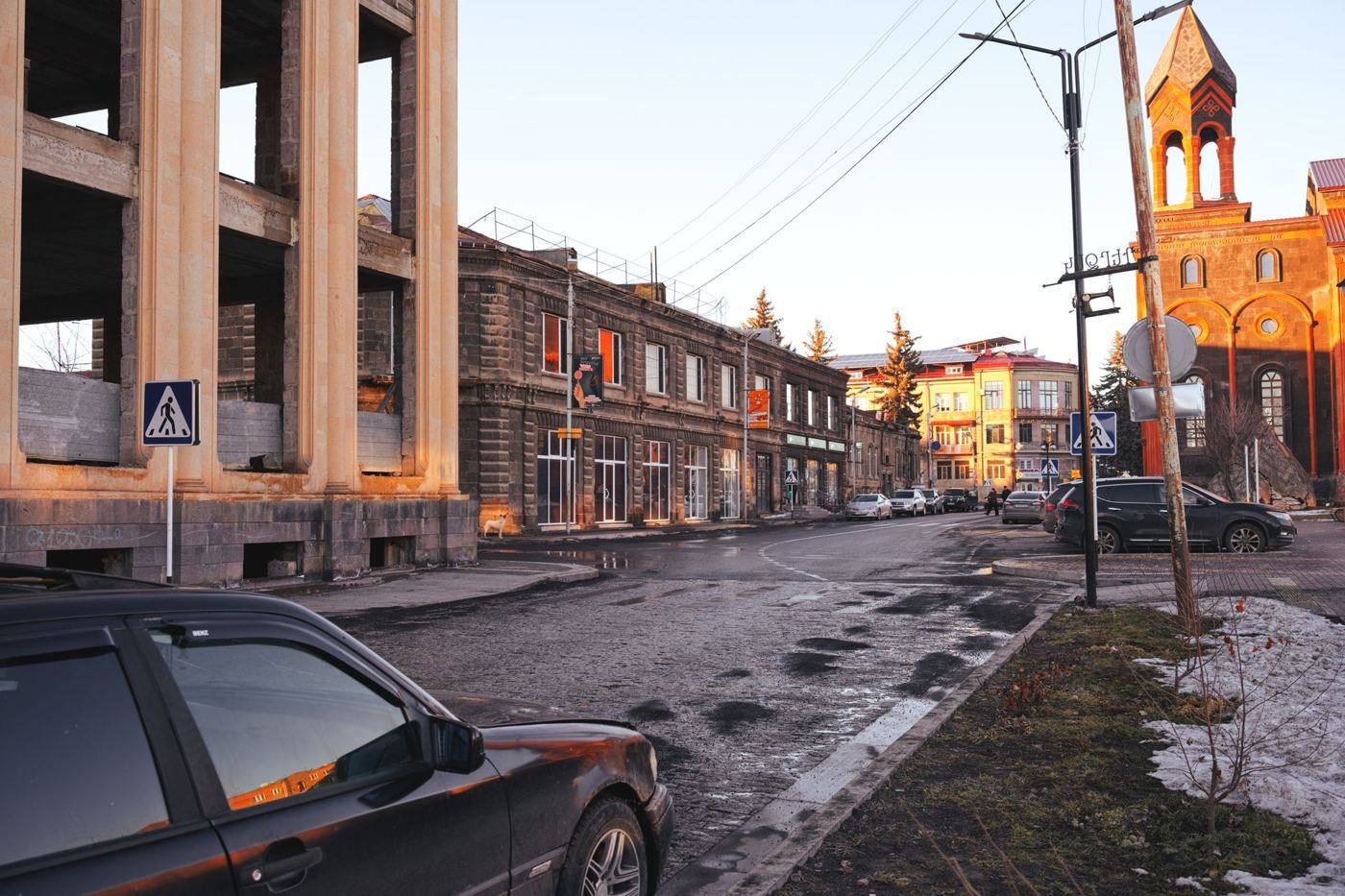
Armenia's second city with the historic Kumayri district in black and red tuff, its craft workshops, and the monasteries of Marmashen and Harichavank.
 3 daysModerate
Aragats and Amberd
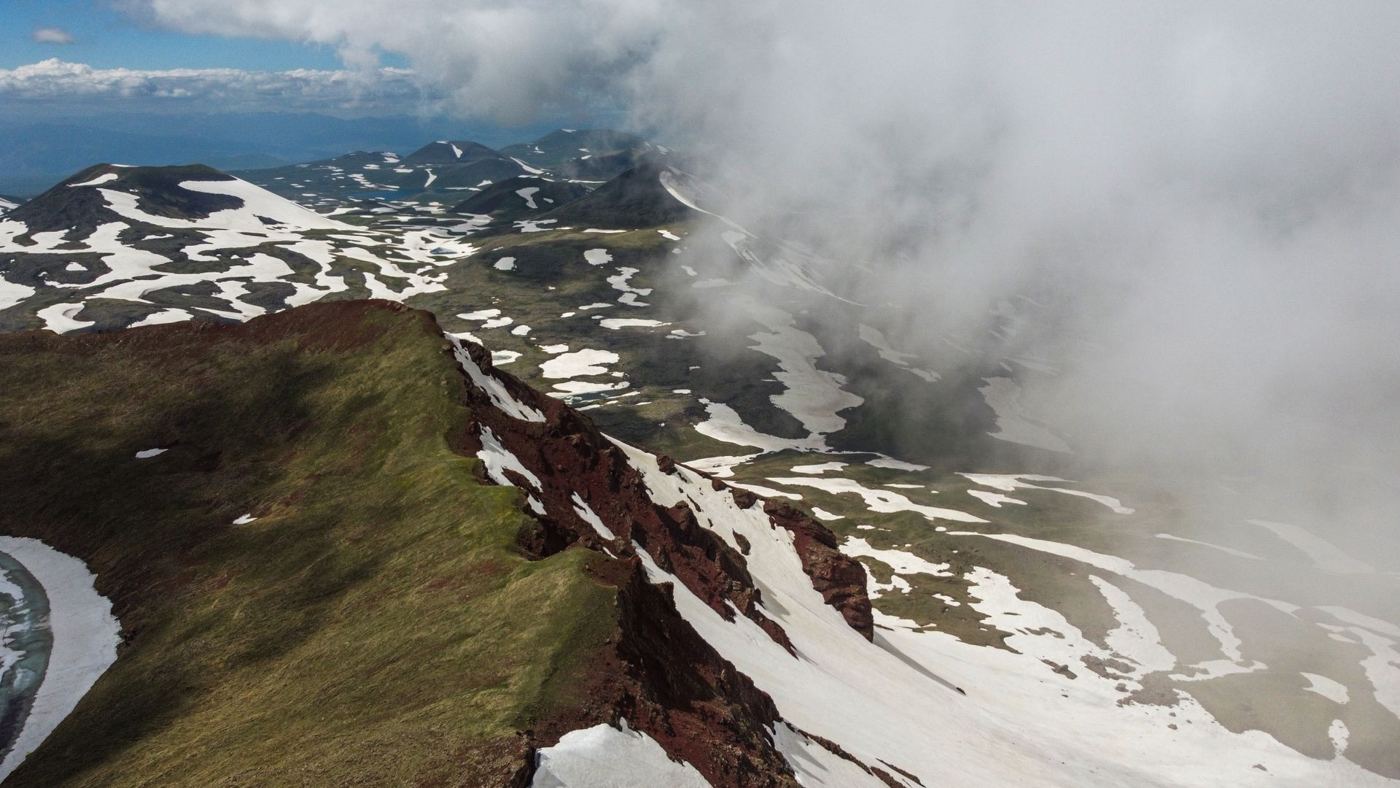
Amberd fortress on the slopes of Aragats, Lake Kari at 3,200 metres, the climb to the south summit of Armenia's highest mountain and the Armenian Alphabet monument.
 4 daysEasy
Areni wine and Jermuk
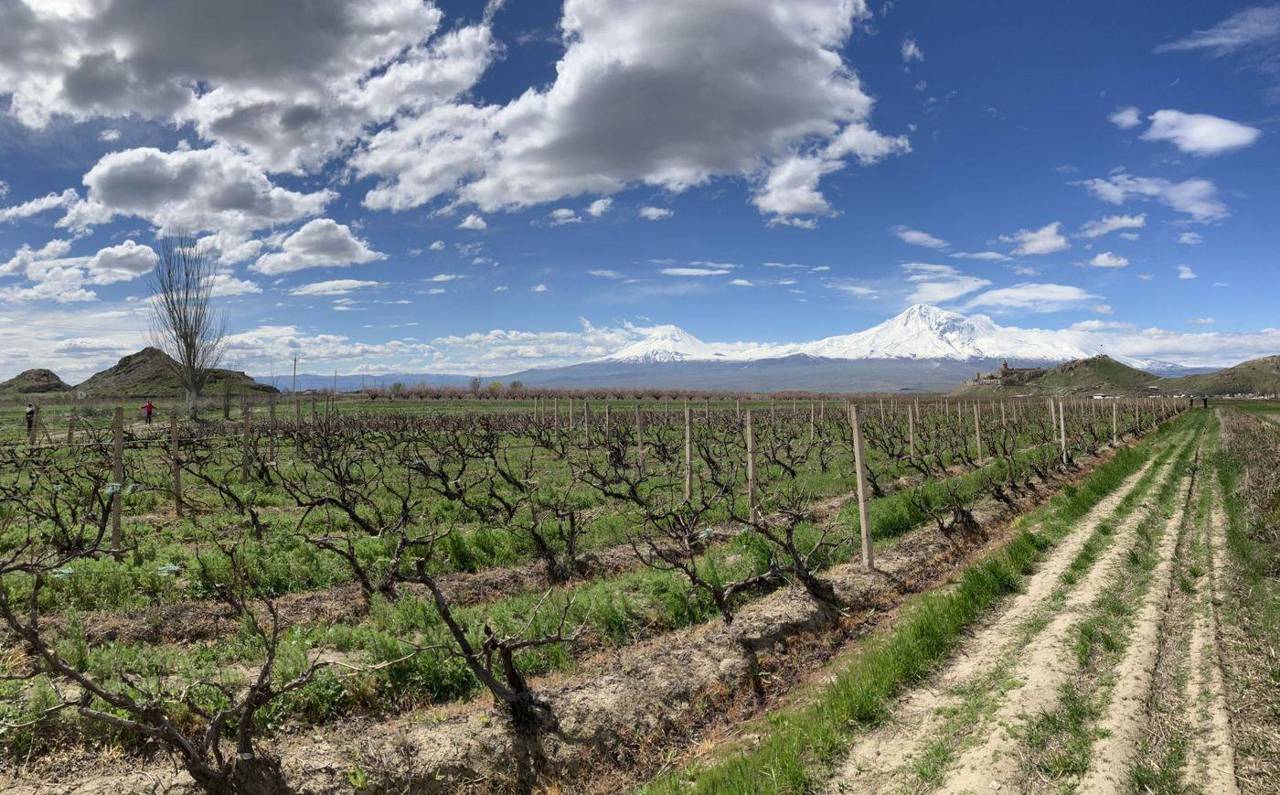
Areni-1 cave, where one of the world's oldest wineries was found, the wineries of Vayots Dzor, and the spa town of Jermuk with its waterfall.