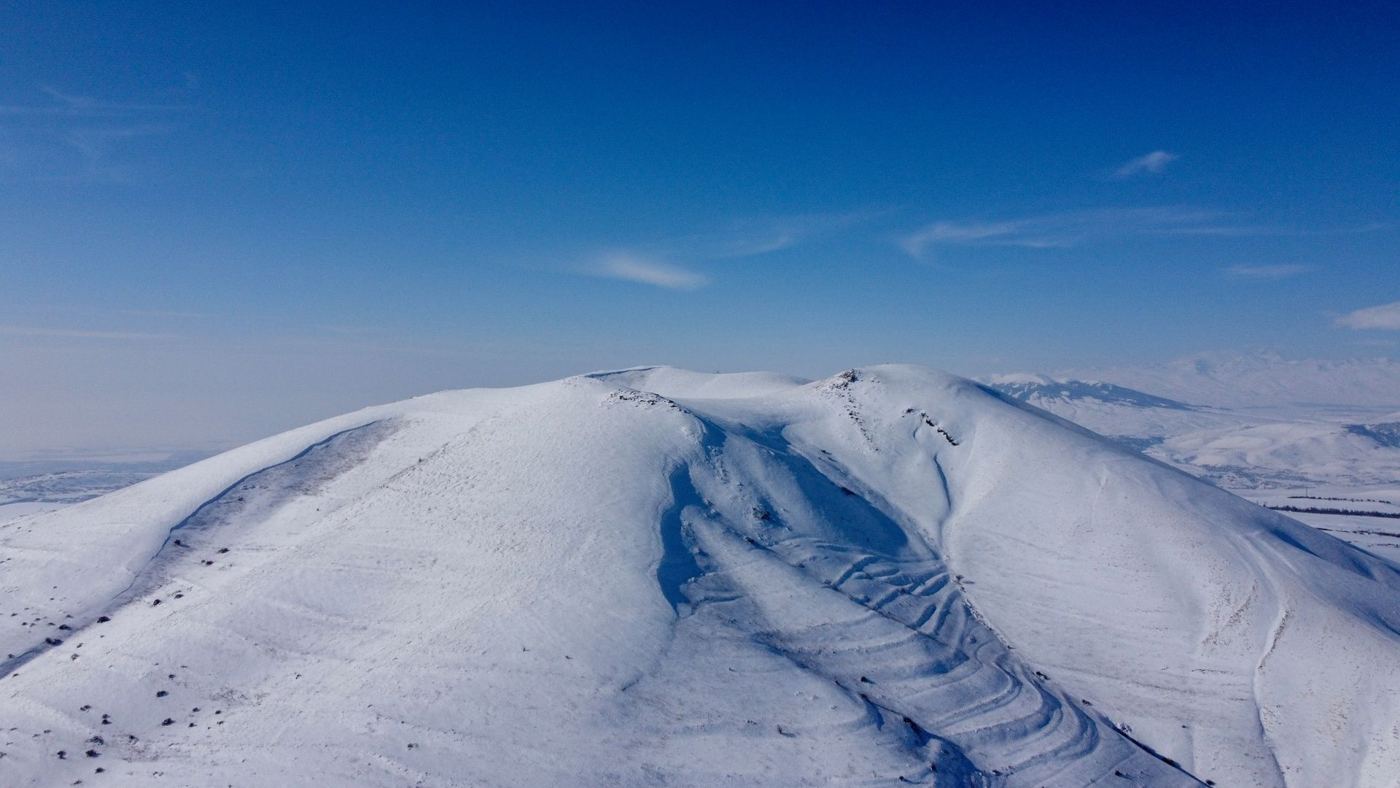
Armenia in winter
Yerevan around the Armenian Christmas of 6 January, the Tsaghkadzor ski resort, Kecharis monastery and snowy monasteries around the capital.
- Yerevan
- Tsaghkadzor
- Kecharis
- Garni
Day by day
- Day 1
Yerevan in the winter holidays
This trip shows a different Armenia, almost without tourists: Yerevan decorated for the holidays, with Armenian Christmas on 6 January, the ski resort of Tsaghkadzor with Kecharis monastery and the temple of Garni under snow.
Before you go: Italian citizens can enter Armenia only with a passport, valid for the whole stay: an identity card is not enough. EU citizens do not need a visa for tourism, for up to 180 days in a year. Other nationalities should check their own rules. Italy's travel advice warns against the areas along the border with Azerbaijan and near Nakhchivan, especially the Syunik and Vayots Dzor regions and the southern and eastern parts of Gegharkunik; the UK advises against all travel within 5 kilometres of the entire eastern border. Yerevan, Tsaghkadzor and Garni are far from these areas. Do not drink tap water. If you ski, check that your insurance covers winter sports.
You land at Zvartnots airport, about half an hour from the centre. In winter Yerevan is cold and dry, often sunny and sometimes snowy.
In the afternoon walk around Republic Square, where from late December to early January there are the big tree, the lights and the holiday stalls, with mulled wine, sweets and small gifts. Carry on along Northern Avenue to the Opera and then towards the Cascade. In Armenia New Year is the biggest celebration, and the Armenian Apostolic Church celebrates Christmas on 6 January, together with Epiphany: on the evening of 5 January the churches fill up for the services.
In the evening try hot soups and gata, the Armenian sweet bread.
Sleep in Yerevan.
Practical tip: between 31 December and 2 January many shops and museums close; check prices and times and book in good time.
- Day 2
Tsaghkadzor: the slopes and the cable car
Today you leave the city for the mountains: Tsaghkadzor, Armenia's main ski resort, about an hour from Yerevan.
In the morning drive or take a taxi north. The road climbs through snowy hills to a small town on the slopes of Mount Teghenis. Drop your bags and head to the bottom of the lifts.
The cable car and chairlifts climb in several stages to the upper slopes, with views over the surrounding mountains and, on clear days, Lake Sevan in the distance. The slopes suit mainly beginners and intermediate skiers, and the resort is small but cheap compared with the Alps. You can hire skis, boots and a helmet near the lifts, and take a few lessons with a local instructor. Check prices and times for the lifts.
If you do not ski, ride the cable car anyway for the view and walk on the packed snow near the middle stations, or try sledging.
For lunch have something hot in one of the huts along the slopes: lentil soup, khorovats or baked potatoes.
In the evening Tsaghkadzor is quiet: a walk through the lit streets and a simple dinner are enough.
Sleep in Tsaghkadzor.
Practical tip: the snow at Tsaghkadzor is best in January and February; in December and March check the snow cover before you book.
- Day 3
Kecharis monastery and another day in the mountains
Today you combine the town's monastery with another day on the snow.
In the morning visit Kecharis monastery, in the centre of Tsaghkadzor. It was built between the eleventh and thirteenth centuries and includes several grey stone churches, with carved khachkars and a small cemetery. With snow on the roofs and the mountain behind, it is very beautiful. The monastery is still active, and on Sunday mornings you can listen to the slow, deep chants of the Armenian liturgy, next to local families. Go into the churches quietly and look at the medieval inscriptions on the walls.
Then go back to the slopes for a few hours of skiing, or take a snowshoe walk on the slopes above the town, ideally with a local guide if the snow is fresh.
In the afternoon rest: some hotels in the area have pools and saunas. When it gets dark the temperature drops quickly and the roads can ice over.
In the evening try the heartiest dishes of Armenian winter cooking, such as khash, the thick soup usually eaten early in the morning, or harissa, a dish of wheat and meat cooked for a long time.
Sleep in Tsaghkadzor.
Practical tip: bring sunglasses and sun cream even in midwinter, because at altitude the glare of the sun on the snow is strong.
- Day 4
Garni under snow and the return
On the last day you drive down to Garni and then back to Yerevan.
In the morning leave Tsaghkadzor and drive south-east to the village of Garni, about an hour away. The temple of Garni, from the first century AD, is the only Graeco-Roman style temple left in Armenia: basalt columns on a high base, above the edge of a gorge. It collapsed in an earthquake in the seventeenth century and was rebuilt in the twentieth. Under snow, with few people around, it is very atmospheric. Check prices and times.
If the road is passable, go down into the gorge below the temple to see the Symphony of Stones, a wall of basalt columns shaped like organ pipes. In winter the path can be icy: go only if it is safe.
In the afternoon return to Yerevan, about forty minutes away.
Trip summary: four easy days between festive Yerevan, the snow of Tsaghkadzor, Kecharis monastery and the temple of Garni, far from the border areas and almost without tourists.
When to go: from December to February. For the holidays choose late December or the first days of January, for the best snow January and February. Mountain roads can close because of snow: always check the weather.
Practical tip: in winter hire a car with snow tyres or use a local driver who is used to icy roads.
A different Armenia, almost without tourists. Tsaghkadzor is small but cheap, an hour from Yerevan. Mountain roads may close for snow.
Before you go
- Documents and visa
- Passport valid for the whole stay. British citizens can visit without a visa for up to 180 days in a year for tourism or business.
- Health and vaccines
- No compulsory vaccinations; ask your doctor about hepatitis A and B and diphtheria. Medical facilities are limited outside Yerevan: you need insurance covering medical costs and repatriation. Do not drink tap water and avoid ice. Emergencies: 911.
- Money and payments
- Armenian dram: payments in other currencies are not allowed. Euros and dollars are easy to change in Yerevan. Visa and Mastercard work well in the capital, much less elsewhere: carry cash outside the city.
- Power sockets
- Types C and F, 230 volts: you need an adapter for British plugs.
- Time zone
- UTC+4 all year, four hours ahead of the UK in winter, three in summer.
- Safety
- The UK advises against all travel within 5 km of the entire eastern border with Azerbaijan and along the road between Ijevan and Noyemberyan. The borders with Azerbaijan and Turkey are closed. The United States advises increased caution and says not to travel to the border with Azerbaijan. Yerevan is not in these areas. Official advice: GOV.UK.
Information checked in November 2026 for Italian and EU citizens. Rules change: always check before you travel.
Variations
Short version: three days, with Yerevan, one day in Tsaghkadzor and Garni on the way back.
Long version: add a day for Geghard monastery, near Garni, and for Etchmiadzin.
Frequently asked questions
Is the skiing good at Tsaghkadzor?
The resort is small but cheap, with slopes mainly for beginners and intermediate skiers. The snow is best in January and February.
When is Christmas celebrated in Armenia?
The Armenian Apostolic Church celebrates Christmas on 6 January, together with Epiphany. New Year is the biggest celebration of the year.
Are the roads open in winter?
The main roads are, but mountain roads can close because of snow. Use snow tyres or a local driver and check the weather.
Indicative itinerary written by World Atlas. Before booking, check timetables, seasonal openings, documents and safety.
 6 daysEasy
Yerevan and the monasteries
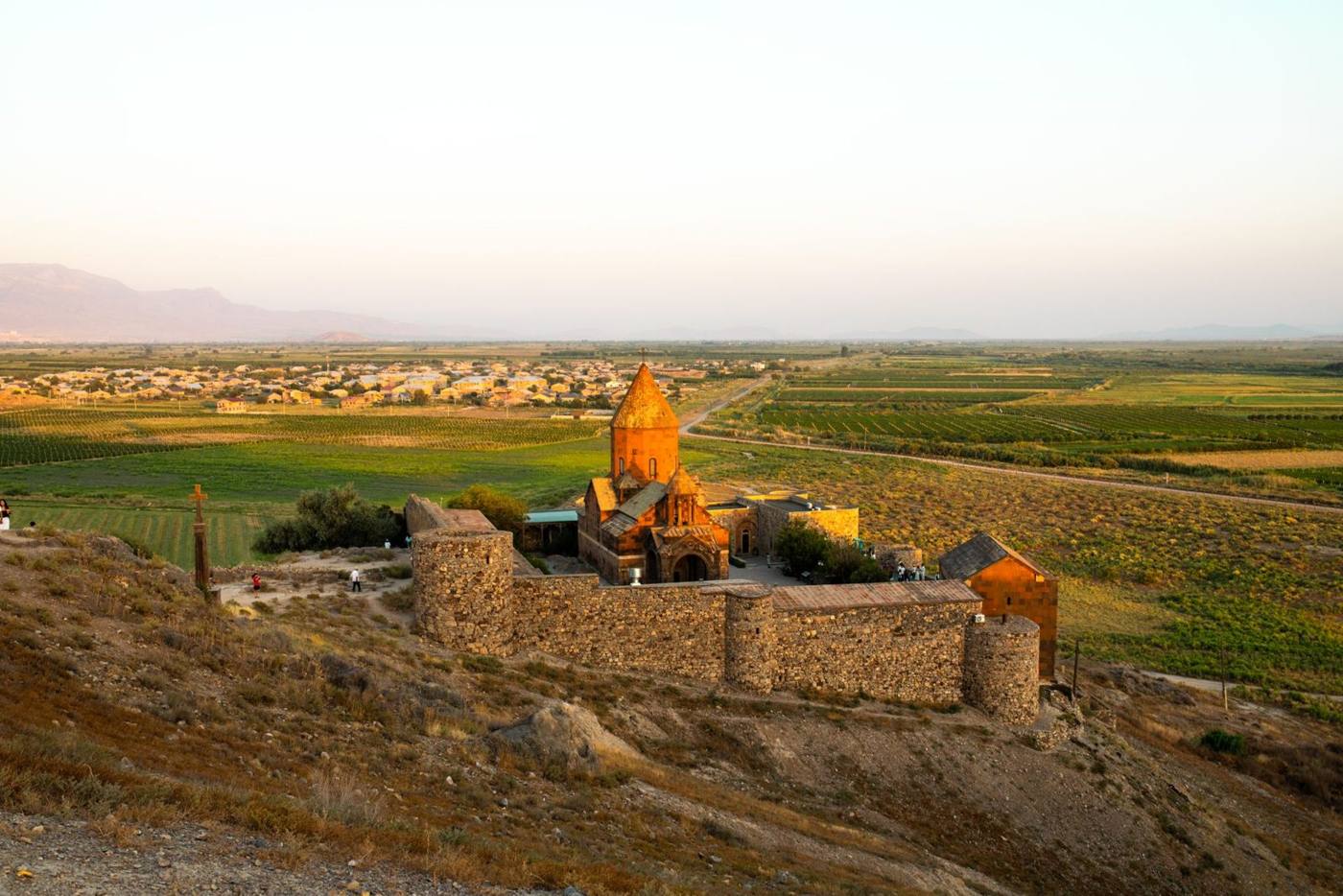
The pink capital beneath Ararat, Etchmiadzin, Garni temple, rock-cut Geghard, Khor Virap and Lake Sevan.
 5 daysModerate
The south and Tatev
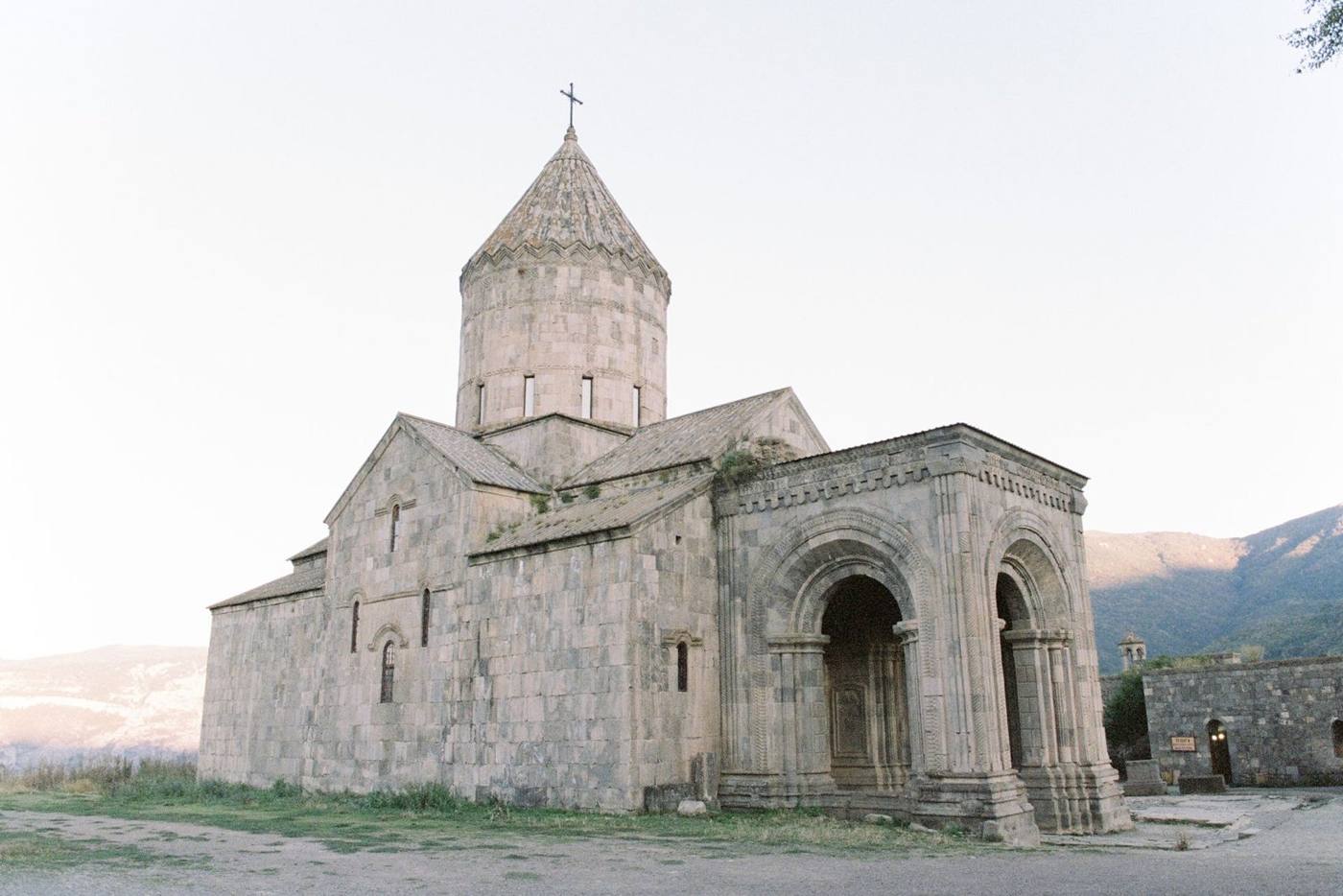
Noravank monastery in its red canyon, the Wings of Tatev cable car, the cave dwellings of Khndzoresk and the Carahunge site.
 4 daysEasy
The north and the Debed valley
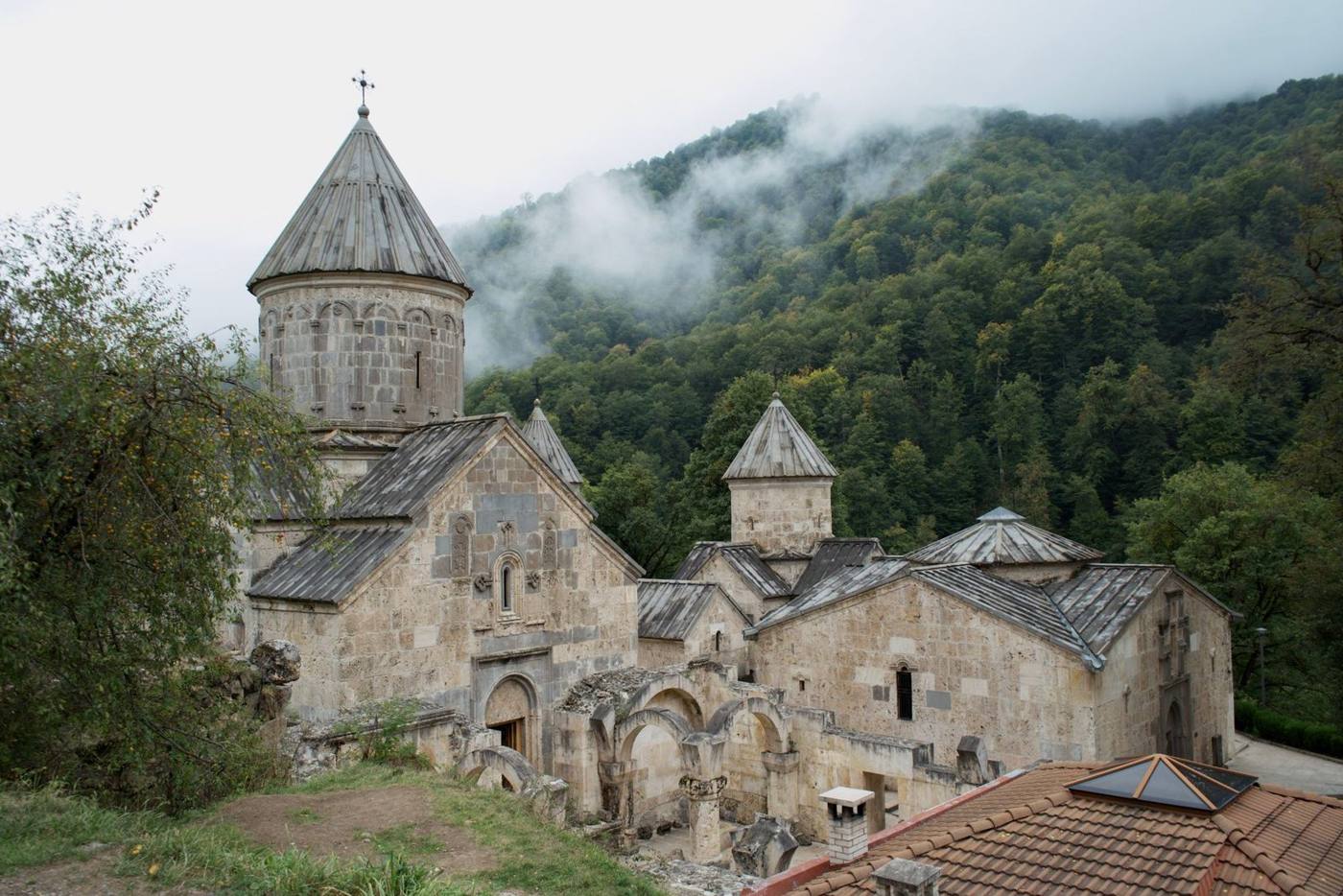
The UNESCO monasteries of Haghpat and Sanahin, Akhtala and its frescoes, the forests of Dilijan and Haghartsin monastery.