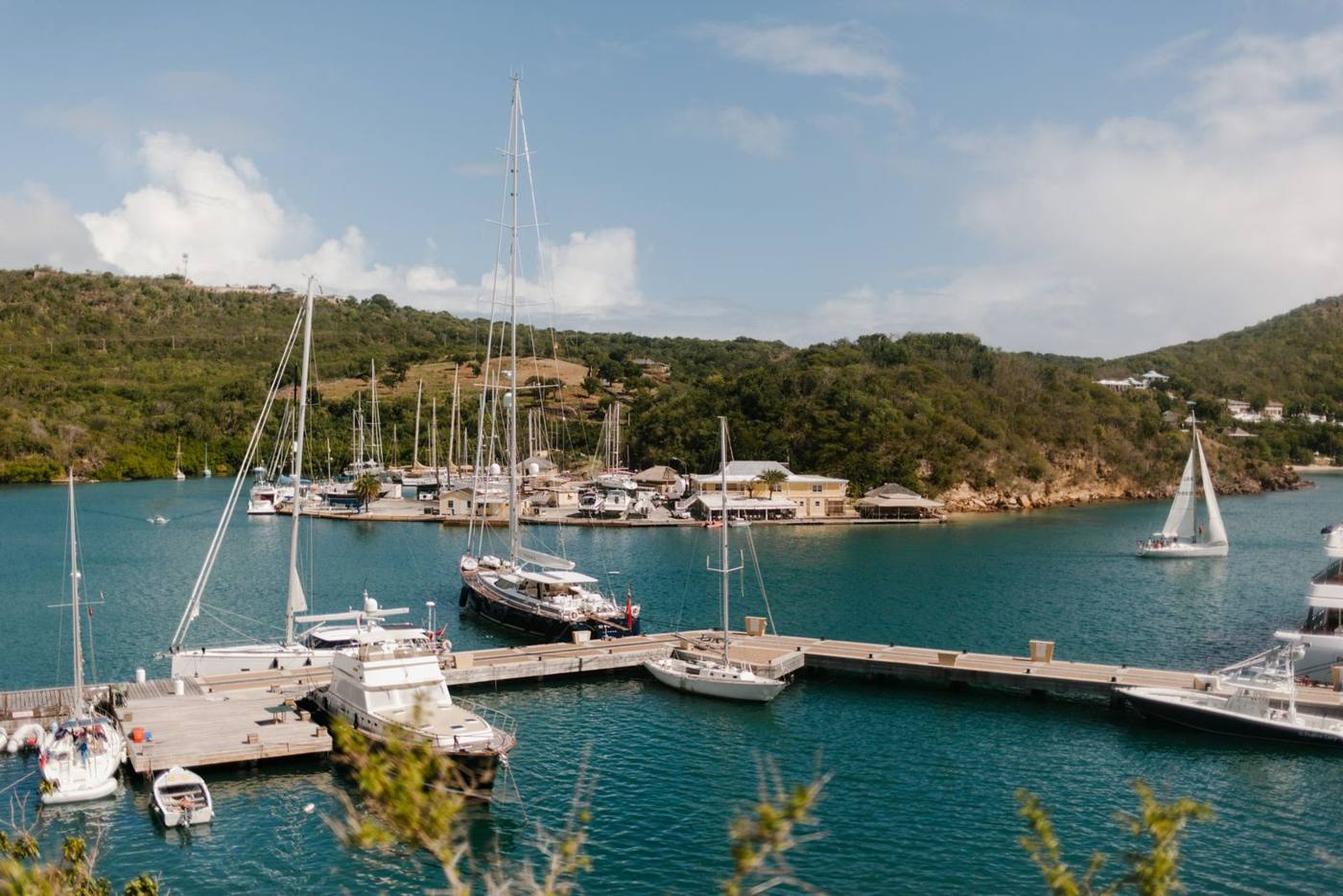
Sailing in Antigua
A week sailing from English Harbour: Green Island, the Great Bird Island reef and the crossing to Barbuda and its pink beach.
- English Harbour
- Green Island
- Great Bird Island
- Jolly Harbour
- Barbuda
Day by day
- Day 1
Boarding in English Harbour
This trip is a week on a sailing boat around Antigua, one of the best places in the Caribbean to sail thanks to the steady trade winds. You start from English Harbour, sail up the east coast to Green Island and the islands of North Sound, then cross the open sea to Barbuda and return to the west coast. You need a professional skipper or a recognised sailing licence and solid experience.
Before you go: Italian citizens enter Antigua and Barbuda with a passport valid for at least six months and a return ticket, without a visa for up to 90 days; the authorities advise using ArriveAntigua.com on your phone within 72 hours of the flight. Other nationalities should check their own rules. No areas are advised against, but always lock the boat when you go ashore, even in the marina. Hurricane season runs from June to November.
You land at the airport and half an hour by taxi takes you to English Harbour. The afternoon is for boarding: with the charter base you check the boat, sails, engine, radio, tender and safety equipment, and you receive the charts showing the reef areas to avoid. Then shop for the first few days, because there are few shops along the east coast.
Before sunset take a walk around Nelson's Dockyard, the Georgian naval dockyard listed by UNESCO, where modern boats are moored in front of eighteenth-century warehouses. Check prices and times. If it is Sunday, go up to Shirley Heights for the steel band party and the view over the harbour.
Spend the first night in the marina, to get used to the boat calmly.
Practical tip: bring a soft bag rather than a hard suitcase, which will not fit in the cabin.
- Day 2
Along the south coast towards Green Island
In the morning leave English Harbour and head east along the south coast. The trade winds blow from the east and north-east, so today you sail upwind or close-hauled, with the Atlantic swell building as you go. It is only a few hours, but you need attention and a crew ready for manoeuvres.
You pass deep bays and green hills, with cliffs dropping into the sea and the odd isolated house on the heights. Further on the coast turns north and Nonsuch Bay opens up, protected by a long coral reef. Enter with the sun high, when you can read the colours of the water well: dark blue is deep, light green is sand, brown is coral to avoid.
Drop anchor in the sheltered water near Green Island, a low, uninhabited island with small white beaches. Here the wind arrives clean off the ocean, but the reef stops the waves: that is why the bay is also loved by kitesurfers.
In the afternoon take the tender to one of the beaches and snorkel over the coral heads near the shore, where parrotfish, butterflyfish and sometimes turtles swim.
In the evening, at anchor, the sky is very dark and with little light around you the stars stand out clearly.
Practical tip: before leaving the boat to snorkel, check that the anchor has set by diving with your mask to look at it.
- Day 3
Green Island and the east coast
In the morning stay at Green Island, when the light is beautiful and the water calm. Paddle a kayak or take the tender along the reef and walk on the island's beaches, where you are often alone. Respect the marked areas and leave no rubbish: locals and sailors care a great deal about this corner of the island.
After lunch leave the bay and sail north up the east coast, staying outside the reef, which here runs for kilometres just off the land. With the trade winds on the beam it is one of the finest sails of the week: the boat runs fast, the water changes from deep blue to turquoise and on the coast you can see Long Bay and the villages of the Atlantic side.
From the boat you can make out the eastern tip of the island, where the waves break below Devil's Bridge, a natural limestone arch. Do not go close: the coast here is full of rocks and the Atlantic swell breaks hard.
In the late afternoon enter North Sound, a large stretch of shallow water in the north-east of Antigua, enclosed by small islands and coral banks. The entrance needs care and up-to-date charts, ideally with the sun behind you. Anchor in the lee of one of the islands, near Great Bird Island.
In the evening go over the weather for the coming days with the crew, because the crossing to Barbuda must be made with the right wind.
Practical tip: among the reefs always sail with someone at the bow watching the water, even if you have a chart plotter.
- Day 4
Great Bird Island and North Sound
Today there are no long passages: the day is devoted to North Sound. Great Bird Island is a small protected island with a white beach and a rocky hill: climb the path to the top, a few minutes, and you see the whole system of islands and reefs, with the Atlantic breaking on the coral and calm water inside.
Here and on nearby islands lives the Antiguan racer, one of the rarest snakes in the world, harmless to people, saved from extinction by removing rats from the islands. Red-billed tropicbirds, with long white tail feathers, nest on the cliffs. Stay on the paths and do not disturb the animals.
Take the tender to the nearby coral heads to snorkel: the water is shallow and clear, with colourful fish, sea urchins and sometimes rays. The area is part of a marine protected zone: do not drop anchor on coral, use the moorings where there are any and take all your rubbish away.
In the afternoon, if the wind allows, move to another island in North Sound for the night, or stay where you are and prepare for tomorrow's crossing: check the engine, harnesses, life jackets and radio, and stow everything securely below deck.
In the evening listen to the marine weather forecast: with strong trade winds and a big swell it is better to postpone the crossing by a day.
Practical tip: on the low islands of North Sound mosquitoes come out at sunset, so keep repellent within reach.
- Day 5
The crossing to Barbuda
Leave North Sound early for the crossing to Barbuda, to the north, an open-sea passage of several hours. With the trade winds from the east the wind is on the beam, but the Atlantic swell can be high and short: this is the most demanding stretch of the week. Anyone prone to seasickness should take their medicine before leaving, not during the crossing.
Barbuda is a very low, flat island, and you only see it when you are close: first the trees appear, then the white line of the beaches. Around the island there are reefs and banks that are poorly marked, so the approach must be made by day, with the sun high and up-to-date charts, following the skipper's instructions.
Drop anchor on the west coast, off the long beach, where the sand is white and pinkish and the sea is sheltered from the wind. There is no marina: you go ashore in the tender, landing on the sand with an eye on the waves.
In the afternoon walk along the beach, about seventeen miles long and almost deserted for kilometres. Behind it lies Codrington Lagoon, separated from the sea by a thin strip of sand.
In the evening, at anchor, the silence is total. The island was devastated by Hurricane Irma in 2017 and still has few services: water and fuel supplies here are not guaranteed, so leave North Sound with full tanks.
Practical tip: before the crossing prepare lunch and water in closed containers, because cooking is hard in a swell.
- Day 6
The seventeen-mile beach and the frigatebirds
Early in the morning, in the low light, the beach shows its pinkest colour. Take a long walk and a swim in the calm sea of the west coast: you often meet no one. There are no services, sunbeds or lifeguards.
Then arrange the visit to the frigatebird colony in Codrington Lagoon, one of the largest in the Caribbean. The lagoon is shallow and the sailing boat stays outside: you cross the strip of sand on foot and board the boat of a Codrington guide, booked in advance, who takes you into the mangroves where thousands of birds nest. From September the males inflate the large red pouch under the beak for courtship. Check prices and times, including entry to the national park.
Frigatebirds have very long wings, a span of more than two metres, and never land on the water: they spend hours gliding above the boat, and often steal fish from other birds in flight.
In the afternoon, if there is time, visit Codrington, the island's only village, to buy something and talk to the residents, who came back after the 2017 evacuation and are rebuilding.
In the evening check the weather for the return crossing. If the wind is picking up, leave at dawn so as to reach the coast of Antigua in daylight.
Practical tip: take cash ashore, because cards are rarely accepted on Barbuda and there is not always a working cash machine.
- Day 7
Back to Antigua and disembarking
Leave Barbuda at dawn heading south. The return, with the trade winds from the east, is usually more comfortable than the outward leg, with the wind on the beam or slightly behind. When the coast of Antigua appears, steer for the more sheltered west side and sail past the bays of the Caribbean coast.
Enter Jolly Harbour, the large marina on the west coast, to take on fuel and water and, if you have agreed with the base to disembark here, to return the boat. Otherwise continue along the south coast to English Harbour: ask in advance where the charter ends and plan your timing carefully, because returning to English Harbour makes the day longer.
At check-out the base inspects the boat, the sails and the tender: report any damage straight away. Then, if you have a night before your flight, have a last swim at Valley Church or Darkwood, calm beaches near Jolly Harbour.
Trip summary: a week of real sailing with the trade winds, between the historic harbour of English Harbour, the sheltered bay of Green Island, the islands of North Sound with their rare animals, the open-sea crossing and the deserted beach of Barbuda with its frigatebirds. A trip for experienced sailors or for those who rely on a skipper.
When to go: from December to April, with regular trade winds and the dry season; between December and January the wind can be stronger. Between late April and early May English Harbour hosts its sailing week. June to November is hurricane season, not advisable for a cruise.
Practical tip: keep a spare day before your flight, because bad weather can delay the return from Barbuda.
One of the Caribbean's best sailing grounds, with steady winds. You need a skipper or a sailing licence. The crossing to Barbuda is in open water and can be demanding.
Before you go
- Documents and visa
- Passport valid for at least six months after arrival and a return or onward ticket; British and Italian citizens can stay up to 90 days without a visa. Proof of accommodation may be requested. The authorities advise using ArriveAntigua.com, on a phone or tablet only, within 72 hours of travel, to speed up entry.
- Health and vaccines
- No compulsory vaccinations (a yellow fever certificate only if you arrive from a risk country). Zika has been reported and the same mosquitoes carry dengue and chikungunya: use repellent. Get insurance with medical cover and repatriation. Emergencies: 911 or 999.
- Money and payments
- East Caribbean dollar, pegged to the US dollar, which is accepted almost everywhere. Cards work well; taxis have no meters, so agree the fare first.
- Power sockets
- Types A and B, American flat-pin plugs: you need an adapter for British plugs. Voltage varies between 110 and 230 volts, so check the socket.
- Time zone
- UTC-4 all year, four hours behind the UK in winter and five in summer.
- Safety
- No areas are advised against. Theft and, more rarely, violent crime and sexual assault happen, even in tourist accommodation: use licensed taxis only, avoid isolated places after dark and lock your room or yacht. Smoking in public places and wearing camouflage clothing are illegal. Currents can be strong and not all beaches have lifeguards. Hurricane season runs from June to November. Official advice: GOV.UK.
Information checked in November 2026 for Italian and EU citizens. Rules change: always check before you travel.
Variations
Shorter version: in 4 days, from English Harbour to Green Island and North Sound, without the crossing to Barbuda.
Longer version: in 10 days, add a second night on Barbuda and the west coast of Antigua with snorkelling on Cades Reef.
Frequently asked questions
Do you need a sailing licence?
To charter a boat without crew you need a recognised sailing licence and proven experience; otherwise you hire a professional skipper.
Is the crossing to Barbuda difficult?
It is in open sea, several hours long, with Atlantic swell: it must be made by day, in good weather and with a prepared crew; the approach to the island is among reefs.
When do the trade winds blow?
All year, most regularly from December to April, from the east and north-east; between December and January they can be stronger.
Indicative itinerary written by World Atlas. Before booking, check timetables, seasonal openings, documents and safety.
 2 daysEasy
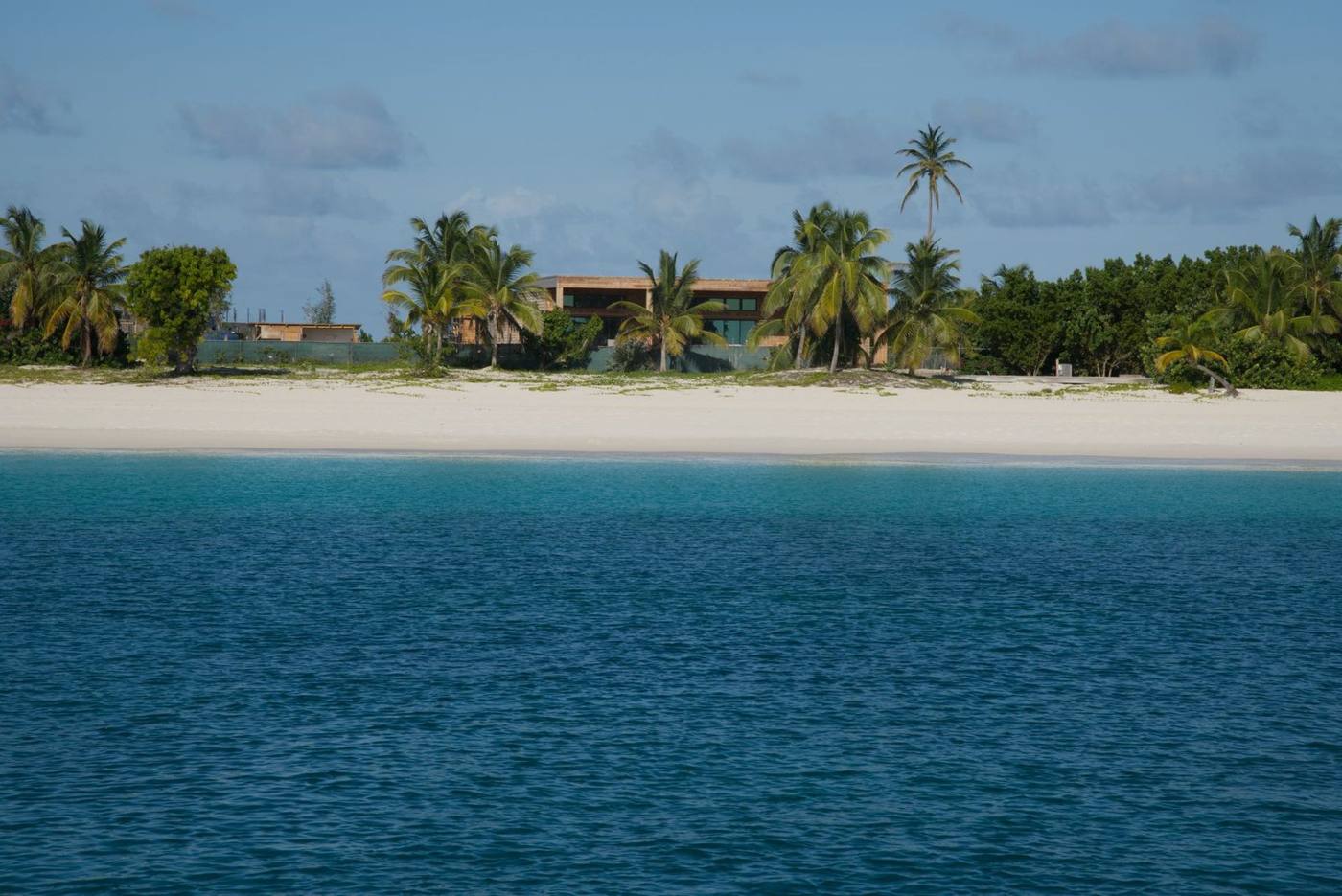
Barbuda and the frigatebirds
The flat, almost empty sister island: the frigatebird colony in Codrington Lagoon, one of the largest in the Caribbean, and miles of pink-tinged sand.
 2 daysEasy
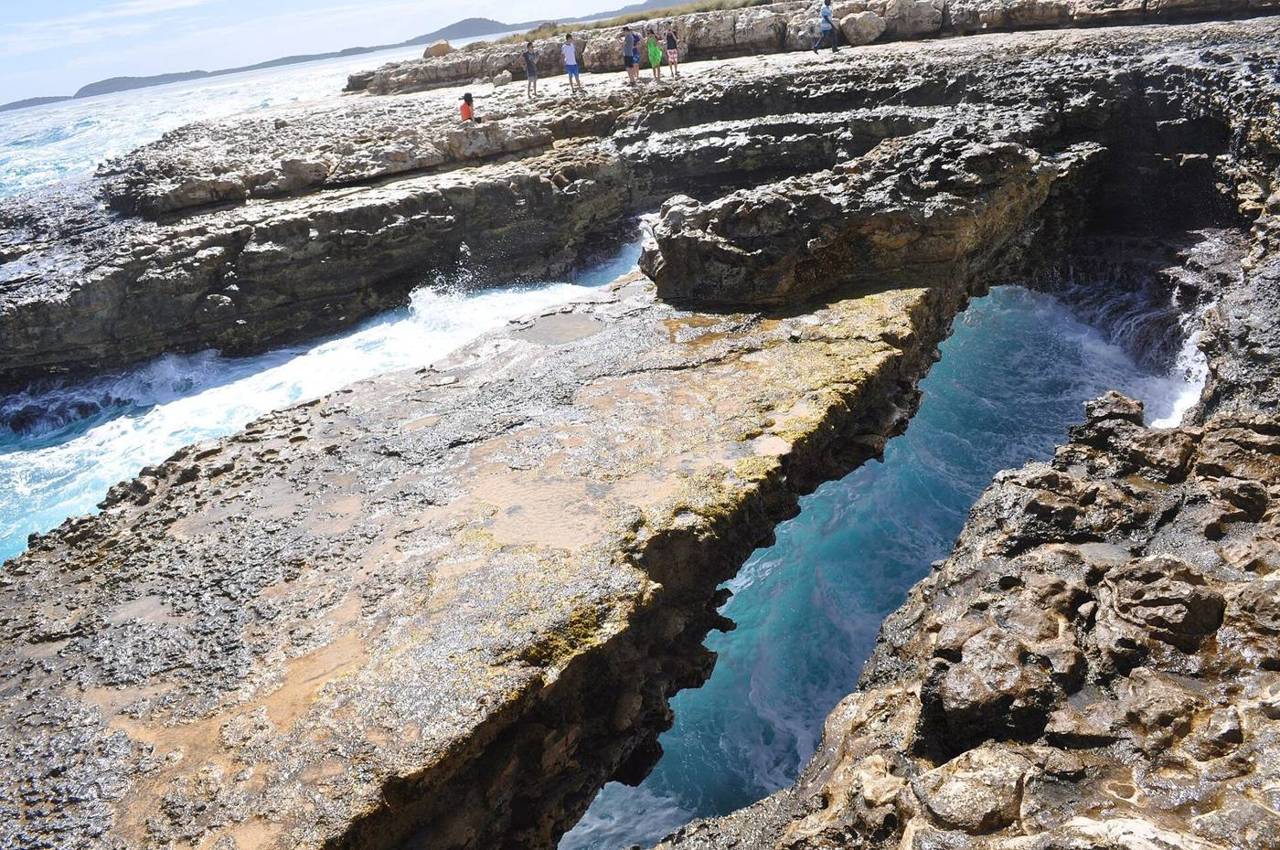
The east coast
Antigua's Atlantic side: the rock arch of Devil's Bridge, the bays of Half Moon Bay and Long Bay, the sugar estate ruins of Betty's Hope and Stingray City.
 2 daysModerate
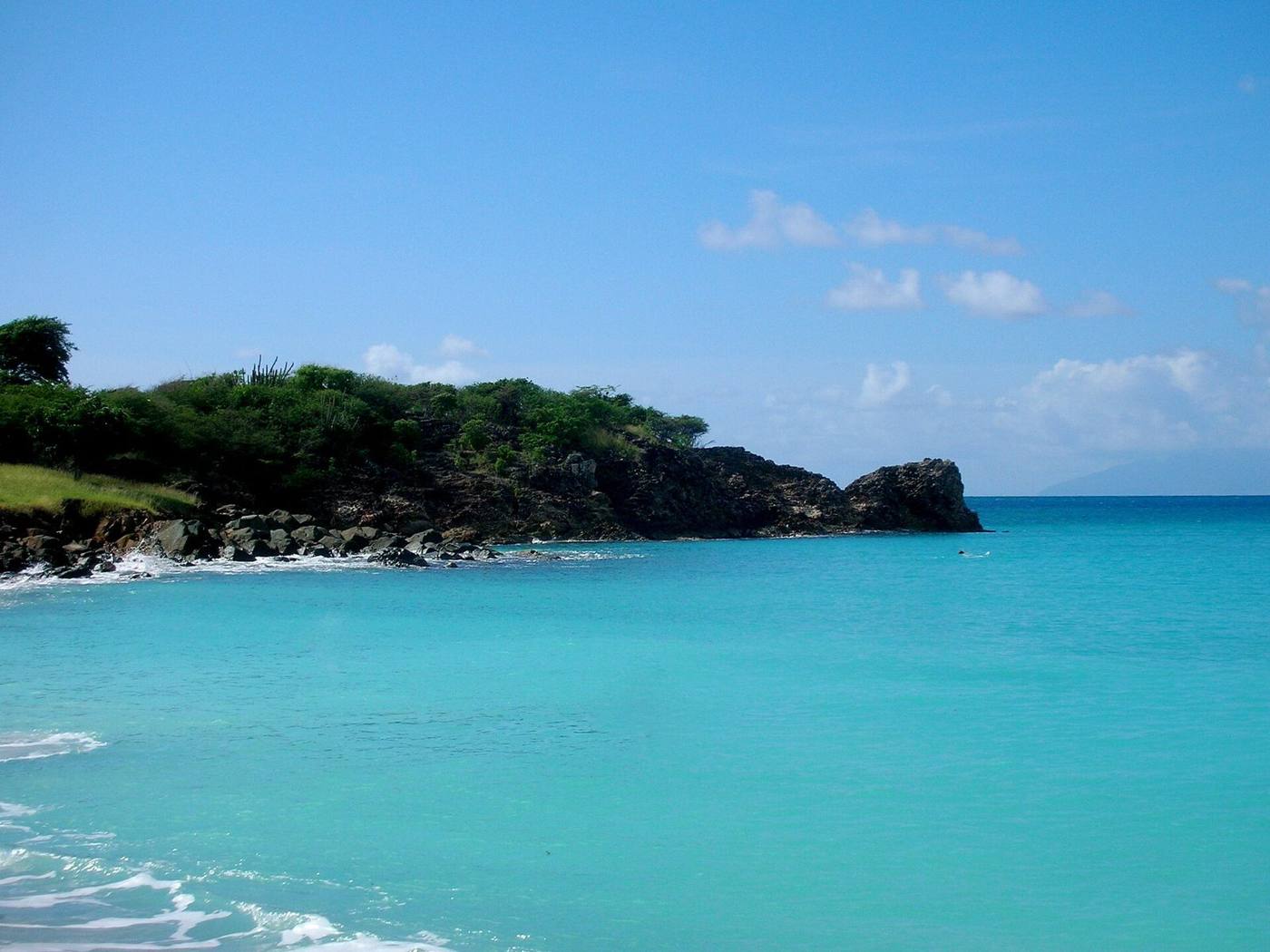
Fig Tree Drive and Mount Obama
Antigua's green south-west: the forest road of Fig Tree Drive, bananas and mangoes, the climb to the island's highest point and the quiet beaches of Darkwood and Turner's.