The east coast
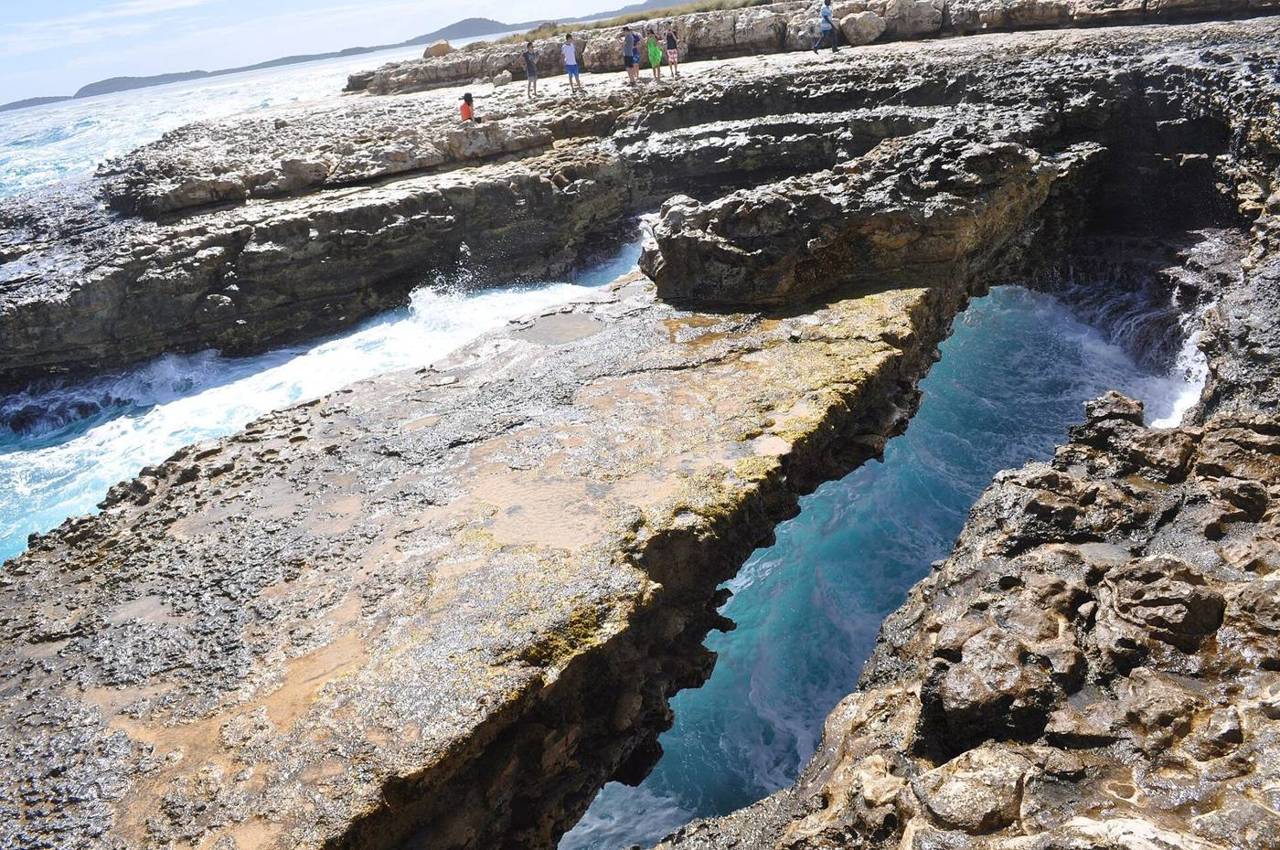
Antigua's Atlantic side: the rock arch of Devil's Bridge, the bays of Half Moon Bay and Long Bay, the sugar estate ruins of Betty's Hope and Stingray City.
- Betty's Hope
- Devil's Bridge
- Long Bay
- Half Moon Bay
Day by day
- Day 1
Betty's Hope, Devil's Bridge and Long Bay
This two-day trip is devoted to the Atlantic side of Antigua, windier and wilder than the west coast: the ruins of a sugar plantation, a rock arch carved by the ocean, bays sheltered by the reef and a boat trip with stingrays.
Before you go: Italian citizens enter Antigua and Barbuda with a passport valid for at least six months and a return ticket, without a visa for up to 90 days; the authorities advise using ArriveAntigua.com, on your phone, within 72 hours of the flight. Other nationalities should check their own rules. No areas are advised against; keep the car locked and do not stop if someone flags you down on the road.
In the morning drive inland to Betty's Hope, one of the island's first large sugar cane plantations, founded in the seventeenth century and later owned by the Codrington family, the same family that gave its name to Barbuda's village. The walls of the main house and warehouses survive, along with two stone windmills, one of which has its sails again. A small centre tells the story of the work of enslaved Africans that made the island rich. Check prices and times.
Then continue to the eastern tip and Devil's Bridge, a natural limestone arch carved by Atlantic waves over the centuries. When the sea is strong, water bursts out of the holes in the rock: stay well away from the edge, as the stone is slippery and the waves come without warning.
In the afternoon go down to Long Bay, a nearby bay closed off by the coral reef: inside, the water is shallow, calm and clear, perfect for swimming and for snorkelling near the reef.
Practical tip: at Devil's Bridge wear shoes with a good grip, because the rock is sharp and wet.
- Day 2
Half Moon Bay and stingrays in shallow water
In the morning go to Half Moon Bay, in the south-east, a crescent-shaped bay with white and pinkish sand and turquoise water. It is considered one of the most beautiful beaches in Antigua and is usually quiet. Here, though, the Atlantic arrives: depending on the wind there are waves and currents. Strong swimmers enjoy the waves, while those who want a calm swim stay where the water is shallow and still. If there are flags, follow them; if not, study the sea carefully before going in.
After lunch take the boat trip from the east coast to an area of shallow water and sand where southern stingrays gather. You get into water up to your waist or with mask and fins, and the rays glide very close. Choose an authorised trip that follows clear rules: do not touch them unless the guide says so, do not feed them on your own, and shuffle your feet along the bottom so you do not step on them.
On the way back, from the road you can see Nonsuch Bay and Green Island, sheltered by the reef and popular with sailing boats.
Trip summary: two days on the wildest side of Antigua, between the history of sugar, rocks carved by the ocean, a bay enclosed by the reef and one of the island's finest beaches.
When to go: from December to April, in the dry season; June to November is hurricane season and the eastern sea can be rougher.
Practical tip: on the Atlantic side the wind cools you down and makes you forget the sun, so put on sunscreen even if you do not feel hot.
Rougher sea than the west side: Half Moon Bay can have waves and currents. At Devil's Bridge keep away from the edge when the ocean sprays.
Before you go
- Documents and visa
- Passport valid for at least six months after arrival and a return or onward ticket; British and Italian citizens can stay up to 90 days without a visa. Proof of accommodation may be requested. The authorities advise using ArriveAntigua.com, on a phone or tablet only, within 72 hours of travel, to speed up entry.
- Health and vaccines
- No compulsory vaccinations (a yellow fever certificate only if you arrive from a risk country). Zika has been reported and the same mosquitoes carry dengue and chikungunya: use repellent. Get insurance with medical cover and repatriation. Emergencies: 911 or 999.
- Money and payments
- East Caribbean dollar, pegged to the US dollar, which is accepted almost everywhere. Cards work well; taxis have no meters, so agree the fare first.
- Power sockets
- Types A and B, American flat-pin plugs: you need an adapter for British plugs. Voltage varies between 110 and 230 volts, so check the socket.
- Time zone
- UTC-4 all year, four hours behind the UK in winter and five in summer.
- Safety
- No areas are advised against. Theft and, more rarely, violent crime and sexual assault happen, even in tourist accommodation: use licensed taxis only, avoid isolated places after dark and lock your room or yacht. Smoking in public places and wearing camouflage clothing are illegal. Currents can be strong and not all beaches have lifeguards. Hurricane season runs from June to November. Official advice: GOV.UK.
Information checked in November 2026 for Italian and EU citizens. Rules change: always check before you travel.
Variations
Shorter version: in one day, Betty's Hope and Devil's Bridge in the morning, Half Moon Bay in the afternoon.
Longer version: add two days in English Harbour, a few kilometres away, for Nelson's Dockyard and Shirley Heights.
Frequently asked questions
Can you swim at Half Moon Bay?
Yes, but carefully: it is on the Atlantic side, with waves and currents depending on the wind; watch the sea and stay where the water is calm.
Is Devil's Bridge dangerous?
The danger is going near the edge when the sea is strong: waves and spray arrive suddenly and the rock is slippery.
Are stingrays dangerous?
They are used to people and calm, but the tail has a barb: follow the guide's rules, do not touch them on your own and shuffle your feet on the bottom.
Indicative itinerary written by World Atlas. Before booking, check timetables, seasonal openings, documents and safety.
 2 daysModerate
Fig Tree Drive and Mount Obama
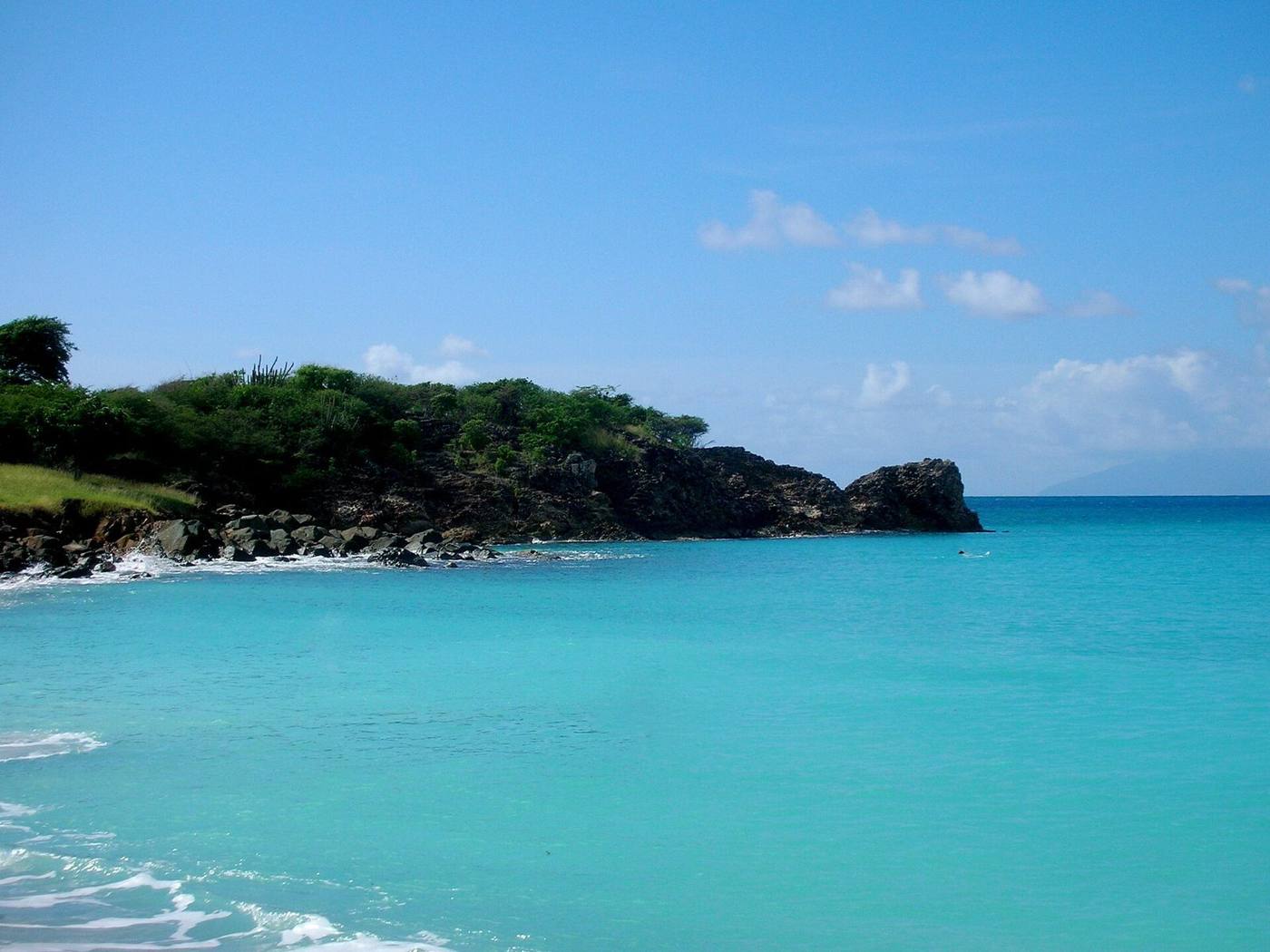
Antigua's green south-west: the forest road of Fig Tree Drive, bananas and mangoes, the climb to the island's highest point and the quiet beaches of Darkwood and Turner's.
 6 daysEasy
Antigua's beaches and English Harbour
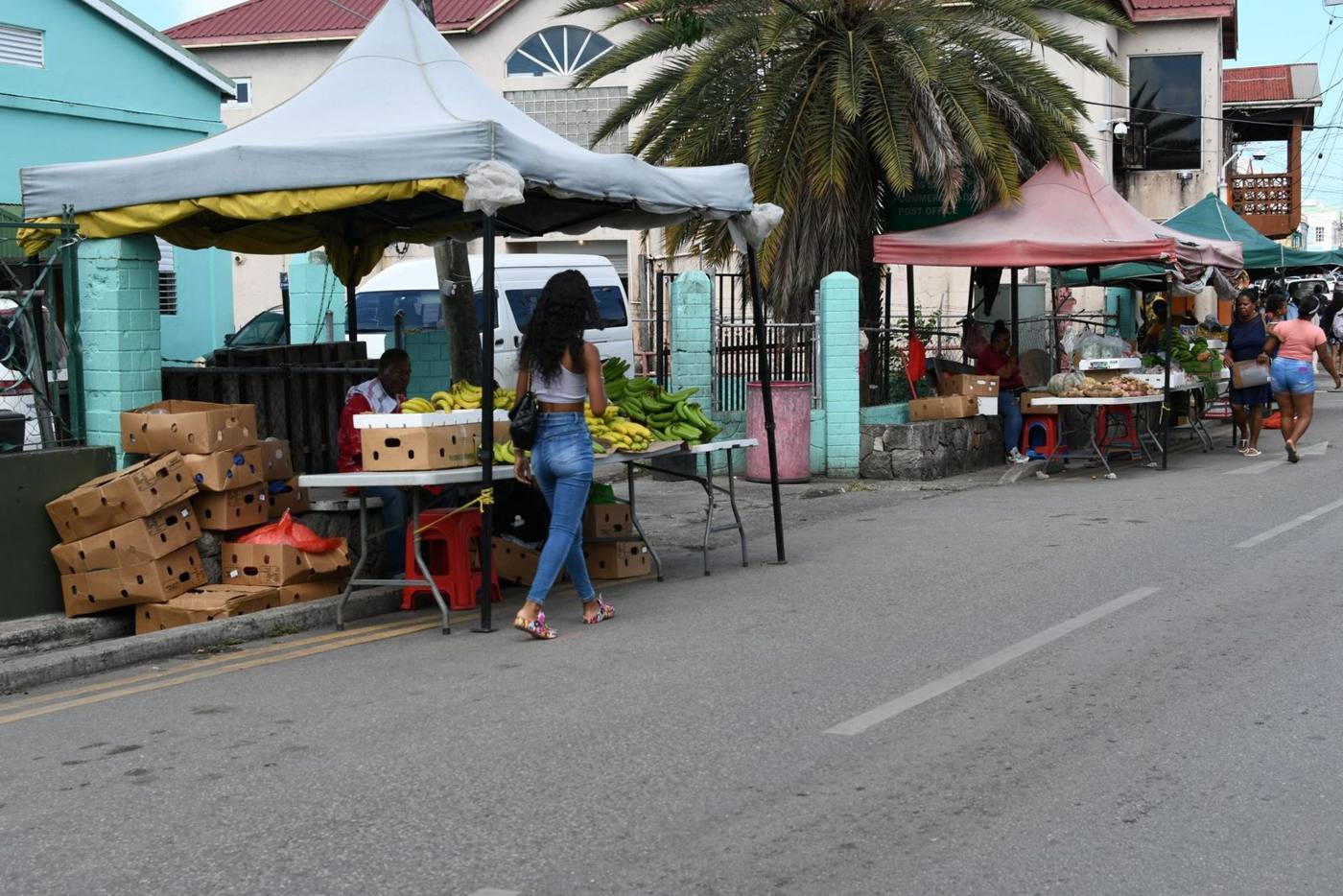
UNESCO-listed Nelson's Dockyard, the Shirley Heights lookout on Sunday evenings, Half Moon Bay and the beaches of Darkwood and Valley Church.
 7 daysModerate
Sailing in Antigua
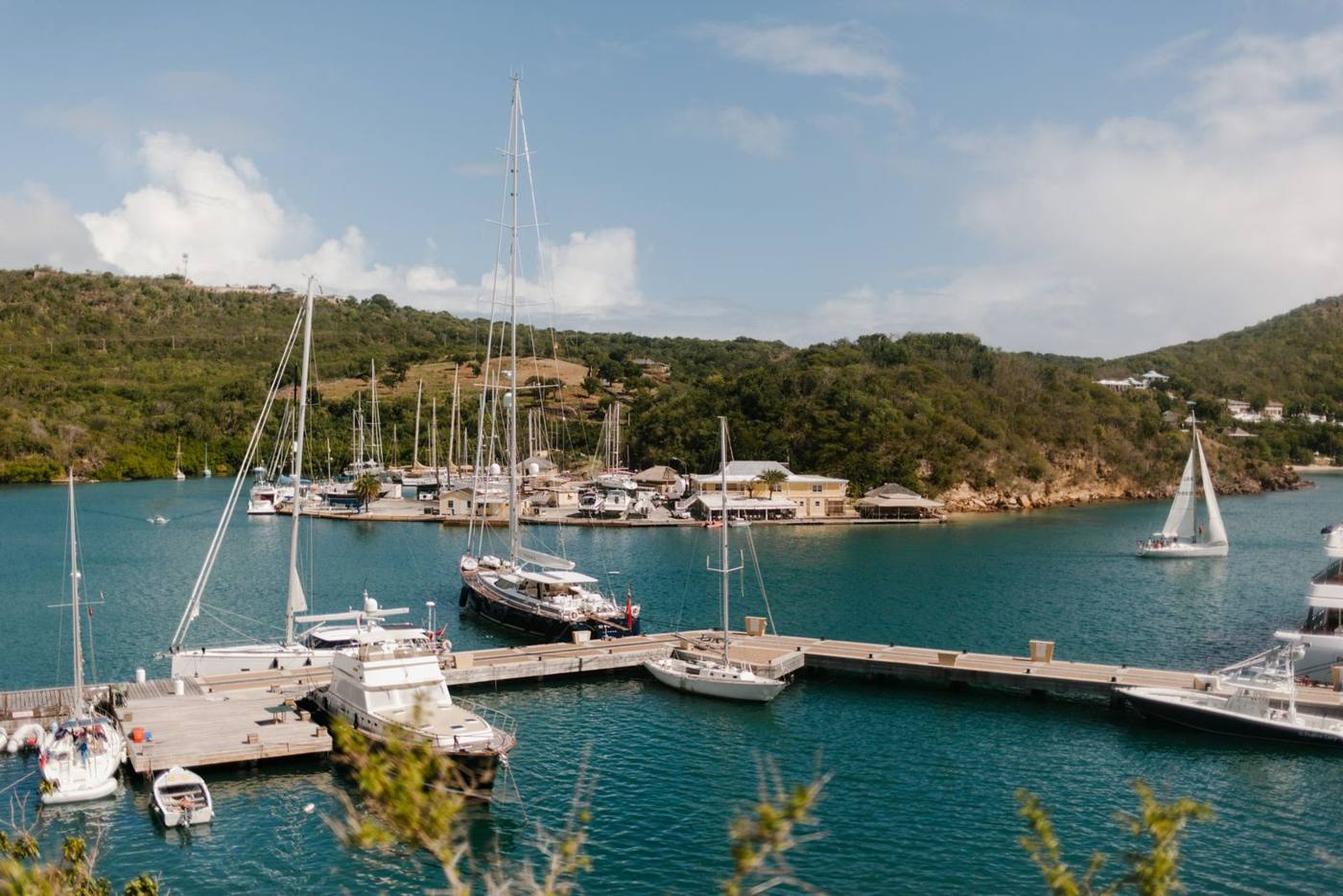
A week sailing from English Harbour: Green Island, the Great Bird Island reef and the crossing to Barbuda and its pink beach.