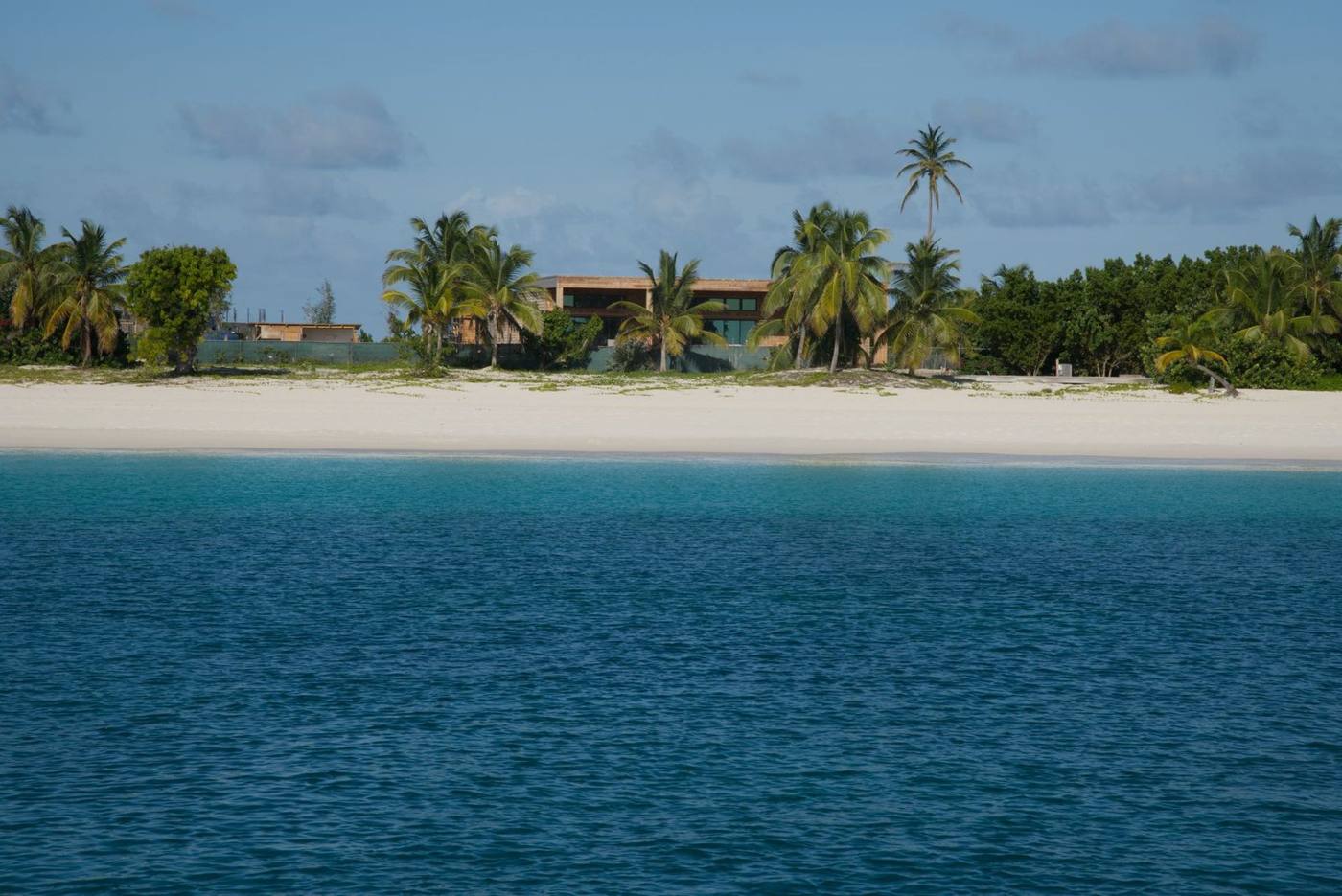
Barbuda and the frigatebirds
The flat, almost empty sister island: the frigatebird colony in Codrington Lagoon, one of the largest in the Caribbean, and miles of pink-tinged sand.
- Codrington
- Codrington Lagoon
- Pink Beach
Day by day
- Day 1
From Antigua to Codrington and the frigatebird lagoon
This two-day trip takes you to Barbuda, Antigua's sister island: flat, quiet and almost empty, with a single village, Codrington. You come for two things: the frigatebird colony in the lagoon and the very long beaches of pinkish sand.
Before you go: Italian citizens enter Antigua and Barbuda with a passport valid for at least six months and a return ticket, without a visa for up to 90 days. The authorities advise filling in ArriveAntigua.com on your phone within 72 hours of the flight. Other nationalities should check their own rules. No areas are advised against; hurricane season runs from June to November.
Early in the morning leave St John's on the ferry, about an hour and a half of open sea that can be rough when the wind blows, or take a small plane, a flight of around twenty minutes. In Codrington the guide you booked for the boat trip usually meets you.
The boat crosses Codrington Lagoon, a national park, to the mangroves of the colony. Thousands of magnificent frigatebirds nest here, black birds with a wingspan of more than two metres. The males inflate a large red pouch under the beak to attract females, and from September the colony is a real show. Frigatebirds cannot land on the water, because their feathers are not waterproof, and they often steal fish from other birds in flight.
In the afternoon take a walk around Codrington, still marked by Hurricane Irma in 2017, when the whole population was evacuated to Antigua.
Practical tip: Barbuda has few services, so book the boat and your night in advance and bring cash.
- Day 2
The pink beach and the return
In the morning head to the west coast, where a strip of sand several kilometres long separates the lagoon from the Caribbean Sea. In places the sand has a pale pink colour, given by fragments of shells and of tiny red-shelled sea creatures mixed with the white sand. The colour shows best when the sun is low and where the waves wet the shore.
There are no sunbeds, kiosks or lifeguards here: bring water, food, a hat and something for shade. The sea on this side is usually calm and clear, but always check the currents before swimming away from the shore. The beaches are so long that you often meet nobody for hours.
If you have time, before leaving ask your guide to show you the caves of Two Foot Bay, on the east coast, carved into the limestone, or the remains of the lookout tower built by the British on the south coast. Distances are short, but the roads are unpaved and unsigned.
In the afternoon take the ferry or the flight back to Antigua. If the sea is rough the ferry can be cancelled: leave a margin of one day before your international flight.
Trip summary: two slow days on an island without mass tourism, with one of the largest frigatebird colonies in the Caribbean and beaches of pinkish sand where you are almost always alone. It can be done as a day trip, but one night lets you see the lagoon in the best light.
When to go: from September to April, with the frigatebirds displaying from September; bear in mind that hurricane season ends in November.
Practical tip: choose an authorised local guide and do not get closer to the nests than they tell you.
A very simple island with few services, still marked by Hurricane Irma in 2017: it can be done as a day trip, but a night lets you enjoy it. The ferry may be cancelled in rough seas.
Before you go
- Documents and visa
- Passport valid for at least six months after arrival and a return or onward ticket; British and Italian citizens can stay up to 90 days without a visa. Proof of accommodation may be requested. The authorities advise using ArriveAntigua.com, on a phone or tablet only, within 72 hours of travel, to speed up entry.
- Health and vaccines
- No compulsory vaccinations (a yellow fever certificate only if you arrive from a risk country). Zika has been reported and the same mosquitoes carry dengue and chikungunya: use repellent. Get insurance with medical cover and repatriation. Emergencies: 911 or 999.
- Money and payments
- East Caribbean dollar, pegged to the US dollar, which is accepted almost everywhere. Cards work well; taxis have no meters, so agree the fare first.
- Power sockets
- Types A and B, American flat-pin plugs: you need an adapter for British plugs. Voltage varies between 110 and 230 volts, so check the socket.
- Time zone
- UTC-4 all year, four hours behind the UK in winter and five in summer.
- Safety
- No areas are advised against. Theft and, more rarely, violent crime and sexual assault happen, even in tourist accommodation: use licensed taxis only, avoid isolated places after dark and lock your room or yacht. Smoking in public places and wearing camouflage clothing are illegal. Currents can be strong and not all beaches have lifeguards. Hurricane season runs from June to November. Official advice: GOV.UK.
Information checked in November 2026 for Italian and EU citizens. Rules change: always check before you travel.
Variations
Shorter version: a day trip from Antigua, with the morning ferry, the boat in the lagoon and the pink beach before heading back.
Longer version: add a third day on Barbuda for the caves of Two Foot Bay and the beaches of the east coast.
Frequently asked questions
Can Barbuda be visited in a day?
Yes, with the morning ferry or flight and a return in the afternoon, but a night makes everything calmer and less dependent on the sea.
When can you see the frigatebirds with the red pouch?
The males inflate it during courtship, which starts around September and continues through the winter months.
Are there services on the pink beach?
No, there are no sunbeds, kiosks or lifeguards: bring water, food and sun protection.
Indicative itinerary written by World Atlas. Before booking, check timetables, seasonal openings, documents and safety.
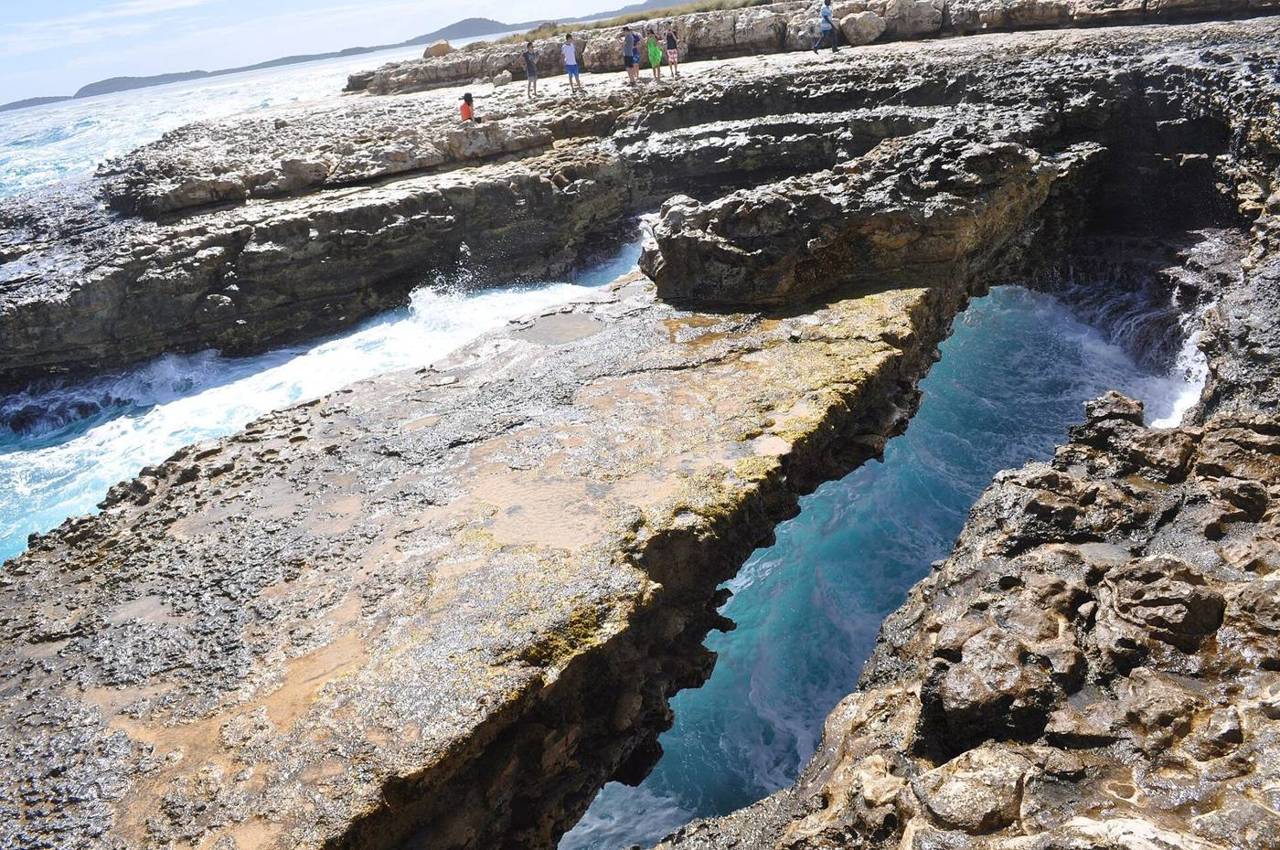 2 daysEasy
The east coast
Antigua's Atlantic side: the rock arch of Devil's Bridge, the bays of Half Moon Bay and Long Bay, the sugar estate ruins of Betty's Hope and Stingray City.
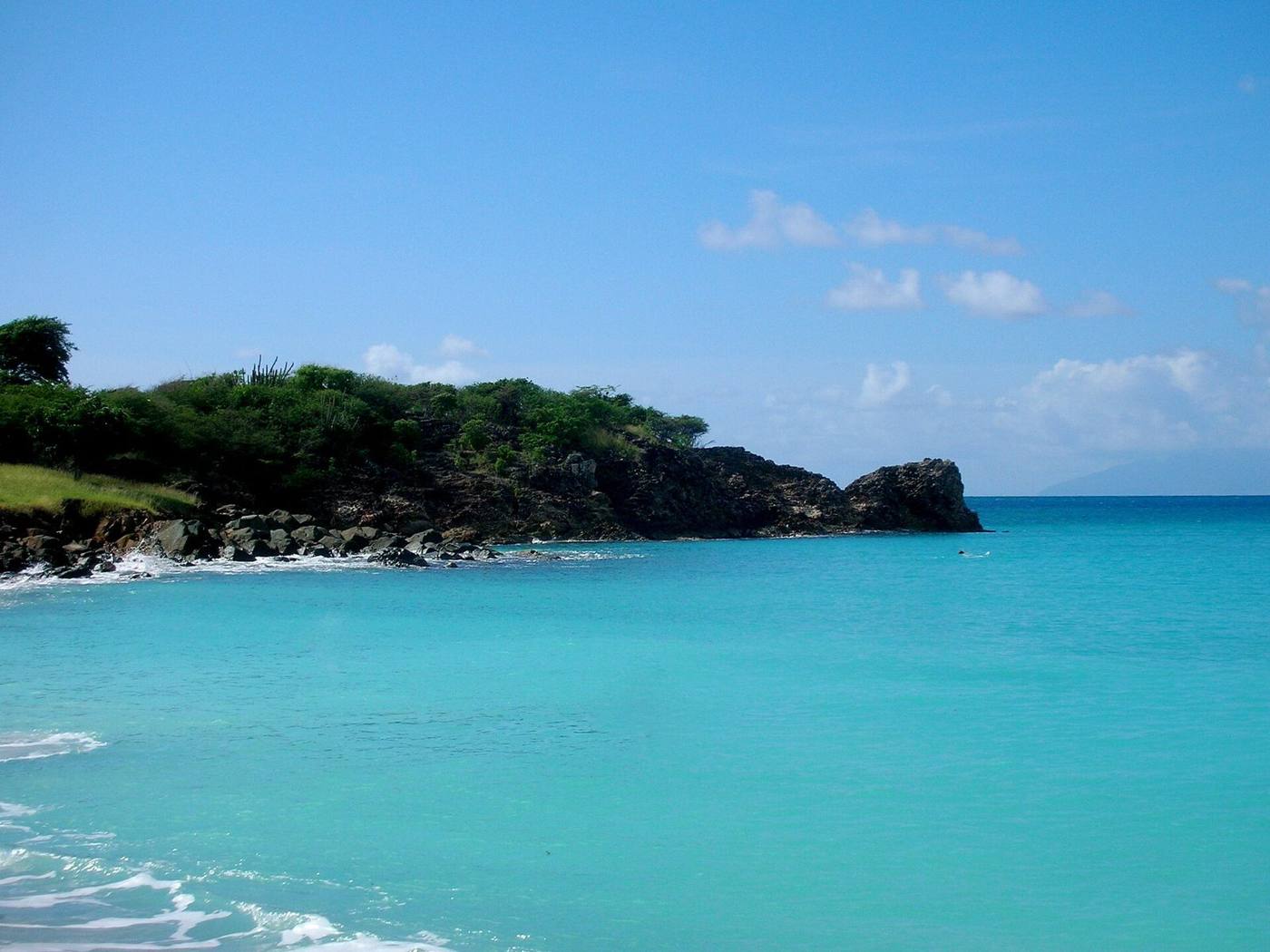 2 daysModerate
Fig Tree Drive and Mount Obama
Antigua's green south-west: the forest road of Fig Tree Drive, bananas and mangoes, the climb to the island's highest point and the quiet beaches of Darkwood and Turner's.
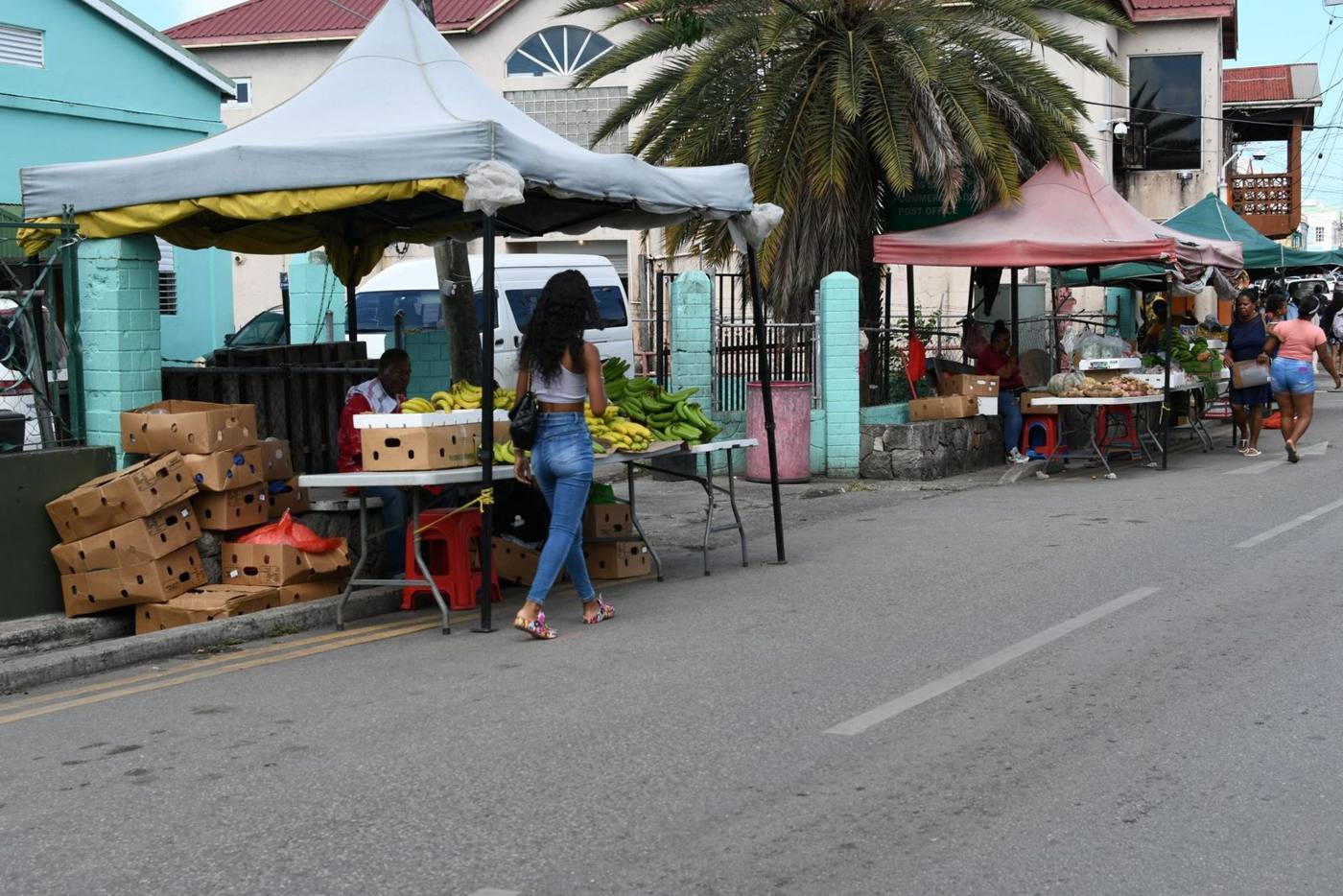 6 daysEasy
Antigua's beaches and English Harbour
UNESCO-listed Nelson's Dockyard, the Shirley Heights lookout on Sunday evenings, Half Moon Bay and the beaches of Darkwood and Valley Church.