 Costa Rica
Exceptional biodiversity: sloths, toucans, volcanoes and two oceans.
Places not to miss
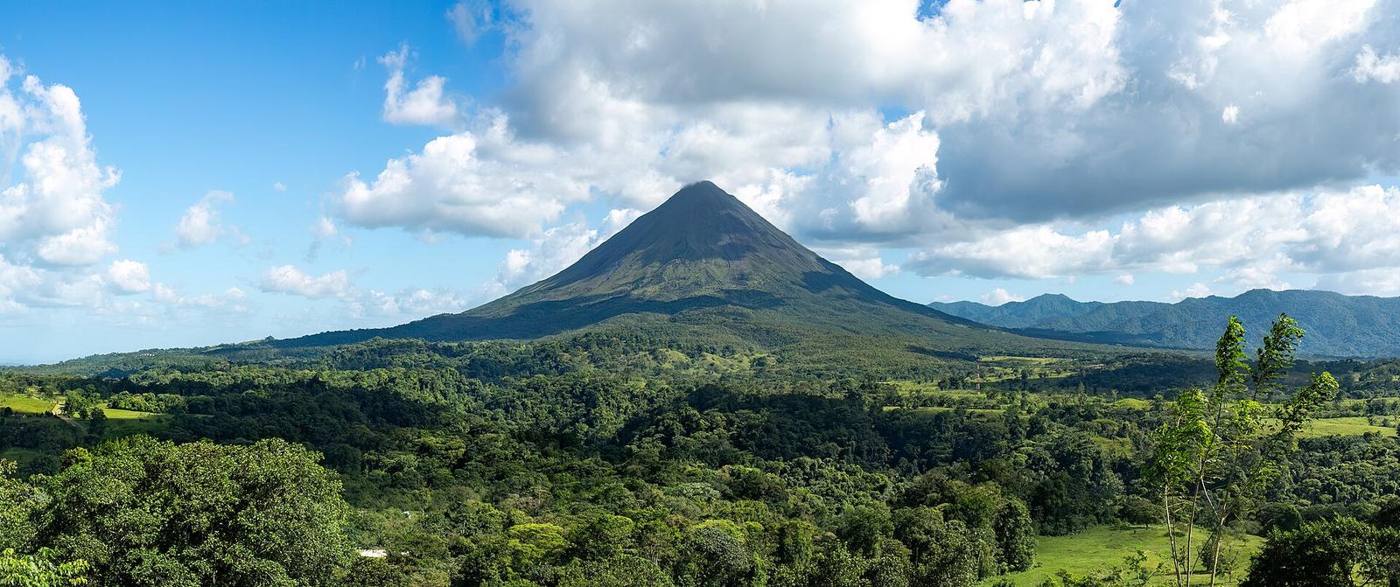
Arenal
A volcano and hot springs.
Monteverde
Cloud forest.
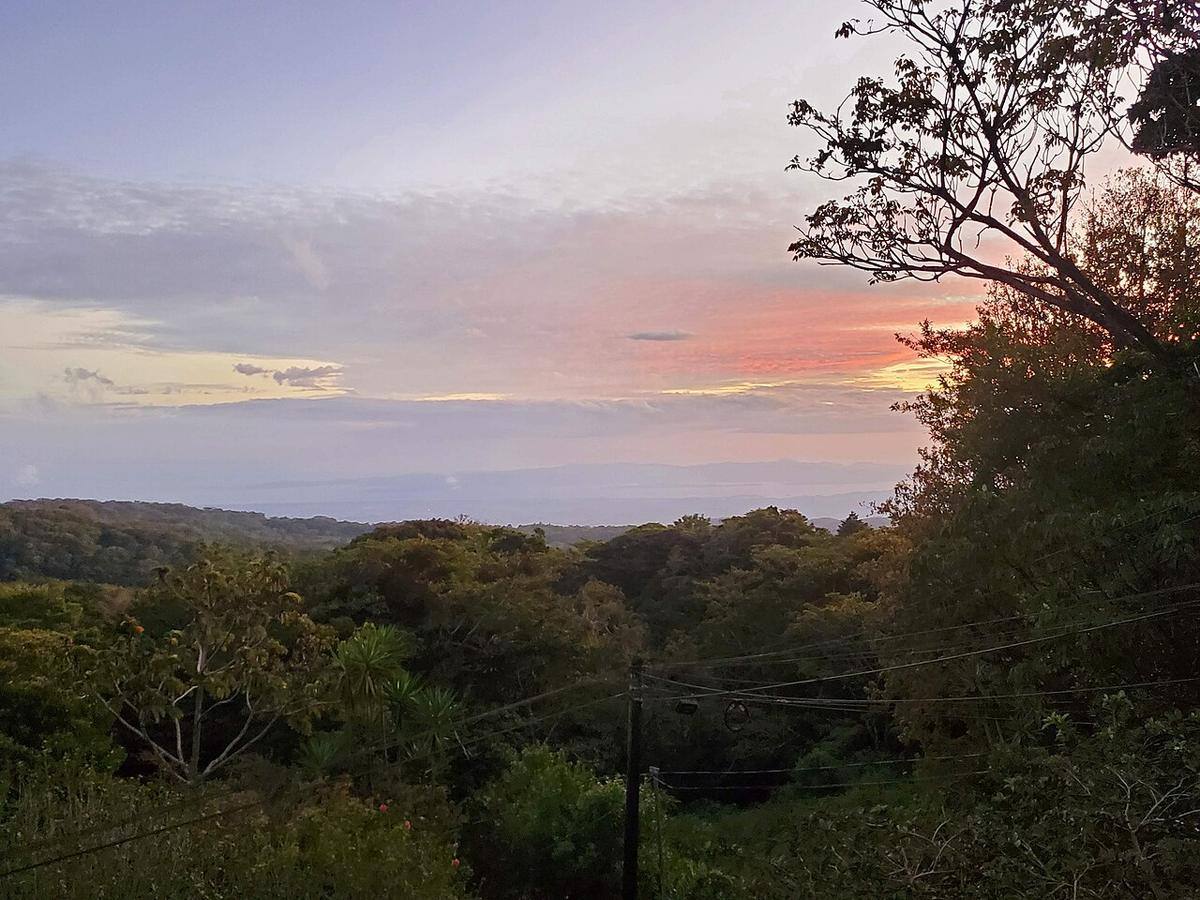
Photo: PLAyLuXu, CC BY-SA 4.0 Manuel Antonio
Sloths and beaches.
Tortuguero
Turtles.
Corcovado
The most biodiverse place.
Nature and wildlife
Sloths, quetzals, frogs, whales.
Food and drink
Gallo pinto, casado.
When to go
December-April.
Did you know?
It abolished its army in 1948.
Itineraries in Costa Rica
Volcanoes, cloud forests and the Pacific
Arenal and its hot springs, the hanging bridges of Monteverde and the sloths of Manuel Antonio.
Costa Rica coast to coast
From the Tortuguero canals to the Pacific: volcanoes, forests, turtles and the Osa Peninsula, the country's wildest corner.
Costa Rica express: Tortuguero, Arenal and Manuel Antonio
The jungle canals of the Caribbean, Arenal volcano and its hot springs, the hanging bridges of the cloud forest and monkeys on the Pacific beach.
From the Caribbean to Corcovado: Costa Rica at its wildest
The Afro-Caribbean coast of Cahuita and Puerto Viejo, the turquoise Río Celeste, Arenal and the Corcovado forest, the most biodiverse place on the planet.
Costa Rica and the San Blas islands
Two weeks of nature in Costa Rica and then Panama's islands, home to the Guna people: a hundred islets of sand and palms in the Caribbean Sea.
Nicaragua, Costa Rica and Panama
Three Central American countries: Nicaragua's colonial cities and volcanoes, Costa Rica's nature, Bocas del Toro, the Panama Canal and San Blas.
Costa Rica by 4x4, off the beaten track
Dirt roads, river fords and mountain roads to places the coaches don't reach: the Talamanca range, hidden waterfalls, family lodges in the forest.
The Nicoya peninsula: Santa Teresa, Montezuma and surf
A week on the Pacific: the waves of Santa Teresa, the Montezuma waterfall, the Cabo Blanco reserve and Tortuga Island.
Guanacaste: volcanoes, Río Celeste and beaches
The dry, sunny north-west: Rincón de la Vieja volcano, the sky-blue Río Celeste, flights into Liberia and the beaches of Playa Conchal and Tamarindo.
Osa and Corcovado: the jungle on the Pacific
A week in Costa Rica's wildest place: two days on foot in Corcovado park with a night at Sirena station, Caño Island and the dolphins of the Golfo Dulce.
Cerro Chirripó
Costa Rica's highest peak, 3,820 metres: from San Gerardo de Rivas a full day's climb through cloud forest and páramo to the Crestones lodge, then the summit at dawn, from which on a clear day you see both the Pacific and the Caribbean.
Orosi valley, Irazú and the Pacuare
East of the capital: the crater of Irazú volcano at over 3,400 metres, Cartago and its basilica, the Orosi valley among coffee farms and the country's oldest colonial church still in use, then rafting on the Pacuare river through a forested canyon.
Uvita and Marino Ballena park
The Costa Ballena on the southern Pacific: the marine park with its whale-tail sandbar that emerges at low tide, the humpbacks that come to calve in two seasons each year, Uvita waterfall and the quiet beaches of Ojochal.
The southern Caribbean: Cahuita and Puerto Viejo
The Afro-Caribbean coast: Cahuita park with its beach trail among sloths and howler monkeys and its coral reef, Puerto Viejo by bike, the beaches of Punta Uva and Manzanillo and the Gandoca refuge up to the Panama border.
Where to go and where not to
There are no particular warnings beyond normal precautions; before booking, always check up-to-date official travel advice, because the situation can change.