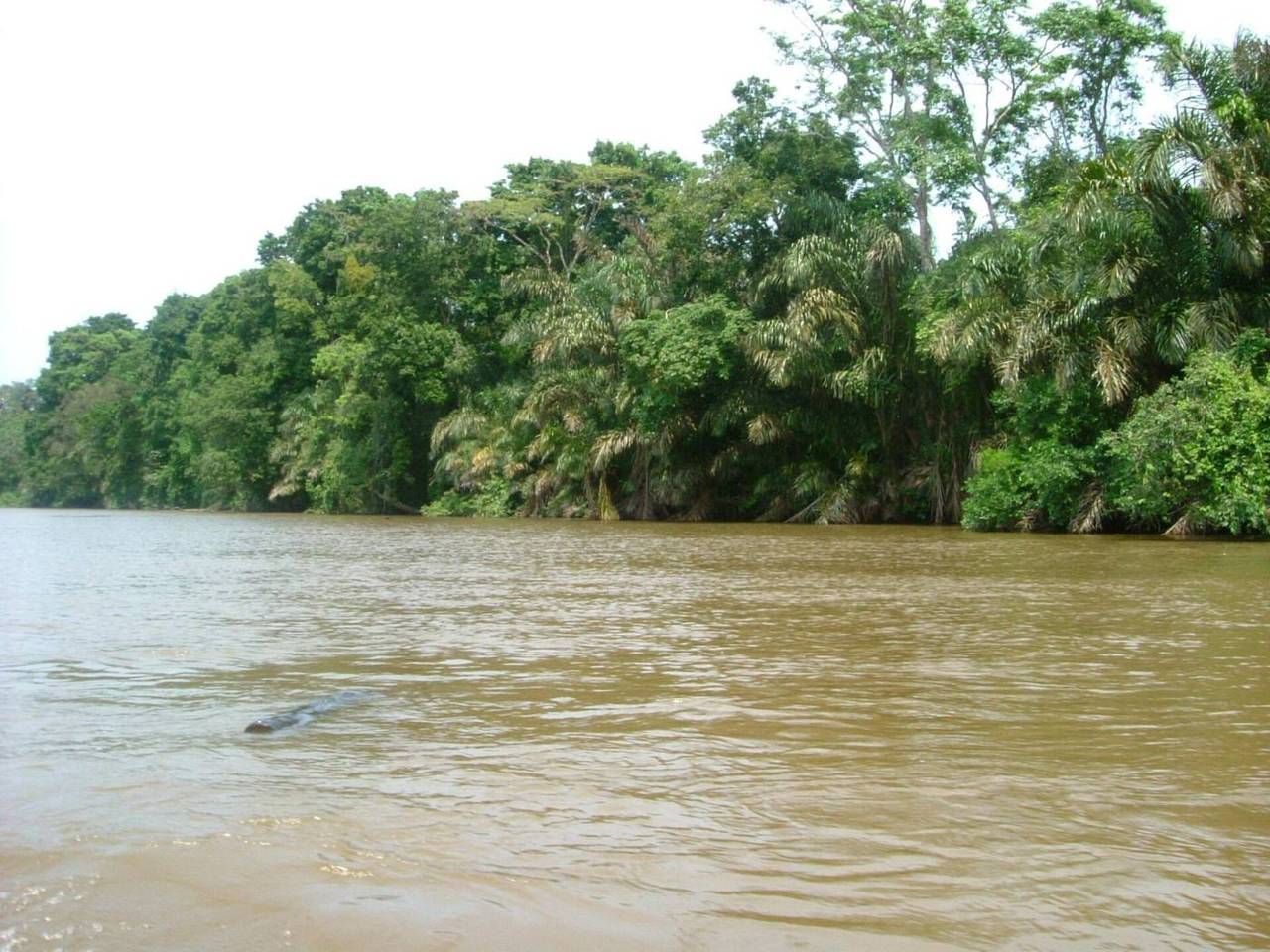
Costa Rica express: Tortuguero, Arenal and Manuel Antonio
The jungle canals of the Caribbean, Arenal volcano and its hot springs, the hanging bridges of the cloud forest and monkeys on the Pacific beach.
- San José
- Tortuguero
- Arenal
- Monteverde
- Manuel Antonio
Day by day
- Day 1
Arrival in San José
This trip is classic Costa Rica in twelve days: the Caribbean jungle canals of Tortuguero, Arenal volcano with its hot springs, the hanging bridges of the Monteverde cloud forest and the monkeys on the beaches of Manuel Antonio, on the Pacific.
Before you go: Italian citizens enter Costa Rica without a visa for tourism for up to 180 days, with a passport valid for at least 90 days from the date of entry and a return air ticket. Other nationalities should check their own rules. Italy's official travel advice reports a sharp rise in crime, with greater risks in central San José and in Limón province, and lists La Fortuna, Quepos and Jacó among the tourist areas at risk. Use only official taxis, red in the city and orange from the airport, avoid the La Coca Cola bus terminal at night and leave nothing in the car.
On arrival at the international airport take an official taxi to your accommodation. If you have time, in the afternoon take a walk in the centre of the capital. Visit the Teatro Nacional, opened at the end of the nineteenth century with money from coffee, with its gilded halls and frescoes. Under the square next to it is the pre-Columbian gold museum, with jewellery and gold figures from the country's ancient cultures. Check prices and times.
Then walk to the Mercado Central, a covered market with stalls of spices, coffee, fruit and small places to eat.
In the evening try your first casado, the typical dish with rice, beans, meat or fish, plantain and salad.
Practical tip: tomorrow you leave very early for Tortuguero; pack a light rucksack for two nights and leave the rest in storage.
- Day 2
To Tortuguero, by road and canal
Today you reach Tortuguero, a village on the Caribbean coast with no road access.
At dawn leave San José heading north-east. The road crosses Braulio Carrillo National Park, with mountains covered in rainforest, mist and waterfalls along the bends. Then it drops into the Caribbean plain, among banana plantations and farmland.
At the boat landing, after about three or four hours of travel, board a motorboat. The trip along the canals and rivers takes another hour or more. It is already an excursion: from the boat you see herons, kingfishers, caimans on the banks, iguanas in the trees and sometimes sloths hanging from the branches.
Tortuguero is a strip of land between the canals and the Caribbean Sea, with colourful wooden houses, a sandy path instead of a main road and a long wild beach. The sea here is very dangerous, with extremely strong currents: do not swim.
In the afternoon walk in the village and on the beach, where sea turtles come to lay their eggs in season. Stop at the small visitor centre on turtle conservation.
In the evening try rice and beans cooked in coconut milk, the typical dish of the Caribbean coast, with chicken or fish in a spicy sauce.
Practical tip: Tortuguero has few cash machines and they often do not work; bring enough cash for the two days.
- Day 3
The canals of Tortuguero and the turtles
Today you explore Tortuguero National Park from the water.
At dawn get into a canoe or a small boat with a guide and glide slowly through the park's narrow canals. It is the best time: the water is as still as a mirror and the animals are active. You see howler and spider monkeys, sloths, toucans, tiger herons, caimans and, with luck, the river otter. The guide turns off the engine in the smallest canals so as not to disturb them. Check the park's prices and times.
After breakfast walk the park trail near the station, in the flooded forest, where you often see brightly coloured frogs. Wear rubber boots, which can usually be hired.
In the afternoon rest or climb Cerro Tortuguero, the hill north of the village, reached by boat, from where you see the canals, the lagoon and the sea.
From July to October, in the evening, green turtles come onto the beach to lay their eggs. Night outings take place only with licensed guides and in small groups. Do not use torches, flash or a lit phone: light disorients the turtles. The guides take you to see a female digging the nest and laying.
Out of season, take a short night walk with the guide on the nearby trails instead.
Practical tip: in Tortuguero it often rains even in the dry season; always keep a light poncho in your rucksack.
- Day 4
From Tortuguero to Arenal
Today you cross the country, from the Caribbean coast to the northern plains, as far as Arenal volcano.
In the morning take the boat back to the landing and look at the canals one last time. Then continue by car or shuttle westwards, across the northern plain, among pastures, pineapple plantations and forests. The journey is long, almost the whole day.
At some point Arenal appears, an almost perfect cone rising alone above the plain. In 1968 the volcano woke up with a great eruption that destroyed some villages, and for more than forty years it had lava flows and almost continuous explosions. Since 2010 it has been quiet, but it remains an active volcano.
In the late afternoon you reach La Fortuna, the town at the foot of the volcano, with its square, white church and view of the cone. It is a tourist town: Italy's official travel advice lists it among the areas at risk of theft, so leave nothing in the car and lock your accommodation well.
In the evening relax in the hot springs of the area, heated by the volcano. There are warm pools in tropical gardens and also stretches of river with tepid water where locals bathe. Check prices and times.
Practical tip: break today's journey with a stop halfway; do not drive at night on country roads, which are dark and poorly signposted.
- Day 5
Lava trails and La Fortuna waterfall
Today you walk around Arenal and swim under a waterfall.
Early in the morning enter Arenal Volcano National Park. The trails cross the old lava flows of 1968 and 1992, now covered by shrubs and young forest. From a rocky viewpoint you see the cone up close and, on the other side, Lake Arenal. Along the way you meet coatis, toucans, monkeys and blue butterflies. Check prices and times.
You cannot climb to the crater: it is forbidden and dangerous.
In the afternoon go to La Fortuna waterfall, a few kilometres from the town. A path with many steps goes down through the forest to the foot of the fall, which drops into a green pool. You can swim in the marked area, away from where the water falls, where the current is strong. The climb back up is tiring: take your time. Check prices and times.
After the waterfall, if you still have energy, take a walk in the forest along the river, or visit a small cocoa farm to see how chocolate is made.
In the evening go back to the hot springs or take a stroll in town. Try a chifrijo, rice, beans, fried pork and pico de gallo, served in a bowl.
Practical tip: set off for the park at opening time; in the middle of the day the cone is often covered in clouds and the heat is strong.
- Day 6
Around Lake Arenal to Monteverde
Today you reach Monteverde, the cloud forest of the Tilarán mountains.
In the morning drive along the north shore of Lake Arenal, a large artificial lake at the foot of the volcano, with green hills, woods and wind turbines on the ridges. Stop at the viewpoints for photos and in the small villages along the road. Alternatively, you can cross the lake by boat and continue by car from the other shore.
The last part of the road climbs with many bends, partly on tarmac and partly on dirt. The journey takes about three and a half hours.
Monteverde and the village of Santa Elena are at around 1,400 metres. Here the air is cool, it is often windy and mist drifts through the trees. The cloud forest lives on the moisture of the clouds: the trees are covered in mosses, ferns, orchids and bromeliads.
The community was founded in the 1950s by a group of Quakers from the United States, who started cheese production and helped protect the forest.
In the evening take a night walk with a guide. With a torch you see tarantulas, frogs, stick insects, sloths, kinkajous and snakes in the branches. The guides know where to look for the animals that stay hidden during the day.
Practical tip: in Monteverde bring a waterproof jacket and a jumper; after the heat of Arenal, the evening feels almost cold.
- Day 7
Hanging bridges and quetzals in the cloud forest
Today you spend the day in the cloud forest.
At dawn enter the Monteverde Cloud Forest Biological Reserve, one of the best-known protected areas in the country, or the Santa Elena reserve, smaller and quieter. The trails pass under very tall trees covered in plants, with the sound of water and the calls of birds. Check prices and times.
With an experienced guide you have a good chance of seeing the resplendent quetzal, the sacred bird of the Maya and the Aztecs, bright green with a red breast and long tail feathers. It is easiest to see in spring, when it nests, but it is not guaranteed. You may also meet hummingbirds, toucans and the three-wattled bellbird, with its metallic call.
In the afternoon walk on the hanging bridges, metal walkways suspended between the trees at the height of the forest canopy. From up there you see the flowers, bromeliads and birds that usually stay hidden high up. If you do not suffer from vertigo, it is one of the best moments of the trip.
At sunset stop at a coffee farm in the area for a guided visit, which explains how Costa Rican coffee is grown and roasted.
In the evening taste the local cheese and a mountain coffee.
Practical tip: the mist makes trails and walkways slippery; wear shoes with soles that grip well.
- Day 8
To the Pacific and Manuel Antonio
Today you come down from the mountains towards the Pacific.
In the morning leave Monteverde and drive down to the coast, in about four hours. Along the way stop at the bridge over the Tárcoles river, where from above you see large American crocodiles resting on the muddy banks. Watch from the bridge walkway and do not go down to the water. The UK government also reports crocodiles along the nearby coast: do not swim at river mouths.
Then continue along the Pacific coast, among oil palm plantations, passing near Jacó. Italy's official travel advice lists Jacó and Quepos among the areas at risk: leave nothing in the car, not even for a few minutes.
In the afternoon you reach Quepos and then the road climbing the hill towards Manuel Antonio, between the forest and the sea. From the accommodation on the hill you see the islands and bays of the park.
In the late afternoon go down to Espadilla beach, outside the park, a long beach of pale sand. Swim only where there are flags and a lifeguard, because the currents are strong.
At sunset watch the sun go down over the Pacific.
In the evening have fish or a casado for dinner.
Practical tip: buy tickets for Manuel Antonio park in advance on the official SINAC website; places are limited and they are not sold at the gate.
- Day 9
Manuel Antonio National Park
Today you visit Manuel Antonio National Park, one of the smallest and most famous in Costa Rica.
Arrive at opening time with the ticket bought in advance and ask for a licensed guide at the entrance, with a telescope. Without a guide many animals remain invisible among the leaves. The park closes one day a week: check prices and times.
The main trail crosses the coastal rainforest to the beaches. You see two- and three-toed sloths, white-faced capuchin monkeys, squirrel monkeys, iguanas, raccoons, agoutis and many birds, such as the toucan. The guide also finds frogs, snakes and bats hanging under the leaves.
Then go down to Manuel Antonio beach, a bay of white sand with calm water and the forest reaching down to the sand. Swim and rest in the shade. Do not feed the animals and close your rucksack well: monkeys and raccoons steal everything.
If you still have energy, walk the Punta Catedral trail, a forested headland that was once an island, with viewpoints over the sea.
In the afternoon leave the park and rest.
In the evening, if you like, take a night walk outside the park with a guide, to see frogs and other nocturnal animals.
Practical tip: some foods and drinks are not allowed in the park; check the rules on the SINAC website before packing your rucksack.
- Day 10
Mangroves and beaches of Manuel Antonio
Today is an unhurried day between the sea and the mangroves.
Early in the morning take a walk on Espadilla beach, when the sand is cool and there are few tourists. Look at the trees along the beach: there are often monkeys and sloths outside the park too.
Then take a kayak or boat outing in the Isla Damas mangroves, near Quepos. The channels pass among the aerial roots of the trees and are home to crabs, herons, capuchin monkeys, boas and sometimes small crocodiles. Choose an outing at high tide, when the channels are deeper. Check prices and times.
In the afternoon rest or visit the centre of Quepos, a fishing town with a marina. Here you can stroll along the seafront and watch the boats. Keep your rucksack in front of you and do not show valuables.
If you prefer the sea, take a boat to the islands off the park to snorkel and look for dolphins. In the right months you also see humpback whales migrating along the coast.
At sunset go back up the hill and watch the sun set among the islands.
In the evening, for the last dinner on the Pacific, try a fresh fish ceviche and a tropical fruit smoothie.
Practical tip: the midday sun is extremely strong; do your activities early in the morning and late in the afternoon and rest in the middle of the day.
- Day 11
Back to San José
Today you return to the capital.
In the morning have a last swim at Espadilla or a walk on the beach. Have breakfast with gallo pinto, rice and beans fried together, with eggs and a Costa Rican coffee.
Then drive to San José, about three hours, along the coast road and the motorway that climbs to the central valley. Alternatively take a domestic flight from the small Quepos airport, which gets you to the capital in a few minutes.
In the afternoon, in San José, visit the Museo Nacional, in the old Bellavista fortress, with walls marked by bullets from the civil war of 1948. After the war the army was abolished and the barracks became a museum. Inside there are pre-Columbian finds, a room on the country's history and a butterfly garden. Check prices and times.
Then walk along the pedestrian Avenida Central, with shops and stalls, to the Plaza de la Cultura.
If you want to buy souvenirs, look for coffee beans, local chocolate and wooden objects. At the Mercado Central you also find spices and hot sauces.
In the evening have a last typical dinner and pack your bags. Get around by official taxi.
Practical tip: if you return the car in San José, fill up first; hire companies charge a lot for missing fuel.
- Day 12
Departure
Today is the last day and you leave Costa Rica.
In the morning, if you have time, take a walk in the Barrio Amón district, near the centre, with the old houses of coffee growers from the early twentieth century, in wood and iron, and colourful facades. Then go to the international airport by official taxi, leaving plenty of time.
In these twelve days you have seen the centre of San José, sailed the jungle canals of Tortuguero among caimans and sloths, perhaps seen green turtles laying their eggs, relaxed in the hot springs below Arenal, walked on old lava flows and under La Fortuna waterfall, crossed the forest canopy on the hanging bridges of Monteverde and seen sloths and monkeys at Manuel Antonio, on the beaches of the Pacific. It is the ideal trip for a first visit to the country, children included.
When to go: from December to April, in the dry season, with the clearest skies and the best roads. From May to November it often rains in the afternoon, but the landscapes are greener and there are fewer visitors. From July to October is the green turtle season at Tortuguero. September and October are the wettest months on the Pacific.
Practical tip: traffic towards the airport is often slow, especially in the morning; set off at least three hours before your flight.
Classic Costa Rica, perfect for a first trip and with children too. It's expensive for Central America, but organised and safe. December to April is the dry season; July to October brings afternoon rain but it's turtle season at Tortuguero.
Before you go
- Documents and visa
- Passport valid for at least 90 days from the date of entry and a return air ticket; no visa is needed for tourism for up to 180 days, but the immigration officer decides the exact period on arrival. Travellers arriving from a country at risk must show a yellow fever vaccination certificate. When you leave by air there is a departure tax, usually already included in the ticket.
- Health and vaccines
- Healthcare is good but expensive: you need insurance that covers medical costs and repatriation. There is a risk of dengue, rising in 2026 and higher in the rainy season, as well as chikungunya and Zika: use repellent during the day too. There are cases of malaria, mainly in Limón province. Drink bottled water. Emergencies: 911.
- Money and payments
- Costa Rican colón. US dollars are accepted almost everywhere and cards work in tourist areas; carry some cash in colones for villages and small purchases.
- Power sockets
- Types A and B, with flat pins as in the United States, 120 volts: you need an adapter, and check the voltage of your devices.
- Time zone
- UTC-6 all year.
- Safety
- Italy's official travel advice reports a sharp rise in crime: bag snatching, robbery, scams, and theft from cars and accommodation. The areas with the most murders are central San José, Limón district and some cantons such as Puntarenas, Alajuela and Matina; among the tourist areas at risk it lists Jacó, Quepos, Cahuita, Bahía Ballena, La Fortuna and Tamarindo. Avoid isolated areas on the border with Nicaragua, isolated beaches and the shore at night. Visit parks with licensed guides and in a group, use only official taxis, red or orange for the airport, and leave nothing in the car. Sea currents are strong and few beaches have lifeguards. Official advice: GOV.UK.
Information checked in November 2026 for Italian and EU citizens. Rules change: always check before you travel.
Variations
Shorter: eight days, with Arenal, Monteverde and Manuel Antonio, without Tortuguero.
Longer: add four days on the Osa peninsula and in Corcovado, the wildest place in the country, with a domestic flight from San José.
Frequently asked questions
When can you see turtles at Tortuguero?
Green turtles nest from July to October. Night outings take place only with licensed guides and in small groups, without lights.
How do you buy tickets for Manuel Antonio?
Only in advance on the official SINAC website, sinac.go.cr, with limited places. The park closes one day a week: check prices and times before you go.
Do you need a hire car?
It is not essential: there are tourist shuttles between the main stops and you reach Tortuguero by boat. A car gives more freedom between Arenal, Monteverde and Manuel Antonio.
Indicative itinerary written by World Atlas. Before booking, check timetables, seasonal openings, documents and safety.
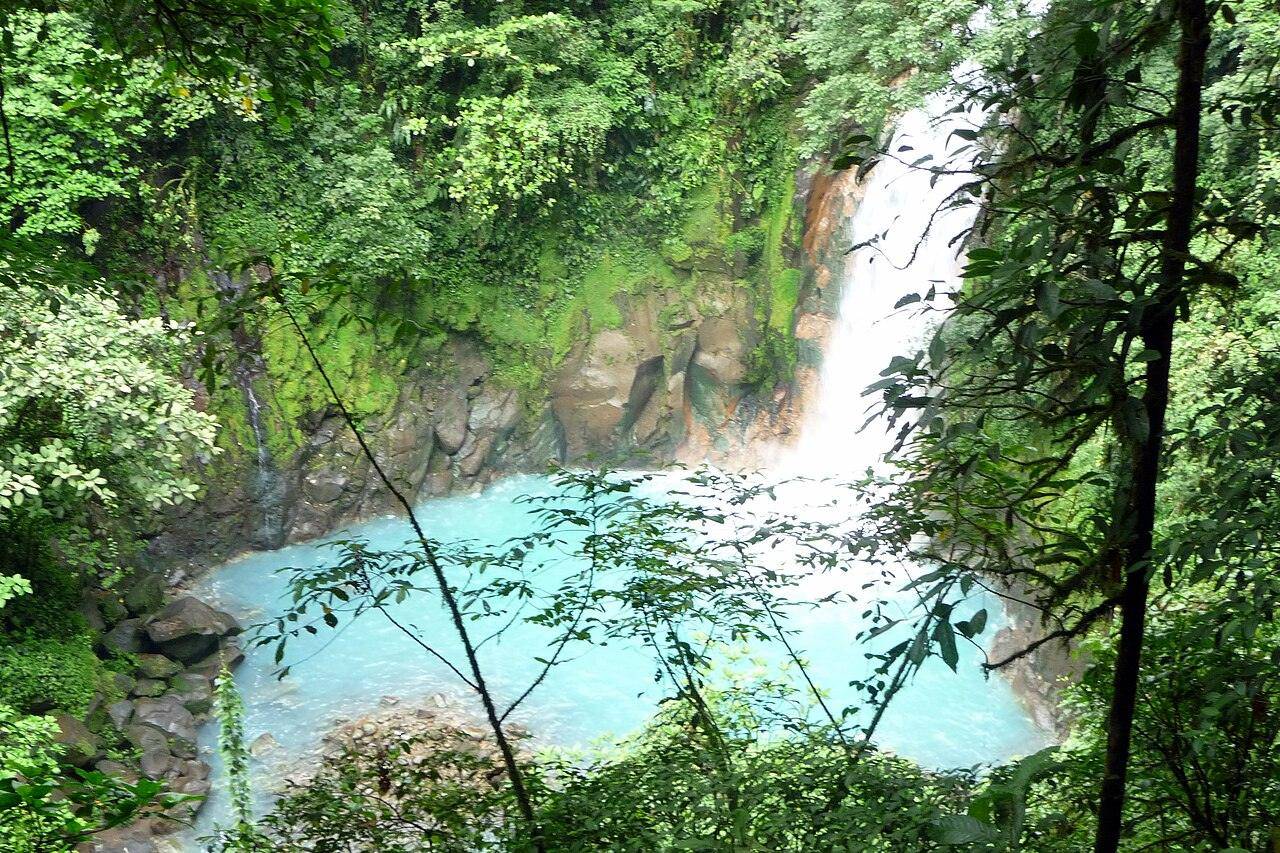 7 daysEasy
Volcanoes, cloud forests and the Pacific
Arenal and its hot springs, the hanging bridges of Monteverde and the sloths of Manuel Antonio.
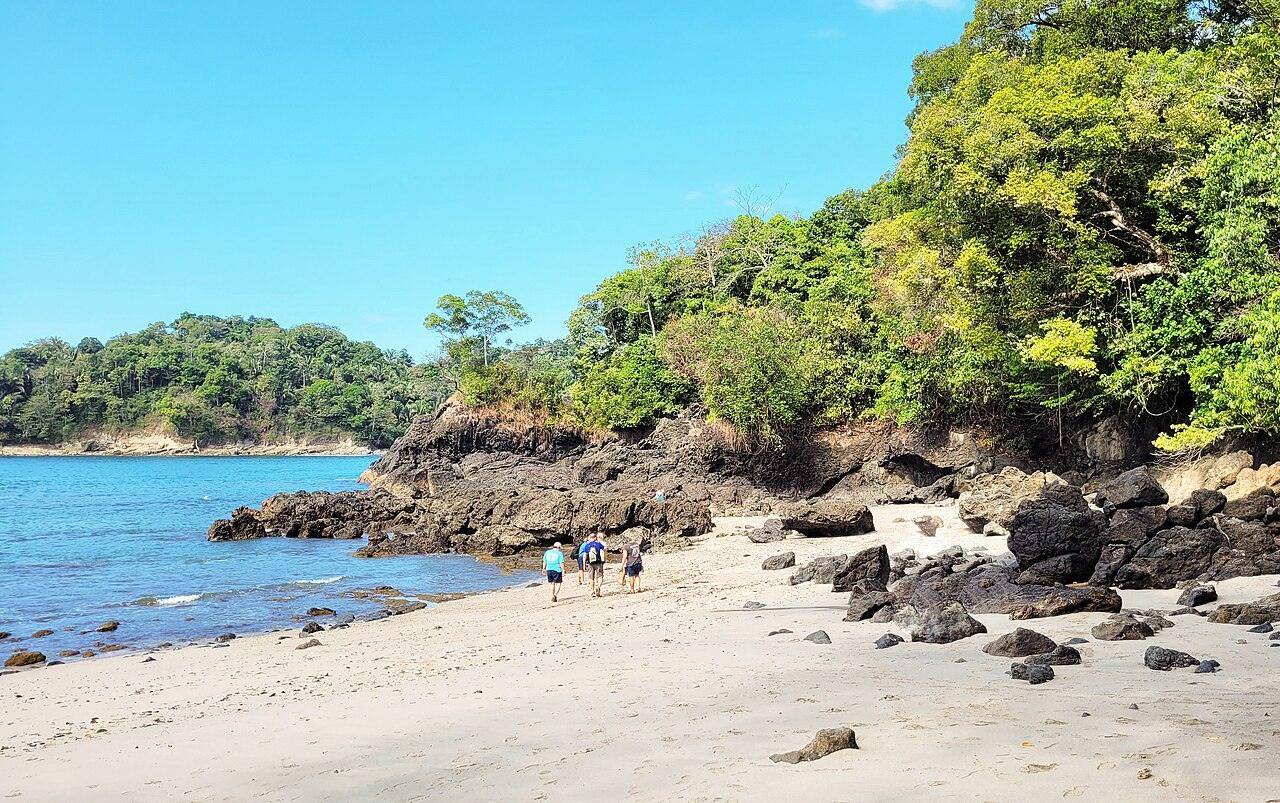 15 daysModerate
Costa Rica coast to coast
From the Tortuguero canals to the Pacific: volcanoes, forests, turtles and the Osa Peninsula, the country's wildest corner.
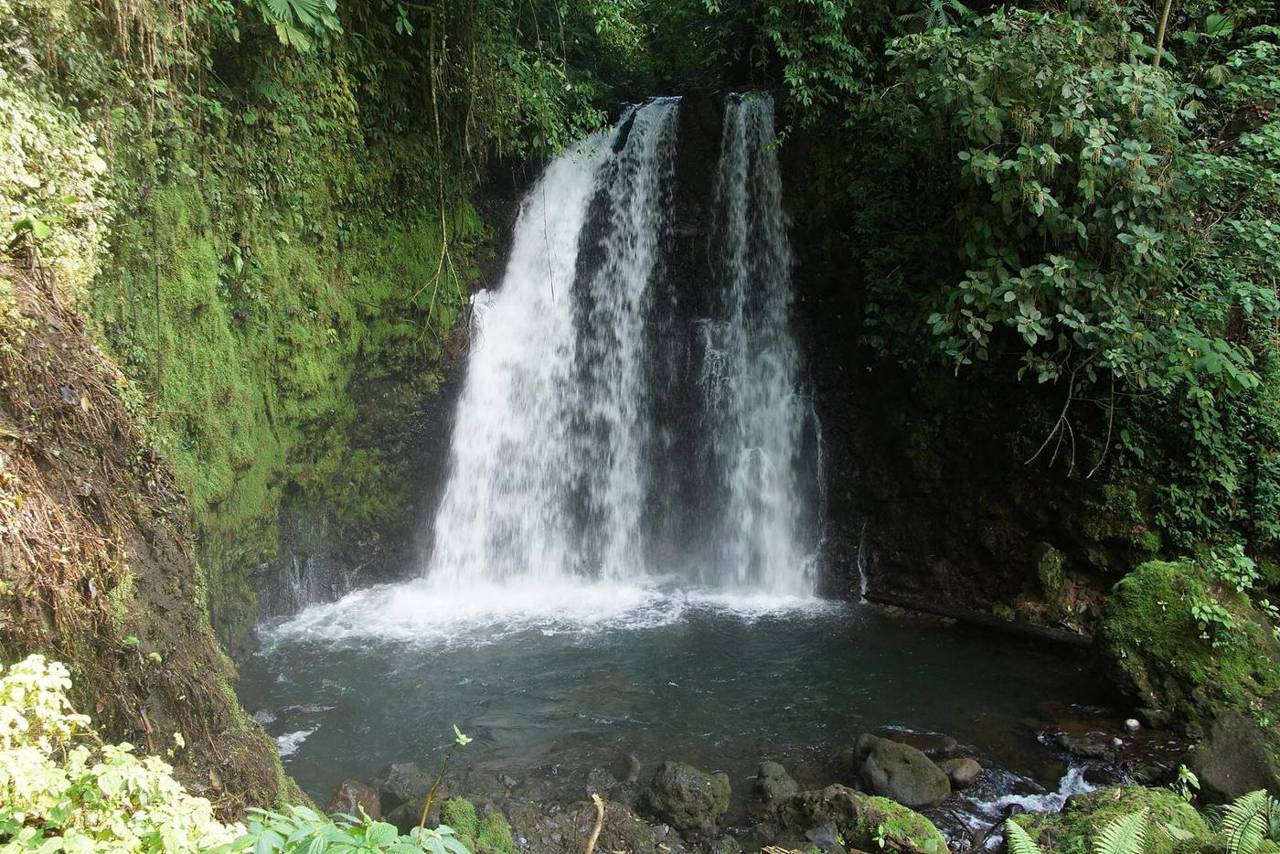 16 daysModerate
From the Caribbean to Corcovado: Costa Rica at its wildest
The Afro-Caribbean coast of Cahuita and Puerto Viejo, the turquoise Río Celeste, Arenal and the Corcovado forest, the most biodiverse place on the planet.