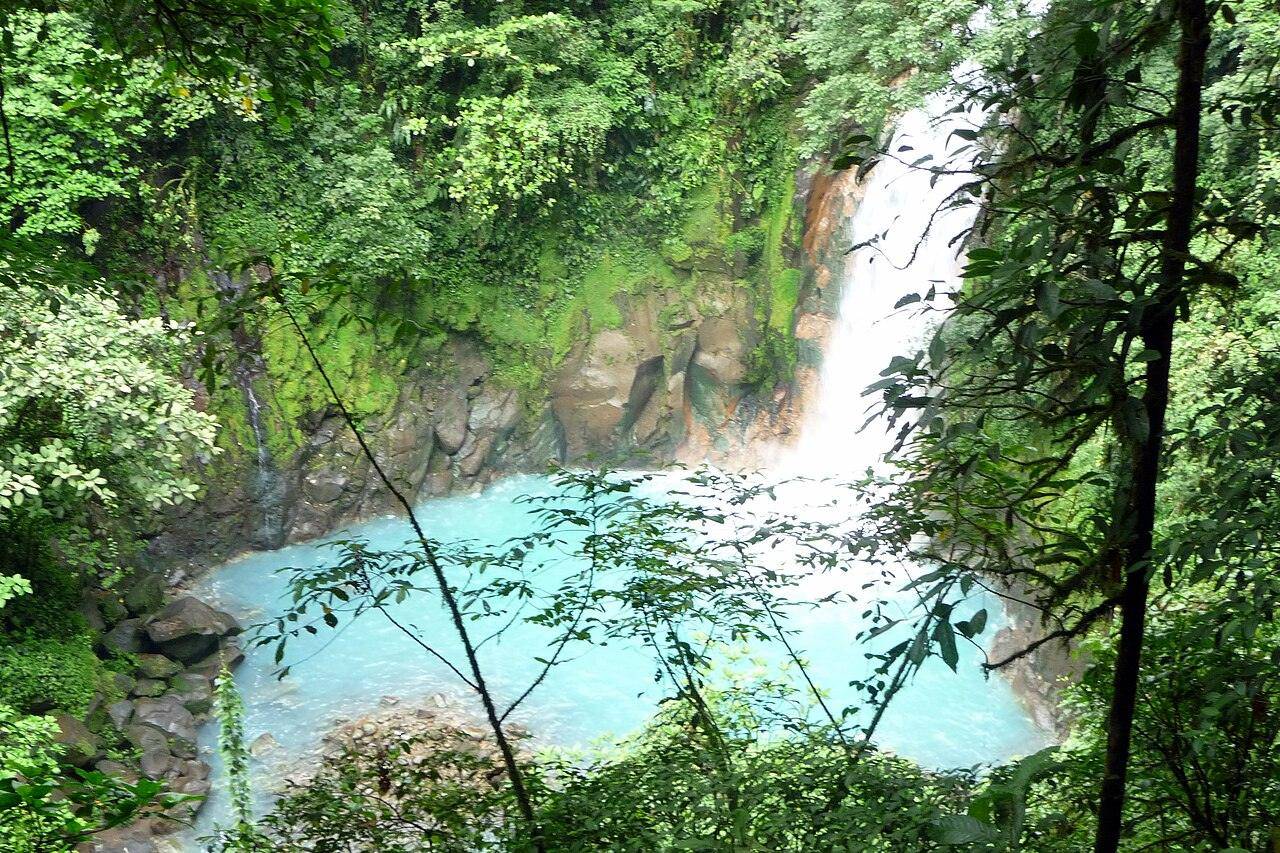
Volcanoes, cloud forests and the Pacific
Arenal and its hot springs, the hanging bridges of Monteverde and the sloths of Manuel Antonio.
- San José
- Arenal
- Monteverde
- Manuel Antonio
Day by day
- Day 1
Arrival in San José
This trip is the classic week for a first encounter with Costa Rica: San José, Arenal volcano with its hot springs, the hanging bridges and La Fortuna waterfall, the cloud forest of Monteverde, and the sloths and beaches of Manuel Antonio, on the Pacific.
Before you go: Italian citizens enter Costa Rica without a visa for tourism for up to 180 days, with a passport valid for at least 90 days from the date of entry and a return air ticket. Other nationalities should check their own rules. Italy's official travel advice reports a sharp rise in crime, with greater risks in central San José, and lists La Fortuna, Quepos and Jacó among the tourist areas at risk. Use only official taxis, red in the city and orange from the airport, avoid the La Coca Cola bus terminal at night and leave nothing in the car.
On arrival at the international airport take an official taxi to your accommodation. If you have time, in the afternoon take a walk in the centre of the capital. Visit the Teatro Nacional, opened at the end of the nineteenth century with money from coffee, with its gilded halls and frescoes. Under the square next to it is the pre-Columbian gold museum, with jewellery and gold figures from the country's ancient cultures. Check prices and times.
Then walk to the Mercado Central, a covered market with stalls of spices, coffee, fruit and small places to eat.
In the evening try your first casado, the typical dish with rice, beans, meat or fish, plantain and salad.
Practical tip: in central San José keep your phone in your pocket and your rucksack in front of you; in the evening get around by taxi, even for short distances.
- Day 2
Road to La Fortuna and hot springs below Arenal
Today you leave the capital and head north, towards La Fortuna and Arenal volcano.
The road crosses the central valley, then climbs through coffee plantations and drops into the northern plain, among pastures, pineapple plantations and forest. The journey takes about three hours, with many bends.
At some point Arenal appears, an almost perfect cone rising alone above the plain. In 1968 the volcano woke up with a great eruption that destroyed some villages, and for more than forty years it had lava flows and almost continuous explosions. Since 2010 it has been quiet, but it remains an active volcano.
In the afternoon walk in Arenal Volcano National Park, on trails that cross old lava flows now covered in vegetation, with views of the cone and of Lake Arenal, the largest in the country. Check prices and times.
Towards evening slip your legs and then your whole body into one of the hot spring pools at the foot of the volcano. The water, heated by the warmth of the earth, flows among rocks and tropical plants. It is the best way to end the day.
Sleep in La Fortuna, for two nights.
Practical tip: the top of Arenal is often in the clouds; the sky is usually clearest at dawn, so look out of the window as soon as you wake up.
- Day 3
La Fortuna waterfall and the hanging bridges
Today you spend the day between water and forest around La Fortuna.
Early in the morning go to La Fortuna waterfall, a few kilometres from town. A long staircase of hundreds of steps goes down through the forest to the base, where the water falls from a green rock wall into a deep pool. In the main pool the current is strong: follow the signs on site and swim further downstream, in the river, where the water is calmer. The climb back up is tiring: take your time. Check prices and times.
In the afternoon walk in a park of hanging bridges in the rainforest. The bridges, long and narrow, cross at the height of the tree canopy, where the animals you cannot see from the ground live: toucans, hummingbirds, monkeys, sloths and snakes resting on the branches. With a guide, who carries a telescope, you see many more animals.
If you still have energy, in the evening go on a night walk in the forest with a guide and a torch: you see red-eyed tree frogs, stick insects, tarantulas and sometimes a sloth moving in the dark.
For dinner try chifrijo, rice, beans, crispy pork and pico de gallo, served in a bowl.
Practical tip: bring a swimsuit and a small towel to the waterfall, and shoes with a good grip; the steps are often wet and slippery.
- Day 4
Monteverde and the cloud forest
Today you go to Monteverde, in the mountains, in the cloud forest, where clouds drift through the trees.
In the morning you leave La Fortuna. The most convenient route crosses Lake Arenal by boat, then continues by road to Monteverde, in about three or four hours in all. Alternatively the road goes round the lake, among green hills and wind turbines, with the last stretch climbing and winding.
Monteverde is a cool, windy mountain area, settled in the 1950s by a group of Quakers from the United States, who raised cows and made cheese. They were also among the first to protect the forest.
In the afternoon enter the Monteverde Cloud Forest Biological Reserve or the Santa Elena reserve. The trails pass among trees covered in mosses, ferns, bromeliads and orchids, in the mist. This is home to the quetzal, the sacred bird of the Maya, green and red with long tail feathers, seen most often in spring. With a guide your chances are much higher. Check prices and times.
In the evening go on a guided night walk, to see sloths, tarantulas, frogs and sometimes kinkajous in the branches.
Practical tip: in Monteverde it is cool and it often rains even in the dry season; bring a waterproof jacket and a jumper.
- Day 5
Manuel Antonio, the road and the park
Today you come down from the mountains towards the Pacific, to Manuel Antonio.
Early in the morning leave Monteverde. The road descends to the coast and takes the coast road south, passing near Jacó and Quepos. The journey takes about four hours. Stop on the bridge over the Tárcoles River, where from above you almost always see large crocodiles on the banks.
Manuel Antonio is one of the smallest and most visited national parks in Costa Rica: in a small space there are forest, white beaches and rocky points. Tickets are sold only in advance on the official SINAC website, sinac.go.cr, with limited places, and the park closes one day a week: check prices and times.
In the afternoon settle into your accommodation between the town of Quepos and the park, on the hill with a sea view. Towards evening go to the public beach of Espadilla, outside the park, for the sunset, when the sun goes down over the sea and pelicans fly low over the water.
In the evening eat grilled fish, white fish ceviche with lime and coriander, or rice with seafood.
Practical tip: at Espadilla the rip currents are strong; swim only where there is a lifeguard and do not swim after sunset. Leave nothing on the sand while you are in the water.
- Day 6
Sloths, monkeys and the park's beaches
Today is the day inside Manuel Antonio National Park.
Go in at opening time, early in the morning, when the animals are most active and the trails less crowded. Take a licensed guide at the entrance: with a telescope they show you animals you would not see on your own. Two-toed and three-toed sloths sleep on the branches, curled up and almost motionless. White-faced capuchins, howler monkeys and squirrel monkeys pass by, the last small and orange, living only on this Pacific coast, between Costa Rica and Panama. On the ground you see iguanas, raccoons and colourful crabs.
Then walk to Punta Catedral, a forested hill joined to the mainland by a strip of sand, with a path that climbs to viewpoints over the sea. From the rocks you see islets, waves and pelicans.
At midday swim at Manuel Antonio beach, a bay of pale sand with calm water, in the shade of the trees.
In the afternoon leave the park and rest.
In the evening, for your last dinner on the coast, try whole fried fish with patacones and salad.
Practical tip: many kinds of food are not allowed in the park, and you must never feed the animals; monkeys and raccoons steal from open bags. Check the rules at the entrance.
- Day 7
Back to San José
Today is the last day, with a morning by the sea before the return.
Early in the morning have a last swim at Espadilla or a walk on the beach, when the sand is cool. Have breakfast with gallo pinto, rice and beans fried together, with eggs, and a Costa Rican coffee.
Then drive back to San José, in about three hours, along the coast road and the motorway, or take a domestic flight from the small Quepos airport, which gets you to the capital in a few minutes.
In these seven days you have seen the centre of San José, relaxed in the hot springs below Arenal, walked through the forest canopy on the hanging bridges and in the mist of Monteverde, and seen sloths and monkeys at Manuel Antonio, on the beaches of the Pacific. It is the easiest week for a first taste of the country; the wildest areas, such as Osa and the Caribbean, are left for another trip.
When to go: from December to April, in the dry season, with the clearest skies and the best roads. From May to November it often rains in the afternoon, but the landscapes are greener and there are fewer visitors. September and October are the wettest months on the Pacific.
Practical tip: if you fly home on the same day, leave plenty of time; traffic towards San José and the airport is often slow.
The easiest week for a first taste of Costa Rica: hot springs, cloud forest and sloths almost guaranteed. Manuel Antonio is busy, so go in early in the morning. The wildest parts of the country are left out; for those, take the longer version.
Before you go
- Documents and visa
- Passport valid for at least 90 days from the date of entry and a return air ticket; no visa is needed for tourism for up to 180 days, but the immigration officer decides the exact period on arrival. Travellers arriving from a country at risk must show a yellow fever vaccination certificate. When you leave by air there is a departure tax, usually already included in the ticket.
- Health and vaccines
- Healthcare is good but expensive: you need insurance that covers medical costs and repatriation. There is a risk of dengue, rising in 2026 and higher in the rainy season, as well as chikungunya and Zika: use repellent during the day too. There are cases of malaria, mainly in Limón province. Drink bottled water. Emergencies: 911.
- Money and payments
- Costa Rican colón. US dollars are accepted almost everywhere and cards work in tourist areas; carry some cash in colones for villages and small purchases.
- Power sockets
- Types A and B, with flat pins as in the United States, 120 volts: you need an adapter, and check the voltage of your devices.
- Time zone
- UTC-6 all year.
- Safety
- Italy's official travel advice reports a sharp rise in crime: bag snatching, robbery, scams, and theft from cars and accommodation. The areas with the most murders are central San José, Limón district and some cantons such as Puntarenas, Alajuela and Matina; among the tourist areas at risk it lists Jacó, Quepos, Cahuita, Bahía Ballena, La Fortuna and Tamarindo. Avoid isolated areas on the border with Nicaragua, isolated beaches and the shore at night. Visit parks with licensed guides and in a group, use only official taxis, red or orange for the airport, and leave nothing in the car. Sea currents are strong and few beaches have lifeguards. Official advice: GOV.UK.
Information checked in November 2026 for Italian and EU citizens. Rules change: always check before you travel.
Variations
Shorter: five days, with La Fortuna and Manuel Antonio, without Monteverde.
Longer: add three days at Uvita and Marino Ballena National Park, south of Manuel Antonio, for the whales.
Frequently asked questions
How do you buy tickets for Manuel Antonio?
Only in advance on the official SINAC website, sinac.go.cr, with limited places. The park closes one day a week: check prices and times before you go.
Can you see lava at Arenal?
No, since 2010 the volcano has been quiet and there are no more lava flows. You see the cone, often in the clouds, and walk on old lava flows covered in vegetation.
Can you see the quetzal in Monteverde?
It is possible, especially in spring, but it is not guaranteed. With an experienced guide the chances are much higher.
Indicative itinerary written by World Atlas. Before booking, check timetables, seasonal openings, documents and safety.
 15 daysModerate
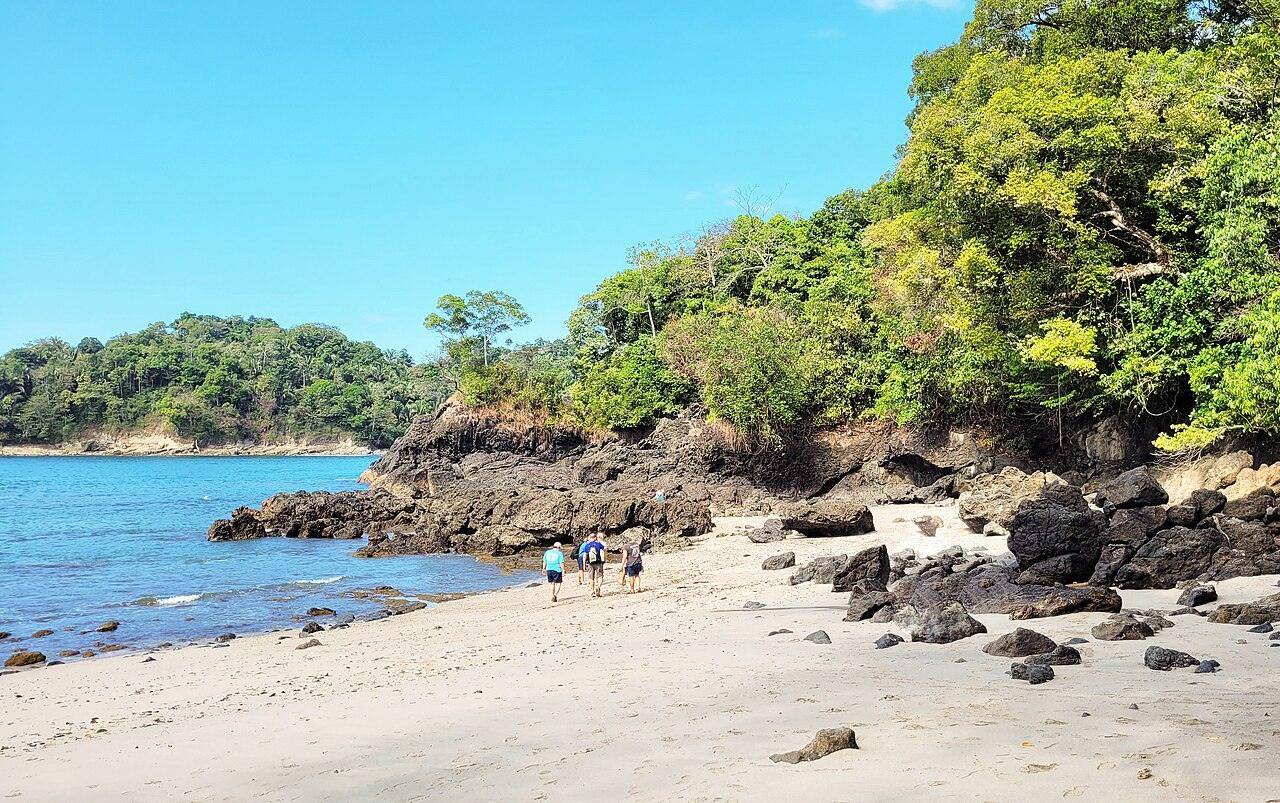
Costa Rica coast to coast
From the Tortuguero canals to the Pacific: volcanoes, forests, turtles and the Osa Peninsula, the country's wildest corner.
 12 daysEasy
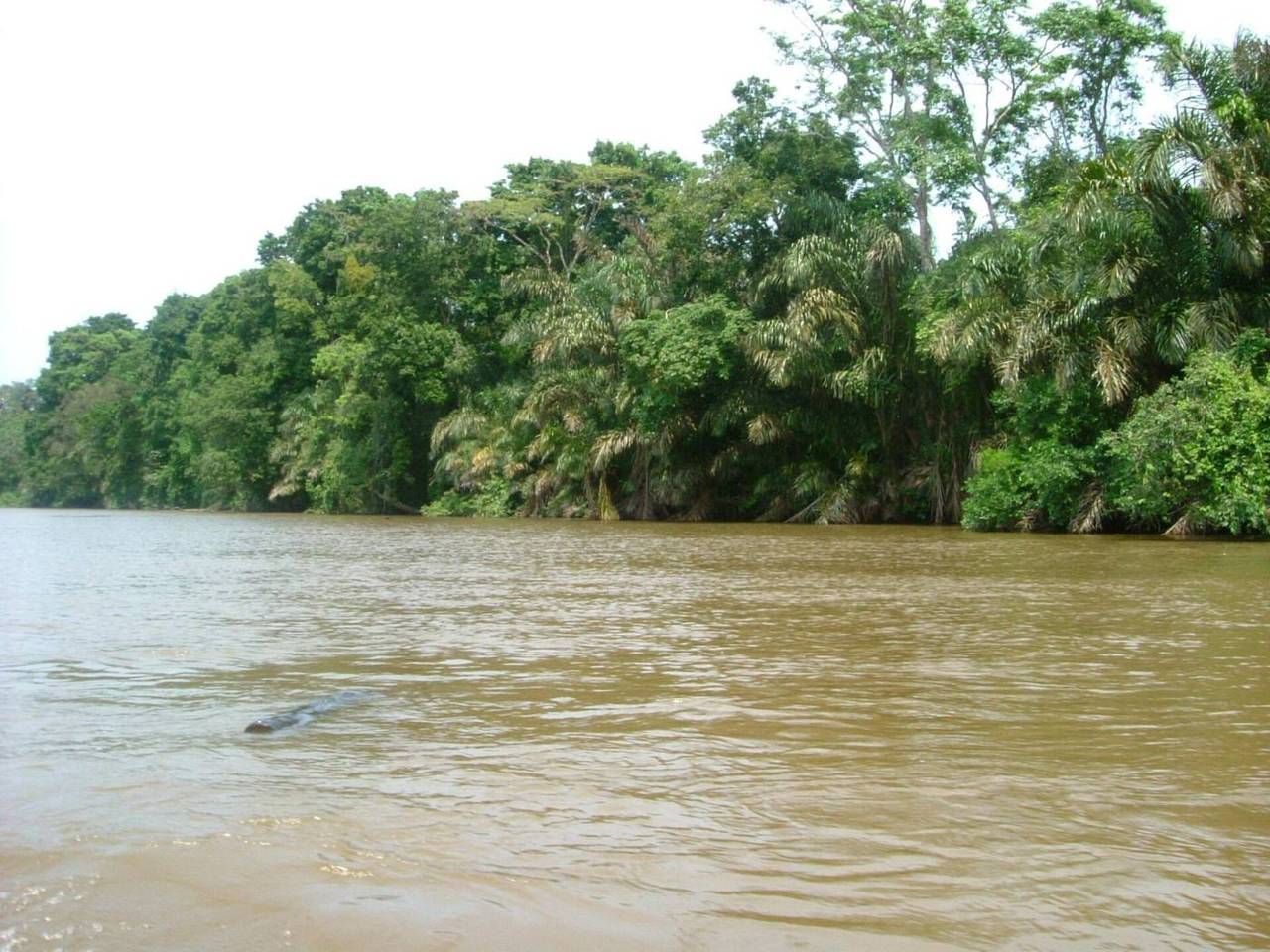
Costa Rica express: Tortuguero, Arenal and Manuel Antonio
The jungle canals of the Caribbean, Arenal volcano and its hot springs, the hanging bridges of the cloud forest and monkeys on the Pacific beach.
 16 daysModerate
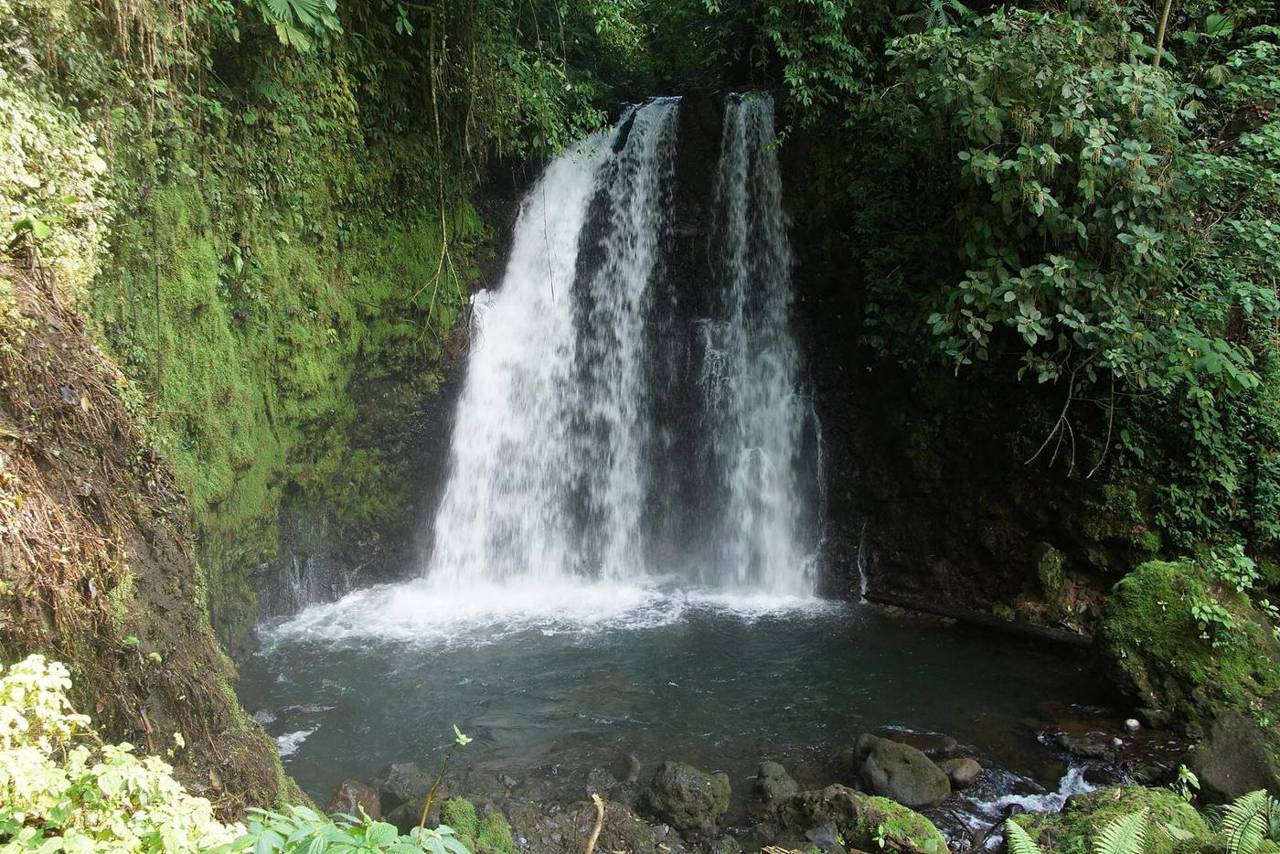
From the Caribbean to Corcovado: Costa Rica at its wildest
The Afro-Caribbean coast of Cahuita and Puerto Viejo, the turquoise Río Celeste, Arenal and the Corcovado forest, the most biodiverse place on the planet.