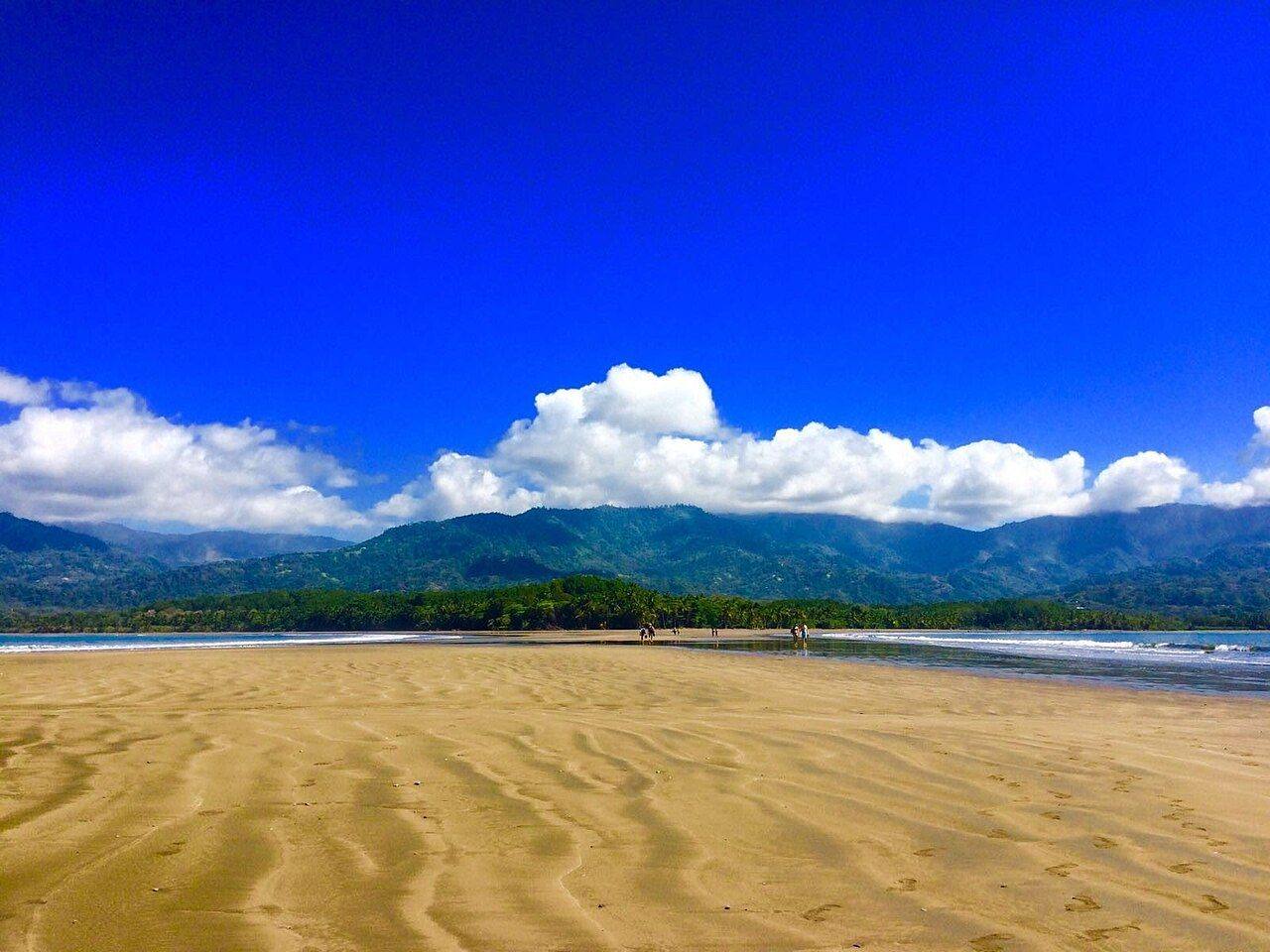
Uvita and Marino Ballena park
The Costa Ballena on the southern Pacific: the marine park with its whale-tail sandbar that emerges at low tide, the humpbacks that come to calve in two seasons each year, Uvita waterfall and the quiet beaches of Ojochal.
- San José
- Uvita
- Marino Ballena
- Ojochal
Day by day
- Day 1
The road to Uvita
This trip takes you to the Costa Ballena, on the southern Pacific: Marino Ballena National Park, with its whale-tail sandbar, the humpback whales that come here to give birth, the Uvita waterfall and the quiet beaches of Ojochal.
Before you go: Italian citizens enter Costa Rica without a visa for tourism for up to 180 days, with a passport valid for at least 90 days from the date of entry and a return air ticket. Other nationalities should check their own rules. Italy's official travel advice reports a sharp rise in crime and lists Bahía Ballena, Quepos and Jacó among the tourist areas at risk, with theft from cars and on beaches. Leave nothing in the car or unattended on the sand, avoid isolated beaches and the shore at night, and use official taxis.
From San José take the motorway towards the Pacific and then the southern coast road, which runs between the sea and forest-covered hills, passing near Jacó, Quepos and Dominical. The journey takes about four hours.
Stop on the bridge over the Tárcoles River, where from above you almost always see crocodiles on the muddy banks. Watch them only from the bridge walkway.
In the afternoon you reach Uvita, a small town between the forest and the sea. At sunset walk on the beach, with the palms and the view of the park's sandy point.
In the evening try the catch of the day grilled with patacones, green plantain flattened and fried, and a fresh fruit smoothie.
Practical tip: when you stop along the coast road, even just for a photo, take your documents, phone and money with you; theft from parked cars is common.
- Day 2
The whale's tail at low tide
Today you visit Marino Ballena National Park and walk on the famous whale's tail.
First of all check the time of low tide: the sand tail, at Punta Uvita, can only be walked for a few hours, when the sea pulls back. Arrive a little early and pay the park fee; check prices and times.
The whale's tail is a tombolo, a strip of sand and rocks that joins the beach to an islet. At low tide a long, wide strip opens in front of you, with the sea on both sides and the waves meeting. Seen from above, from the hill, it really has the shape of a whale's tail. Walk it to the end, among tide pools with small fish, crabs and starfish. Pelicans and boobies rest on the rocks.
When the sea is calm you can snorkel near the rocks at the end of the tail, where there is a little coral. Then walk back before the tide comes in, because the water covers the sand quickly.
In the afternoon rest on the park beach, in the shade of the trees, and watch the pelicans diving for fish.
Practical tip: follow the park rules on food, glass and alcohol, shown at the entrance; always keep an eye on your bag on the beach while you swim, and come back from the tail at least an hour before high tide.
- Day 3
By boat with the whales
Today you go out to sea to see the humpback whales that give this coast its name.
The humpbacks come here in two seasons: from the south, from Antarctica, between July and October, and from the north, from the North Pacific, between December and March. They come to the warm, sheltered waters of the park to give birth and nurse their calves. Few places in the world have two whale seasons.
Early in the morning the boat leaves from Uvita beach. At sea the guide looks for the blow of the whales, a cloud of water visible from far away. You often see a mother with her calf swimming slowly near the surface, sometimes a breach or a tail rising from the water. Boats must keep their distance and not chase the animals.
In every season you also often see dolphins, playing in front of the bow, and sometimes sea turtles. Many trips pass near Ballena Island, with its rocks and sea caves, and stop for snorkelling if the sea is calm.
In the afternoon, back on land, rest or walk on Uvita beach.
Practical tip: choose a boat licensed by the park, with life jackets for everyone, and ask whether it follows the rules on distance from the whales; take a seasickness tablet before you leave.
- Day 4
The Uvita waterfall and Ojochal
Today you stay on land, between a waterfall in the forest and the beaches of the southern Costa Ballena.
In the morning go up to the Uvita waterfall, just above the town, run by local people. A short path through the forest leads to a waterfall with a cool pool, where you can swim and slide down the smooth rock, like a natural water slide. Check prices and times. There are often blue butterflies, toucans and capuchin monkeys.
Then head south to Ojochal, a small village in the hills, about a quarter of an hour by road. Ojochal is known for its food, because cooks from many countries have settled here.
In the afternoon go to Ventanas beach, near Ojochal, a bay of dark sand with rocks and sea caves. At low tide you can walk into the caves, where the sea comes in with the waves and light passes through the openings in the rock. At high tide stay outside, because the waves come in with force. The beaches here are quiet and not crowded, but the currents can be strong.
At sunset go back to Uvita.
Practical tip: at Ventanas check the tide times before entering the caves and leave in the car only what you would not mind losing; it is better to take everything with you.
- Day 5
Back home or on to Osa
Today you leave the Costa Ballena, for San José or for the Osa peninsula.
Early in the morning take a last walk on the beach, when the light is soft and the sand is still cool, or have breakfast with gallo pinto, rice and beans fried together, with eggs and sweet plantain.
If you are going back to San José, take the coast road north again, in about four hours. If you are going on to Osa, head south to Sierpe, in about an hour, where boats leave along the river and the mangroves for Drake Bay and Corcovado National Park.
In these five days you have walked on the whale's tail at low tide, seen humpbacks and dolphins in the park's waters, swum in the pool of the Uvita waterfall and explored the caves of Ventanas. It is a quiet, green and little-developed Pacific coast.
When to go: from July to October and from December to March for the whales. From December to April is the dry season, with a calmer sea. September and October are the wettest months, but they are also the high season for the southern whales.
Practical tip: in the rainy season set off in the morning, because storms usually arrive in the afternoon and the coast road can have landslides and flooding.
Humpbacks arrive from the south between July and October and from the north between December and March. The sandbar can only be walked at low tide: check the tide table. Park entry is paid. A passport valid for the whole stay and an onward ticket are needed.
Before you go
- Documents and visa
- Passport valid for at least 90 days from the date of entry and a return air ticket; no visa is needed for tourism for up to 180 days, but the immigration officer decides the exact period on arrival. Travellers arriving from a country at risk must show a yellow fever vaccination certificate. When you leave by air there is a departure tax, usually already included in the ticket.
- Health and vaccines
- Healthcare is good but expensive: you need insurance that covers medical costs and repatriation. There is a risk of dengue, rising in 2026 and higher in the rainy season, as well as chikungunya and Zika: use repellent during the day too. There are cases of malaria, mainly in Limón province. Drink bottled water. Emergencies: 911.
- Money and payments
- Costa Rican colón. US dollars are accepted almost everywhere and cards work in tourist areas; carry some cash in colones for villages and small purchases.
- Power sockets
- Types A and B, with flat pins as in the United States, 120 volts: you need an adapter, and check the voltage of your devices.
- Time zone
- UTC-6 all year.
- Safety
- Italy's official travel advice reports a sharp rise in crime: bag snatching, robbery, scams, and theft from cars and accommodation. The areas with the most murders are central San José, Limón district and some cantons such as Puntarenas, Alajuela and Matina; among the tourist areas at risk it lists Jacó, Quepos, Cahuita, Bahía Ballena, La Fortuna and Tamarindo. Avoid isolated areas on the border with Nicaragua, isolated beaches and the shore at night. Visit parks with licensed guides and in a group, use only official taxis, red or orange for the airport, and leave nothing in the car. Sea currents are strong and few beaches have lifeguards. Official advice: GOV.UK.
Information checked in November 2026 for Italian and EU citizens. Rules change: always check before you travel.
Variations
Shorter: three days, with the whale's tail and the boat trip, without Ojochal.
Longer: continue for three days on the Osa peninsula, with Drake Bay and Corcovado National Park.
Frequently asked questions
When can you see the whales?
Humpbacks arrive from the south between July and October and from the north between December and March. In these months the chances of seeing them are high, but it is never guaranteed. Dolphins are seen all year.
When can you walk on the whale's tail?
Only at low tide, for a few hours. Check the tide times, go in a little early and walk back at least an hour before high tide.
Is the Uvita area safe?
Italy's official travel advice lists Bahía Ballena among the tourist areas at risk, mainly for theft from cars and on beaches. Leave nothing in the car or unattended on the sand and avoid isolated beaches at night.
Indicative itinerary written by World Atlas. Before booking, check timetables, seasonal openings, documents and safety.
 5 daysEasy
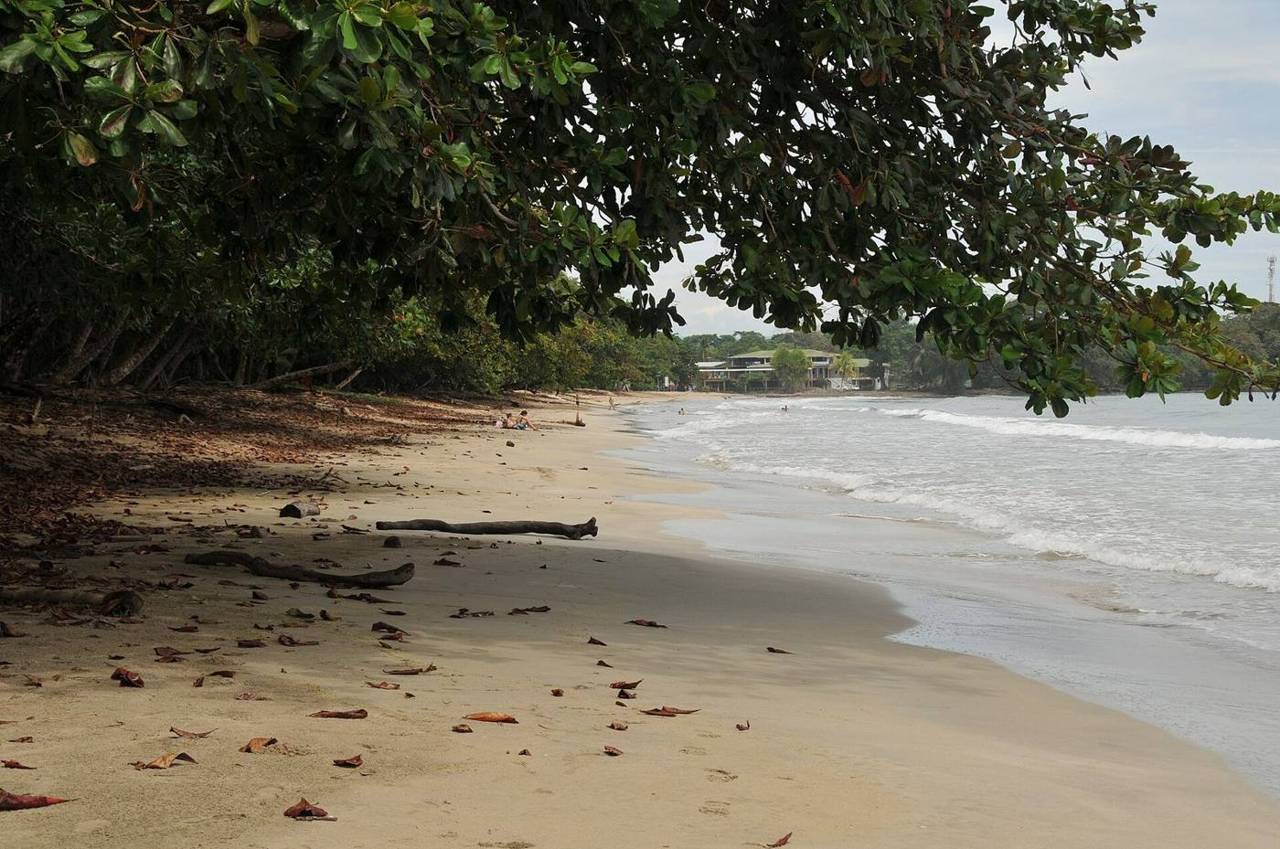
The southern Caribbean: Cahuita and Puerto Viejo
The Afro-Caribbean coast: Cahuita park with its beach trail among sloths and howler monkeys and its coral reef, Puerto Viejo by bike, the beaches of Punta Uva and Manzanillo and the Gandoca refuge up to the Panama border.
 4 daysChallenging
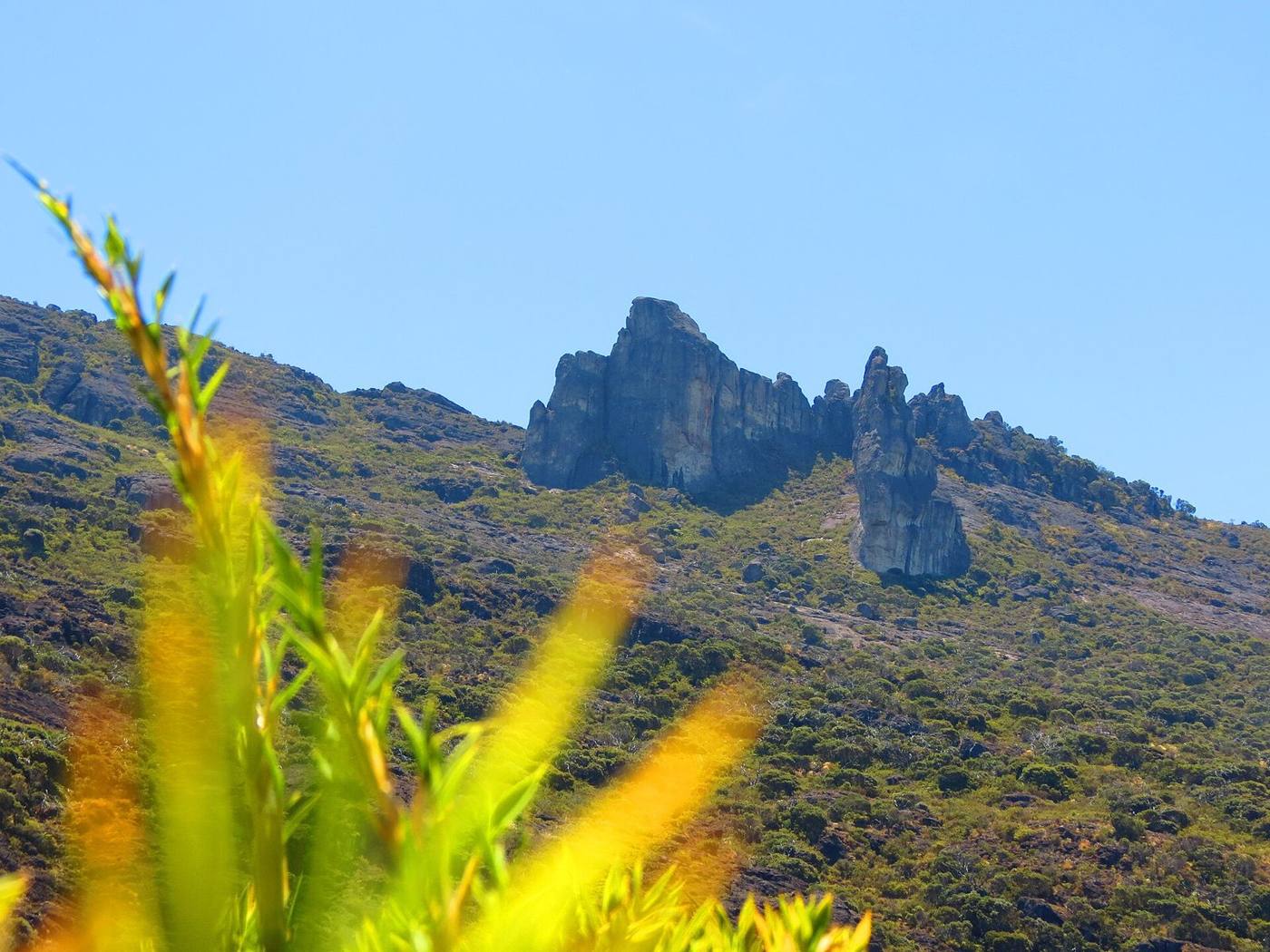
Cerro Chirripó
Costa Rica's highest peak, 3,820 metres: from San Gerardo de Rivas a full day's climb through cloud forest and páramo to the Crestones lodge, then the summit at dawn, from which on a clear day you see both the Pacific and the Caribbean.
 4 daysModerate
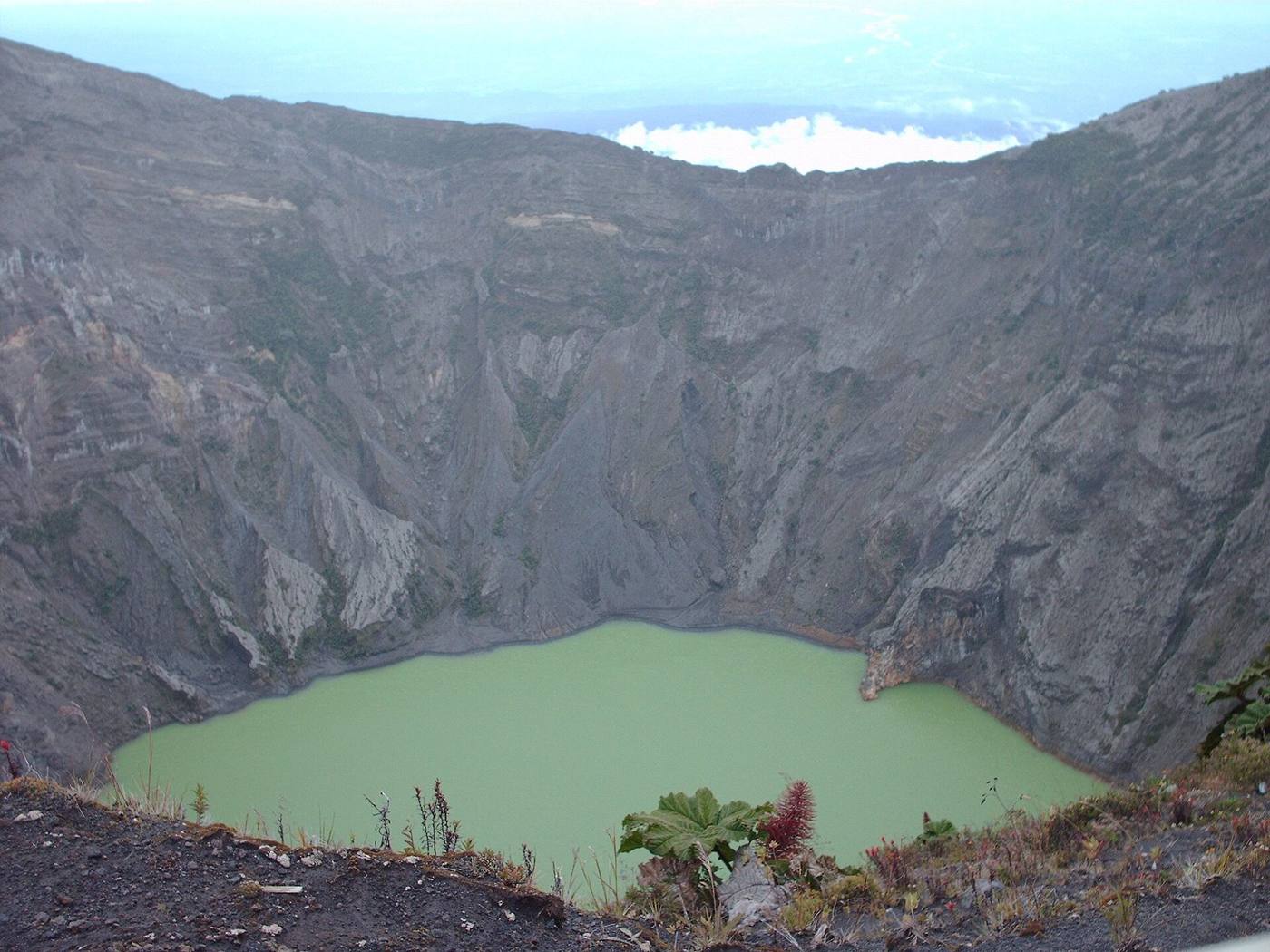
Orosi valley, Irazú and the Pacuare
East of the capital: the crater of Irazú volcano at over 3,400 metres, Cartago and its basilica, the Orosi valley among coffee farms and the country's oldest colonial church still in use, then rafting on the Pacuare river through a forested canyon.