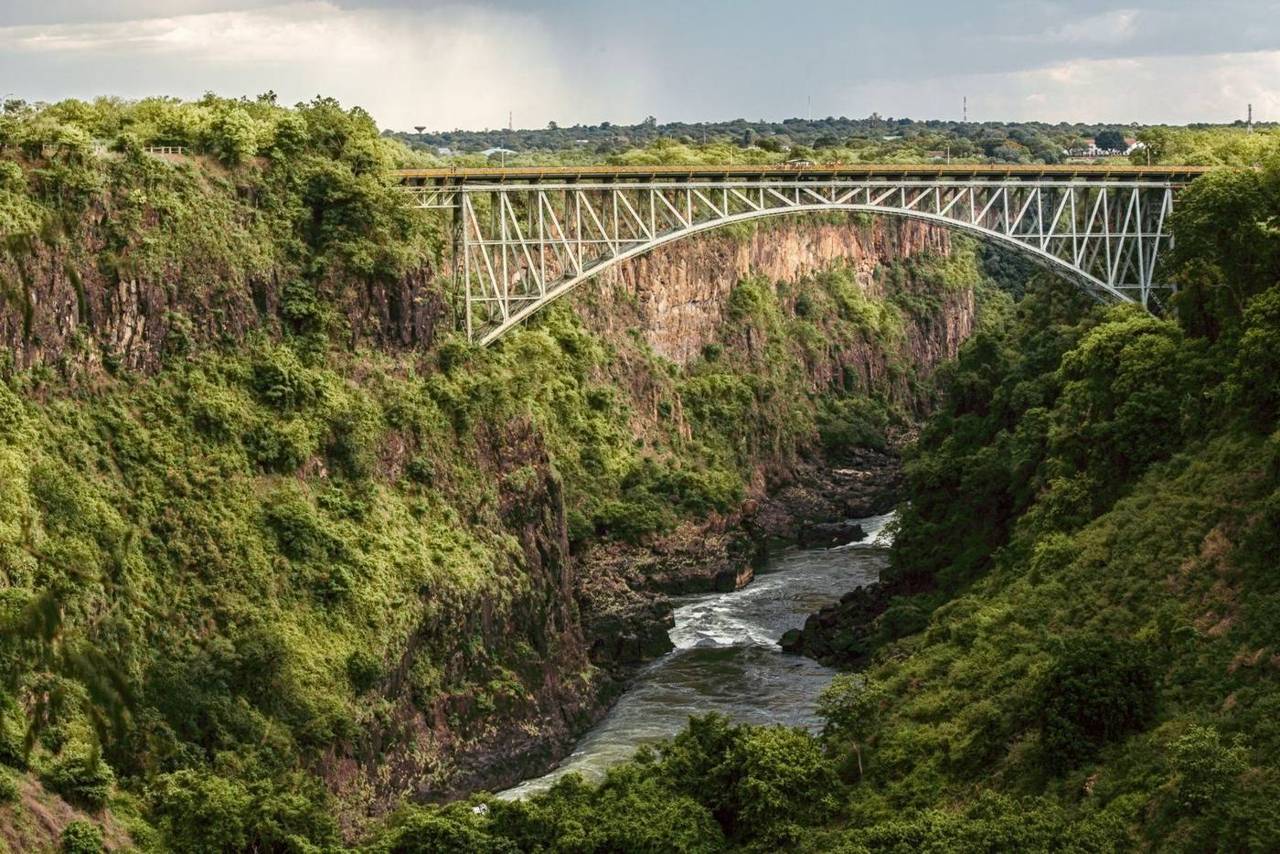
Rafting on the Zambezi
The rapids of the Batoka gorges below Victoria Falls, among the world's most famous, with a day of rafting and one of bungee jumping or a flight over the gorges.
- Victoria Falls
- Batoka Gorge
Day by day
- Day 1
Arrival in Victoria Falls
This three-day trip is for adrenaline seekers: the rapids of the Batoka Gorge, below the Victoria Falls, among the most famous in the world for rafting, and the next day a flight over the gorges or a bungee jump from the bridge.
Before you go: Italian citizens need a visa and a passport valid for at least six months, with blank pages. Viaggiare Sicuri says you must complete the arrival forms online before departure, on the official portal evisa.gov.zw. According to the British government, the KAZA Univisa, valid for Zimbabwe and Zambia, is issued at Harare, Bulawayo and Victoria Falls airports and at the Victoria Falls and Kazungula borders. Other nationalities should check their own rules. Viaggiare Sicuri reports political tension, theft and roads in poor condition: avoid demonstrations and do not travel at night. Victoria Falls is in a malaria area: ask your doctor about prevention. Check that your insurance covers rafting, bungee jumping and scenic flights: many policies exclude risky activities.
You land at Victoria Falls airport and reach the town. In the afternoon visit the falls park: check prices and times. The rainforest path reaches the viewpoints facing the great curtain of water and shows you from above the gorge where tomorrow you will go down by raft.
In the evening go to the rafting briefing, if your operator organises one. They explain the route, the rapids, the equipment and the safety rules. Listen carefully and ask questions: it is the right moment to say if you have health problems or are not a strong swimmer.
Practical tip: choose licensed operators, experienced guides and equipment in good condition. Ask how many people go in each raft and whether there is a safety kayak.
- Day 2
A day of rafting in the gorges
Early in the morning reach the starting point, on the rim of the gorge. Walk down a steep path to the river, with helmet and life jacket. Below, the Zambezi flows green and powerful between high, dark basalt walls.
The guide repeats the instructions: how to paddle together, how to hold on to the raft, what to do if you fall in. Then you set off. The rapids of the Batoka Gorge are high grade, with big waves, holes and strong currents. Each rapid has a name and a story, and the guide tells you beforehand what to expect. Between rapids there are calm stretches where you rest and look at the gorge walls above you.
If you fall in, stay calm, keep your feet forward and on the surface and wait for the safety kayak or the rope. In the middle of the day you stop on a sandy beach for lunch.
At the end of the run comes the hardest part: climbing out of the gorge on foot, on a steep, hot path. Go at your own pace and drink often. At the top the vehicle waits to take you back to town, where in the evening you rest your muscles and think back over the rapids.
Practical tip: wear well-fastened sports sandals or water shoes, waterproof sun cream and a strap for your glasses. Do not take valuables on the raft.
- Day 3
Gorge flight or bungee jump and departure
On the last day choose your final experience. If you love flying you can take a helicopter or microlight flight over the falls and the gorges: from above you see the curtain of water, the cloud of spray and the zigzag gorges cut by the river over thousands of years. If you want adrenaline you can bungee jump from the Victoria Falls Bridge, above the Zambezi, on the border with Zambia. Check on site the prices, times, weight and age limits and the rules for getting onto the bridge.
Then rest, take a last stroll around the craft market and head to the airport.
In three days you have lived the most powerful Zambezi: the falls on foot, a full day of rapids in the Batoka Gorge and the final flight or jump. Climbing out of the gorge on foot is tiring: you need to be fit.
When to go: from August to December, with low water, you run the most famous rapids. With high water, from January to July, many sections are closed or you do a shorter route. In the low-water months, however, the falls carry less water and some parts are almost dry.
Practical tip: do not book your international flight for the evening of the rafting day. After climbing out of the gorge you are tired and a delay is always possible.
For adrenaline seekers: high-grade rapids. At high water, from January to July, many sections are closed. Climbing out of the gorge on foot is hard.
Before you go
- Documents and visa
- Passport valid for at least six months, with blank pages, and a visa is compulsory. Before departure complete the arrival forms online on the official portal evisa.gov.zw, where you can also apply for an eVisa. The KAZA Univisa, valid for Zimbabwe and Zambia and for day trips into Botswana from Kazungula, is issued at Harare, Bulawayo and Victoria Falls airports and at the Victoria Falls and Kazungula borders. To drive you need an international driving permit.
- Health and vaccines
- There is seasonal malaria in the lowlands, especially from January to April: ask your doctor about prevention. The lowlands also have tsetse fly. A yellow fever certificate is required if you arrive from a country at risk. Drink only bottled water. Emergencies: 112.
- Money and payments
- The US dollar is the main currency in use; the official currency is the ZiG, used only inside the country. Withdrawing dollars is difficult: bring small notes in good condition. You cannot leave the country with more than 2,000 US dollars in cash.
- Power sockets
- Type D and type G, 220 volts: bring a universal adapter.
- Time zone
- UTC+2 all year.
- Safety
- The country is going through a period of political tension: avoid crowds and demonstrations and do not photograph police or protests. Theft, bag snatching and robberies of stationary vehicles are common, especially in cities and after dark. Roads are often in poor condition, with potholes and animals: do not drive at night. Fuel is sometimes unavailable and power cuts can be long. In the rainy season the east and south can be hit by cyclones. For walking and canoe safaris choose licensed guides and always keep your distance from animals. Official advice: GOV.UK.
Information checked in November 2026 for Italian and EU citizens. Rules change: always check before you travel.
Variations
In two days keep the falls and the day of rafting.
With six days add Hwange National Park or a trip to Chobe in Botswana.
Frequently asked questions
Do you need experience to raft the Zambezi?
It is not compulsory, but you need good fitness and confidence in water. The rapids are high grade: listen carefully to the guide's instructions.
Are there crocodiles in the gorges?
There are crocodiles in the Zambezi, including in the gorges. The guides know the river and tell you where and when you can be in the water: always follow their instructions.
When are the rapids closed?
With high water, from January to July, many sections are closed or the route is shorter. Check with the operator before booking.
Indicative itinerary written by World Atlas. Before booking, check timetables, seasonal openings, documents and safety.
 4 daysModerate
Matusadona
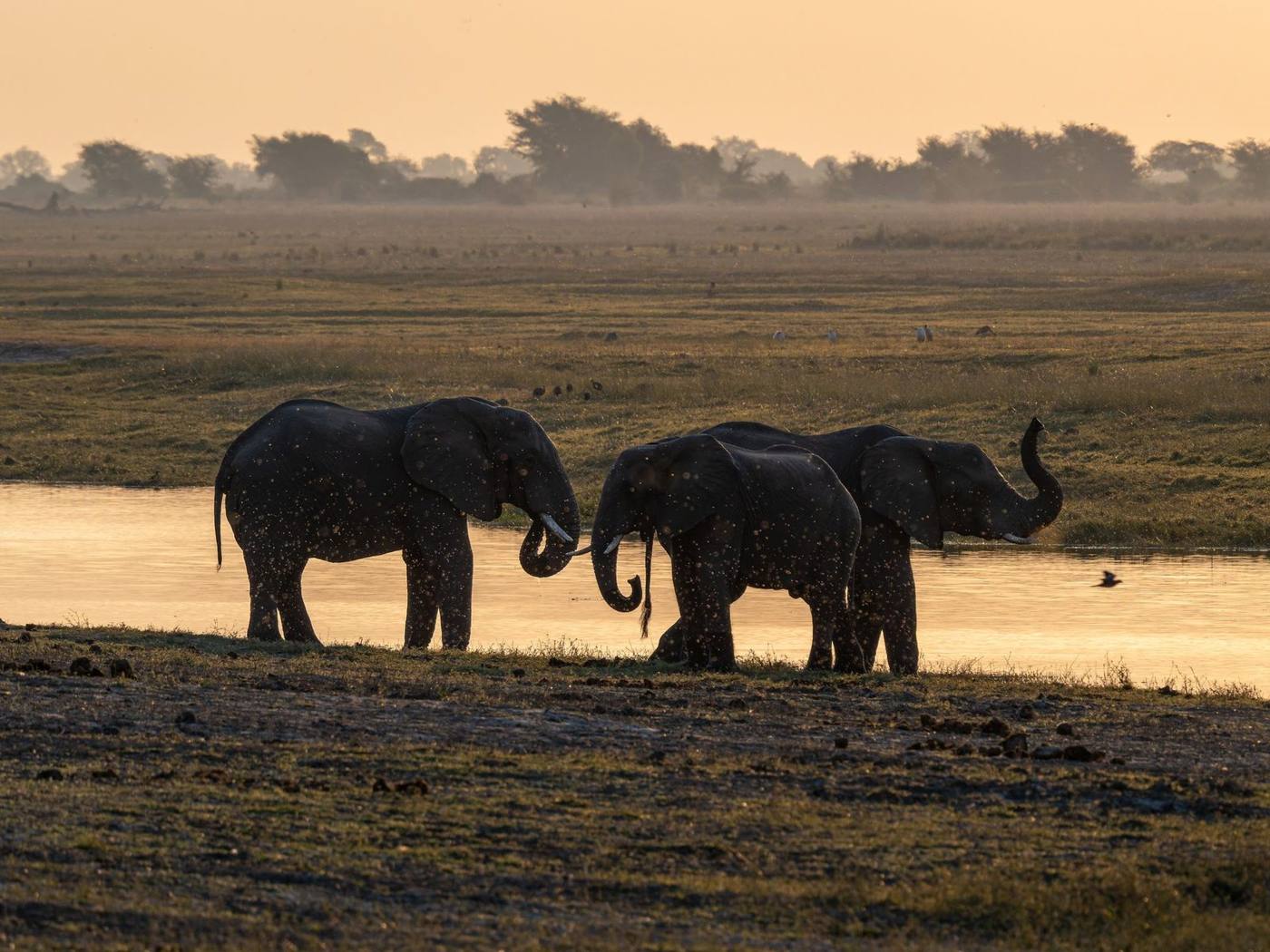
The park on the southern shore of Lake Kariba, reached by boat, with walking and boat safaris, lions, elephants on the shores and dead trees in the water.
 2 daysEasy
Harare and Shona sculpture
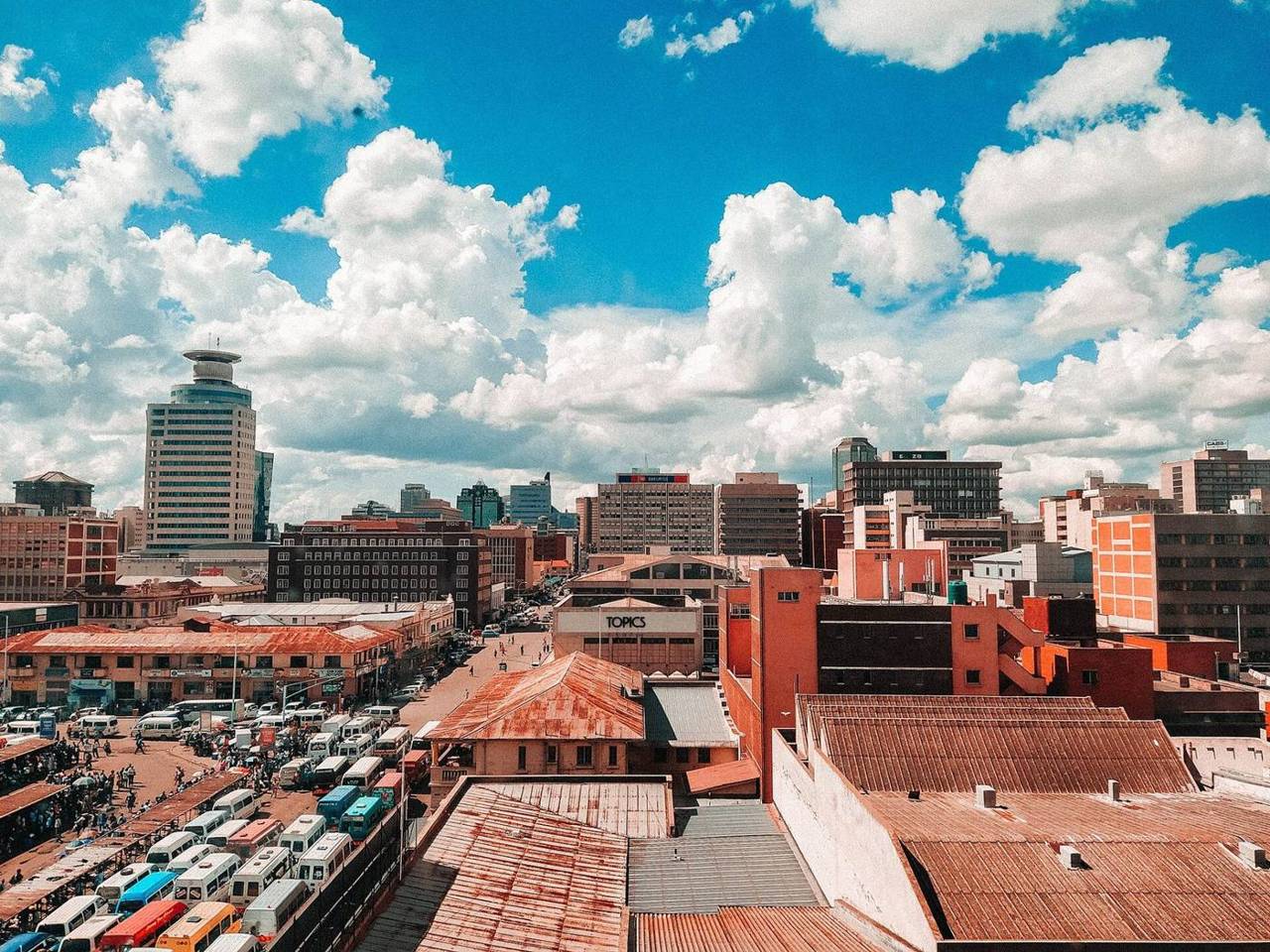
The green jacaranda capital: the National Gallery, the Chapungu sculpture garden, Mbare market and the Mukuvisi woodland.
 4 daysEasy
Victoria Falls and Chobe
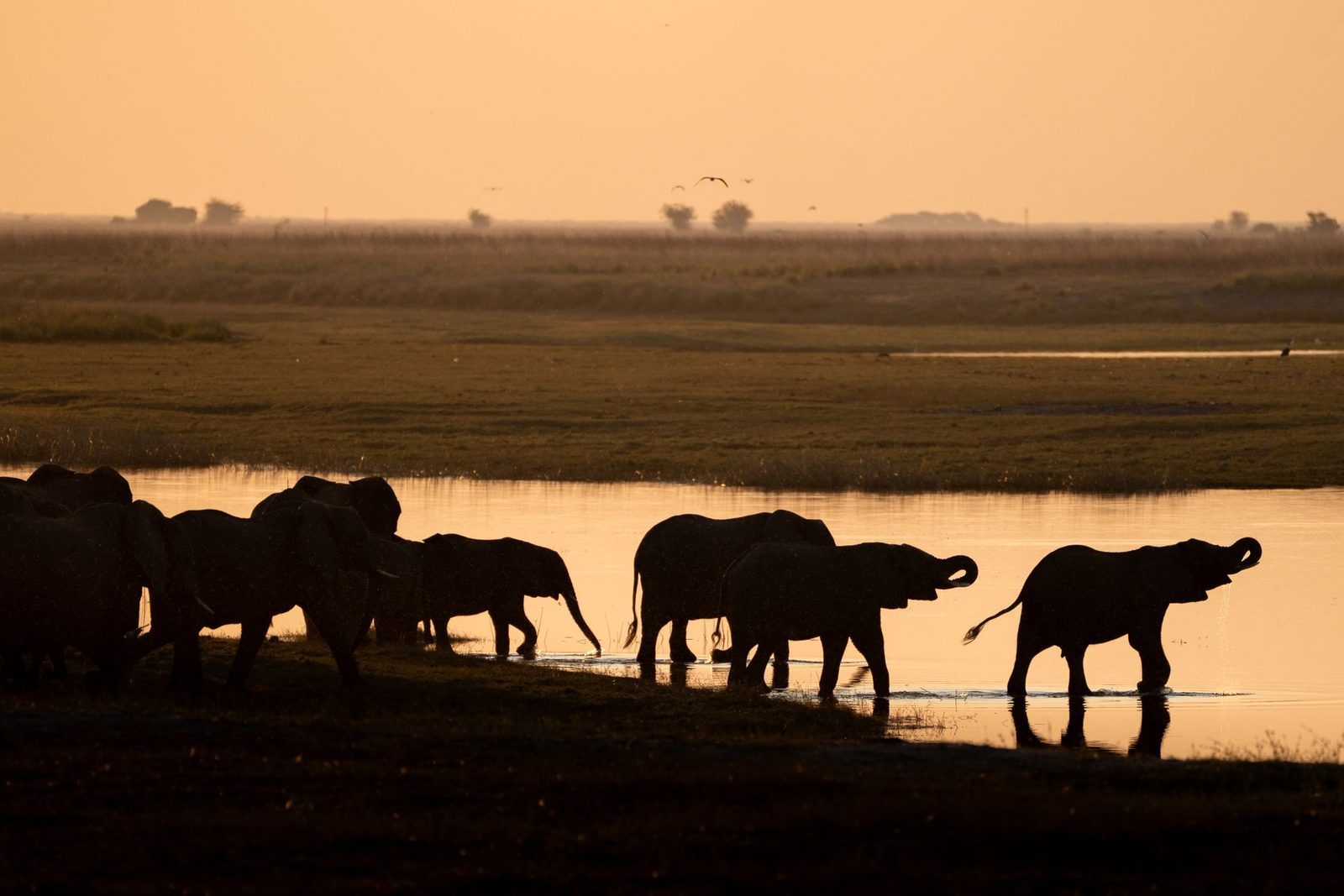
The falls from the Zimbabwe side and a day in Botswana's Chobe park, an hour's drive away, with a river cruise among elephants and hippos.