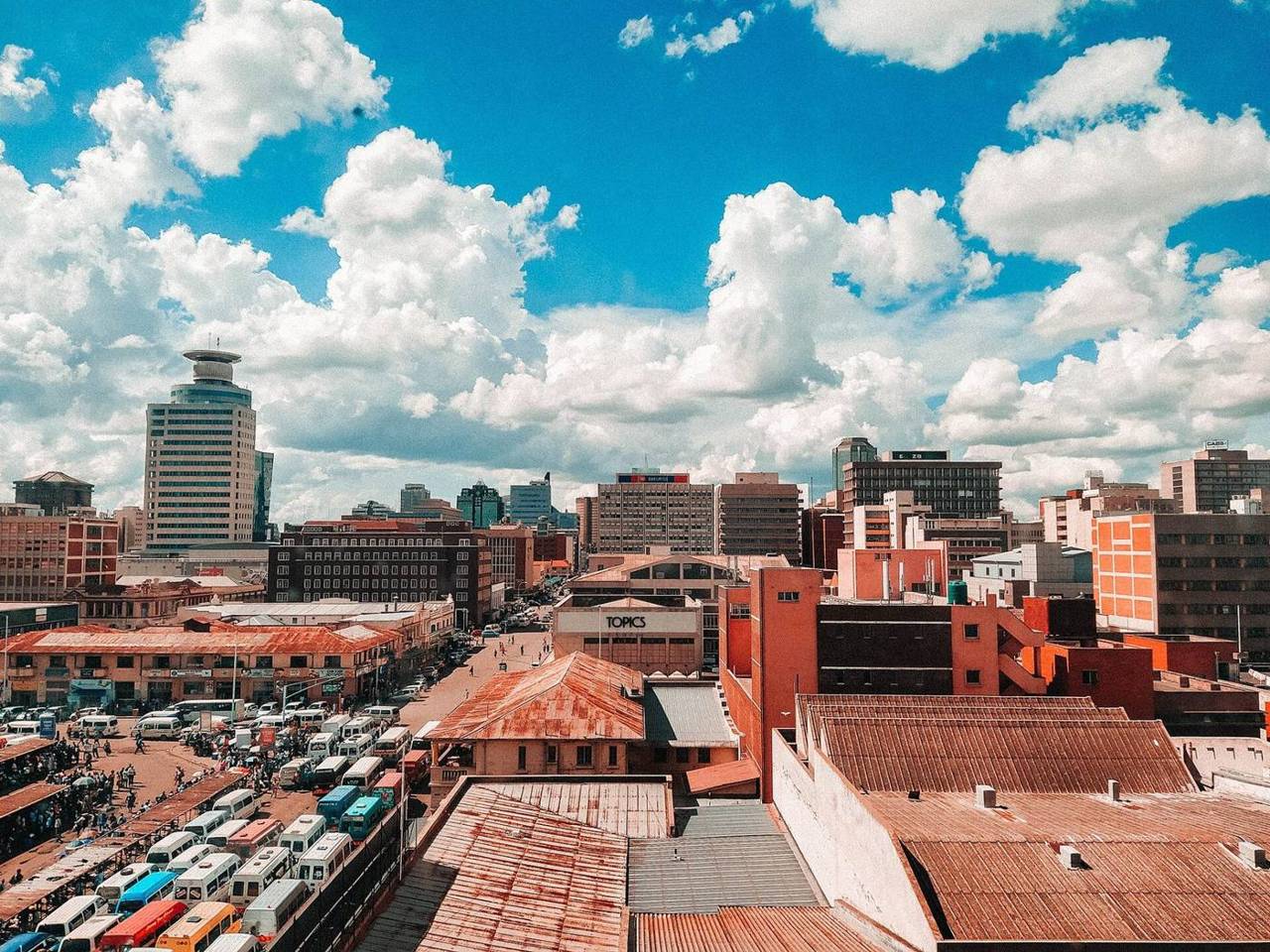
Harare and Shona sculpture
The green jacaranda capital: the National Gallery, the Chapungu sculpture garden, Mbare market and the Mukuvisi woodland.
- Harare
- National Gallery
- Chapungu
- Mbare
Day by day
- Day 1
The National Gallery and Chapungu
This two-day trip to Harare, the green capital of the jacarandas, is dedicated to Shona stone sculpture, one of the most important contemporary arts in Africa, and to everyday life in the great Mbare market and in Mukuvisi Woodlands.
Before you go: Italian citizens need a visa and a passport valid for at least six months, with blank pages. Viaggiare Sicuri says you must complete the arrival forms online before departure, on the official portal evisa.gov.zw. According to the British government, the KAZA Univisa, valid for Zimbabwe and Zambia, is issued at Harare, Bulawayo and Victoria Falls airports and at the Victoria Falls and Kazungula borders. Other nationalities should check their own rules. Viaggiare Sicuri reports political tension, theft and bag snatching in the city and roads in poor condition: avoid demonstrations and crowds and do not walk around in the evening. The British government also points out that photographing the police and demonstrations is forbidden.
In the morning visit the National Gallery of Zimbabwe, in the centre, near the city's public gardens. The rooms hold paintings, textiles, masks and above all stone sculptures by Zimbabwean artists. Check prices and times and ask whether there are temporary exhibitions.
In the afternoon take a taxi to Chapungu Sculpture Park, in the east of the city. Among lawns and trees dozens of large works in serpentine and other local stones are on display: figures of mothers and children, ancestral spirits, animals and stylised faces. You can often see the sculptors at work with chisel and file, and talk with them.
Practical tip: use only taxis booked through your accommodation or reliable apps. Keep your phone in your pocket when you walk in the street.
- Day 2
Mbare market and Mukuvisi
In the morning go to Mbare Musika market, the largest and liveliest in Harare, with a local guide. Mbare is a crowded working-class district: going with a local person makes the visit safer and more interesting. Among the stalls you find mountains of fruit and vegetables, dried fish, spices, second-hand clothes, metal goods and woven baskets. The guide explains the products, the prices and the life of the district.
In the afternoon change pace in Mukuvisi Woodlands, a large wood a few minutes from the centre. You walk on paths among miombo trees and see zebras, giraffes, impala and many birds, with the city barely audible. Check prices and times at the entrance.
In two days you have seen the cultural face of Zimbabwe: Shona sculpture at the National Gallery and Chapungu, the real life of Mbare market and nature inside the city at Mukuvisi. Currency and payments change often, which is why it helps to have dollars in small notes.
When to go: in October the jacarandas turn Harare's streets purple and it is the most beautiful time for the city. From May to October the climate is dry and pleasant, with cool nights.
Practical tip: in Mbare carry only the cash you need, in inside pockets, and leave jewellery and flashy watches at home.
Shona stone sculpture is one of Africa's most important contemporary arts. Go to Mbare with a guide. Currency and payments change often: bring dollars in small notes.
Before you go
- Documents and visa
- Passport valid for at least six months, with blank pages, and a visa is compulsory. Before departure complete the arrival forms online on the official portal evisa.gov.zw, where you can also apply for an eVisa. The KAZA Univisa, valid for Zimbabwe and Zambia and for day trips into Botswana from Kazungula, is issued at Harare, Bulawayo and Victoria Falls airports and at the Victoria Falls and Kazungula borders. To drive you need an international driving permit.
- Health and vaccines
- There is seasonal malaria in the lowlands, especially from January to April: ask your doctor about prevention. The lowlands also have tsetse fly. A yellow fever certificate is required if you arrive from a country at risk. Drink only bottled water. Emergencies: 112.
- Money and payments
- The US dollar is the main currency in use; the official currency is the ZiG, used only inside the country. Withdrawing dollars is difficult: bring small notes in good condition. You cannot leave the country with more than 2,000 US dollars in cash.
- Power sockets
- Type D and type G, 220 volts: bring a universal adapter.
- Time zone
- UTC+2 all year.
- Safety
- The country is going through a period of political tension: avoid crowds and demonstrations and do not photograph police or protests. Theft, bag snatching and robberies of stationary vehicles are common, especially in cities and after dark. Roads are often in poor condition, with potholes and animals: do not drive at night. Fuel is sometimes unavailable and power cuts can be long. In the rainy season the east and south can be hit by cyclones. For walking and canoe safaris choose licensed guides and always keep your distance from animals. Official advice: GOV.UK.
Information checked in November 2026 for Italian and EU citizens. Rules change: always check before you travel.
Variations
In one day keep the National Gallery and Chapungu Sculpture Park.
With four days add Nyanga and the Eastern Highlands.
Frequently asked questions
Can you buy a Shona sculpture to take home?
Yes. Buy from galleries or directly from the artists, ask for a receipt and find out about weight and shipping, because stone sculptures are heavy.
Is Mbare dangerous?
It is a crowded district, with theft and bag snatching. Go during the day, with a local guide, and carry little cash.
When do the jacarandas flower?
Usually between September and October, peaking in October. In those weeks many of Harare's streets turn purple.
Indicative itinerary written by World Atlas. Before booking, check timetables, seasonal openings, documents and safety.
 4 daysEasy
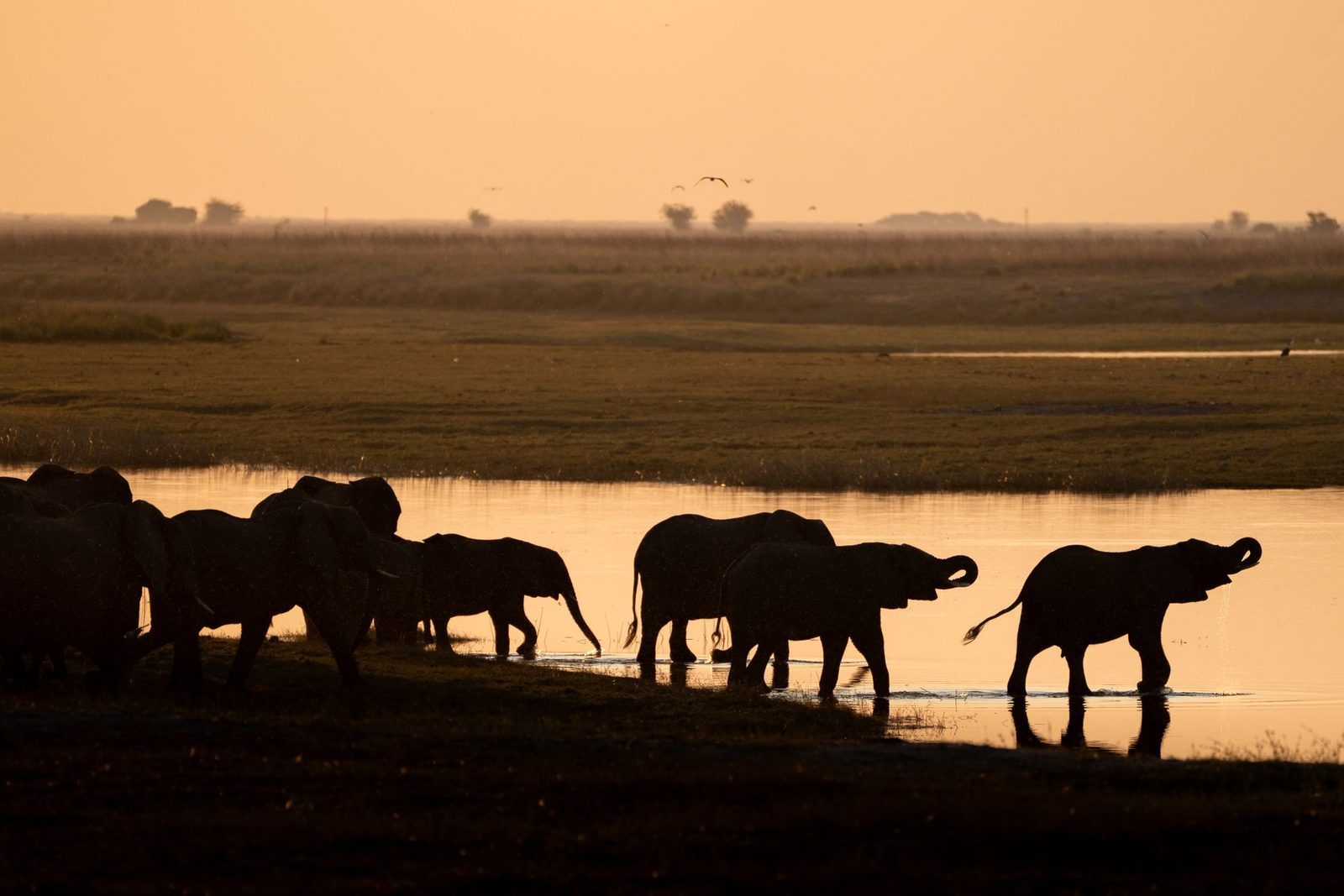
Victoria Falls and Chobe
The falls from the Zimbabwe side and a day in Botswana's Chobe park, an hour's drive away, with a river cruise among elephants and hippos.
 6 daysEasy
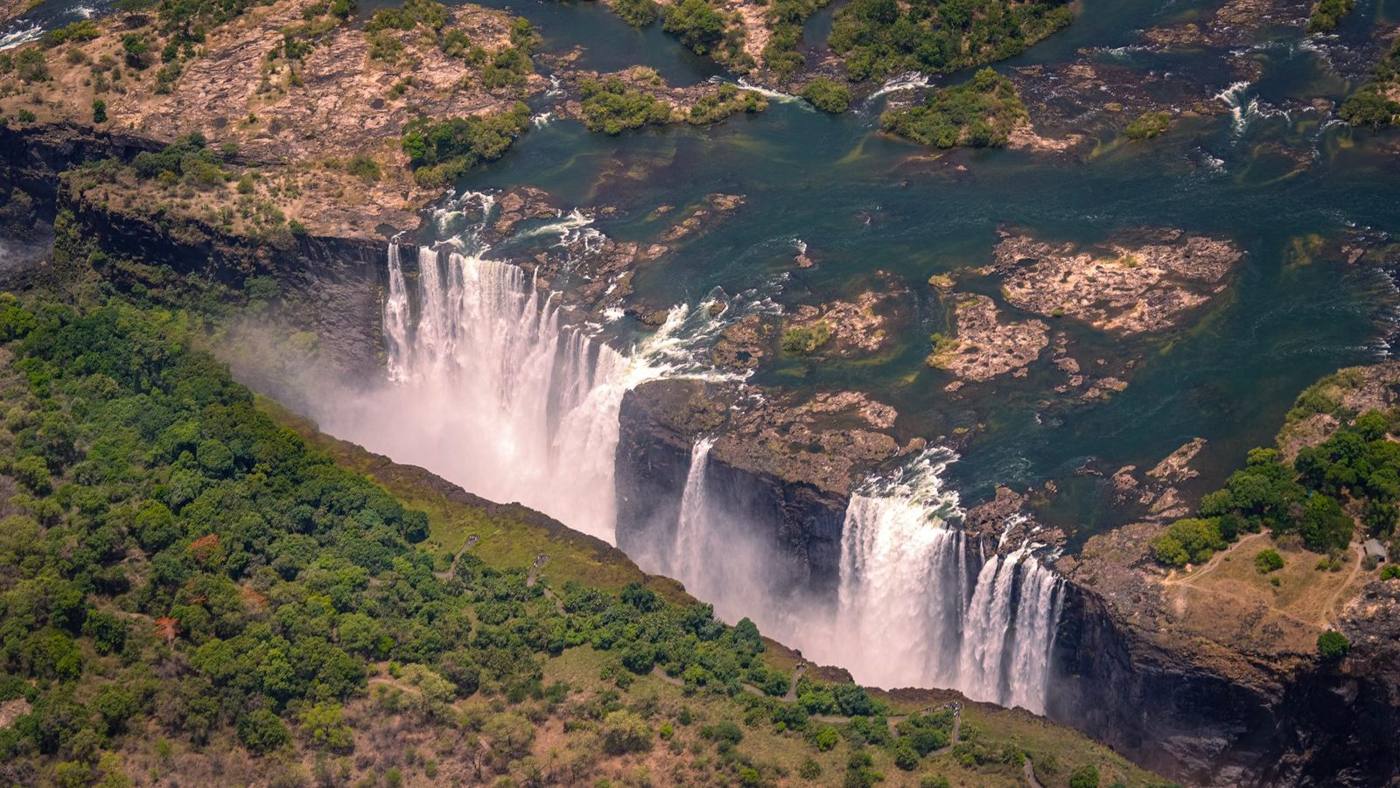
Victoria Falls and Hwange
The head-on view of the falls from the Zimbabwe side, then Hwange National Park with its great elephant herds at the waterholes.
 7 daysModerate
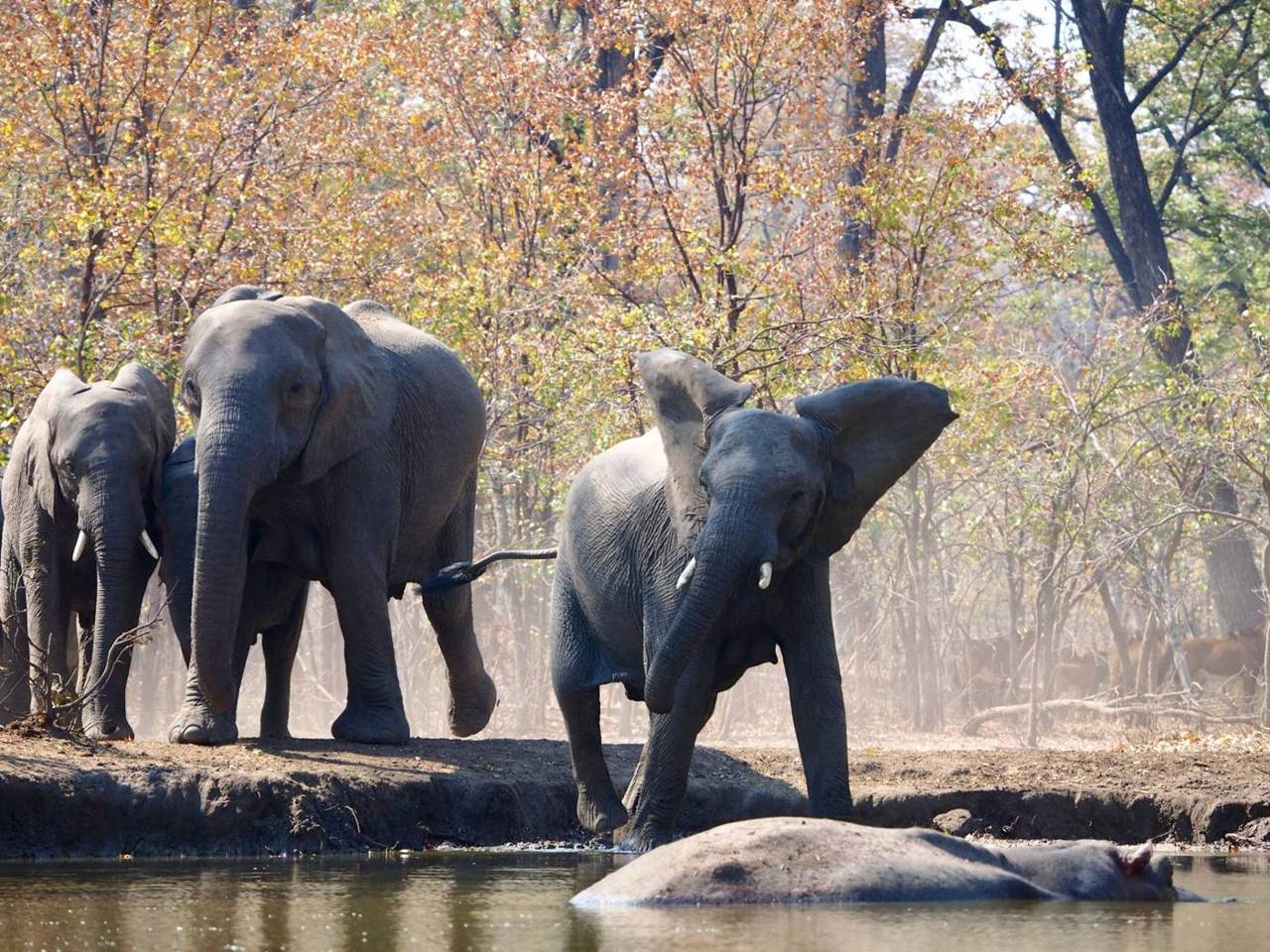
Mana Pools and Lake Kariba
Mana Pools, a UNESCO site where you walk among elephants and acacias along the Zambezi, and a houseboat on Lake Kariba with drowned trees.