The Liuwa Plain migration
Africa's second wildebeest migration, on the grasslands of Liuwa Plain in the west, with hyenas, lions and waterbirds, in a park run with local communities.
- Lusaka
- Kalabo
- Liuwa Plain
Day by day
- Day 1
Flight to Kalabo
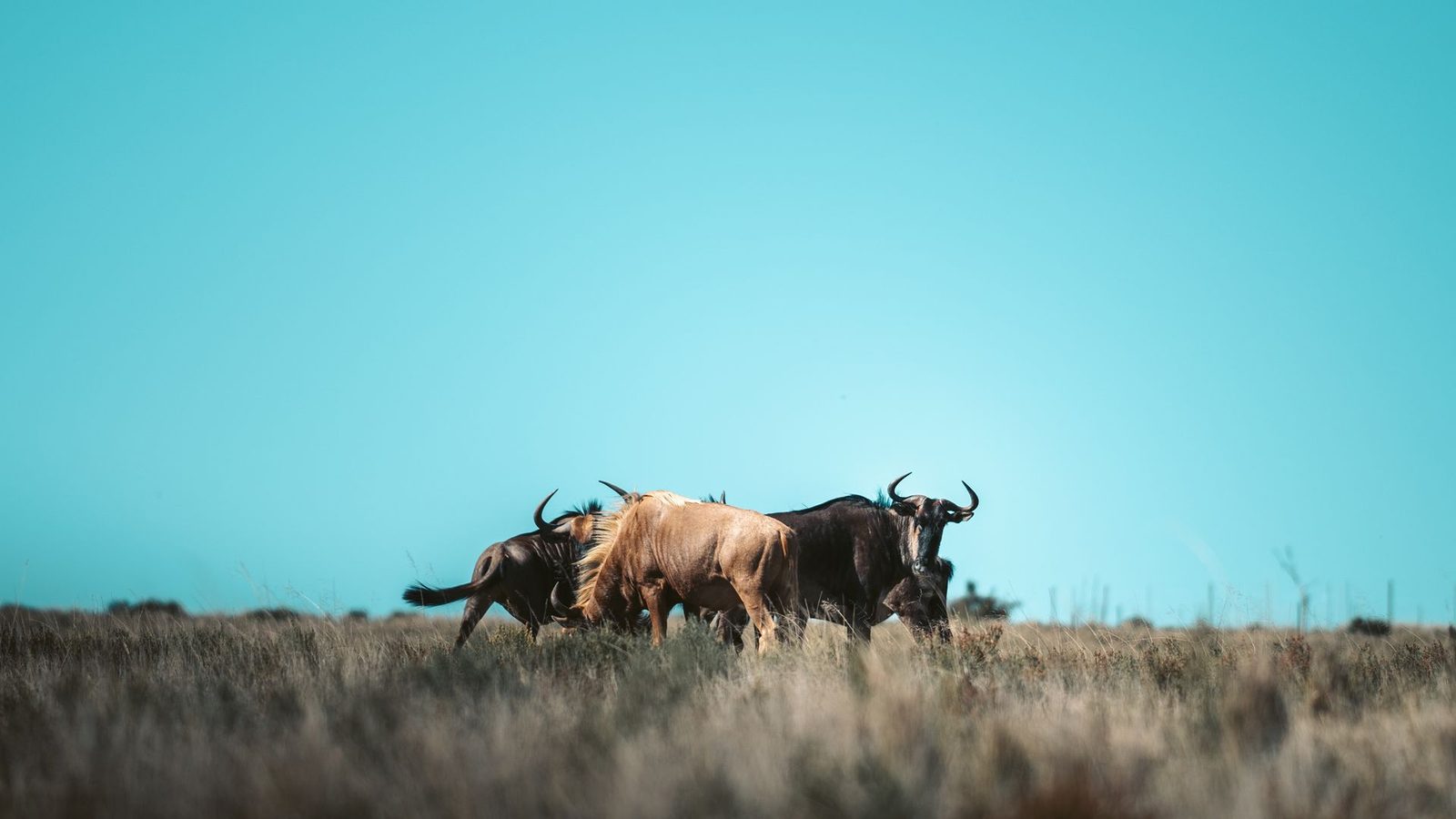
This five-day trip takes you to Liuwa Plain National Park, in the far west of Zambia, one of the most remote protected areas in southern Africa. It is a great flat grassland, dotted with small woods and pools, where every year, with the first rains, tens of thousands of wildebeest arrive to graze the new grass. It is the second largest wildebeest migration on the continent, after the Serengeti and the Masai Mara, but here you see it almost alone.
Before you go: Italian citizens enter Zambia without a visa and on arrival receive a stamp valid for 30 days. The passport must be valid for at least six months from entry and have three completely blank pages. Other nationalities should check their own rules. Some areas on this trip are close to borders or places where the situation changes often: check your government's travel advice before booking and again before you leave. The park is a malaria area and the wildebeest season coincides with the rains: ask your doctor and bring a strong repellent.
The park is managed by African Parks together with the national parks department and the traditional authority of the Lozi, the people of the region. Opening seasons and access change every year with the rains: check them with them first. You usually arrive by small plane at Kalabo, the town on the edge of the park, or directly at an airstrip inside it.
From the air you see the great floodplain of the Zambezi, with channels, villages on small mounds and wooden boats.
Practical tip: bring a light waterproof jacket, because in November and December storms arrive suddenly in the afternoon.
- Day 2
Wildebeest on the grassland
Today you set off at dawn by 4x4 with the guide on the sandy tracks of the plain. The landscape is different from any other park in Zambia: open grassland to the horizon, with short green grass after the first rains, small islands of trees and pools of water reflecting the sky.
And then the wildebeest arrive. First a few groups, then long lines crossing the plain, finally herds that fill all the space in front of you. The wildebeest of Liuwa come here to give birth and graze the new grass. With them are zebras, tsessebe and other antelope. The noise of the herd, the constant grunting of the wildebeest, is one of the loudest sounds of the savannah.
The guide switches off the engine and you stay and watch. The animals move around the vehicle without fear, and you understand why this sight is considered one of the grandest and least known in Africa.
Mid-morning you return to camp for lunch and a rest in the hot hours. In the afternoon, weather permitting, you go out again. Storms over the plain are spectacular: you see the rain advancing from far away like a grey wall, and afterwards the sun reappears between the clouds, lighting up the wet grass.
Practical tip: keep your camera in a waterproof bag and bring a wide-angle lens, because the plain and the herds are best photographed in their full breadth.
- Day 3
Hyenas and predators of the plain
Today you follow the predators. Liuwa is famous for its spotted hyenas, which live in large clans and hunt on the plain, especially at dawn and dusk. Here hyenas are the great hunters, not just scavengers as people often think: you see them chase wildebeest in groups, with surprising speed and stamina.
At dawn the guide looks for hyena dens, where the young play around the adults. Then he follows the tracks of moving herds. With luck you also see cheetahs, which hunt in the open grass, and wild dogs, rare and always on the move.
The park also has a special story with lions. For years, because of poaching, only one lioness was left on the plain, known as Lady Liuwa. Thanks to conservation work other lions were brought in, and today the population has recovered and cubs are born regularly. Seeing a lion here means seeing the result of that work.
In the afternoon you rest at camp. Then you go out at sunset near the pools, where huge numbers of birds gather: crowned cranes, wattled cranes, storks, plovers and herons. Liuwa is also an excellent place for birdwatching, especially in the wet months.
Practical tip: sand and mud tracks can get stuck after a storm: never ask the guide to leave the track to get closer to an animal.
- Day 4
The plain and the Lozi villages
Today you spend a last full day in the park. In the morning you go out by 4x4 to another part of the plain, where the wildebeest herds move following the rain and the new grass. Every day the plain changes: where yesterday there were thousands of animals, today there may be only grass, and the guide has to find out where they have gone.
The park is not an area separated from people. Lozi communities live inside and around it, and for centuries have used the plain for fishing and grazing, following traditional rules. Most of the people who work in the park come from the local communities. If the camp offers it, visit a village with a guide: you see the houses of reeds and thatch, the wooden boats used during the floods, the fishing nets and the vegetable gardens. Always ask permission before photographing people.
In the afternoon you take a quieter drive, stopping to watch the changing light on the plain. At sunset the sky, huge and unbroken, turns red, orange and purple, and the storm clouds light up like fire.
In the evening, around camp, listen to the calls of the hyenas and the endless grunting of the wildebeest in the dark: it is the sound of Liuwa, and it goes on late into the night.
Practical tip: keep some small kwacha notes to buy crafts in the villages, such as woven baskets or small carvings.
- Day 5
Heading back
Today you leave Liuwa Plain. At dawn take a last short drive on the plain, to say goodbye to the herds and perhaps a clan of hyenas returning to the den after the night. Then you go to the airstrip and fly to Lusaka, usually with a stop, or to another destination in Zambia.
From the plane you see the Zambezi floodplain, which in the rainy season begins to fill with water. It is here that, at the end of the rainy season, the king of the Lozi leaves his residence on the plain and moves by boat to higher ground, during the Kuomboka ceremony, one of the most important traditional festivals in Zambia. The date changes every year and depends on the water level.
In five days you have seen a grand and almost secret natural spectacle: the wildebeest migration on the grassland, the hunting hyenas, the lions back after years, the great storms over the plain and the Lozi communities living to the rhythm of the water. It is a remote trip, reached only by small plane, with simple accommodation and very few other visitors.
When to go: November and December for the wildebeest, with the first rains. The park closes in the season of the heaviest rains, and the dates change every year: check them first with African Parks or the national parks department.
Practical tip: it combines well with Kafue National Park or the Victoria Falls, but allow a spare day for flights, which sometimes change because of bad weather.
A grand and almost secret natural spectacle. Reached only by light aircraft. The park closes in the heaviest rains.
Before you go
- Documents and visa
- Passport valid for at least six months from entry, with three completely blank pages. Italian citizens enter without a visa: on arrival they receive a stamp valid for 30 days, which can be extended at an immigration office before it expires. Cash above the equivalent of 5,000 US dollars must be declared.
- Health and vaccines
- No vaccinations are compulsory. Malaria is present throughout the country, especially near rivers and lakes: ask your doctor about prevention and use repellent and a mosquito net. In the rainy season, from November to April, there can be cholera cases: drink only bottled water. Emergencies: police 991, ambulance 992.
- Money and payments
- Zambian kwacha. Cards work in cities and at many lodges, but carry cash for villages and tips; use ATMs inside banks, because card cloning has been reported.
- Power sockets
- Types C, D and G, 230 volts: bring a universal adapter.
- Time zone
- UTC+2 all year.
- Safety
- The situation is generally stable, but demonstrations can happen: avoid them. In cities take care in markets and shopping centres and avoid the compounds, the poorer neighbourhoods, after dark. The border areas with the Democratic Republic of the Congo and Angola are advised against for non-essential travel because of landmines. Roads are in poor condition: do not drive at night. Official advice: GOV.UK.
Information checked in November 2026 for Italian and EU citizens. Rules change: always check before you travel.
Variations
In 4 days: three nights in the park, with two full days of safari on the grassland.
In 8 days: add three nights at the Victoria Falls, with a flight to Livingstone.
Frequently asked questions
When can you see the wildebeest migration in Liuwa?
Usually in November and December, with the first rains. Opening dates change every year: ask African Parks or the national parks department first.
How do you get to Liuwa Plain?
Almost always by small plane, to Kalabo or an airstrip inside the park. By car the road is long and difficult, especially during the rains.
Do I need a visa for Zambia?
No, Italian citizens enter without a visa and receive a stamp valid for 30 days on arrival. The passport must be valid for at least six months and have three blank pages. Other nationalities should check their own rules.
Indicative itinerary written by World Atlas. Before booking, check timetables, seasonal openings, documents and safety.
 3 daysEasy
The bats of Kasanka
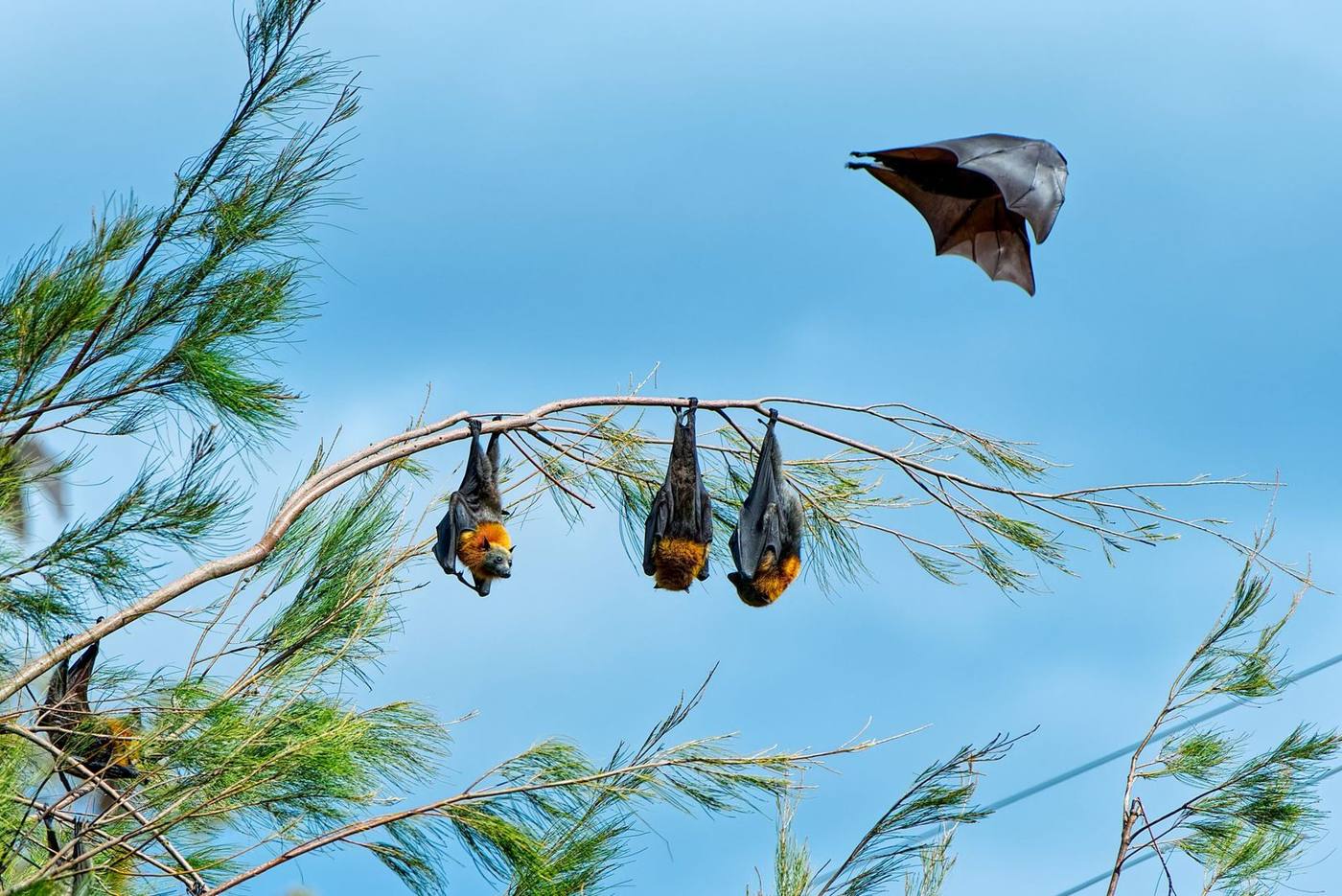
The world's largest mammal migration: some ten million fruit bats that fill the sky over Kasanka forest at dusk at the end of the year.
 4 daysModerate
The shoebill of Bangweulu
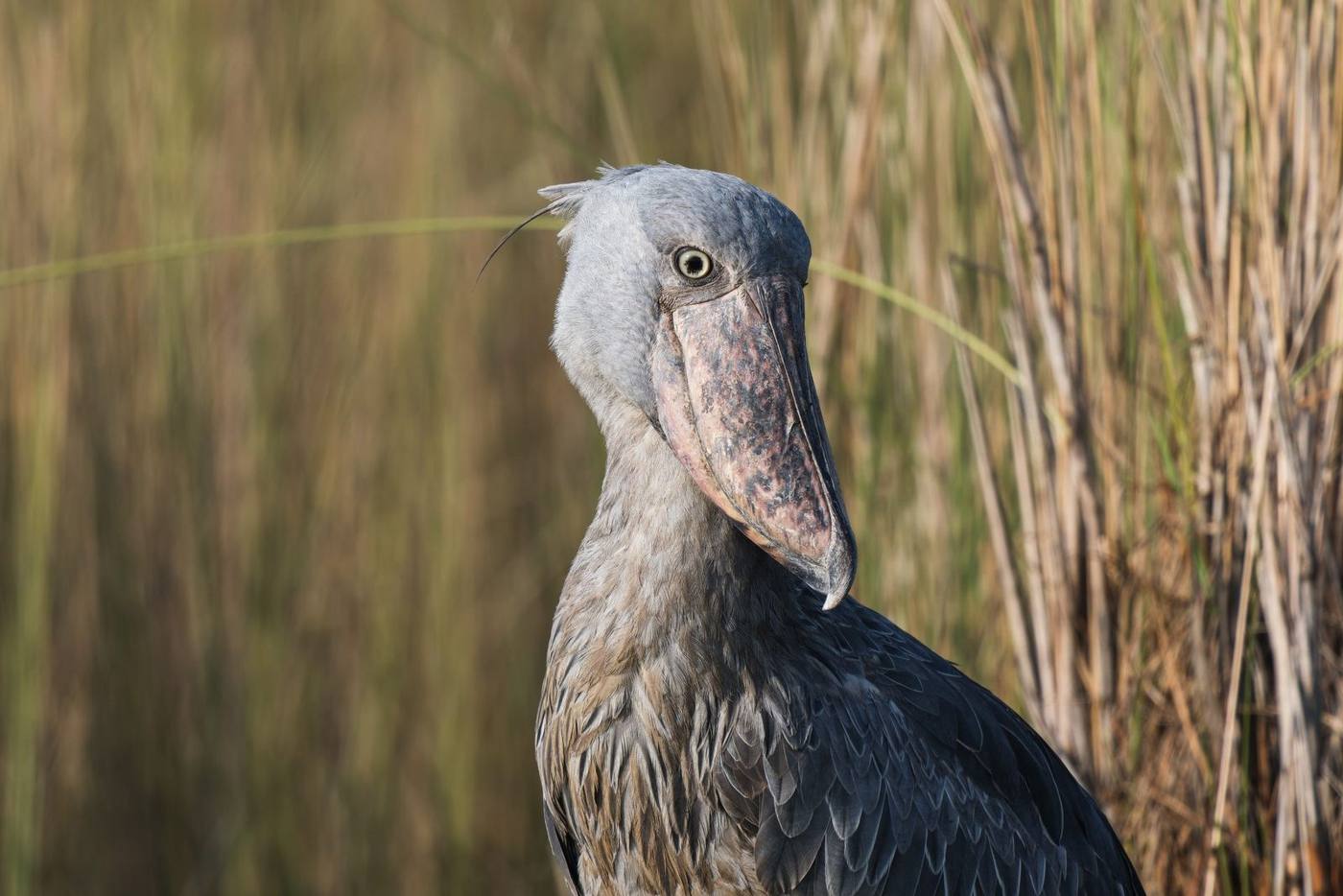
The Bangweulu swamps, where you search by canoe for the shoebill, one of the world's rarest and strangest birds, among herds of black lechwe.
 4 daysModerate
North Luangwa
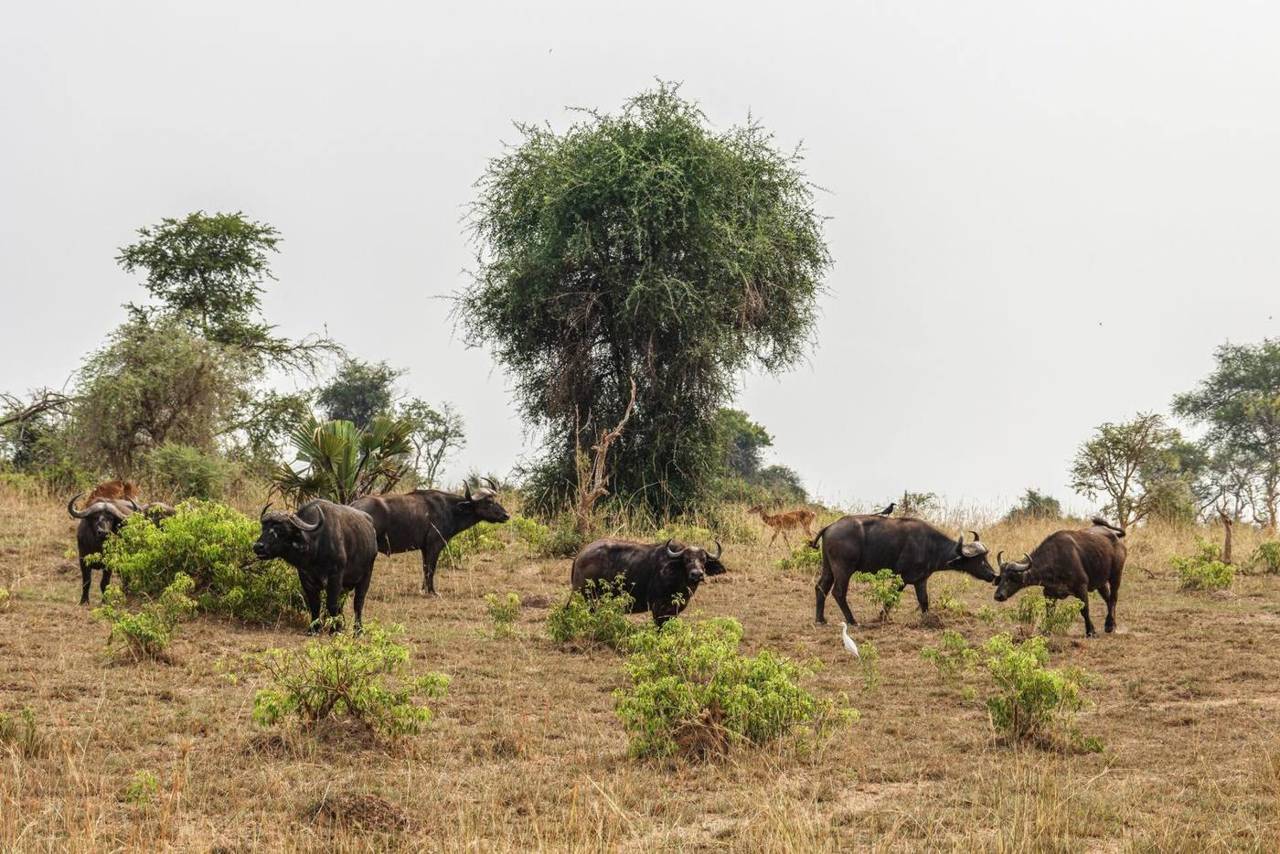
Zambia's wildest park, with very few camps, walking safaris, reintroduced black rhinos and large herds of buffalo.