Canoeing the Lower Zambezi
By canoe among hippos and elephants in Lower Zambezi National Park, with the Zimbabwe escarpment opposite and tigerfish fishing.
- Lusaka
- Chirundu
- Lower Zambezi
- Mana Pools
Day by day
- Day 1
From Lusaka to the Zambezi valley
This five-day trip takes you to Lower Zambezi National Park, in southern Zambia, for an unusual safari: by canoe, along the side channels of the river, with boat trips and walks. The park lies on the north bank of the Zambezi, right opposite Mana Pools in Zimbabwe, and is closed in behind by the mountains of the escarpment.
Before you go: Italian citizens enter Zambia without a visa and on arrival receive a stamp valid for 30 days. The passport must be valid for at least six months from entry and have three completely blank pages. Other nationalities should check their own rules. The whole country is a malaria area, especially near rivers and lakes: ask your doctor and bring a strong repellent. Viaggiare Sicuri reports roads in poor condition, with animals and vehicles without lights: do not drive at night.
You land in Lusaka and can reach the river in two ways. The quickest is a light aircraft flight to an airstrip near the camps. The other is by road: you drop down from the plateau towards Chirundu, then follow the river downstream to the park. It is a long journey, to be done by day and with an experienced driver.
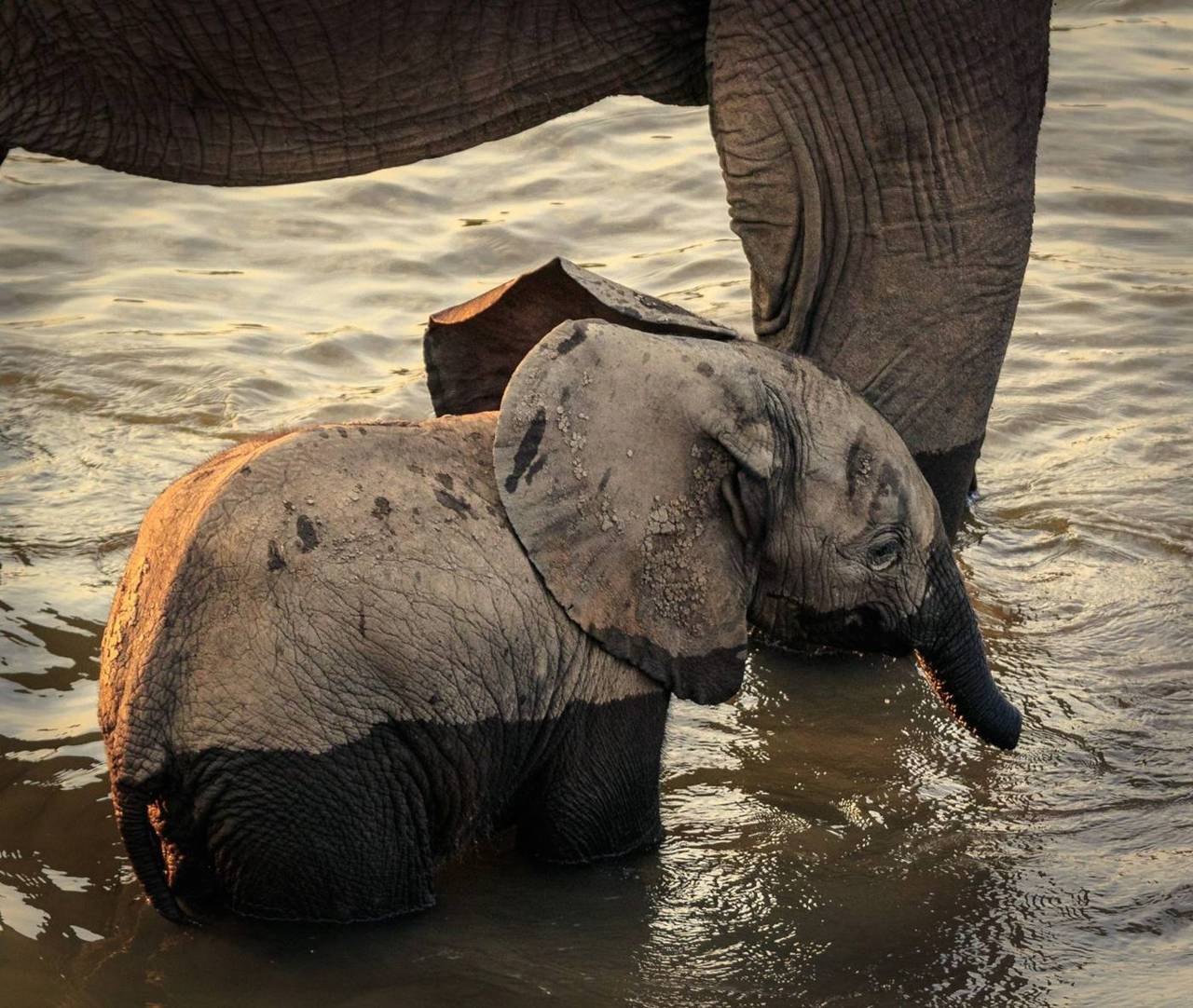
In the afternoon, at camp, the guide explains the canoe rules and shows you the riverbank. At sunset the hippos start to snort and the elephants come down to drink, often walking past the edge of the camp in the fading light.
Practical tip: on small planes luggage is limited and only soft bags are accepted: ask the camp for the maximum weight before you leave.
- Day 2
Your first canoe trip
Today you get into a canoe for the first time. After a quick breakfast at dawn, the guide takes you to the starting point, usually on one of the side channels, narrower and calmer than the main river. The canoes are wide and stable, for two people, and the guide paddles in a canoe ahead of you.
The first stretch is for getting used to it. You learn to paddle slowly, without noise, and to follow the guide's line exactly. The current does almost all the work: your main job is to look. On the banks you see impala, waterbuck with long horns and troops of baboons running on the sand. Elephants browse the bushes a few metres from the water and do not seem bothered by you.
The rules are simple and strict: never put your hands or feet in the water, do not stand up, always stay behind the guide and speak quietly. Hippos are the most dangerous animal on the river. The guide knows the places where they rest during the day and avoids them carefully, sometimes tapping on the side of the canoe to let them know you are there.
Mid-morning you land on a sandy beach for a break, then return to camp before the heat. In the afternoon you rest in the shade and watch the river from the veranda, as herons and kingfishers hunt along the bank.
Practical tip: put your phone, camera and binoculars in a dry bag tied to the canoe, because a small splash is enough to ruin them.
- Day 3
Walking and boat safaris
Today you leave the canoe to discover the Lower Zambezi in two different ways. In the morning you go on a walking safari, in a small group, with a licensed guide and an armed scout from the wildlife service. In Zambia walks in the parks are only done this way: the guide explains, the scout protects the group.
You walk in single file and in silence, across the plain under big acacia trees and through mopane woodland. On foot you discover the small things you miss from a vehicle: the tracks of a hyena from the night, an aardvark burrow, weaver nests hanging from branches, plants used in traditional medicine. The guide reads the wind and decides how close to get to a group of buffalo or elephants.
You are back at camp in late morning, when the heat rises. After lunch you rest.
In the afternoon you board a motorboat for a cruise on the main channel of the Zambezi, wide and slow. You see pods of hippos, crocodiles lying still on the banks, fish eagles on dead trees and bee-eaters flying into nests dug in the sandbanks. Many boats stop to fish: the river is famous for tigerfish, caught only under the park rules. At sunset the sun goes down behind the mountains of Zimbabwe, on the far bank.
Practical tip: for the walk wear neutral colours, such as khaki or olive green, and comfortable closed shoes: no white and no bright colours.
- Day 4
A whole day on the channels
Today is your longest day on the water. You set off at dawn for a longer canoe trip, following the channels between the islands and sometimes entering the bed of a tributary, such as the Chongwe, which marks the western boundary of the park. The morning light is soft and the animals are active.
In these channels the life of the river passes right beside you. An elephant crosses the shallow water from one island to another, trunk raised. A herd of buffalo watches you, motionless, from the bank. Goliath herons, the largest in Africa, wait for fish without moving. Now and then the back of a hippo surfaces ahead: the guide stops, waits and chooses the way through.
Mid-morning you have breakfast on a beach, then carry on to the point where the camp vehicle is waiting. In the afternoon, after a rest, you can go on a drive on the plain. The Lower Zambezi is known for its large herds of impala, which attract lions and leopards. Some camps also offer a drive after sunset with a spotlight, when genets, civets and, with luck, a leopard come out.
In the evening, around the fire, listen to the valley. It is your last night on the river, and the sky, far from any town, is full of stars.
Practical tip: in the canoe use plenty of sun cream and a wide-brimmed hat, because the glare from the water burns even your hands and legs.
- Day 5
Back to Lusaka
Today you leave the river. If your flight is late, in the morning take a last short boat trip or a walk near camp, when the hippos return to the water after a night spent grazing. Then you transfer to the airstrip or drive back towards Lusaka, aiming to arrive before dark.
If you go back by road, you retrace the route that climbs out of the valley to the plateau. Along the way you see rural Zambia: villages of low houses, markets with pyramids of tomatoes, bicycles loaded with sacks of charcoal. Stop only in towns and at fuel stations.
In Lusaka, if you have a few hours before your flight, visit the National Museum, which tells the history of the country and has a section of contemporary art: check prices and times. Then stop at a craft market for a chitenge, the colourful cloth women wear as a skirt or a wrap.
In five days you have seen the Lower Zambezi in the quietest way: from a canoe, on foot with a guide and a scout, by boat at sunset and by vehicle on the plain. It is a short trip that combines well with South Luangwa, with a domestic flight from Lusaka to Mfuwe.
When to go: from June to October, in the dry season, when animals gather near the river and the camps are open. September and October are the hottest months and the richest in wildlife; many camps close from November to April for the rains.
Practical tip: keep some notes aside for tips for the guides and camp staff, to leave on the last day.
A different, silent safari, very close to the animals. Canoeing among hippos needs expert guides and a little composure. It pairs well with South Luangwa by internal flight.
Before you go
- Documents and visa
- Passport valid for at least six months from entry, with three completely blank pages. Italian citizens enter without a visa: on arrival they receive a stamp valid for 30 days, which can be extended at an immigration office before it expires. Cash above the equivalent of 5,000 US dollars must be declared.
- Health and vaccines
- No vaccinations are compulsory. Malaria is present throughout the country, especially near rivers and lakes: ask your doctor about prevention and use repellent and a mosquito net. In the rainy season, from November to April, there can be cholera cases: drink only bottled water. Emergencies: police 991, ambulance 992.
- Money and payments
- Zambian kwacha. Cards work in cities and at many lodges, but carry cash for villages and tips; use ATMs inside banks, because card cloning has been reported.
- Power sockets
- Types C, D and G, 230 volts: bring a universal adapter.
- Time zone
- UTC+2 all year.
- Safety
- The situation is generally stable, but demonstrations can happen: avoid them. In cities take care in markets and shopping centres and avoid the compounds, the poorer neighbourhoods, after dark. The border areas with the Democratic Republic of the Congo and Angola are advised against for non-essential travel because of landmines. Roads are in poor condition: do not drive at night. Official advice: GOV.UK.
Information checked in November 2026 for Italian and EU citizens. Rules change: always check before you travel.
Variations
In 3 days: two nights at a riverside camp, with a single canoe trip and a sunset cruise.
In 8 days: add three days in South Luangwa, with a domestic flight from Lusaka to Mfuwe, for walking safaris and night drives.
Frequently asked questions
Do I need a visa for Zambia?
No, Italian citizens enter Zambia without a visa and receive a stamp valid for 30 days on arrival. The passport must be valid for at least six months and have three blank pages. Other nationalities should check their own rules.
Is canoeing among hippos dangerous?
It carries some risk, which is why it is only done with experienced guides who know the river. Always follow their instructions, stay in line and never put your hands in the water. You do not need to be sporty, but a cool head helps.
How much does park entry cost?
Park and camp fees change often and are usually included in the price of your stay: check prices and times when you book.
Indicative itinerary written by World Atlas. Before booking, check timetables, seasonal openings, documents and safety.
 5 daysModerate
Kafue National Park
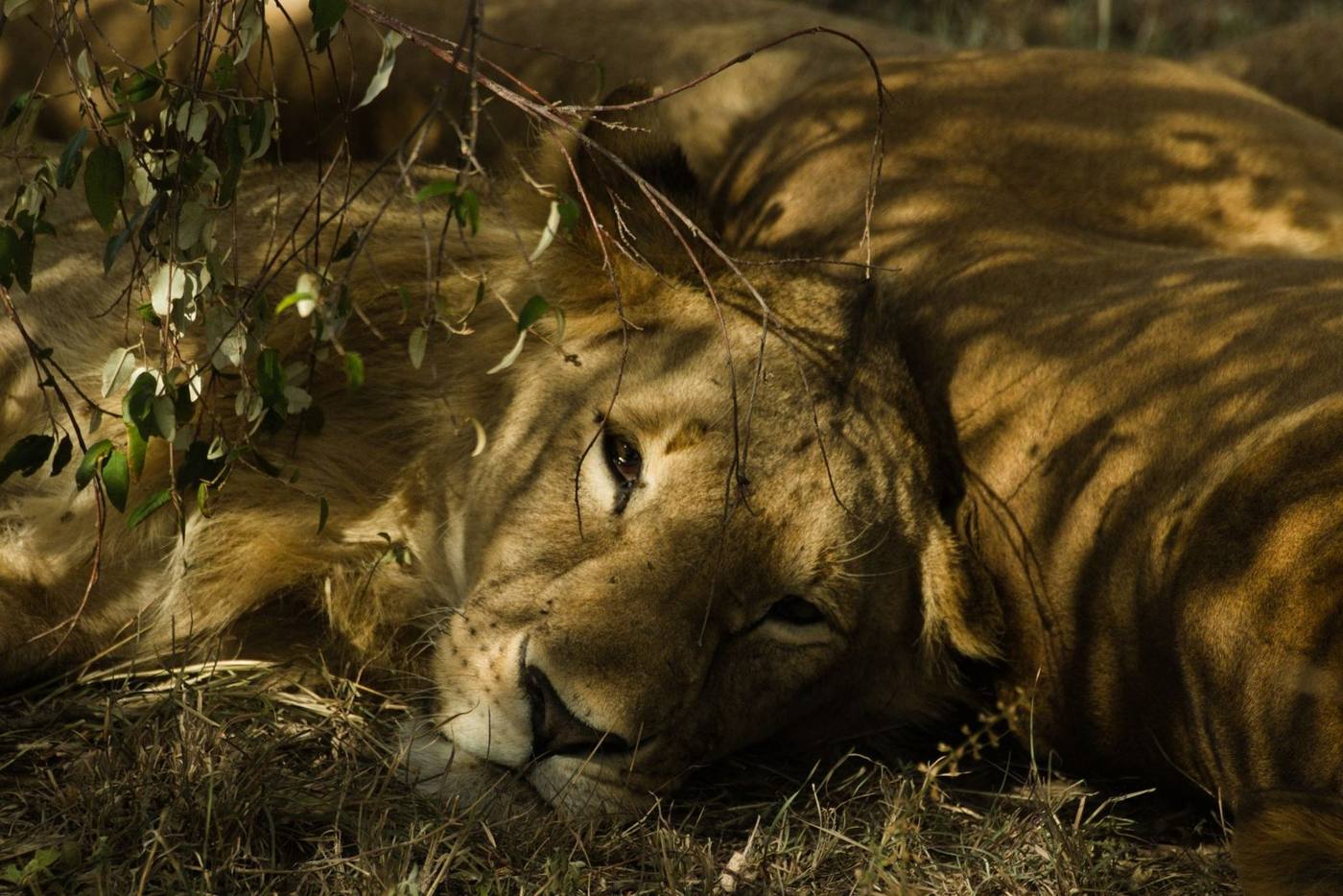
One of Africa's largest parks: the Busanga Plains with lions and antelope, the Kafue river by boat and the leopards of the south, with almost no other tourists.
 5 daysModerate
The Liuwa Plain migration
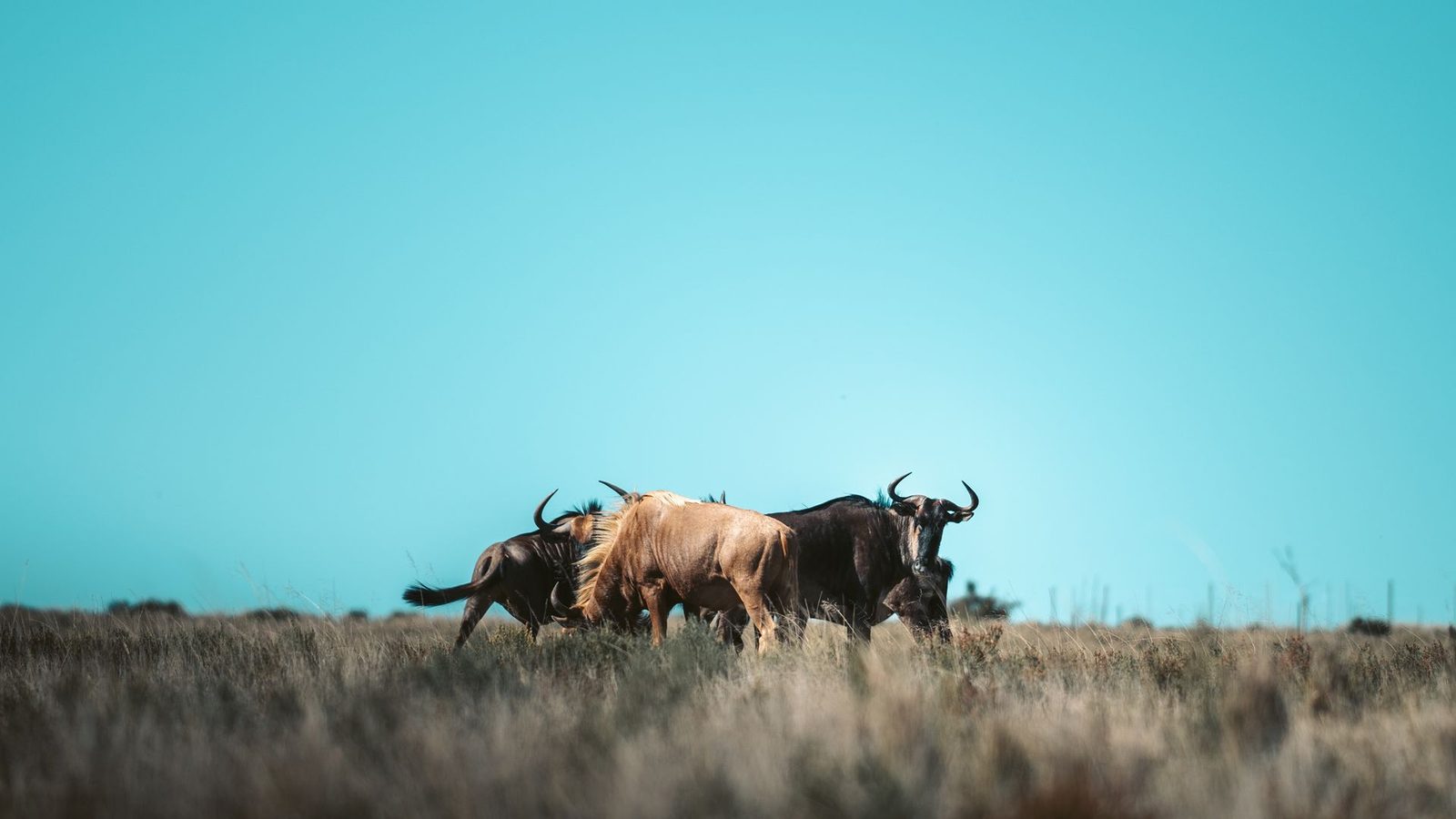
Africa's second wildebeest migration, on the grasslands of Liuwa Plain in the west, with hyenas, lions and waterbirds, in a park run with local communities.
 3 daysEasy
The bats of Kasanka
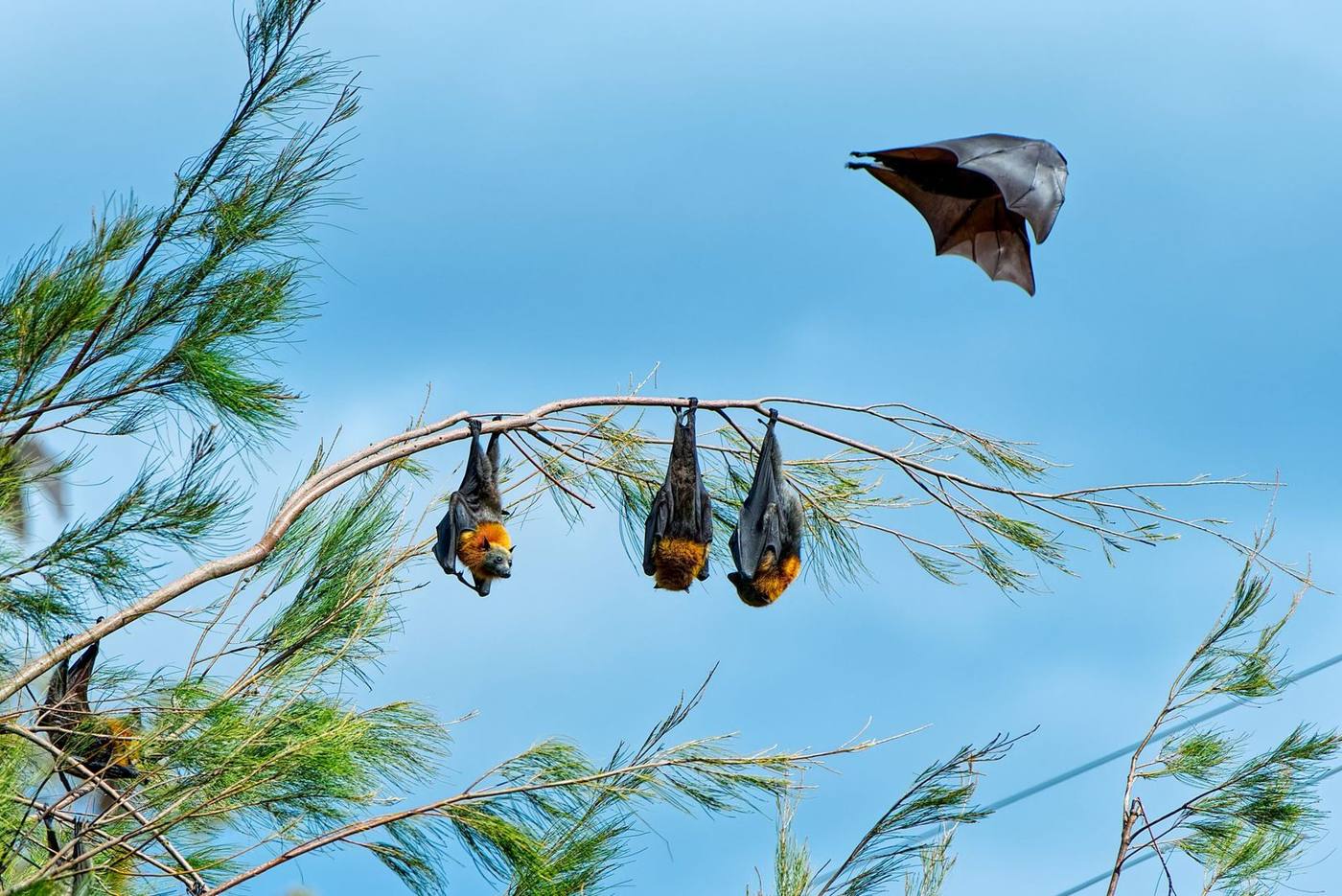
The world's largest mammal migration: some ten million fruit bats that fill the sky over Kasanka forest at dusk at the end of the year.