Da Lat and the Central Highlands
The French hill town at 1,500 metres: colonial villas, the Art Deco station, Xuan Huong Lake, coffee and flower plantations, waterfalls and Mount Langbiang, with a cool climate all year round.
- Da Lat
- Xuan Huong Lake
- Langbiang
- Datanla Falls
Day by day
- Day 1
Xuân Hương Lake, the market and the station
To enter Vietnam you need a passport valid for at least six months; citizens of several EU countries, including Italy, need no visa for tourist stays of up to forty-five days under rules in force until 14 March 2028. Check the rules for your nationality.
Đà Lạt, in Vietnam's central highlands at about 1,500 metres, is a city very different from the rest of the country: the climate is cool all year, with mild days and cold evenings, among pine-covered hills, lakes, waterfalls, flower greenhouses and coffee plantations. It was founded at the end of the nineteenth century by the French as a hill resort to escape the heat of the coast, on the advice of doctor Alexandre Yersin, and keeps colonial villas, a cathedral and the old station. The Vietnamese call it the city of eternal spring, and it is very popular for honeymoons. It is reached by air from Ho Chi Minh City or Hanoi.
In the morning walk around Xuân Hương Lake, the artificial lake at the centre of the city, with about five kilometres of shore, pines, gardens and swan-shaped boats. Then visit Đà Lạt Cathedral, called the Chicken Church for the rooster on its bell tower, with stained glass made in France.
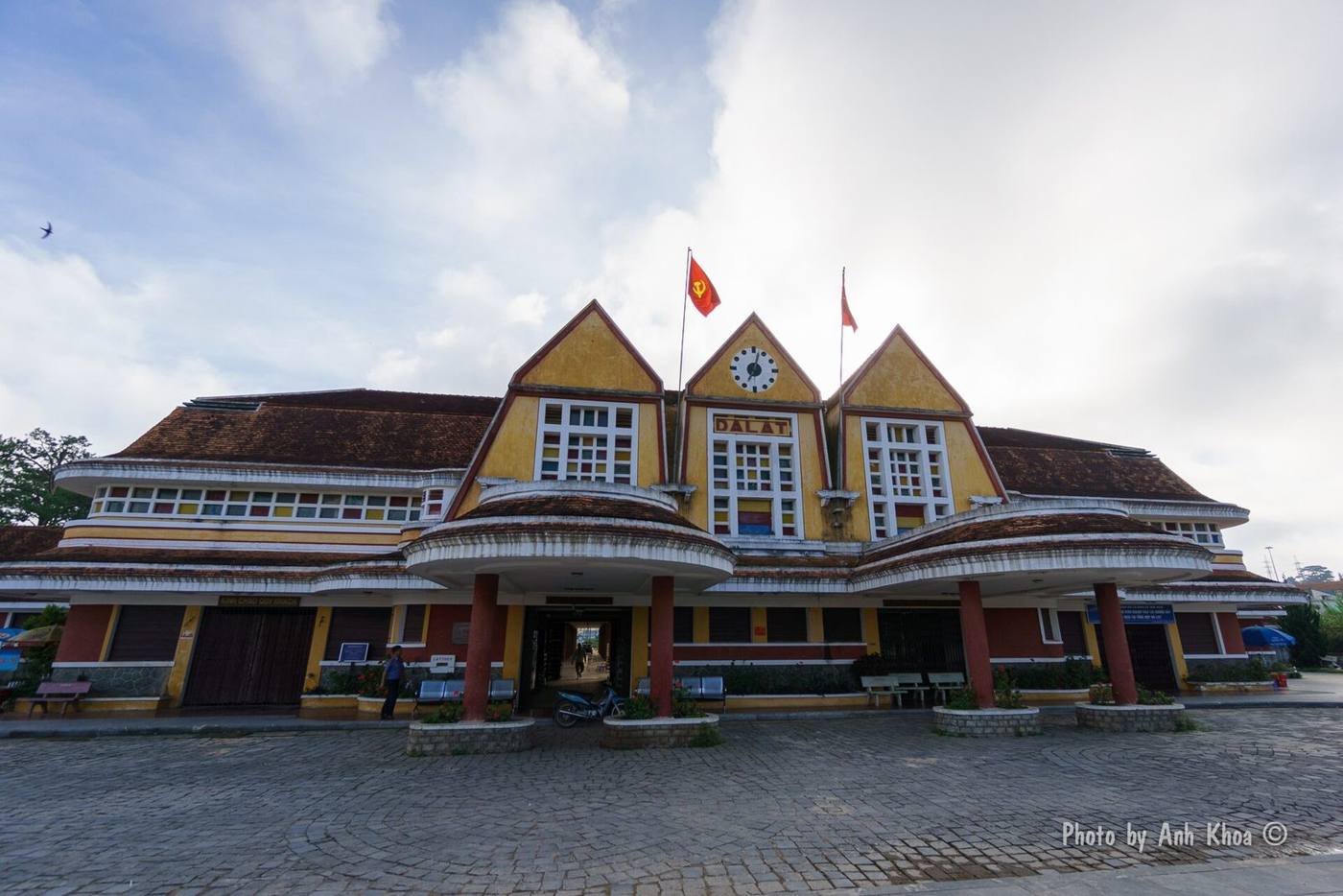
In the afternoon visit the old railway station, from 1938, in Art Deco style, with three pointed roofs recalling the mountains. A small tourist train runs in about half an hour to the village of Trại Mát, home to Linh Phước Pagoda, decorated with mosaics of broken glass and ceramics, with a very long dragon.
In the evening visit the night market, where you eat bánh tráng nướng, a crispy rice paper grilled over charcoal with egg and spring onion, and drink hot soy milk.
Practical tip: evenings in Đà Lạt are cold, sometimes around ten degrees; bring a sweater and a jacket.
- Day 2
Coffee plantations and flower greenhouses
In the morning explore the countryside around Đà Lạt by motorbike with driver or on an organised tour. The central highlands are Vietnam's main coffee-growing area, the world's second-largest producer after Brazil. Around Đà Lạt, thanks to the altitude, mainly arabica is grown, while robusta dominates lower down. Visit a plantation and a small workshop where you see the whole process: coffee plants with red cherries, harvesting, drying the beans in the sun and roasting. Then taste Vietnamese coffee made with the phin, a small metal filter placed on the cup, served with condensed milk.
In the afternoon visit the flower greenhouses and vegetable gardens around the city: Đà Lạt produces much of Vietnam's flowers, strawberries and vegetables, such as artichokes, cabbages and lettuce, thanks to its cool climate. The hills are covered in white greenhouses. You can see fields of hydrangeas, roses and chrysanthemums and pick strawberries at some farms.
On the way stop at the summer palace of Bảo Đại, Vietnam's last emperor, a 1930s villa on a hill among the pines, with original furnishings, the study and the rooms of the imperial family.
In the evening try artichoke tea, a typical Đà Lạt drink, and strawberry sweets.
Practical tip: buy coffee directly at plantations or from reliable shops, asking whether it is arabica or robusta.
- Day 3
Langbiang Mountain on foot
In the morning reach Langbiang Mountain, about twelve kilometres north of Đà Lạt, the highest point in the area at about 2,167 metres. The mountain has two peaks which, according to a legend of the K'Ho people, the minority living in this area, represent two young lovers, Lang and Biang, from different villages, who died because their families opposed their marriage; their tears formed the mountain streams.
From the base a path climbs through pine forest and then meadows to the summit in about three or four hours, with roughly seven hundred metres of ascent. The walk is tiring but not difficult. From the top, on clear days, you see the city of Đà Lạt, its lakes, hills covered in pines and greenhouses, and the green valley at the foot of the mountain. If you do not want to walk, a jeep can take you to the lower summit, Radar, at about 1,900 metres, with a viewpoint.
In the afternoon come down and visit the village of Lát at the foot of the mountain, home to K'Ho communities, with churches and traditional houses, where you see women weaving colourful cloth on hand looms.
In the evening return to the city and dine on lẩu, a hot pot of broth in which meat, fish and vegetables are cooked at the table, perfect for Đà Lạt's cool evenings.
Practical tip: start early on Langbiang, as clouds often cover the summit in the afternoon; bring water and a jacket.
- Day 4
Datanla waterfall and departure
In the morning visit Datanla waterfall, about five kilometres south of the city in the pine forest. To go down to the waterfall, which tumbles in steps through a rocky gorge, you can take a stepped path or a small rail car, a kind of toboggan on a track that runs quickly between the trees and that you drive yourself with a brake lever. At the bottom are walkways and little bridges. For adventure lovers, guided canyoning descents along the waterfalls are also organised in the area.
If you have time, also visit Tuyền Lâm Lake nearby, a large lake among pine-covered hills, with the Trúc Lâm Zen monastery, one of the largest in Vietnam, with flower gardens and lake views. The monastery can also be reached by a cable car starting near the city and passing over the forest.
In the afternoon, before departure, take a last stroll through the central market to buy dried fruit, strawberry jam, tea and coffee.
Liên Khương airport is about thirty kilometres south of the city, with flights to Ho Chi Minh City in about an hour and to Hanoi. Alternatively there are buses to Nha Trang on the coast, about four hours, and to Ho Chi Minh City, about seven or eight hours.
Things to take home: Đà Lạt arabica coffee, artichoke tea, jams and dried strawberries, K'Ho textiles and local wine.
Practical tip: check your government's travel advice before leaving.
A cool break between the heat of the coast and Saigon. Evenings are cold: bring a sweater. At weekends many Vietnamese tourists arrive and prices rise. Italians enter without a visa for up to 45 days (exemption valid until 14 March 2028), with a passport valid for at least six months; longer stays need the 90-day e-visa.
Before you go
- Documents and visa
- Passport with at least six months' validity remaining. Italian, French and several other European citizens need no visa for tourism up to 45 days, an exemption valid until 14 March 2028; otherwise use the e-visa from the official portal.
- Health and vaccines
- No compulsory vaccines. Protect yourself against mosquitoes because of dengue; drink only bottled water. Emergencies: 113 police, 114 fire, 115 ambulance.
- Money and payments
- Vietnamese dong. Cards and QR code payments are widespread in cities; in markets, villages and for small purchases you need cash.
- Power sockets
- Types A and C, among others, 220 volts: a universal adapter is useful.
- Time zone
- UTC+7 all year: Vietnam does not use daylight saving time.
- Safety
- A safe country for travellers. In big cities beware of snatch thefts from scooters; from July to December typhoons and floods hit the centre and north. Official advice: GOV.UK.
Information checked in November 2026 for Italian and EU citizens. Rules change: always check before you travel.
Variations
In 2 days: the centre, the lake and the station on day one, coffee, flowers and the waterfall on day two.
In 8 days: combine with the coast at Nha Trang or Mũi Né, reached by bus.
Frequently asked questions
What do I need to enter Vietnam?
A passport valid for at least six months; citizens of several EU countries, including Italy, need no visa for up to forty-five days under rules in force until 14 March 2028. Check the rules for your nationality.
Is it cold in Đà Lạt?
Yes, especially in the evening and early morning, sometimes around ten degrees; days are mild.
When is the best time for Đà Lạt?
From November to April, in the dry season; from May to October it often rains in the afternoon.
Indicative itinerary written by World Atlas. Before booking, check timetables, seasonal openings, documents and safety.
 4 daysEasy
The Con Dao Islands
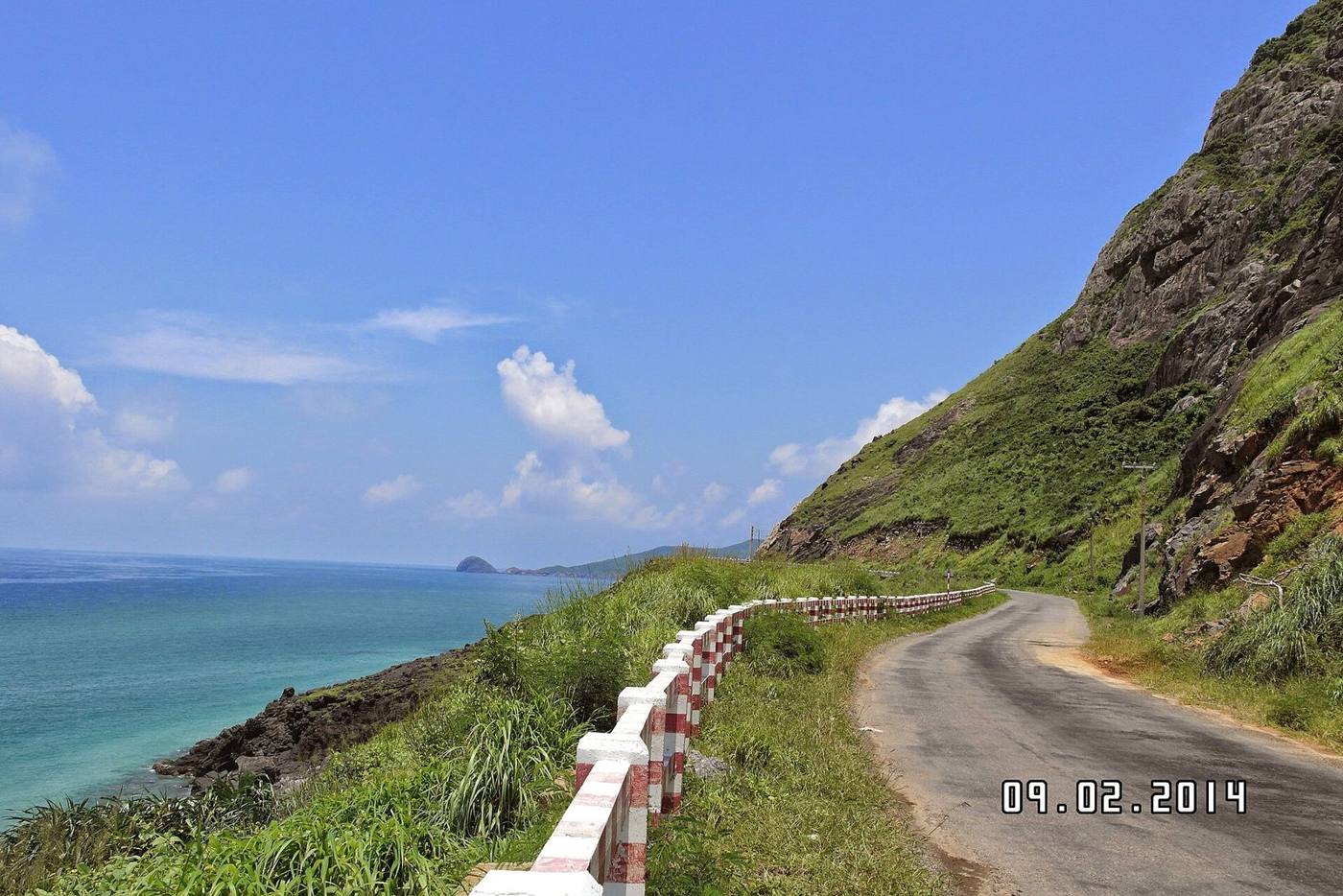
An almost untouched archipelago in the South China Sea: empty beaches, a marine national park where green turtles lay their eggs, forested hills and the grim history of colonial and wartime prisons.
 4 daysEasy
Saigon in depth and Cu Chi
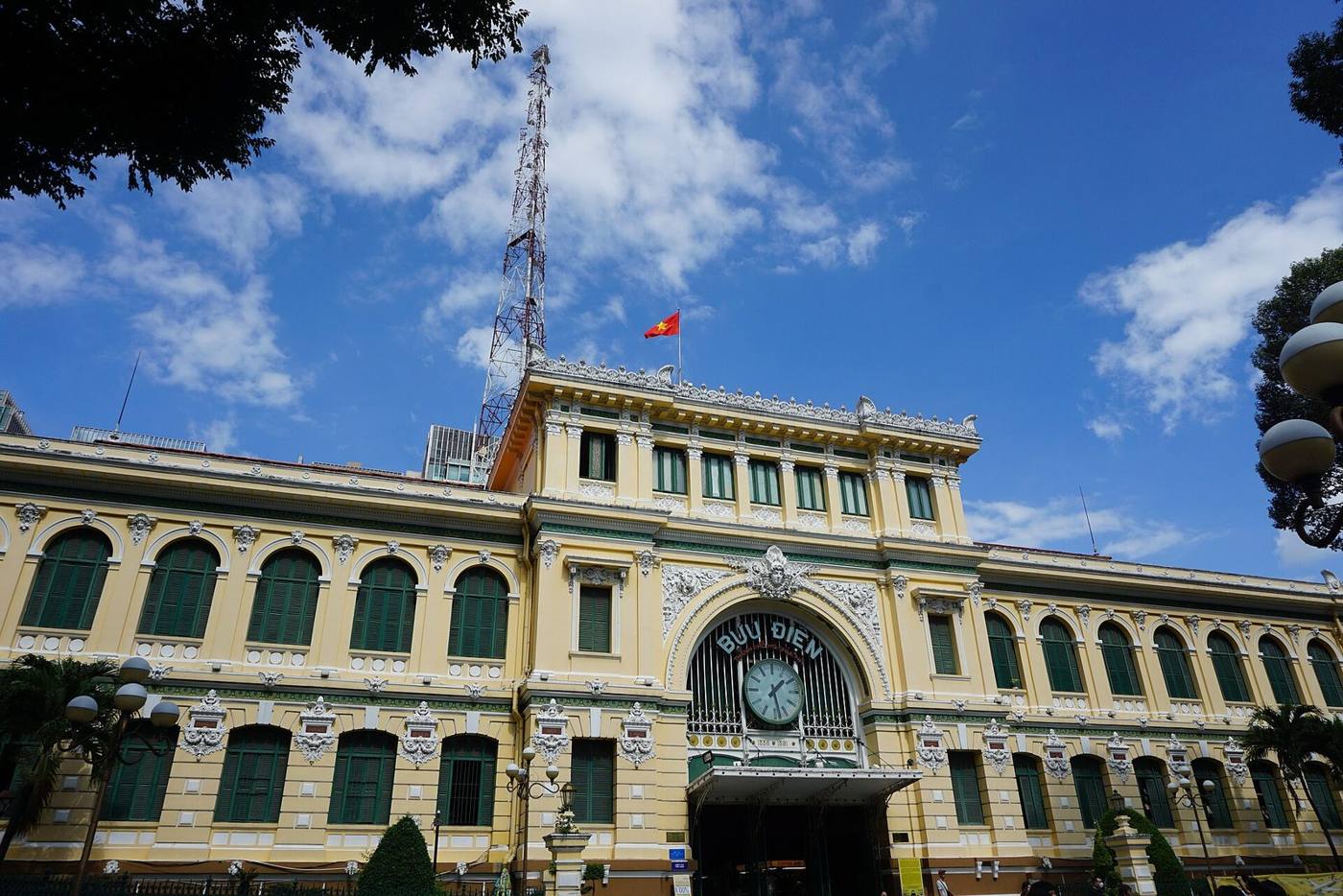
Ho Chi Minh City, the southern metropolis: the French cathedral and post office, the War Remnants Museum, the Reunification Palace, Chinatown in Cholon, Ben Thanh market, street food and the Cu Chi tunnels dug during the war.
 4 daysEasy
Mui Ne and the dunes
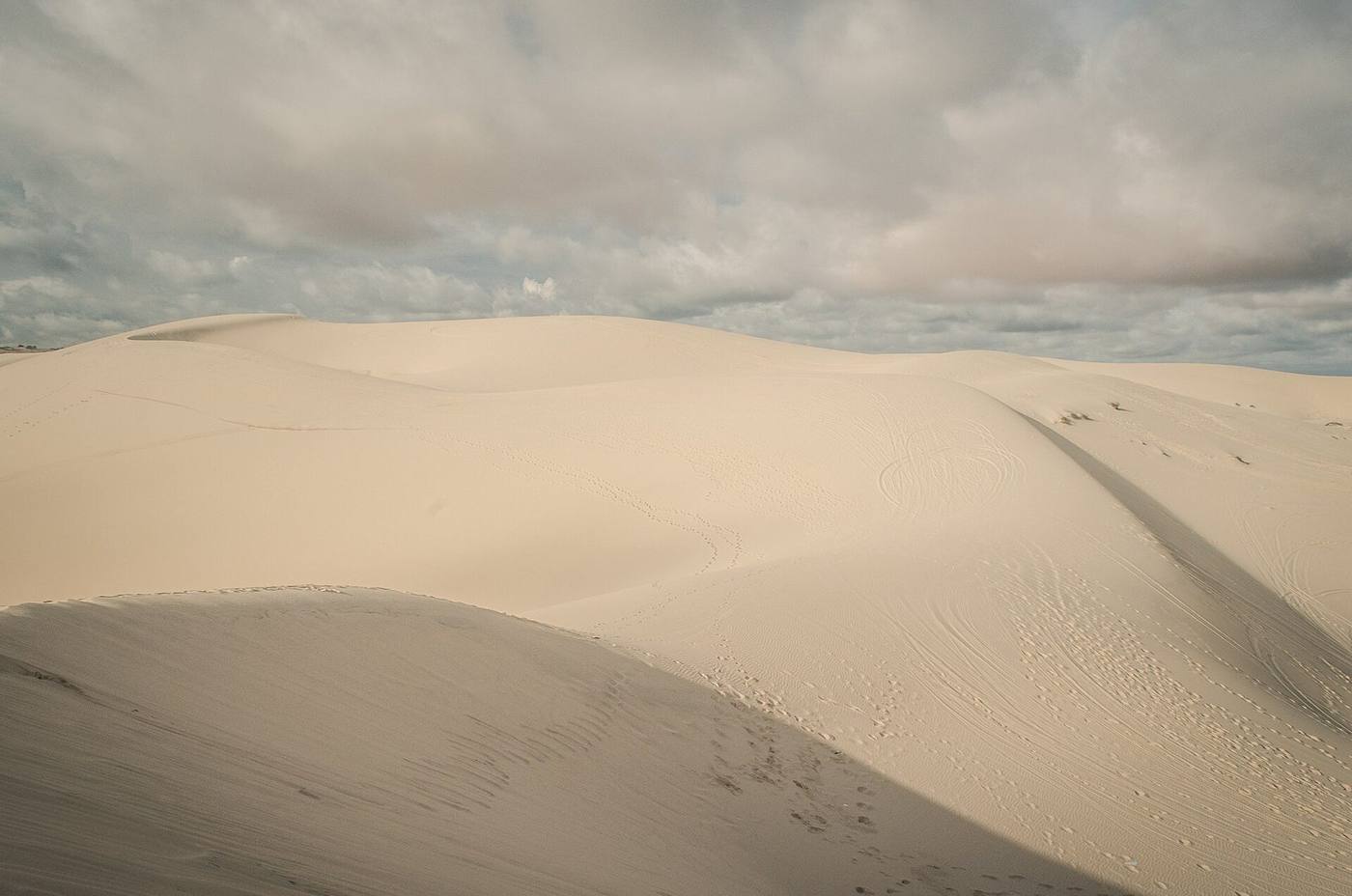
The desert by the southern sea: the white and red dunes of Mui Ne at dawn, the Fairy Stream flowing between red rocks, the fishing-boat harbour, wind for kitesurfing and the Cham towers of Po Shanu.