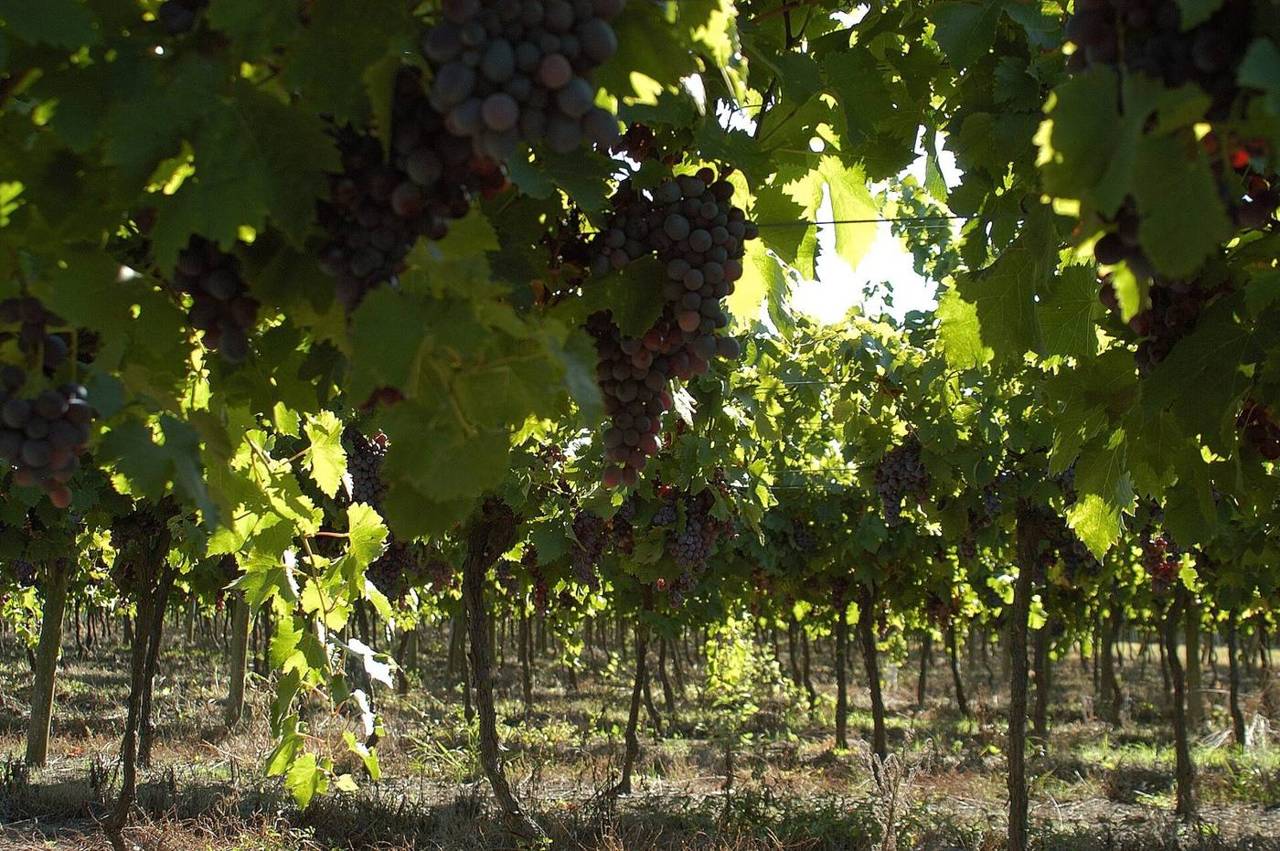
Tannat from Canelones and Carmelo
The family wineries of Uruguay's signature grape, around Montevideo and on the Río de la Plata at Carmelo, with asado and lunches among the vines.
- Montevideo
- Canelones
- Colonia del Sacramento
- Carmelo
Day by day
- Day 1
The wineries of Canelones
This trip is devoted to tannat, Uruguay's signature grape, which gives dark, robust red wines. In three days you visit the family wineries of the department of Canelones, north of Montevideo, then Colonia del Sacramento and the vineyards of Carmelo, on the bank of the Río de la Plata. You travel by car.
Before you go: Italian citizens enter Uruguay with a passport valid for the whole stay, without a visa for tourism for up to 90 days; an identity card is not enough. Other nationalities should check their own rules. In Montevideo, leave nothing visible in the car, not even for a few minutes.
In the morning, leave Montevideo heading north. In half an hour you are already in the countryside, among low hills covered in vines, orchards and small towns. Canelones has most of the country's vineyards, and many wineries are still run by the families who founded them, often the children and grandchildren of Italian, Spanish and Basque immigrants.
Tannat arrived in Uruguay in the nineteenth century with Basque immigrants and found its ideal home here. The humid climate, with wind from the Atlantic and the river, gives wines that are less heavy than those of south-west France, but still rich in tannins.
Visit two wineries, one in the morning and one in the afternoon. Walk among the rows, go down into the cellar among the barrels and taste young tannat and tannat aged in wood. Visits are by booking. Check prices and times.
In the evening, return to Montevideo or stay in a country house in the area.
Practical tip: do not plan more than two wineries a day, because visits take a long time and country roads are slow.
- Day 2
From Colonia to Carmelo
Today you head west, along the Río de la Plata, to Colonia del Sacramento and then to Carmelo.
In the morning, take Ruta 1 to Colonia, about two and a half hours. The Barrio Histórico, a UNESCO World Heritage Site since 1995, is the heart of the town founded by the Portuguese in 1680 and long disputed with Spain. Walk on the stone streets, pass along the Calle de los Suspiros, which runs down to the river between low houses, and climb the lighthouse, built in the nineteenth century beside the ruins of an old convent. Check prices and times.
For lunch, eat a chivito, the large Uruguayan sandwich with beef, ham, cheese and egg.
In the afternoon, continue north-west for about an hour to Carmelo, a quiet town founded in 1816 where the Uruguay River widens towards the Río de la Plata. In front of the harbour you see sailing boats and an old iron swing bridge over the de las Vacas stream.
Around Carmelo there are vineyards on sandy and clay soils close to the water, which give wines different from those of Canelones. At sunset, walk along the shore, when the sky turns colours over a river as wide as a sea.
In the evening, have river fish or grilled meat for dinner, with a local tannat.
Practical tip: sleep in Colonia or Carmelo rather than doing everything in a day, because in the evening the old town of Colonia empties of groups and becomes more beautiful.
- Day 3
A tasting in the vineyard and the return
Today you spend the morning among the vineyards of Carmelo and then return to Montevideo.
In the morning, visit a local winery. Many are small and family-run: the owner walks you through the rows, explains how tannat changes with the soil and the wood, and lets you taste other grapes grown here too, such as merlot, cabernet franc and fresh whites. Visits are by booking. Check prices and times.
For lunch, stay in the vineyard, if the winery offers it, for a long, slow asado: beef, chorizo and vegetables over the embers, with the house wine.
In the afternoon, drive back to Montevideo, about three hours along Ruta 21 and Ruta 1. If you want to break the journey, stop again in Colonia for a coffee on the riverfront.
In these three days you have discovered a country little known for wine: the hills of Canelones, the old town of Colonia, the vineyards of Carmelo on the river and the warm welcome of families who have made wine for generations.
When to go: from February to April, during the harvest, when the vines are heavy with grapes and many wineries are busier. Spring, from October to December, is also pleasant, with green vines and mild temperatures.
Practical tip: in Uruguay the driver cannot drink even one glass, so decide beforehand who stays sober, or spit the wine out during the tasting.
Robust wines and warm welcomes, in a country little known for wine. Wineries are visited by appointment. Easy to combine with Colonia.
Before you go
- Documents and visa
- Passport valid for the whole stay, with at least one blank page for the entry stamp; no visa is needed for tourism for up to 90 days. ID cards are accepted only for citizens of neighbouring South American countries.
- Health and vaccines
- No vaccinations are compulsory. Dengue is present: use repellent, especially in summer. The sun is very strong, with high UV levels: wear sun cream and a hat. On beaches, follow the lifeguard flags; lifeguards are usually on duty from December to March. You need insurance covering medical costs and repatriation. Emergencies: 911.
- Money and payments
- Uruguayan peso. Cards work almost everywhere, including the coastal towns; carry some cash for small villages and for Cabo Polonio. Use cash machines inside banks or shopping centres, by day.
- Power sockets
- Types C, F and L, sometimes I, 220 to 230 volts: you need an adapter for British plugs.
- Time zone
- UTC-3 all year: Uruguay does not use daylight saving time.
- Safety
- Bag snatching, pickpocketing and muggings, sometimes armed, happen in Montevideo: avoid walking alone downtown and in the port area in the evening, and carry only the cash you need. Leave nothing visible in a car, even at traffic lights. In summer, petty theft rises in the beach towns. Away from the toll motorways, roads can have potholes: drive carefully, preferably by day. Official advice: GOV.UK.
Information checked in November 2026 for Italian and EU citizens. Rules change: always check before you travel.
Variations
In one day: visit two Canelones wineries starting from Montevideo.
In 5 days: add two days in Montevideo, with the Ciudad Vieja, the Teatro Solís and the Rambla.
Frequently asked questions
What is tannat?
A red grape that arrived in Uruguay in the nineteenth century with Basque immigrants. It gives dark, robust wines and is the symbol of Uruguayan wine.
Can I visit the wineries without booking?
Usually not: almost all ask you to book, with tours and tastings at set times. Check prices and times.
What document do I need for Uruguay?
Italian citizens enter with a passport valid for the whole stay, without a visa for tourism for up to 90 days. Other nationalities should check their own rules.
Indicative itinerary written by World Atlas. Before booking, check timetables, seasonal openings, documents and safety.
 3 daysEasy
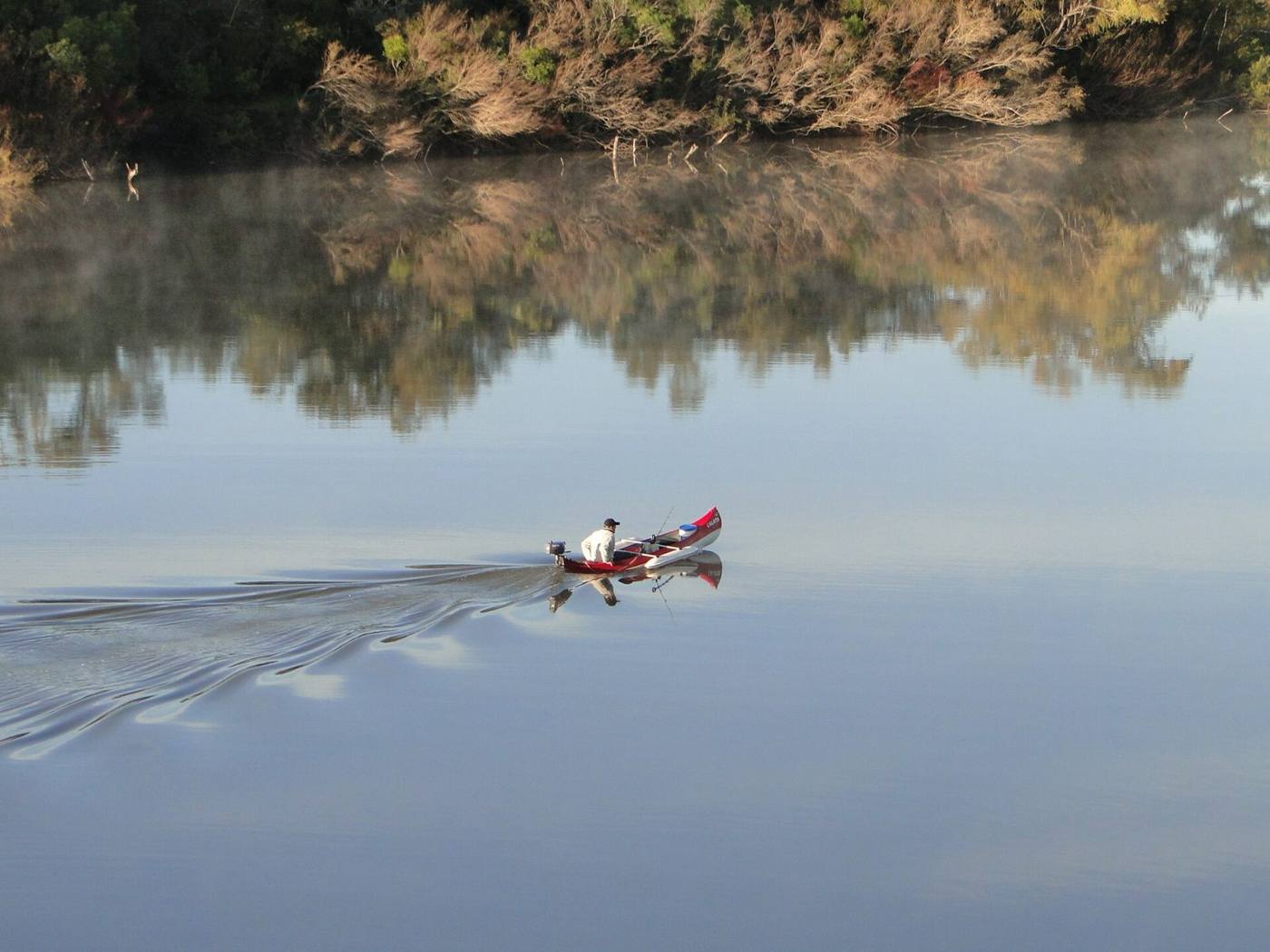
The hot springs of Salto
The thermal waters along the Uruguay river, at Daymán and Arapey, with outdoor hot pools, the Salto Grande dam and heron colonies on the river.
 2 daysModerate
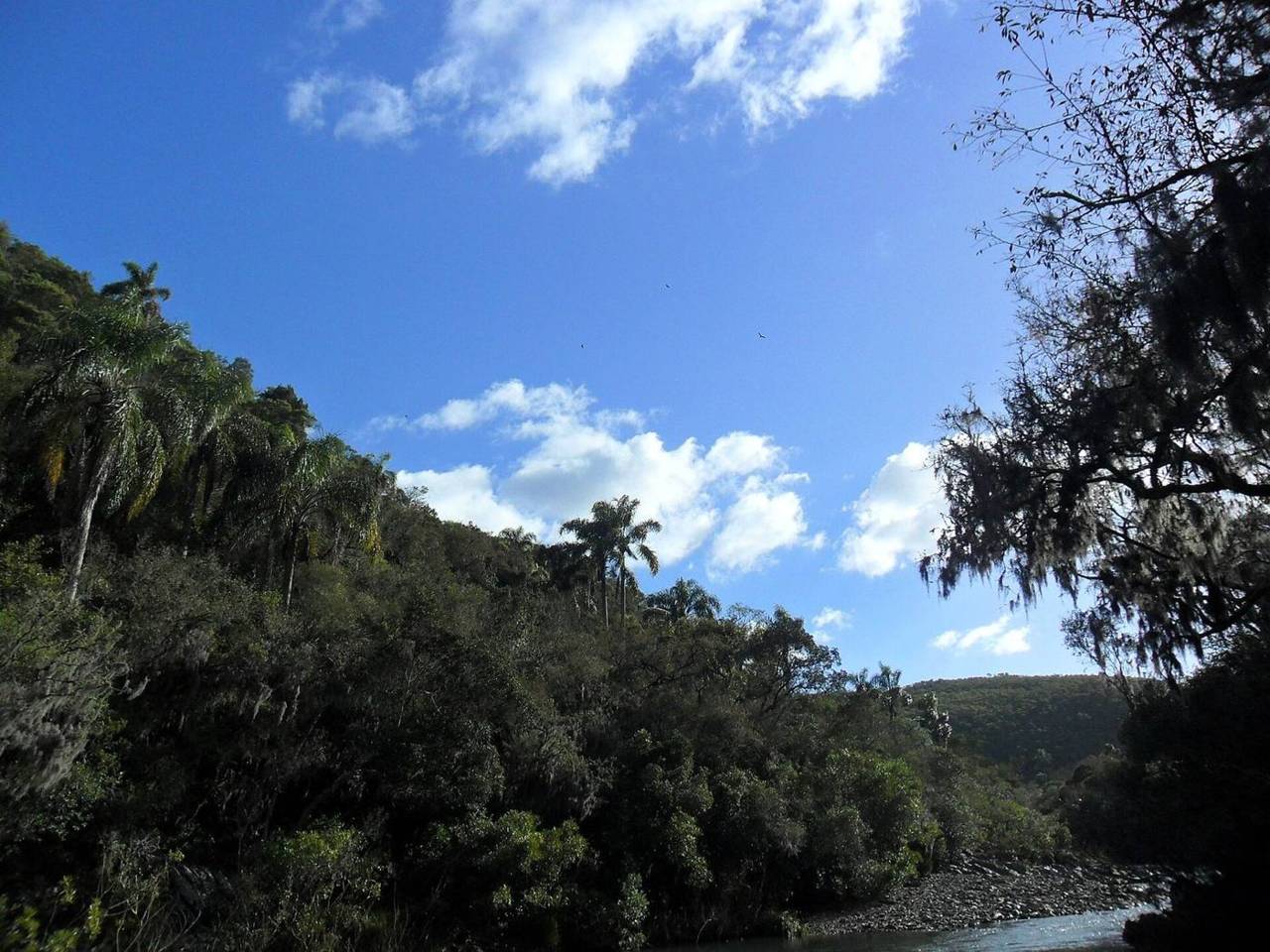
Quebrada de los Cuervos
A wooded canyon in the heart of Uruguay, the country's first protected park, with trails, birds of prey and farm stays in the Treinta y Tres countryside.
 3 daysEasy
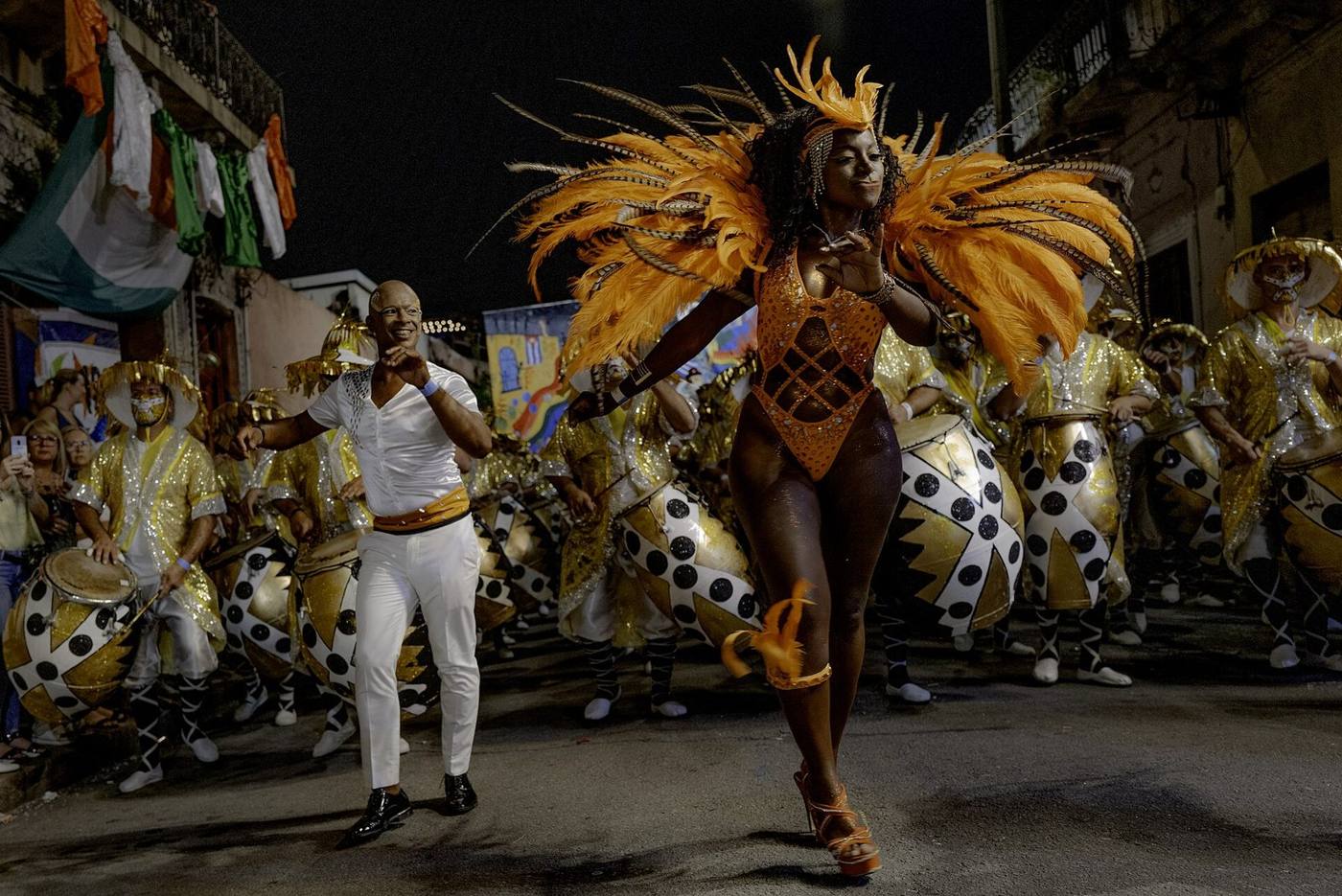
Candombe and Montevideo's carnival
The world's longest carnival: the Llamadas of candombe drums in the Sur and Palermo districts, the murgas in open-air theatres and the carnival museum.