Candombe and Montevideo's carnival
The world's longest carnival: the Llamadas of candombe drums in the Sur and Palermo districts, the murgas in open-air theatres and the carnival museum.
- Ciudad Vieja
- Barrio Sur
- Palermo
Day by day
- Day 1
The carnival museum and the Ciudad Vieja
This trip takes you into the Montevideo carnival, one of the longest in the world, which lasts about forty days between January and March. In three days you discover candombe, the drum music born in the Afro-Uruguayan communities and inscribed by UNESCO as intangible cultural heritage in 2009, the Llamadas in the Sur and Palermo neighbourhoods and the murgas on neighbourhood stages. You get around on foot and by taxi.
Before you go: Italian citizens enter Uruguay with a passport valid for the whole stay, without a visa for tourism for up to 90 days; an identity card is not enough. Other nationalities should check their own rules. Bag snatching and pickpocketing happen in Montevideo: in the evening avoid walking alone downtown and near the port, and in crowds keep your phone in your pocket.
In the morning, enter the Ciudad Vieja through the Puerta de la Ciudadela, the old gate in the city walls, and walk to Plaza Matriz, with the cathedral and tall trees.
Then go down towards the port, to the Museo del Carnaval. Here you see costumes, masks, drums and photographs, and you learn the categories of the carnival: candombe comparsas, murgas, parodistas, humoristas and revistas. Check prices and times.
For lunch, go into the Mercado del Puerto, a large nineteenth-century iron building full of grills, and order asado, beef cooked slowly over wood embers.
In the afternoon, walk along the Rambla towards Barrio Sur, where tomorrow you will see the Llamadas.
Practical tip: the dates of the Llamadas change every year, usually between late January and February. Check the official calendar before you book your flight.
- Day 2
The Llamadas in Barrio Sur
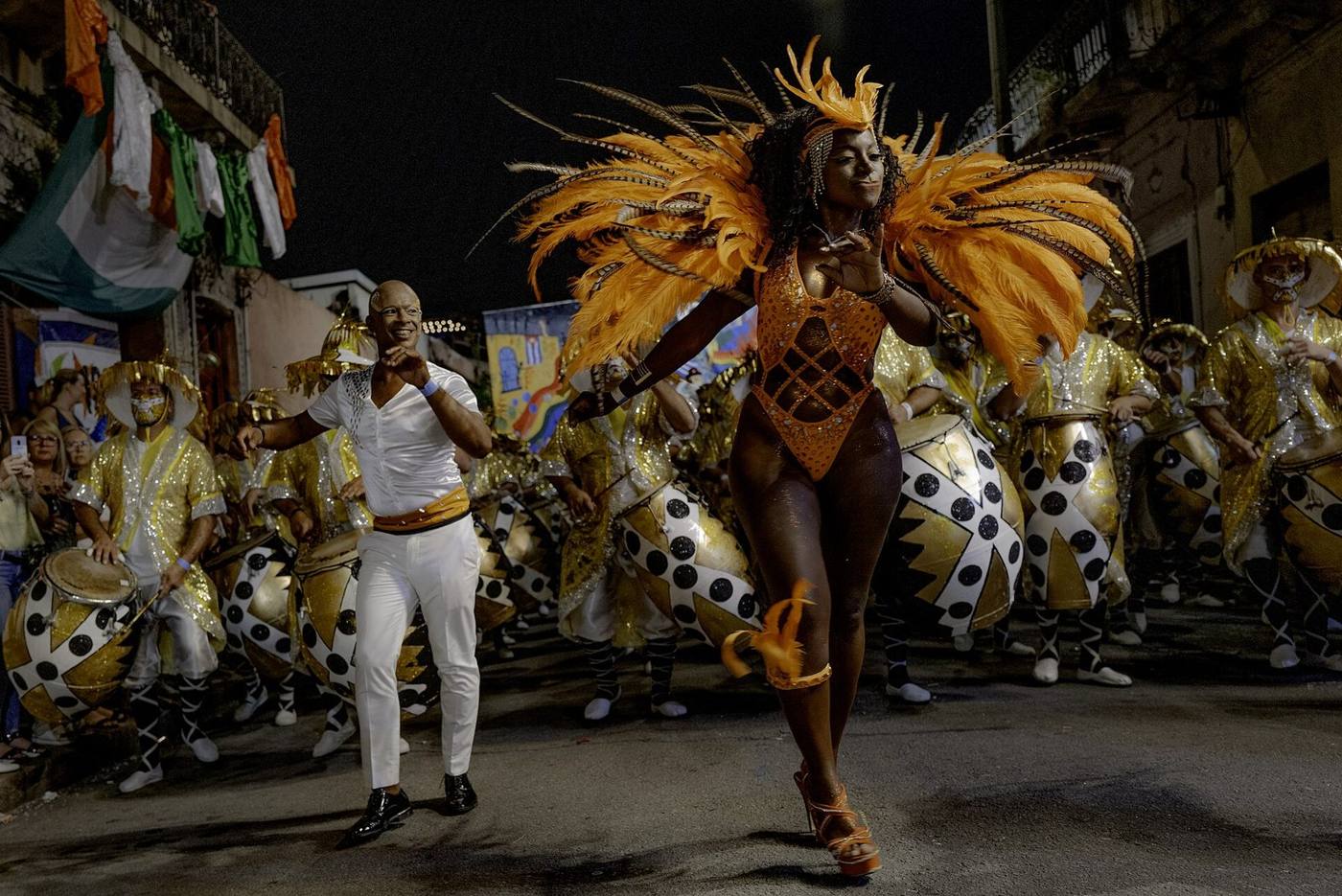
Today is the night of the drums: the Llamadas parade through the streets of the Sur and Palermo neighbourhoods.
In the morning, walk through Barrio Sur and Palermo, the historic candombe neighbourhoods, close to the Rambla. Many Afro-Uruguayan families lived here, in conventillos, large houses built around a shared courtyard. On the walls you see murals with drums, dancers and the faces of the neighbourhood's great musicians.
In the afternoon, find a spot along Isla de Flores street, the parade route. You can buy a seat in the stands, the palcos, or stand on the pavement. Arrive early, because the crowd is huge.
At sunset the comparsas start to pass. In front come the flags and the large figures, then the dancers and the traditional characters: the mama vieja, the gramillero, an old healer with his little case of herbs, and the escobero, who twirls a broom. Behind comes the cuerda, the line of drums. There are three kinds, chico, repique and piano, and together they make a rhythm you feel in your chest.
Before the parade, in the side streets, the musicians warm the drum skins by small fires, to tighten them.
The party goes on late into the night. At the end, go back by taxi.
Practical tip: take only your phone, a little cash and nothing valuable, because pickpockets take advantage of the crush.
- Day 3
A murga on a tablado
Today you discover the murga, the other great voice of the Montevideo carnival.
In the morning, rest after the night of the Llamadas, then stroll along the Rambla, the riverside promenade that runs along the city for many kilometres. Stop to drink mate as Uruguayans do, with the thermos under your arm.
In the afternoon, go to the Teatro de Verano, the open-air theatre near the Rambla where the official carnival contest is held. If you cannot get a seat, ask where the tablados are, neighbourhood stages set up for the summer, where the groups perform every night.
The murga is a choir of about fifteen people, in make-up and costume, accompanied by bass drum, cymbals and snare drum. It sings ironic songs about politics and everyday life, with new lyrics every year. Even if you do not understand every word, the voice of the choir and the rhythm grab you at once. Check prices and times.
In these three days you have seen the Montevideo carnival from the inside: the museum, the candombe neighbourhoods, the night of the Llamadas and a murga under the stars.
When to go: in January and February, during the carnival, which usually ends in early March. Out of season, on Sunday afternoons in the Sur, Palermo and Cordón neighbourhoods you can often hear candombe drums all year round.
Practical tip: after the show, go back by taxi or with a ride app, because evenings end late and the streets around are poorly lit.
Afro-Uruguayan culture, a UNESCO heritage, at its liveliest. The Llamadas are usually held on a Friday and Saturday in early February (6 and 7 in 2026): check the year's dates. On Sundays drums can be heard in the districts all year round.
Before you go
- Documents and visa
- Passport valid for the whole stay, with at least one blank page for the entry stamp; no visa is needed for tourism for up to 90 days. ID cards are accepted only for citizens of neighbouring South American countries.
- Health and vaccines
- No vaccinations are compulsory. Dengue is present: use repellent, especially in summer. The sun is very strong, with high UV levels: wear sun cream and a hat. On beaches, follow the lifeguard flags; lifeguards are usually on duty from December to March. You need insurance covering medical costs and repatriation. Emergencies: 911.
- Money and payments
- Uruguayan peso. Cards work almost everywhere, including the coastal towns; carry some cash for small villages and for Cabo Polonio. Use cash machines inside banks or shopping centres, by day.
- Power sockets
- Types C, F and L, sometimes I, 220 to 230 volts: you need an adapter for British plugs.
- Time zone
- UTC-3 all year: Uruguay does not use daylight saving time.
- Safety
- Bag snatching, pickpocketing and muggings, sometimes armed, happen in Montevideo: avoid walking alone downtown and in the port area in the evening, and carry only the cash you need. Leave nothing visible in a car, even at traffic lights. In summer, petty theft rises in the beach towns. Away from the toll motorways, roads can have potholes: drive carefully, preferably by day. Official advice: GOV.UK.
Information checked in November 2026 for Italian and EU citizens. Rules change: always check before you travel.
Variations
In one day: visit the carnival museum in the morning and in the evening watch the Llamadas or a murga.
In 5 days: add two days in Colonia del Sacramento, with the Barrio Histórico and the lighthouse.
Frequently asked questions
When are the Llamadas?
Usually on two nights between late January and February, but the date changes every year. Check the official carnival calendar.
What is candombe?
Drum music born in the Afro-Uruguayan communities, with three kinds of drum: chico, repique and piano. UNESCO inscribed it as intangible heritage in 2009.
What document do I need for Uruguay?
Italian citizens enter with a passport valid for the whole stay, without a visa for tourism for up to 90 days. Other nationalities should check their own rules.
Indicative itinerary written by World Atlas. Before booking, check timetables, seasonal openings, documents and safety.
 2 daysEasy
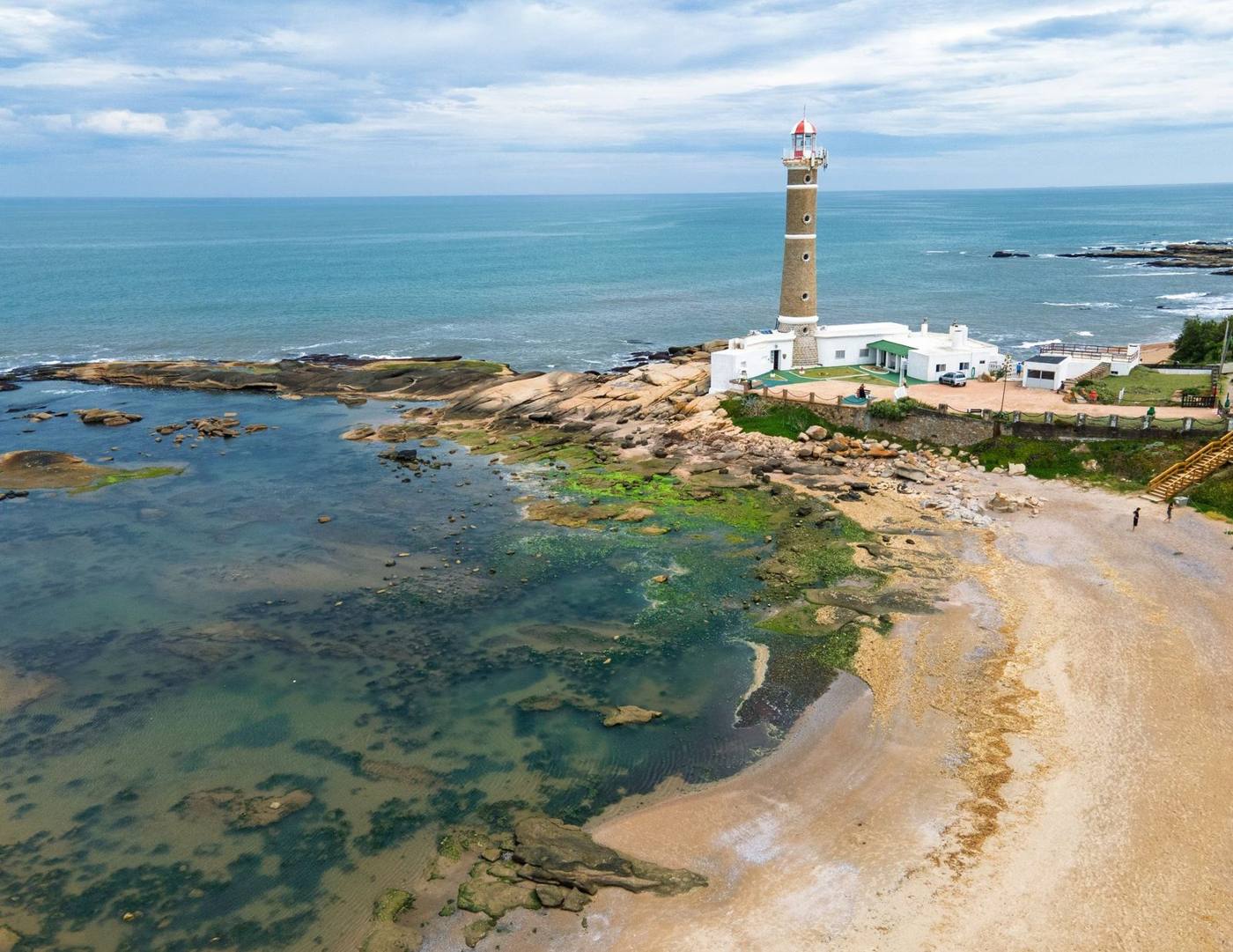
José Ignacio and Garzón
The stylish side of the coast: the lighthouse and beaches of José Ignacio, the village of Pueblo Garzón with Francis Mallmann's cooking and the large hillside wineries.
 5 daysEasy
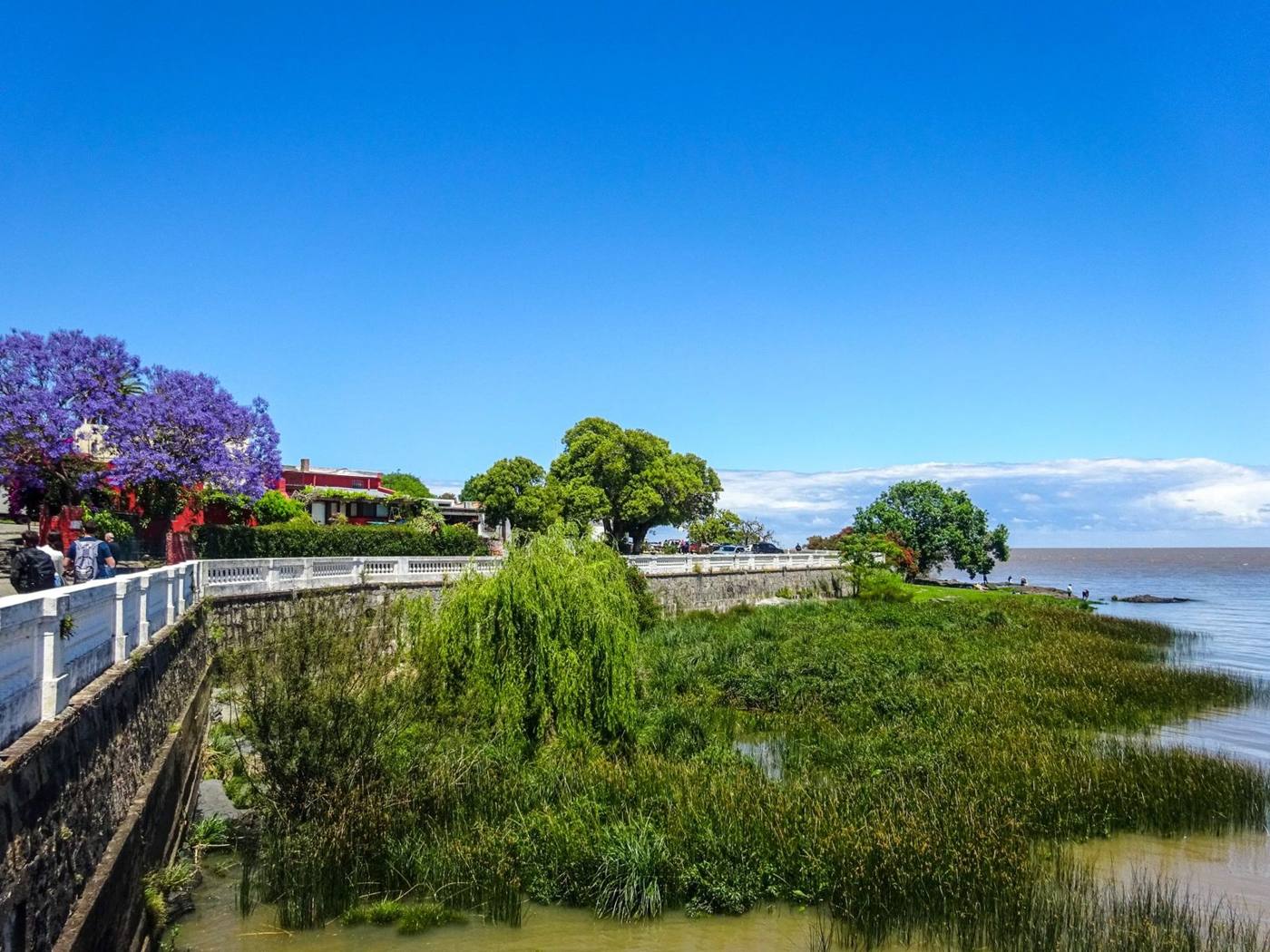
Montevideo and Colonia
Montevideo's Rambla and Ciudad Vieja, the Mercado del Puerto and its asado, the UNESCO colonial town of Colonia del Sacramento and the Tannat wineries of Carmelo.
 6 daysEasy
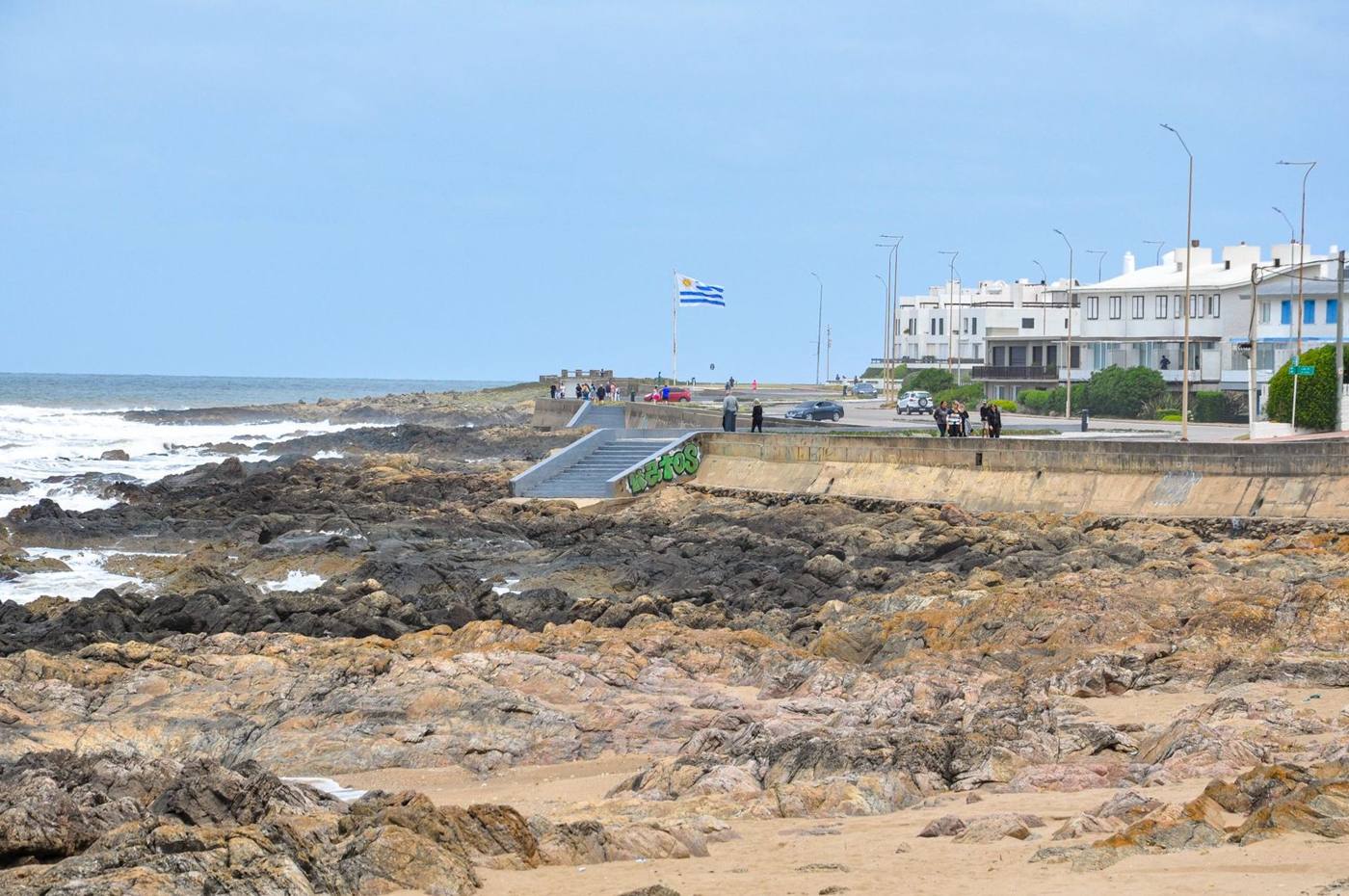
Punta del Este and the coast
Punta del Este with the Hand sculpture, José Ignacio, Casapueblo, and the wild Rocha coast with Cabo Polonio, a village without roads among the dunes.