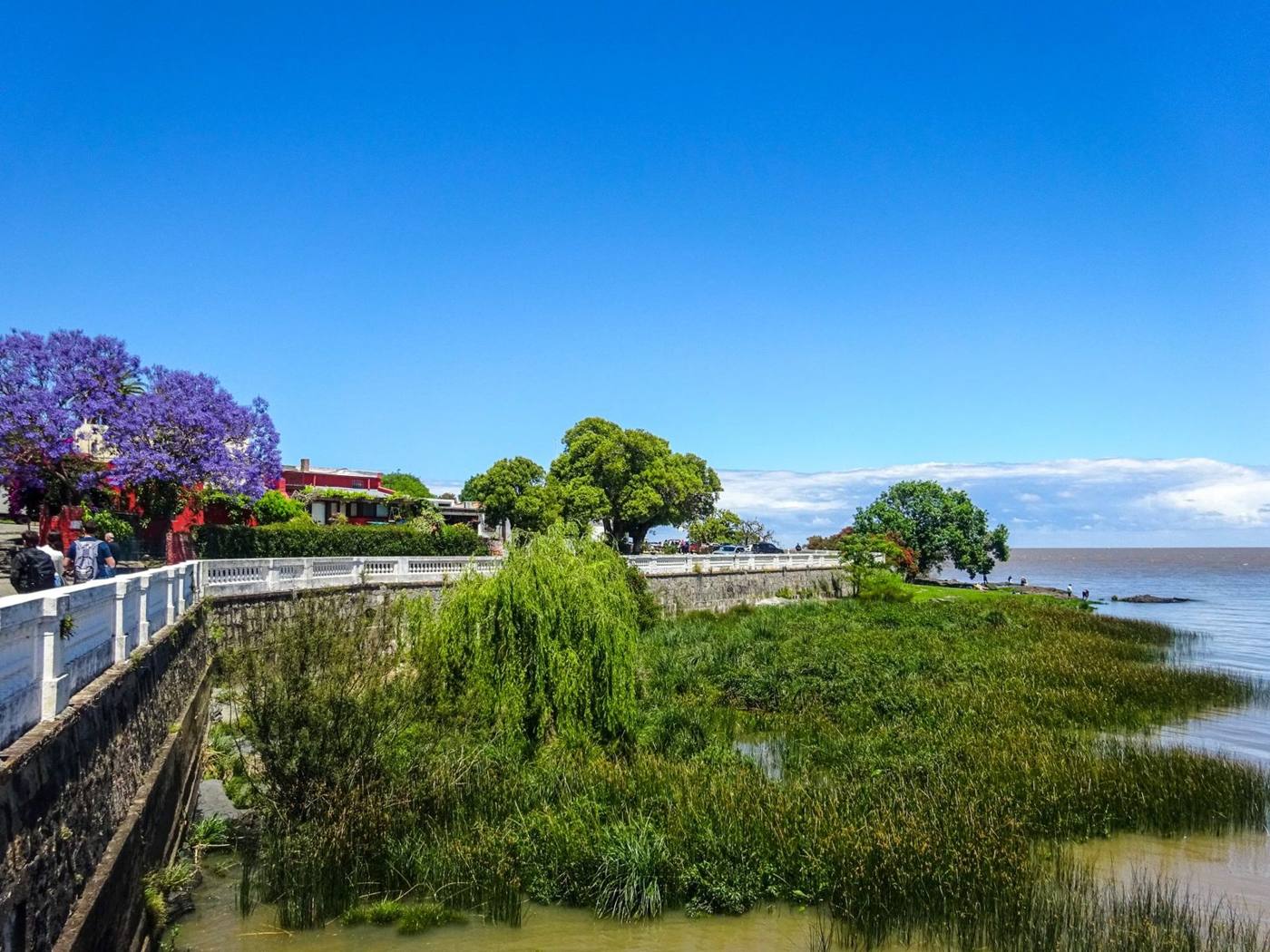
Montevideo and Colonia
Montevideo's Rambla and Ciudad Vieja, the Mercado del Puerto and its asado, the UNESCO colonial town of Colonia del Sacramento and the Tannat wineries of Carmelo.
- Montevideo
- Ciudad Vieja
- Mercado del Puerto
- Colonia del Sacramento
- Carmelo
Day by day
- Day 1
Plaza Independencia, the Ciudad Vieja and the Teatro Solís
This trip shows you classic Uruguay: in five days you see Montevideo, with the Ciudad Vieja, the Teatro Solís, the Mercado del Puerto and the Rambla, then the colonial town of Colonia del Sacramento, a UNESCO World Heritage Site, and the tannat vineyards of Carmelo. You get around on foot, by bus and by car.
Before you go: Italian citizens enter Uruguay with a passport valid for the whole stay, without a visa for tourism for up to 90 days; an identity card is not enough. Other nationalities should check their own rules. Bag snatching and muggings happen in Montevideo: in the evening avoid walking alone downtown and in the port area, and use cash machines inside banks.
Start at Plaza Independencia, the large square between the old town and the new. In the centre stands the equestrian statue of José Artigas, the hero of independence, with his mausoleum underneath. Around it you see the Palacio Salvo, a 1920s skyscraper with a very unusual tower, and the Puerta de la Ciudadela, the last remnant of the colonial walls.
Next to the square is the Teatro Solís, opened in the nineteenth century, the most important theatre in the country. Take the guided tour to see the auditorium with its red and gold boxes, or book a show for the evening. Check prices and times.
In the afternoon, go through the gate into the Ciudad Vieja. Walk along the pedestrian street Sarandí to Plaza Matriz, with the cathedral, and look at the old buildings, bookshops and art galleries.
Practical tip: the Ciudad Vieja is easy to explore on foot by day; in the evening, take a taxi back to your hotel, even for short distances.
- Day 2
The Mercado del Puerto and the Rambla at sunset
Today you discover the food of Montevideo and its long riverside promenade.
In the morning, visit the Museo Torres García, devoted to the painter who joined European modern art with the symbols of the Americas, or the Museo Andes 1972, which tells the story of the survivors of the plane crash in the Andes. Check prices and times.
At midday, go into the Mercado del Puerto, a large covered iron market from the nineteenth century, near the port. Inside there are huge grills where meat cooks slowly over wood embers. Sit at the counter and order asado, sausage, morcilla and grilled vegetables. To drink, try medio y medio, half white wine and half sparkling wine, a market tradition.
In the afternoon, take a bus or taxi to Parque Rodó and then walk along the Rambla, the riverside promenade more than twenty kilometres long that runs along the whole city. Here locals jog, fish, cycle and drink mate sitting on the low wall. Continue to Pocitos beach, with its white apartment blocks by the water.
At sunset, stop on the Rambla. The Río de la Plata is so wide that it looks like the sea, and the sun sets over golden water.
In the evening, go back to the centre by taxi or bus.
Practical tip: if you are in Montevideo on a Sunday morning, visit the Tristán Narvaja fair in the Cordón neighbourhood, a large street market with books, antiques, fruit and vegetables.
- Day 3
Colonia del Sacramento, the Barrio Histórico and the lighthouse
Today you head west to Colonia del Sacramento, the oldest town in the country.
In the morning, take the bus from the Tres Cruces terminal or drive along Ruta 1, about two and a half hours through fields and small towns. Colonia was founded by the Portuguese in 1680, opposite Buenos Aires, and for a century it changed hands several times between Portugal and Spain. The Barrio Histórico has been a UNESCO World Heritage Site since 1995.
Enter through the Puerta de Campo, the old gate with its drawbridge. Then walk on the stone streets, among low Portuguese and Spanish houses with tiled roofs. Go down the Calle de los Suspiros, the most photographed street, to the river.
Climb the lighthouse, next to the ruins of the convent of San Francisco: from the top you see the roofs, the harbour and, on clear days, the Argentine coast. Check prices and times. The town also has small museums on Portuguese and Spanish history.
In the afternoon, if you like, go a few kilometres north to Real de San Carlos, where there is a large early twentieth-century bullring, now restored.
At sunset, sit on the rocks by the Bastión del Carmen or on the riverfront. The light over the Río de la Plata is the most beautiful moment of the day.
Practical tip: sleep in Colonia at least one night, because after the last evening ferry the groups from Buenos Aires leave and the streets become silent.
- Day 4
Carmelo and tannat
Today you head north-west to Carmelo, to get to know Uruguayan wine.
In the morning, take a last walk in Colonia, while the streets are still empty. Then take Ruta 21 to Carmelo, about an hour's drive.
Carmelo is a quiet town on the bank of the arroyo de las Vacas, near the point where the Uruguay River enters the Río de la Plata. In front of the harbour, among the sailing boats, you see an old iron swing bridge.
In the surrounding area there are small and large wineries. The main grape here is tannat, which arrived in the nineteenth century with Basque immigrants and in Uruguay gives dark red wines, rich in tannins but smooth. Take a tour with a tasting: you walk among the vines, see the barrels and taste young and aged tannat. Visits are by booking. Check prices and times.
For lunch, stay in the countryside for a long meal with grilled meat, cheeses and the winery's own wine.
In the afternoon, walk along the riverbank or cycle among the vineyards, on flat, quiet country roads.
In the evening, return to Colonia to sleep near the port, if you are taking the ferry tomorrow.
Practical tip: in Uruguay drivers cannot drink any alcohol, so after the tasting let someone who has not been drinking drive, or use a taxi.
- Day 5
The ferry to Buenos Aires or the return to Montevideo
Today is the last day: you can cross the Río de la Plata to Buenos Aires or return to Montevideo.
If you are going to Buenos Aires, take the ferry from Colonia. Fast ferries cross the river in about an hour and a quarter and arrive at the port near the centre of the Argentine capital. Border checks for both countries are done at the port before departure: arrive early, with your passport in hand. Check prices and times and book in high season.
If instead you return to Montevideo, take Ruta 1 east. Halfway, you can stop in the department of San José or Colonia to buy cheese and dulce de leche from country farms. Back in the city, take a last walk on the Rambla or at the Mercado Agrícola, a fine covered market with fruit, meat and local produce.
In these five days you have seen the heart of Uruguay: the capital with its theatre, market and riverside, the colonial town of Colonia, the wine of Carmelo and the banks of the Río de la Plata.
When to go: from October to April, with long days and pleasant temperatures. January is the hottest month and many people from Montevideo go to the seaside. In winter, from June to August, it is cold and windy, but the city is quiet.
Practical tip: Uruguay is expensive for South America, so check prices before you sit down and prefer lunches, which are often cheaper than dinners.
South America's calmest, safest country, perfect to combine with Buenos Aires. It is expensive for the region. Stay a night in Colonia to see it without the ferry day-trippers.
Before you go
- Documents and visa
- Passport valid for the whole stay, with at least one blank page for the entry stamp; no visa is needed for tourism for up to 90 days. ID cards are accepted only for citizens of neighbouring South American countries.
- Health and vaccines
- No vaccinations are compulsory. Dengue is present: use repellent, especially in summer. The sun is very strong, with high UV levels: wear sun cream and a hat. On beaches, follow the lifeguard flags; lifeguards are usually on duty from December to March. You need insurance covering medical costs and repatriation. Emergencies: 911.
- Money and payments
- Uruguayan peso. Cards work almost everywhere, including the coastal towns; carry some cash for small villages and for Cabo Polonio. Use cash machines inside banks or shopping centres, by day.
- Power sockets
- Types C, F and L, sometimes I, 220 to 230 volts: you need an adapter for British plugs.
- Time zone
- UTC-3 all year: Uruguay does not use daylight saving time.
- Safety
- Bag snatching, pickpocketing and muggings, sometimes armed, happen in Montevideo: avoid walking alone downtown and in the port area in the evening, and carry only the cash you need. Leave nothing visible in a car, even at traffic lights. In summer, petty theft rises in the beach towns. Away from the toll motorways, roads can have potholes: drive carefully, preferably by day. Official advice: GOV.UK.
Information checked in November 2026 for Italian and EU citizens. Rules change: always check before you travel.
Variations
In 3 days: one day in Montevideo and two in Colonia del Sacramento.
In 8 days: add three days on the coast, with Punta del Este, Casapueblo and José Ignacio.
Frequently asked questions
Is it worth sleeping in Colonia?
Yes. By day many groups arrive by ferry from Buenos Aires; in the evening and early morning the old town is much quieter.
How long is the ferry from Colonia to Buenos Aires?
With the fast ferries, about an hour and a quarter. Border checks are done at the port before departure.
What document do I need for Uruguay?
Italian citizens enter with a passport valid for the whole stay, without a visa for tourism for up to 90 days. Other nationalities should check their own rules.
Indicative itinerary written by World Atlas. Before booking, check timetables, seasonal openings, documents and safety.
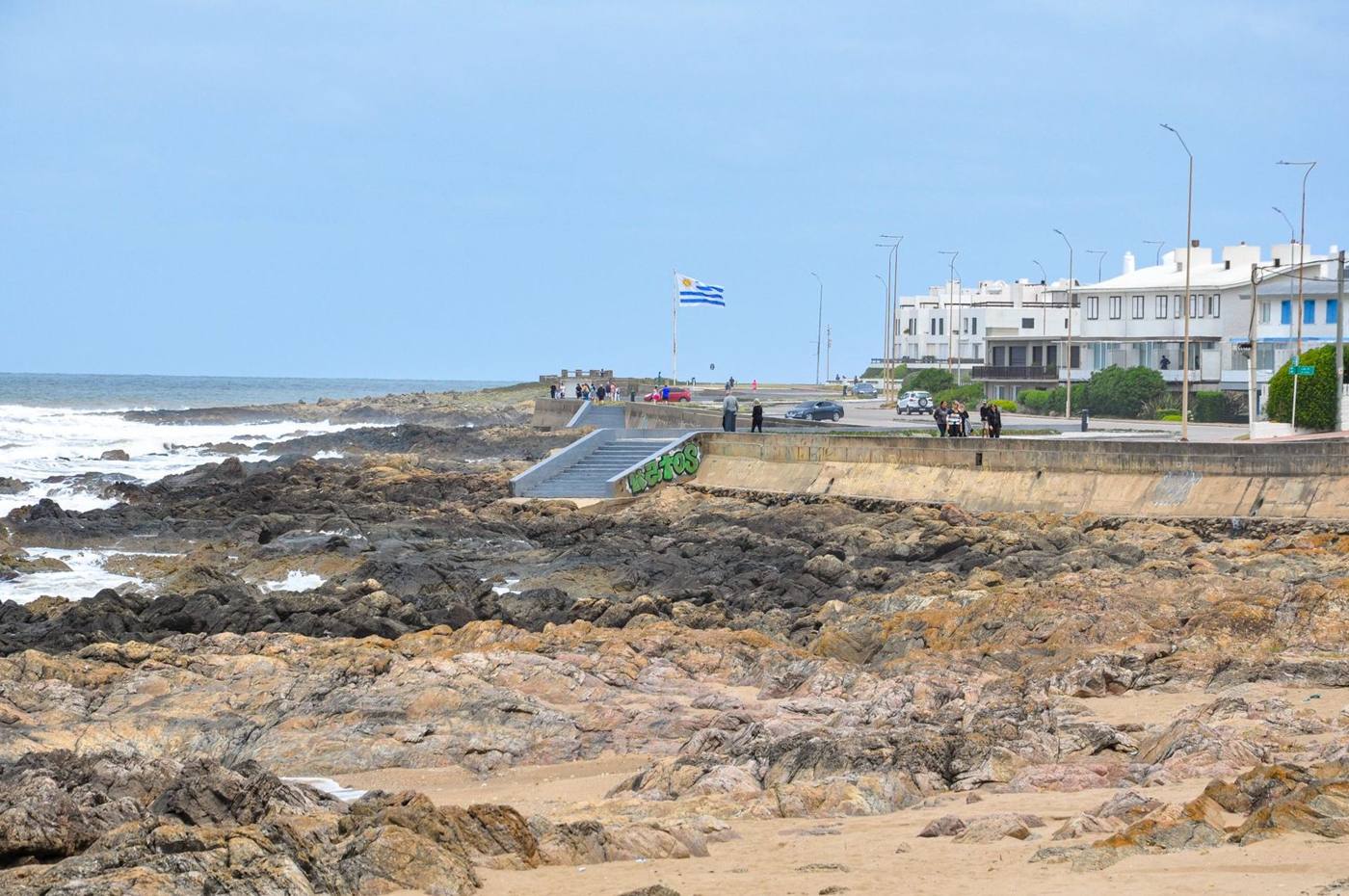 6 daysEasy
Punta del Este and the coast
Punta del Este with the Hand sculpture, José Ignacio, Casapueblo, and the wild Rocha coast with Cabo Polonio, a village without roads among the dunes.
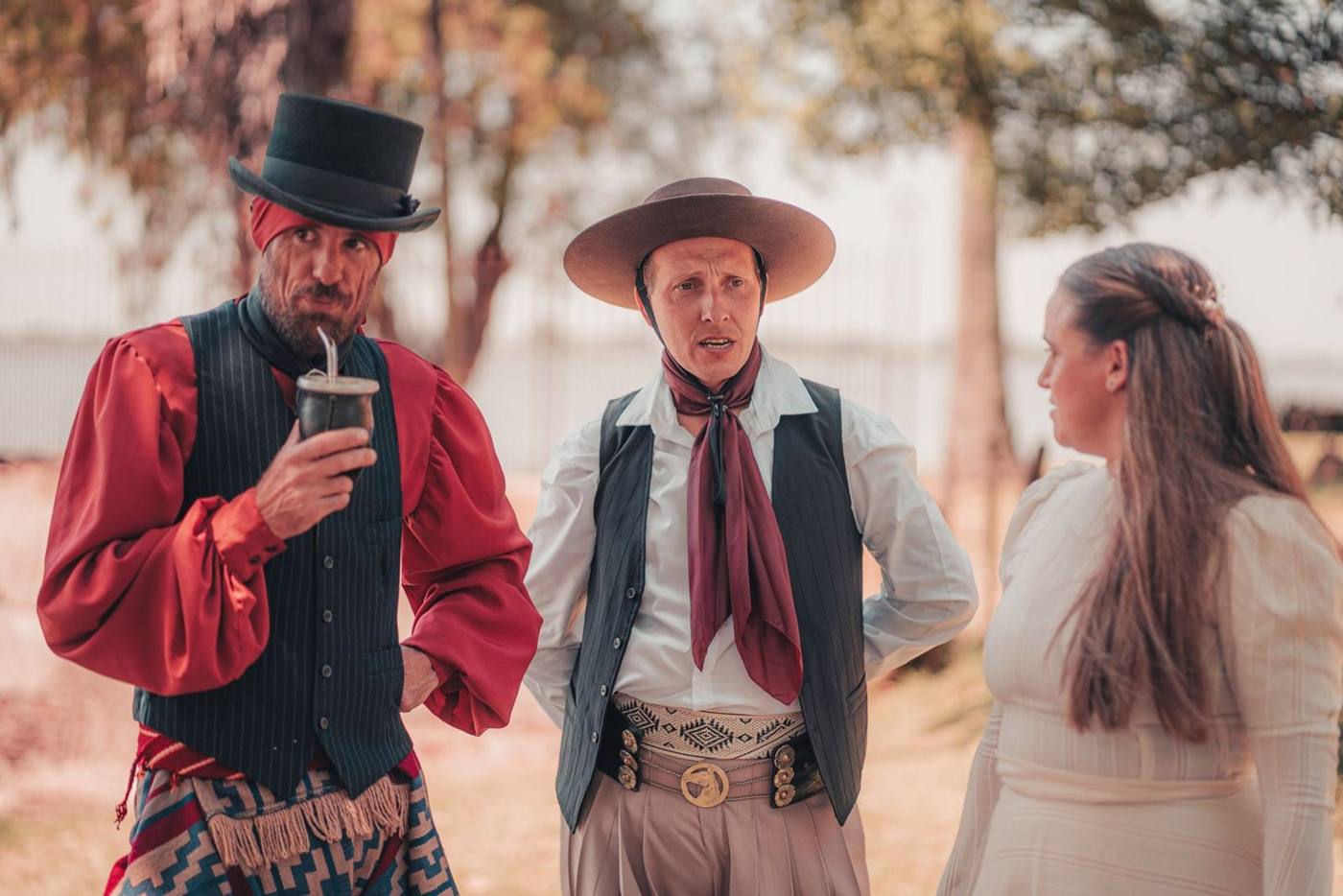 4 daysEasy
Estancias and gauchos
Rural Uruguay: nights on an estancia, riding with gauchos, asado and the hot springs of Salto and Daymán.
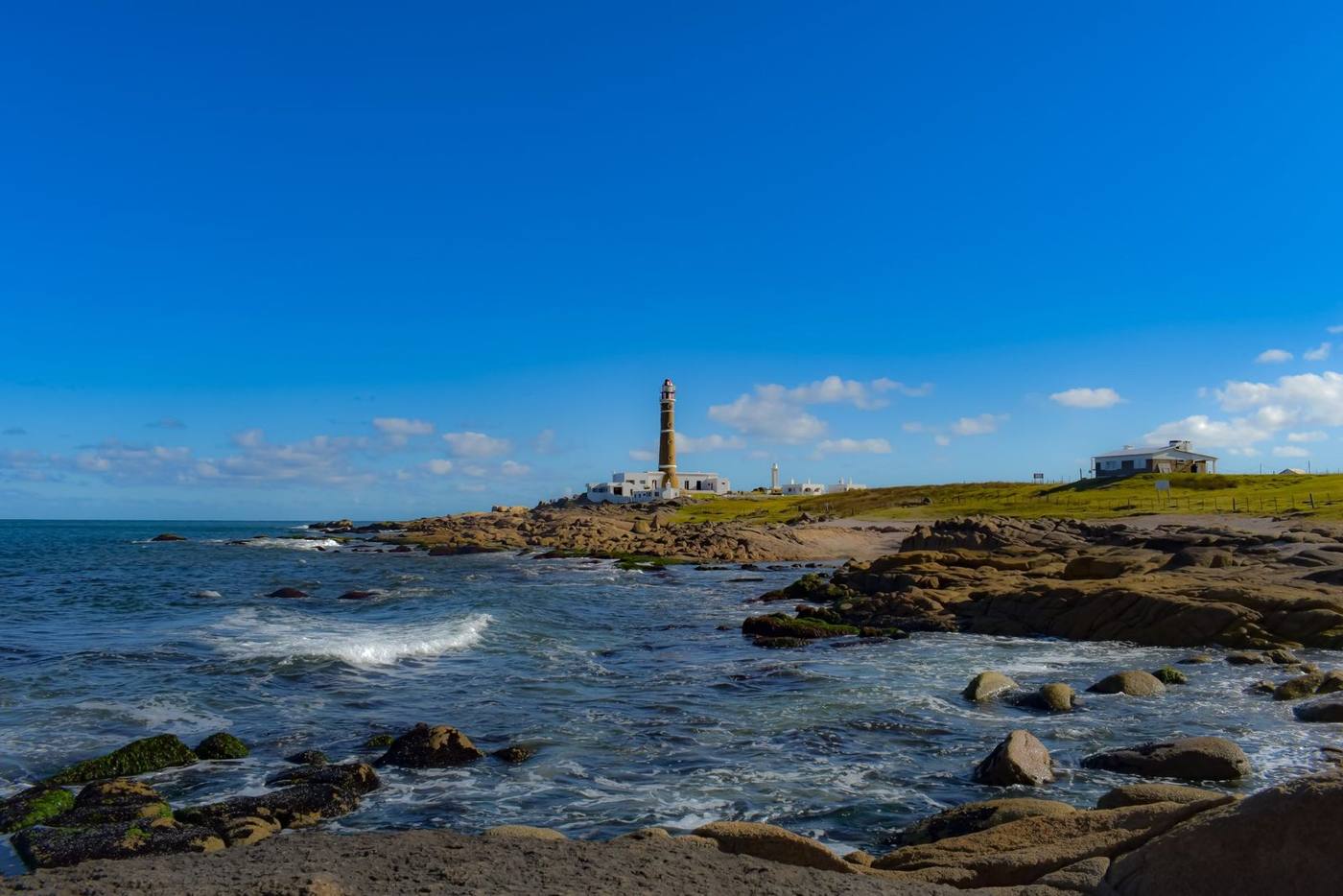 3 daysEasy
Cabo Polonio
A fishing village with no roads or mains power among the Rocha dunes, with its lighthouse, sea lion colony and starry skies.