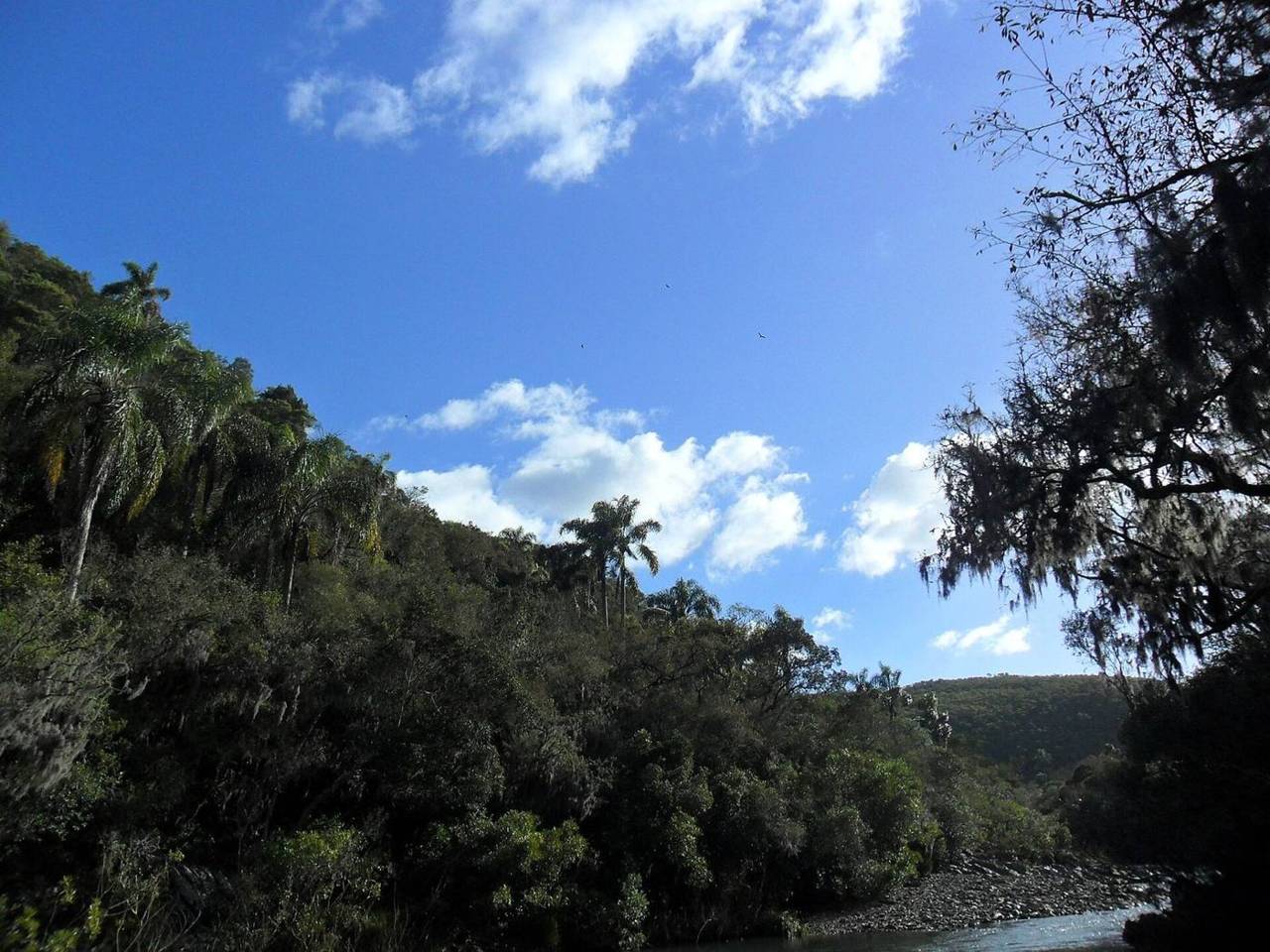
Quebrada de los Cuervos
A wooded canyon in the heart of Uruguay, the country's first protected park, with trails, birds of prey and farm stays in the Treinta y Tres countryside.
- Treinta y Tres
- Quebrada de los Cuervos
Day by day
- Day 1
From Treinta y Tres to the canyon
This trip takes you to the inland Uruguay that few visitors see: the Quebrada de los Cuervos, a wooded canyon in the Sierra del Yerbal, in the department of Treinta y Tres. In 2008 it became the first area to join the country's National System of Protected Areas. You travel by car.
Before you go: Italian citizens enter Uruguay with a passport valid for the whole stay, without a visa for tourism for up to 90 days; an identity card is not enough. Other nationalities should check their own rules. Inland, minor roads can have potholes and animals on the carriageway: drive by day.
From Montevideo, follow Ruta 8 north-east, through pastures and low hills, to the town of Treinta y Tres. From there continue north: the last stretch is on a dirt road.
The name of the place tells you about the landscape. The Yerbal Chico stream cuts through the sierra and forms a narrow gorge, in places more than a hundred metres deep. Dense evergreen woodland grows on its walls, like an island in the middle of the grassland. The "crows" of the name are in fact red-headed vultures, which circle above the canyon.
In the afternoon, register at the visitor centre and walk down the main path to the stream. It is short but steep, with rocks and roots: you need good shoes. At the bottom you find pools of clear water and large boulders. The climb back is tiring, so take your time.
Stay in a guesthouse or on a farm in the area. At night, far from the towns, the sky is full of stars.
Practical tip: bring water, food and cash from Treinta y Tres, because services in the area are minimal and the phone signal is weak.
- Day 2
A walk at dawn and the return
Today you walk in the coolest hours and then head back towards Montevideo.
Get up early. At dawn the woodland is full of calls: listen for the loud cry of the seriema, a large long-legged grassland bird, and look for woodpeckers and small colourful birds in the trees. Later, as the air warms, the vultures rise in circles above the gorge.
Choose a different path from yesterday, along the upper edge of the canyon, where the view opens over the sierra and the stream below you. Always stay on the marked paths: the walls are steep and the rock can be slippery after rain. At the stream pools, cool your feet, leaving nothing behind.
At the end of the morning, drive back to Treinta y Tres. In town, stop for lunch with a chivito, the Uruguayan sandwich with beef, ham, cheese and egg, then take Ruta 8 again towards Montevideo. Allow about four and a half hours and leave in time to arrive in daylight.
In these two days you have seen a Uruguay very different from the beaches: a wooded canyon hidden in the grassland, vultures over the rock walls and the quiet nights of the Treinta y Tres countryside.
When to go: from October to April, with long days and green woodland. In summer it is very hot, so walk early in the morning. In winter it is cool and the paths are often muddy.
Practical tip: at the park entrance, check prices and times and ask about the state of the paths, which can be closed after heavy rain.
The inland Uruguay few people see. Short but steep trails. Minimal services: stay in a posada or farm.
Before you go
- Documents and visa
- Passport valid for the whole stay, with at least one blank page for the entry stamp; no visa is needed for tourism for up to 90 days. ID cards are accepted only for citizens of neighbouring South American countries.
- Health and vaccines
- No vaccinations are compulsory. Dengue is present: use repellent, especially in summer. The sun is very strong, with high UV levels: wear sun cream and a hat. On beaches, follow the lifeguard flags; lifeguards are usually on duty from December to March. You need insurance covering medical costs and repatriation. Emergencies: 911.
- Money and payments
- Uruguayan peso. Cards work almost everywhere, including the coastal towns; carry some cash for small villages and for Cabo Polonio. Use cash machines inside banks or shopping centres, by day.
- Power sockets
- Types C, F and L, sometimes I, 220 to 230 volts: you need an adapter for British plugs.
- Time zone
- UTC-3 all year: Uruguay does not use daylight saving time.
- Safety
- Bag snatching, pickpocketing and muggings, sometimes armed, happen in Montevideo: avoid walking alone downtown and in the port area in the evening, and carry only the cash you need. Leave nothing visible in a car, even at traffic lights. In summer, petty theft rises in the beach towns. Away from the toll motorways, roads can have potholes: drive carefully, preferably by day. Official advice: GOV.UK.
Information checked in November 2026 for Italian and EU citizens. Rules change: always check before you travel.
Variations
In one day from Treinta y Tres: leave at dawn, walk down into the canyon and return in the evening.
In 4 days: continue to the Rocha coast, with Punta del Diablo and Santa Teresa park.
Frequently asked questions
Is the Quebrada path difficult?
It is short but steep, with rocks and roots. You need some fitness and shoes with a good grip.
Why is it called Quebrada de los Cuervos?
"Quebrada" means gorge. The "crows" are in fact the red-headed vultures that fly above the canyon.
What document do I need for Uruguay?
Italian citizens enter with a passport valid for the whole stay, without a visa for tourism for up to 90 days. Other nationalities should check their own rules.
Indicative itinerary written by World Atlas. Before booking, check timetables, seasonal openings, documents and safety.
 3 daysEasy
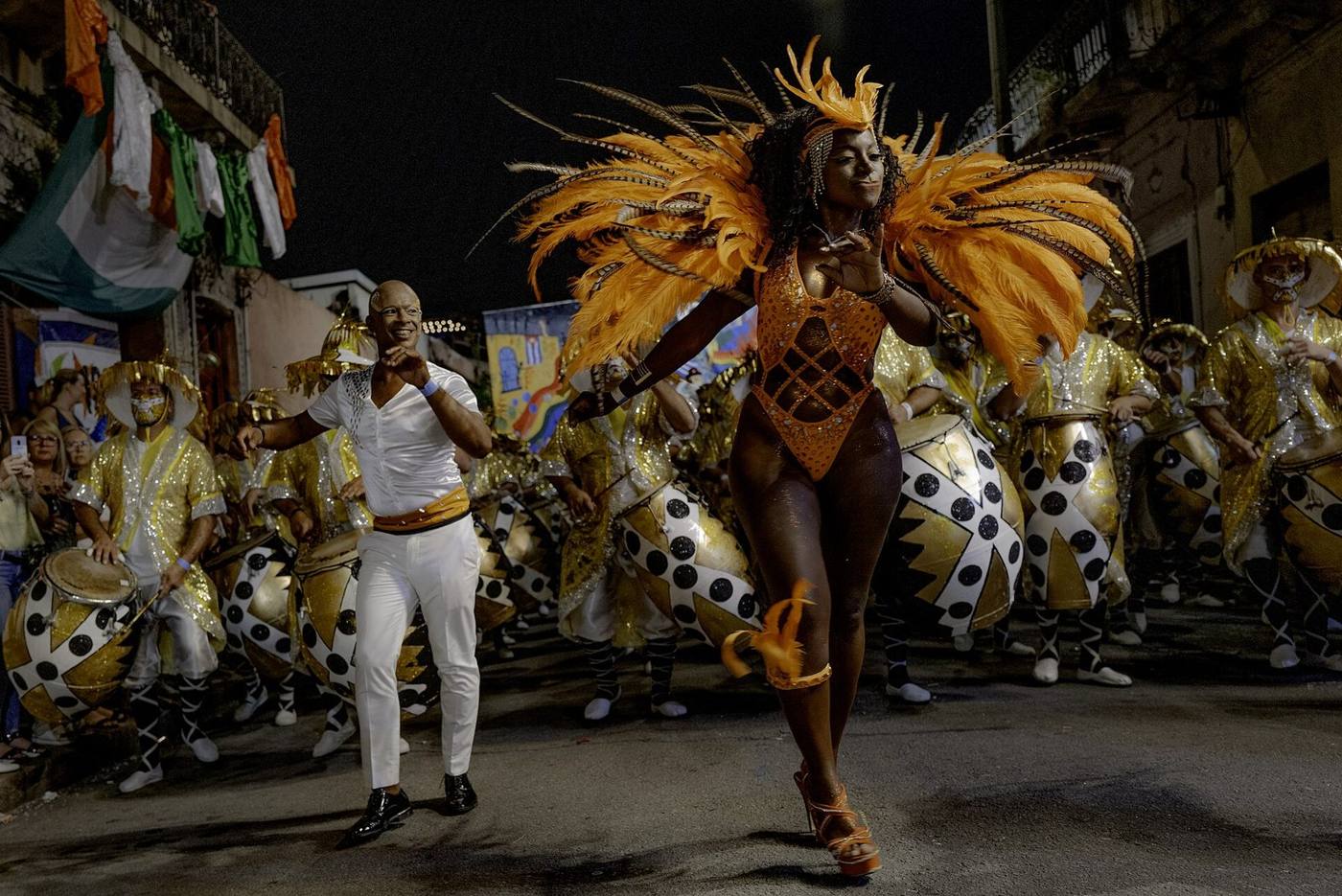
Candombe and Montevideo's carnival
The world's longest carnival: the Llamadas of candombe drums in the Sur and Palermo districts, the murgas in open-air theatres and the carnival museum.
 2 daysEasy
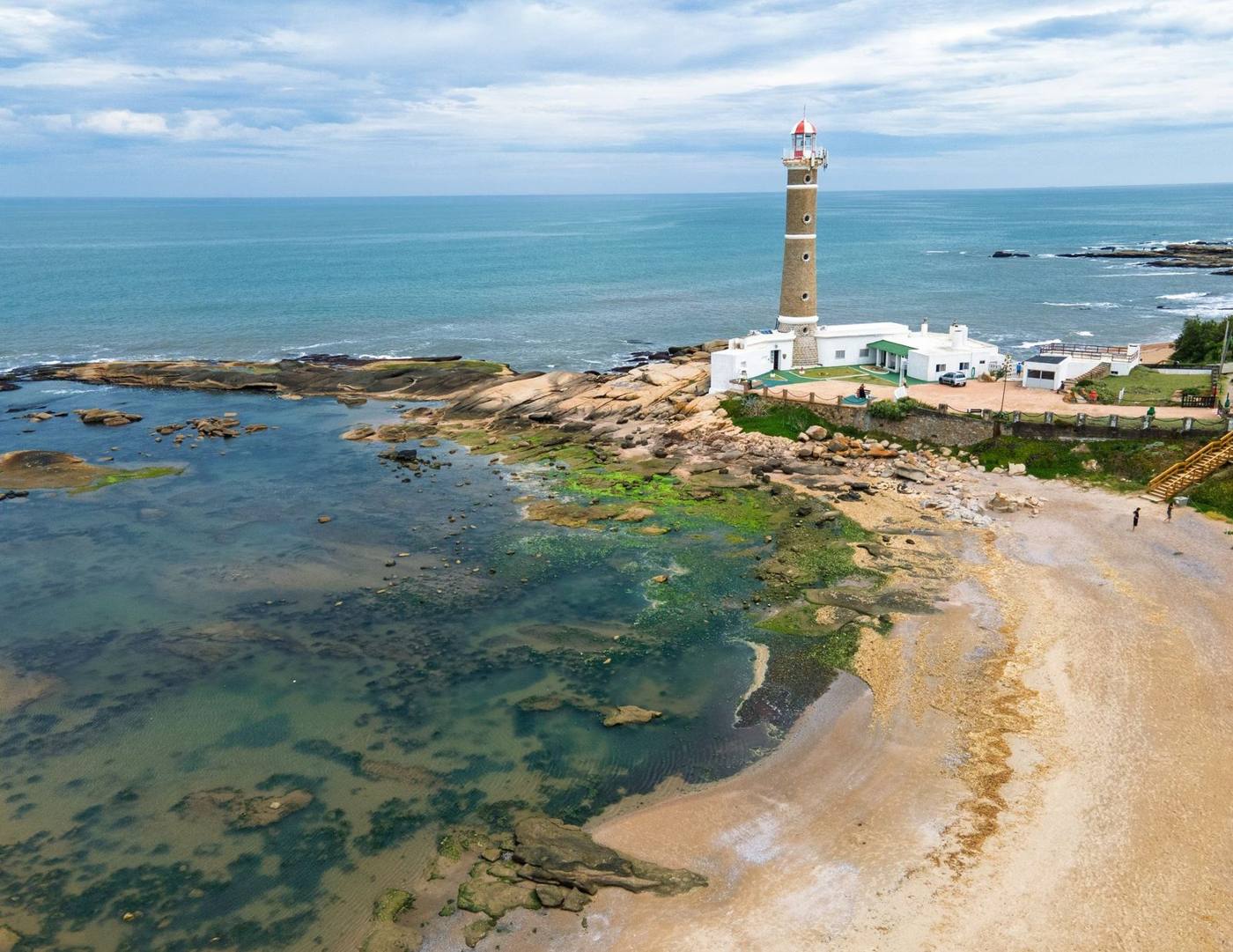
José Ignacio and Garzón
The stylish side of the coast: the lighthouse and beaches of José Ignacio, the village of Pueblo Garzón with Francis Mallmann's cooking and the large hillside wineries.
 5 daysEasy
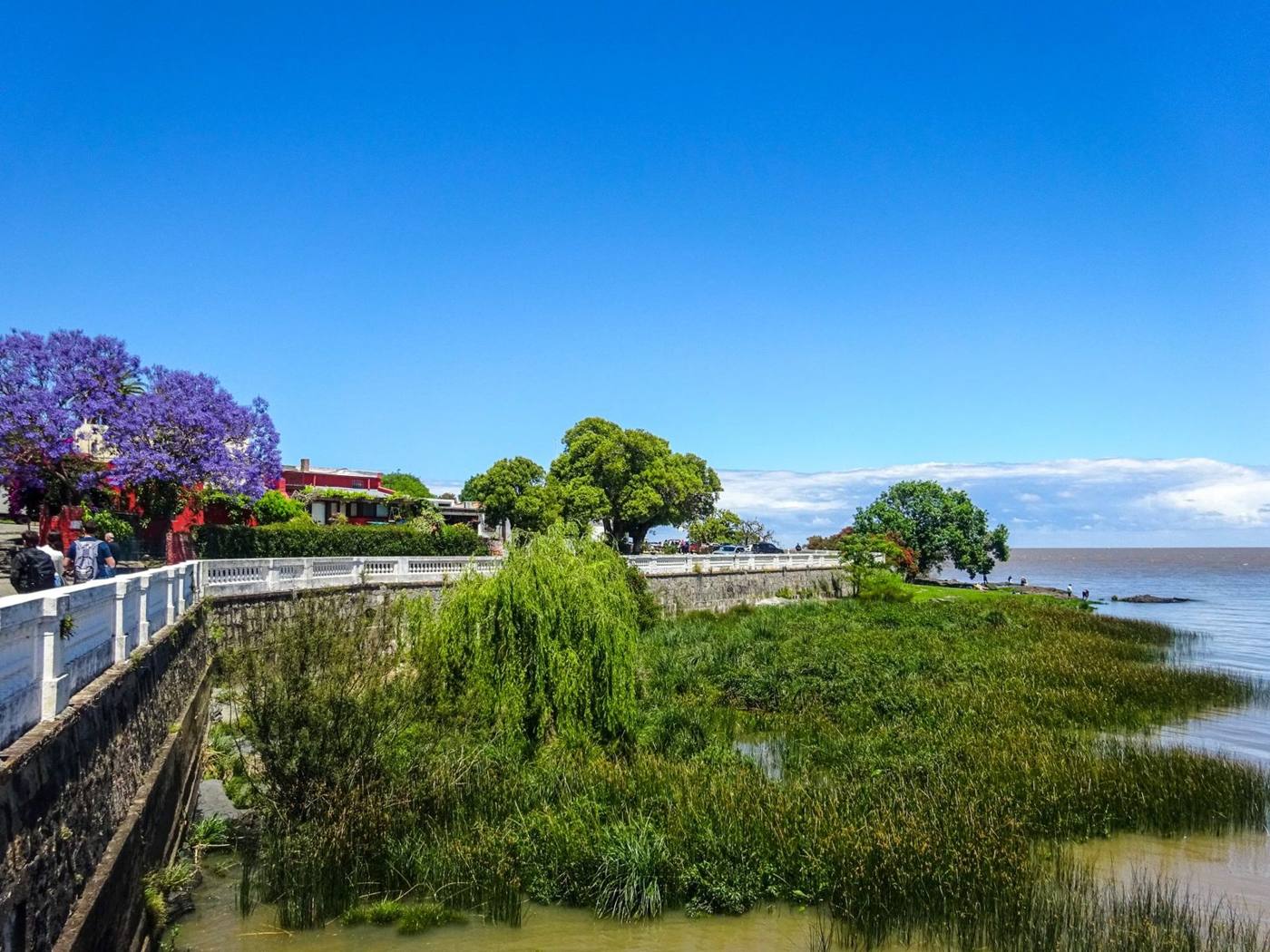
Montevideo and Colonia
Montevideo's Rambla and Ciudad Vieja, the Mercado del Puerto and its asado, the UNESCO colonial town of Colonia del Sacramento and the Tannat wineries of Carmelo.