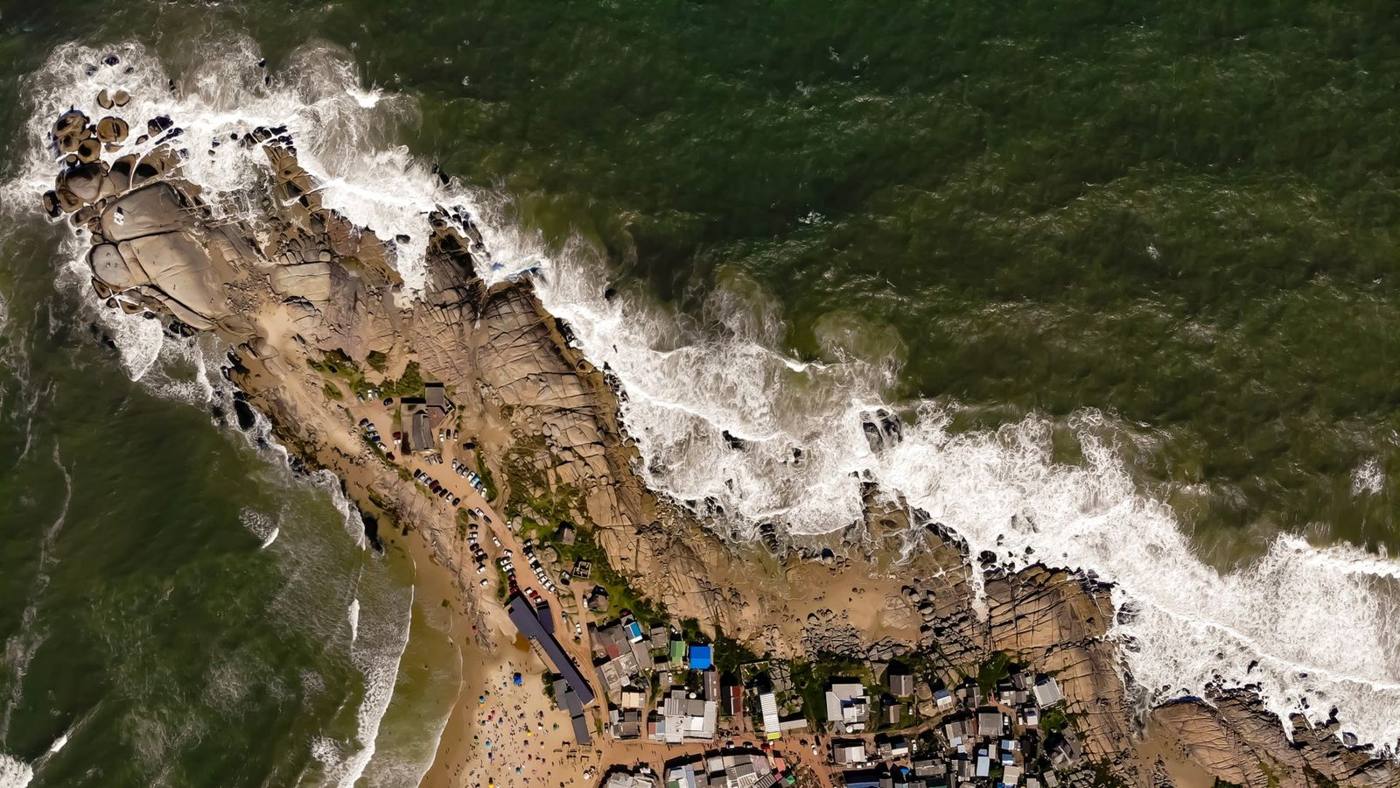
Punta del Diablo and Santa Teresa
The northern Rocha coast: the surf village of Punta del Diablo, the fortress and park of Santa Teresa with its beaches, and the lagoons near Brazil.
- Punta del Diablo
- Santa Teresa
- Laguna Negra
Day by day
- Day 1
Punta del Diablo and the waves
This trip takes you to the north of the Rocha coast, close to the border with Brazil: in three days you see the surf village of Punta del Diablo, the fortress and beaches of Santa Teresa National Park and the great Laguna Negra. You travel by car or by coastal bus.
Before you go: Italian citizens enter Uruguay with a passport valid for the whole stay, without a visa for tourism for up to 90 days; an identity card is not enough. Other nationalities should check their own rules. The sea here has strong currents: swim only where there are lifeguards, usually on duty from December to March.
From Montevideo, follow the coast east, about four and a half hours. Punta del Diablo was a small fishing village and today it is the favourite town of young people and surfers, with sandy streets, wooden cottages and a few beach bars.
Walk to Playa de los Pescadores, where colourful boats are pulled up on the sand. Early in the morning you see the fishermen coming back and selling the catch of the day. Then climb onto the rocks of the point: from there you see the waves rolling in from the Atlantic.
In the afternoon, try surfing. The beaches with the most regular waves are north of the village, and in the village you find schools and board hire. The water is cool even in summer: with a wetsuit you stay in longer.
In the evening, eat fish empanadas, or fried fish with salad, watching the light change over the sea.
Practical tip: in January the village is full and prices rise a lot, so book early or choose February and March, which are quieter.
- Day 2
The fortress and beaches of Santa Teresa
Today you explore Santa Teresa National Park, a few kilometres north of Punta del Diablo.
In the morning, visit the Fortaleza de Santa Teresa, a large stone fortress with tall bastions, built in the eighteenth century on the strip of land between the lagoon and the sea. It was begun by the Portuguese and then completed by the Spanish, at a time when the two crowns were fighting over this frontier. Walk on the thick walls, look at the cannons and the soldiers' rooms, and from the top look out over the marshes and dunes around. Check prices and times.
Then enter the park. It is covered in woods of pine, eucalyptus and palm, with internal roads, picnic areas, a plant garden and greenhouses. The park is run by the army and has a large campsite among the trees, much loved by Uruguayan families.
In the afternoon, choose one of the park's beaches. Some are wide and open, with strong waves, others are more sheltered among the rocks. Near Cerro Verde, a hill by the sea, there is a marine protected area where sea turtles are sometimes seen.
At sunset, walk on the rocks, when the wind drops and the light turns golden over the dunes.
Practical tip: bring food and water for the day, because services in the park are few and far apart, especially out of season.
- Day 3
The Laguna Negra and the return
Today you see the Laguna Negra and then head back towards Montevideo.
In the morning, go to the Laguna Negra, a large freshwater lagoon not far from the park. Its name comes from the dark colour of the water. Around it stretch the wetlands of eastern Uruguay, protected as a UNESCO biosphere reserve, with reed beds, flooded meadows and palm groves.
Walk quietly along the shore and watch the birds: herons, black-necked swans, roseate spoonbills and many marsh birds. In the area there are also the cerritos de indios, small earth mounds built thousands of years ago by the peoples who lived here. Stay on the paths and do not climb the mounds, which are archaeological sites.
For lunch, go back to Punta del Diablo for a last plate of fish, then drive south along the coast, about four and a half hours to Montevideo.
In these three days you have seen a different sea from that of Punta del Este: a village of fishermen and surfers, a colonial fortress among the dunes, a large park of woods and beaches and the lagoon of the birds.
When to go: from December to March, when it is warm and everything is open. The Atlantic stays cool even in summer. Out of season the village is almost empty and many services close, but the beaches and the lagoon are beautiful and silent.
Practical tip: use repellent near the lagoon, especially in the evening, because the wetlands are full of mosquitoes.
Sea and nature without Punta del Este's glitz. In the park you can camp among the trees. The Atlantic is cool even in summer.
Before you go
- Documents and visa
- Passport valid for the whole stay, with at least one blank page for the entry stamp; no visa is needed for tourism for up to 90 days. ID cards are accepted only for citizens of neighbouring South American countries.
- Health and vaccines
- No vaccinations are compulsory. Dengue is present: use repellent, especially in summer. The sun is very strong, with high UV levels: wear sun cream and a hat. On beaches, follow the lifeguard flags; lifeguards are usually on duty from December to March. You need insurance covering medical costs and repatriation. Emergencies: 911.
- Money and payments
- Uruguayan peso. Cards work almost everywhere, including the coastal towns; carry some cash for small villages and for Cabo Polonio. Use cash machines inside banks or shopping centres, by day.
- Power sockets
- Types C, F and L, sometimes I, 220 to 230 volts: you need an adapter for British plugs.
- Time zone
- UTC-3 all year: Uruguay does not use daylight saving time.
- Safety
- Bag snatching, pickpocketing and muggings, sometimes armed, happen in Montevideo: avoid walking alone downtown and in the port area in the evening, and carry only the cash you need. Leave nothing visible in a car, even at traffic lights. In summer, petty theft rises in the beach towns. Away from the toll motorways, roads can have potholes: drive carefully, preferably by day. Official advice: GOV.UK.
Information checked in November 2026 for Italian and EU citizens. Rules change: always check before you travel.
Variations
In two days: one day in Punta del Diablo and one at the park and fortress of Santa Teresa.
In 5 days: add Cabo Polonio, the village without roads among the dunes, further south on the Rocha coast.
Frequently asked questions
Is Punta del Diablo good for people who do not surf?
Yes. There are beaches for walking, rocks, fresh fish and Santa Teresa park a few kilometres away.
Can I camp in Santa Teresa park?
Yes, the park has a large campsite among the trees, very busy in summer. Check prices and times and book in high season.
What document do I need for Uruguay?
Italian citizens enter with a passport valid for the whole stay, without a visa for tourism for up to 90 days. Other nationalities should check their own rules.
Indicative itinerary written by World Atlas. Before booking, check timetables, seasonal openings, documents and safety.
 3 daysEasy
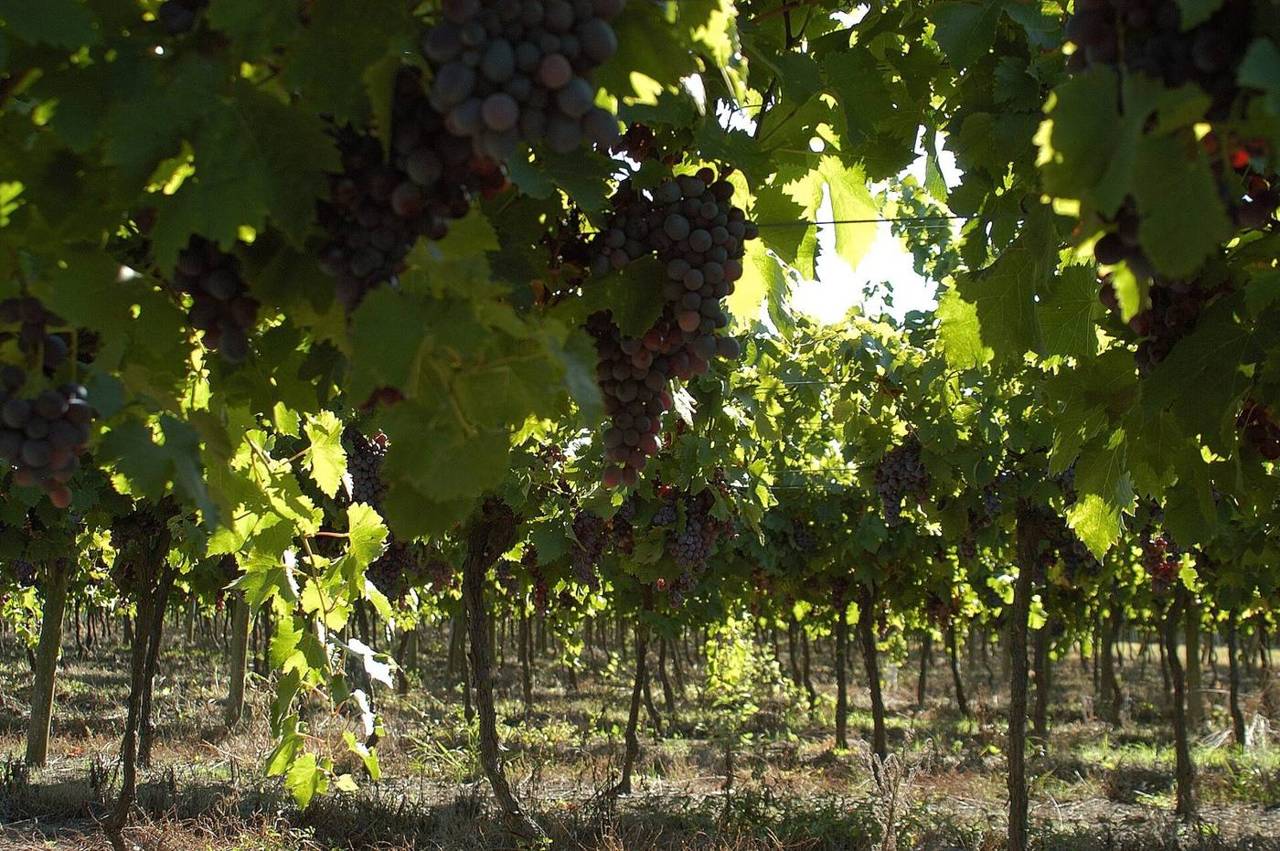
Tannat from Canelones and Carmelo
The family wineries of Uruguay's signature grape, around Montevideo and on the Río de la Plata at Carmelo, with asado and lunches among the vines.
 3 daysEasy
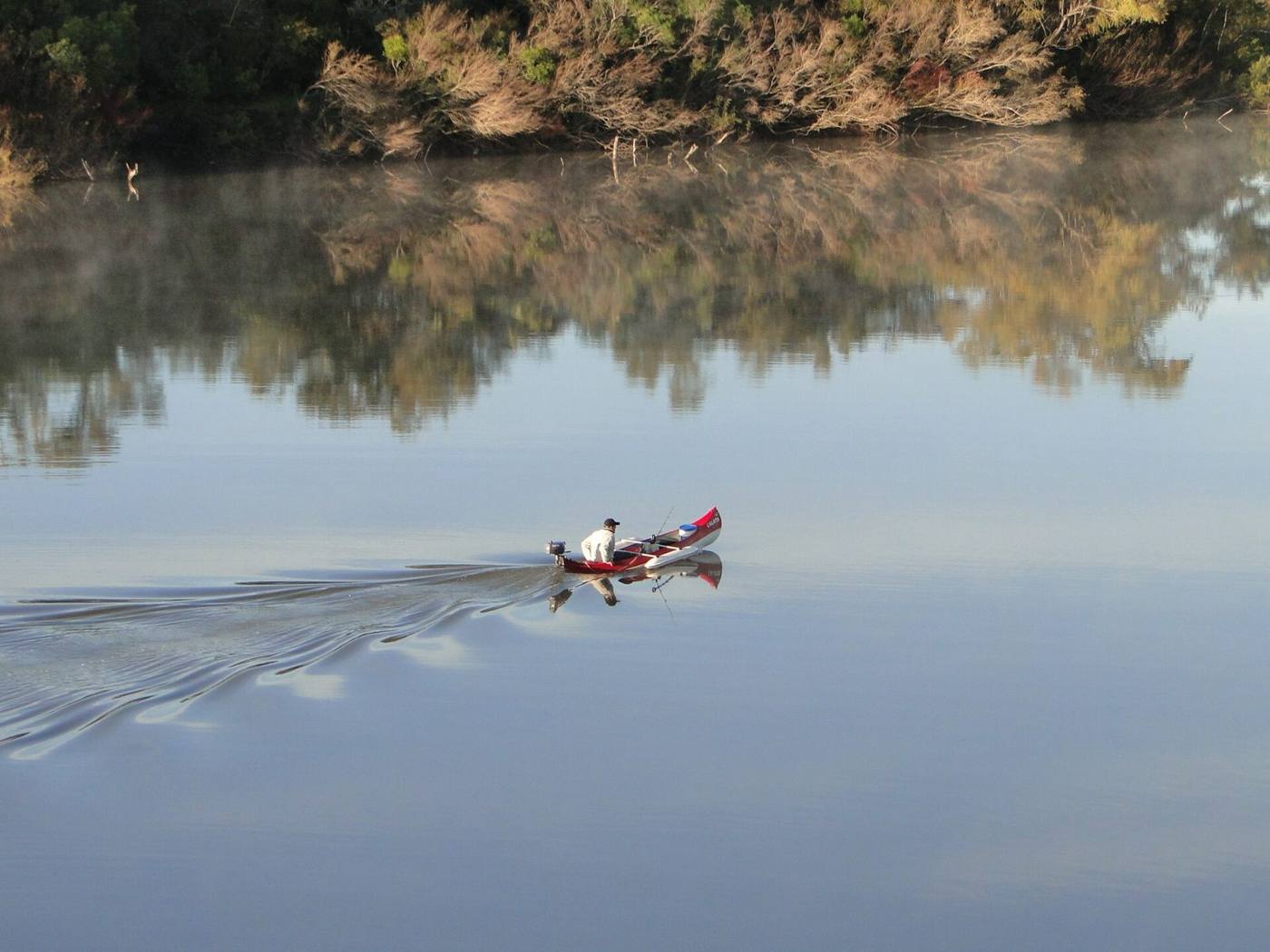
The hot springs of Salto
The thermal waters along the Uruguay river, at Daymán and Arapey, with outdoor hot pools, the Salto Grande dam and heron colonies on the river.
 2 daysModerate
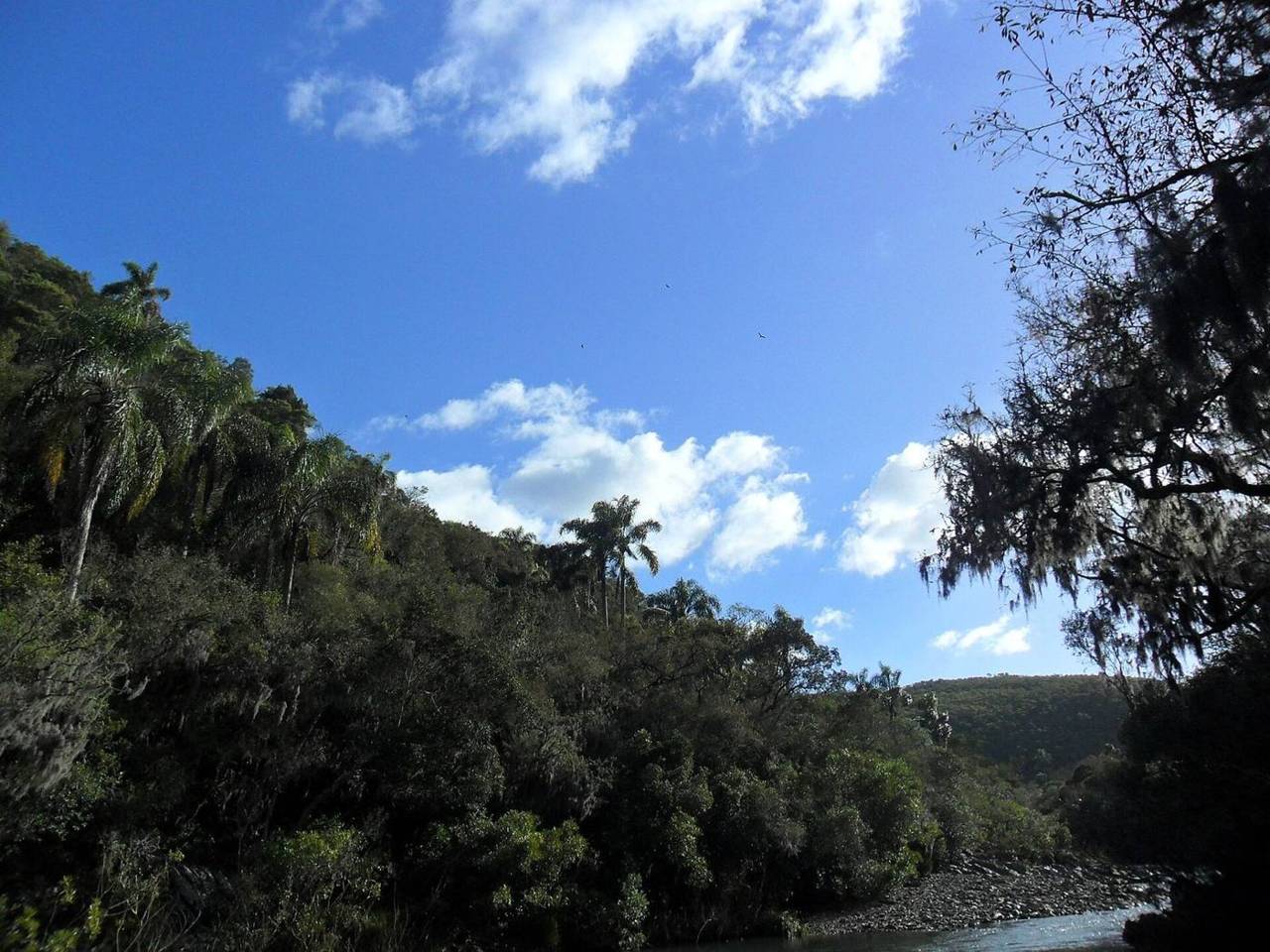
Quebrada de los Cuervos
A wooded canyon in the heart of Uruguay, the country's first protected park, with trails, birds of prey and farm stays in the Treinta y Tres countryside.