Estancias and gauchos
Rural Uruguay: nights on an estancia, riding with gauchos, asado and the hot springs of Salto and Daymán.
- Montevideo
- Tacuarembó
- Estancia
- Salto
- Daymán
Day by day
- Day 1
From Montevideo to the estancia
This trip takes you into rural Uruguay, far from the coast: in four days you stay on an estancia, a large livestock farm in the Tacuarembó countryside, ride with the gauchos, eat asado and finish in the warm waters of Daymán, near Salto. You travel by car.
Before you go: Italian citizens enter Uruguay with a passport valid for the whole stay, without a visa for tourism for up to 90 days; an identity card is not enough. Other nationalities should check their own rules. Distances are long: drive by day and fill up when you can, because inland the petrol stations are far apart.
Early in the morning, leave Montevideo heading north on Ruta 5. In about five hours you cross the centre of the country: low hills, endless grasslands, herds of cattle, flocks of sheep and small towns with a square and a church.
Tacuarembó is called the land of the gauchos. Every year, usually in March, it hosts the Fiesta de la Patria Gaucha, with riders in costume, horse-breaking contests and country music. Stop in town for a walk in the main square.
In the afternoon, reach your estancia. Estancias vary a lot: some are real working farms that host a few visitors, others are elegant country houses. Choose according to what you are looking for.
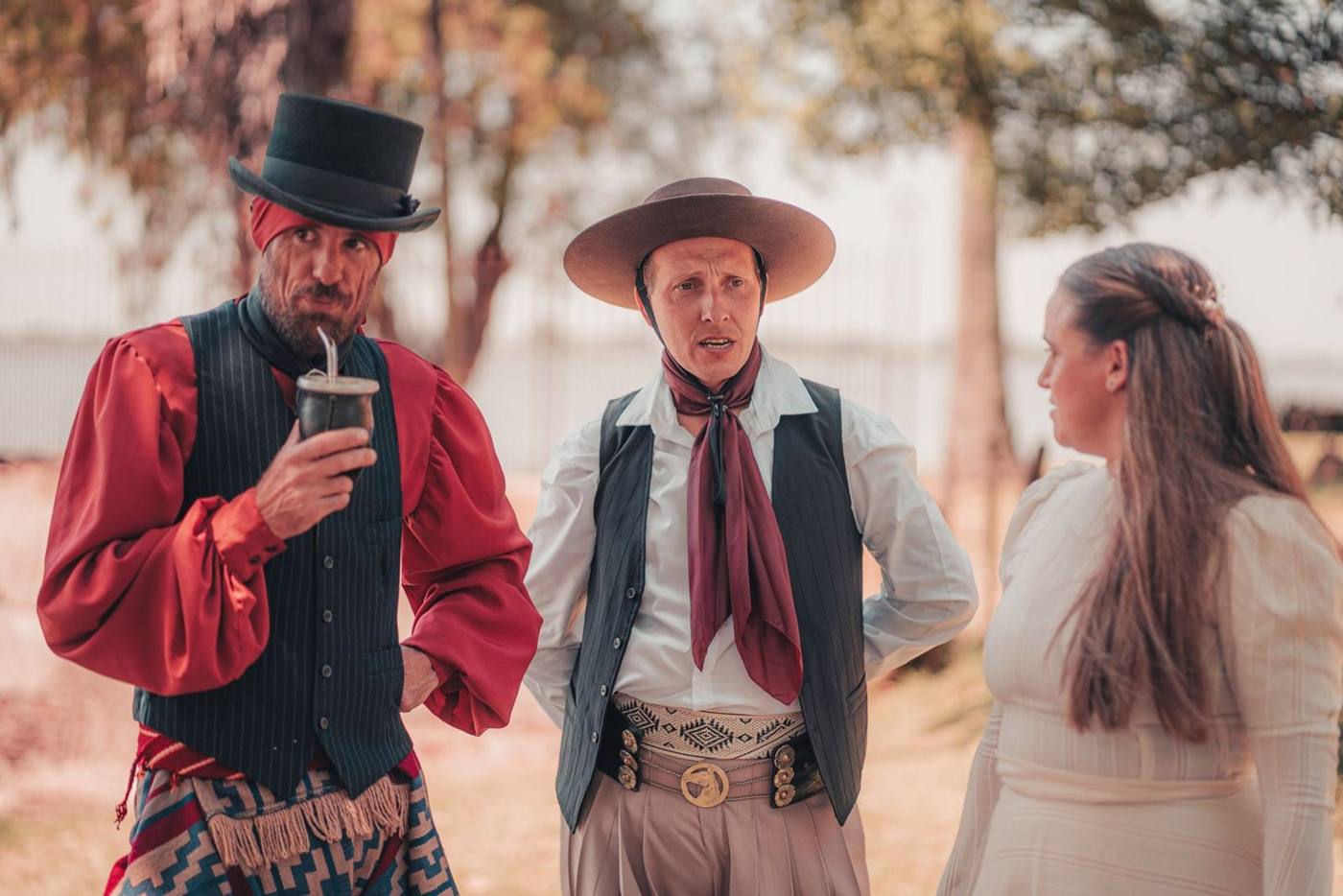
At sunset, sit on the veranda with a mate, the hot herbal drink Uruguayans always carry with them, and watch the huge sky over the grassland.
Practical tip: bring long trousers and closed shoes for riding, and a jacket for the evening, when it gets cool in the countryside.
- Day 2
A day as a gaucho
Today you live a day of work and life on the estancia.
In the morning, after a breakfast of home-made bread and dulce de leche, the sweet spread of milk and sugar, ride out with the gauchos. They teach you to mount and to steer the horse with one hand, as they do. Then you follow them as they move the herds from one pasture to another. If you have never ridden, say so at once: they will give you a calm horse.
Look at how they dress: bombachas, wide trousers, the beret, the poncho and the knife at the belt. Many of them have worked the same land for generations.
At midday it is time for the asado. Over a wood fire, on a grill as big as a table, beef ribs, sausages, morcilla and sometimes lamb cook slowly. You eat it with salad and bread, outdoors, calmly, for hours.
In the afternoon, watch the work with the sheep or the calves, depending on the season. If there is shearing on the farm, it is a display of speed and skill.
Towards evening, take a walk in the fields, when the grassland birds return to the trees and the sky turns red. At night, far from everything, you see a great many stars.
Practical tip: wear sun cream and a hat even in spring, because there is no shade in the countryside and the Uruguayan sun is very strong.
- Day 3
Salto and the Daymán hot springs
Today you leave the countryside and head west to Salto, on the Uruguay River.
In the morning, say goodbye to the estancia family and set off. The road crosses more grasslands and hills, with almost no traffic: drive calmly and watch for animals on the carriageway. In about three hours you reach Salto, one of the largest towns of the interior, on the border with Argentina.
Along the way, stop in a village for a coffee and to stretch your legs: in the small squares of the interior time seems to move more slowly, and people gladly greet those who come from far away.
For lunch, eat a milanesa, the breaded cutlet, or a chivito, the big Uruguayan sandwich, in town.
In the afternoon, stroll along the costanera, the riverside promenade. The Uruguay River is very wide and on the far bank you see the Argentine city of Concordia.
Towards evening, go to the Daymán hot springs, about ten kilometres from the centre. Hot water rises from underground and fills open-air pools at different temperatures, among lawns and trees. After two days in the saddle, it is the best way to relax your muscles. Start in a lukewarm pool and then move to the hotter ones, and do not stay in too long. Check prices and times.
In the evening, have dinner in Daymán or Salto and sleep near the springs.
Practical tip: bring flip-flops and a towel for the springs, and drink plenty of water during the hot bath.
- Day 4
The return to Montevideo
Today you return to Montevideo, with a last morning by the river.
Early in the morning, take a last bath in Daymán, when the pools are quiet and the air is cool. Then, if you have time, drive a few kilometres north to the Salto Grande dam, the large hydroelectric plant built jointly by Uruguay and Argentina, and look at the reservoir from the viewpoint.
Then set off south. The journey to Montevideo takes about six hours, on Ruta 3, across the plains of Paysandú, Río Negro and San José. Stop halfway for lunch and a rest: the roads are straight and tiredness comes quickly.
In these four days you have seen an authentic, unhurried Uruguay: the endless grasslands of Tacuarembó, the life and work of the gauchos, asado over a wood fire, the starry nights of the countryside and the warm waters by the Uruguay River.
When to go: from October to April, with long days, green fields and good temperatures for riding. January and February are very hot. In winter, from June to August, the nights are cold but the hot springs are even more pleasant.
Practical tip: before booking the estancia, ask exactly which activities are included, such as rides and meals, because what is on offer varies a lot from place to place.
Authentic, slow Uruguay, far from the coast. Estancias vary a lot: some are real farms, others luxury hotels. Distances are long but roads are good.
Before you go
- Documents and visa
- Passport valid for the whole stay, with at least one blank page for the entry stamp; no visa is needed for tourism for up to 90 days. ID cards are accepted only for citizens of neighbouring South American countries.
- Health and vaccines
- No vaccinations are compulsory. Dengue is present: use repellent, especially in summer. The sun is very strong, with high UV levels: wear sun cream and a hat. On beaches, follow the lifeguard flags; lifeguards are usually on duty from December to March. You need insurance covering medical costs and repatriation. Emergencies: 911.
- Money and payments
- Uruguayan peso. Cards work almost everywhere, including the coastal towns; carry some cash for small villages and for Cabo Polonio. Use cash machines inside banks or shopping centres, by day.
- Power sockets
- Types C, F and L, sometimes I, 220 to 230 volts: you need an adapter for British plugs.
- Time zone
- UTC-3 all year: Uruguay does not use daylight saving time.
- Safety
- Bag snatching, pickpocketing and muggings, sometimes armed, happen in Montevideo: avoid walking alone downtown and in the port area in the evening, and carry only the cash you need. Leave nothing visible in a car, even at traffic lights. In summer, petty theft rises in the beach towns. Away from the toll motorways, roads can have potholes: drive carefully, preferably by day. Official advice: GOV.UK.
Information checked in November 2026 for Italian and EU citizens. Rules change: always check before you travel.
Variations
In 3 days: two nights on an estancia and a direct return to Montevideo, without Salto.
In 6 days: add two days in Salto, with the Arapey hot springs and the Salto Grande dam.
Frequently asked questions
Do I need to know how to ride?
No. On the estancias the gauchos teach the basics and give calm horses to those without experience.
What is an estancia?
A large farm raising cattle and sheep. Some host visitors in the working life of the farm, others are more elegant country houses.
What document do I need for Uruguay?
Italian citizens enter with a passport valid for the whole stay, without a visa for tourism for up to 90 days. Other nationalities should check their own rules.
Indicative itinerary written by World Atlas. Before booking, check timetables, seasonal openings, documents and safety.
 3 daysEasy
Cabo Polonio
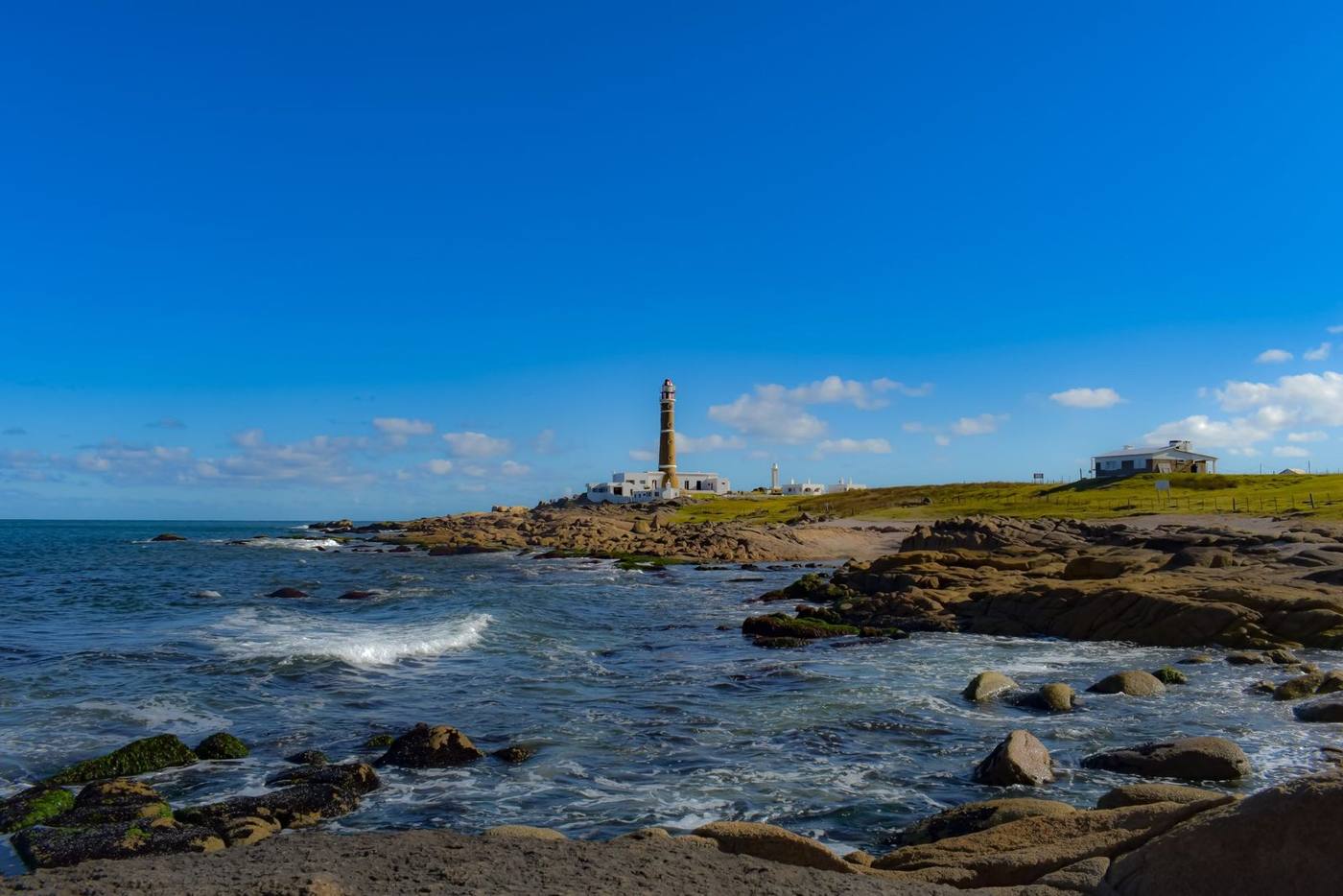
A fishing village with no roads or mains power among the Rocha dunes, with its lighthouse, sea lion colony and starry skies.
 3 daysEasy
Punta del Diablo and Santa Teresa
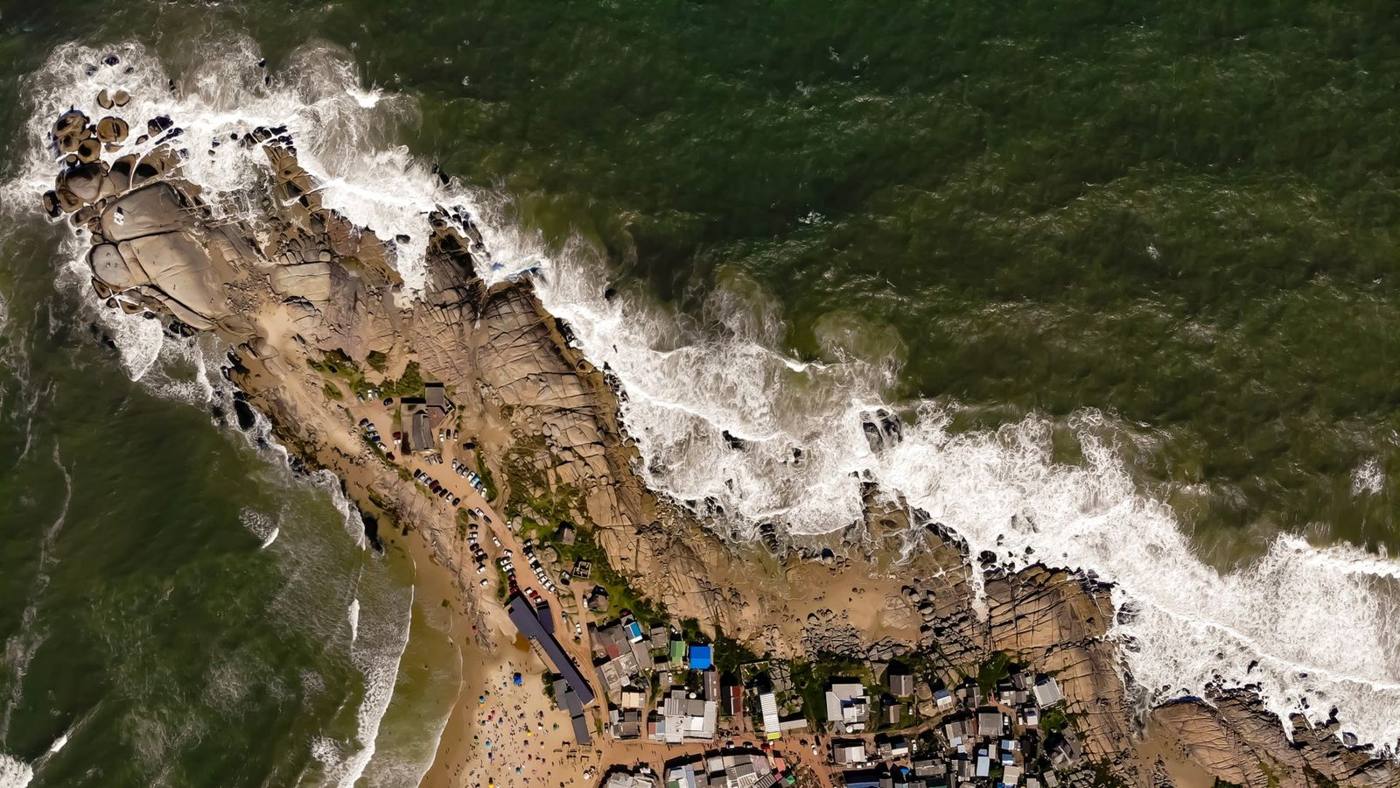
The northern Rocha coast: the surf village of Punta del Diablo, the fortress and park of Santa Teresa with its beaches, and the lagoons near Brazil.
 3 daysEasy
Tannat from Canelones and Carmelo
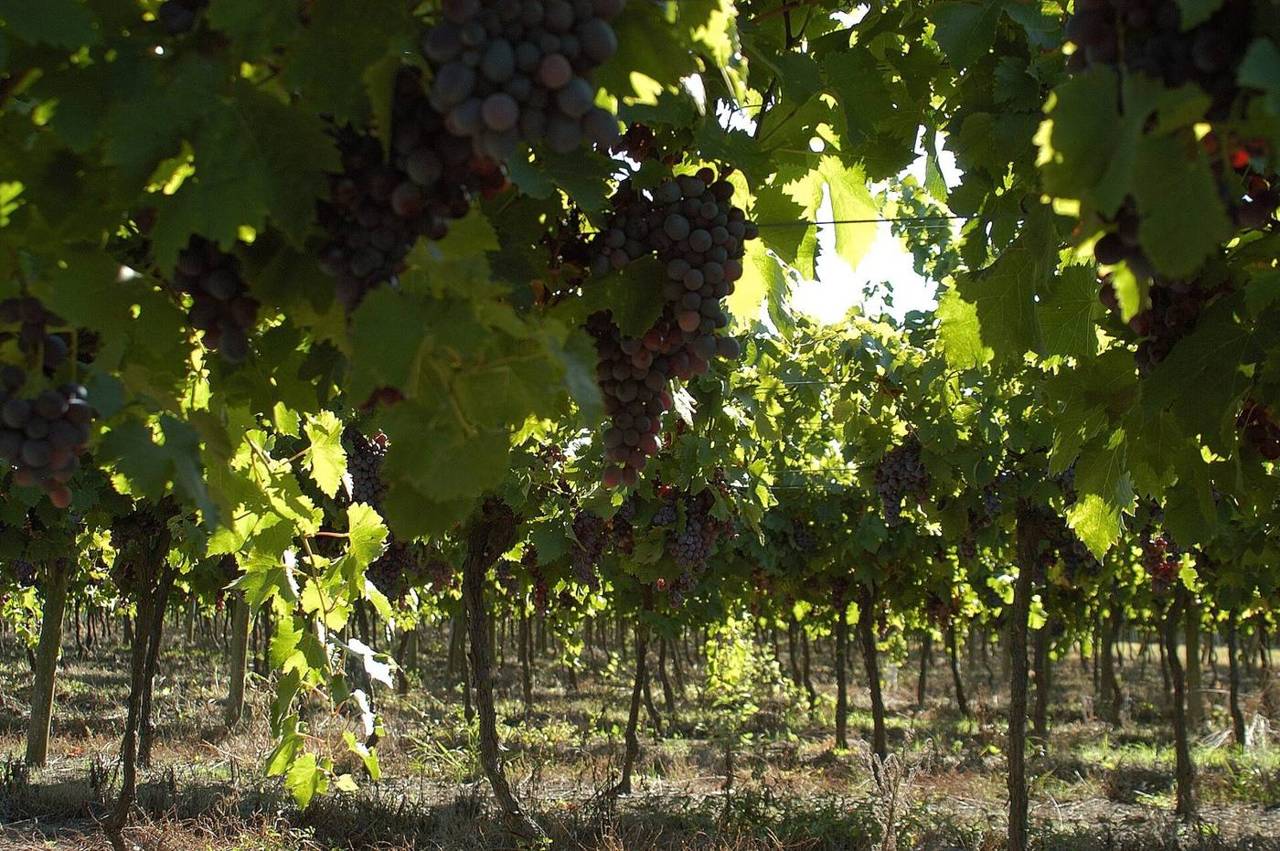
The family wineries of Uruguay's signature grape, around Montevideo and on the Río de la Plata at Carmelo, with asado and lunches among the vines.