The musical South: New Orleans, Memphis and Nashville
Jazz in New Orleans, Mississippi Delta blues, Graceland and Sun Studio in Memphis, country music in Nashville.
- New Orleans
- Clarksdale
- Memphis
- Nashville
Day by day
- Day 1
Arrival in New Orleans
This trip follows American music along the Mississippi River: the jazz of New Orleans, the delta blues in Clarksdale, the rock and roll and soul of Memphis, the country of Nashville. It is ten days between cities, live music venues and places in the history of civil rights, with a rental car from the fifth day.
Before you leave: to enter the United States without a visa you need a passport and an ESTA authorisation, which costs 40.62 dollars since 16 October 2026. Other nationalities should check their own rules.
You arrive at New Orleans airport, almost always with a stop. By taxi you reach the centre in about half an hour.
New Orleans is unlike any other American city: founded by the French, then Spanish, then American, with a strong African American and Creole culture. Jazz was born here in the early twentieth century.
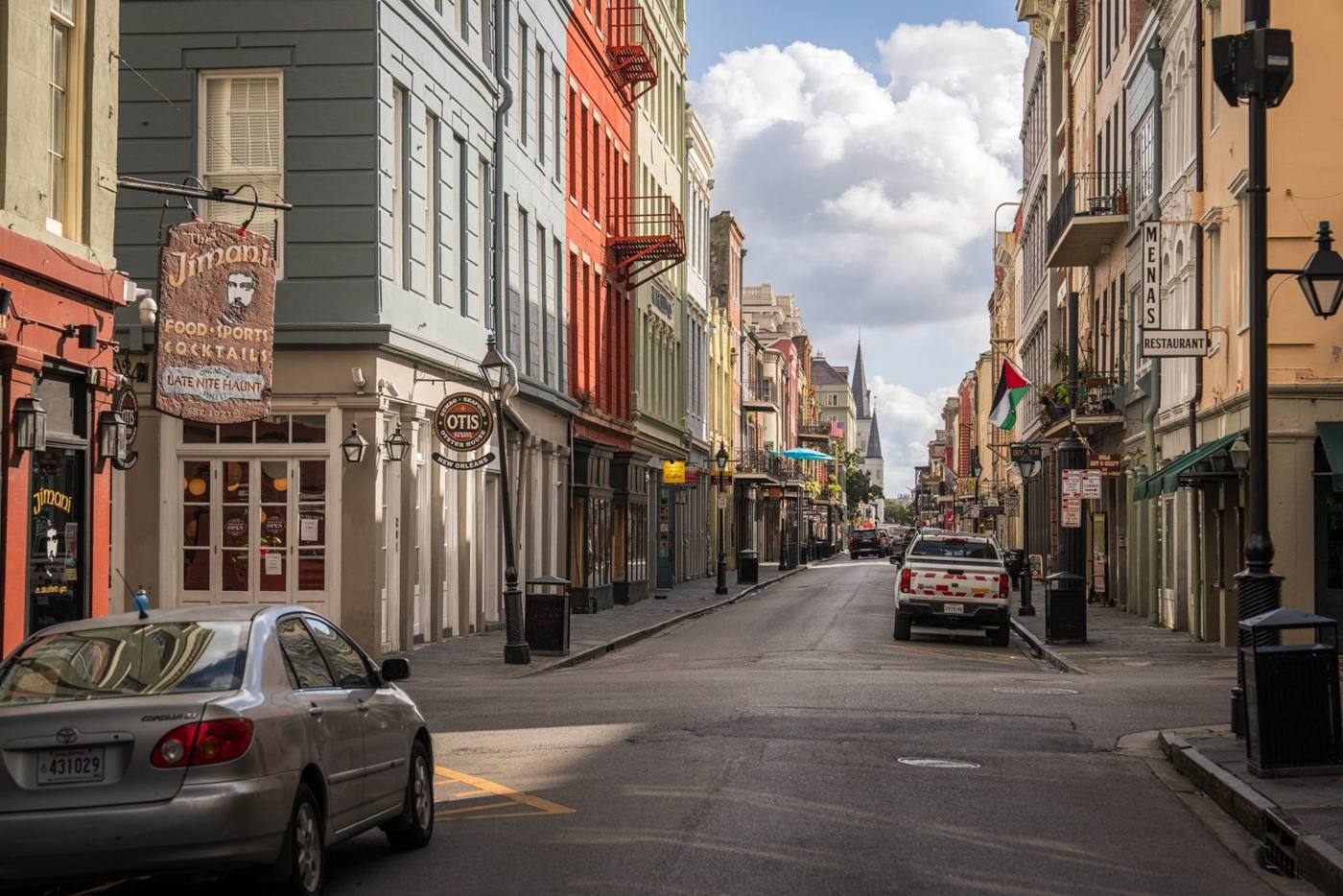
In the evening take your first walk in the French Quarter, the historic centre, with its low houses and wrought iron balconies full of plants. Bourbon Street is the most famous and noisiest street, with bars open until late: it is worth seeing once, but the best music is elsewhere.
Dinner with gumbo, the thick stew with shrimp, sausage and rice, or with jambalaya, rice with meat and seafood.
Sleep in the French Quarter or in the Marigny neighbourhood.
Practical tip: in summer New Orleans is very hot and humid, and from June to November is hurricane season. The best time is February to April and autumn.
- Day 2
The French Quarter and the jazz of Frenchmen Street
Today you discover the French Quarter by day and in the evening listen to live jazz.
In the morning start at Jackson Square, the square with St. Louis Cathedral, the oldest still in use in the United States. Around the square are painters, street musicians and fortune tellers. Have coffee with beignets, square fritters covered in icing sugar, a city tradition.
Then walk along the Mississippi on the Moonwalk promenade and visit the French Market, the old covered market. Step into the courtyard of an old Creole house, with fountains and plants.
In the afternoon visit a city history museum or the New Orleans Jazz Museum, in the old mint, with the instruments of the city's great musicians. Check times and tickets.
In the evening go to Frenchmen Street, in the Marigny neighbourhood, just outside the French Quarter. Here there are many small venues with live jazz every night, often with no entry ticket but with a drink required. You move from one venue to another hearing different music: traditional jazz, brass bands, blues, funk. Always leave something in the musicians' hat.
Sleep in New Orleans.
Practical tip: in the evening walk only on busy streets. To return late, use a taxi or an app.
- Day 3
The Garden District and the cemeteries
Today you see another New Orleans, the New Orleans of mansions and gardens.
In the morning take the St. Charles Avenue streetcar, a historic line that since 1835 has crossed the city under oaks draped in moss. The old green wooden streetcars take you to the Garden District, the neighbourhood of large houses built by wealthy Americans in the nineteenth century, with columns, porches and gardens. Walk the streets slowly.
In the neighbourhood is Lafayette Cemetery, one of the city's above ground cemeteries. In New Orleans the ground is below sea level and full of water, so tombs are built on the surface, like small marble houses. Check whether it is open to visits: some cemeteries can only be visited with an authorised guide.
In the afternoon walk along Magazine Street, a long street with shops, galleries and cafés.
If you are interested in history, visit the National WWII Museum, one of the largest in the country. Check times and tickets.
In the evening listen to a brass band in a venue in Tremé, the historic African American neighbourhood where many of the city's musical traditions were born.
Sleep in New Orleans.
Practical tip: buy a day pass for streetcars and buses. It pays off if you take more than two rides.
- Day 4
The bayou swamps
Today you leave the city and go into the Louisiana swamps.
Around New Orleans are the bayous, slow waterways among swamps, forests of moss draped cypresses and reed beds. In the morning leave on a boat trip in the swamps, about an hour from the city. You glide between the cypresses and see alligators, turtles, herons, pelicans and sometimes raccoons. Trips must be booked: choose a small, slow boat that respects the animals, and check prices and times.
Alternatively, visit the Barataria Preserve, part of Jean Lafitte National Historical Park, with wooden boardwalks through the swamp, where you walk on your own among the cypresses.
In the afternoon, along the Mississippi west of the city, are the great nineteenth century plantations. Some tell the story from the point of view of the enslaved people who worked there: choose this visit, which explains the real history of the South.
In the evening return to the city and try a Cajun dish, the cooking of the French who came from Canada: crawfish boiled with spices, in season in spring.
Sleep in New Orleans.
Practical tip: bring mosquito repellent to the swamps. At sunset there are a great many. Wear long trousers and closed shoes.
- Day 5
Along the Mississippi Delta to Clarksdale
Today you pick up the car and drive north through the Mississippi Delta, the land of the blues.
From New Orleans to Clarksdale is about six hours on the road. You cross Mississippi, a state of plains, cotton fields and small towns. Along the road are the markers of the Mississippi Blues Trail, marking places linked to blues musicians: houses, churches, crossroads, venues.
The Mississippi Delta is not the mouth of the river, but a great plain between the Mississippi and the Yazoo. Here, in the early twentieth century, African American workers on the cotton plantations created the blues, the music from which rock and roll and much modern music were born.
In Clarksdale it is said that at the crossroads of highways 61 and 49 the musician Robert Johnson sold his soul to the devil to play the guitar. Today the crossroads has a sign with guitars.
In the afternoon visit the Delta Blues Museum, with objects and stories of the delta's musicians. Check times and tickets.
In the evening listen to the blues in a juke joint, a small live music venue of the delta, simple and authentic.
Sleep in Clarksdale.
Practical tip: in the delta towns are small and little is open in the evening. Eat before you arrive or ask where to have dinner.
- Day 6
Memphis: civil rights and Sun Studio
Today you reach Memphis, in Tennessee, the city of soul and rock and roll.
From Clarksdale to Memphis takes about an hour and a half. Memphis is on the Mississippi River, and has been an important city for cotton, music and the struggle for civil rights.
In the morning visit the National Civil Rights Museum, built around the Lorraine Motel, where Martin Luther King was killed on 4 April 1968. The museum tells the story of African Americans from slavery to the civil rights movement of the 1950s and 1960s, with objects, films and reconstructions. It is a powerful and important visit: allow at least three hours. Check times and tickets.
In the afternoon go to Sun Studio, the small recording studio where in the 1950s Elvis Presley, Johnny Cash, Jerry Lee Lewis and B.B. King recorded. You visit with a guide and see the room where rock and roll was born. Check times and prices.
In the evening walk along Beale Street, the blues street of Memphis, with its neon signs and live music venues.
Dinner with Memphis barbecue, pork ribs with a dry spice rub.
Sleep in Memphis.
Practical tip: in Memphis the centre is lively in the evening around Beale Street. Outside that area get around by taxi.
- Day 7
Memphis: Graceland and Stax
Today you stay in Memphis for Elvis's home and soul music.
In the morning go to Graceland, the house where Elvis Presley lived from 1957 until his death in 1977. You visit the mansion with its sixties and seventies furnishings, the jungle room, the trophy room with gold records, his private planes and his cars. Elvis is buried in the meditation garden, beside the house. There are different tickets: check prices and times and book ahead.
In the afternoon visit the Stax Museum of American Soul Music, on the site of the Stax label, which in the 1960s recorded Otis Redding, Isaac Hayes and many other soul artists. The museum tells how black and white people worked together here, in an age of segregation. Check times and tickets.
Alternatively, visit the Memphis Rock 'n' Soul Museum, near Beale Street, which tells the story of the birth of Memphis music.
At sunset go to the riverfront or the pedestrian bridge over the Mississippi to see the great river. In the evening listen to the blues one last time on Beale Street.
Sleep in Memphis.
Practical tip: arrive early at Graceland. At weekends and in August, on the anniversary of Elvis's death, there are huge crowds.
- Day 8
To Nashville, Music City
Today you leave Memphis and cross Tennessee to Nashville, the capital of country music.
From Memphis to Nashville is about three and a half hours on the motorway. If you like, stop halfway in a small Tennessee town for lunch.
Nashville is called Music City: record labels, recording studios and songwriters of American country music are based here.
In the afternoon visit the Country Music Hall of Fame and Museum, the great museum of country music, with instruments, stage costumes, cars and recordings of the great artists, from Hank Williams to Dolly Parton. Allow at least three hours. Check times and tickets. With the same ticket or a combined ticket you can visit the historic RCA Studio B, where Elvis and many others recorded.
In the evening walk along Lower Broadway, the street of honky tonks, venues with live country music from morning to late night, often with very good musicians playing for tips. Entry needs no ticket, but the music is loud and the venues are full.
Sleep in Nashville.
Practical tip: Nashville has grown a lot and hotels downtown are expensive. Staying a little outside, in neighbourhoods such as East Nashville, costs less. Book early for weekends and festivals.
- Day 9
Nashville: the Ryman and the Grand Ole Opry
Today you see the two most sacred places of country music.
In the morning visit the Ryman Auditorium, an old nineteenth century red brick church that became the mother church of country music. From 1943 to 1974 it hosted the Grand Ole Opry, the longest running country music radio show in history. Its acoustics are famous. It can be visited during the day, and in the evening there are often concerts. Check times and tickets.
In the afternoon visit the Music Row area, with its record labels and studios, or walk in Centennial Park, with the copy of the Athens Parthenon built for the 1897 exposition, which houses an art museum.
In the evening go to the Grand Ole Opry, which today is held in the large hall of the Opry House, outside the centre. The show has been broadcast on radio since 1925 and is the longest running radio programme in American history. In one evening famous artists and young hopefuls take turns on stage, each with two or three songs. In some winter months the show returns to the Ryman. Book tickets in advance: check dates and prices.
Sleep in Nashville.
Practical tip: try Southern cooking, such as Nashville spicy fried chicken, hot chicken. Ask for the mildest level of heat.
- Day 10
Nashville and departure
The last day is in Nashville, before the flight.
If you have time in the morning, visit the Johnny Cash Museum, dedicated to the life and music of Johnny Cash, or the Frist Art Museum, in an old art deco post office. Check times and tickets.
Alternatively, go to the 12 South or East Nashville neighbourhood for a last breakfast in a local café, or walk on the John Seigenthaler pedestrian bridge over the Cumberland River, with views of the city's skyscrapers.
Nashville airport is about twenty minutes from the centre. Return the rental car at the airport: check beforehand whether there is a fee for returning it in a different city from where you picked it up, because from New Orleans to Nashville it can be high. Many international flights connect through Atlanta, Chicago or New York.
What to take home: vinyl records from the music shops of Nashville and Memphis, barbecue sauces, Cajun spices from New Orleans, cowboy boots, a blues harmonica.
This trip shows the American South through its music: the African roots of jazz and blues, the birth of rock and roll, soul and country, and the painful history of segregation and the struggle for civil rights.
Practical tip: for the most famous concerts in Nashville and Memphis buy tickets online weeks ahead.
The right trip for lovers of music and Southern food. Memphis's Civil Rights Museum is one of the most powerful in the country. Avoid New Orleans from June to September for heat and hurricanes, and Mardi Gras unless you accept tripled prices. In Memphis take taxis at night.
Before you go
- Documents and visa
- Electronic passport and ESTA authorisation for Visa Waiver nationalities, applied for online on the official site at least 72 hours ahead: since 16 October 2026 it costs 40.62 dollars and is valid for two years. Travellers who have visited certain countries, such as Cuba or Iran, need a visa.
- Health and vaccines
- No vaccines required. Healthcare is extremely expensive: insurance with very high medical cover is essential. Emergencies: 911.
- Money and payments
- Dollar. Cards accepted everywhere. Prices are shown before tax, added at the till; restaurant tips of 15 to 20 per cent are expected.
- Power sockets
- Types A and B, 120 volts: you need a flat-pin adapter.
- Time zone
- Six time zones: New York is UTC-5, Los Angeles UTC-8; daylight saving changes on different dates from Europe.
- Safety
- Risks are mainly crime in some urban areas and natural hazards: hurricanes, wildfires, extreme desert heat. Official advice: GOV.UK.
Information checked in November 2026 for Italian and EU citizens. Rules change: always check before you travel.
Variations
In 7 days: New Orleans and Memphis, with the blues delta, without Nashville.
In 14 days: add Montgomery and Birmingham, in Alabama, for civil rights history, or the Great Smoky Mountains after Nashville.
Frequently asked questions
What document do I need?
To enter the United States without a visa you need a passport and an ESTA, which costs 40.62 dollars since 16 October 2026. Other nationalities should check their own rules.
When is the best time?
From February to April and in autumn. Summer is very hot and humid, and from June to November there can be a risk of hurricanes in New Orleans.
Do I need a car?
In New Orleans no, you get around on foot and by streetcar. From the fifth day yes, for the delta, Memphis and Nashville. Check the cost of returning it in another city.
Indicative itinerary written by World Atlas. Before booking, check timetables, seasonal openings, documents and safety.
 12 daysModerate
Alaska: Denali and the Kenai Peninsula
Denali with grizzlies and moose, tidewater glaciers in Kenai Fjords and bears fishing for salmon.
 9 daysEasy
Florida: Miami, the Keys and the Everglades
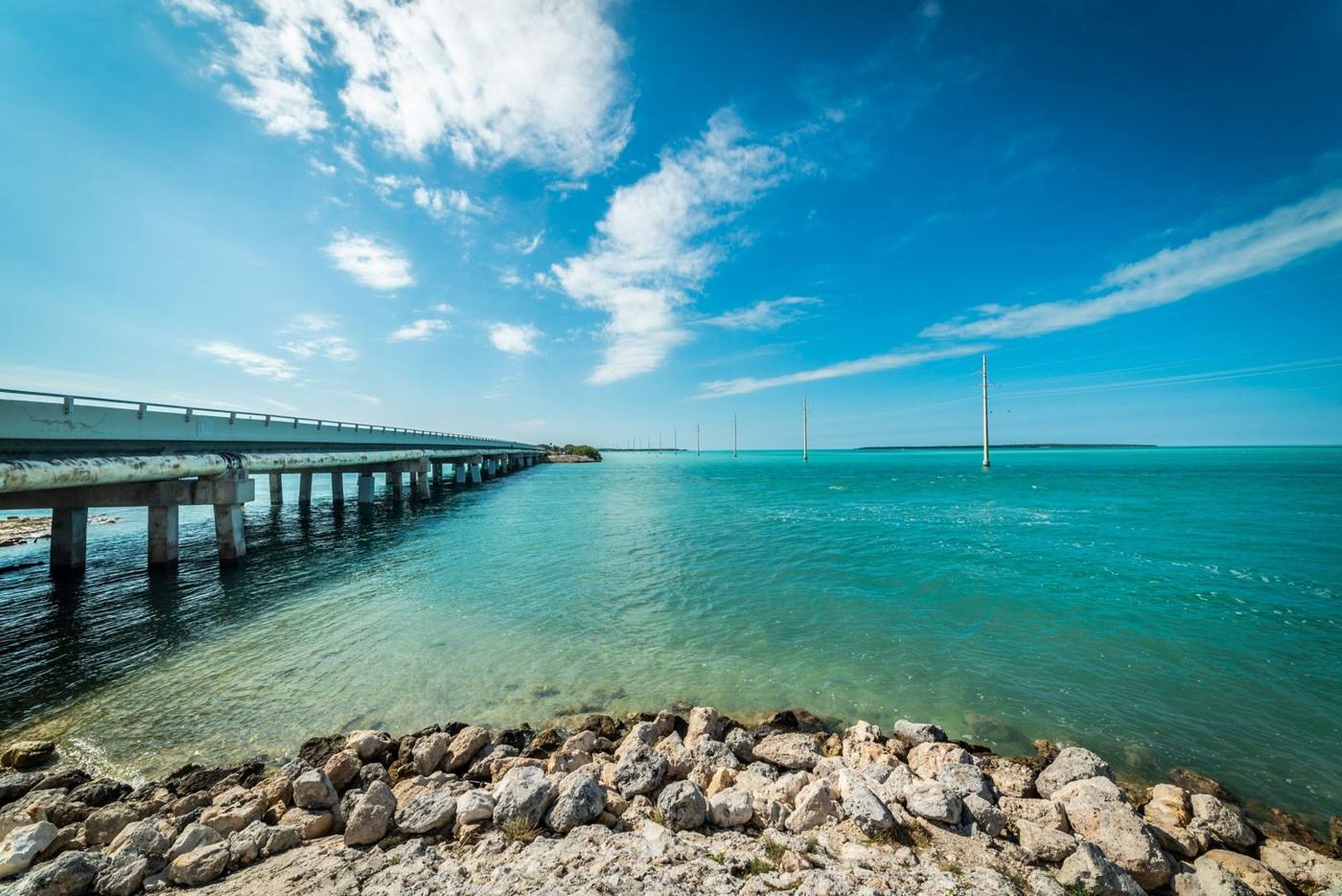
Art Deco on South Beach, alligators and manatees in the Everglades and the Overseas Highway down to Key West.
 10 daysEasy
New England in autumn
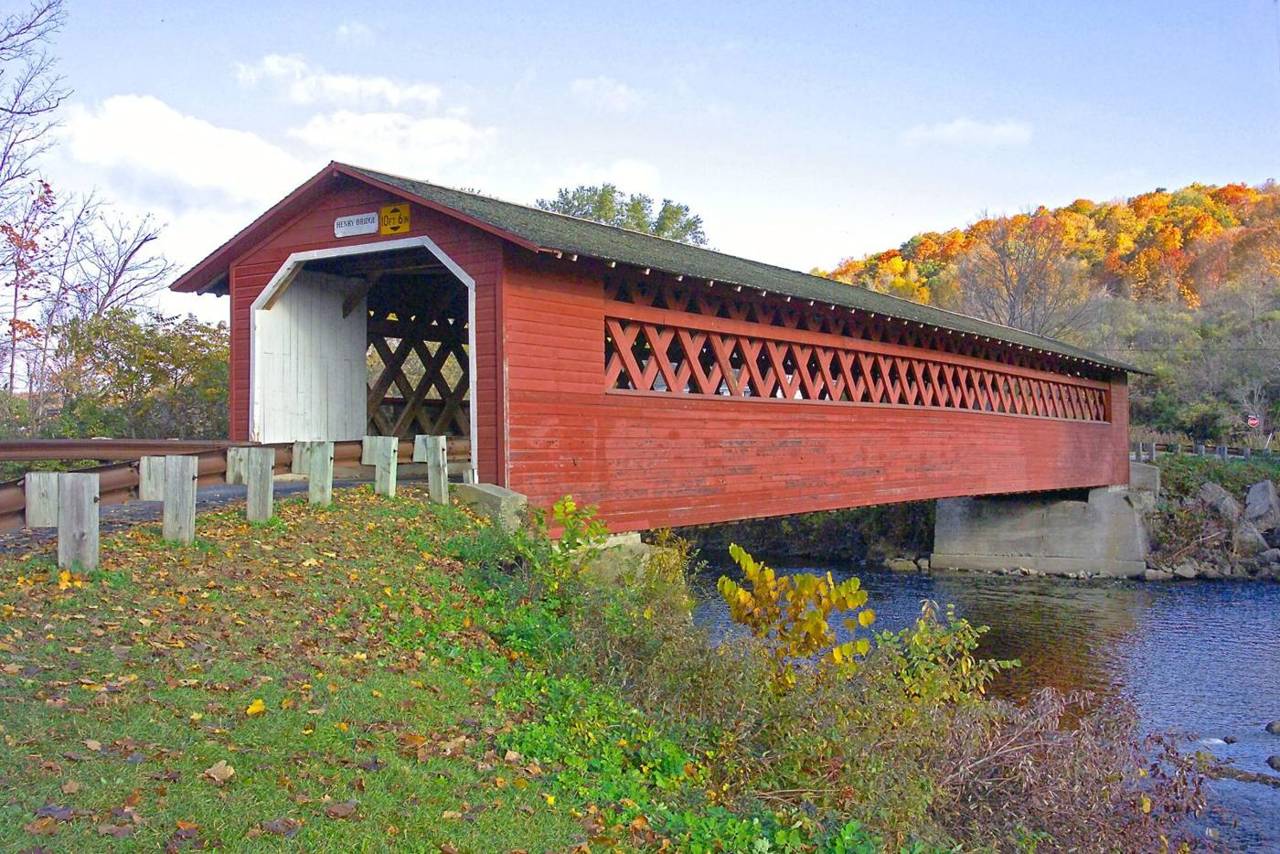
Boston, the red woods of Vermont and New Hampshire, the lighthouses and lobsters of Maine up to Acadia National Park.