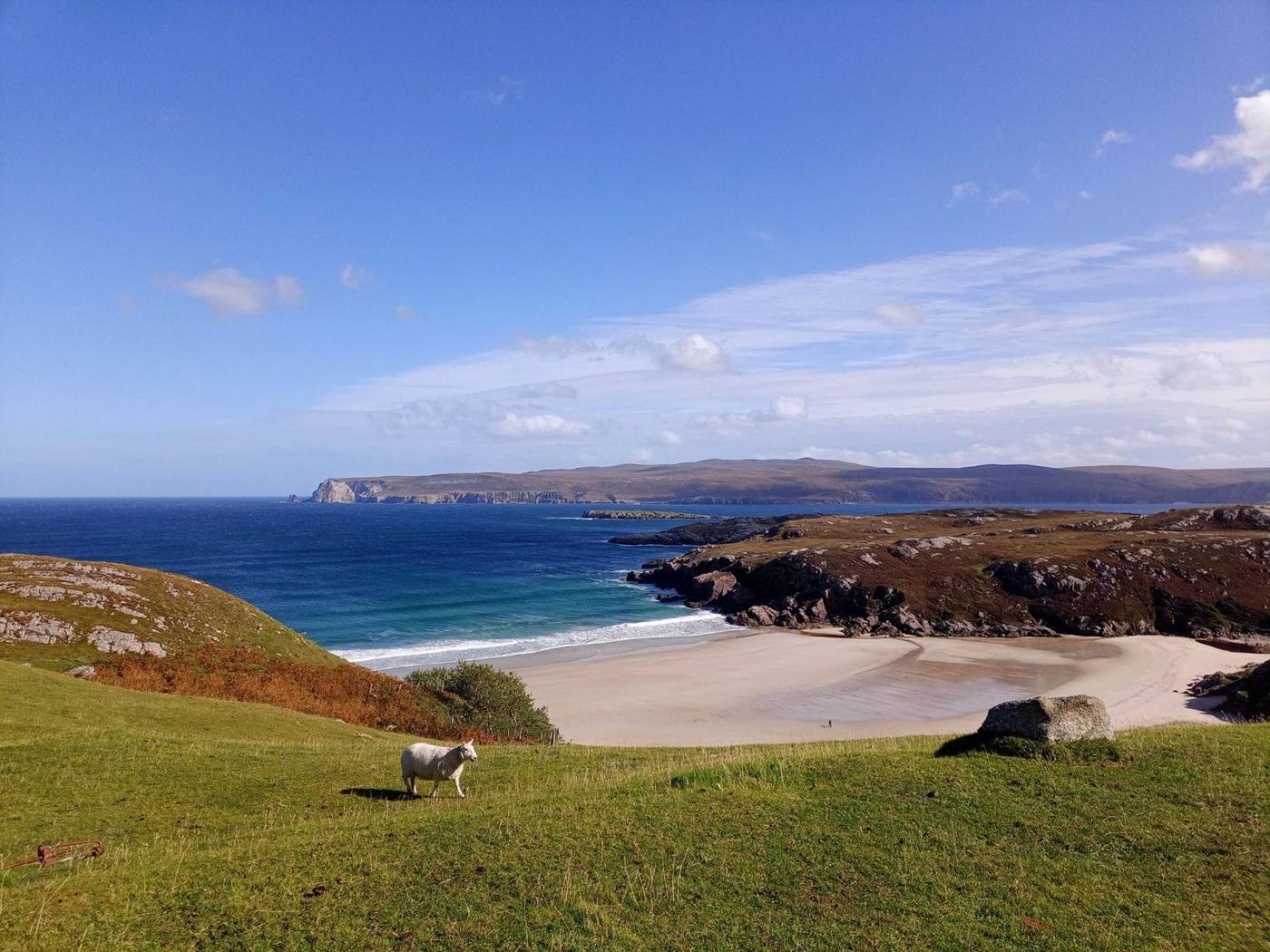
The North Coast 500
The great road loop of northern Scotland, about 800 km from Inverness: the Bealach na Bà pass to Applecross, the Torridon lochs, the white beaches of Durness and Smoo Cave, John o' Groats and the Duncansby cliffs, Dunrobin and Ardvreck castles.
- Inverness
- Applecross
- Torridon
- Ullapool
- Durness
- John o' Groats
- Dunrobin
Day by day
- Day 1
Inverness and the road to Applecross
This trip follows the North Coast 500, a road loop of about 830 kilometres in the north of Scotland, starting and ending in Inverness and following the west, north and east coasts of the Highlands. It is one of the finest road trips in Europe: mountains, lochs, white sand beaches, cliffs, castles, fishing villages and single track roads across empty moorland.
To enter the United Kingdom, EU citizens need a passport, an identity card is not enough, and an ETA, the electronic travel authorisation, applied for online before departure: it costs 20 pounds and is valid for two years.
You fly into Inverness, or into Edinburgh or Glasgow and continue by train or car. You need a car: in Scotland you drive on the left.
On the first day leave Inverness heading west across the Highlands, along valleys, lochs and pine forests, to the west coast. The landscape grows ever wilder, with bare mountains and dark lochs.
In the afternoon you reach the Applecross peninsula, a small village by the sea facing the Isle of Skye and the islands of Raasay and Rona, reached in two ways: by the northern coastal road or over the Bealach na Bà pass, which you will drive tomorrow.
At sunset watch the sun sink behind the mountains of Skye across the water.
In the evening have dinner with local fish and seafood, such as langoustines, mussels and scallops.
Spend the night in Applecross.
Practical tip: the best time is May to September. In summer there are midges, tiny biting flies: bring repellent.
- Day 2
The Bealach na Bà and Torridon
Today drive the Bealach na Bà, the pass of the cattle, one of the most spectacular and steepest roads in the United Kingdom.
In the morning climb from Applecross to the pass at about 626 metres, on a narrow single track road with gradients of up to 20 per cent and tight hairpins like those in the Alps. From the top, on clear days, you see Skye, the Outer Hebrides and the mountains of the north west. Then descend to Tornapress and Loch Kishorn.
Then continue north to Torridon, one of the finest mountain areas in Scotland, with red sandstone mountains, among the oldest rocks in Europe, such as Liathach and Beinn Eighe, rising steeply above Loch Torridon.
In the afternoon take a walk in Beinn Eighe National Nature Reserve, the first national nature reserve in the United Kingdom, with trails through Caledonian pinewood, the ancient Scots pine forests of the Highlands, and views of the mountains and Loch Maree, one of Scotland's loveliest lochs, with its pine covered islands.
At sunset stop on the road along Loch Maree to see the mountains reflected in the water.
Spend the night in the Torridon or Kinlochewe area.
Practical tip: the Bealach na Bà is not suitable for learner drivers, motorhomes or caravans, and may close in snow and ice. On single track roads use the passing places and let faster drivers overtake.
- Day 3
Gairloch and Ullapool
Today continue north along the west coast, from Torridon to Ullapool.
In the morning you reach Gairloch, a seaside village with sandy beaches, a harbour and a local museum telling the story of Highland life. In the summer season boat trips leave Gairloch to look for whales, dolphins, porpoises, seals and seabirds.
Then visit Inverewe Garden near Poolewe, a garden created at the end of the nineteenth century on a rocky peninsula, where thanks to the Gulf Stream plants from all over the world grow, even subtropical ones, despite the latitude.
In the afternoon continue along the coastal road, among bays, cliffs and beaches such as Mellon Udrigle and Gruinard Bay, with pinkish sand and turquoise water. Stop at the Falls of Measach in Corrieshalloch Gorge, a deep, narrow gorge with a Victorian suspension bridge above the falls.
Towards evening you reach Ullapool, a fishing village founded at the end of the eighteenth century for herring fishing, with white houses on Loch Broom and the harbour from which ferries leave for the Outer Hebrides.
In the evening have dinner with fish by the harbour and, if there is some, listen to traditional Scottish music in a village venue.
Spend the night in Ullapool.
Practical tip: Inverewe Garden and the boat trips charge fees and are seasonal: check times and dates. Fill up with fuel in Ullapool: further north fuel stations are rare.
- Day 4
Assynt and Ardvreck Castle
Today discover Assynt, one of the wildest and most spectacular regions of Scotland, north of Ullapool.
The Assynt landscape is unique: isolated sandstone mountains such as Suilven, Stac Pollaidh, Quinag and Canisp rise like great sculptures above a moorland full of lochans and extremely ancient rocks. The area is part of the North West Highlands Geopark, recognised by UNESCO, with some of the oldest rocks in Europe, around three billion years old.
In the morning, if you feel like walking, climb Stac Pollaidh, a 612 metre mountain with a rocky crest: the loop path around the mountain takes about three hours and offers views over the lochs and the Summer Isles.
In the afternoon continue to Loch Assynt and Ardvreck Castle, the ruins of a sixteenth century castle on a small peninsula in the loch, tied to the history of the MacLeod clan and the Marquis of Montrose, who was captured here in 1650.
Then take the coastal road towards Lochinver, a fishing village, and the beaches of Achmelvich and Clachtoll, with white sand and turquoise water.
At sunset look at Suilven, Assynt's most famous mountain, from a distance.
Spend the night in Lochinver or the Assynt area.
Practical tip: Assynt roads are single track, with bends and climbs: drive calmly. In the mountains the weather changes fast: bring a waterproof jacket and warm layers.
- Day 5
Durness, the beaches and Smoo Cave
Today head north to Durness, the village in the north west corner of mainland Scotland.
In the morning take the road through northern Assynt and Sutherland, via Kylesku, with its curved bridge over the loch, and Scourie, near Handa Island, a nature reserve with thousands of seabirds such as puffins, guillemots and razorbills, reached by boat in the summer season.
In the afternoon you reach Durness, a small seaside village with some of Scotland's most beautiful beaches, such as Sango Bay and Balnakeil, with white sand, dunes, rocks and turquoise water, often empty.
Visit Smoo Cave, a large sea cave with a huge entrance carved by the sea and a second chamber where a waterfall drops through a hole in the roof. The first chamber can be visited freely; at certain times short guided boat trips run into the inner part.
Near Balnakeil there is also a small craft village, born in a former military base, with workshops for pottery, painting and handmade goods.
At sunset walk on Balnakeil beach, with its dunes and the remains of an old church.
Spend the night in Durness.
Practical tip: the boat trips in Smoo Cave depend on water levels and are seasonal: check. Do not enter closed areas of the cave and do not approach the waterfall.
- Day 6
The north coast to John o' Groats
Today drive Scotland's north coast, from Durness to John o' Groats, about three or four hours without stops.
The road follows a coast of bays, cliffs, beaches and lochs cutting deep inland, such as Loch Eriboll, a deep fjord used as an anchorage for Allied ships during the Second World War. Then it crosses the open landscape of Sutherland, with the moorland of the Flow Country, one of the largest blanket bogs in the world, a UNESCO World Heritage Site since 2024.
Stop at Farr beach near Bettyhill and at the small Strathnaver Museum, which tells the story of the Highland Clearances of the eighteenth and nineteenth centuries, when thousands of families were driven from their land to make way for sheep, and many emigrated to Canada, the United States and Australia.
In the afternoon continue east, passing near Thurso, the northernmost town on the Scottish mainland, and the Castle of Mey, the Queen Mother's residence, to John o' Groats, a village traditionally regarded as the north eastern end of Britain.
At sunset go to Dunnet Head, the northernmost point of mainland Britain, with a lighthouse and cliffs where seabirds nest, and a view of the Orkney Islands.
Spend the night in or near John o' Groats.
Practical tip: on the north coast distances between villages are long: fill up with fuel and carry food and water. In summer ferries leave John o' Groats for Orkney: check times.
- Day 7
Duncansby Head and Dunrobin Castle
In the morning go to Duncansby Head near John o' Groats, the true north eastern tip of Britain. From the lighthouse walk along the clifftop for about twenty minutes to see the Duncansby Stacks, two great pointed sandstone stacks rising from the sea, and the Geo of Sclaites, a deep cleft in the cliff. In spring and early summer many seabirds nest on the cliffs, including puffins.
Then drive south along the east coast through Caithness, via Wick, an old herring fishing town, and ruined clifftop castles such as Castle Sinclair Girnigoe.
In the afternoon visit Dunrobin Castle near Golspie, seat of the Earls and Dukes of Sutherland, with pointed towers that recall a French fairy tale château, furnished rooms and formal gardens running down to the sea. Falconry displays are held in the gardens at certain times.
The castle is also tied to the history of the Clearances, as the Dukes of Sutherland were among those chiefly responsible for the evictions.
In the evening continue to Dornoch, a small town with a thirteenth century cathedral and a long beach.
Spend the night in or near Dornoch.
Practical tip: Dunrobin Castle is open only in the summer season and charges entry: check opening times and the dates of the falconry displays.
- Day 8
Back to Inverness
On the last day return to Inverness, about an hour from Dornoch, completing the North Coast 500 loop.
In the morning, if you have time, stop at Tain, Scotland's oldest royal burgh, or visit a whisky distillery in the area, such as those around Tain and the Dornoch Firth, to learn how Scotch malt whisky is made, from barley to distillation in great copper stills and maturation in casks.
Then go through the Black Isle, a green peninsula north of Inverness, and stop at Chanonry Point, a spit of land where, on a rising tide, the bottlenose dolphins of the Moray Firth are often seen leaping very close to the shore.
In Inverness, if you have a few hours, walk along the river Ness, with its islands linked by footbridges, and see the cathedral and the castle on the hill. Not far away are the Culloden battlefield, where the last Jacobite rising ended in 1746, and Loch Ness.
Before leaving buy some souvenirs: whisky, tartan and tweed fabrics, shortbread, the Scottish butter biscuits, or woollens.
From Inverness airport there are flights to London and other British cities, and connections to Europe.
Practical tip: at Chanonry Point dolphins are best seen on a rising tide, about an hour after low tide: check the tide tables. Return the car well before your flight.
Grand landscapes, but many roads are single-track with passing places: do not park in them and let faster traffic pass. The Bealach na Bà is steep and not advised for campervans or novices. In summer accommodation is scarce and must be booked. Midges bite from June to August. A passport is needed (identity cards are no longer accepted) and, for EU citizens, the Electronic Travel Authorisation (ETA), applied for online before travelling: since 8 April 2026 it costs £20 and is valid for two years.
Before you go
- Documents and visa
- You need a passport: identity cards are no longer accepted. Before leaving you apply online for an ETA, the electronic travel authorisation: it costs 20 pounds and is valid for two years.
- Health and vaccines
- No vaccines required. EU citizens should carry the European Health Insurance Card for necessary treatment. Emergencies: 999 or 112.
- Money and payments
- Pound sterling. Contactless cards are used everywhere, including on London public transport.
- Power sockets
- Type G, 230 volts: you need an adapter for British three-pin plugs.
- Time zone
- UTC in winter and UTC+1 in summer.
- Safety
- The United States rates the United Kingdom level 2 for terrorism. In big cities watch out for pickpockets; in Scotland and Wales the main risks are weather and mountains. Driving is on the left. ETA: GOV.UK.
Information checked in November 2026 for Italian and EU citizens. Rules change: always check before you travel.
Variations
In 5 days: the west coast only, from Inverness to Applecross, Torridon, Ullapool and Assynt.
In 11 days: add the Isle of Skye, or Orkney by ferry from John o' Groats or Scrabster.
Frequently asked questions
What documents do I need?
EU citizens need a passport for the United Kingdom, an identity card is not enough, and an ETA, costing 20 pounds and valid for two years.
Are the roads difficult?
Many roads are single track with passing places. The Bealach na Bà is steep and narrow: avoid it with a motorhome or if you are not used to mountain driving.
When is the best time to go?
May to September. In summer there are midges: bring repellent. In winter the days are very short.
Indicative itinerary written by World Atlas. Before booking, check timetables, seasonal openings, documents and safety.
 5 daysEasy
The Shetland Islands
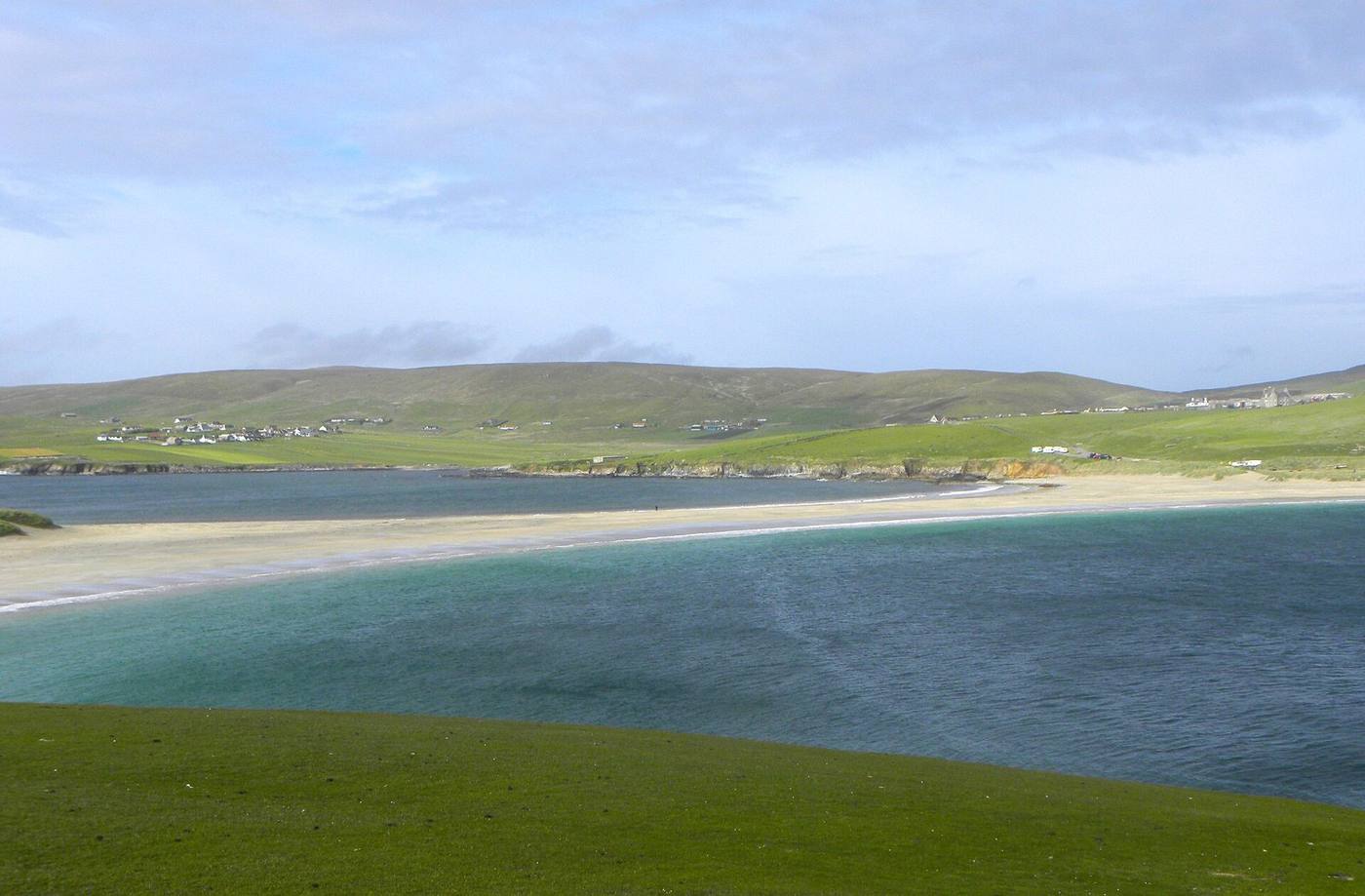
The UK's northernmost archipelago, closer to Norway than to Edinburgh: the cliffs of Sumburgh Head with puffins, the prehistoric site of Jarlshof, the double tombolo beach of St Ninian's, the islands of Unst and Yell, ponies and otters.
 5 daysEasy
Cardiff, the Brecon Beacons and Gower
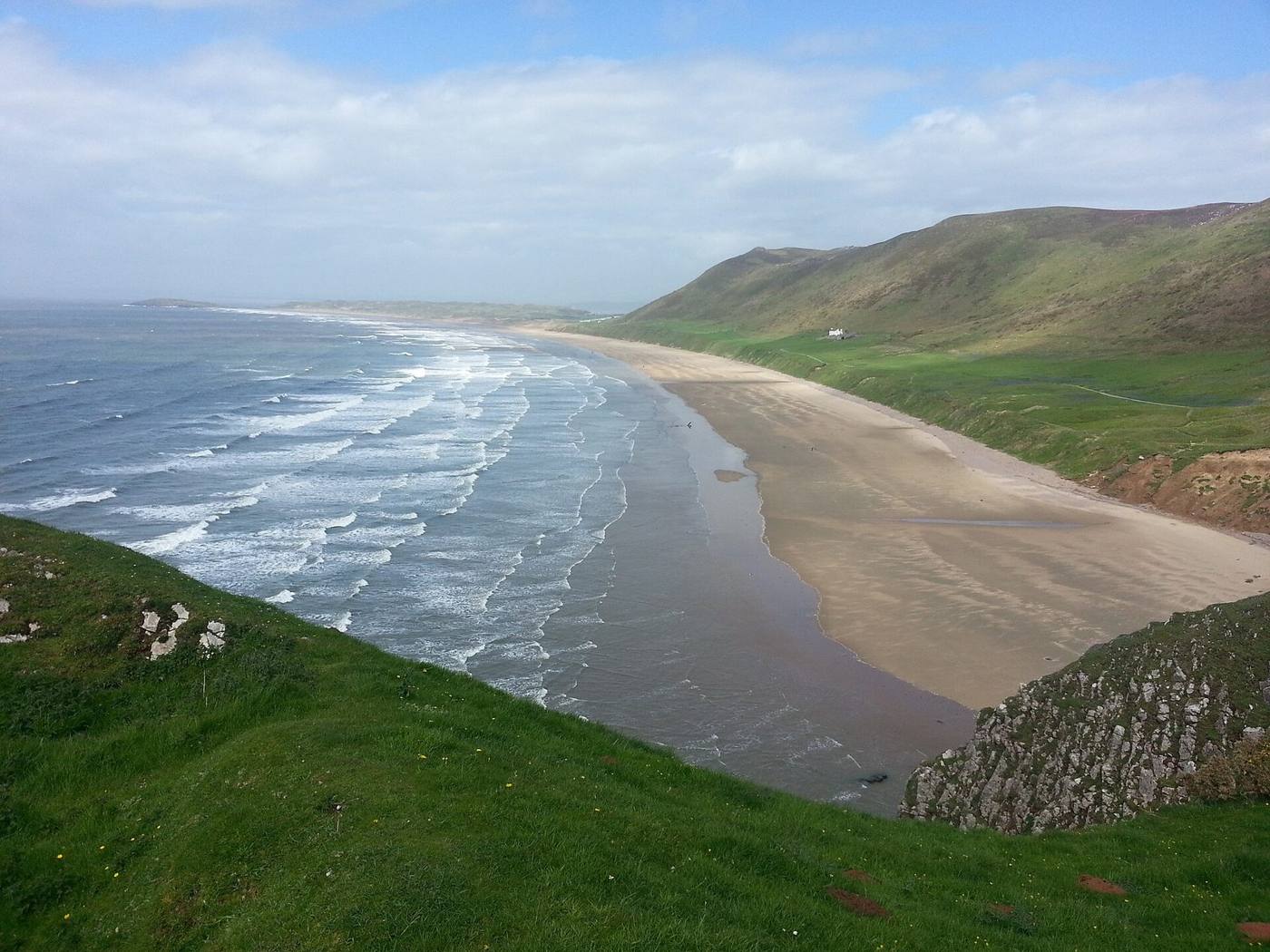
South Wales: Cardiff with its castle and bay, Bannau Brycheiniog (Brecon Beacons) National Park with Pen y Fan and its waterfalls, Caerphilly Castle and the Gower Peninsula with Rhossili Bay.
 5 daysEasy
London in five days
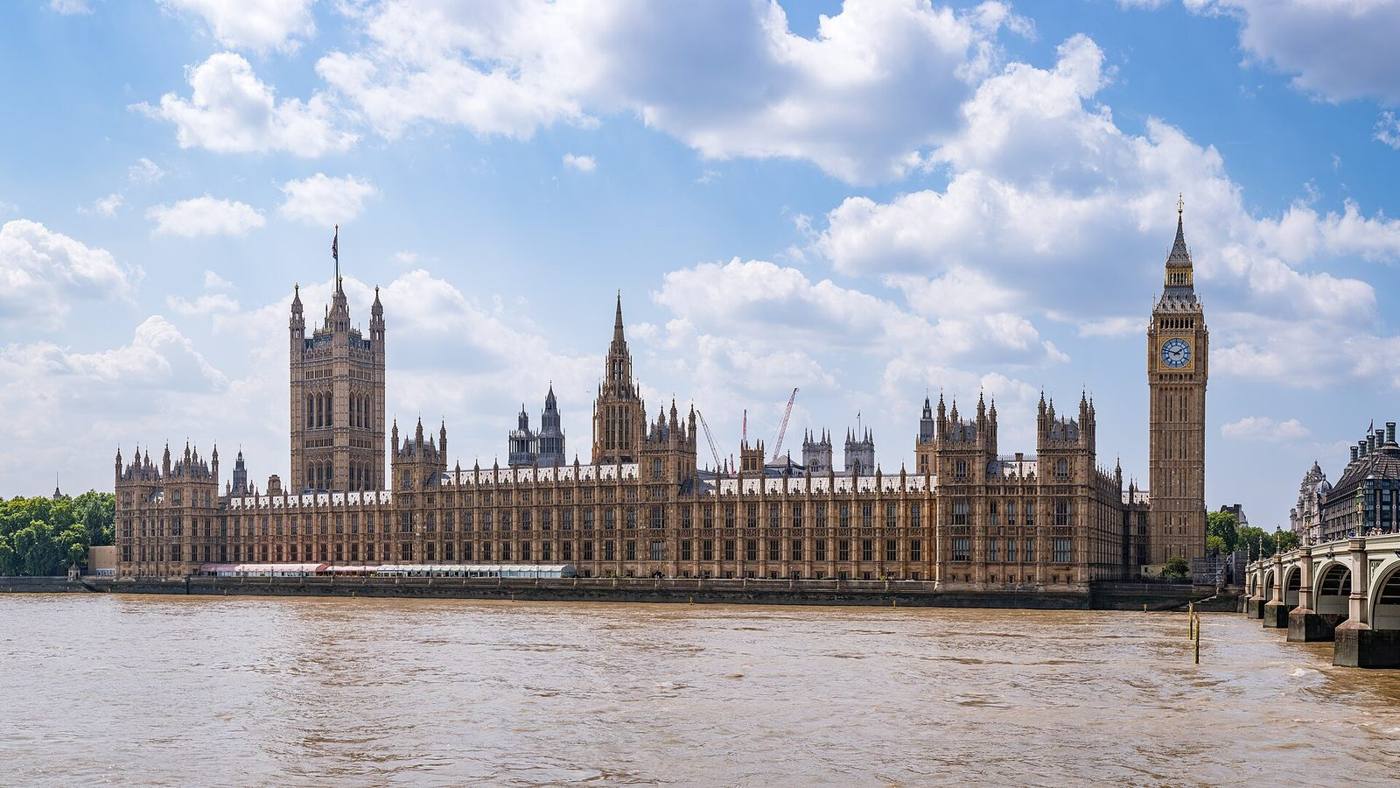
Westminster and the Tower, the great no-cost museums, Borough and Camden markets, Greenwich by boat and an evening in a West End theatre.