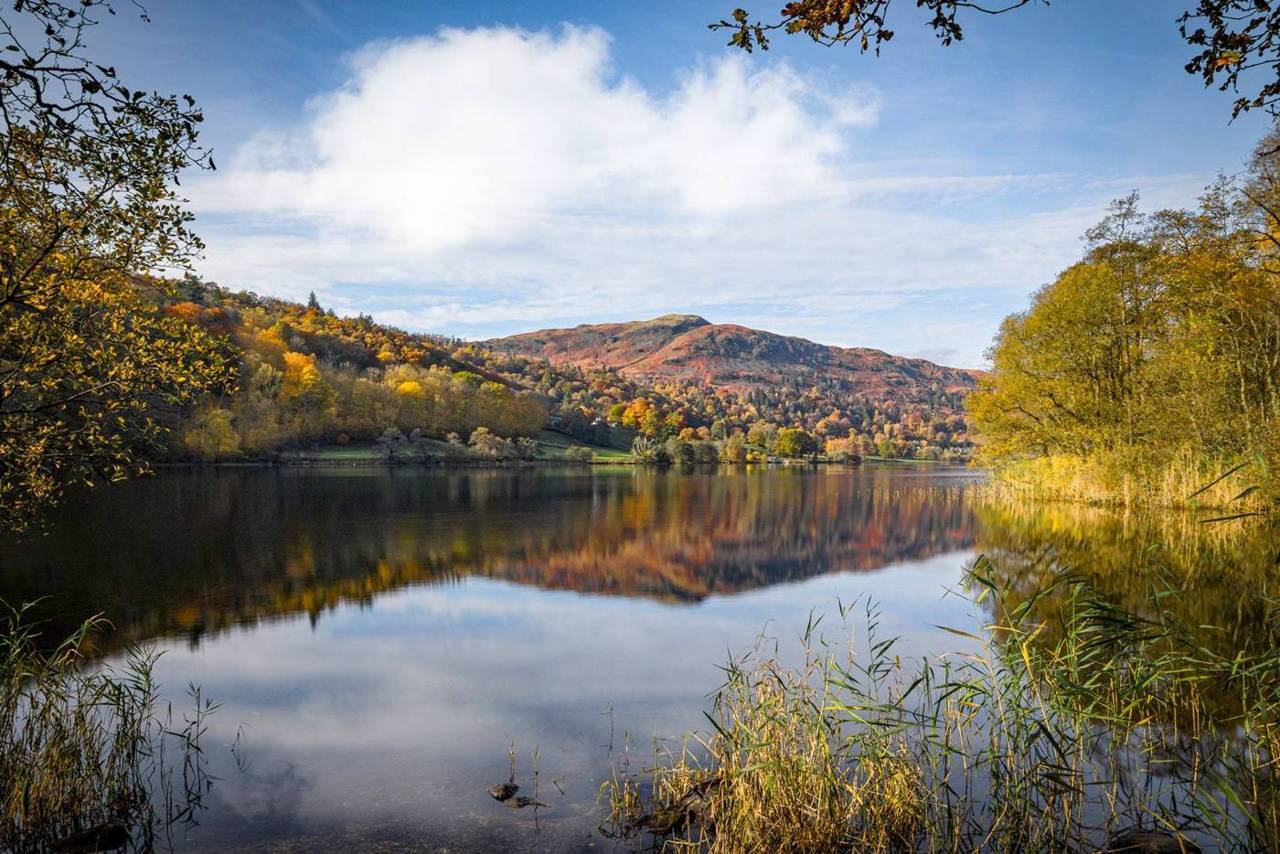
The Lake District
Lakes and fells of northern England: Windermere, Grasmere and Wordsworth's house, the climb up Helvellyn and Scafell Pike.
- Windermere
- Ambleside
- Grasmere
- Helvellyn
- Keswick
- Buttermere
Day by day
- Day 1
By train to Windermere and the boat to Ambleside
The Lake District, in north-west England, is the country's largest national park, with long, narrow lakes, green and rocky mountains called fells, grey stone villages, dry-stone walls and sheep everywhere. It inspired the Romantic poets, such as William Wordsworth, and the writer Beatrix Potter, and has been a UNESCO World Heritage Site since 2017 as a cultural landscape. It is a walkers' paradise: every day happily ends in a cosy pub by the fire. In five days you see the main lakes, the poets' villages and one of the most famous ridges in England.
You arrive by train from London or Manchester, changing at Oxenholme, at Windermere station, in about three and a half hours from London.
From the station, walk down to Bowness, on the shore of Windermere, the largest lake in England, about seventeen kilometres long. Here take the boat up the lake northwards, among wooded islands, Victorian villas and hills, to Waterhead near Ambleside, in about half an hour.
Ambleside is a stone town at the foot of the mountains, with narrow streets, grey houses and the famous Bridge House, a tiny house built on a bridge over a stream. It is a good base for walks.
In the afternoon, take a short walk to Stock Ghyll waterfall, in the woods above the town, in about an hour there and back.
In the evening, in Ambleside's pubs, try Cumberland sausage, the region's typical dish, and a local beer.
Practical tip: it rains a lot in the Lake District, even in summer. Always bring a waterproof jacket, hiking shoes and layers.
- Day 2
Grasmere, Dove Cottage and the Loughrigg walk
In the morning, go to Grasmere, about twenty minutes by bus from Ambleside, the village most closely linked to William Wordsworth, the English Romantic poet who lived here in the late eighteenth and early nineteenth centuries. Visit Dove Cottage, the small white house where the poet lived with his sister Dorothy and wrote some of his most famous poems, and the museum next door, with manuscripts, letters and portraits. The rooms are low, with stone floors and a fireplace, as they were then.
In the village, also visit Saint Oswald's church, with the churchyard where Wordsworth is buried with his family, under the yew trees. Next to the church Grasmere gingerbread is still sold, made to a nineteenth-century recipe.
In the afternoon, do the Loughrigg walk, one of the finest and easiest in the area. From Grasmere you follow the lake and climb onto Loughrigg Terrace, a path along the hillside with views over Grasmere lake and the mountains. You continue above Rydal Water, pass Rydal Cave, a large quarry cut into the hill with a pool of water inside, and go down towards Rydal Mount, Wordsworth's last home, before returning to Ambleside. The circuit takes about three or four hours.
If you want to climb higher, you can reach the top of Loughrigg Fell, at 335 metres, with one of the widest views over the lakes.
In the evening, rest in Ambleside.
Practical tip: Dove Cottage is visited with timed entry and limited places. Book in advance, especially in summer.
- Day 3
Helvellyn by Striding Edge
Today is the most demanding mountain day. Early in the morning, take a bus or taxi to Glenridding, on the shore of Ullswater, considered one of the most beautiful lakes in the Lake District.
From here starts the climb up Helvellyn, the third-highest mountain in England, at 950 metres, by the Striding Edge ridge, one of the most famous walks in the country. The path first climbs grassy slopes to the Hole-in-the-Wall, a gap in a stone wall. Then Striding Edge begins: a narrow blade of rock, with drops on both sides, crossed over the rocks, sometimes using your hands. It is not climbing, but it requires a sure foot and no fear of heights. At the end of the ridge a short steep climb leads to the summit plateau.
From the top the view is immense: the lakes, the valleys, the Lake District mountains and, on clear days, Scotland and the sea. Below the summit lies the glacial tarn of Red Tarn, between the two ridges.
For the descent you can take the Swirral Edge ridge, shorter and a little easier, and then return to Glenridding. The full circuit takes about six or seven hours.
In the afternoon, in Glenridding, take a trip on Ullswater on the old steamers, to Howtown or Pooley Bridge.
Practical tip: Striding Edge in strong wind, rain or snow is dangerous. In winter it is serious mountain terrain. If the weather is poor, choose the easier path to the summit or another walk.
- Day 4
Keswick, Castlerigg stone circle and the Buttermere circuit
In the morning, go to Keswick, to the north, about an hour by bus from Ambleside, over the Dunmail Raise pass. Keswick is the main town of the northern Lake District, on the shore of Derwentwater, with a market square, stone houses and a museum devoted to pencil making, which began here thanks to graphite mined in the nearby mountains.
First of all, a few kilometres from town, visit Castlerigg stone circle, one of the oldest stone circles in Britain, built about five thousand years ago. Its thirty-eight stones stand in a ring on a grassy plateau, surrounded on all sides by mountains. It is one of the most evocative places in the region.
In the afternoon, take the bus over the Honister Pass to Buttermere, a quiet valley with a small lake surrounded by steep mountains. Walk around the lake, about seven kilometres on the flat, in about two and a half hours. The path passes through pine woods, pebble beaches and meadows and, at one point, goes through a short tunnel cut into the rock. The mountains are reflected in the calm water, and it is one of the most photographed landscapes in England.
If you have time, on Derwentwater you can also take the launch that goes round the lake with several stops, and get off for a walk.
In the evening, sleep in Keswick.
Practical tip: Lake District buses are frequent in summer and much reduced in winter. Check the timetables, especially for the Honister Pass.
- Day 5
The return and departure
On your last morning, before leaving, you can choose between several options, depending on the weather and your energy.
If you love Beatrix Potter, go to Near Sawrey, to the south, home to Hill Top, the small farm where the writer and illustrator wrote many of her children's books, such as Peter Rabbit. The house is furnished as when she lived there, and the cottage garden is full of flowers. Beatrix Potter used the earnings from her books to buy farms and land in the Lake District, which she left to the National Trust, helping to protect the landscape.
If you prefer walking, take a last short walk along the shore of Derwentwater to the Friar's Crag viewpoint, a small rocky point with views over the lake and its islands.
Then set off. From Keswick, take the bus to Penrith station, on the main line to London and Scotland. From Windermere, take the train to Oxenholme and from there to London or Manchester.
The Lake District combines well with other parts of northern England and with Scotland: York and Yorkshire, Hadrian's Wall and Northumberland, or Edinburgh and Glasgow, about two and a half hours by train.
Practical tip: for the United Kingdom you need a passport, since the identity card is no longer enough, and the ETA electronic authorisation, which costs 20 pounds and is valid for two years.
A walker's paradise with welcoming pubs at the end of each day. It rains a lot, even in summer, and mist on the tops is frequent: Striding Edge in strong wind is dangerous. The main towns are crowded on summer weekends, so stay in a small village.
Before you go
- Documents and visa
- You need a passport: identity cards are no longer accepted. Before leaving you apply online for an ETA, the electronic travel authorisation: it costs 20 pounds and is valid for two years.
- Health and vaccines
- No vaccines required. EU citizens should carry the European Health Insurance Card for necessary treatment. Emergencies: 999 or 112.
- Money and payments
- Pound sterling. Contactless cards are used everywhere, including on London public transport.
- Power sockets
- Type G, 230 volts: you need an adapter for British three-pin plugs.
- Time zone
- UTC in winter and UTC+1 in summer.
- Safety
- The United States rates the United Kingdom level 2 for terrorism. In big cities watch out for pickpockets; in Scotland and Wales the main risks are weather and mountains. Driving is on the left. ETA: GOV.UK.
Information checked in November 2026 for Italian and EU citizens. Rules change: always check before you travel.
Variations
In 3 days: Windermere, Grasmere with Dove Cottage and the Buttermere circuit.
In 9 days: after the Lake District, continue to Hadrian's Wall, Northumberland and Edinburgh.
Frequently asked questions
When is the best time to go?
From May to September, with long days. It often rains in every season. At summer weekends the main towns are very crowded: it is better to sleep in a small village.
Do I need a car?
No: you arrive by train at Windermere or Penrith, and buses link the main villages, especially in summer. The lake boats help you get around.
How hard is Striding Edge?
It is a narrow, exposed ridge where you sometimes use your hands. It requires mountain experience, a sure foot and good weather. In wind or rain it is dangerous.
Indicative itinerary written by World Atlas. Before booking, check timetables, seasonal openings, documents and safety.
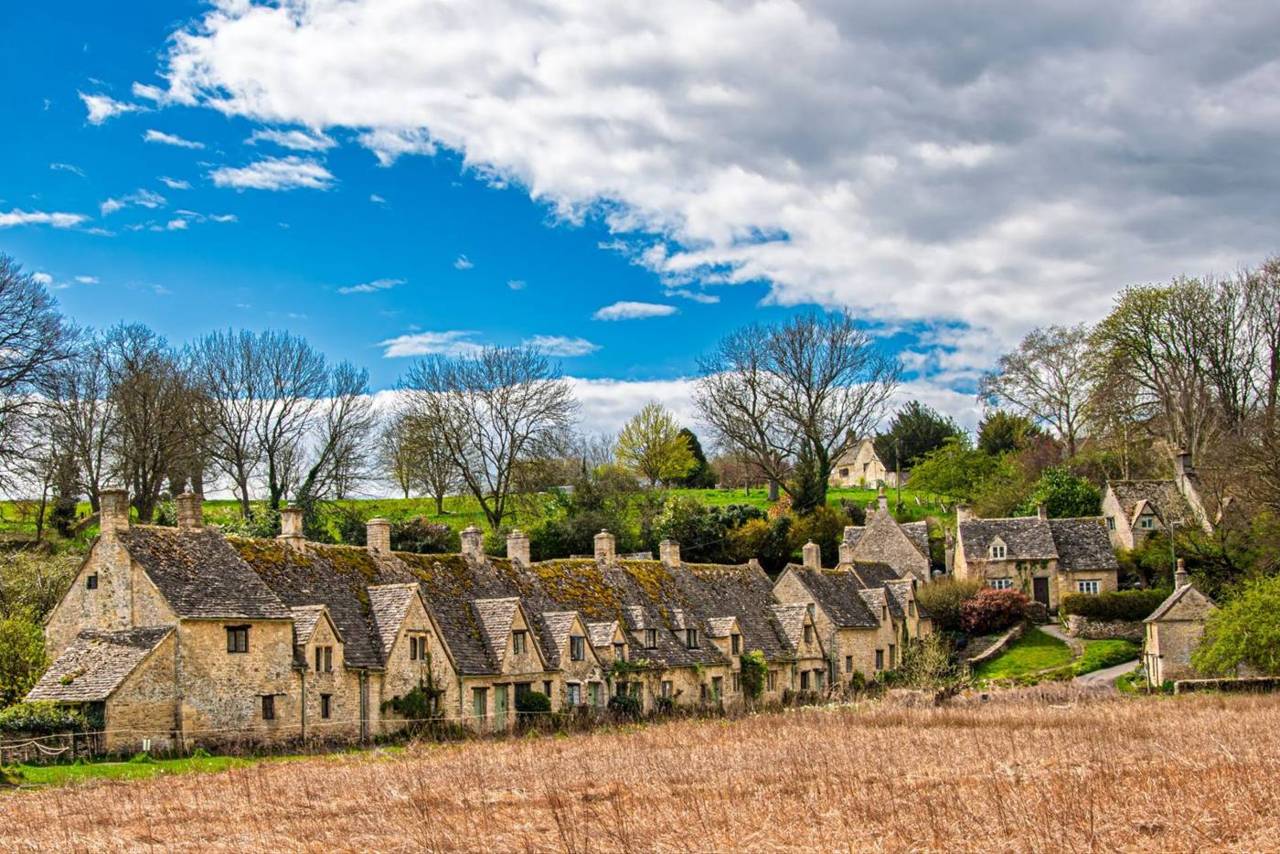 6 daysEasy
The Cotswolds, Oxford, Bath and Stonehenge
The colleges of Oxford, the golden-stone villages of the Cotswolds, the Roman baths and Georgian architecture of Bath, Stonehenge and Avebury.
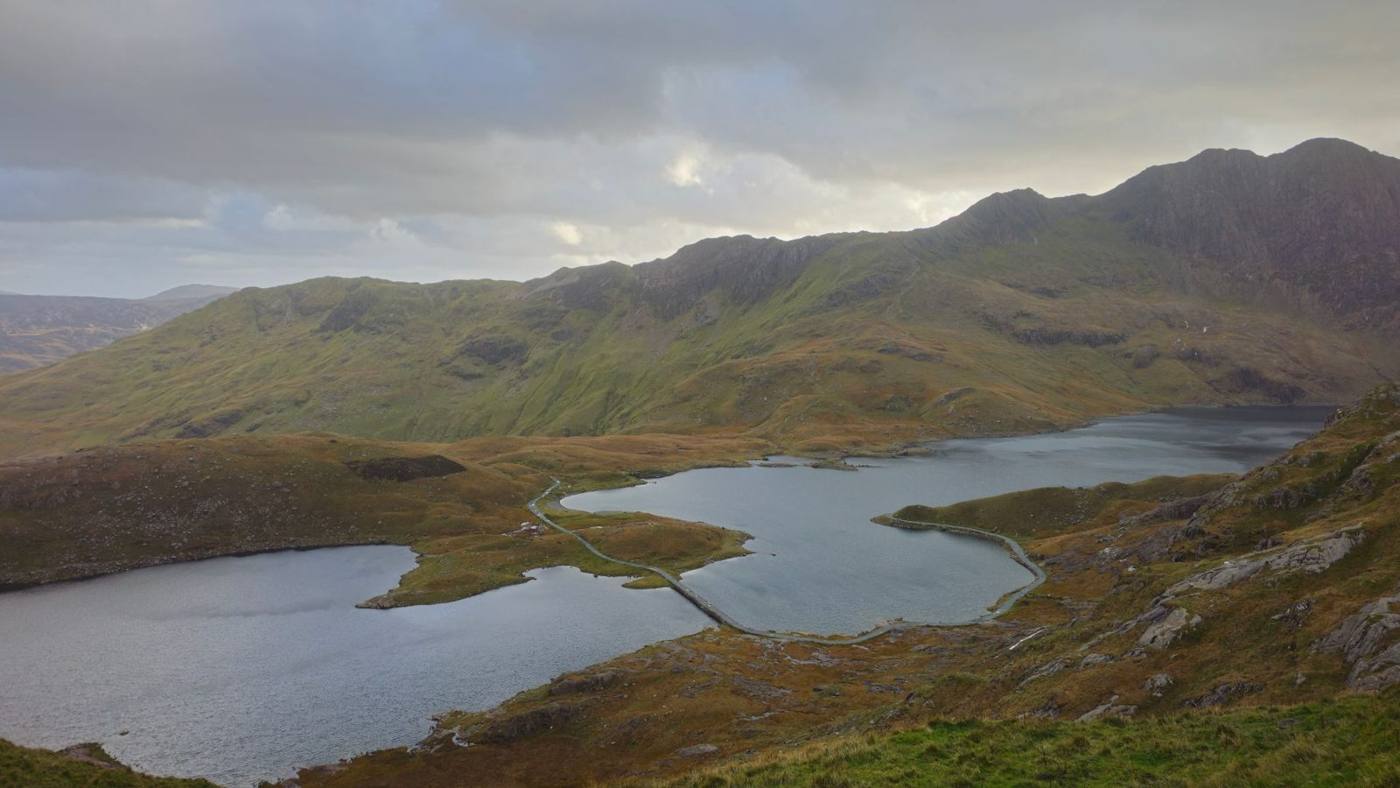 7 daysModerate
Wales: Snowdonia and Pembrokeshire
The castles of Conwy and Caernarfon, the climb up Snowdon, the Llŷn Peninsula and the Pembrokeshire cliffs with the Skomer puffins.
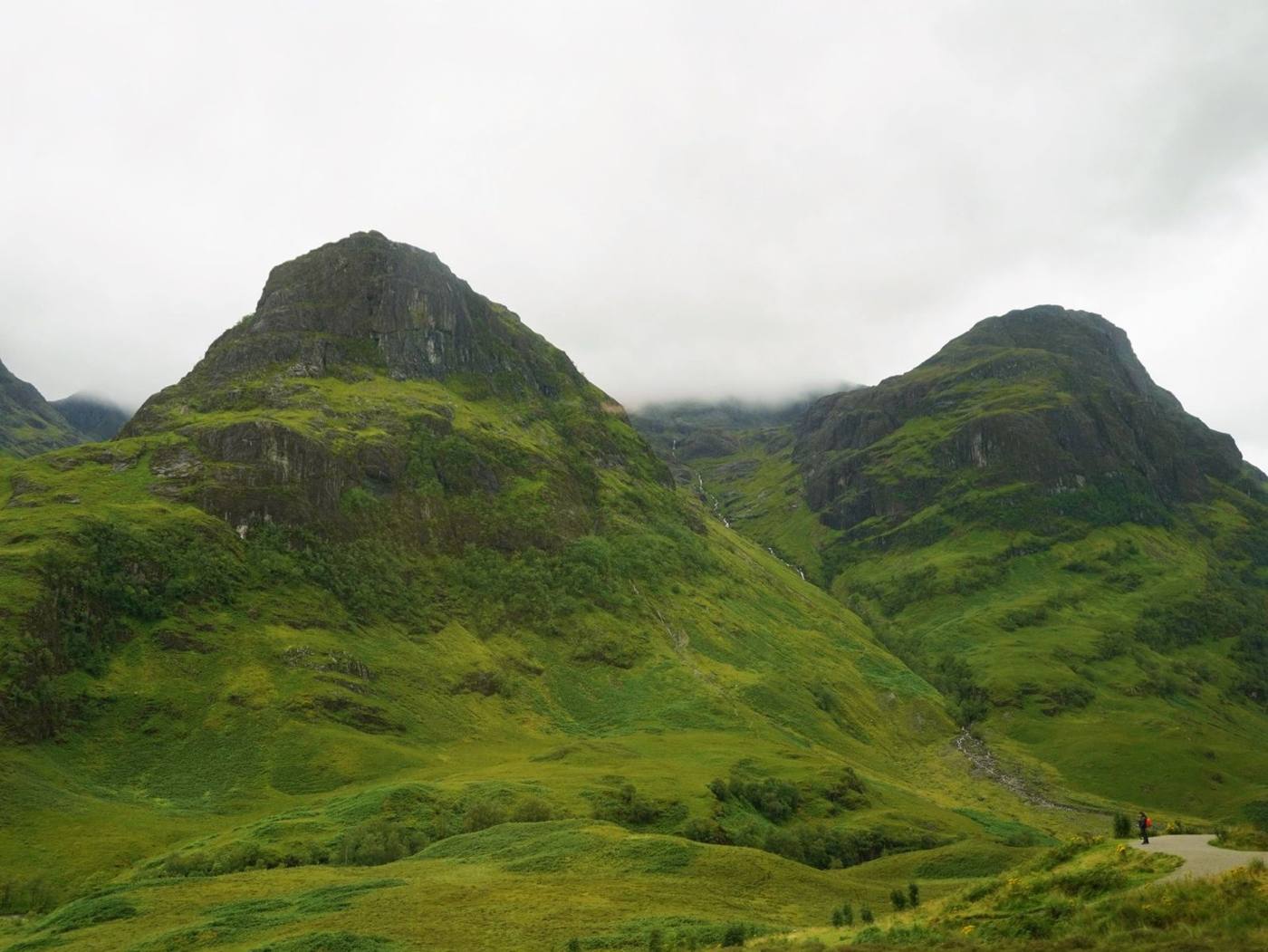 9 daysChallenging
The West Highland Way
Scotland's most famous long-distance walk: 154 km from Milngavie to Fort William along Loch Lomond, across Rannoch Moor and Glencoe, to the foot of Ben Nevis.