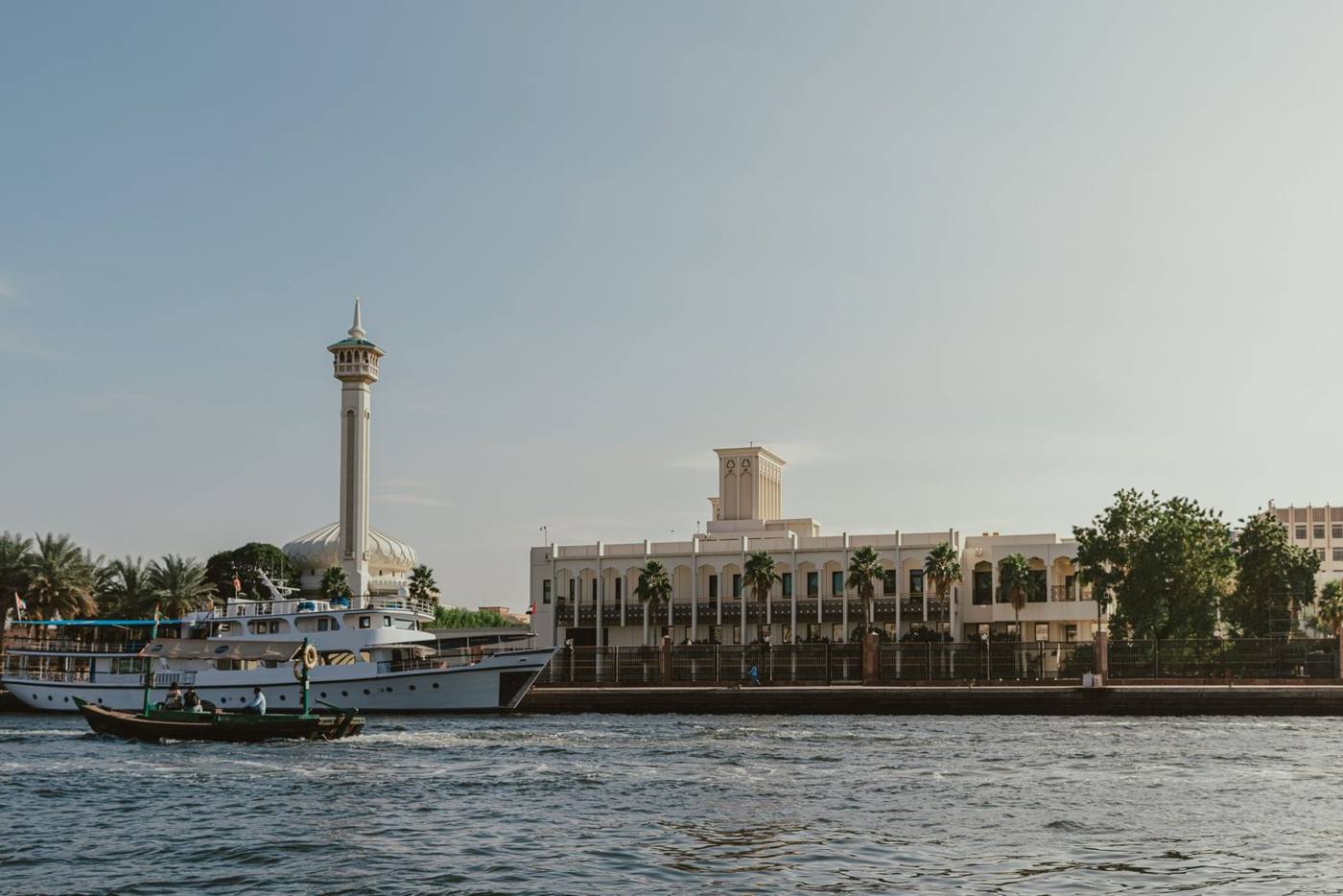
Historic Dubai and street food
Dubai's real side: Al Seef and Al Fahidi, the abra across the Creek, the Indian, Pakistani and Emirati eateries of Deira and Karama and the Deira fish market.
- Al Seef
- Al Fahidi
- Creek
- Deira
- Karama
Day by day
- Day 1
Al Fahidi, Al Seef and the Etihad Museum
This three-day trip shows the most genuine side of Dubai, far from luxury: the historic districts on the Creek, the abra boats, the souks of Deira, the fish market and the cooking of workers who came from India, Pakistan and the rest of the world, in the districts of Deira and Karama.
Before you go: Italian citizens enter the Emirates with a passport valid for at least six months from the date of arrival; an identity card is not enough. The tourist visa is issued on arrival, with no need to apply in advance, for stays of up to 90 days. Other nationalities should check their own rules.
Some areas on this trip are close to borders or places where the situation changes often: check your government's travel advice before booking and again before you leave.
In the morning visit the Etihad Museum, where on 2 December 1971 the rulers signed the birth of the United Arab Emirates. Next to the modern museum, shaped like an open document, stands the low house where the signing took place. Check prices and times.
In the afternoon walk through the historic Al Fahidi district, among sand-coloured houses with wind towers and small courtyards. Continue along the Al Seef waterfront, rebuilt in the old style, to the Al Shindagha district, at the mouth of the Creek, where a museum tells the story of the city. Check prices and times.
In the evening drink a karak, tea with milk, cardamom and sugar, from a kiosk on the Creek.
Sleep in Dubai, for two nights, preferably in Bur Dubai or Deira.
Practical tip: on this trip stay in the old districts: you spend less and have everything a few steps or one metro stop away.
- Day 2
The abra, the souks and the Deira fish market
Today you cross the Creek and explore Deira, the oldest and most commercial part of the city.
Early in the morning take the abra, the wooden boat that works as a ferry between the two banks: the crossing takes a few minutes and costs a coin. Look at the moored dhows, loaded with goods for Iran, India and East Africa.
In Deira go first into the spice souk, then into the gold souk, and walk along the side streets full of shops selling fabrics, oud perfumes and cooking pots.
Late in the morning go to the Deira fish market, one of the largest in the region. On the stalls you find grouper, sea bream, prawns, crabs and kingfish. The best part is that you can buy your fish and have it cleaned and cooked at one of the stalls nearby, grilled or fried with spices: it is the most authentic lunch in the city.
In the afternoon rest during the hot hours.
In the evening return to Deira and walk the streets around Al Rigga and Al Muraqqabat, full of simple eateries: try shawarma, Lebanese bread with hummus, meat skewers and fresh fruit juices, such as avocado or mango.
Practical tip: at the fish market wear closed shoes, as the floor is wet, and always ask the price per kilo before choosing.
- Day 3
A food walk in Karama and departure
The last day is dedicated to the food of Karama, the district where you eat some of the best South Asian dishes at low prices.
In the morning have breakfast like the local workers: a hot paratha, flaky flatbread cooked on the griddle, with eggs and chai. Then walk among the low buildings of Karama and its market, with stalls of bags, clothes and spices.
At midday try a biryani, rice cooked with meat and spices, in the eateries from Kerala, Pakistan and northern India. Taste dosa too, thin rice and lentil pancakes with coconut sauces. If you want to know Emirati cooking, ask for machboos, spiced rice with lamb or chicken, or chebab, saffron pancakes with cheese and date syrup.
In the early afternoon take the metro or a taxi to the airport, which is close to the centre.
In these three days you have seen an affordable and authentic Dubai: houses with wind towers, boats on the Creek, souks, a fish market and food from all over the world. During Ramadan nobody eats or drinks in public in the daytime and many eateries open only at sunset, when the city comes alive for iftar.
When to go: from November to March, to walk without too much heat.
Practical tip: in the most popular eateries you eat with your hands or with bread; use your right hand and wash it first, at the sinks you almost always find in the dining room.
Dubai away from luxury, cheap and authentic. You eat very well for little in the expatriate workers' districts. During Ramadan, don't eat in public during the day.
Before you go
- Documents and visa
- Passport valid for at least six months from the date of arrival. Italian, EU and British citizens receive a tourist visa on arrival, with no need to apply in advance, for stays of up to 90 days. Some medicines that are common in Europe (for example for pain, anxiety or sleep) need prior approval from the UAE Ministry of Health: check before you travel and carry the prescription.
- Health and vaccines
- No compulsory vaccinations, except a yellow fever certificate if you arrive from a risk country. Healthcare is excellent but very expensive: get insurance with high medical cover. From May to September the heat is extreme: drink often and stay in the shade in the middle of the day. Tap water is treated, but almost everyone drinks bottled water. Emergencies: 999 police, 998 ambulance.
- Money and payments
- UAE dirham, pegged to the US dollar. Cards are accepted almost everywhere, including taxis; keep some cash for the souks, the abras on the Creek and small kiosks.
- Power sockets
- Type G, 230 volts: the same sockets as in the UK.
- Time zone
- UTC+4 all year, four hours ahead of the UK in winter and three in summer.
- Safety
- The situation in the Gulf region can change quickly, including sudden airspace closures: check the advice and the status of your flights before leaving. The laws are strict and apply to tourists too. Alcohol: you may drink only in licensed venues and from the age of 21; drinking or being drunk in public is an offence and there is zero tolerance for drink-driving; alcohol is banned in the emirate of Sharjah. Clothing: in public places, including shopping centres, cover shoulders and knees; swimwear is for beaches and pools only; in mosques you need long clothes and, for women, a headscarf. Ramadan: during the day do not eat, drink, smoke or chew gum in public, even in your car. Photos: do not photograph people without their permission, or government buildings, military sites or airports; drones need a permit. Public displays of affection, swearing and rude gestures, online too, can lead to arrest. Zero tolerance for drugs, even traces in the blood. In the desert travel only in an equipped 4x4, with a guide or other vehicles. Official advice: GOV.UK.
Information checked in November 2026 for Italian and EU citizens. Rules change: always check before you travel.
Variations
In two days you can see Al Fahidi, the Creek and the Deira fish market.
With two more days add Abu Dhabi and the Sheikh Zayed Mosque.
Frequently asked questions
Is it a cheap trip?
Yes, compared with the rest of Dubai: in the old districts accommodation, transport and food cost much less.
Is street food safe?
Generally yes: choose busy places, where food turns over quickly, and drink bottled water.
Do I need a guide?
No, but a guided food walk helps you find the right places and understand the dishes.
Indicative itinerary written by World Atlas. Before booking, check timetables, seasonal openings, documents and safety.
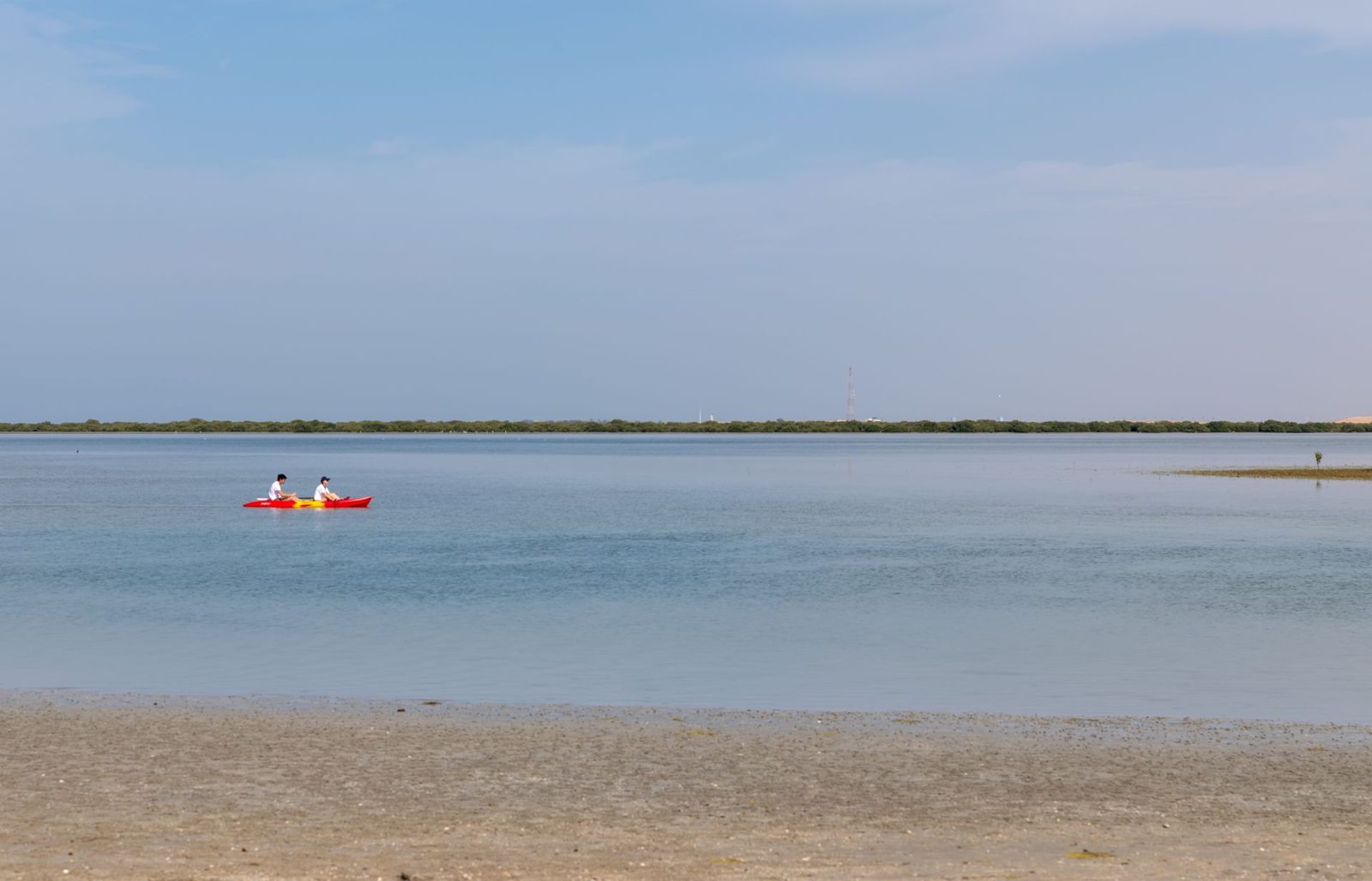 3 daysEasy
Ajman and Umm Al Quwain
The smallest, quietest emirates: Ajman's museum in its fort, kayaking in the Umm Al Quwain mangroves, the Socotra cormorant colonies and the Ed-Dur site.
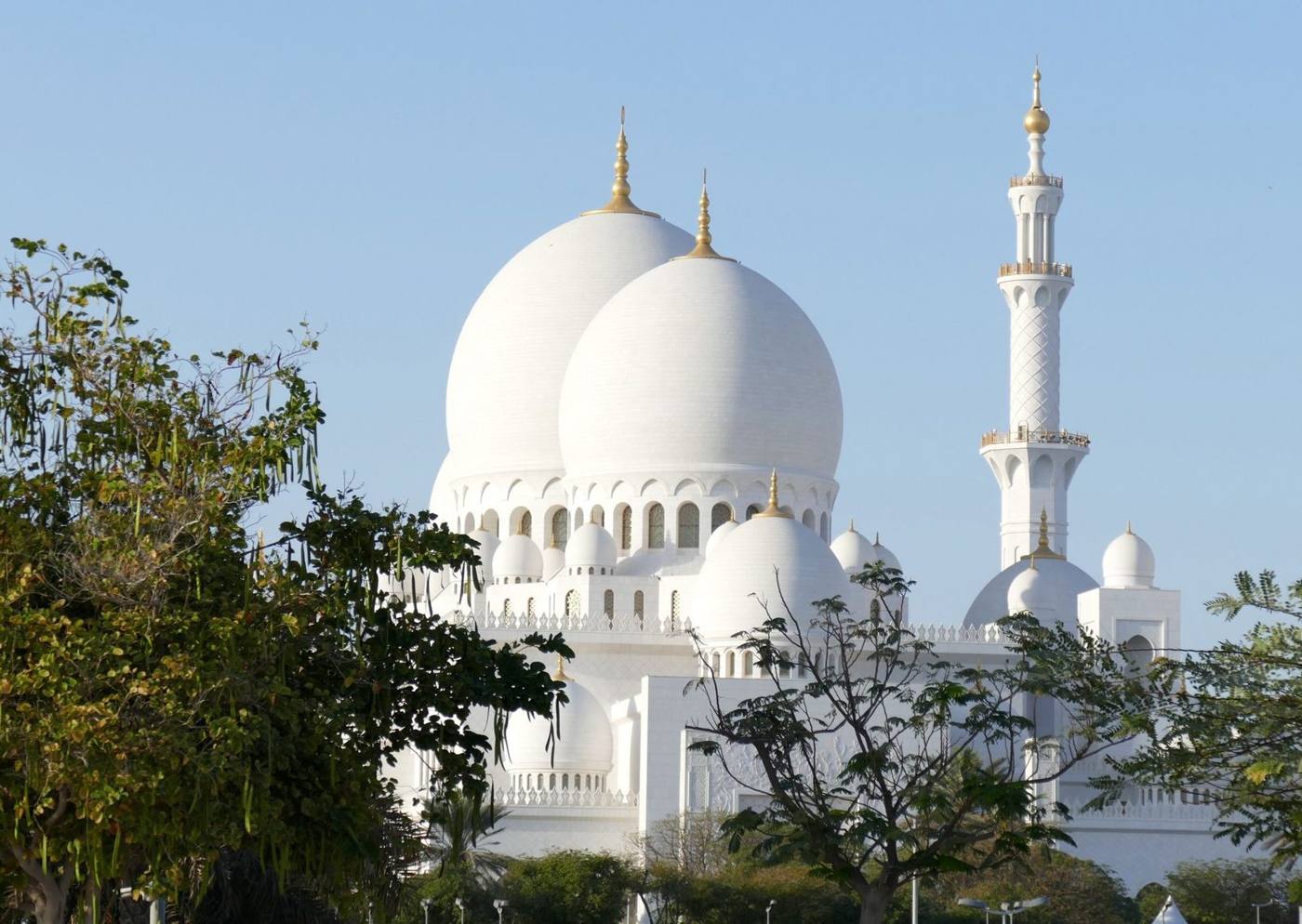 5 daysEasy
Dubai and Abu Dhabi
The Burj Khalifa and old Dubai of Al Fahidi and the Creek souks, then Abu Dhabi with the Sheikh Zayed Mosque and the Louvre.
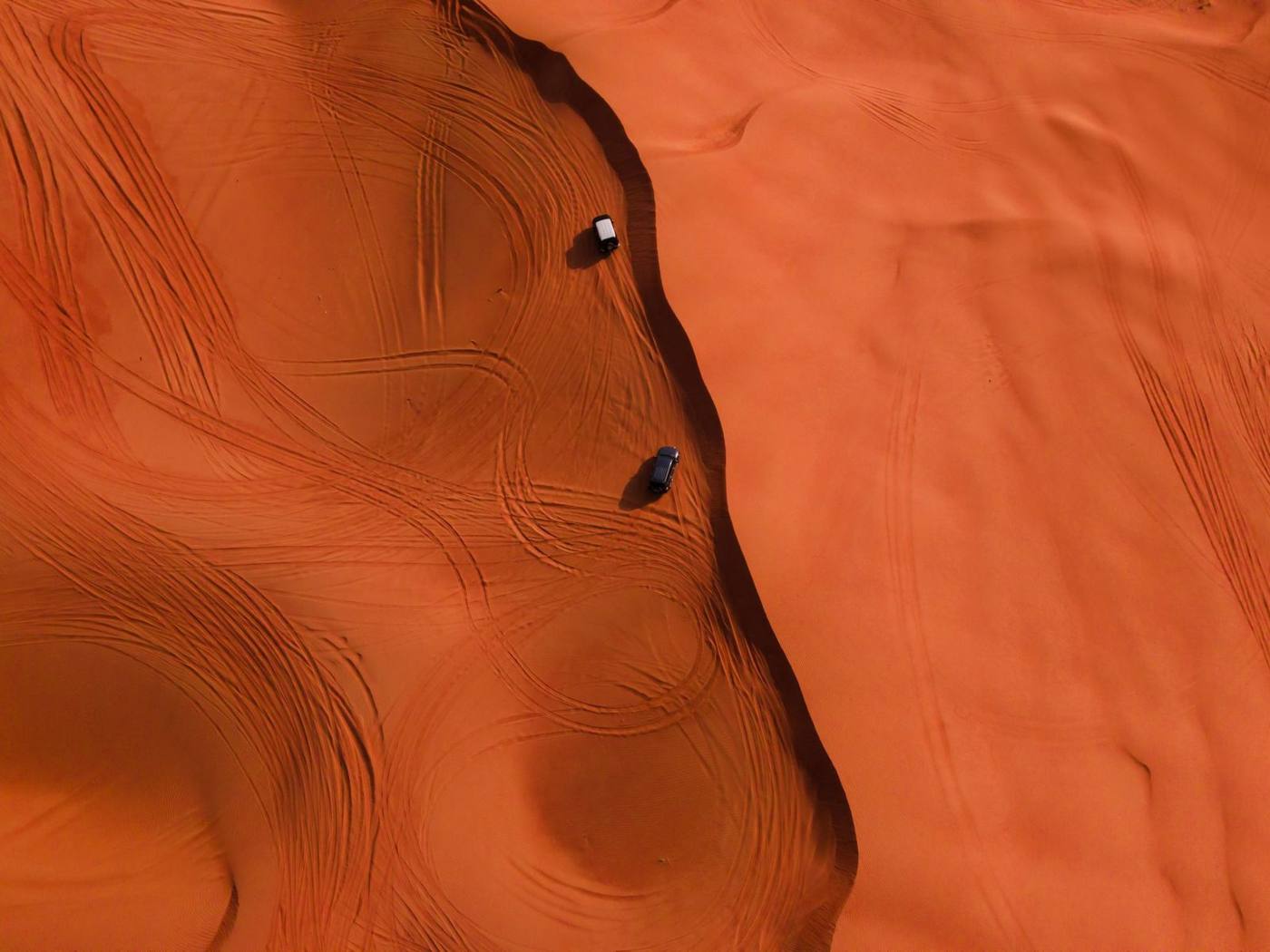 4 daysEasy
The Liwa desert
The highest dunes in the Emirates on the edge of the Empty Quarter, the Liwa oasis, Moreeb dune and a night in a desert resort.