Ajman and Umm Al Quwain
The smallest, quietest emirates: Ajman's museum in its fort, kayaking in the Umm Al Quwain mangroves, the Socotra cormorant colonies and the Ed-Dur site.
- Ajman
- Umm al-Quwain
- Mangrovie
- Ed-Dur
Day by day
- Day 1
Ajman: the fort museum and the corniche
This three-day trip takes you to the two smallest and quietest emirates, Ajman and Umm al-Quwain, less than an hour from Dubai. You see a museum in an old fort, paddle through mangroves, watch seabirds and visit an archaeological site overlooking the lagoon.
Before you go: Italian citizens enter the Emirates with a passport valid for at least six months from the date of arrival; an identity card is not enough. The tourist visa is issued on arrival, with no need to apply in advance, for stays of up to 90 days. Other nationalities should check their own rules.
Some areas on this trip are close to borders or places where the situation changes often: check your government's travel advice before booking and again before you leave.
From Dubai or Sharjah airport reach Ajman by taxi or hire car. In the morning visit Ajman Museum, housed in the eighteenth-century fort that was for a long time the rulers' residence. In the rooms you see weapons, manuscripts, pearl-diving objects and a reconstruction of an old market. Check prices and times.
In the afternoon walk around the harbour area, where dhows, the traditional wooden boats, are still built.
At sunset stroll along the corniche, the seafront with its pale sandy beach, popular above all with local families. In the evening try grilled fish and Arabic bread in the simple eateries of the centre.
Sleep in Ajman, for two nights.
Practical tip: Ajman is more traditional than Dubai, so even on the corniche wear clothes that cover shoulders and knees and keep swimwear for the beach.
- Day 2
Kayaking through the mangroves of Umm al-Quwain
Today you explore Umm al-Quwain, the emirate with the fewest inhabitants, built on a sandy peninsula between the sea and a large lagoon.
Early in the morning drive for about half an hour north. Leaving at dawn is the best choice: the water is calm, the light is soft and it is still cool.
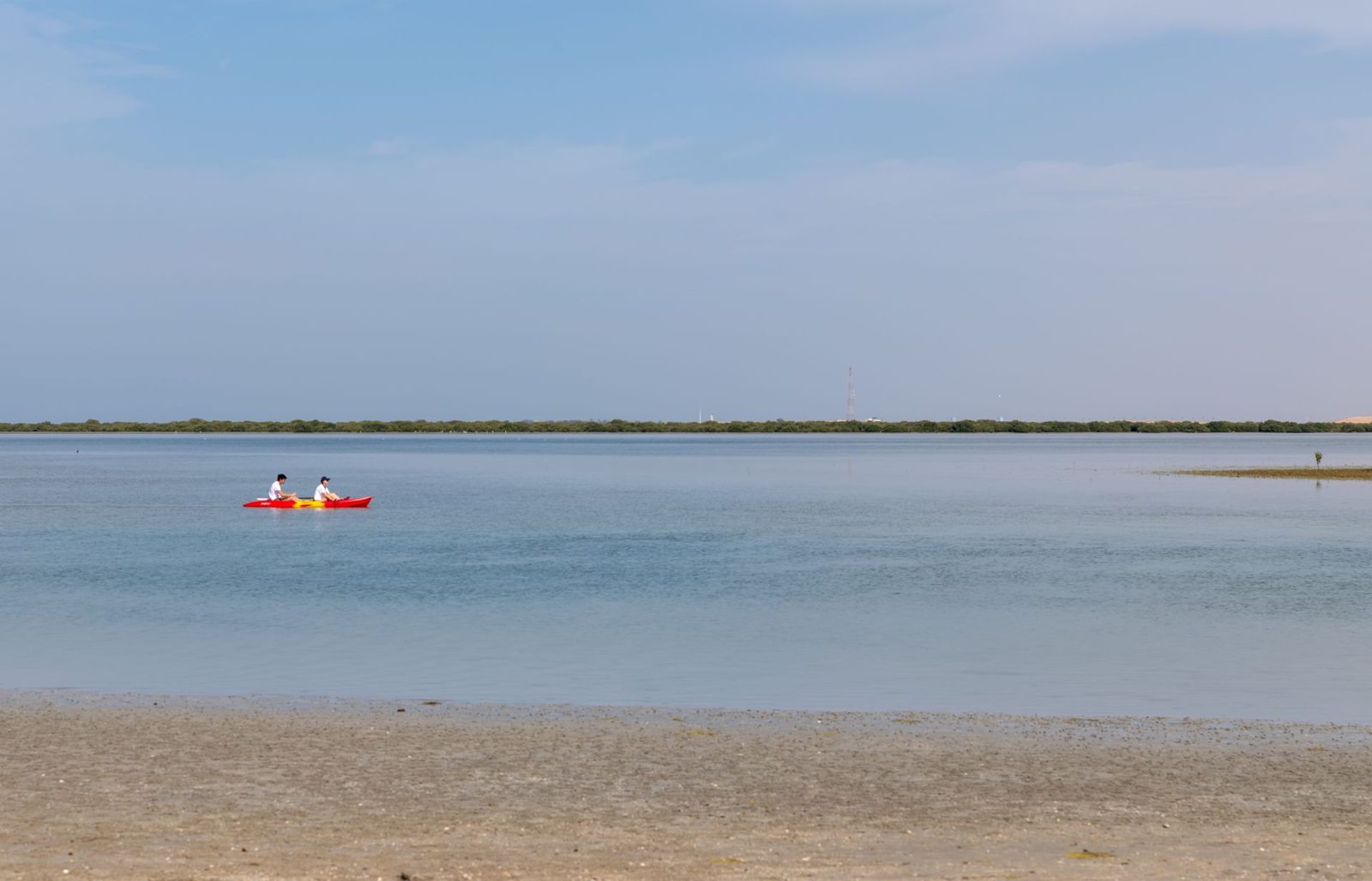
Hire a kayak and paddle along the channels between the mangroves of the lagoon. The roots stick out of the water, crabs scuttle across the mud and herons stand still on the branches. With a little luck you see fish, small rays and, more rarely, turtles. Guided trips usually last two or three hours. Check prices and times.
From the open lagoon you can look across at Sinniyah Island in the distance, where large colonies of Socotra cormorants nest, a seabird that lives only in the Gulf and the Sea of Oman. The island is protected: do not land and keep the distance your guides indicate.
After lunch visit Umm al-Quwain fort, the old rulers' residence, now a museum with everyday objects and archaeological finds. Check prices and times.
Then walk through the old town, with its low coral-stone houses and watchtowers, partly in ruins.
Return to Ajman for the night.
Practical tip: bring a hat, sun cream and water even in winter: there is no shade on the lagoon and the sun reflecting off the water burns more than you think.
- Day 3
Ed-Dur and the way back
The last day is dedicated to the ancient history of this coast.
In the morning drive to the archaeological site of Ed-Dur, on the shore of the Umm al-Quwain lagoon. A trading town of the first centuries AD stood here, one of the largest sites of its period in the Gulf. Excavations have uncovered houses, tombs, coins and a small stone temple. What remains on site is mostly low foundations: the value of the place lies in the landscape and the history, not in monuments. Many finds are displayed in the fort museum you saw yesterday. Before you go, ask at the museum how to access the area.
Walk slowly among the remains and look at the lagoon: two thousand years ago goods from Mesopotamia, India and the Mediterranean left and arrived from here.
Late in the morning head back towards Dubai or Sharjah for your flight. If you have time, stop again on the Ajman corniche for a last coffee with dates.
In these three days you have seen the Emirates of the past: forts of mud and coral, dhow harbours, mangroves and lagoons with hardly any skyscrapers. It is a relaxing stop to combine with a trip to Dubai rather than a holiday in itself, and accommodation costs less.
When to go: from November to March, with warm but pleasant days. From May to September the heat and humidity make outdoor activities tiring.
Practical tip: traffic between Ajman and Dubai is very heavy at rush hour: for your flight leave with at least an hour to spare.
The Emirates of old, little built-up and calm. Attractions are few: it is a relaxing stop, not a trip in itself. Hotels cost less than in Dubai.
Before you go
- Documents and visa
- Passport valid for at least six months from the date of arrival. Italian, EU and British citizens receive a tourist visa on arrival, with no need to apply in advance, for stays of up to 90 days. Some medicines that are common in Europe (for example for pain, anxiety or sleep) need prior approval from the UAE Ministry of Health: check before you travel and carry the prescription.
- Health and vaccines
- No compulsory vaccinations, except a yellow fever certificate if you arrive from a risk country. Healthcare is excellent but very expensive: get insurance with high medical cover. From May to September the heat is extreme: drink often and stay in the shade in the middle of the day. Tap water is treated, but almost everyone drinks bottled water. Emergencies: 999 police, 998 ambulance.
- Money and payments
- UAE dirham, pegged to the US dollar. Cards are accepted almost everywhere, including taxis; keep some cash for the souks, the abras on the Creek and small kiosks.
- Power sockets
- Type G, 230 volts: the same sockets as in the UK.
- Time zone
- UTC+4 all year, four hours ahead of the UK in winter and three in summer.
- Safety
- The situation in the Gulf region can change quickly, including sudden airspace closures: check the advice and the status of your flights before leaving. The laws are strict and apply to tourists too. Alcohol: you may drink only in licensed venues and from the age of 21; drinking or being drunk in public is an offence and there is zero tolerance for drink-driving; alcohol is banned in the emirate of Sharjah. Clothing: in public places, including shopping centres, cover shoulders and knees; swimwear is for beaches and pools only; in mosques you need long clothes and, for women, a headscarf. Ramadan: during the day do not eat, drink, smoke or chew gum in public, even in your car. Photos: do not photograph people without their permission, or government buildings, military sites or airports; drones need a permit. Public displays of affection, swearing and rude gestures, online too, can lead to arrest. Zero tolerance for drugs, even traces in the blood. In the desert travel only in an equipped 4x4, with a guide or other vehicles. Official advice: GOV.UK.
Information checked in November 2026 for Italian and EU citizens. Rules change: always check before you travel.
Variations
In two days you can see Ajman and kayak through the mangroves of Umm al-Quwain, starting from Dubai.
With one more day add Sharjah and its museums, a few kilometres from Ajman.
Frequently asked questions
Do I need a car?
It is very convenient: public transport between the northern emirates is limited. Alternatively you can use taxis, which are not expensive.
Can I swim?
Yes, on the beach along the Ajman corniche and on the beaches of Umm al-Quwain, wearing swimwear only on the beach.
Is the trip suitable for children?
Yes: distances are short and kayaking in the lagoon, with shallow, calm water, suits accompanied children too.
Indicative itinerary written by World Atlas. Before booking, check timetables, seasonal openings, documents and safety.
 5 daysEasy
Dubai and Abu Dhabi
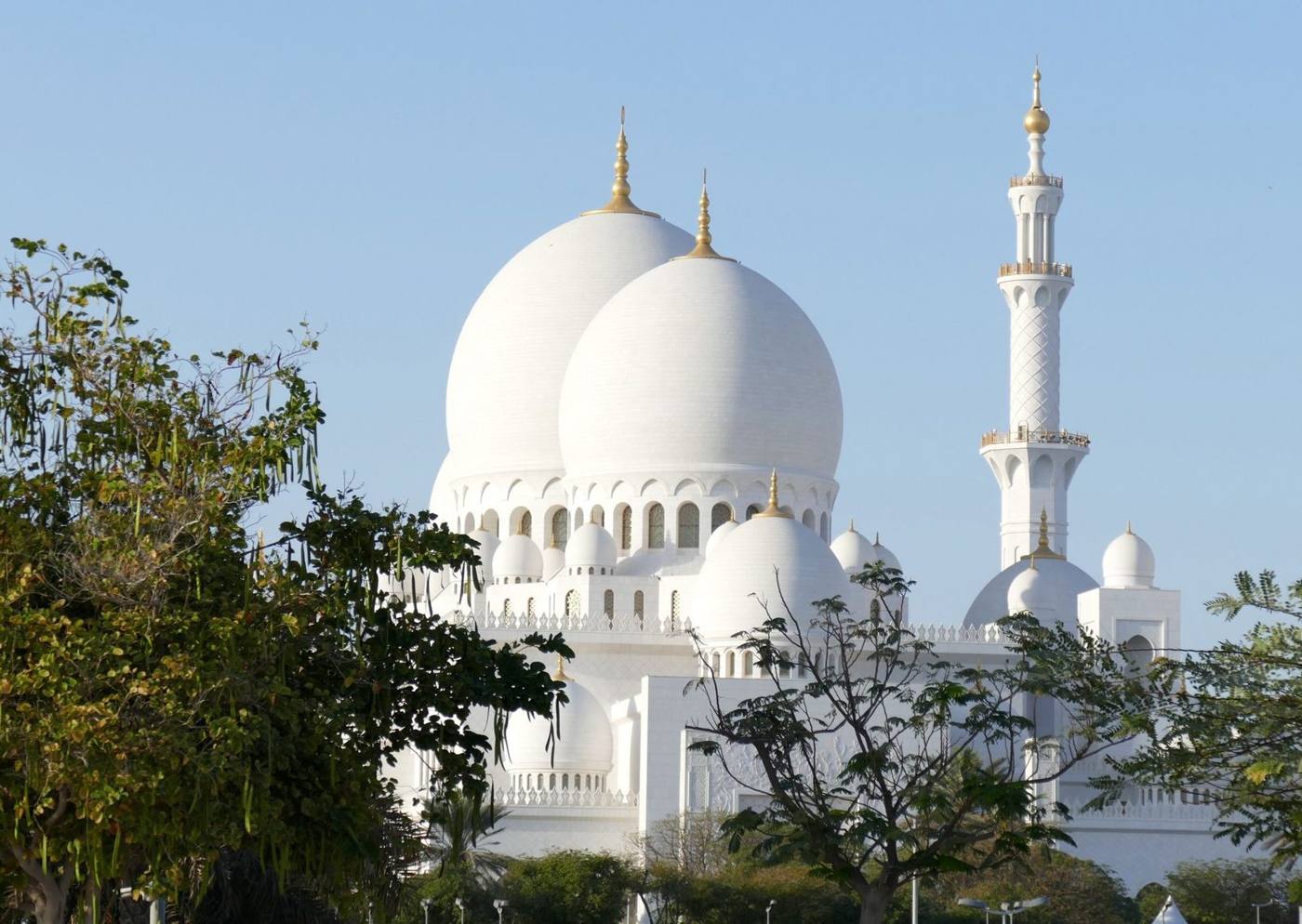
The Burj Khalifa and old Dubai of Al Fahidi and the Creek souks, then Abu Dhabi with the Sheikh Zayed Mosque and the Louvre.
 4 daysEasy
The Liwa desert
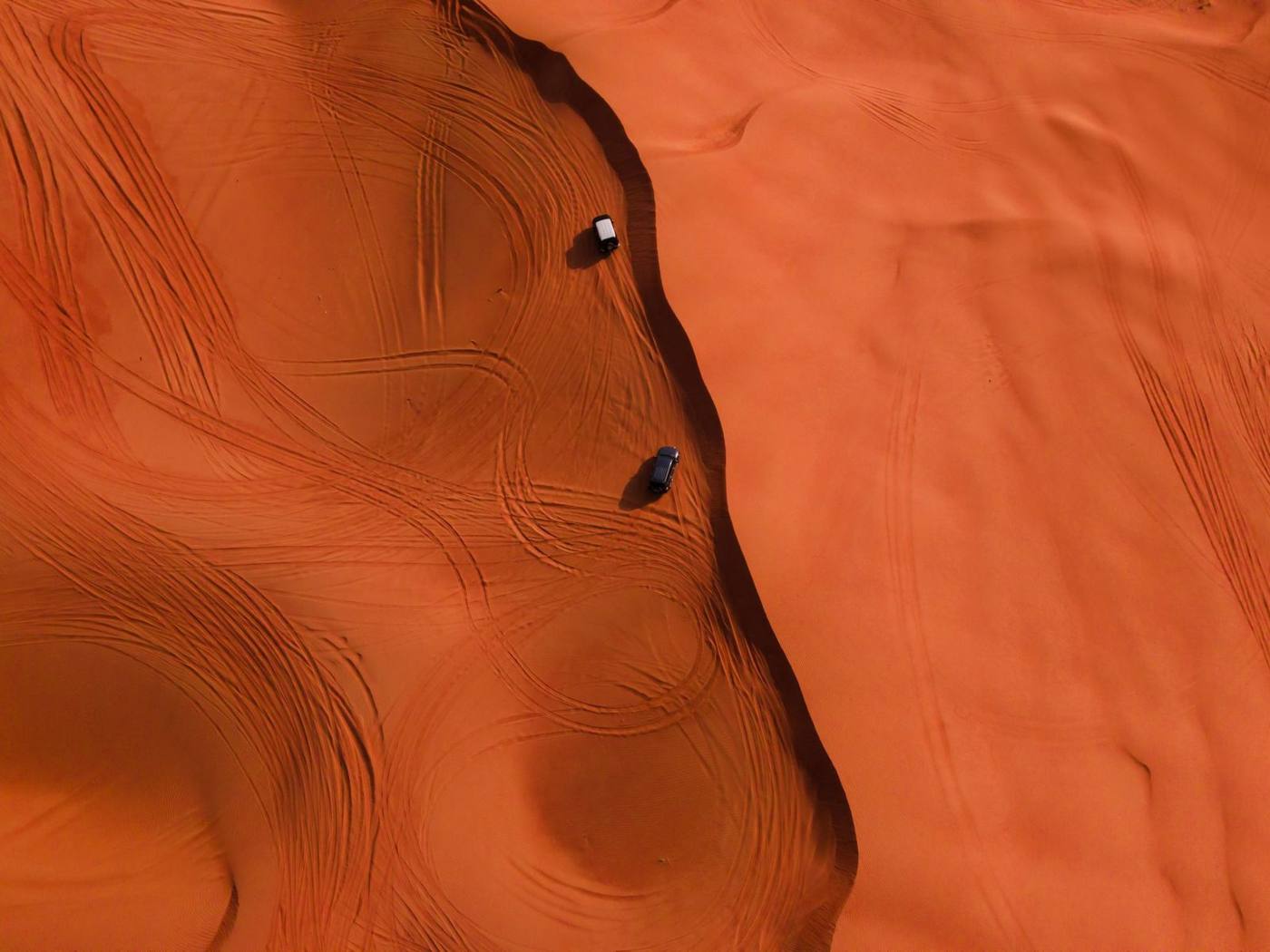
The highest dunes in the Emirates on the edge of the Empty Quarter, the Liwa oasis, Moreeb dune and a night in a desert resort.
 4 daysEasy
Ras Al Khaimah and Fujairah
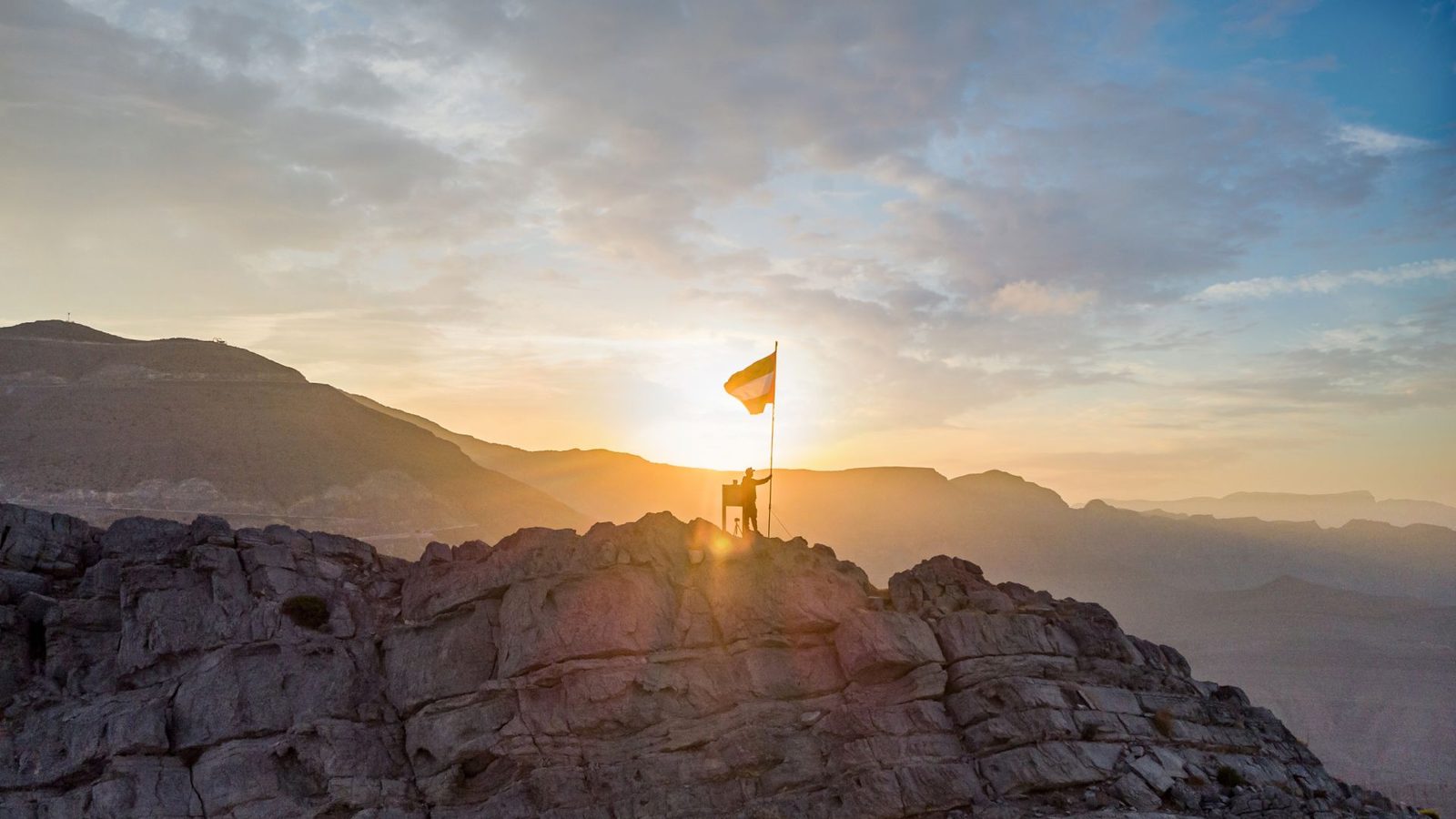
Jebel Jais, the highest mountain in the Emirates, the country's oldest mosque at Al Badiyah and snorkelling at Dibba on the Indian Ocean coast.