Dubai and Abu Dhabi
The Burj Khalifa and old Dubai of Al Fahidi and the Creek souks, then Abu Dhabi with the Sheikh Zayed Mosque and the Louvre.
- Dubai
- Al Fahidi
- Deira
- Burj Khalifa
- Abu Dhabi
- Sheikh Zayed
- Saadiyat
Day by day
- Day 1
Al Fahidi, the abra on the Creek and the souks
This five-day trip combines the two most famous cities of the Emirates: Dubai, with its historic quarter on the Creek and the skyscrapers of Downtown and the Marina, and Abu Dhabi, the capital, with the great Sheikh Zayed Mosque, the presidential palace and the Louvre.
Before you go: Italian citizens enter the Emirates with a passport valid for at least six months from the date of arrival; an identity card is not enough. The tourist visa is issued on arrival, with no need to apply in advance, for stays of up to 90 days. Other nationalities should check their own rules.
Some areas on this trip are close to borders or places where the situation changes often: check your government's travel advice before booking and again before you leave.
You start with the Dubai of the past. In the historic Al Fahidi district you walk among coral and gypsum houses with wind towers, the barjeel, which once cooled the rooms. Among the lanes are small galleries, courtyards and cafés.
Then go to the Creek, the inlet around which the city was born, and cross it on an abra, the motorised wooden boat that works as a ferry between Bur Dubai and Deira: it costs very little and takes a few minutes.
In Deira enter the spice souk, among sacks of cardamom, saffron, frankincense and dried roses, and then the gold souk, with windows full of jewellery.
Sleep in Dubai, for three nights.
Practical tip: in the souks prices are negotiable; look calmly, ask the price at several stalls and do not feel obliged to buy if a seller invites you in.
- Day 2
The Burj Khalifa, the fountains and the Marina
Today you see modern Dubai, the one on the postcards.
In the morning go to Downtown and go up the Burj Khalifa, the tallest building in the world at 828 metres. The most visited observation decks are on the 124th and 125th floors: from up there you see the desert on one side and the sea with the artificial islands on the other. Book a precise time slot online; sunset slots are the most expensive and the busiest. Check prices and times.
Then stroll at the foot of the tower, in the large shopping centre with the aquarium and the artificial lake.
Around midday go back to your hotel during the hottest hours, or stay indoors.
In the evening return to the lake for the dancing fountains show, with jets of water tens of metres high that follow the music.
Later take the metro or a taxi to Dubai Marina, a district of skyscrapers built around a canal. Walk along the pedestrian waterfront, the Marina Walk, among moored boats and lights reflected in the water, as far as JBR beach.
Have dinner in one of the many eateries on the waterfront: in Dubai you find cuisines from all over the world, from Lebanese to Indian.
Practical tip: in Dubai the distances between districts are long and you cover little ground on foot; use the metro, clean and punctual, with a rechargeable Nol card.
- Day 3
The Museum of the Future and Jumeirah beach
Today you combine a spectacular museum and the sea.
In the morning visit the Museum of the Future, the building shaped like a silver steel ring on Sheikh Zayed Road, covered in phrases in Arabic calligraphy that also serve as windows. Inside, over several floors, the museum imagines the future of space, climate, health and technology. Tickets are timed and must be booked in advance on the official website. Check prices and times.
In the afternoon go to Jumeirah, the seaside district of low villas and public beaches. Pass by Jumeirah Mosque, in pale stone, one of the most photographed in the city; at certain times it can be visited with a cultural centre that runs sessions explaining Islam to visitors. Check prices and times.
Then relax on one of the public beaches of Jumeirah, with white sand, showers and lifeguards. The water of the Gulf is warm and calm for much of the year.
At sunset watch the skyscrapers light up along the coast. In the evening try Emirati food: machboos, spiced rice with meat or fish, harees, wheat and meat cooked for hours, and luqaimat with date syrup.
Practical tip: swimwear is only for the beach: to go to a café or into the street, put on a T-shirt and shorts that cover your knees.
- Day 4
Abu Dhabi: Sheikh Zayed Mosque, Qasr Al Watan and the Louvre
Today you move to the capital, Abu Dhabi, about an hour and a half from Dubai by car or bus.
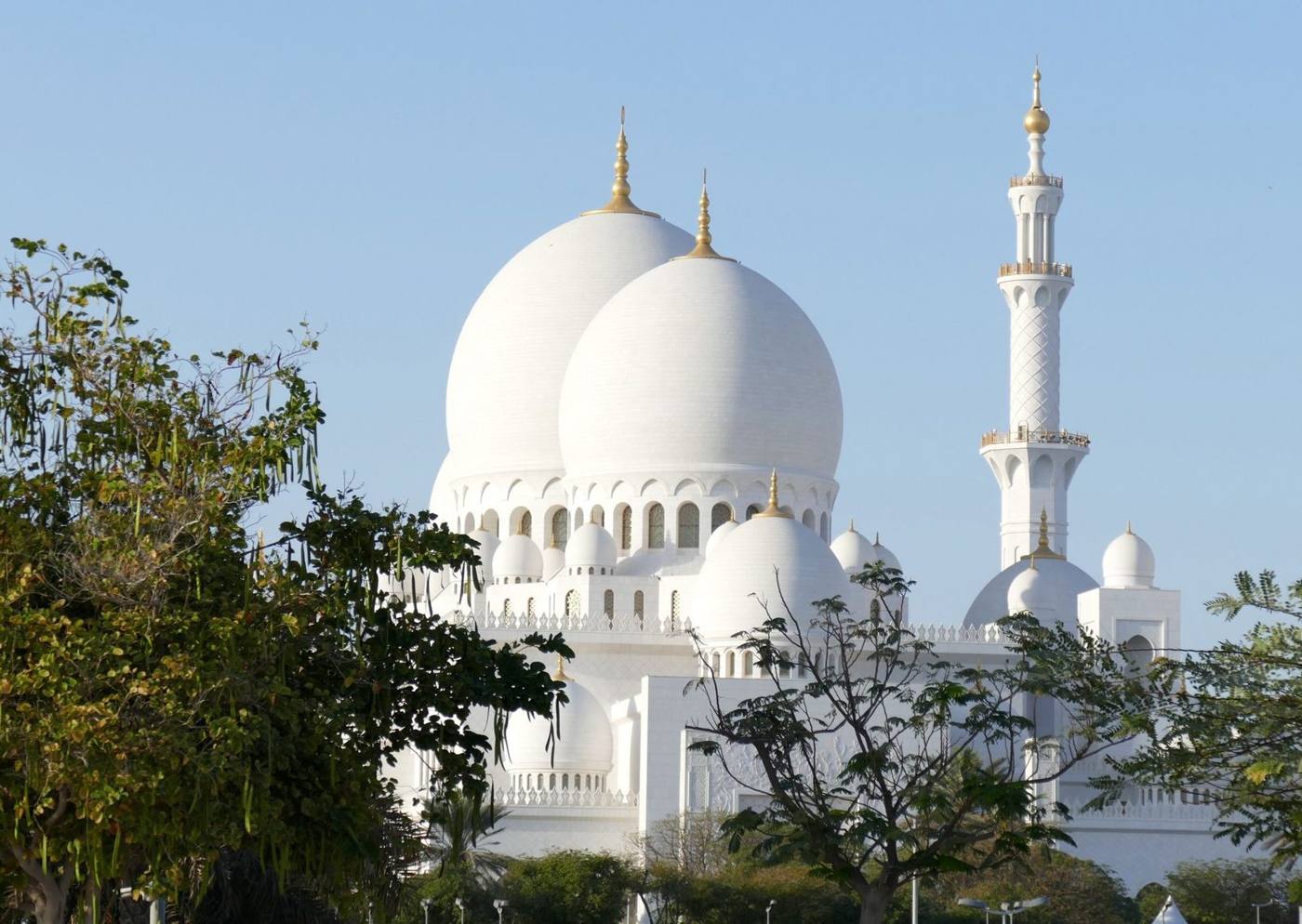
In the morning visit the Sheikh Zayed Mosque, one of the largest in the world, in white marble, with dozens of domes, columns decorated with flowers of coloured stones, huge chandeliers and one of the largest hand-knotted carpets in existence. Entry must be booked online. Men and women must wear loose clothes reaching the ankles and wrists, and women cover their hair. On Fridays visiting hours change. Check prices and times.
Then go to Qasr Al Watan, the presidential palace open to the public, with immense halls, golden domes and a library. Check prices and times.
In the afternoon reach Saadiyat Island and visit the Louvre Abu Dhabi, designed by Jean Nouvel, with a large latticed dome that lets light through as in a palm grove. The galleries tell the story of humanity by placing objects from different civilisations side by side. Check prices and times.
At sunset walk under the dome, close to the water.
Sleep in Abu Dhabi.
Practical tip: bring suitable clothes for the mosque from home, even if some are sometimes available at the entrance; arrive early in the morning or in the late afternoon, when the light on the marble is at its best and it is cooler.
- Day 5
Qasr Al Hosn and departure
On the last day you see the historic heart of Abu Dhabi before leaving.
In the morning visit Qasr Al Hosn, the white fort in the city centre: its watchtower is the oldest stone building in Abu Dhabi, from the eighteenth century, and for a long time it was the rulers' residence. Inside, an exhibition tells how a small island of pearl divers became the capital of a modern country. Check prices and times.
Then walk along the Corniche, the seafront of about eight kilometres with beaches, gardens and cycle paths, and look at the skyscrapers over the water.
Go to Abu Dhabi airport or back to Dubai's: leave plenty of time, as traffic between the two cities can be heavy.
In these five days you have seen the two souls of the Emirates: the Dubai of the souks and the Creek next to that of the skyscrapers, and Abu Dhabi with its mosque, palace and Louvre. It is a comfortable and spectacular trip, but expensive and at times very artificial: the historic quarter and the museums are what stay with you longest. Remember that the rules on public behaviour are strict: no public displays of affection and covering clothes at religious sites.
When to go: from November to March, with warm but pleasant days. From May to September the heat is extreme and you spend almost all your time indoors.
Practical tip: if you take the public bus between Abu Dhabi and Dubai, check the times and the departure terminal the day before and have the right card ready to pay.
A comfortable, spectacular stopover, excellent in winter. It is expensive and very artificial, but the historic quarter and Abu Dhabi's museums are worthwhile. Rules on public behaviour are strict: no public displays of affection and modest dress at religious sites.
Before you go
- Documents and visa
- Passport valid for at least six months from the date of arrival. Italian, EU and British citizens receive a tourist visa on arrival, with no need to apply in advance, for stays of up to 90 days. Some medicines that are common in Europe (for example for pain, anxiety or sleep) need prior approval from the UAE Ministry of Health: check before you travel and carry the prescription.
- Health and vaccines
- No compulsory vaccinations, except a yellow fever certificate if you arrive from a risk country. Healthcare is excellent but very expensive: get insurance with high medical cover. From May to September the heat is extreme: drink often and stay in the shade in the middle of the day. Tap water is treated, but almost everyone drinks bottled water. Emergencies: 999 police, 998 ambulance.
- Money and payments
- UAE dirham, pegged to the US dollar. Cards are accepted almost everywhere, including taxis; keep some cash for the souks, the abras on the Creek and small kiosks.
- Power sockets
- Type G, 230 volts: the same sockets as in the UK.
- Time zone
- UTC+4 all year, four hours ahead of the UK in winter and three in summer.
- Safety
- The situation in the Gulf region can change quickly, including sudden airspace closures: check the advice and the status of your flights before leaving. The laws are strict and apply to tourists too. Alcohol: you may drink only in licensed venues and from the age of 21; drinking or being drunk in public is an offence and there is zero tolerance for drink-driving; alcohol is banned in the emirate of Sharjah. Clothing: in public places, including shopping centres, cover shoulders and knees; swimwear is for beaches and pools only; in mosques you need long clothes and, for women, a headscarf. Ramadan: during the day do not eat, drink, smoke or chew gum in public, even in your car. Photos: do not photograph people without their permission, or government buildings, military sites or airports; drones need a permit. Public displays of affection, swearing and rude gestures, online too, can lead to arrest. Zero tolerance for drugs, even traces in the blood. In the desert travel only in an equipped 4x4, with a guide or other vehicles. Official advice: GOV.UK.
Information checked in November 2026 for Italian and EU citizens. Rules change: always check before you travel.
Variations
In three days you can see historic Dubai, the Burj Khalifa and a day in Abu Dhabi.
With two more days add Al Ain and Jebel Hafeet, an hour and a half from Abu Dhabi.
Frequently asked questions
Is it better to stay in Dubai or Abu Dhabi?
Stay in Dubai for the first three days and spend one night in Abu Dhabi: that way you avoid doing the drive twice in the same day.
How do you get from Dubai to Abu Dhabi?
By car, taxi or public bus: the journey takes about an hour and a half, longer at rush hour.
What should I wear?
In town, comfortable clothes covering shoulders and knees; at the Sheikh Zayed Mosque, long, loose clothes and, for women, a headscarf.
Indicative itinerary written by World Atlas. Before booking, check timetables, seasonal openings, documents and safety.
 4 daysEasy
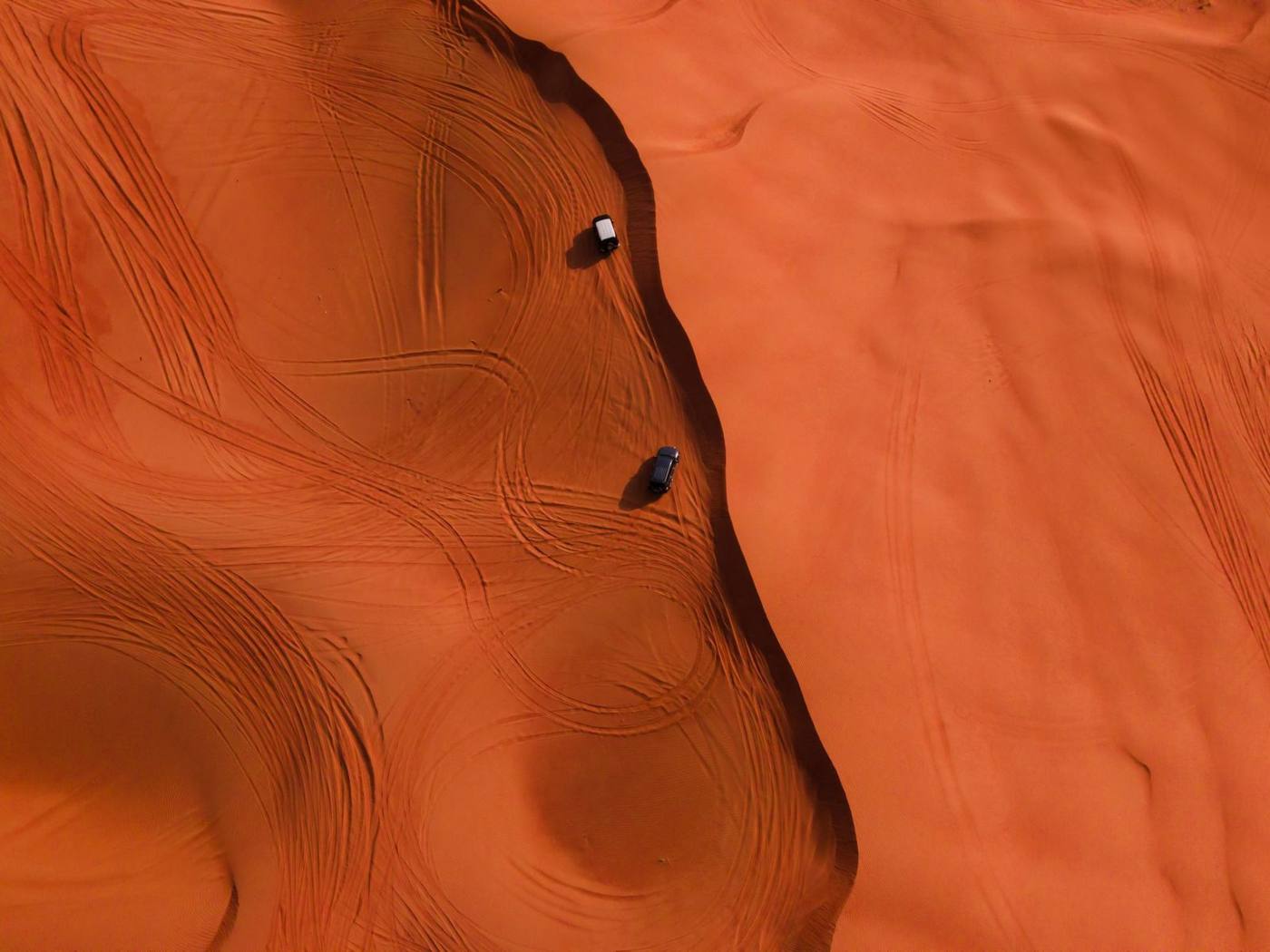
The Liwa desert
The highest dunes in the Emirates on the edge of the Empty Quarter, the Liwa oasis, Moreeb dune and a night in a desert resort.
 4 daysEasy
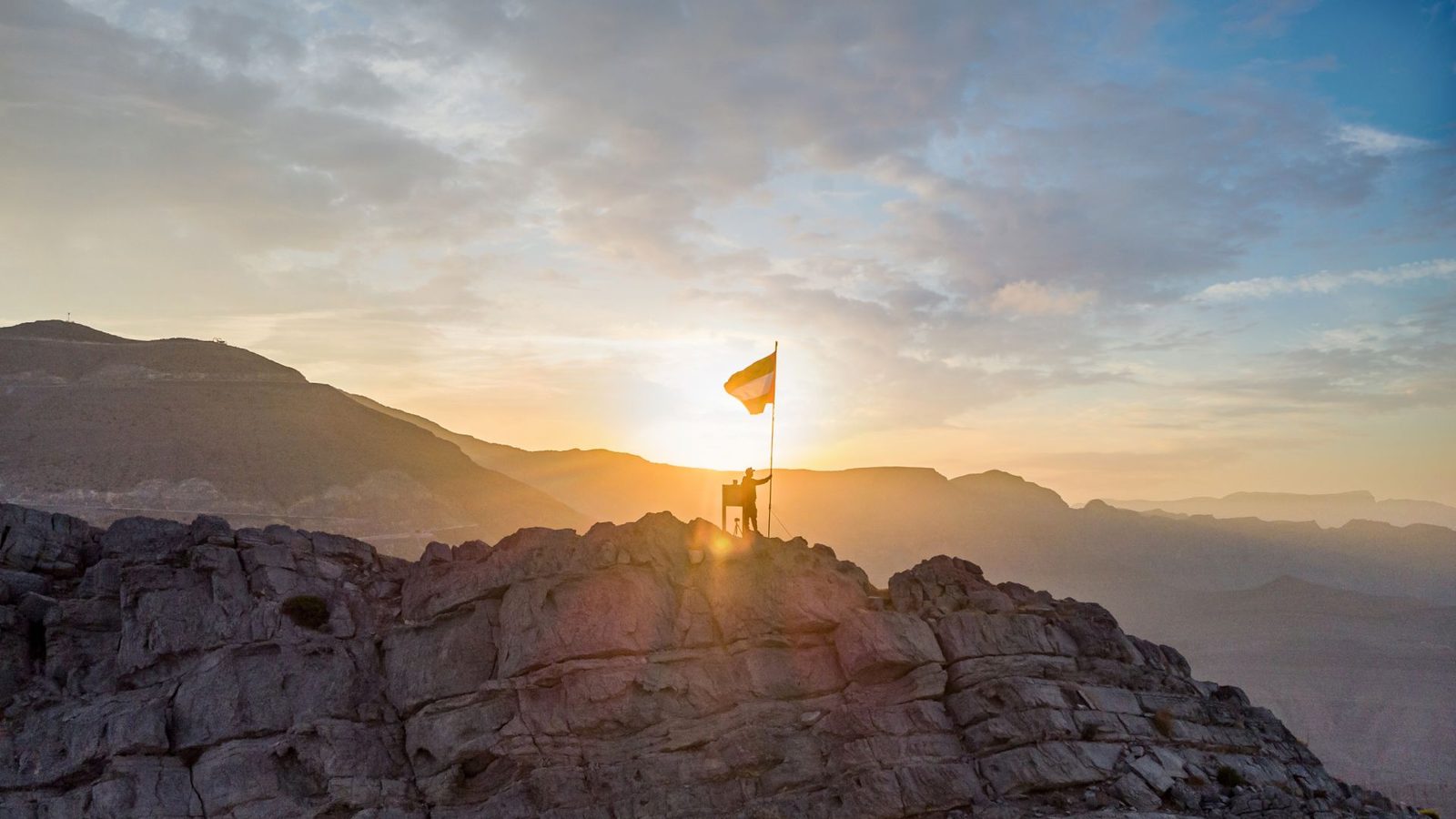
Ras Al Khaimah and Fujairah
Jebel Jais, the highest mountain in the Emirates, the country's oldest mosque at Al Badiyah and snorkelling at Dibba on the Indian Ocean coast.
 3 daysEasy
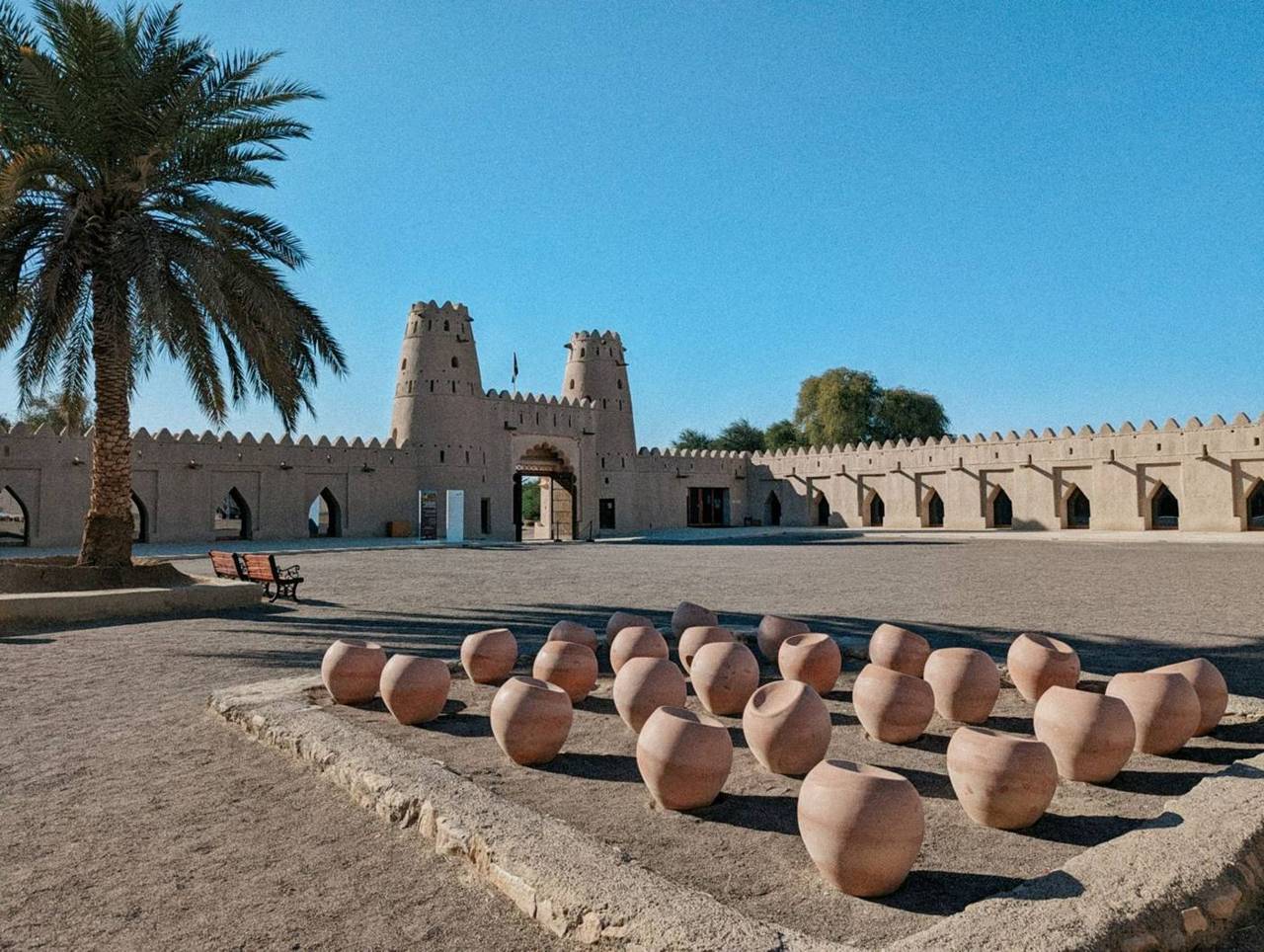
Al Ain and Jebel Hafeet
The UNESCO garden city of Al Ain with its palm oasis and falaj channels, Al Jahili fort, the Hili tombs and the scenic road up Jebel Hafeet.