Al Ain and Jebel Hafeet
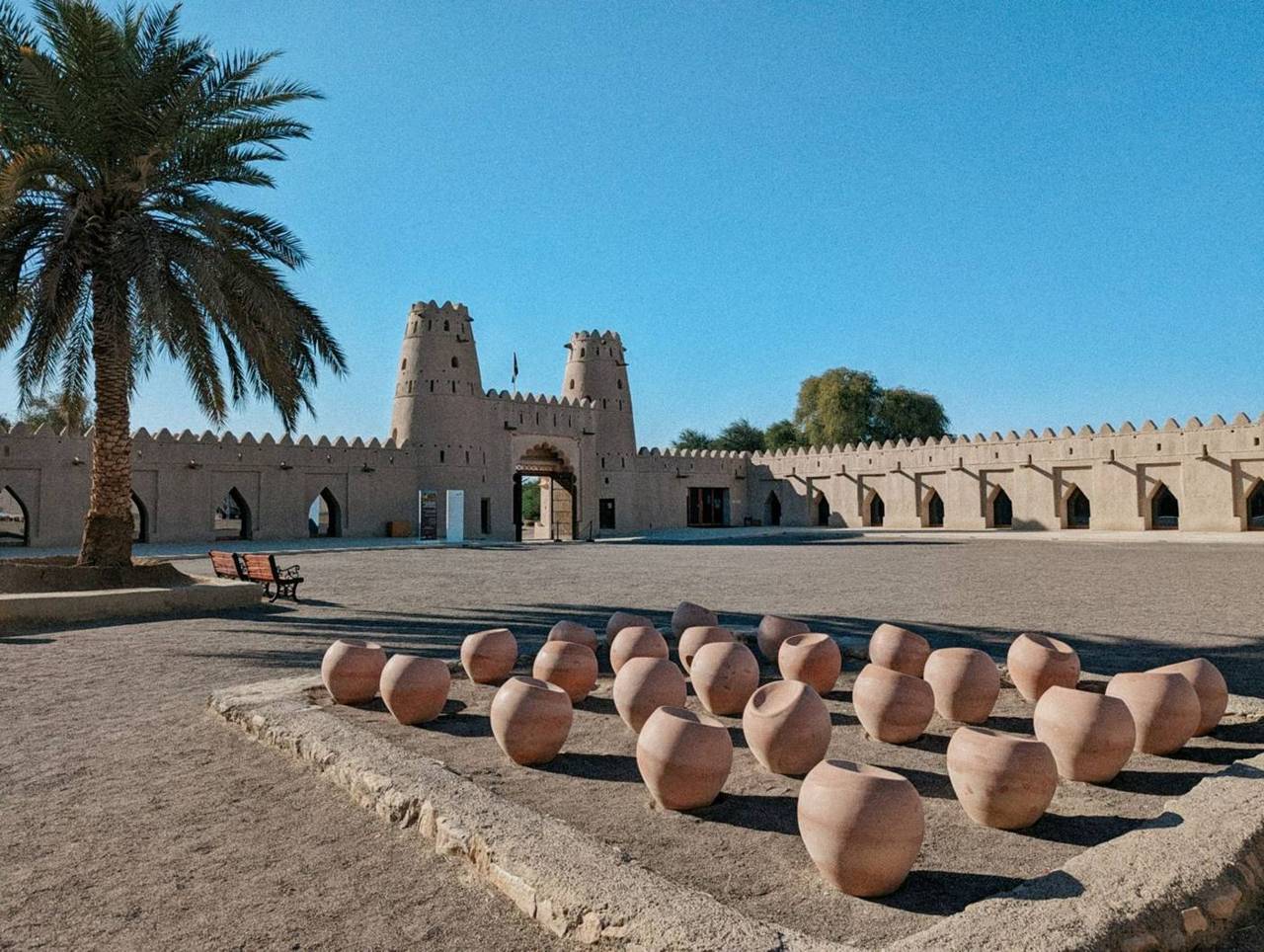
The UNESCO garden city of Al Ain with its palm oasis and falaj channels, Al Jahili fort, the Hili tombs and the scenic road up Jebel Hafeet.
- Abu Dhabi
- Al Ain
- Al Ain Oasis
- Al Jahili
- Hili
- Jebel Hafeet
Day by day
- Day 1
Al Ain oasis and the palace museum
This three-day trip takes you to Al Ain, the garden city of the emirate of Abu Dhabi, at the foot of Jebel Hafeet. You see a palm oasis watered by ancient channels, mud forts, Bronze Age tombs and a mountain road with a huge view over the desert.
Before you go: Italian citizens enter the Emirates with a passport valid for at least six months from the date of arrival; an identity card is not enough. The tourist visa is issued on arrival, with no need to apply in advance, for stays of up to 90 days. Other nationalities should check their own rules.
Some areas on this trip are close to borders or places where the situation changes often: check your government's travel advice before booking and again before you leave.
In the morning leave Abu Dhabi: Al Ain is about an hour and a half away by motorway. The cultural sites of Al Ain are a UNESCO World Heritage Site.
Start with Al Ain Oasis, in the centre of the city: thousands of date palms, in whose shade run the falaj, the channels that bring water from underground and have been used for centuries. Walk the paths between mud walls and gardens, in the cooler hours.
In the afternoon visit Al Ain Palace Museum, the former residence of the family of Sheikh Zayed, the founder of the Emirates. The simple rooms, courtyards and council halls show what life was like before oil. Check prices and times.
Sleep in Al Ain, for two nights.
Practical tip: Al Ain has no metro and few buses: with a hire car you move much more easily between the sites, which are far apart.
- Day 2
Al Jahili, Hili and the livestock market
Today you see the places that tell the story of Al Ain's different eras, from prehistory to the twentieth century.
In the morning visit Al Jahili Fort, built at the end of the nineteenth century in mud brick, with a large round tower on several levels. Inside, an exhibition is dedicated to the British explorer Wilfred Thesiger, who crossed the Rub al Khali desert on foot in the 1940s, with his black and white photographs of the Bedouin. Check prices and times.
Then go to Hili Archaeological Park, north of the city. Here you see a large circular stone tomb from the Bronze Age, about five thousand years old, with figures of people and animals carved around the entrances. Around it lie the remains of villages and towers from the same period.
In the late afternoon visit Al Ain livestock market, one of the liveliest in the country. Among the pens and pickup trucks, goats, sheep and camels are sold, and traders bargain loudly. It is a working place, not an attraction: watch discreetly and leave space for buyers.
In the evening taste machboos, spiced rice with meat or fish, and luqaimat, small fritters with date syrup.
Practical tip: at the market always ask permission before photographing people, and if someone offers to hold an animal for a photo, expect to be asked for a tip.
- Day 3
Jebel Hafeet at sunset and the way back
On the last day you drive up the mountain that overlooks Al Ain.
In the morning, if you like, relax in the hot springs area of Green Mubazzarah, at the foot of the mountain, with lawns, streams and pools of warm water. It is very popular with families at weekends.
In the afternoon take the Jebel Hafeet road, up a limestone mountain over a thousand metres high on the border with Oman. The road is wide and well kept, but it climbs with many hairpin bends: drive calmly, as many locals take it fast. There are several viewpoints along the way.
At the top, from the large car park, you look down on green Al Ain in the middle of the desert, the dunes and the mountains of Oman. Stay until sunset, when the rocks turn orange and the city lights come on. Ancient stone beehive tombs have been found on the slopes of the mountain, and the Hafit period takes its name from them.
Drive down in daylight if you can, then return to Abu Dhabi or Dubai.
In these three days you have seen the greenest and most traditional side of the Emirates, an hour and a half from the skyscrapers: oases, forts, ancient tombs and a mountain in the desert.
When to go: from November to March. In summer Al Ain is extremely hot, and even at the top of the mountain temperatures stay high.
Practical tip: at the top of Jebel Hafeet the evening wind is cool even in winter: bring a sweatshirt and water, as there are few services at the summit.
The traditional Emirates, green and quiet, an hour and a half from Abu Dhabi and Dubai. Summer is scorching. An authentic alternative to the skyscrapers.
Before you go
- Documents and visa
- Passport valid for at least six months from the date of arrival. Italian, EU and British citizens receive a tourist visa on arrival, with no need to apply in advance, for stays of up to 90 days. Some medicines that are common in Europe (for example for pain, anxiety or sleep) need prior approval from the UAE Ministry of Health: check before you travel and carry the prescription.
- Health and vaccines
- No compulsory vaccinations, except a yellow fever certificate if you arrive from a risk country. Healthcare is excellent but very expensive: get insurance with high medical cover. From May to September the heat is extreme: drink often and stay in the shade in the middle of the day. Tap water is treated, but almost everyone drinks bottled water. Emergencies: 999 police, 998 ambulance.
- Money and payments
- UAE dirham, pegged to the US dollar. Cards are accepted almost everywhere, including taxis; keep some cash for the souks, the abras on the Creek and small kiosks.
- Power sockets
- Type G, 230 volts: the same sockets as in the UK.
- Time zone
- UTC+4 all year, four hours ahead of the UK in winter and three in summer.
- Safety
- The situation in the Gulf region can change quickly, including sudden airspace closures: check the advice and the status of your flights before leaving. The laws are strict and apply to tourists too. Alcohol: you may drink only in licensed venues and from the age of 21; drinking or being drunk in public is an offence and there is zero tolerance for drink-driving; alcohol is banned in the emirate of Sharjah. Clothing: in public places, including shopping centres, cover shoulders and knees; swimwear is for beaches and pools only; in mosques you need long clothes and, for women, a headscarf. Ramadan: during the day do not eat, drink, smoke or chew gum in public, even in your car. Photos: do not photograph people without their permission, or government buildings, military sites or airports; drones need a permit. Public displays of affection, swearing and rude gestures, online too, can lead to arrest. Zero tolerance for drugs, even traces in the blood. In the desert travel only in an equipped 4x4, with a guide or other vehicles. Official advice: GOV.UK.
Information checked in November 2026 for Italian and EU citizens. Rules change: always check before you travel.
Variations
In a day from Abu Dhabi or Dubai you can see the oasis, Al Jahili Fort and sunset on Jebel Hafeet.
With two more days add the Liwa desert, south-west of Abu Dhabi.
Frequently asked questions
Is Al Ain close to the border with Oman?
Yes, the city borders the Omani town of Buraimi. Crossing into Oman needs different documents and rules: this trip stays in the Emirates.
Is the Jebel Hafeet road difficult?
No, it is paved and wide, but it has many bends: drive slowly and do not stop outside the viewpoints.
Where can I stay?
Al Ain has accommodation at every level, in the city and at the foot of the mountain; it costs less than in Dubai.
Indicative itinerary written by World Atlas. Before booking, check timetables, seasonal openings, documents and safety.
 3 daysEasy
Sharjah and its museums
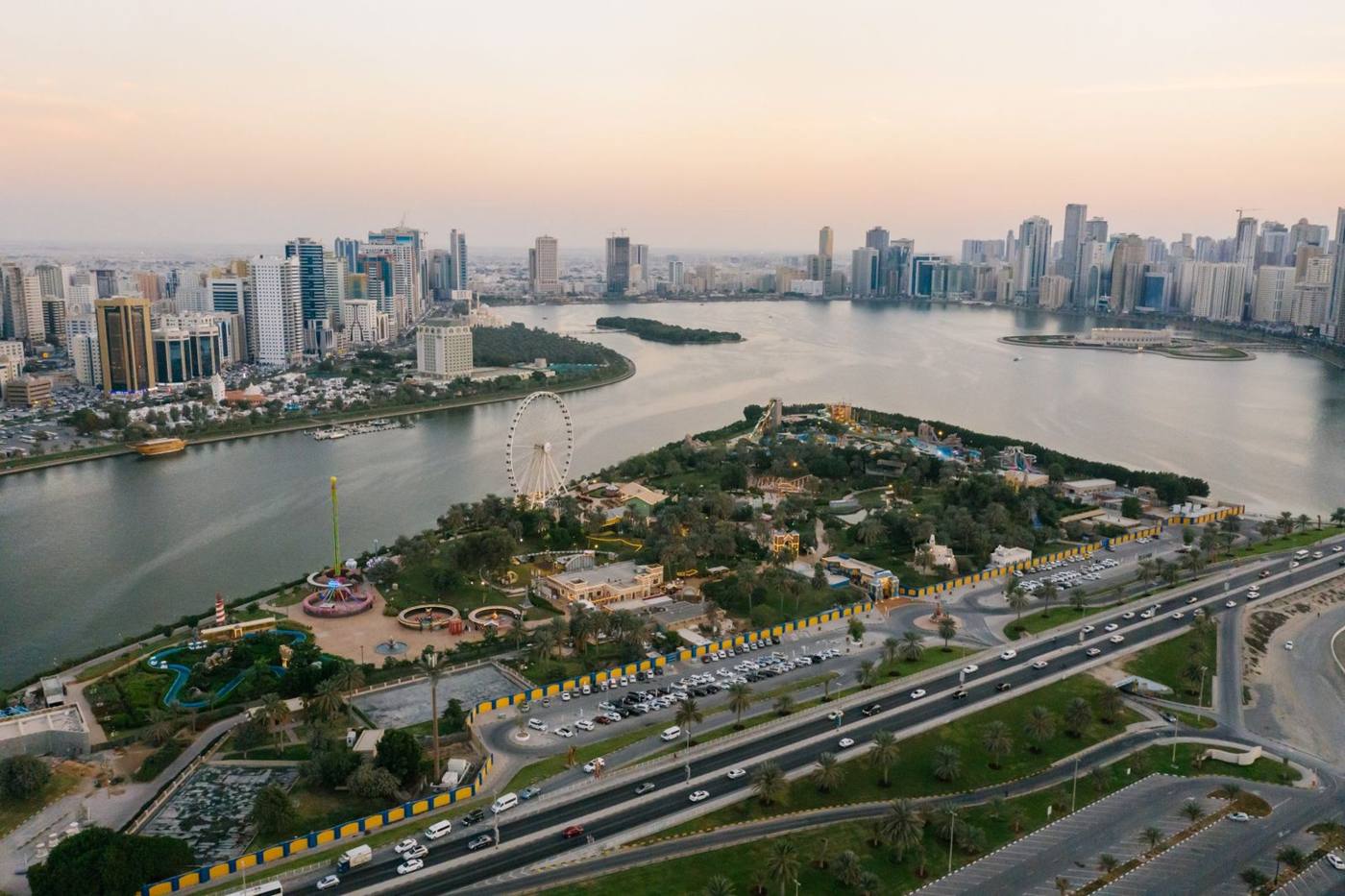
The cultural capital of the Emirates: the Museum of Islamic Civilization, the Heart of Sharjah quarter, the Blue Souk, the Rain Room and the Mleiha archaeological site in the desert.
 3 daysEasy
Hatta and the mountains
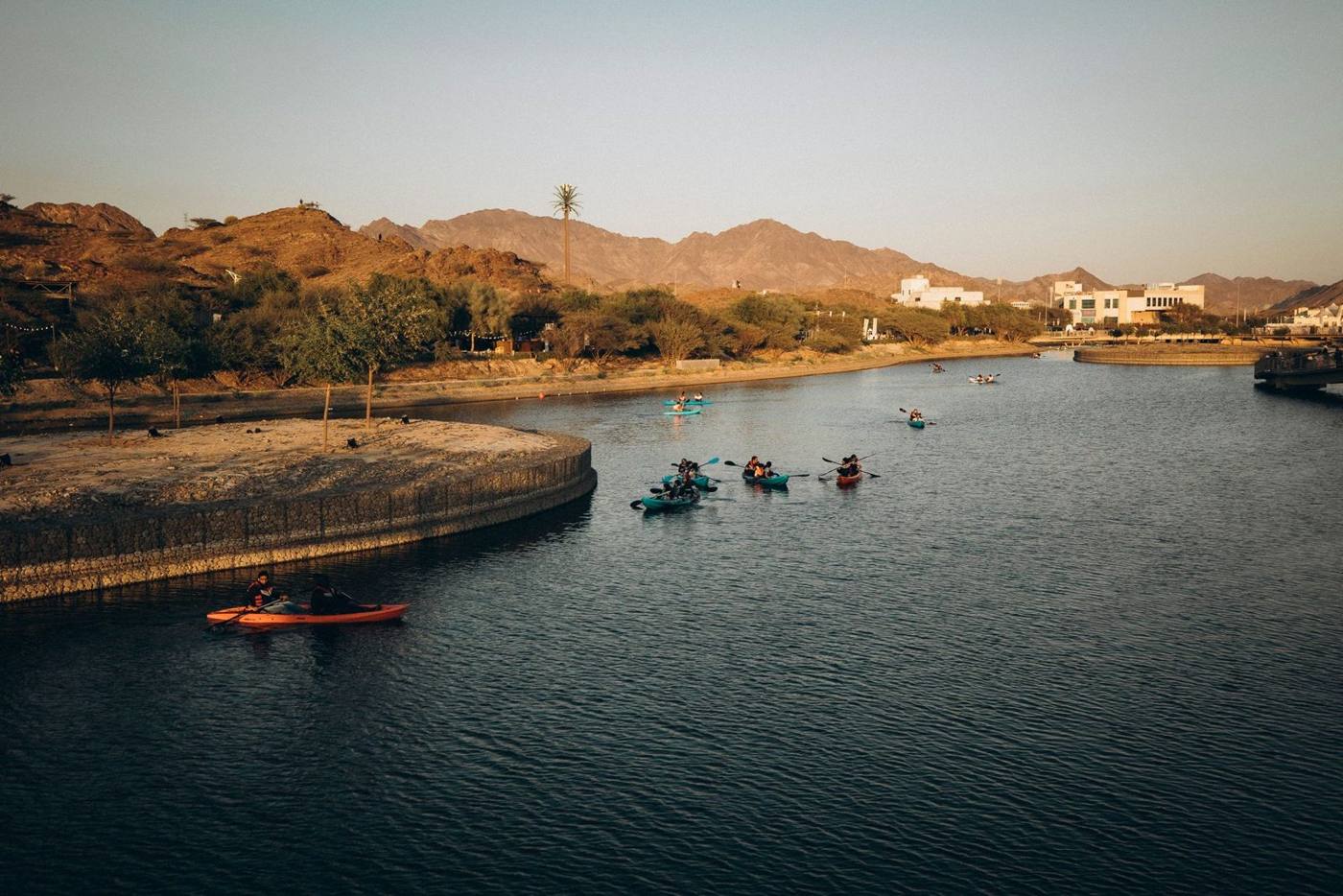
Dubai's mountain enclave in the Hajar range: kayaking on the turquoise Hatta dam, mountain biking, the heritage village and nights in lodges or camping.
 3 daysEasy
Sir Bani Yas
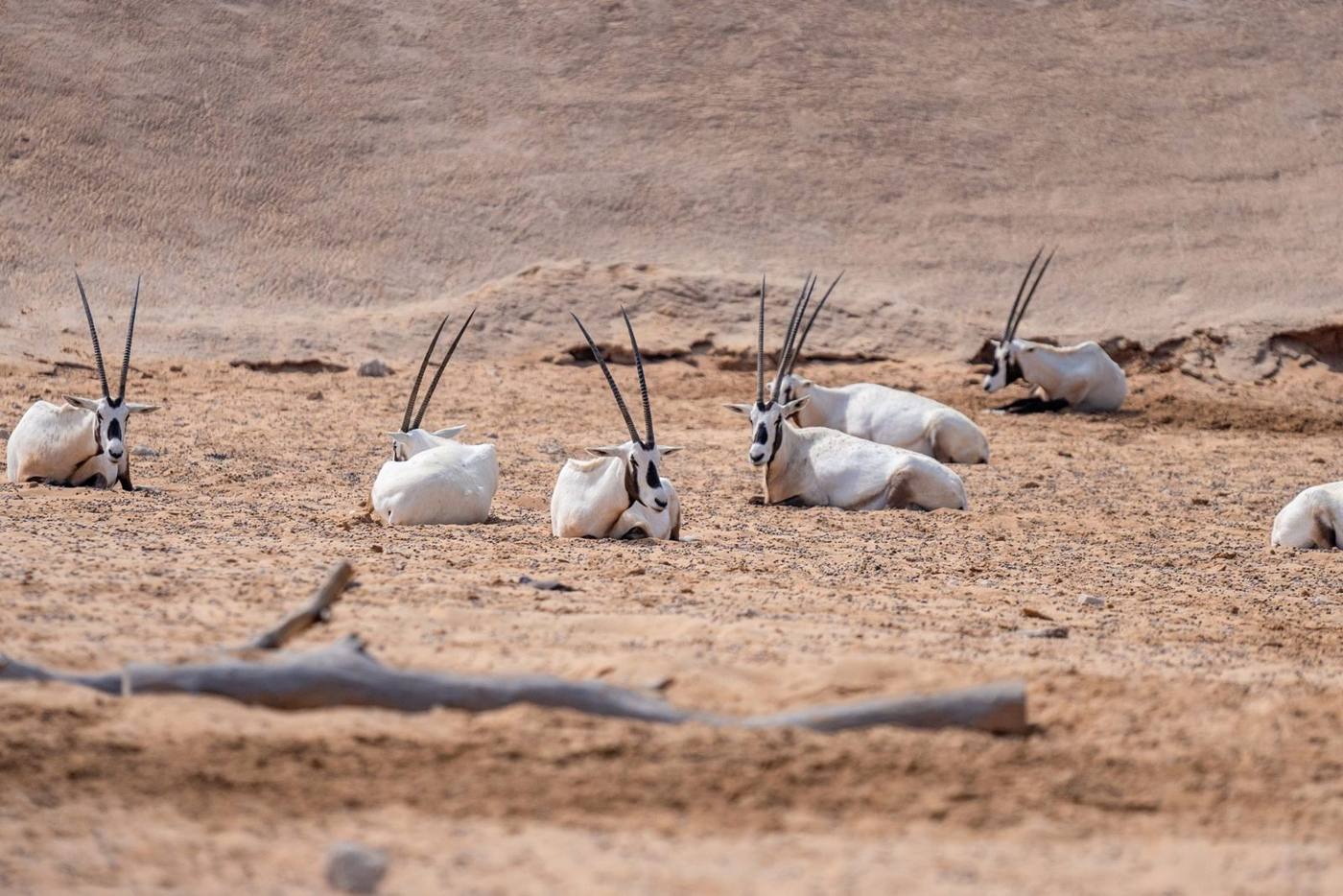
An island reserve in the Gulf with giraffes, cheetahs, Arabian oryx and gazelles roaming wild, a 7th-century Christian monastery and quiet beaches.