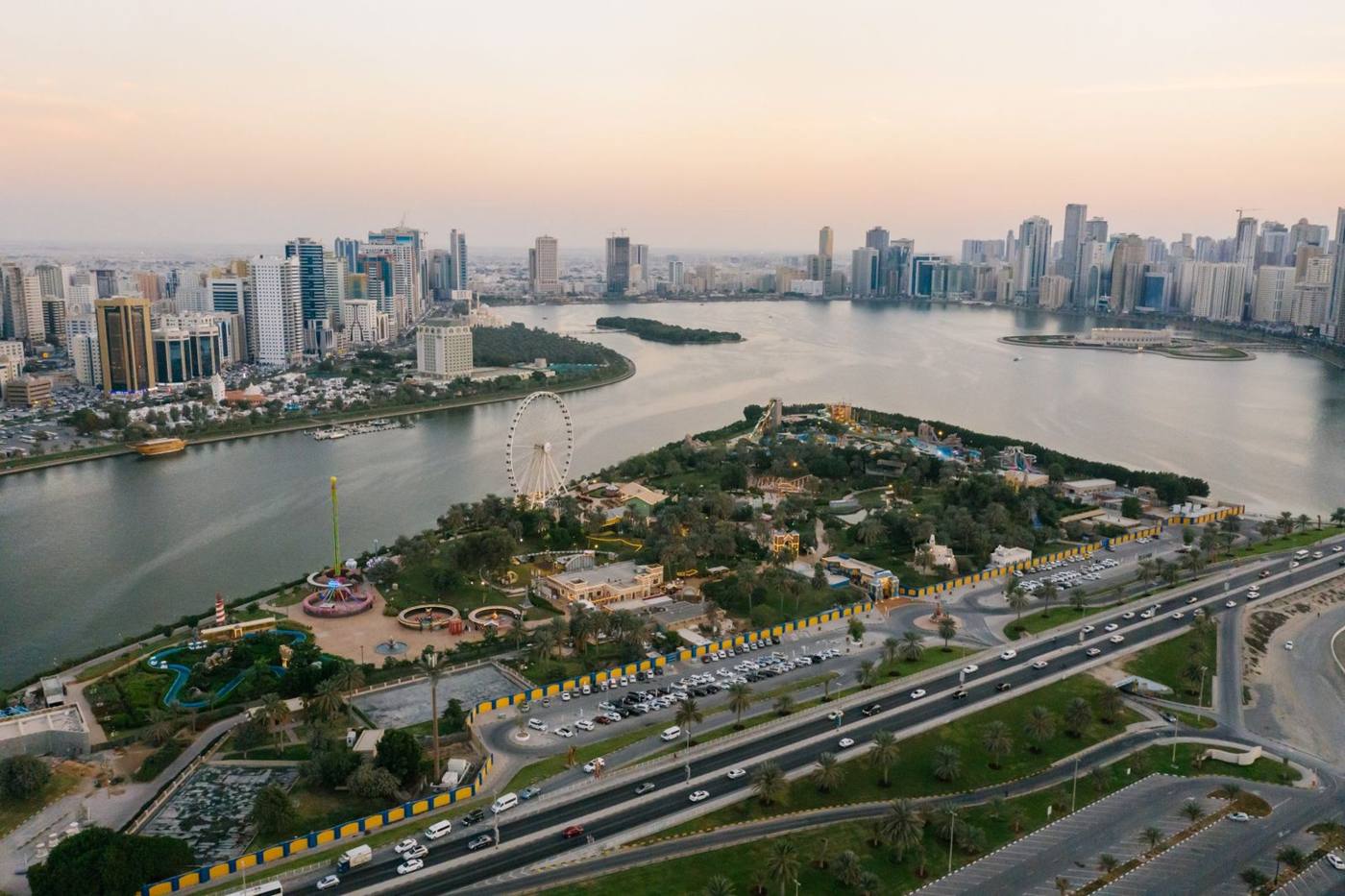
Sharjah and its museums
The cultural capital of the Emirates: the Museum of Islamic Civilization, the Heart of Sharjah quarter, the Blue Souk, the Rain Room and the Mleiha archaeological site in the desert.
- Sharjah
- Heart of Sharjah
- Souk Blu
- Rain Room
- Mleiha
Day by day
- Day 1
The Museum of Islamic Civilization and the Heart of Sharjah
This three-day trip takes you to Sharjah, the cultural capital of the Emirates, a few kilometres from Dubai. You visit major museums, a restored historic quarter, the blue souk, a room where the rain stops as you walk through it and the archaeological site of Mleiha, among fossils, ancient tombs and dunes.
Before you go: Italian citizens enter the Emirates with a passport valid for at least six months from the date of arrival; an identity card is not enough. The tourist visa is issued on arrival, with no need to apply in advance, for stays of up to 90 days. Other nationalities should check their own rules.
Some areas on this trip are close to borders or places where the situation changes often: check your government's travel advice before booking and again before you leave.
Sharjah is the most conservative emirate: alcohol is banned and covering clothes are expected for men and women, with shoulders and knees always covered.
In the morning visit the Museum of Islamic Civilization, on the waterfront, in an old market building with a golden dome. The galleries show Quran manuscripts, ceramics, astronomical instruments and scientific discoveries of the Islamic world. Check prices and times.
In the afternoon walk through the Heart of Sharjah, the restored historic quarter, among coral houses, narrow lanes and old covered souks. In the centre visit Al Hisn Fort, the rulers' residence, rebuilt as it was. Check prices and times.
Sleep in Sharjah, for two nights.
Practical tip: many Sharjah museums have a combined ticket for several entries: ask at the first museum you visit.
- Day 2
The blue souk and the Rain Room
Today you combine a historic market and a unique work of art.
In the morning visit the central souk, known as the blue souk for the blue tiles covering its two long wings, overlooking a lagoon. Inside are hundreds of shops: carpets from Iran and Afghanistan, jewellery, oud, fabrics, antiques and crafts. The wind towers on the roof and the arches recall traditional architecture, although the building dates from the 1970s.
At lunchtime taste Emirati and Gulf food in the waterfront area: rice with fish, freshly baked bread and fresh juices.
In the afternoon go to the Rain Room, a permanent art installation run by a Sharjah art foundation, in the Al Majarrah district. You enter a dark room where heavy rain falls, but sensors follow your movements and the water stops around you: you walk under the rain without getting wet. Entry is timed and for a few visitors at a time, so it must be booked in advance. Check prices and times.
At sunset stroll along the Al Majaz waterfront, with its fountains and views over the illuminated lagoon.
Practical tip: in the Rain Room move slowly and calmly: if you walk too fast the sensors cannot follow you and you get wet.
- Day 3
Mleiha: fossils, tombs and sunset among the dunes
On the last day you leave the city for the inland desert of Sharjah.
In the morning drive to Mleiha, about an hour east, at the foot of the mountains. Here the archaeological centre tells the long history of the area, from the Stone Age to the pre-Islamic period, with finds, videos and a large circular Bronze Age tomb next to the building. Check prices and times.
The centre organises guided outings, which are the best way to see the site: the archaeological areas are scattered and not always signposted. With the guide you visit ancient tombs, the remains of a fort and, by 4x4, Fossil Rock, a limestone mountain full of marine fossils from when this area was covered by the sea. You can also see Camel Rock, a rock that looks like a camel.
In the late afternoon climb a dune for sunset: the red sand contrasts with the dark mountains. Some outings continue with stargazing.
In the evening return to Sharjah or Dubai.
In these three days you have seen the cultural face of the Emirates, ideal for those looking for museums and history a few kilometres from Dubai. Remember, though, that traffic between the two cities is heavy at rush hour.
When to go: from November to March.
Practical tip: for Mleiha book the guided outing in advance, wear closed shoes and bring water: there are no shops in the desert.
The most conservative emirate: alcohol is banned and modest dress required. Great for culture a few kilometres from Dubai, but traffic between the two cities is heavy at rush hour. Mleiha is visited with a guide.
Before you go
- Documents and visa
- Passport valid for at least six months from the date of arrival. Italian, EU and British citizens receive a tourist visa on arrival, with no need to apply in advance, for stays of up to 90 days. Some medicines that are common in Europe (for example for pain, anxiety or sleep) need prior approval from the UAE Ministry of Health: check before you travel and carry the prescription.
- Health and vaccines
- No compulsory vaccinations, except a yellow fever certificate if you arrive from a risk country. Healthcare is excellent but very expensive: get insurance with high medical cover. From May to September the heat is extreme: drink often and stay in the shade in the middle of the day. Tap water is treated, but almost everyone drinks bottled water. Emergencies: 999 police, 998 ambulance.
- Money and payments
- UAE dirham, pegged to the US dollar. Cards are accepted almost everywhere, including taxis; keep some cash for the souks, the abras on the Creek and small kiosks.
- Power sockets
- Type G, 230 volts: the same sockets as in the UK.
- Time zone
- UTC+4 all year, four hours ahead of the UK in winter and three in summer.
- Safety
- The situation in the Gulf region can change quickly, including sudden airspace closures: check the advice and the status of your flights before leaving. The laws are strict and apply to tourists too. Alcohol: you may drink only in licensed venues and from the age of 21; drinking or being drunk in public is an offence and there is zero tolerance for drink-driving; alcohol is banned in the emirate of Sharjah. Clothing: in public places, including shopping centres, cover shoulders and knees; swimwear is for beaches and pools only; in mosques you need long clothes and, for women, a headscarf. Ramadan: during the day do not eat, drink, smoke or chew gum in public, even in your car. Photos: do not photograph people without their permission, or government buildings, military sites or airports; drones need a permit. Public displays of affection, swearing and rude gestures, online too, can lead to arrest. Zero tolerance for drugs, even traces in the blood. In the desert travel only in an equipped 4x4, with a guide or other vehicles. Official advice: GOV.UK.
Information checked in November 2026 for Italian and EU citizens. Rules change: always check before you travel.
Variations
In two days you can see Sharjah's museums, the blue souk and the Rain Room.
With one more day add Ajman and Umm al-Quwain, a few kilometres north.
Frequently asked questions
Is it better to stay in Sharjah or Dubai?
In Sharjah: you avoid the heavy traffic between the two cities and accommodation costs less.
Can you drink alcohol in Sharjah?
No: alcohol is banned throughout the emirate, including in hotels.
Can Mleiha be visited independently?
The archaeological centre yes, but for the tombs, Fossil Rock and the dunes the centre's guided outing is best.
Indicative itinerary written by World Atlas. Before booking, check timetables, seasonal openings, documents and safety.
 3 daysEasy
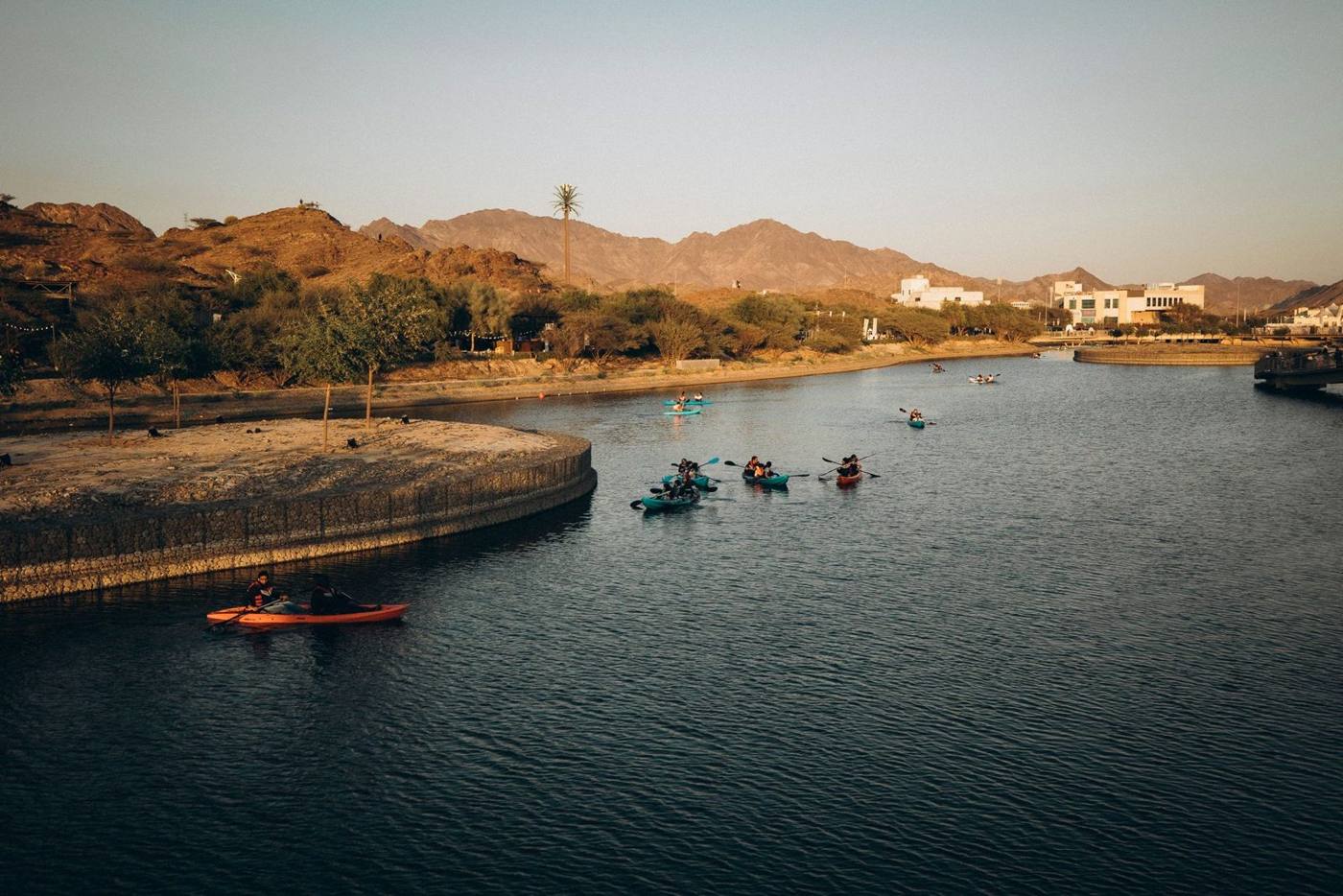
Hatta and the mountains
Dubai's mountain enclave in the Hajar range: kayaking on the turquoise Hatta dam, mountain biking, the heritage village and nights in lodges or camping.
 3 daysEasy
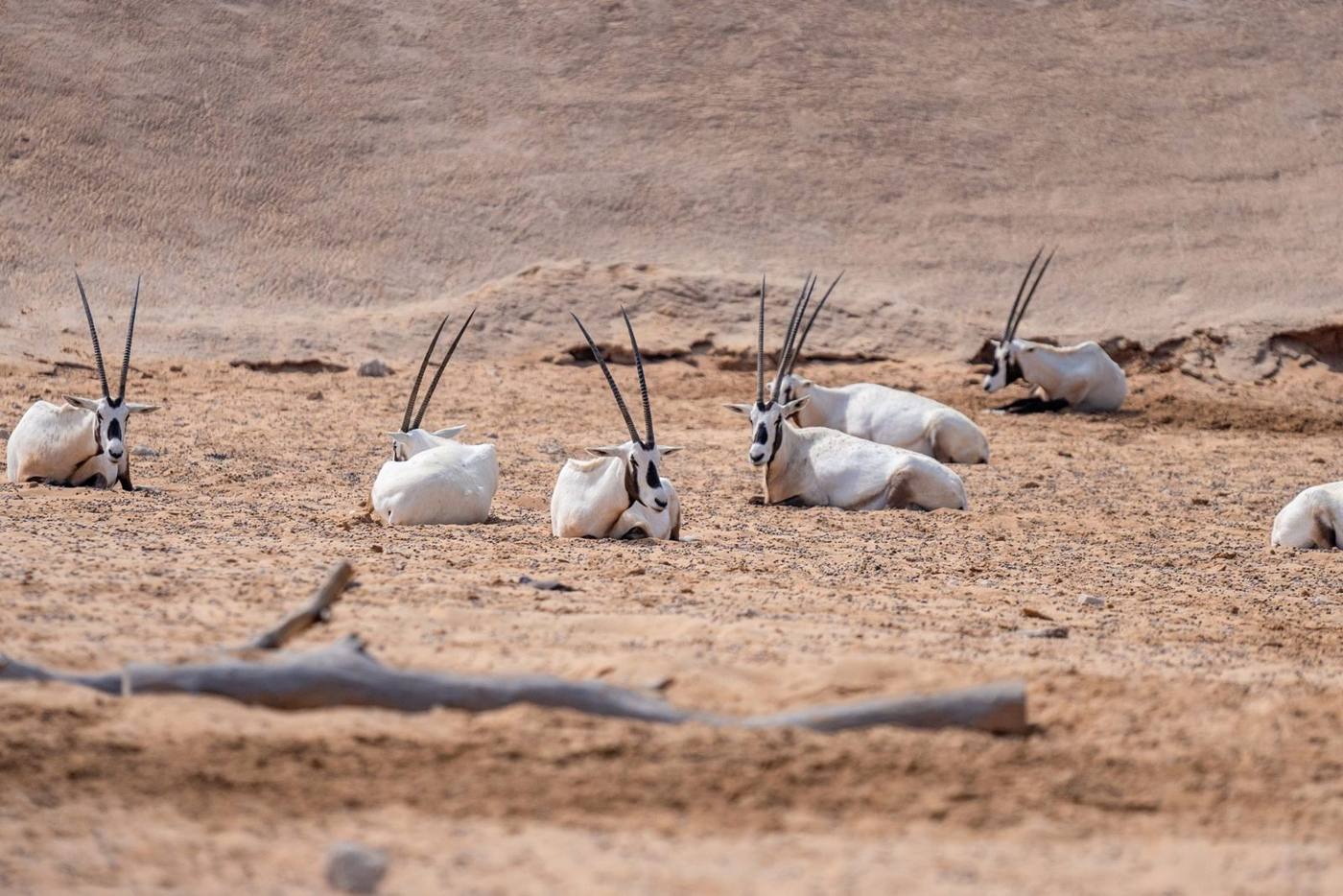
Sir Bani Yas
An island reserve in the Gulf with giraffes, cheetahs, Arabian oryx and gazelles roaming wild, a 7th-century Christian monastery and quiet beaches.
 5 daysEasy
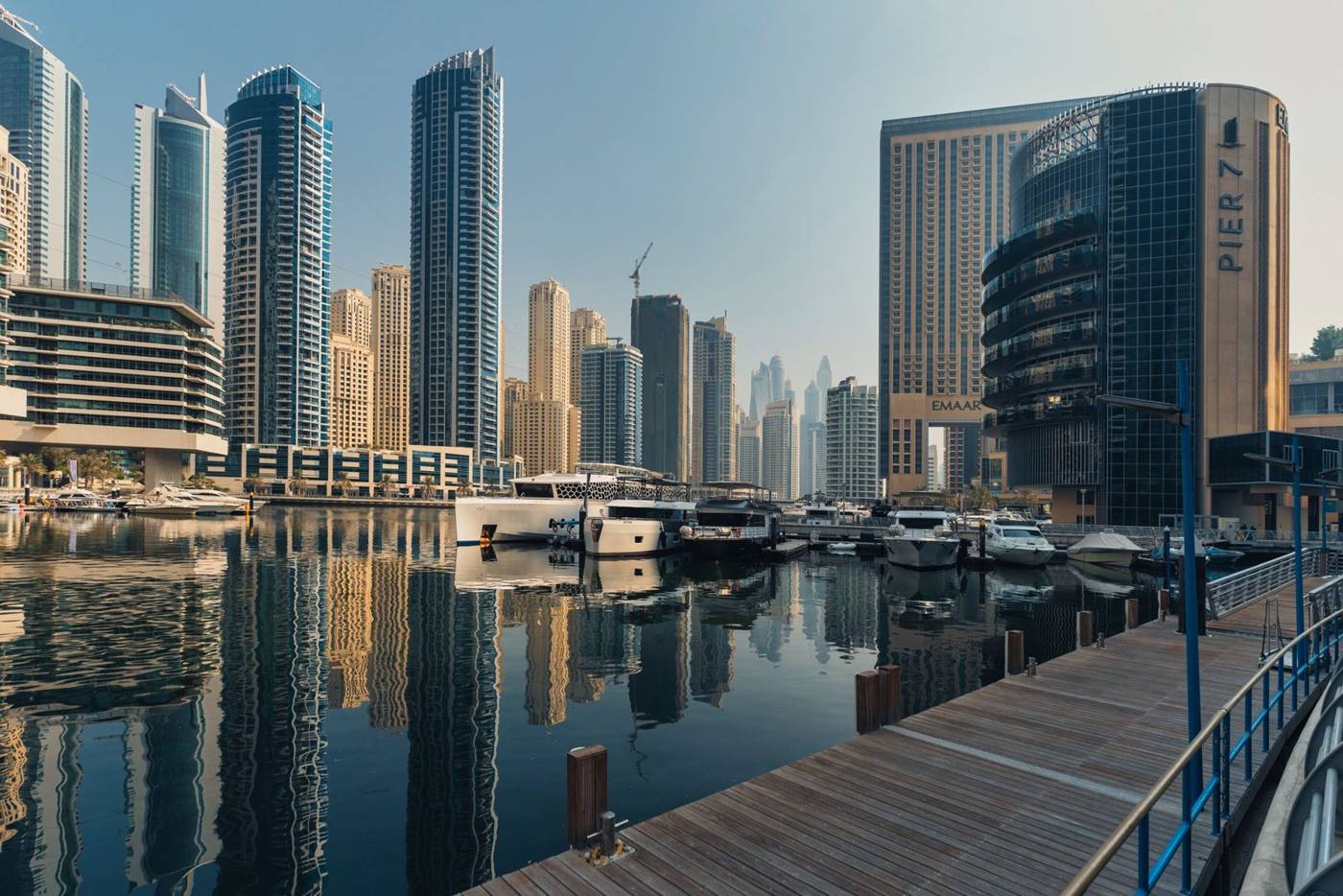
Dubai with children
An easy family holiday week: the Dubai Mall aquarium, water parks, the Museum of the Future, Green Planet, Jumeirah beaches and an evening in the desert.