Jinja, Sipi and Mount Elgon: active Uganda
A week of outdoor adventure: rafting on the Nile, Sipi Falls, coffee farms and trails on Mount Elgon.
- Entebbe
- Jinja
- Mbale
- Sipi
- Mount Elgon
Day by day
- Day 1
Arrival in Entebbe
Before you go: Italian citizens need a passport valid for at least six months from the date of arrival and a visa, applied for only online on the official Ugandan government website, visas.immigration.go.ug, a few weeks before departure: print the approval letter and show it on arrival. Beware of unofficial websites that charge more. If you plan to visit Kenya or Rwanda too, consider the East Africa Tourist Visa. Carry the international yellow fever vaccination certificate, which may be checked on arrival and by airlines, and ask your doctor about malaria prevention. Other nationalities should check their own rules. Some areas on this trip are close to borders or places where the situation changes often: check your government's travel advice before booking and again before you leave.
This trip shows a different Uganda from the safari one: rivers, waterfalls, mountains and coffee plantations, to be discovered on the move. The starting point is Entebbe, the airport town on the shore of Lake Victoria.
If you arrive early, stroll along the lakefront or through the botanical gardens, where among the giant trees you see colobus monkeys and hornbills, large birds with curved bills. It is a good way to get used to the climate and the pace of the country. In the evening try a dish of lake fish with matooke, cooked green bananas, and a peanut sauce, widely used in Ugandan cooking.
Tomorrow you set off east towards Jinja. The road goes through Kampala, so it is best to leave early to avoid rush hour.
Practical tip: pack a swimsuit, a quick-dry T-shirt, sports sandals with a strap and water-resistant sun cream, which you will use for rafting and kayaking on the Nile.
- Day 2
Jinja: rafting on the White Nile
Leave at dawn for Jinja, about eighty kilometres east of Kampala, crossing Mabira forest, one of the last large forests in the area. Jinja lies where the Nile leaves Lake Victoria and begins its long journey to the Mediterranean. In 1862 the English explorer John Hanning Speke identified this spot as the source of the Nile.
The day is devoted to rafting, the activity that made Jinja famous. Below the town the river forms a series of powerful rapids, some of them grade 5, the highest class for commercial descents. You go down in a raft with an experienced guide, after a safety talk and some practice in calm water: how to paddle, how to hold on, what to do if you fall in. Between rapids there are long quiet stretches where you can swim in the warm water and admire the green banks full of birds.
If you do not feel up to the biggest rapids, many departures offer calmer routes, suitable for families too. In any case you wear a helmet and a life jacket, and safety kayaks escort the rafts.
In the evening you return to Jinja tired but happy, with stories from those who ended up in the water.
Practical tip: choose an organiser with certified guides, safety kayaks and equipment in good condition, and always ask which stretch of the river you will run. Check prices and times.
- Day 3
Kayak or bike along the river
After the adrenaline of rafting, today you explore the Nile at a gentle pace. In the morning take a boat to the source of the river, where the water of Lake Victoria starts to flow north. On the bank stands a small memorial to Gandhi, because some of his ashes were scattered right here. From the boat you see cormorants, herons and kingfishers, and fishermen casting nets from wooden canoes.
Then choose the activity you prefer. Kayaking on the calm stretches of the river suits beginners too: with a guide you paddle through channels and islets where otters and monitor lizards bask in the sun. More experienced paddlers can try a few small rapids. Alternatively, hire a mountain bike and ride with a guide on red earth tracks through villages, sugar cane fields and plantations, stopping to chat with people and to visit a school or a market.
In the afternoon take a walk round the centre of Jinja, with its old colonial-era buildings and shops run by Ugandan Indian families, and at sunset sit by the river.
Practical tip: do not drink the river water, wash your hands often and take a shower after kayaking: it is a good habit against diseases caught in fresh water.
- Day 4
Sipi: the three waterfalls and abseiling
Today you leave Jinja and drive east for about four or five hours, through the town of Mbale at the foot of Mount Elgon. From here the road climbs in many bends up the slopes of the mountain to Sipi, a village perched on a green escarpment.
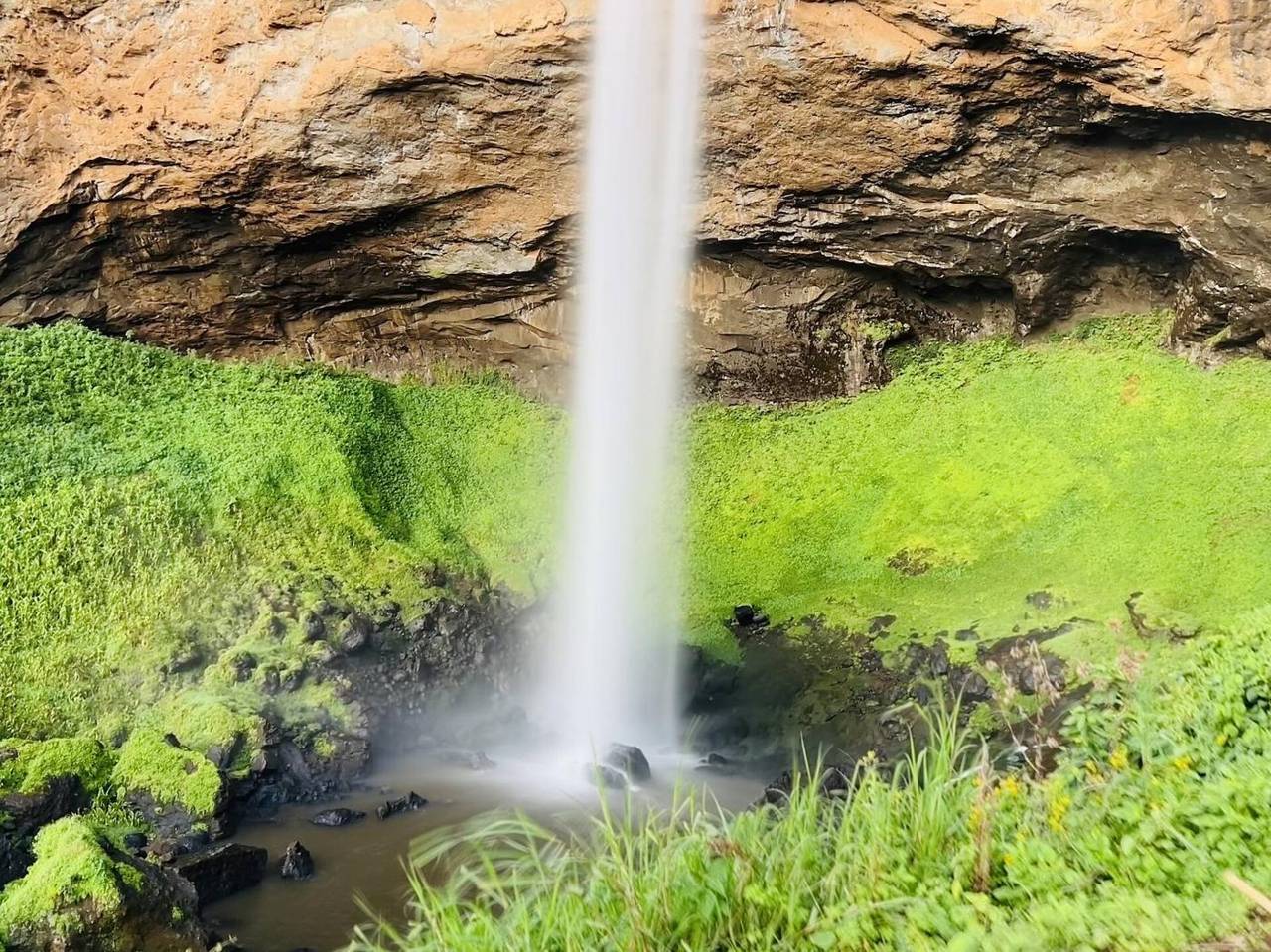
There are three Sipi Falls, at different heights along the river that comes down from Mount Elgon. The highest plunges almost a hundred metres from a rock wall into a narrow gorge. A guided half-day walk links the three falls through banana and coffee fields, earth paths and small bridges. You pass behind some of the falls, in caves soaked by spray, and from above you see the plain stretching away to the north.
For thrill seekers there is abseiling beside the main fall: a descent down the wet rock face, with a harness and rope, belayed by a guide. It is impressive, but no experience is needed.
In the evening the air is cool, because Sipi lies at almost two thousand metres: from the terrace you will watch the lights of the villages on the plain.
Practical tip: on the Sipi trails the ground is steep and slippery after rain; wear hiking boots with a good sole and accept the guide's help on the most exposed stretches.
- Day 5
Arabica coffee, from plant to cup
The slopes of Mount Elgon are one of the main arabica coffee growing areas in Uganda. The coffee is grown by smallholders on family plots, in the shade of banana plants, on fertile volcanic soil and at high altitude, ideal conditions for a fragrant coffee.
Today you spend the morning with a family of growers. You begin in the plantation, where you learn to recognise the ripe berries, a deep red, and to pick them by hand. Then comes the processing: the pulp is removed with a hand-cranked machine, the beans are washed and laid out to dry in the sun on sheets or racks. Finally they are roasted in a pan over the fire, pounded in a wooden mortar and brewed. Drinking it where it was grown, with the people who picked it, has a special taste.
In the afternoon take a walk around the village, among terraced fields and small rivers, or rest and enjoy the view. The people of the area are mostly Bagisu, also known for their traditional coming-of-age ceremonies.
If you like coffee, buy a bag directly from the farmers or from a local cooperative: it is the most authentic souvenir of the trip.
Practical tip: ask before photographing people and homes, and leave a contribution for the host family, agreed in advance with your guide. Check prices and times for the visit.
- Day 6
Trails on Mount Elgon
Mount Elgon is an ancient extinct volcano on the border between Uganda and Kenya, with one of the largest calderas in the world. The highest peak, Wagagai, reaches 4,321 metres and is on the Ugandan side. The national park protects forest, bamboo and, higher up, moorland with giant plants similar to those on Kilimanjaro.
Climbing to the summit takes several days, but today you go on a full-day hike in the lower part of the park, with a compulsory ranger. The trail enters montane forest, with trees covered in lichen and ferns, and climbs towards the bamboo zone. Along the way you may see black and white colobus, blue monkeys and many birds. At the viewpoints the view opens over the escarpments and the waterfalls of the area.
Bring a packed lunch and at least two litres of water each. The effort is moderate, but you feel the altitude: walk slowly and drink often. The weather changes quickly, and even in the dry months rain can arrive in the afternoon.
In the evening, back in Sipi, enjoy a last dinner with coffee from the mountain and, if the sky is clear, a blanket of stars with no lights around.
Practical tip: book the hike with a ranger through the Uganda Wildlife Authority park office, bring warm layers and a rain jacket, and check prices and times.
- Day 7
Back to Entebbe and departure
The return journey to Entebbe is long: from Sipi it takes about seven hours, down to Mbale and back through Jinja and Kampala. Leave early to avoid the afternoon traffic in the capital. If your flight is in the evening, keep a wide margin: the stretch between Jinja and Kampala is often congested.
On the way you can stop in Jinja for a last look at the Nile or at the fruit stalls in Mabira forest, where vendors offer pineapples, bananas and skewers.
In one week you have lived an active Uganda without safaris: the White Nile rapids at Jinja, kayaking and cycling among islands and villages, the three Sipi Falls with the abseil beside the highest, arabica coffee made with a farming family and the trails of Mount Elgon. It combines well with a week devoted to gorillas and the parks of the west.
When to go: the best months are from June to September and from December to February, drier and with less muddy trails. Rafting runs all year; in the rainy seasons the Sipi Falls are more powerful, but the trails on Mount Elgon become very slippery.
Practical tip: if you are short of time for the return, consider spending the last night in Jinja and driving to Entebbe the next morning.
A different Uganda, clear of safari, for those who like to move. Nile rafting at Jinja is among the best in the world, with grade 5 rapids but gentler options too. Pairs well with a week of gorillas and parks.
Before you go
- Documents and visa
- Passport valid for at least six months from your arrival date and a compulsory visa, applied for only online on the official Ugandan government website, visas.immigration.go.ug, before leaving: beware of unofficial sites. The East Africa Tourist Visa also covers Kenya and Rwanda. Carry an international yellow fever vaccination certificate.
- Health and vaccines
- Yellow fever vaccine: carry the international certificate, which may be checked on arrival and by airlines. Malaria risk throughout the country: ask your doctor about antimalarials. Outside Kampala health facilities are limited: you need insurance covering medical costs and repatriation. Drink only bottled water. Emergencies: 999 or 112.
- Money and payments
- Ugandan shilling. Bring recent US dollar notes in good condition, to change at banks or exchange offices. Cards work in towns and at many tourist places; mobile phone payments are everywhere.
- Power sockets
- Type G, 240 volts, the same as in the UK.
- Time zone
- UTC+3 all year.
- Safety
- Areas near the borders with the DRC and South Sudan and the Karamoja region call for caution and up to date information. Outside towns avoid travelling after dark, do not show valuables and in the parks always follow rangers and guides. Official advice: GOV.UK.
Information checked in November 2026 for Italian and EU citizens. Rules change: always check before you travel.
Variations
In five days you can stick to Jinja and Sipi, giving up the Mount Elgon hike.
With twelve days climb Mount Elgon to the caldera and Wagagai peak on a trek of several days.
Frequently asked questions
Is rafting on the Nile suitable for beginners?
Yes, no experience is needed, but you should be able to swim a little and follow the guide's instructions. If you prefer, you can choose a route with gentler rapids.
How high is the main Sipi waterfall?
Almost a hundred metres. Abseiling beside the waterfall needs no experience, because a guide belays you all the time.
Do I need a guide on Mount Elgon?
Yes, inside the national park hikes are done with a Uganda Wildlife Authority ranger, to be booked in advance.
Indicative itinerary written by World Atlas. Before booking, check timetables, seasonal openings, documents and safety.
 7 daysModerate
Bwindi gorillas and Kibale chimpanzees
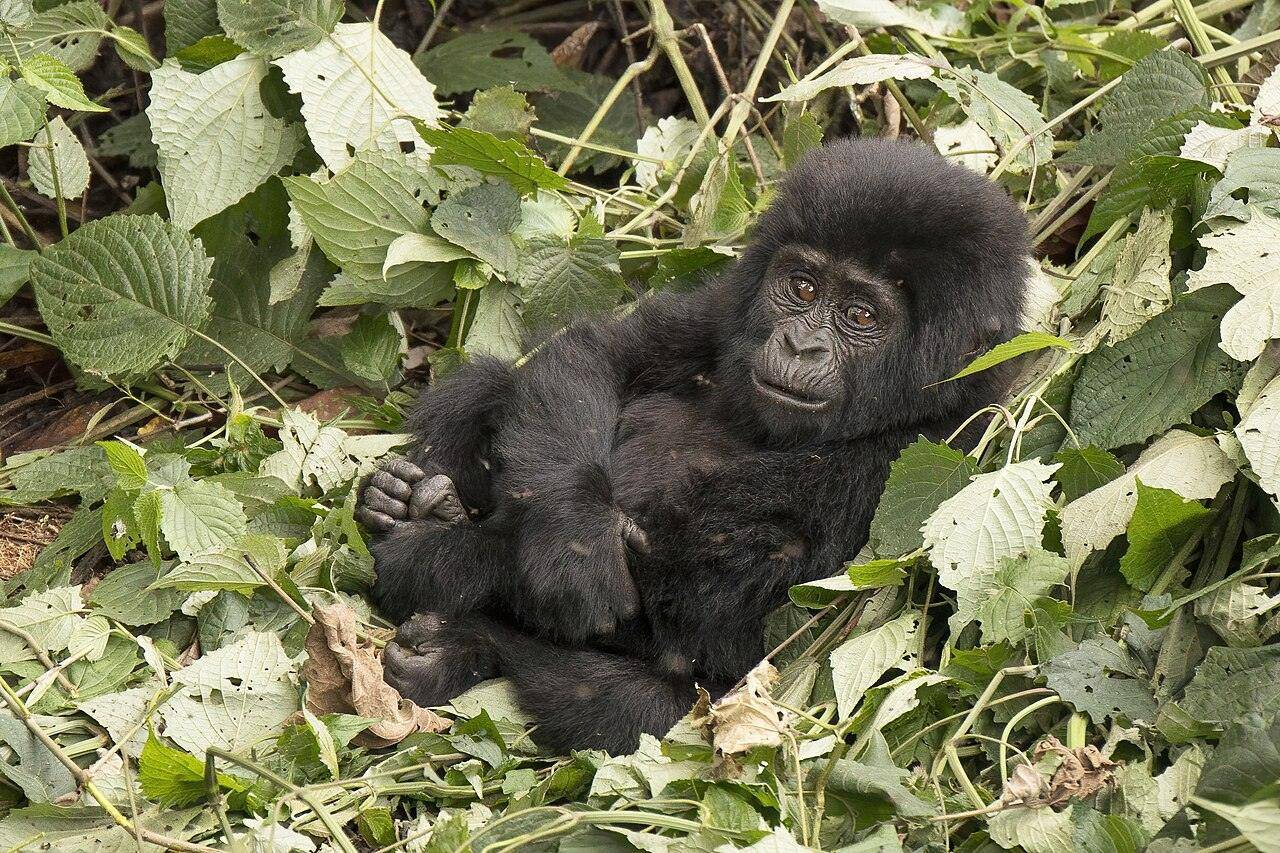
A week focused on primates: an hour with mountain gorillas and a chimpanzee trek in the forest.
 15 daysModerate
Complete Uganda: Murchison, primates and lakes
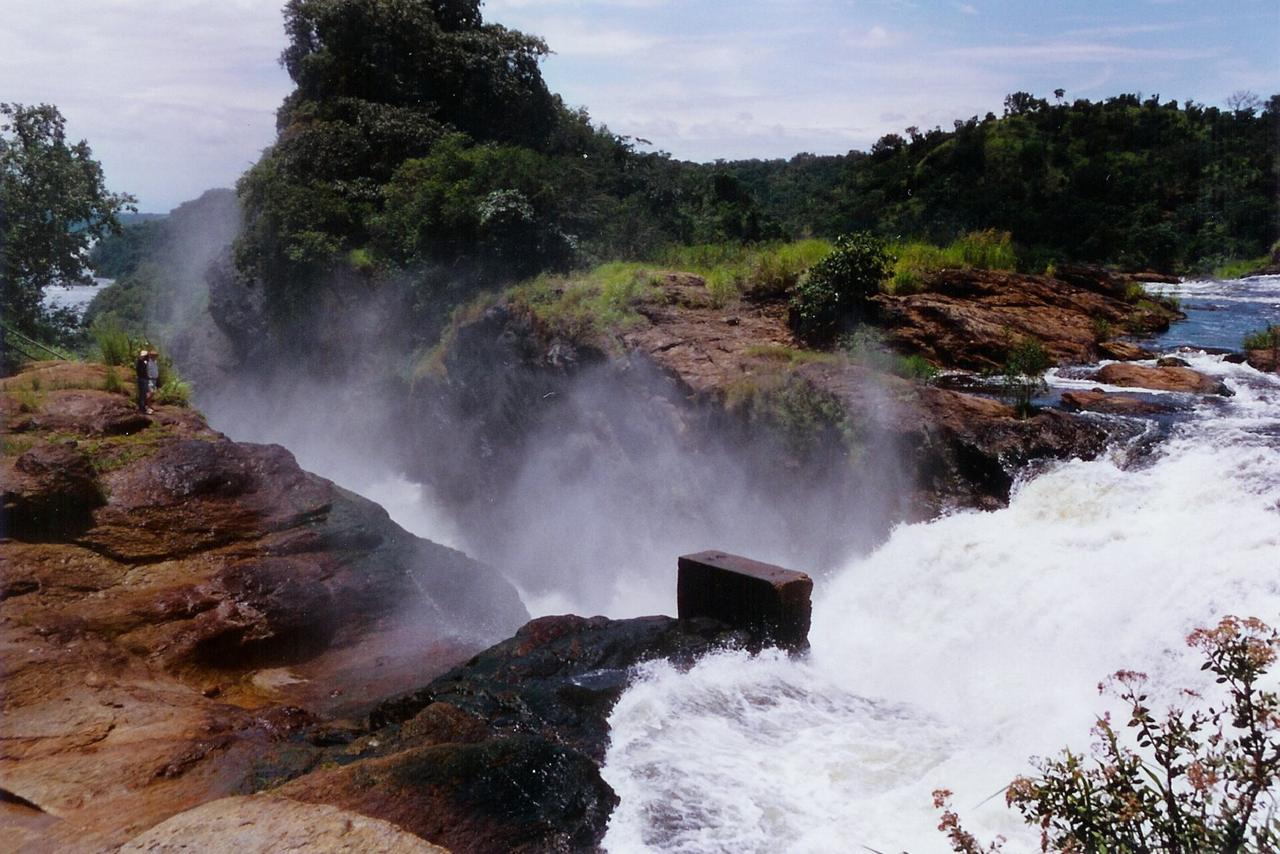
From the Nile falls to Lake Bunyonyi: savannah, rhinos, chimpanzees, gorillas and the green landscapes of the Pearl of Africa.
 12 daysModerate
Uganda express: the Nile, the Mountains of the Moon and gorillas
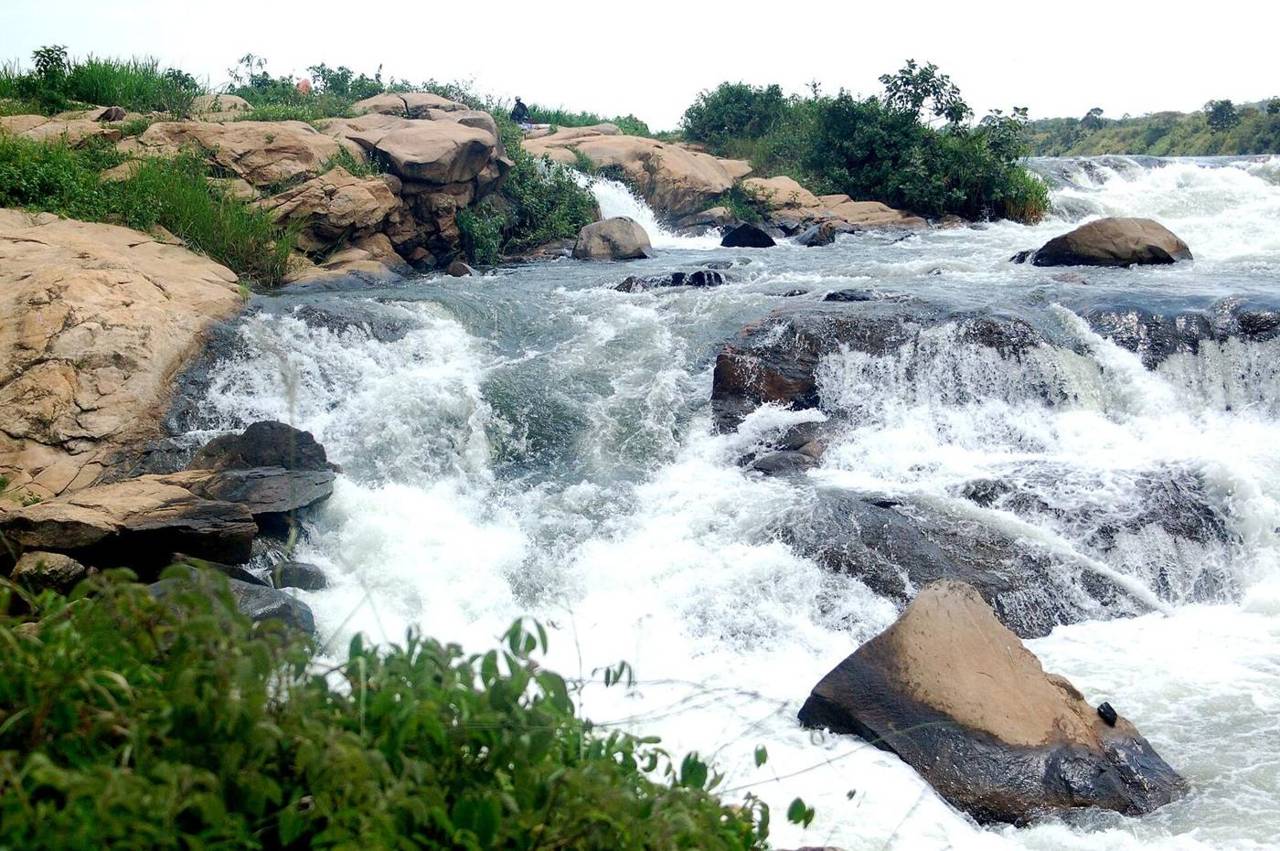
The source of the Nile at Jinja, the chimpanzees of Kibale, the tree-climbing lions of Queen Elizabeth and an hour with a gorilla family in Bwindi.