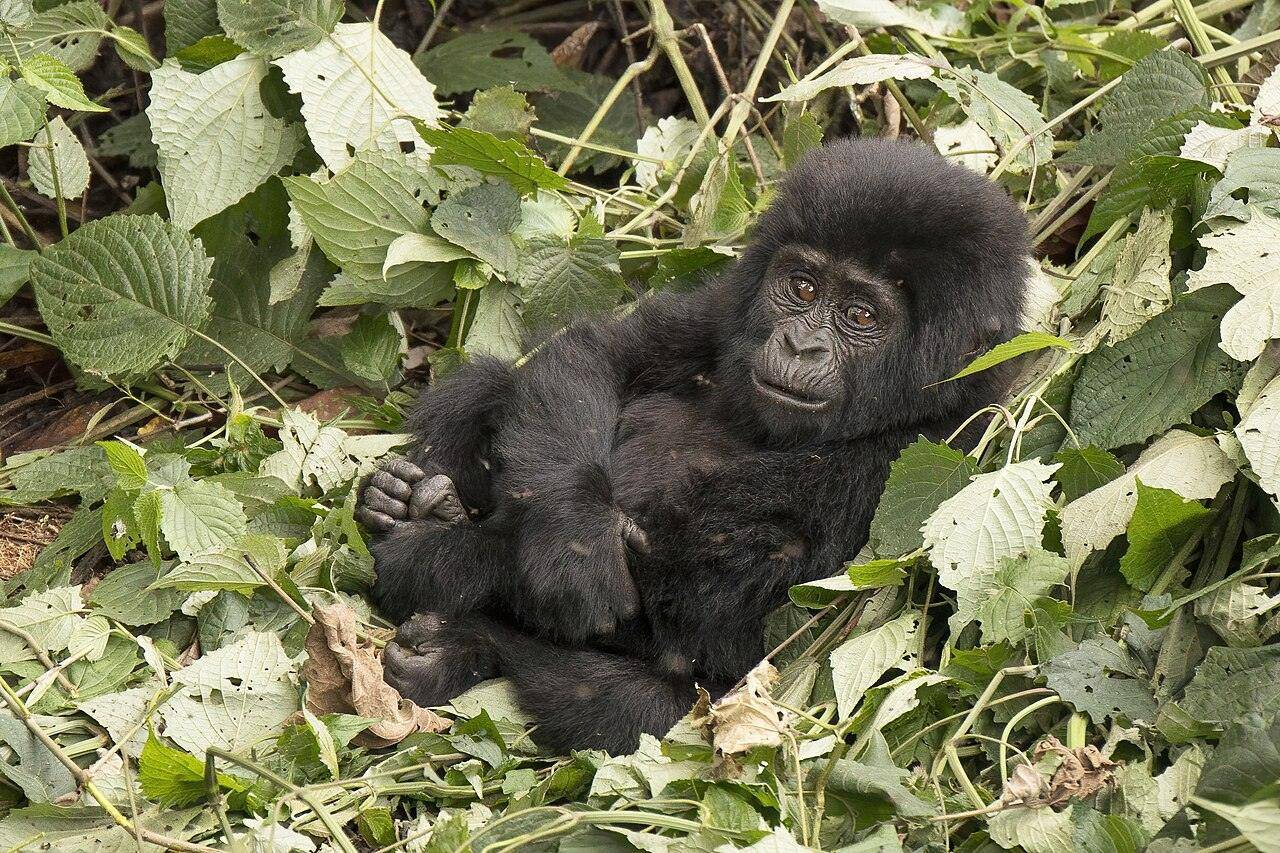
Bwindi gorillas and Kibale chimpanzees
A week focused on primates: an hour with mountain gorillas and a chimpanzee trek in the forest.
- Entebbe
- Kibale
- Queen Elizabeth
- Bwindi
Day by day
- Day 1
Arrival in Entebbe, on Lake Victoria
Before you go: Italian citizens need a passport valid for at least six months from the date of arrival and a visa, applied for only online on the official Ugandan government website, visas.immigration.go.ug, a few weeks before departure: print the approval letter and show it on arrival. Beware of unofficial websites that charge more. If you plan to visit Kenya or Rwanda too, consider the East Africa Tourist Visa. Carry the international yellow fever vaccination certificate, which may be checked on arrival and by airlines, and ask your doctor about malaria prevention. Other nationalities should check their own rules. Some areas on this trip are close to borders or places where the situation changes often: check your government's travel advice before booking and again before you leave.
The international airport is in Entebbe, a quiet town on a peninsula of Lake Victoria, the largest lake in Africa. The capital, Kampala, is about forty kilometres away, but on this trip it makes sense to sleep in Entebbe: tomorrow you leave early heading west and avoid the city traffic.
If you land during the day, take a walk in the botanical gardens, planted in colonial times on the lakeshore, home to black and white colobus monkeys and a great many birds. Alternatively, visit the wildlife education centre, where you see rescued Ugandan animals up close. Check prices and times.
In the evening try fish from the lake, tilapia, and a rolex, an omelette rolled up in a flatbread called chapati, the country's favourite street snack.
Practical tip: change a few dollars into Ugandan shillings straight away and buy a local SIM card at the airport, useful for paying by phone and for keeping in touch with your guide.
- Day 2
To Fort Portal and the crater lakes
Today is a long day on the road heading west, about six hours of driving plus stops. You set off at dawn, skirt round Kampala and cross green countryside of banana groves, tea plantations and villages with red brick houses. Along the road you see fruit stalls and boys on bicycles loaded with bunches of green bananas, matooke, which here are cooked like potatoes.
In the afternoon you reach Fort Portal, the main town of the kingdom of Toro, one of Uganda's traditional kingdoms that still exist with a cultural role. On the hill above the centre stands the king's palace, with a view over the whole valley. On clear days the peaks of the Rwenzori, the Mountains of the Moon, appear to the west, though they are often hidden by cloud.
Around the town lies the crater lakes area: dozens of extinct craters filled with water, surrounded by hills and forest. A walk of an hour or two from one crater to the next, with a local guide, is the best way to stretch your legs after the journey. Some lakes are a deep green, others almost black, and from the crater rims you can see three or four lakes at once.
Sleep near the lakes or in Fort Portal: Kibale forest is less than an hour away.
Practical tip: plan the journey so that you arrive before sunset, because driving at night in Uganda is risky, with potholes, animals and vehicles without lights.
- Day 3
Kibale: chimpanzees and Bigodi swamp
Kibale National Park is a rainforest famous for its wide variety of primates, including a large population of chimpanzees. The trek starts early in the morning from the visitor centre, after a short briefing in which the rangers explain the rules: small groups, quiet voices, no food, distance from the animals and no flash.
You walk on often muddy trails among towering trees, lianas and ferns. The rangers know where the chimpanzees spent the night and follow them by their calls. When you find them you stay with them for about an hour: you watch them eat figs in the trees, rest, squabble and then climb down and vanish into the undergrowth with surprising speed. The screams of a whole group calling to each other across the forest are a sound you will remember.
The chimpanzee permit is issued by the Uganda Wildlife Authority and places are limited: book it months in advance and check the current price on the official website.
In the afternoon visit Bigodi swamp, a sanctuary run by the local community on the edge of the park. A guide from the village leads you along wooden boardwalks through papyrus and palms, where you see the great blue turaco, the red colobus and other monkeys. The money from visits pays for schools and village projects.
Practical tip: wear long trousers tucked into your socks, long sleeves and waterproof shoes, to protect yourself from ants, nettles and mud. A light rain jacket is always useful in the forest.
- Day 4
Queen Elizabeth: the Kazinga Channel cruise
After about two and a half hours on the road south you reach Queen Elizabeth National Park, one of the most varied protected areas in Uganda, with savannah, lakes, craters and forest. On the way you cross the equator, marked by a circle at the roadside: the classic photo is a must.
In the morning, if you arrive early, take a first drive on the Kasenyi plains, where herds of Uganda kob, the antelope that is the national symbol, graze alongside buffalo and warthogs. Lions also gather here, drawn by the herds of antelope: with a little luck you see them at dawn or at dusk.
In the afternoon board the boat for the cruise on the Kazinga Channel, which links Lake George to Lake Edward. It lasts about two hours and moves slowly along the banks: you see hundreds of hippos up close, buffalo cooling off in the water, crocodiles basking in the sun and often elephants coming down to drink. Birds are everywhere: pelicans, cormorants, fish eagles and brightly coloured kingfishers.
In the evening, from the Mweya peninsula, the sunset over the channel is one of the finest moments of the trip.
Practical tip: in the park always travel with an experienced driver guide, stay in the vehicle outside the marked areas and follow the rangers' instructions. Check prices and times for the cruise, and bring binoculars and a hat for the sun on the open deck.
- Day 5
Ishasha and the tree-climbing lions, then Bwindi
In the morning head down to the Ishasha sector, in the southern part of Queen Elizabeth park. It is an area of open savannah with large fig trees, famous because the lions here climb into the branches and spend the hot hours lying high up, in the shade and away from insects. It is not common behaviour among African lions, and seeing them with their legs dangling from the branches is a curious sight.
Your guide drives the tracks among the fig trees, checking one tree after another. Even if the lions do not show themselves, in the Ishasha savannah you meet kob, topi, buffalo and elephants, with far fewer vehicles than in the north of the park.
Ishasha lies right next to the border with the DR Congo: move only with your guide and the rangers, follow their route and do not stray from the main tracks.
In the afternoon continue south on a dirt road that climbs through hills planted with tea to Bwindi Impenetrable Forest, in about three hours. The landscape changes completely: steep, narrow valleys covered in dense forest, often wrapped in mist in the morning.
In the evening get ready for the next day: a light backpack, water, a packed lunch, a rain jacket and gloves.
Practical tip: check with your driver which sector of Bwindi your gorilla permit is for, because the starting points are far apart, sometimes several hours by road.
- Day 6
Mountain gorilla trekking
Bwindi Impenetrable National Park is a UNESCO World Heritage Site and home to about half of the mountain gorillas left in the world. Some families are used to people and can be visited every day by a small group of tourists.
The day begins early in the morning with the rangers' briefing: they assign each group a gorilla family and explain the rules, keeping a distance of several metres, speaking quietly, no food, no flash and only one hour with the animals. If you have a fever, a cough or a cold you cannot take part, because gorillas are very vulnerable to human diseases.
The walk can take from less than an hour to many hours, up and down steep, slippery ground. Ahead of the group the trackers follow the trail left the day before and clear the way with machetes. When you arrive the emotion is overwhelming: the great silverback male sitting and eating, the mothers with their babies, the young ones playing and climbing.
The gorilla permit is issued by the Uganda Wildlife Authority, costs several hundred dollars and must be booked months ahead: check the current price on the official website.
Practical tip: hire a local porter to carry your backpack. They help you on the difficult stretches and their fee is an important income for the villages around the park, which in this way see a benefit in protecting the forest. Garden gloves are useful for grabbing branches and nettles.
- Day 7
Back to Entebbe and departure
To return to Entebbe you have two options. The most comfortable is the domestic flight from one of the airstrips near Bwindi, which takes you to the airport in about an hour and a half: it costs more but saves you a whole day on the road. The second is the road, which takes almost the entire day through Mbarara and Masaka, with a stop for a photo at the equator and a quick lunch along the way.
If you choose the road, leave at dawn to reach Entebbe before dark. If your international flight is the same evening, always leave a good margin: delays on these routes are frequent because of roadworks, lorries and checkpoints.
In seven days you have seen the best of Uganda's primates: chimpanzees in Kibale forest, the village-run Bigodi swamp, the hippos and elephants of the Kazinga Channel, the tree-climbing lions of Ishasha and the hour with a mountain gorilla family in Bwindi. It is an intense trip, with many hours on the road, but every stage is different from the one before.
When to go: the driest months, from June to September and from December to February, are the best, with less muddy trails and easier roads. In the rainy seasons the treks are still possible, with greener landscapes and fewer tourists, but walking becomes harder.
Practical tip: set aside some dollars or shillings for tips for guides, trackers and your driver, a gesture that is much appreciated.
A week devoted to primates, with the hour beside the gorillas among the most moving encounters in Africa. The gorilla permit costs several hundred dollars and must be booked months ahead. Roads are long and the Bwindi forest needs fit legs.
Before you go
- Documents and visa
- Passport valid for at least six months from your arrival date and a compulsory visa, applied for only online on the official Ugandan government website, visas.immigration.go.ug, before leaving: beware of unofficial sites. The East Africa Tourist Visa also covers Kenya and Rwanda. Carry an international yellow fever vaccination certificate.
- Health and vaccines
- Yellow fever vaccine: carry the international certificate, which may be checked on arrival and by airlines. Malaria risk throughout the country: ask your doctor about antimalarials. Outside Kampala health facilities are limited: you need insurance covering medical costs and repatriation. Drink only bottled water. Emergencies: 999 or 112.
- Money and payments
- Ugandan shilling. Bring recent US dollar notes in good condition, to change at banks or exchange offices. Cards work in towns and at many tourist places; mobile phone payments are everywhere.
- Power sockets
- Type G, 240 volts, the same as in the UK.
- Time zone
- UTC+3 all year.
- Safety
- Areas near the borders with the DRC and South Sudan and the Karamoja region call for caution and up to date information. Outside towns avoid travelling after dark, do not show valuables and in the parks always follow rangers and guides. Official advice: GOV.UK.
Information checked in November 2026 for Italian and EU citizens. Rules change: always check before you travel.
Variations
In five days you can focus on Kibale and Bwindi, with a domestic flight there and back.
With ten days add a second day in Bwindi and Lake Mburo National Park before returning to Entebbe.
Frequently asked questions
How hard is gorilla trekking?
It depends on where the family is that day: you walk from less than an hour to several hours on steep, muddy ground. You need reasonable fitness; a porter and a walking stick help a lot.
When should I book gorilla and chimpanzee permits?
As early as possible, even six months ahead in the dry months. They are sold by the Uganda Wildlife Authority or through a registered operator: check the current price on the official website.
Can I do the trip without a driver?
You can hire a four-wheel drive, but the roads are long, partly unpaved and poorly signposted. Most travellers choose a local driver guide who knows the parks and the permit times.
Indicative itinerary written by World Atlas. Before booking, check timetables, seasonal openings, documents and safety.
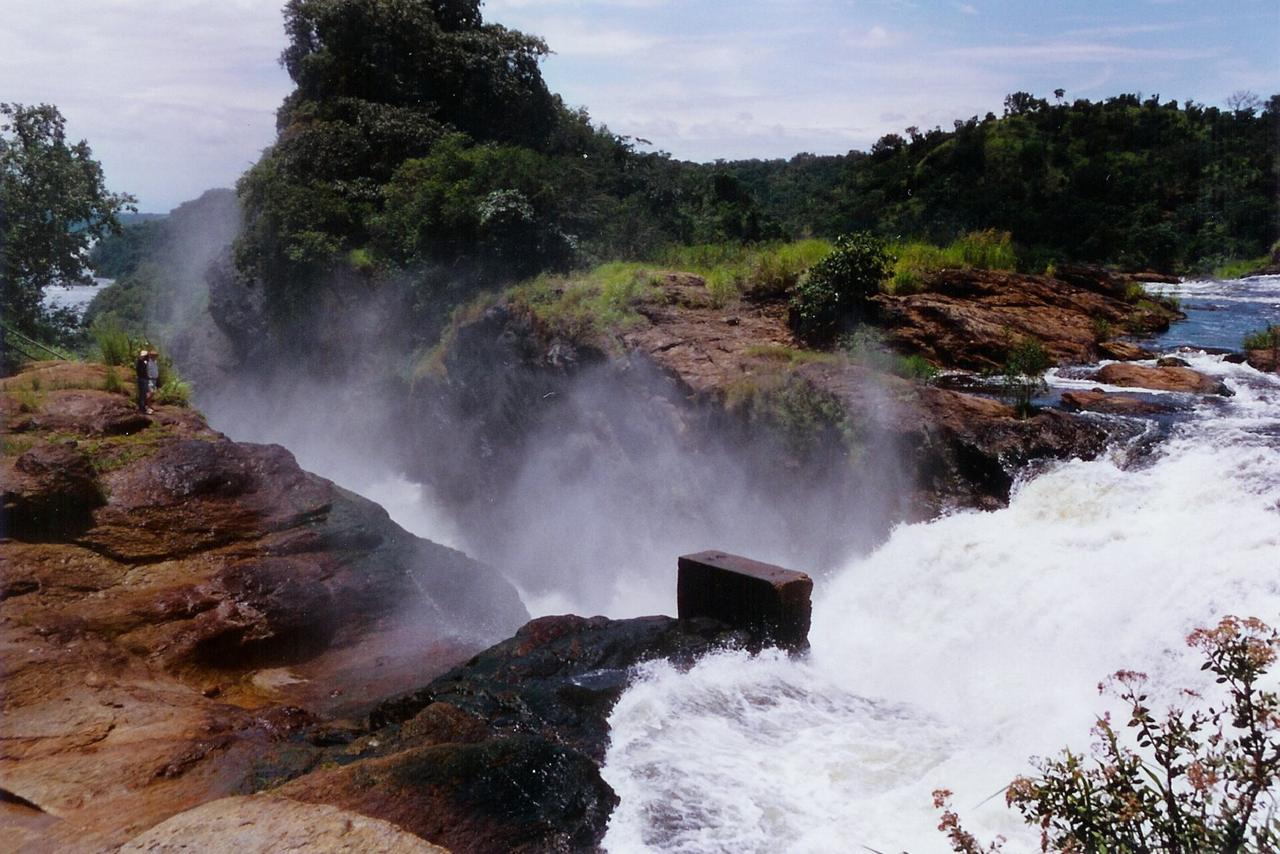 15 daysModerate
Complete Uganda: Murchison, primates and lakes
From the Nile falls to Lake Bunyonyi: savannah, rhinos, chimpanzees, gorillas and the green landscapes of the Pearl of Africa.
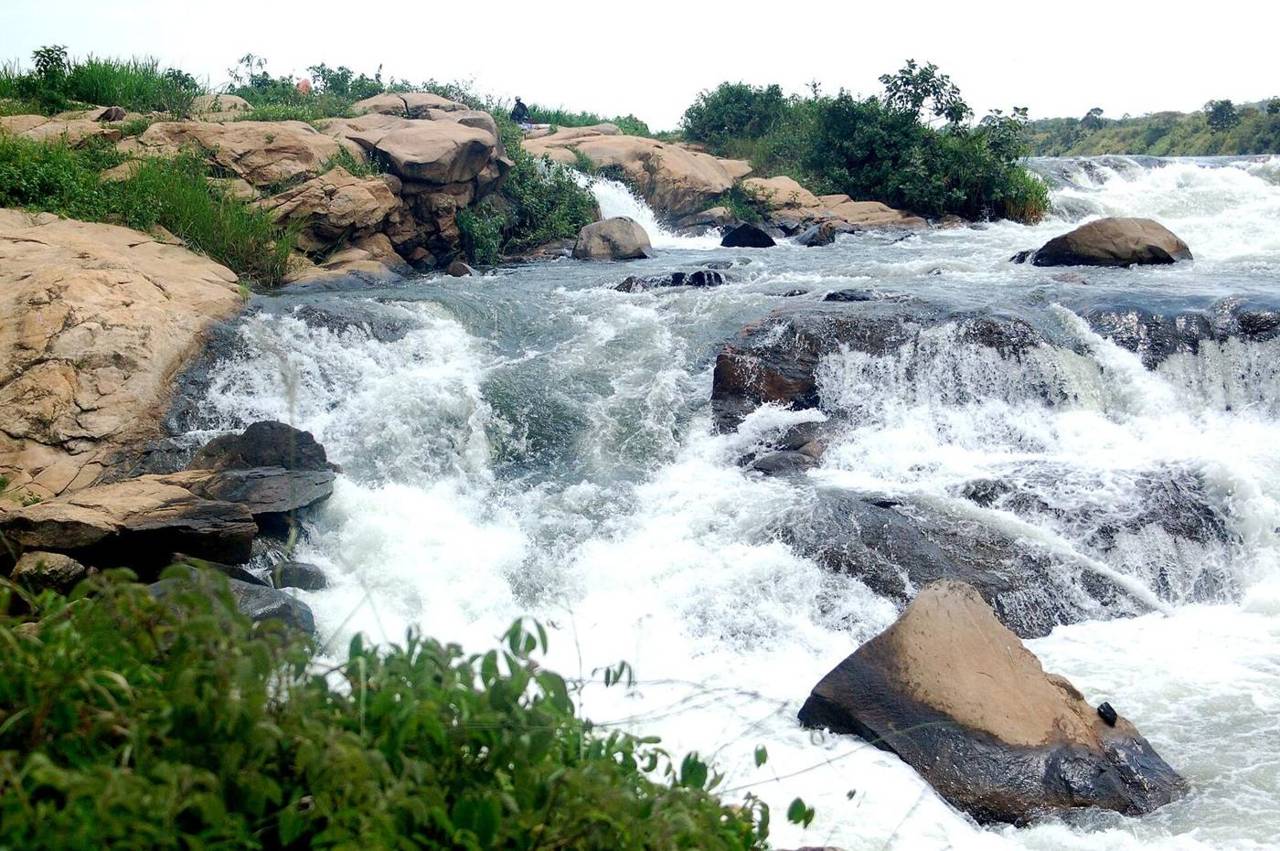 12 daysModerate
Uganda express: the Nile, the Mountains of the Moon and gorillas
The source of the Nile at Jinja, the chimpanzees of Kibale, the tree-climbing lions of Queen Elizabeth and an hour with a gorilla family in Bwindi.
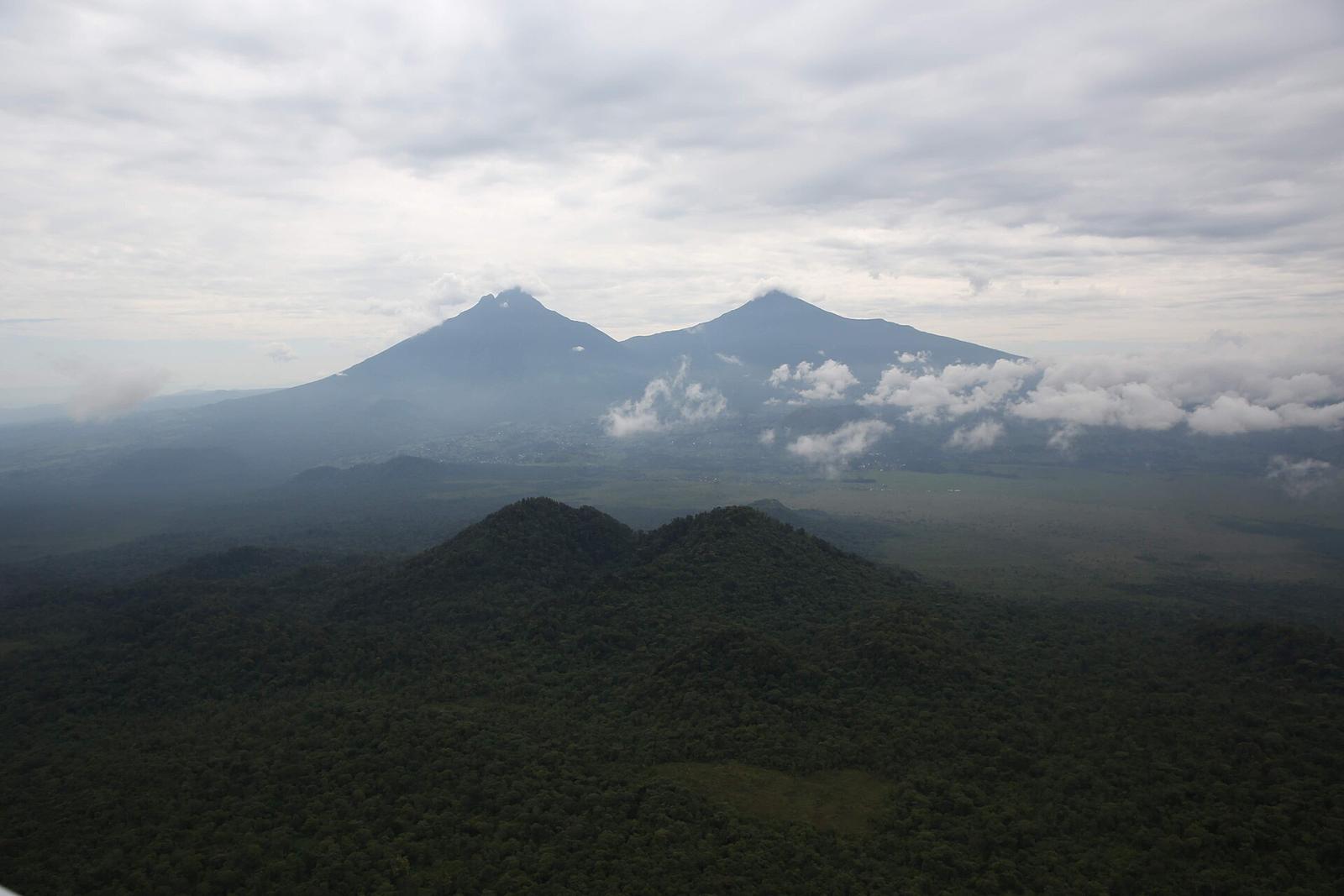 19 daysModerate
Uganda and Rwanda: gorillas, volcanoes and forests
Uganda's parks and then Rwanda: the Virunga volcanoes with gorillas and golden monkeys, Lake Kivu and Nyungwe forest with its canopy walk.