Gorillas and chimpanzees in ten days
A trip designed around primates: chimpanzees in Kibale, tree-climbing lions at Ishasha and two days in Bwindi for the mountain gorillas.
- Entebbe
- Kibale
- Queen Elizabeth
- Ishasha
- Bwindi
- Lake Mburo
Day by day
- Day 1
Arrival in Entebbe
Before you go: Italian citizens need a passport valid for at least six months from the date of arrival and a visa, applied for only online on the official Ugandan government website, visas.immigration.go.ug, a few weeks before departure: print the approval letter and show it on arrival. Beware of unofficial websites that charge more. If you plan to visit Kenya or Rwanda too, consider the East Africa Tourist Visa. Carry the international yellow fever vaccination certificate, which may be checked on arrival and by airlines, and ask your doctor about malaria prevention. Other nationalities should check their own rules. Some areas on this trip are close to borders or places where the situation changes often: check your government's travel advice before booking and again before you leave.
You land in Entebbe, on the northern shore of Lake Victoria. It is less hot here than you might think: most of Uganda is a plateau above a thousand metres, and in the evening you often need a sweatshirt. The traffic and bustle of Kampala are about forty kilometres away, but tonight you can stay away from all that and rest after the flight.
If you have a few hours, walk down to the lakeshore: at sunset the fishing boats come back and water birds settle in the trees. Remember that swimming in the shallow water of the lake is not advisable, because of the risk of bilharzia, a disease carried by tiny parasites.
Practical tip: meet your driver guide this evening and go through the permits, the ten-day programme and the departure times together, so that tomorrow morning you can leave without wasting time.
- Day 2
The road to Kibale
The transfer to Kibale takes most of the day: about six hours through the agricultural heart of Uganda. After the outskirts of Kampala the road runs between hills covered in banana plants, maize fields, village markets and brick churches. Halfway you usually stop in Mubende or one of the towns along the way for a drink and to stretch your legs.
As you approach Fort Portal the landscape becomes greener and more rolling, with tea plantations drawing neat lines across the hills. The town is the capital of the kingdom of Toro and a good place to withdraw cash and do some last shopping before the forest.
The area between Fort Portal and Kibale is dotted with crater lakes. If you arrive early, take a short walk along the rim of a crater or simply enjoy the view from the veranda: under a clear sky you can see the Rwenzori range, which rises above five thousand metres.
Have an early dinner and go to bed early: tomorrow morning the chimpanzee trek begins shortly after dawn and it pays to be at the visitor centre ahead of time.
Practical tip: pack your backpack the night before, with water, a rain jacket, insect repellent, a snack bar and your passport, which the rangers may ask for when they check permits.
- Day 3
Chimpanzees in the morning, Bigodi in the afternoon
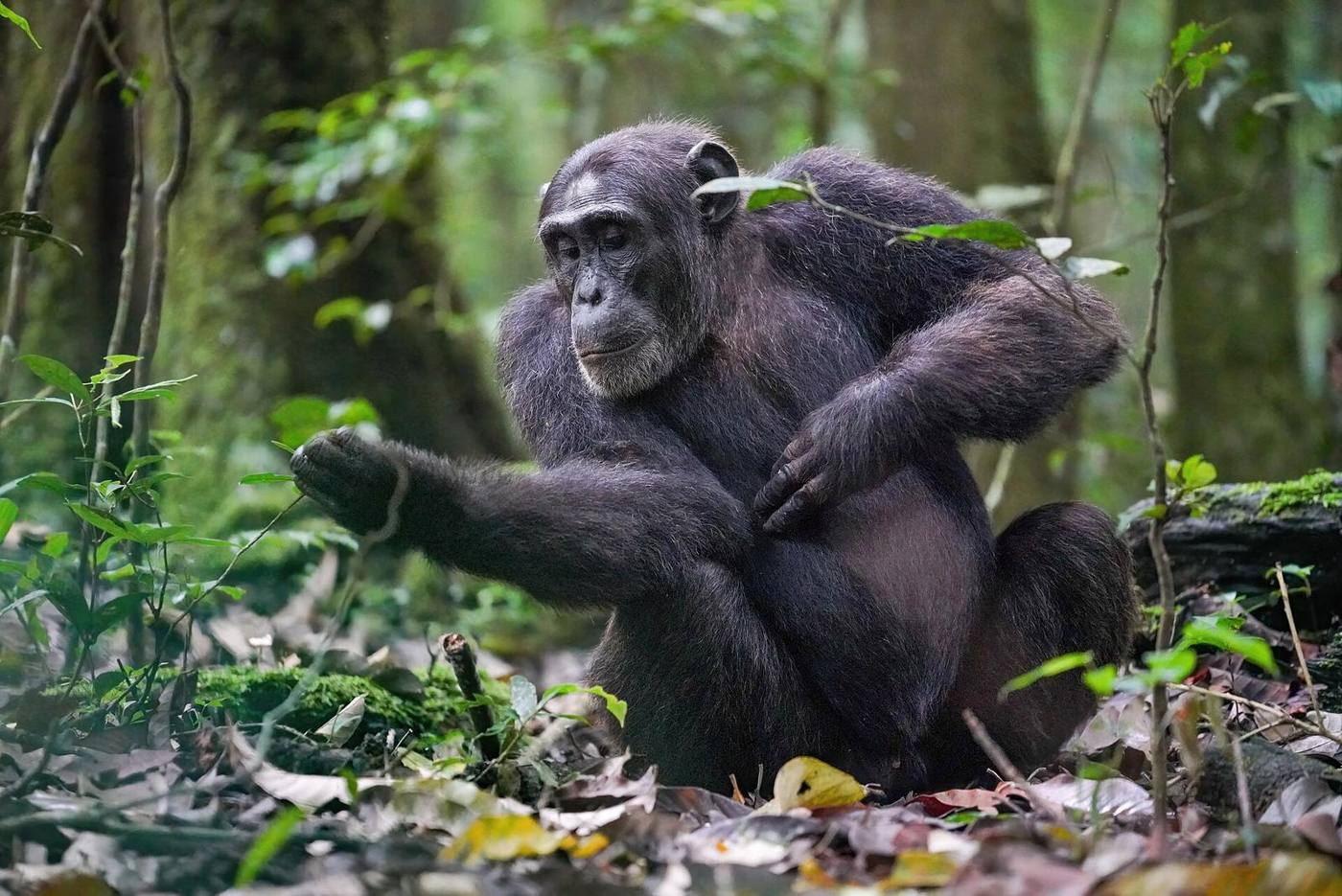
Kibale forest is one of the best places in Africa to see chimpanzees in the wild. At the visitor centre the rangers divide visitors into small groups and go over the rules, then you enter the forest. At first you hear only birds and rustling leaves, then come the first calls: shrill cries chasing each other through the trees.
Following the rangers, you reach the group. Chimpanzees move a lot: one moment they are high in the branches eating fruit, the next they run along the ground on the trail in front of you. You stay with them for an hour, the time set so as not to disturb them. Besides chimpanzees, Kibale is home to many other monkeys, such as the red colobus, the red-tailed monkey and the mangabey.
For the chimpanzee permit, issued by the Uganda Wildlife Authority, book well in advance and check the price on the official website.
In the afternoon walk with a village guide through Bigodi swamp, a few kilometres from the park entrance. The trail circles the swamp among papyrus and cultivated fields: you see monkeys, butterflies and many birds, including the great blue turaco, with its long tail and yellow bill.
Practical tip: bring light binoculars; in the swamp and in the forest they make a huge difference for watching birds and monkeys in the canopy.
- Day 4
Queen Elizabeth and the Kazinga Channel
You leave the forest and head south towards the great plain of the western Rift Valley. In just over two hours you enter Queen Elizabeth National Park, which stretches between Lake George and Lake Edward. On the road is the equator sign, where everyone stops for a photo with one foot in each hemisphere.
The first game drive follows the park tracks among euphorbia bushes, a succulent shaped like a candelabra that is typical of this area, and open savannah. You meet herds of Uganda kob, buffalo, warthogs and, if luck is on your side, lions and hyenas. All around you also see volcanic craters, some filled with salt water, where salt was once extracted.
In the afternoon take the cruise of about two hours on the Kazinga Channel. It is one of the most relaxing moments of the trip: the boat glides slowly a few metres from the bank and the animals are very close. Hippos are everywhere, buffalo lie in the mud and elephants come down to drink at sunset. The channel is also a paradise for birdwatchers.
Sleep in or near the park, where at night you can often hear hippos grazing.
Practical tip: at night never go out alone from your accommodation in the park, because hippos and buffalo wander freely among the tents and lodgings. Check prices and times for the cruise.
- Day 5
Ishasha and its lions
Today you explore the Ishasha sector, in the far south of Queen Elizabeth park, a few hours' drive from the north. It is a quieter, less visited savannah, with large fig trees scattered across the grassland. It is in these very trees that the lions have taken to climbing, and you find them lying on the thick branches during the hottest hours.
There is no single explanation for this behaviour: perhaps they are looking for cooler air, perhaps escaping flies, perhaps keeping a better eye on prey from above. Meanwhile, for you it remains one of the most photographed scenes in Uganda. Your guide knows their favourite trees and checks them one by one, often with binoculars.
Ishasha is also home to large herds of kob and topi, reddish antelopes with dark patches on their legs, as well as buffalo and elephants. Along the Ishasha river you see hippos and many birds.
The river marks the border with the DR Congo: always stay with your guide, do not leave the tracks and follow the rangers' instructions.
In the afternoon continue towards Bwindi among tea-covered hills and terraced fields. The road is partly unpaved and climbs slowly, with bends and glimpses of the valleys.
Practical tip: carry snacks and water for the day, because in Ishasha and along the road to Bwindi there are very few shops.
- Day 6
Bwindi: gorilla trekking
This is the most awaited day. Early in the morning you report to the starting point of your sector for the briefing. The rangers explain the rules and assign the gorilla families: each group of visitors is small and has only one hour with the animals, to limit stress and the risk of disease.
You set off with the guide, armed rangers and, if you have chosen one, a porter. The trackers left earlier and report by radio where the family is. The trail may drop into a steep valley, climb back up through ferns and cross streams. The ground is muddy and the plants sting: that is why you wear gloves and long trousers. The length varies a great deal, from a short time to many hours.
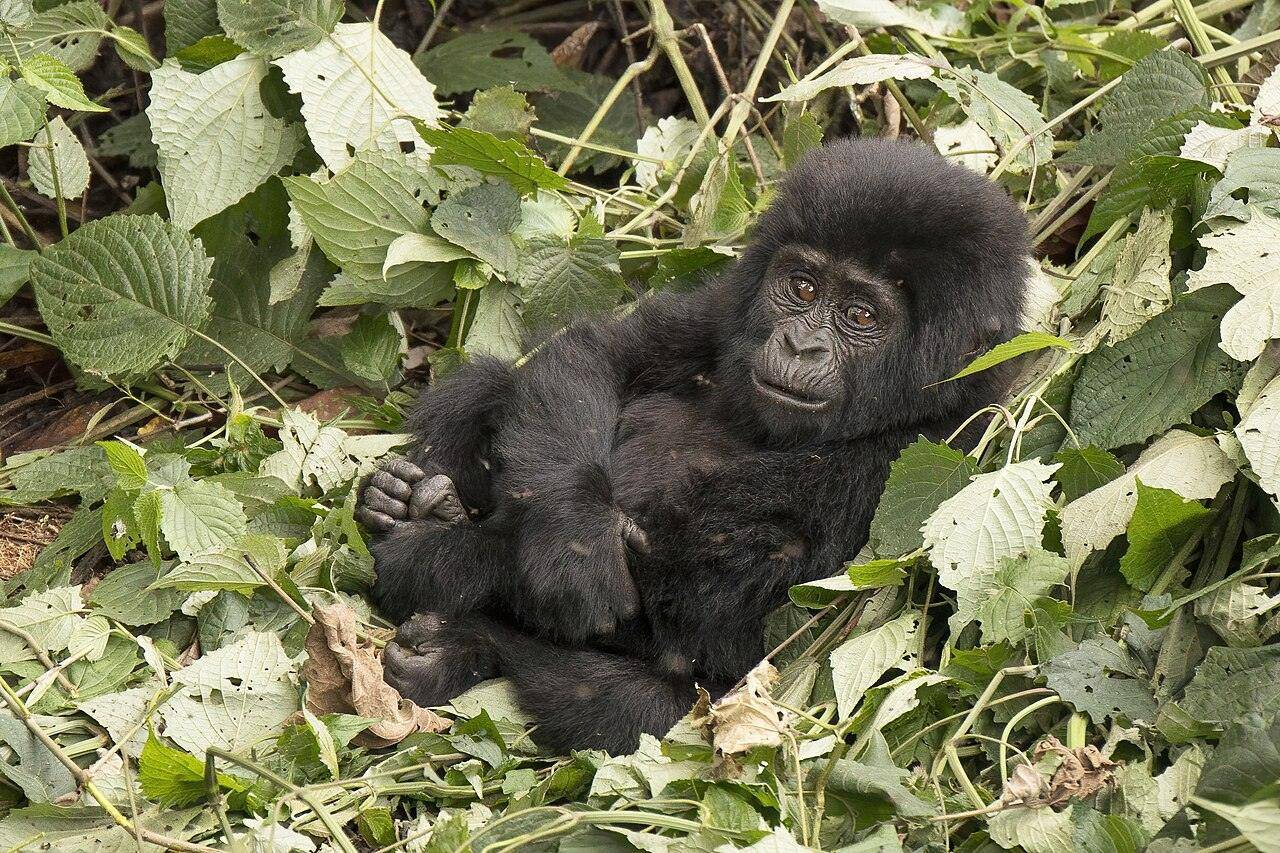
When the rangers ask you to leave your backpack and move closer, you see the gorillas a few metres away. The dominant male, the silverback, is huge and calm; the females care for the young, the juveniles roll about in the leaves. You speak in whispers and watch in silence.
The gorilla permit is booked through the Uganda Wildlife Authority many months in advance: for the price, refer to the official website. You cannot take part if you have symptoms of illness, and there is a minimum age.
Practical tip: at the start of the walk accept the wooden stick they offer you, and at the end leave a tip for the trackers, who work in the forest every day.
- Day 7
A day on foot in Bwindi forest
After the excitement of the gorillas, today is slower. Bwindi is not only gorillas: it is one of the oldest and richest forests in East Africa, with hundreds of bird species, butterflies, tree ferns and moss-covered trees. A guided walk on one of the park trails takes you along streams to small waterfalls, with the chance to see monkeys and colourful birds.
In the afternoon you can visit the villages on the edge of the forest. Many communities organise walks to show how tea and bananas are grown, how banana beer is made and what daily life is like. You can also meet the Batwa, a people who lived in the forest as hunter-gatherers and had to leave it when the park was created. Choose visits organised by the communities themselves, so that the income stays with them.
In the evening, from the veranda, listen to the sounds of the forest as it falls quiet. With the mist rising from the valleys, Bwindi shows its most mysterious side.
If you want a longer experience with the gorillas, ask about the habituation experience, in which you spend more time with a family that researchers are getting used to people. Places are very limited: check availability and prices on the official website.
Practical tip: buy crafts directly from local cooperatives, such as baskets and wooden objects, to support the people who live around the park.
- Day 8
Lake Mburo: zebras, eland and walking safaris
You leave Bwindi early in the morning for a long drive east, about five or six hours, to Lake Mburo National Park. It is a small park of savannah and acacia woodland with lakes and swamps, and it is very different from the ones you have seen so far.
Here live animals not found in the other western parks: zebras, eland, the largest African antelope, and impala, together with buffalo, topi, warthogs and giraffes. There are no elephants or resident lions, and that is why Lake Mburo is one of the few parks in Uganda where you can go on a walking safari with a ranger. Walking among zebras, smelling the grass and hearing their hooves, is a different way to experience the savannah.
In the late afternoon you can take a boat trip on the lake, with hippos, crocodiles, fish eagles and kingfishers diving a few metres from the boat. Alternatively, go on a game drive at sunset.
Around the park live Banyankole herders, with their Ankole cattle and their very long horns, a fine sight along the roads.
Practical tip: for the walking safari wear neutral colours, such as beige and olive green, and closed shoes; always stay behind the ranger and walk quietly. Check prices and times.
- Day 9
Back to Entebbe
In the morning take a last drive in Lake Mburo park, when the light is soft and the animals are active. Then head back towards Entebbe, about four or five hours on a paved road through Masaka.
On the way you stop again at the equator, at Kayabwe, where you find craft stalls and coffee. Further on, in the villages along the road, vendors offer meat skewers, roasted bananas and corn on the cob: try them, they are as much a part of the trip as the parks.
As you approach Kampala the traffic gets much heavier. If you have time and feel like it, you can make a short stop in the city to see a craft market or the large mosque on the hill, which looks out over the whole city spread across dozens of hills. Otherwise carry straight on to Entebbe, avoiding rush hour, when the queues can last a long time.
In the evening, on the shore of Lake Victoria, it is the right moment to sort out the photos and memories of the past days: the cries of the chimpanzees, the hippos in the channel, the lions in the trees and the gaze of a gorilla a few metres away.
Practical tip: in Kampala avoid walking alone after sunset, keep your phone in your pocket and use only taxis or motorbike taxis recommended by your guide, with a helmet.
- Day 10
Last morning on the lake and departure
If your flight leaves in the afternoon or evening, you can spend the morning at Mabamba swamp, west of Entebbe. In small wooden boats steered by local fishermen you glide through the papyrus looking for the shoebill, a large grey bird with a huge bill, one of the most sought-after animals for birdwatchers. Check prices and times and always leave time to get back to the airport.
To sum up, in ten days you have crossed western Uganda: Kibale forest with its chimpanzees, Bigodi swamp, the savannah and the Kazinga Channel in Queen Elizabeth, the tree-climbing lions of Ishasha, two days in Bwindi with the gorilla encounter, and the Lake Mburo savannah with its walking safari. It is the right formula if your dream is the gorillas and you have ten days, at a more relaxed pace than a one-week trip.
When to go: the drier seasons, from June to September and from December to February, are the best for treks and for the roads. From March to May and in October and November it rains more: the trails get slippery, but the landscape is lush and there are fewer visitors.
Practical tip: get to the airport at least three hours early, because security checks in Entebbe start at the terminal entrance and can take time.
The right formula if gorillas are the dream and you have ten days. The trek lasts from one hour to half a day, uphill on muddy ground: gardening gloves, hiking boots and a local porter (cheap, and it helps the communities).
Before you go
- Documents and visa
- Passport valid for at least six months from your arrival date and a compulsory visa, applied for only online on the official Ugandan government website, visas.immigration.go.ug, before leaving: beware of unofficial sites. The East Africa Tourist Visa also covers Kenya and Rwanda. Carry an international yellow fever vaccination certificate.
- Health and vaccines
- Yellow fever vaccine: carry the international certificate, which may be checked on arrival and by airlines. Malaria risk throughout the country: ask your doctor about antimalarials. Outside Kampala health facilities are limited: you need insurance covering medical costs and repatriation. Drink only bottled water. Emergencies: 999 or 112.
- Money and payments
- Ugandan shilling. Bring recent US dollar notes in good condition, to change at banks or exchange offices. Cards work in towns and at many tourist places; mobile phone payments are everywhere.
- Power sockets
- Type G, 240 volts, the same as in the UK.
- Time zone
- UTC+3 all year.
- Safety
- Areas near the borders with the DRC and South Sudan and the Karamoja region call for caution and up to date information. Outside towns avoid travelling after dark, do not show valuables and in the parks always follow rangers and guides. Official advice: GOV.UK.
Information checked in November 2026 for Italian and EU citizens. Rules change: always check before you travel.
Variations
In seven days drop Lake Mburo and the second day in Bwindi, with a domestic flight back.
With fourteen days add Murchison Falls in the north and Lake Bunyonyi after Bwindi.
Frequently asked questions
How many days do I need in Bwindi?
One is enough for gorilla trekking, but two let you rest, walk in the forest and visit the villages without rushing.
Is the walking safari at Lake Mburo suitable for everyone?
Yes, you walk on flat ground for a couple of hours with a ranger. You just need to follow their instructions and wear closed shoes and neutral colours.
Can children see the gorillas?
There is a minimum age for gorilla trekking, set by the Uganda Wildlife Authority: check the current rules on the official website before booking.
Indicative itinerary written by World Atlas. Before booking, check timetables, seasonal openings, documents and safety.
 7 daysModerate
Bwindi gorillas and Kibale chimpanzees
A week focused on primates: an hour with mountain gorillas and a chimpanzee trek in the forest.
 15 daysModerate
Complete Uganda: Murchison, primates and lakes
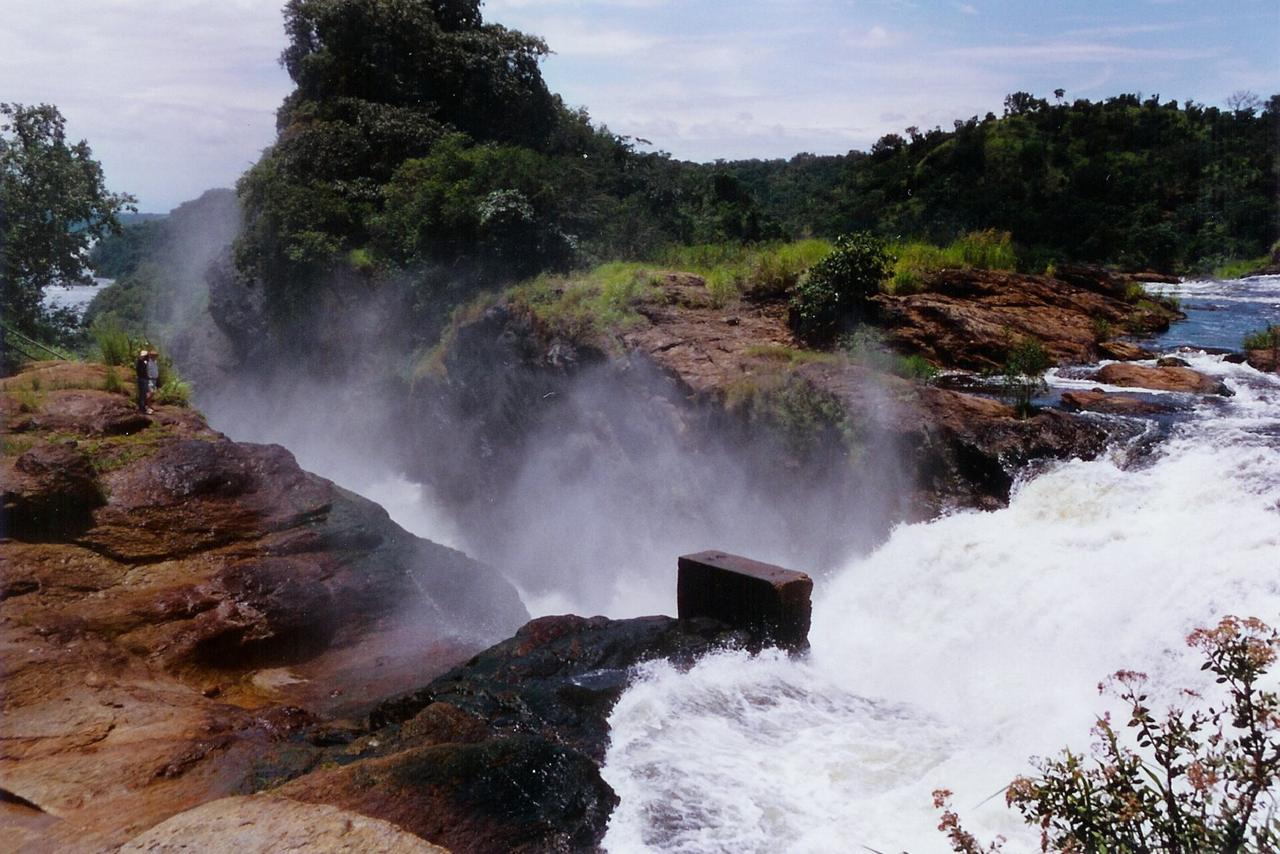
From the Nile falls to Lake Bunyonyi: savannah, rhinos, chimpanzees, gorillas and the green landscapes of the Pearl of Africa.
 12 daysModerate
Uganda express: the Nile, the Mountains of the Moon and gorillas
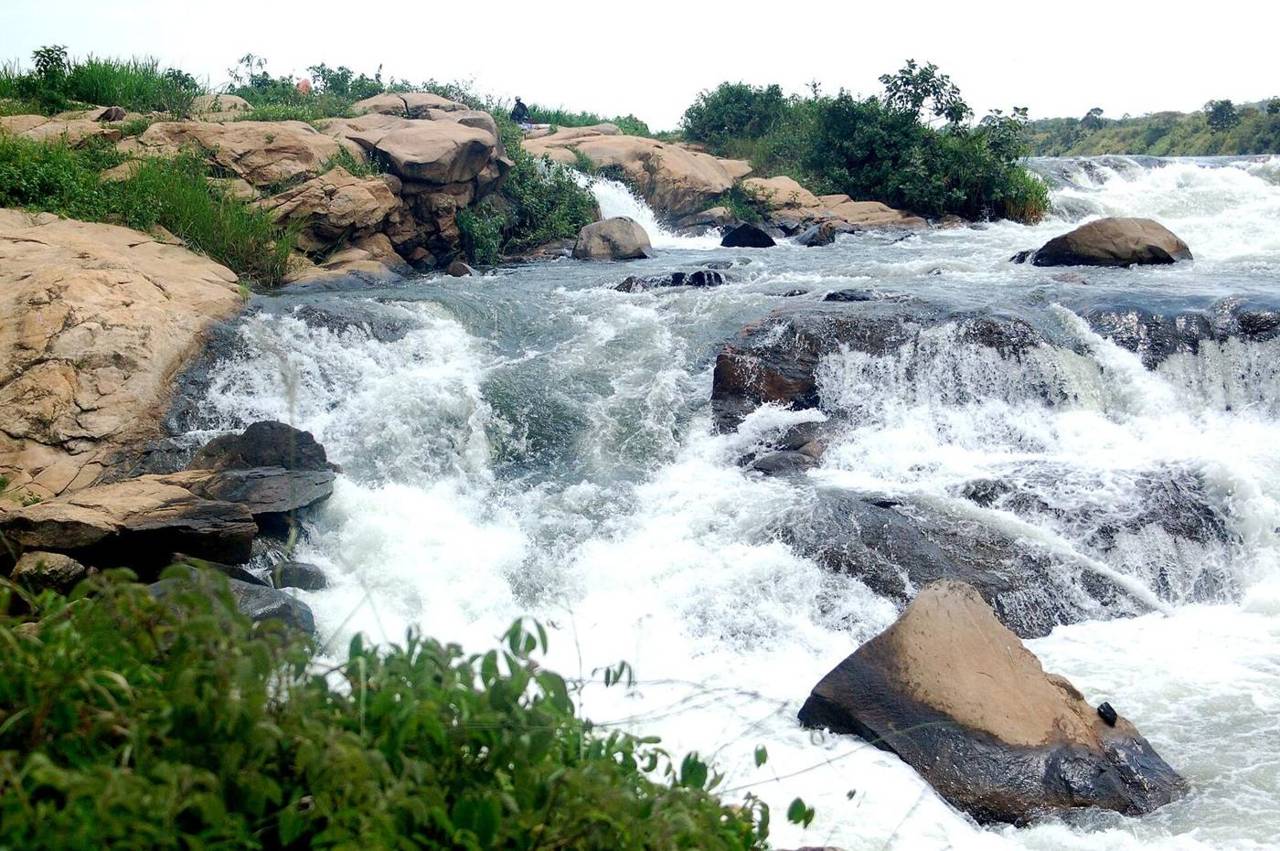
The source of the Nile at Jinja, the chimpanzees of Kibale, the tree-climbing lions of Queen Elizabeth and an hour with a gorilla family in Bwindi.