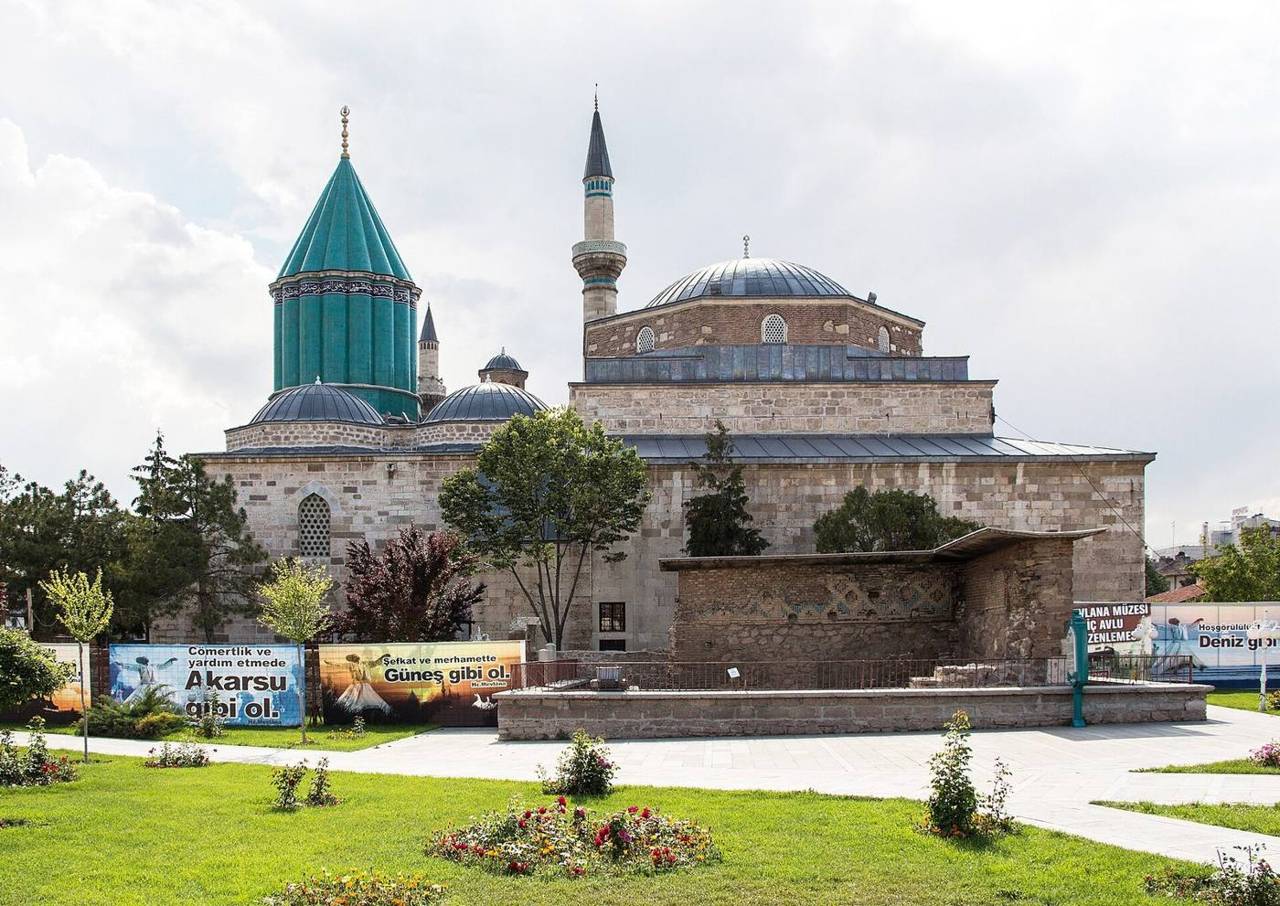
Konya, Çatalhöyük and Lake Beyşehir
Anatolia's spiritual heart: Rumi's mausoleum and the whirling dervishes of Konya, the Seljuk madrasas, the Neolithic town of Çatalhöyük, a UNESCO World Heritage site, and the wooden Eşrefoğlu Mosque on Lake Beyşehir, also UNESCO-listed.
- Konya
- Çatalhöyük
- Beyşehir
- Kubadabad
Day by day
- Day 1
Konya: the Mevlana Museum and the Alaeddin Mosque
To enter Turkey EU citizens can use a passport or, for some nationalities including Italians, a valid electronic identity card; no visa is needed for tourist stays of up to ninety days. Check the rules for your nationality.
Konya, on the plateau of central Anatolia, was in the Middle Ages the capital of the Seljuk Sultanate of Rum, and here in the thirteenth century lived and died Jalal al-Din Rumi, called Mevlana, our master, one of the greatest mystic poets of Islam, who inspired the order of the whirling dervishes. It is a religious and traditional city with splendid Seljuk monuments. It is under two hours by high-speed train from Ankara, or about four and a half hours from Istanbul.
In the morning visit the Mevlana Museum, the former dervish lodge, recognisable by its cone-shaped turquoise dome. Inside is Rumi's tomb, covered with a gold-embroidered cloth, together with those of his father and other masters of the order, in a hall decorated with gilded calligraphy. Nearby rooms display dervish musical instruments such as the reed flute called ney, old manuscripts of his poem, the Masnavi, carpets and the cells where the dervishes lived. It is one of Turkey's most visited places, a pilgrimage destination for the whole Muslim world.
In the afternoon climb Alaeddin Hill in the centre of the city, a park with the Alaeddin Mosque, Konya's largest Seljuk mosque, begun in the twelfth century, with a prayer hall supported by dozens of ancient marble columns reused from Roman and Byzantine buildings, and a carved wooden pulpit.
In the evening try etli ekmek, a long thin flatbread topped with minced meat, a Konya speciality.
Practical tip: Konya is a conservative city; dress with shoulders and legs covered and respect the pilgrims in the museum.
- Day 2
The Karatay Madrasa, the İnce Minare and the sema ceremony
In the morning visit the Karatay Madrasa, a Seljuk religious school from 1251 at the foot of Alaeddin Hill, now a tile museum. The interior is covered by a dome decorated with turquoise and black tiles forming stars and geometric patterns, with an opening at the centre letting in light reflected in a pool of water below. The museum displays tiles from Seljuk palaces with figures of animals, birds and people, rare in Islamic art.
Nearby is the İnce Minare Madrasa, of the slender minaret, with an extraordinarily carved stone portal of interlaced calligraphic bands and plant motifs; the minaret, originally tall, was cut in half by lightning in 1901. Today it houses the museum of stone and wood carving, with Seljuk reliefs of angels, double-headed eagles and lions.
In the afternoon visit Sille, a village about ten kilometres away where Greeks and Turks lived together until 1924, with the church of Saint Helena, said to have been founded by the mother of Emperor Constantine, stone houses and caves cut into the rock.
In the evening attend the sema ceremony of the whirling dervishes at the Mevlana cultural centre, usually on Saturday evenings: accompanied by the ney flute and drums, the dervishes, dressed in white with tall felt hats, turn for a long time, one hand raised to the sky and the other turned to the earth, in a prayer in motion. The sema is on UNESCO's intangible heritage list. In December, around the 17th, the anniversary of Rumi's death, ceremonies are held every evening.
Practical tip: during the sema do not applaud or use flash; check the days in advance.
- Day 3
Çatalhöyük
In the morning drive or take a taxi to Çatalhöyük, about forty-five kilometres south-east of Konya in the farmed plain. It is one of the world's most important archaeological sites and a UNESCO World Heritage site: a Neolithic settlement inhabited between about nine thousand and seven thousand years ago, one of the first large villages in human history, with thousands of inhabitants living from farming and herding.
What makes Çatalhöyük special is that it had no streets: the mud-brick houses were built one against the other, and people walked across the rooftops and entered their homes through an opening in the roof, climbing down a ladder. They buried their dead beneath the floors. Interior walls were decorated with paintings of hunting, bulls, vultures and perhaps the oldest map of a village with a volcano in the background, and with bull heads modelled with real horns. Statuettes of plump women, interpreted as fertility goddesses, were also found here; the originals are in the Museum of Anatolian Civilizations in Ankara.
The visit includes two large excavation areas under shelters, where you see houses built one on top of another on the same walls over centuries, and a reconstruction of a Neolithic house with paintings, which helps you imagine daily life. A small visitor centre explains the history of the excavations. Allow about two hours.
In the afternoon return to Konya and wander the bazaar around the Aziziye Mosque, with spice, textile and carpet shops.
Practical tip: there are few services at Çatalhöyük; bring water and a hat, especially in summer.
- Day 4
Beyşehir: the Eşrefoğlu Mosque, the lake and departure
In the morning drive west for about an hour and a half to Beyşehir, a small town on the south-east shore of Lake Beyşehir, Turkey's largest freshwater lake, surrounded by the Taurus Mountains and dotted with islets.
The main monument is the Eşrefoğlu Mosque, built between 1296 and 1299, one of the finest and best-preserved Seljuk mosques with wooden columns. Outside it looks plain, of stone, but inside the prayer hall is a forest of forty-two cedar columns with carved capitals supporting a ceiling of beams decorated and painted in their original colours. The mihrab is faced with turquoise and black tiles. In winter a hole in the roof at the centre let snow fall into a pool, keeping the air humid to protect the wood. Since 2023 the mosque has been a UNESCO site, together with other medieval Anatolian mosques with wooden columns.
In the afternoon walk on the bridge with sluices, built in the 1930s to regulate the lake's water, and along the shore, where the lake turns orange at sunset. If you have time, take a boat among the islands or visit the Eflatunpınar spring, about twenty kilometres away, with a Hittite stone monument showing gods above a pool of spring water, more than three thousand years old.
In the evening return to Konya for departure.
Things to take home: carpets and kilims, copperware and Mevlana sugar, small hard white sweets traditional in Konya.
Practical tip: check your government's travel advice before leaving.
It pairs well with Cappadocia (3 hours) or by high-speed train from Ankara. Konya is a religious, conservative city: dress modestly. Sema ceremonies are usually on Saturday evening; December brings the Rumi commemorations, with hotels full. Italian and most EU citizens need no visa for short tourist stays.
Before you go
- Documents and visa
- Passport, or for some EU citizens a national identity card; no visa for tourism up to 90 days in 180 for most EU nationalities.
- Health and vaccines
- No compulsory vaccines. Drink bottled water. Emergencies: 112.
- Money and payments
- Turkish lira. Cards work almost everywhere; state site tickets are set in euros but paid in lira at the day's rate.
- Power sockets
- Types C and F, 230 volts: the same round-pin sockets as much of Europe.
- Time zone
- UTC+3 all year: Turkey does not use daylight saving time.
- Safety
- The United States rates Turkey level 2, with level 4 within 10 km of the Syrian and Iraqi borders. Tourist areas are busy and calm. Official advice: GOV.UK.
Information checked in November 2026 for Italian and EU citizens. Rules change: always check before you travel.
Variations
In 2 days: the Mevlana Museum and the madrasas on day one, Çatalhöyük and the sema on day two, if it falls on a Saturday.
In 7 days: continue to Cappadocia, about three and a half hours away, or to Ankara and Hattusa.
Frequently asked questions
Which document do I need for Turkey?
A passport or, for some EU nationalities including Italians, a valid electronic identity card; no visa for tourism up to ninety days. Check the rules for your nationality.
When can I see the dervish ceremony?
At the Mevlana cultural centre, usually on Saturday evenings; in December, around Rumi's anniversary, there are ceremonies every evening. Check the calendar first.
How do I get to Konya?
By high-speed train from Ankara in under two hours or from Istanbul in about four and a half hours, or by air.
Indicative itinerary written by World Atlas. Before booking, check timetables, seasonal openings, documents and safety.
 7 daysChallenging
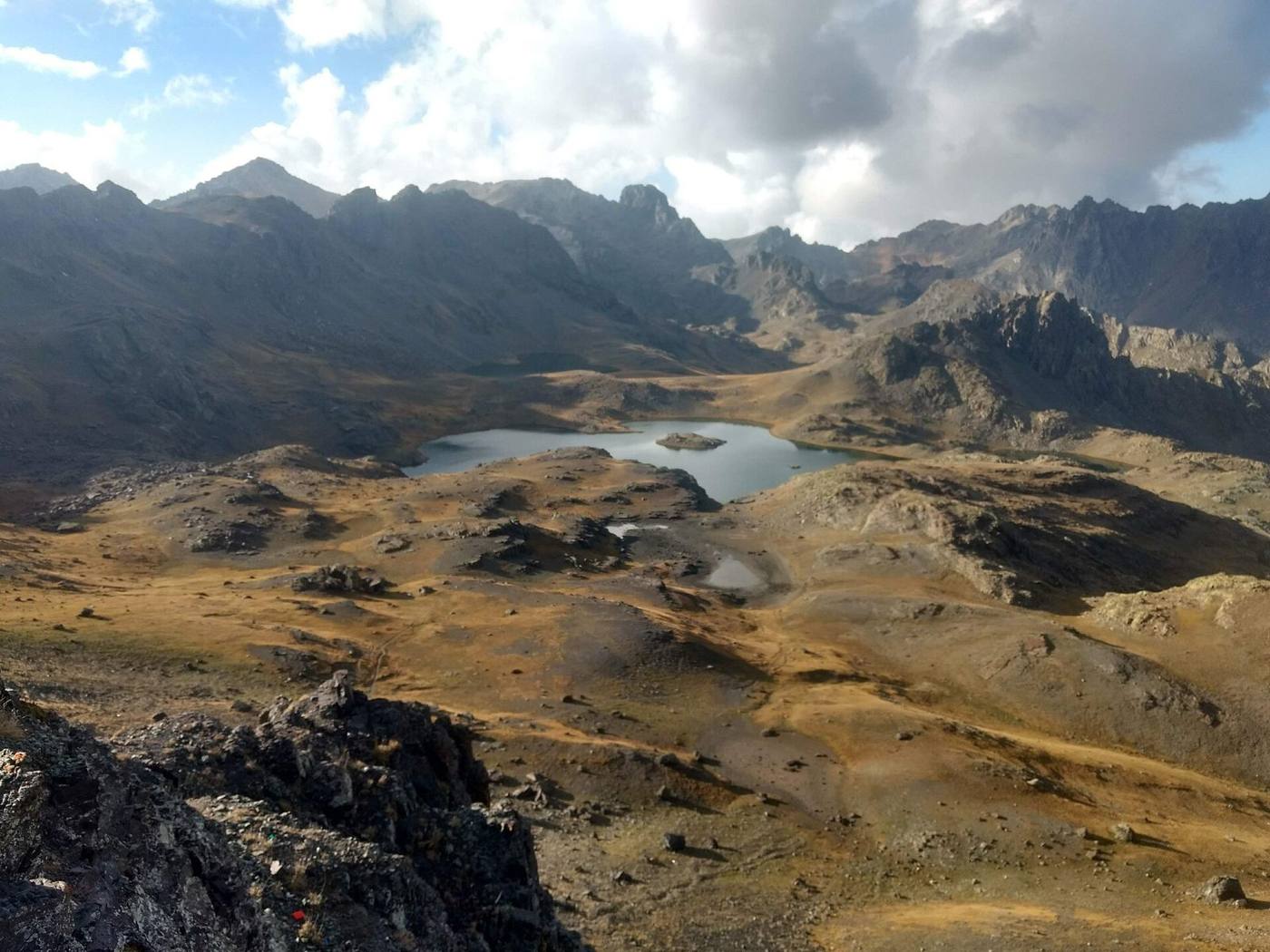
Trekking in the Kaçkar Mountains
The green mountains above the Black Sea: Rize's tea plantations, wooden villages, the shepherds' summer pastures (yayla) of Ayder, glacial lakes and the climb to Kaçkar summit, almost 4,000 metres, with Sumela Monastery on the way back.
 5 daysModerate
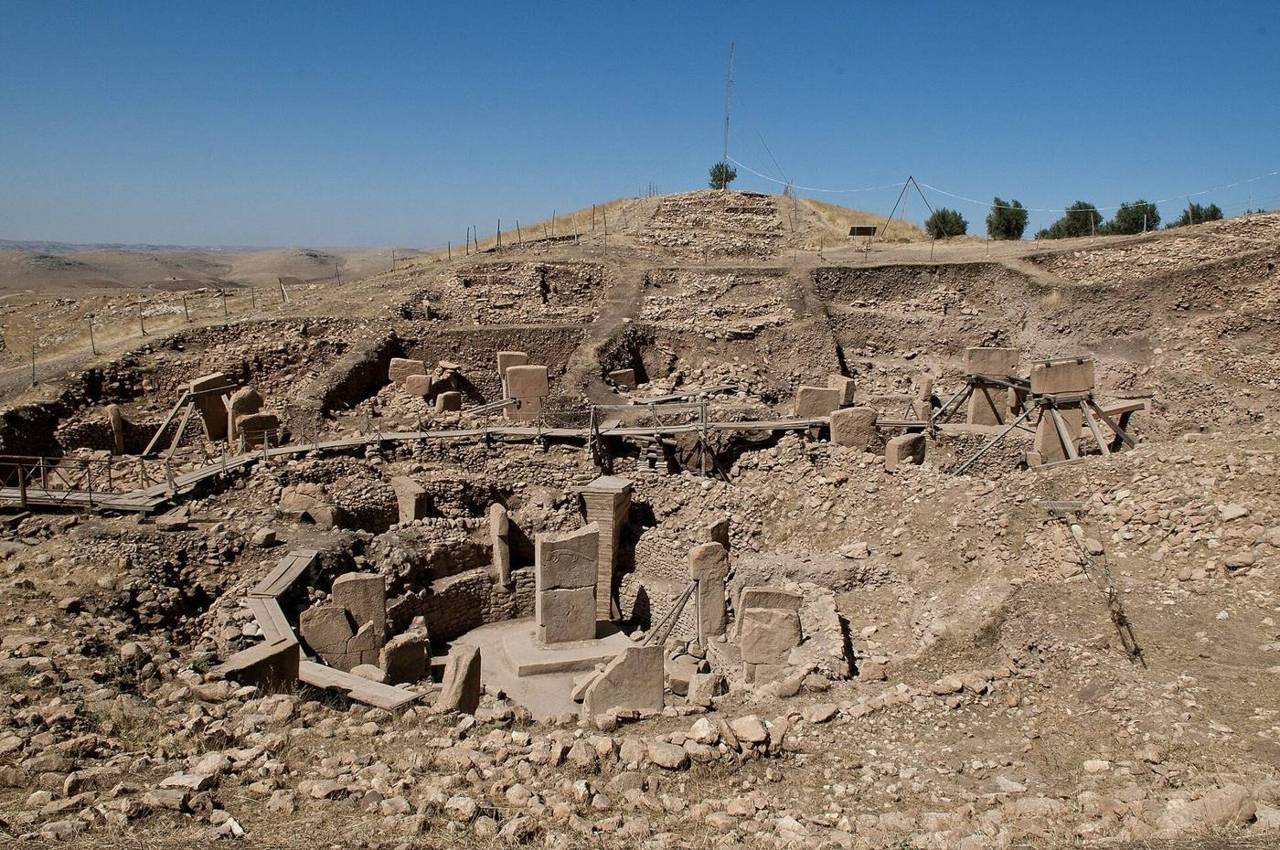
Gaziantep, Şanlıurfa and Göbekli Tepe
Turkey's oldest past and its food: Gaziantep, capital of pistachios and baklava, with the Zeugma mosaic museum; Şanlıurfa with Abraham's pool of sacred fish; Göbekli Tepe and Karahan Tepe, stone temples from about 11,000 years ago, a UNESCO World Heritage site.
 5 daysEasy
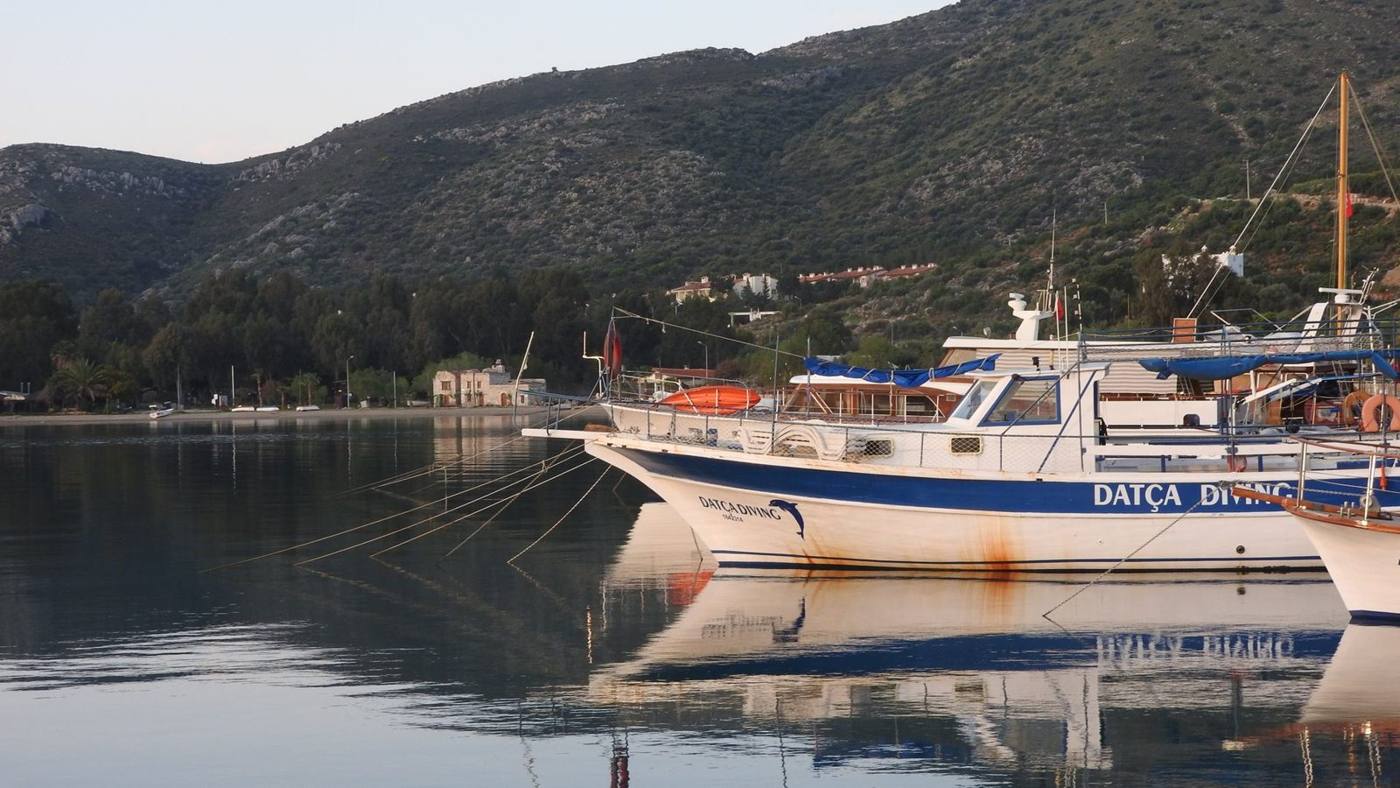
Datça, Bozburun and Knidos
The quietest peninsulas of the Turkish Aegean: Datça with the stone houses of Eski Datça and its almonds, the ruins of Knidos on the tip between two seas, the bays of Bozburun and Selimiye reached by boat, and Marmaris as the gateway.