Bursa, İznik and Mount Uludağ
The first Ottoman capital, two hours from Istanbul: the mosques and tombs of Bursa, a UNESCO World Heritage site, the silk caravanserais, the İskender kebab born here, the cable car up Mount Uludağ, the village of Cumalıkızık and İznik, ancient Nicaea of ceramics and the Council.
- Istanbul
- Bursa
- Cumalıkızık
- Uludağ
- İznik
Day by day
- Day 1
The fast ferry from Istanbul to Mudanya, Bursa, the Grand Mosque and Koza Han
To enter Turkey EU citizens can use a passport or, for some nationalities including Italians, a valid electronic identity card; no visa is needed for tourist stays of up to ninety days. Check the rules for your nationality.
Bursa, south of the Sea of Marmara at the foot of Mount Uludağ, was the first great capital of the Ottoman Empire from 1326, before Edirne and Istanbul. The old city and the village of Cumalıkızık are a UNESCO World Heritage site as the birthplace of the empire. Bursa is also famous for silk, thermal baths and İskender kebab.
In the morning take the fast ferry from Istanbul's Yenikapı port to Mudanya on the south coast of the Sea of Marmara, about two hours; from Mudanya a bus or taxi reaches Bursa in about half an hour. Alternatively there are direct buses from Istanbul, about three hours.
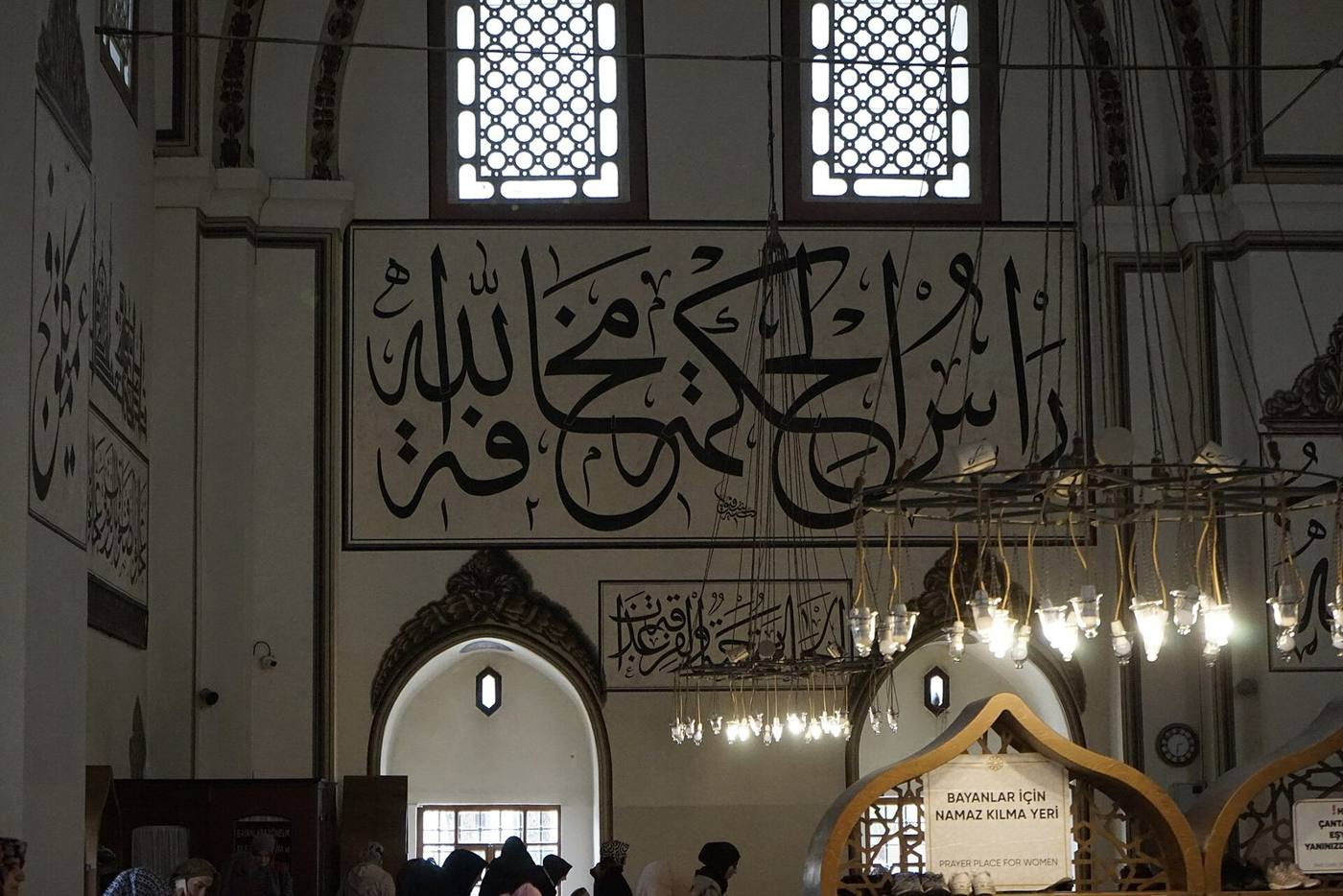
In the afternoon visit the Ulu Cami, the Grand Mosque, built at the end of the fourteenth century, with twenty domes supported by twelve pillars. Tradition says Sultan Bayezid I promised to build twenty mosques if he won a battle, and instead built one mosque with twenty domes. Inside, in the centre, is an ablution fountain, and the walls and pillars are decorated with large Arabic calligraphy, some of the finest in the Islamic world.
Then enter Koza Han, the fifteenth-century silk caravanserai, with its courtyard, a small mosque in the middle above a fountain and silk and scarf shops on the upper floor. Around it spreads the great covered bazaar.
In the evening try İskender kebab, born in Bursa: thin slices of lamb on bread with tomato sauce, yoghurt and melted butter poured at the table.
Practical tip: in mosques women cover their hair and everyone removes their shoes; avoid visiting during prayers.
- Day 2
The Green Mosque, the Green Tomb, Muradiye and Cumalıkızık
In the morning visit the Yeşil district on the hill east of the centre, with the Green Mosque, built in the early fifteenth century for Sultan Mehmed I, one of the masterpieces of early Ottoman architecture. Its name comes from the green and turquoise tiles that once covered the outside as well. Inside, the sultan's lodge and the mihrab, the niche showing the direction of Mecca, are covered in glazed tiles with flower and star patterns in brilliant colours. Opposite, the Green Tomb, the sultan's mausoleum, is an octagonal building covered in turquoise tiles, with a decorated sarcophagus inside.
Then reach the Muradiye, a fifteenth-century complex built by Sultan Murad II, with a mosque, a school, a bath and a garden with a dozen tombs of Ottoman princes and princesses among cypresses and rose beds, some decorated with İznik tiles and painted ceilings. Next door is a seventeenth-century Ottoman house open as a museum.
In the afternoon take a bus or taxi to Cumalıkızık, about ten kilometres east, an Ottoman village more than seven hundred years old at the foot of Uludağ, with two- and three-storey houses of wood and brick painted yellow, purple and blue, cobbled streets and fountains. Many families serve Turkish breakfast in their courtyards, with cheeses, olives, blackberry and raspberry jams, honey and gözleme, a filled flatbread cooked on a griddle.
In the evening, back in the city, watch if possible a performance of Karagöz, the traditional shadow puppet theatre born in Bursa.
Practical tip: Cumalıkızık is crowded at weekends; go on a weekday.
- Day 3
The Uludağ cable car, a walk or skiing
In the morning take the Uludağ cable car, which starts in the city and climbs the mountain above Bursa, one of the longest in the world at about nine kilometres. In about half an hour it carries you from Bursa to the Sarıalan plateau and then to the hotel area above 1,800 metres, over forests of chestnut, beech and fir. From above you see the whole city and the plain down to the Sea of Marmara.
Uludağ, 2,543 metres high, was called Mysian Olympus in antiquity, and one tradition says the gods watched the Trojan War from here. Today it is Turkey's most famous ski resort: in winter, usually from December to March, you ski among the firs, and people from Istanbul and Bursa come up at weekends.
In summer and autumn, by contrast, Uludağ is perfect for walking: trails leave the national park through forests and meadows to small glacial lakes below the summit, about four or five hours' walk from the hotels. In the meadows you see mountain flowers and, with luck, birds of prey.
At Sarıalan and in the surrounding woods there are picnic areas and small places grilling meat, a tradition loved by Bursa's residents.
In the afternoon go back down to the city and relax in one of the historic thermal baths of the Çekirge district, where hot spring water from the mountain has been used since Roman times.
Practical tip: the weather changes quickly in the mountains and it is cold even in summer; bring a jacket.
- Day 4
İznik: the walls, Hagia Sophia, the ceramic workshops and back to Istanbul
In the morning take a bus or drive to İznik, about an hour and a half north-east of Bursa, a small town on the shore of its lake, surrounded by olive groves. İznik is ancient Nicaea, one of the most important cities in Christian history: here in 325 the first council of the Church met, called by Emperor Constantine, and wrote the Nicene Creed, still recited by Christians all over the world, and in 787 the seventh council, which ended the struggle against sacred images.
Walk along the Roman and Byzantine walls, about five kilometres long, with monumental gates such as the Istanbul Gate and the Lefke Gate and around a hundred towers. In the centre of town stands the church of Hagia Sophia, where the council of 787 was held, later turned into a mosque, with remains of Byzantine frescoes and mosaics. In the lake, a few metres from the shore, the remains of a submerged basilica were discovered in 2014, visible from above when the water is clear.
In the afternoon visit a ceramics workshop: in the sixteenth century İznik produced the finest tiles in the Ottoman Empire, with red, blue and turquoise flowers decorating the mosques of Istanbul. The art was forgotten and then revived in recent decades, and today you can watch artisans painting by hand.
In the evening return to Istanbul via Yalova with the fast ferry, about two and a half hours in all.
Things to take home: İznik ceramics, Bursa silk and towels, candied chestnuts, and İznik olive oil and olives.
Practical tip: check your government's travel advice before leaving.
An easy add-on to Istanbul, little known to Italians. Italian and most EU citizens need no visa for short tourist stays.
Before you go
- Documents and visa
- Passport, or for some EU citizens a national identity card; no visa for tourism up to 90 days in 180 for most EU nationalities.
- Health and vaccines
- No compulsory vaccines. Drink bottled water. Emergencies: 112.
- Money and payments
- Turkish lira. Cards work almost everywhere; state site tickets are set in euros but paid in lira at the day's rate.
- Power sockets
- Types C and F, 230 volts: the same round-pin sockets as much of Europe.
- Time zone
- UTC+3 all year: Turkey does not use daylight saving time.
- Safety
- The United States rates Turkey level 2, with level 4 within 10 km of the Syrian and Iraqi borders. Tourist areas are busy and calm. Official advice: GOV.UK.
Information checked in November 2026 for Italian and EU citizens. Rules change: always check before you travel.
Variations
In 2 days: Bursa with its mosques and Cumalıkızık on day one, İznik on day two, returning to Istanbul.
In 7 days: combine with Istanbul and the Marmara coast, or continue to Eskişehir and Phrygia.
Frequently asked questions
Which document do I need for Turkey?
A passport or, for some EU nationalities including Italians, a valid electronic identity card; no visa for tourism up to ninety days. Check the rules for your nationality.
How do I get from Istanbul to Bursa?
By fast ferry to Mudanya, about two hours, then bus or taxi; or by direct bus in about three hours.
When can I ski on Uludağ?
Usually from December to March, depending on snow; in summer the mountain is ideal for walking.
Indicative itinerary written by World Atlas. Before booking, check timetables, seasonal openings, documents and safety.
 4 daysEasy
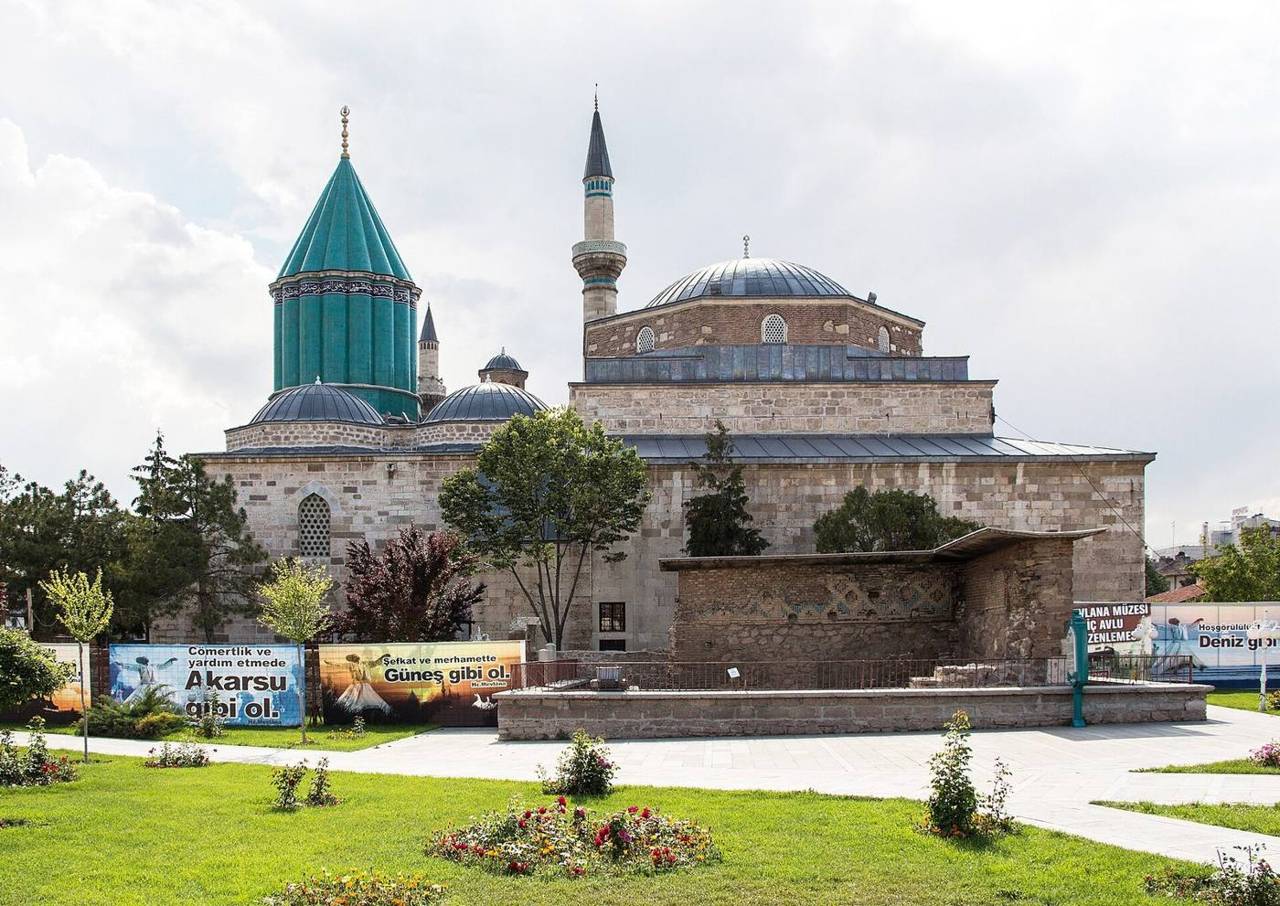
Konya, Çatalhöyük and Lake Beyşehir
Anatolia's spiritual heart: Rumi's mausoleum and the whirling dervishes of Konya, the Seljuk madrasas, the Neolithic town of Çatalhöyük, a UNESCO World Heritage site, and the wooden Eşrefoğlu Mosque on Lake Beyşehir, also UNESCO-listed.
 7 daysChallenging
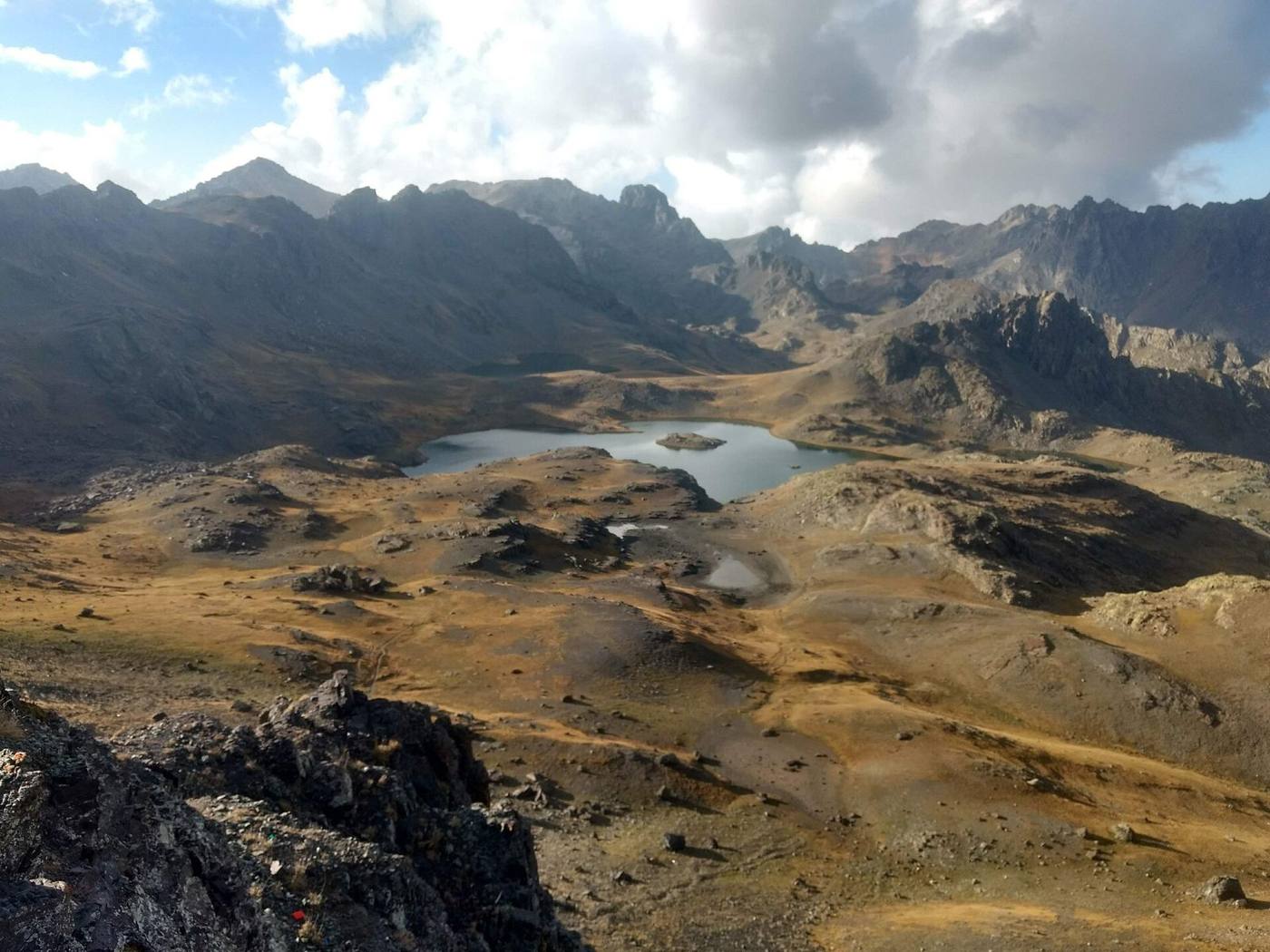
Trekking in the Kaçkar Mountains
The green mountains above the Black Sea: Rize's tea plantations, wooden villages, the shepherds' summer pastures (yayla) of Ayder, glacial lakes and the climb to Kaçkar summit, almost 4,000 metres, with Sumela Monastery on the way back.
 5 daysModerate
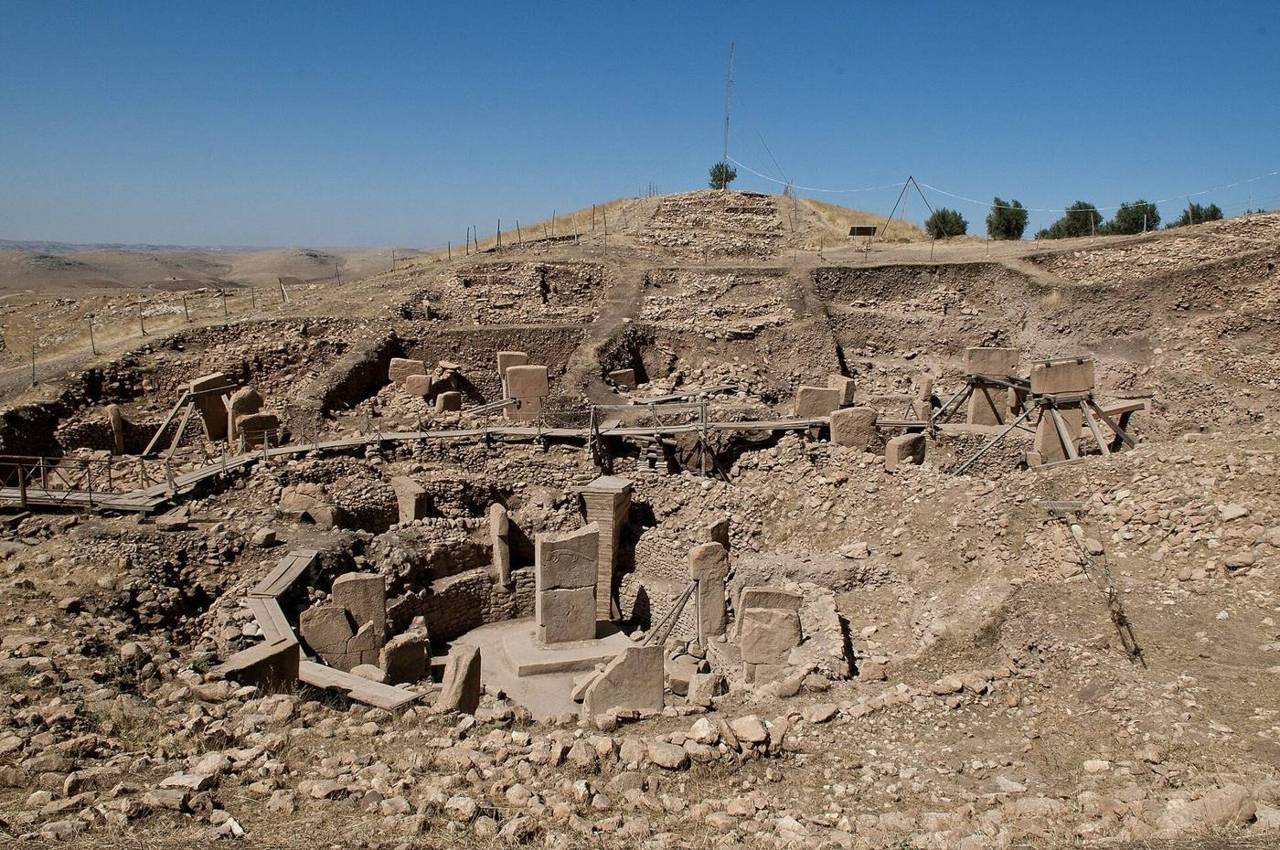
Gaziantep, Şanlıurfa and Göbekli Tepe
Turkey's oldest past and its food: Gaziantep, capital of pistachios and baklava, with the Zeugma mosaic museum; Şanlıurfa with Abraham's pool of sacred fish; Göbekli Tepe and Karahan Tepe, stone temples from about 11,000 years ago, a UNESCO World Heritage site.