The ksour of Tataouine and Matmata
The Berber south: the troglodyte houses of Matmata, the fortified granaries of Ksar Ouled Soltane, the ridge village of Chenini and the Star Wars filming locations.
- Gabès
- Matmata
- Tataouine
- Chenini
- Ksar Ouled Soltane
Day by day
- Day 1
From Gabès to Matmata, a night in a troglodyte house
This four-day trip takes you into the Berber south of Tunisia: the troglodyte houses of Matmata, the hill villages, the fortified granaries of Ksar Ouled Soltane, the village of Chenini on its ridge and the Star Wars filming locations. You travel with a driver or a local guide.
Before you go: Italian citizens can enter Tunisia only with a passport, with at least three months' remaining validity: an identity card is no longer enough. Tourist stays of up to 90 days need no visa. The Tunisian dinar cannot be exported: change a little at a time and keep the receipts. Other nationalities should check their own rules. Some areas on this trip are close to borders or places where the situation changes often: check your government's travel advice before booking and again before you leave.
You start in Gabès, on the coast, a city with a large palm oasis close to the sea, which is rare in the Mediterranean. In the morning take a walk through the oasis, among date palms, pomegranates and vegetable gardens, then visit the market, famous for henna and spices.
In the early afternoon you climb towards Matmata, in the dry hills to the west. Here the Berbers lived for centuries in houses dug underground: a large round pit acts as a courtyard and the rooms open into the rock around it, cool in summer and mild in winter. Some families open their homes to visitors and offer bread baked in the earth oven. One of these houses, now a place to stay, was used as Luke Skywalker's home in the first Star Wars film.
Sleep in Matmata, in a troglodyte house.
Practical tip: bring a jacket even in spring and autumn: in the south nights are cool, even when the day is hot. A small torch is also useful in the dim underground rooms.
- Day 2
The road of the Berber villages to Tataouine
Today you cross the southern hills along the road of the Berber villages, as far as Tataouine.
In the morning you leave Matmata and take the roads that run through the Dahar mountains. The landscape is made of ochre hills, small terraces with olive and palm trees and stone dams built to hold rainwater. Stop in the quieter villages, such as Toujane, clinging to a valley, with stone houses that blend into the rock.
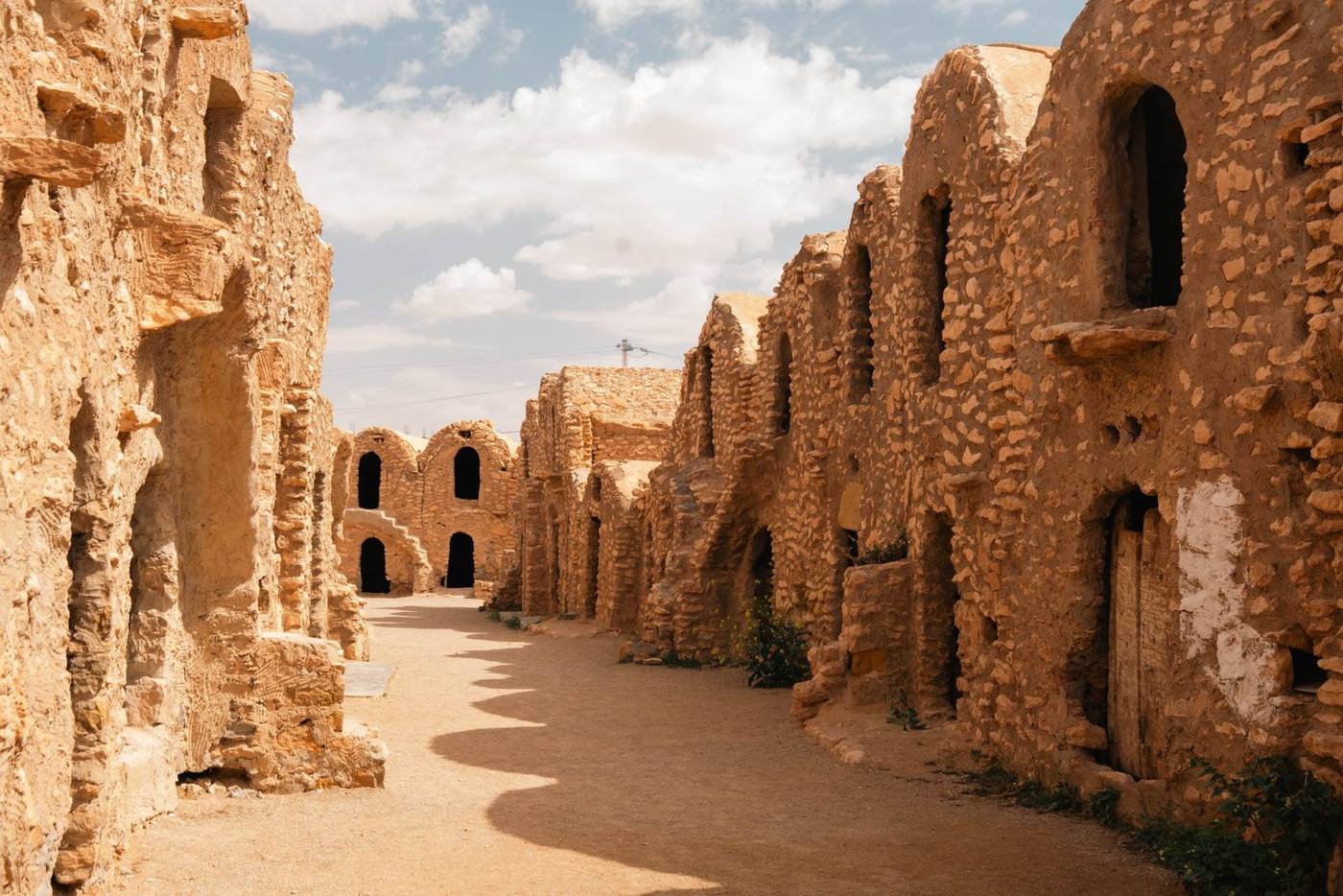
Around midday you reach the Médenine area, where some ghorfas survive, the vaulted granaries where nomadic tribes stored grain, oil and dates. The ghorfas are built one on top of another, on several floors, around a courtyard, and were reached by external steps.
In the afternoon continue to Tataouine, the main town of the south, with its market and squares where people from the villages meet. The town's name inspired that of the planet Tatooine in Star Wars. Taste the cornes de gazelle, crescent-shaped pastries filled with almond paste, typical of the town.
In the evening take a walk in the centre.
Sleep in or near Tataouine, for two nights.
Practical tip: follow the main roads with your driver or guide and always arrive before dark; in this region do not head east, towards the border with Libya. Fill up with fuel whenever you can, as stations are few between the villages.
- Day 3
Chenini and Ksar Ouled Soltane
Today you visit two of the most beautiful places in the Berber south, a short distance from Tataouine.
In the morning go to Chenini, a village built on the crest of a hill, with houses and granaries dug into the rock on several levels. At the top stands a small white mosque, visible from afar. Walk with a village guide along the paths between the houses: some are still lived in, others are empty. A little lower down is the Mosque of the Seven Sleepers, with very long tombs linked to a legend: according to tradition, seven young men fell asleep in a cave for centuries and grew while they slept.
At midday return to Tataouine for lunch, then continue south-east to Ksar Ouled Soltane, one of the best preserved fortified granaries in Tunisia. The ghorfas rise up to four floors around two courtyards, with irregular façades and palm wood doors. Some scenes of Star Wars: The Phantom Menace were filmed right here. The best time to see it is in the late afternoon, when the light turns warm.
At sunset head back towards Tataouine.
In the evening, if there is any, enjoy some traditional Berber music.
Sleep in or near Tataouine.
Practical tip: in Chenini wear shoes with a good sole; the paths are steep, with stones and uneven steps, and in summer it is best to climb early in the morning. Carry small notes for the village guide.
- Day 4
Back towards Djerba
Today you leave the Berber south and return towards the coast, as far as Djerba.
In the morning, if you like, visit one last ksar near Tataouine, such as Ksar Hadada, another large fortified granary on several floors, also used as a Star Wars set. Then take the road north, across the Médenine plain, and reach the coast. From here you cross the causeway that leads to Djerba. The drive takes a few hours.
In the afternoon, in Djerba, rest on the beach or walk in the souks of Houmt Souk, the island's main town.
In four days you have seen a southern Tunisia of unique architecture: the underground houses of Matmata, the stone villages of the hills, the fortified granaries of Ksar Ouled Soltane and the ridge of Chenini, with the film locations that made these landscapes famous. It is an easy trip to combine with a few days by the sea on Djerba.
When to go: the best period is from October to April, with warm, pleasant days and cool nights. In summer temperatures are very high and sightseeing becomes tiring. In winter it can be cold at night.
Practical tip: make the whole trip with a local guide or driver, do not go beyond the villages on the route towards the Libyan border and do not travel at night. Keep some dinars for the last purchases, but remember that the currency cannot be taken out of the country.
Unique landscapes and architecture, easy to combine with Djerba. Stay west of the main road: the strip near Libya, Ben Guerdane and the military zone south of Remada are advised against. Better with a local agency.
Before you go
- Documents and visa
- You need a passport with at least three months' remaining validity: an identity card is no longer enough. Tourist stays of up to 90 days need no visa for Italian citizens; other nationalities should check their own rules.
- Health and vaccines
- No compulsory vaccinations for travellers arriving from Europe. Rabies is increasing: keep away from stray dogs and cats and see a doctor at once if you are bitten or scratched. Drink bottled water. Emergencies: 190 ambulance, 197 police, 198 fire brigade.
- Money and payments
- Tunisian dinar, which cannot be exported: change a little at a time and keep your exchange receipts. Cards work in cities and large hotels; in souks and villages you need cash.
- Power sockets
- Type C and E, 230 volts: you need an adapter for British plugs.
- Time zone
- UTC+1 all year.
- Safety
- The UK and Italy advise against the areas close to the borders with Algeria and Libya, the mountain areas of Kasserine, El Kef and Sidi Bouzid governorates, where there are military operations, and the military zone in the southern Sahara. In the desert, go only on organised trips, with a 4x4 and a guide. Official advice: GOV.UK.
Information checked in November 2026 for Italian and EU citizens. Rules change: always check before you travel.
Variations
In three days you can do Matmata, Chenini and Ksar Ouled Soltane, with a single night in Tataouine.
In seven days you can add Douz, the Chott el-Jerid and the oases of Tozeur, always with a local guide.
Frequently asked questions
What are the troglodyte houses of Matmata?
Houses dug underground around a large round pit that serves as a courtyard. The rooms in the rock stay cool in summer and mild in winter.
Where are the Star Wars locations?
In Matmata, where a troglodyte house was Luke Skywalker's home, and around Tataouine, with Ksar Ouled Soltane and Ksar Hadada.
Do I need a guide?
It is strongly recommended. A local guide or driver knows the roads, takes you into the villages and helps you stay away from the border areas.
Indicative itinerary written by World Atlas. Before booking, check timetables, seasonal openings, documents and safety.
 4 daysEasy
Mahdia and Monastir
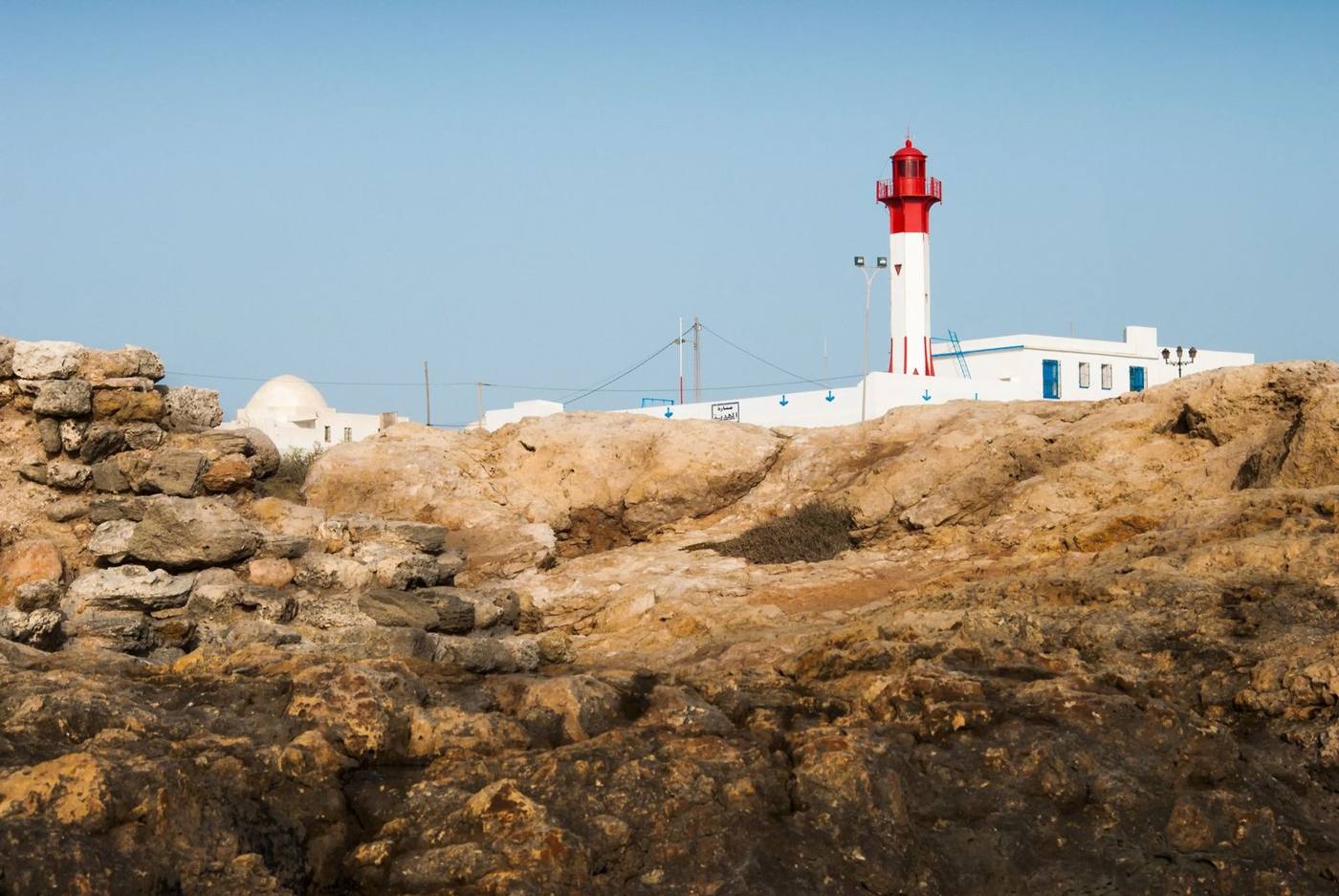
The Sahel coast: the Mahdia peninsula with its white seaside cemetery and Fatimid gate, the ribat of Monastir and the long beaches between the two towns.
 2 daysEasy
Bizerte and Ichkeul
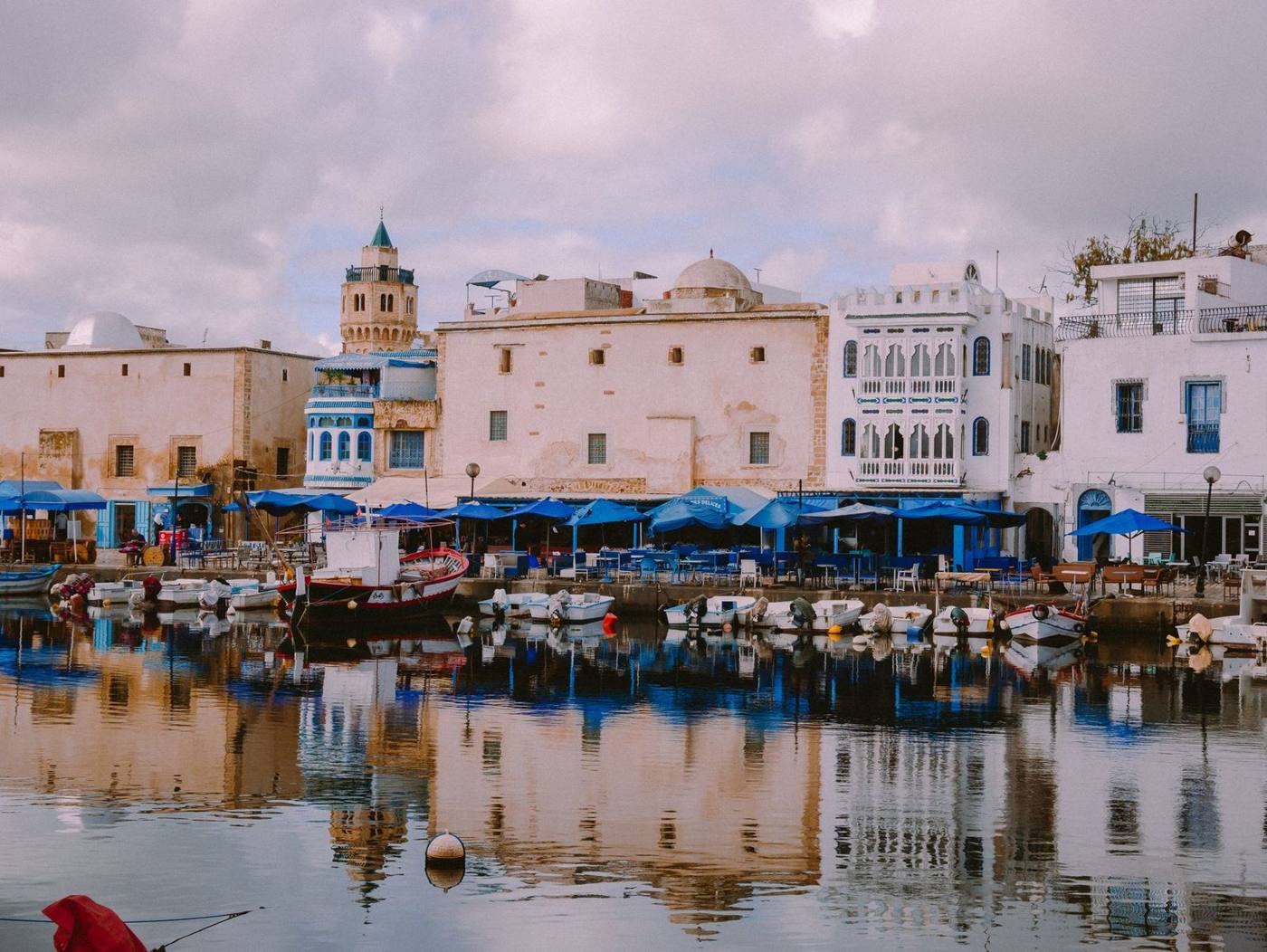
Bizerte's old port with its colourful houses and kasbah, and Ichkeul National Park, a UNESCO lake and marsh where thousands of migratory birds arrive in winter.
 5 daysEasy
Tunis, Carthage and Sidi Bou Said
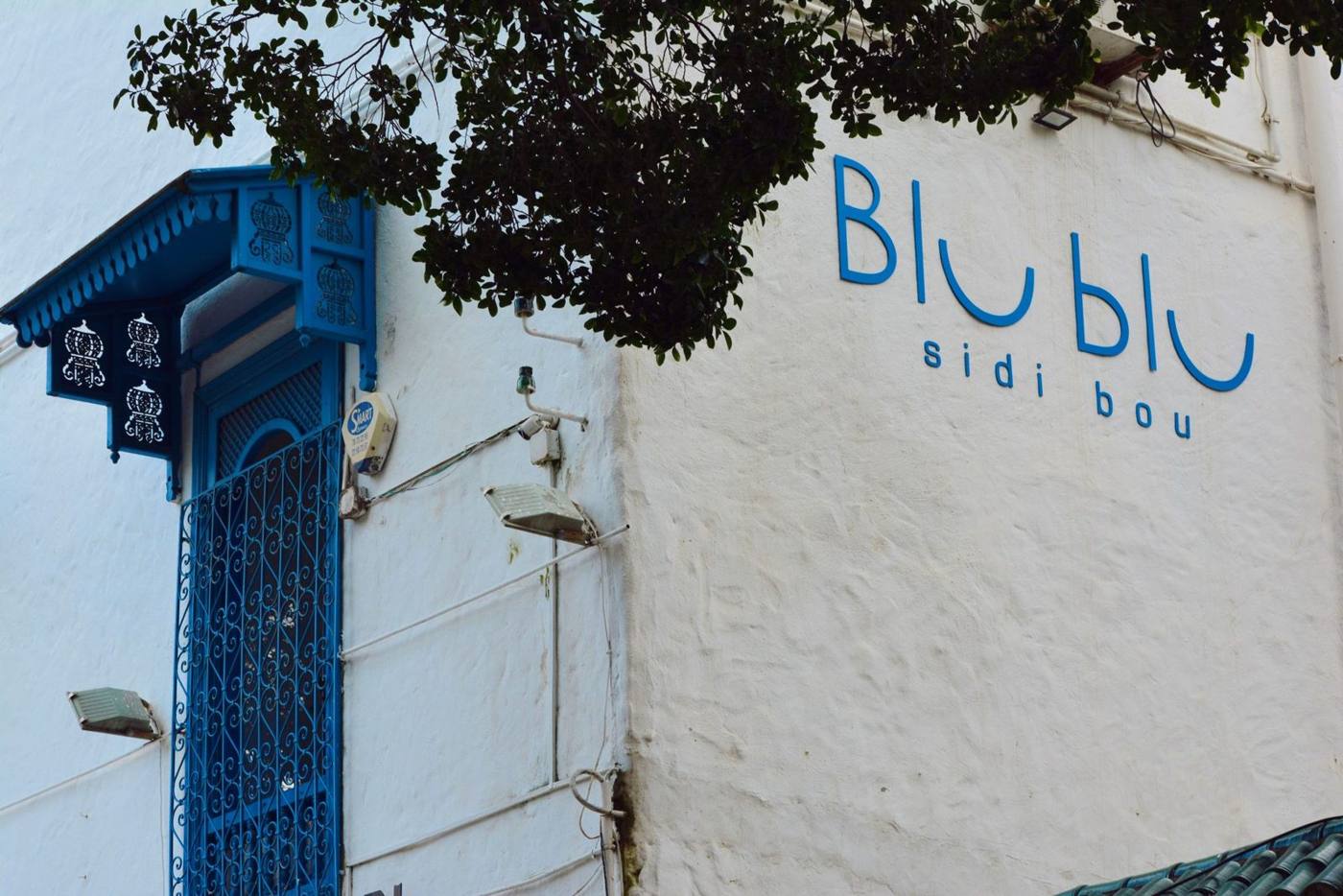
Tunis's UNESCO medina, the mosaics of the Bardo museum, the ruins of Carthage, the blue-and-white village of Sidi Bou Said and the Roman city of Dougga.