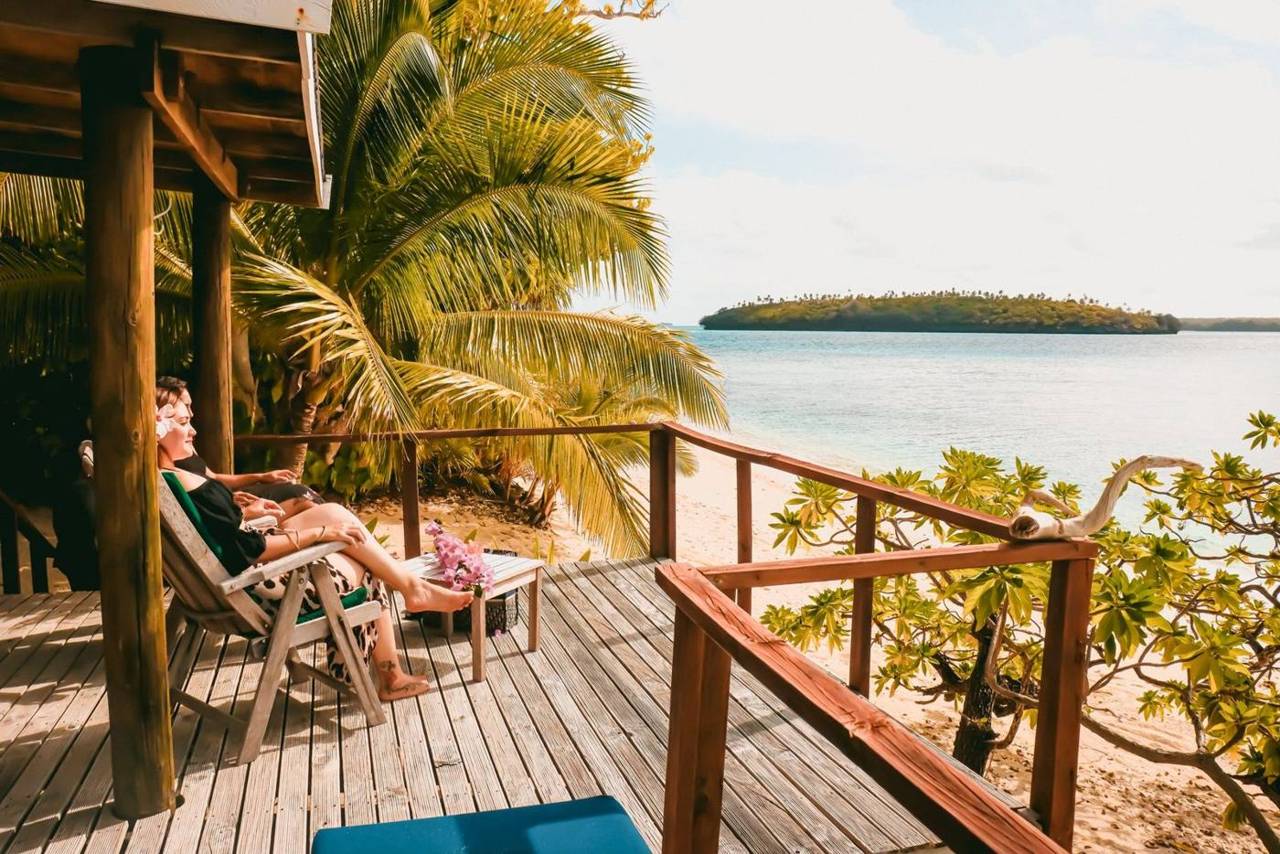
Tongatapu and the Ha'apai
The Ha'amonga 'a Maui trilithon, the Mapu'a 'a Vaea blowholes, the royal palace in Nuku'alofa and the remote islets of Ha'apai.
- Nuku'alofa
- Ha'amonga 'a Maui
- Mapu'a 'a Vaea
- Lifuka
- Uoleva
Day by day
- Day 1
Nuku'alofa, capital of the kingdom
This six-day trip introduces you to Tonga, the only kingdom in the Pacific that was never colonised: two days on Tongatapu, the island of the capital, with its ancient monuments and coastline, and three days in the Ha'apai, low and almost deserted islands.
Before you go: Italian citizens enter Tonga with a passport valid for at least six months; on arrival they receive a 30-day tourist visa, with no need to apply in advance. You may be asked for a return ticket, an accommodation booking and proof of sufficient funds. Other nationalities should check their own rules. Flights to Tonga and between the islands are few, change often and can be cancelled because of bad weather; on Sundays everything stops by law, flights included. From November to April there is a risk of cyclones: always leave a spare day.
You land at Fua'amotu and in about half an hour by road you reach Nuku'alofa, a small, quiet capital by the sea.
In the afternoon walk along the seafront to the Royal Palace, a white wooden building with a red roof, which you can only see from outside. Not far away are the royal tombs of Mala'ekula, in a large fenced lawn.
Then visit Talamahu market, the largest in the country, with tropical fruit, taro and yam roots and, upstairs, mats and woven objects.
Sleep in Nuku'alofa, for two nights.
Practical tip: away from the beach cover your shoulders and knees, as Tongans do.
- Day 2
The trilithon and the blowholes
Today you go round Tongatapu, the main island, in a hire car or with a driver. Distances are short, but the roads are narrow and pass through many villages.
In the morning head east to Ha'amonga 'a Maui, the trilithon of Tonga: two large standing blocks of coral stone with a third block resting on top, like a gate. According to tradition it was built by King Tu'itatui many centuries ago, when the island was the centre of a power that stretched across much of the Pacific. Check prices and times.
On the way stop at Lapaha, near Mu'a, where the langi are found, the terraced stone tombs of the ancient Tongan kings, among lawns and trees.
In the afternoon cross the island to the south-west coast, at Houma, to see Mapu'a 'a Vaea, the blowholes: for kilometres along the cliff, waves rush into holes in the rock and shoot jets of white water high into the air. The best time is at high tide with a rough sea.
Do not go down onto the wet rocks: waves arrive suddenly and the stone is sharp.
At sunset go back to Nuku'alofa and try ota 'ika, raw fish marinated in lemon with coconut milk.
Sleep in Nuku'alofa.
Practical tip: avoid driving at night: the roads are poorly lit and there are pigs, dogs and people on foot.
- Day 3
Flight to the Ha'apai: Lifuka
Today you fly to the Ha'apai, the group of islands in the centre of the kingdom, between Tongatapu and Vava'u. They are low islands of sand and coral, surrounded by lagoons and reefs, where a few people live by fishing and farming.
The flight is short, in a small plane, and lands on Lifuka, the main island. If the flight changes, as it often does, stay calm: time passes differently here.
Pangai, the town on Lifuka, is the centre of the Ha'apai: a few shops, churches, a small harbour and sandy streets in the shade of palm trees. Captain Cook also stopped here in the eighteenth century, during his voyages in the Pacific, and called these islands the Friendly Islands.
In the afternoon hire a bicycle and ride along the west coast, with long, almost empty beaches and a turquoise sea. Stop wherever you like for a swim, but first ask the local people where the current is strongest.
At sunset sit on the beach and watch the sun go down behind the islets on the horizon.
The Ha'apai were also hit by the 2022 eruption and tsunami: in some villages you will still see signs of rebuilding.
Sleep on Lifuka or on a nearby island, for three nights.
Practical tip: bring enough cash: in the Ha'apai there are very few cash machines and they often do not work.
- Day 4
Uoleva beach
Today you go to Uoleva, an almost uninhabited island south of Lifuka, famous for its white sand beaches and the coral reef close to the shore.
You get there by boat in a short time, with a local boatman: agree the price and the return time beforehand. Check prices and times.
There are no roads or shops on the island, only palms, sandy paths and a few very simple places to stay. Walk along the coast: in an hour or two you can go almost all the way round, depending on the tide.
Snorkel on the reef, where parrotfish, butterflyfish and sometimes turtles swim. Get into the water calmly, without walking on the coral, and wear reef shoes.
If it is the season, from July to October, look at the sea beyond the reef: humpback whales pass here too and you can sometimes see them breaching.
Bring water, food, sun cream and a hat: on Uoleva the only shade is under the palms.
In the afternoon, before the sea rises, go back to Lifuka by boat. If you prefer, you can also spend a night on Uoleva, in a simple place on the beach, booked in advance.
Sleep on Lifuka or Uoleva.
Practical tip: do not sit under palms heavy with coconuts: when they fall they can hurt badly.
- Day 5
By bike between Lifuka and Foa
Today you explore Lifuka and the neighbouring island of Foa, linked by a causeway over the sea. The best way is by bicycle: the land is flat and there is almost no traffic.
Set off early in the morning, when it is cooler. Ride through the villages: low houses with gardens, churches of every denomination, men preparing nets and women weaving pandanus mats in the shade.
Greet people with malo e lelei, hello in Tongan, and you will always get a smile in return.
On the causeway stop to look at the lagoon, with shallow, clear water and birds fishing. On Foa look for the northern beaches, among the most beautiful in the Ha'apai, with fine sand and a calm sea.
In the middle of the day take a break with fresh fruit, a drinking coconut and something to eat bought in a small village shop.
In the afternoon go back to Pangai and visit the main church. If the next day is a Sunday, remember there are no flights: in that case stay an extra night and go to the service to hear the choirs.
In the evening pack your bags and confirm the time of tomorrow's flight.
Sleep on Lifuka.
Practical tip: bring a small pump and a spare inner tube, because hire bikes are not always in good condition.
- Day 6
Return and departure
Today you leave the Ha'apai and fly back to Tongatapu on the domestic flight, then catch your international flight. Leave a good margin between the two flights: delays are common and in bad weather the flight can be postponed.
If you have a few hours on Tongatapu, stop at one of the beaches on the west coast or go back to Talamahu market to buy a woven object or a small mat to take home as a souvenir.
Trip summary: in six days you have seen Nuku'alofa with the Royal Palace and the royal tombs, the Ha'amonga 'a Maui trilithon, the langi of Lapaha and the Mapu'a 'a Vaea blowholes on Tongatapu, then flown to the Ha'apai, cycled between Lifuka and Foa and swum off the beaches of Uoleva.
When to go: from May to October, in the cooler, drier season, with less rain and a calmer sea. From July to October there are also whales. From November to April it is hotter, it rains more and there is a risk of cyclones.
Remember that in Tonga everything stops on Sunday, flights included: keep this in mind when you book, especially domestic flights.
Practical tip: confirm the domestic flight the day before and get to the airport early, because times sometimes change without warning.
The only Pacific kingdom never colonised, very traditional. The Ha'apai are almost deserted islands with very basic lodging. On Sundays everything stops by law, flights included.
Before you go
- Documents and visa
- Passport valid for at least six months. No visa needed in advance: on arrival you receive a 30-day tourist visa. You may be asked for a return or onward ticket, an accommodation booking and proof of sufficient funds.
- Health and vaccines
- There is no malaria, but there is dengue, Zika and chikungunya: use repellent. Hospitals have limited services: serious cases need an air transfer to New Zealand, which is very expensive, so travel with insurance that covers medical costs and repatriation. Drink bottled water. Emergencies: 999.
- Money and payments
- Tongan pa'anga. Cards work in Nuku'alofa and in larger places; on the smaller islands, at markets and in villages you need cash.
- Power sockets
- Type I, 240 volts: you need an adapter for European plugs.
- Time zone
- UTC+13 all year.
- Safety
- Serious crime is low, but petty theft is fairly common. Tidal currents in the lagoons can be strong: ask locally before swimming. Swimming or kayaking with whales is allowed only from licensed boats with a certified guide. Sunday is a legal day of rest: shops are closed and there are no flights. Cyclones from November to April; earthquakes are possible. Avoid driving at night. Official advice: GOV.UK.
Information checked in November 2026 for Italian and EU citizens. Rules change: always check before you travel.
Variations
Shorter version: four days on Tongatapu only, with the trilithon, the blowholes, the beaches and a trip to 'Eua.
Longer version: add four days on Vava'u, for the sea caves and, from July to October, the whales.
Frequently asked questions
How do you get around between the islands?
By domestic flights in small planes, or by ferry, which is slower and on a sea that is often rough. On Sundays there are neither flights nor ferries.
Is accommodation in the Ha'apai comfortable?
It is very simple: beach bungalows, family homes, sometimes limited electricity. Book in advance, because there are few places.
What do you do on a Sunday in Tonga?
Almost nothing: shops are closed, there are no flights and no boat trips. It is the right day to go to church to hear the choirs, and to rest.
Indicative itinerary written by World Atlas. Before booking, check timetables, seasonal openings, documents and safety.
 3 daysModerate
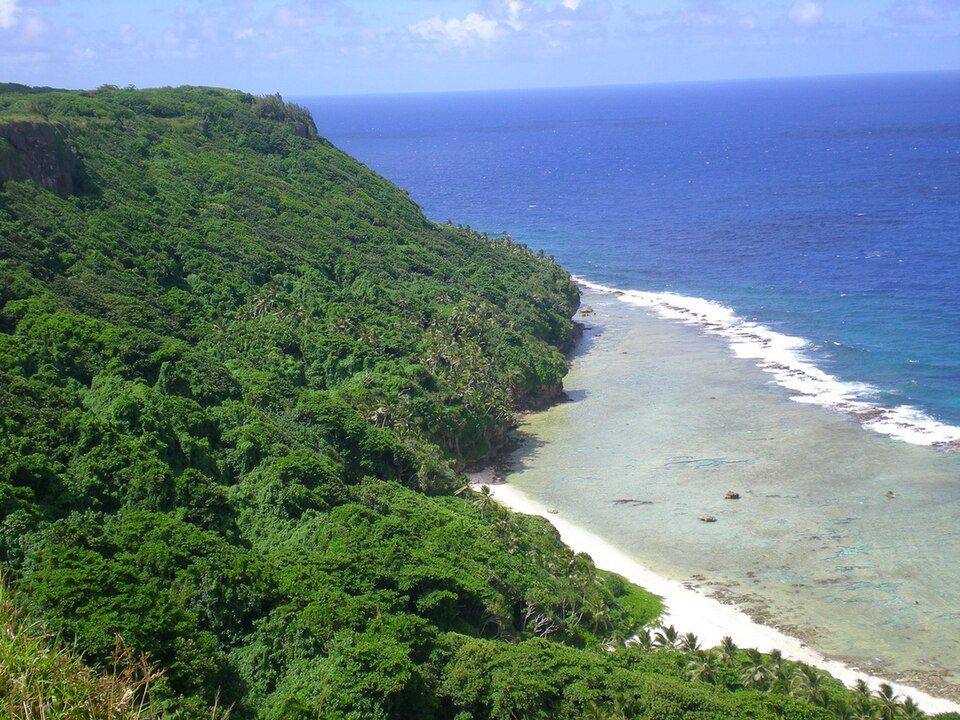
'Eua, the island of cliffs
Tonga's oldest island, a short hop from Tongatapu: national park forest, high ocean cliffs, caves and natural arches, rare birds and, in season, whales visible from the shore.
 4 daysEasy
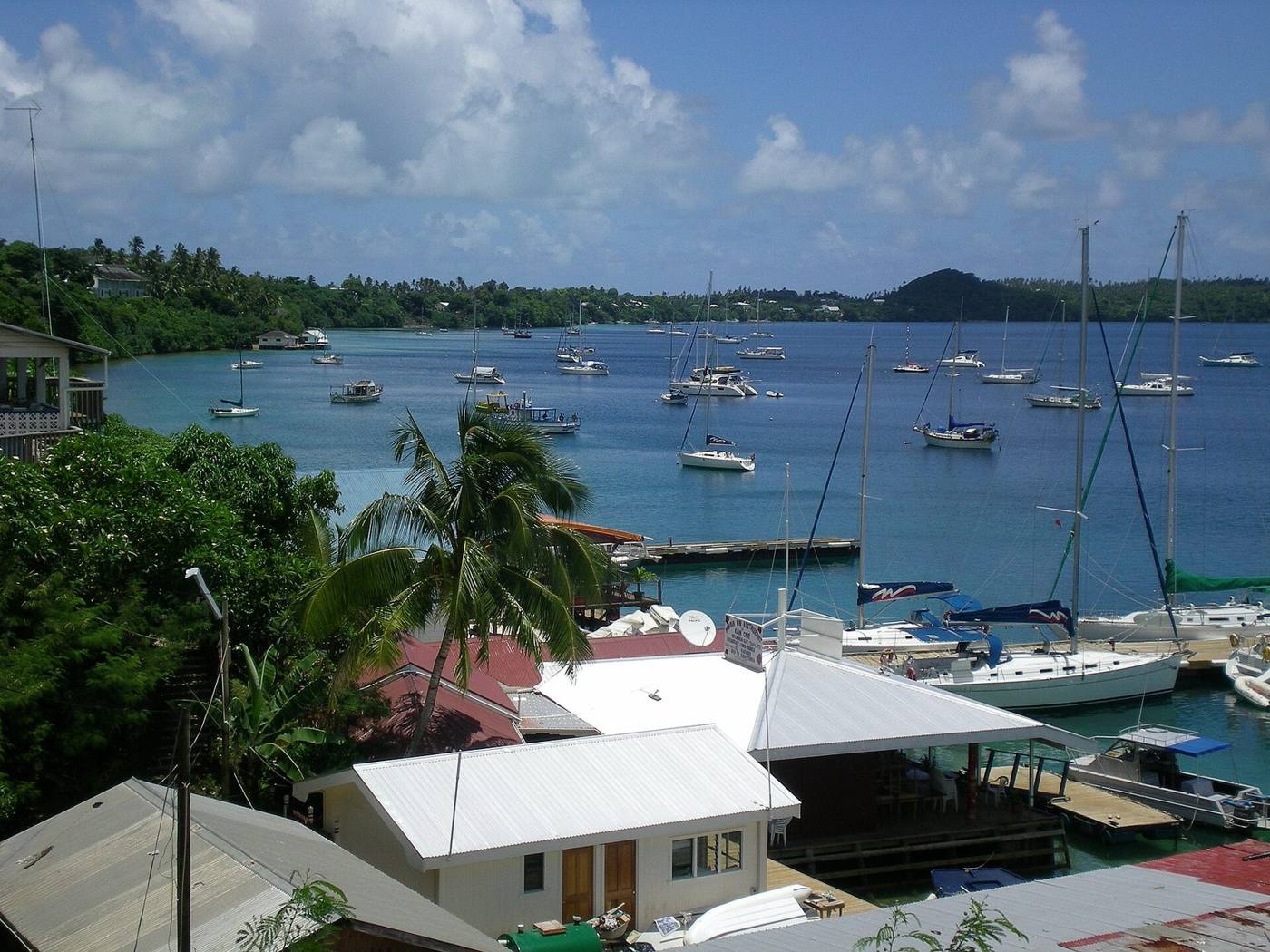
Vava'u by boat and kayak
Vava'u's maze of islands and sheltered bays, one of the Pacific's best places to sail: Swallows' Cave, Mariner's Cave, empty beaches and the harbour of Neiafu.
 7 daysEasy
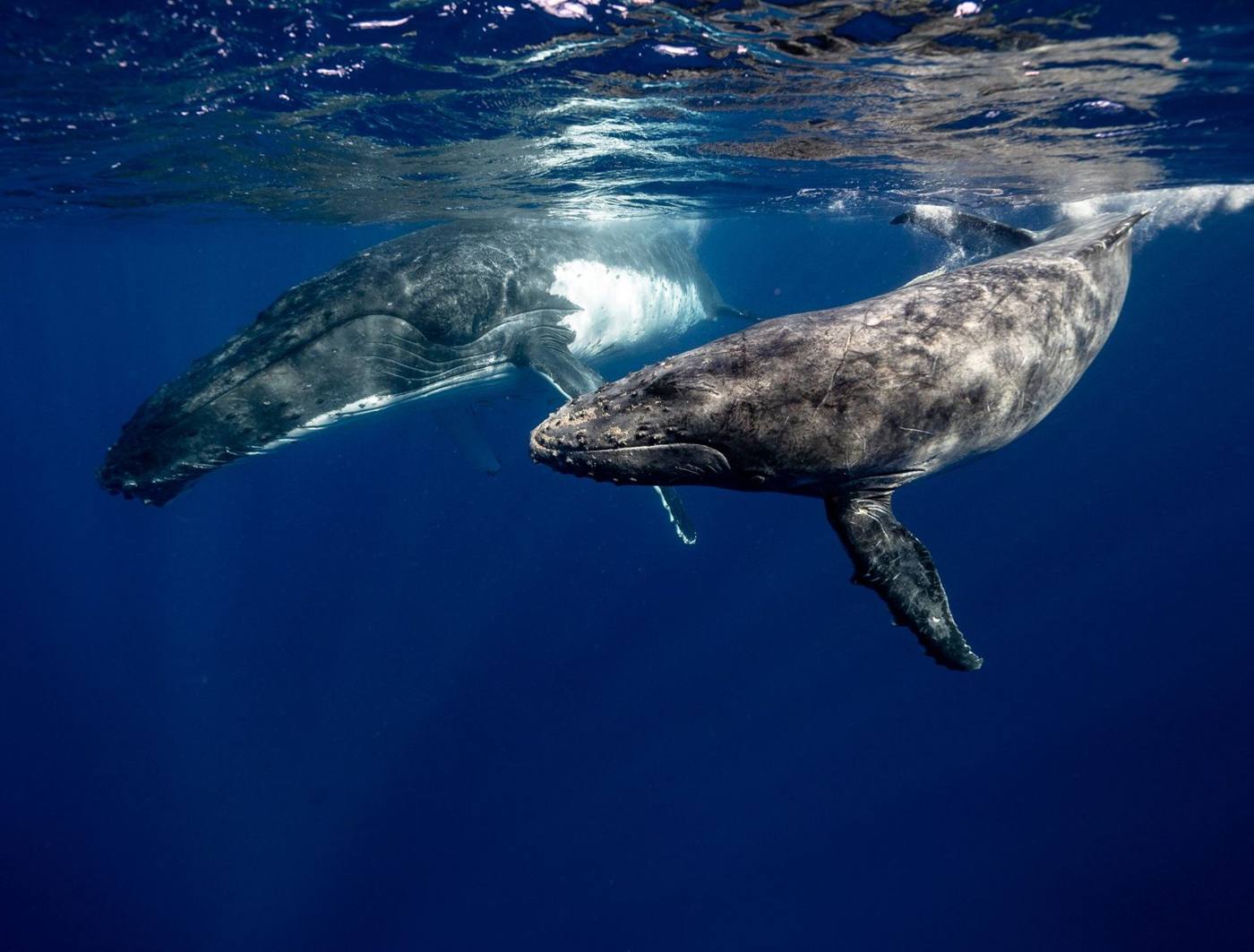
The whales of Vava'u
Swimming with humpback whales in the waters of Vava'u, one of the few places in the world where it is allowed, among green islands and sea caves.