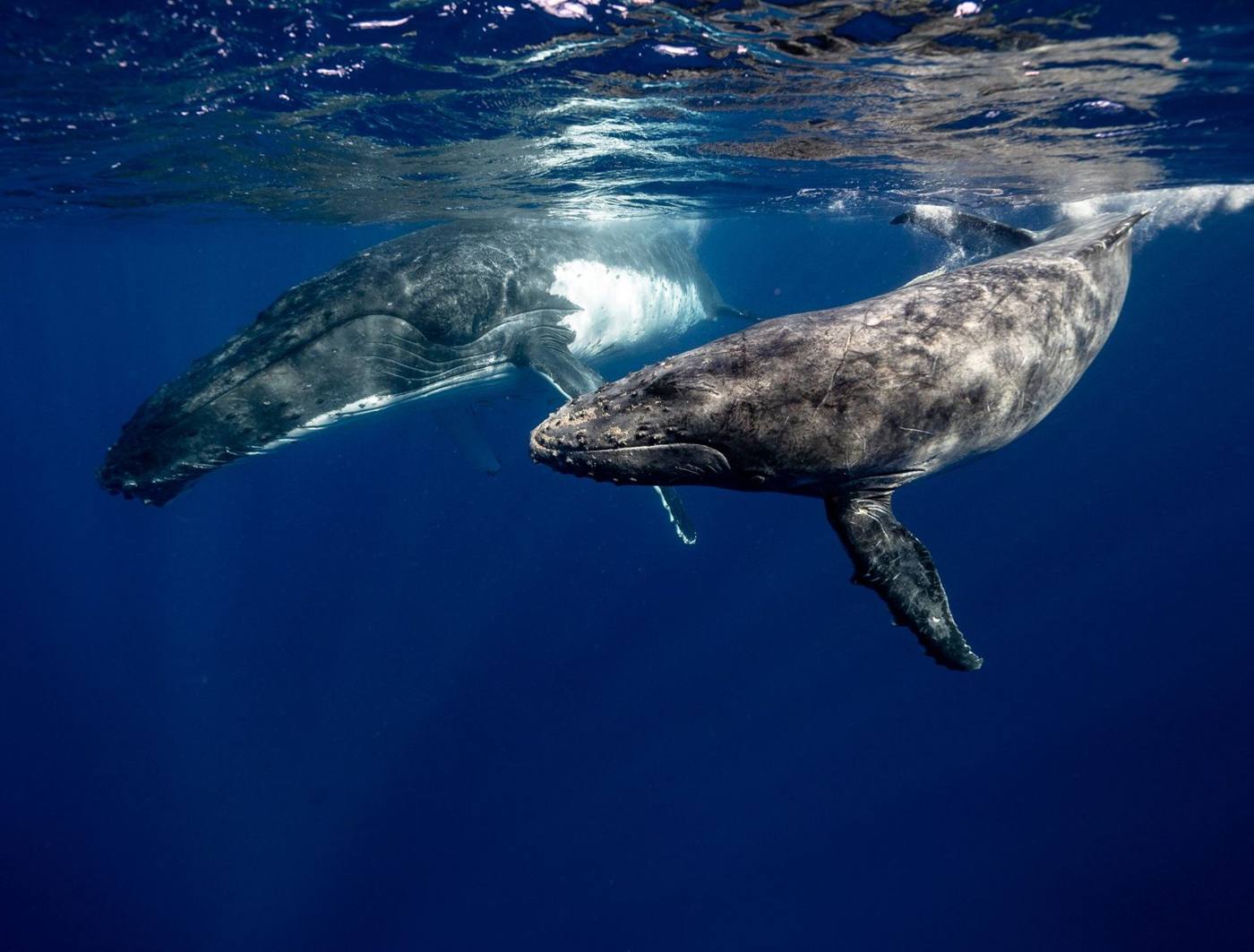
The whales of Vava'u
Swimming with humpback whales in the waters of Vava'u, one of the few places in the world where it is allowed, among green islands and sea caves.
- Nuku'alofa
- Neiafu
- Vava'u
- Swallows Cave
- Mariner's Cave
Day by day
- Day 1
From Tongatapu to Vava'u
This seven-day trip is devoted to the humpback whales of Vava'u, in northern Tonga, one of the few places in the world where swimming with whales is allowed. Every year, in the southern winter, they come up from Antarctica to give birth and nurse their calves in the calm waters between the islands.
Before you go: Italian citizens enter Tonga with a passport valid for at least six months; on arrival they receive a 30-day tourist visa, with no need to apply in advance. You may be asked for a return ticket, an accommodation booking and proof of sufficient funds. Other nationalities should check their own rules. Flights to Tonga and between the islands are few and can be cancelled because of bad weather; on Sundays there are no flights. From November to April there is a risk of cyclones. Swimming with whales is allowed only from licensed boats with a certified guide, under the rules of the Tongan government: anyone who breaks them risks heavy fines and even prison.
You land at Fua'amotu, the airport on Tongatapu. From here a domestic flight of about an hour takes you to Vava'u. If the times do not connect, spend a night in Nuku'alofa and fly the next morning.
On Vava'u you arrive in Neiafu, the main town, looking out over the Port of Refuge, one of the most beautiful sheltered bays in the Pacific, full of anchored sailing boats.
In the evening walk along the waterfront and watch the sunset over the bay.
Sleep in Neiafu, for six nights.
Practical tip: book your whale outings many months ahead: places on licensed boats sell out early.
- Day 2
First outing with the whales
Today is your first trip out to sea. The boat leaves in the morning from Neiafu harbour and heads out between the islands towards the areas where the whales stay.
Before setting off the guide explains the rules. A maximum of four swimmers may be in the water at a time, always together with the certified guide. The captain decides whether and when to go in, after watching how the whales behave: if a mother is nervous or the calf is tired, you stay on board.
When the moment comes, you slide into the water quietly, without jumping or splashing, and stay on the surface with mask and snorkel. Never chase a whale, never touch it, never place yourself between mother and calf. Let them come to you.
Humpbacks are more than ten metres long: seeing one below you in the blue water is a powerful experience. You will also see a lot from the boat: blows, raised tails, pectoral fins slapping the water.
Encounters depend on the whales and are not guaranteed every day. Some days are full, others quieter: that is why this trip includes four outings.
In the afternoon you return to Neiafu. Rest: the sea and the sun tire you more than you think.
Sleep in Neiafu.
Practical tip: bring a light wetsuit and short fins: they help you move without effort and without disturbing the whales.
- Day 3
Mothers, calves and songs
Today you go out to sea again. Every day is different: the wind, the light and above all the whales you meet all change.
In these waters mothers often rest motionless at depth, while the calf rises alone to breathe every few minutes. Calves are curious and sometimes come close to swimmers: stay still and calm, and always leave room for the mother.
If the captain turns off the engine and the guide asks you to put your head under water, listen: male humpbacks sing long sequences of sounds, which carry over great distances and sometimes make your body vibrate. The song changes every season and is one of the most mysterious sounds in the sea.
Between encounters the boat stops near an island for lunch or for snorkelling on the reef, among corals and colourful fish.
Remember to drink plenty and put on sun cream, even if the sky is cloudy: the reflection from the water burns.
In the evening, in Neiafu, try a Tongan dish such as ota 'ika, raw fish marinated in lemon with coconut milk and vegetables.
If the sea is choppy, stay close to the guide when you are in the water and keep your snorkel clear of the waves.
Sleep in Neiafu.
Practical tip: if you suffer from seasickness, take your medicine before you board, not when you already feel ill.
- Day 4
Vava'u from the land
Today you leave the boat and discover Vava'u from the land. It is also a reserve day: if the sea is too rough to go out, the guides can move the whale outing to tomorrow.
In the morning go to Neiafu market, where families sell fruit, taro roots, coconuts, vegetables and objects woven from pandanus leaves. Buy something from the person who made it.
Then climb Mount Talau, the hill above the town, on a short, steep path. From the top you see the whole Port of Refuge and the green islands fading away to the south: you understand why Vava'u is one of the favourite places for sailing in the Pacific.
In the afternoon take a drive or a taxi around the villages of the main island: churches, houses with flower gardens, small and quiet beaches.
If it is Saturday evening, be ready: Sunday in Tonga is a legal day of rest. Shops close, nobody works and there are no boat trips. It is the right moment to go to a church service and listen to Tongan choirs, powerful and beautiful. Dress modestly.
Sleep in Neiafu.
Practical tip: in Tonga shoulders and knees should be covered away from the beach, especially in villages and in church.
- Day 5
The last outing at sea
Today you go on the fourth and last whale outing. By now you know the rules, you move better in the water and you know what to look for.
Watch the whales' behaviour from the boat before going in: mothers resting, calves playing, groups of males chasing a female with breaches and tail slaps. When males are competing, the guide lets no one into the water: it is too dangerous.
If conditions are good, you may go in with the guide a few more times. Move slowly, breathe calmly and keep your arms close to your body. Even a few minutes with a whale looking you in the eye are worth the whole day.
Along the way you may also see dolphins, turtles and seabirds.
In the afternoon, on the way back, the boat passes between the southern islands of Vava'u, with white beaches and turquoise water. If there is time, stop for some snorkelling near the shore.
In the evening think back over these days and download your photos: many guides take underwater pictures and share them with the group.
Before going ashore thank the captain and the guide: their work respects the whales and allows these outings to continue in the years to come.
Sleep in Neiafu.
Practical tip: do not use flash and do not move closer with the camera: the best photos come when the whale approaches on its own.
- Day 6
Swallows' Cave and Mariner's Cave by kayak
Today you explore the sea caves of Vava'u, by kayak and by boat.
The first is Swallows' Cave, on the island of Kapa: a large cave opening onto the sea, which you can enter directly by kayak or in a small boat. The water is so clear that you see the bottom many metres below, with shoals of fish moving in the light. Small birds live on the walls, which gives the cave its name.
The second is Mariner's Cave, on the island of Nuapapu. You cannot see it from outside: the entrance is below the surface and you have to swim under water for a few metres to enter a chamber full of air, where the light comes in blue from the sea. It is only for those who are confident holding their breath, and always with a guide who knows the passage. If you do not feel up to it, stay outside and snorkel: that is perfectly fine.
Between the caves paddle along the island shores, with cliffs covered in vegetation and small deserted beaches.
In the afternoon go back to Neiafu and pack your bags.
Bring a dry bag for your phone and sun cream, and choose a long-sleeved top: in a kayak your shoulders burn quickly.
Sleep in Neiafu.
Practical tip: go into Mariner's Cave only when the sea is calm and after you have seen the guide make the passage first.
- Day 7
Back to Tongatapu and departure
Today you leave Vava'u. The domestic flight takes you back to Tongatapu, where you catch your international flight. Leave a good margin between the two flights: delays are common.
If you have a few hours in Nuku'alofa, look at the Royal Palace from outside, a white wooden building by the sea, and stop at Talamahu market, the largest in the country, with fruit, vegetables and crafts.
Trip summary: in seven days you have reached Vava'u, made four outings at sea with humpback whales under Tongan rules, listened to the males' song, seen Neiafu and Mount Talau, and explored Swallows' Cave and Mariner's Cave among the southern islands.
When to go: from July to October, when whales are most numerous and the sea is calmer. Humpbacks arrive in June and some stay until November, but with fewer encounters. From November to April there is a risk of cyclones.
Remember that whale encounters are never guaranteed: even in the best season there are windy days or days when the whales are on the move. That is why it is worth booking several outings and a few more days than the minimum.
Practical tip: keep your dry wetsuit and documents in your hand luggage, so you lose nothing if your main bag arrives late.
A unique experience, run under strict rules: no more than four swimmers in the water with the guide. Encounters depend on the whales' behaviour and are not guaranteed every day. Boat places sell out months ahead.
Before you go
- Documents and visa
- Passport valid for at least six months. No visa needed in advance: on arrival you receive a 30-day tourist visa. You may be asked for a return or onward ticket, an accommodation booking and proof of sufficient funds.
- Health and vaccines
- There is no malaria, but there is dengue, Zika and chikungunya: use repellent. Hospitals have limited services: serious cases need an air transfer to New Zealand, which is very expensive, so travel with insurance that covers medical costs and repatriation. Drink bottled water. Emergencies: 999.
- Money and payments
- Tongan pa'anga. Cards work in Nuku'alofa and in larger places; on the smaller islands, at markets and in villages you need cash.
- Power sockets
- Type I, 240 volts: you need an adapter for European plugs.
- Time zone
- UTC+13 all year.
- Safety
- Serious crime is low, but petty theft is fairly common. Tidal currents in the lagoons can be strong: ask locally before swimming. Swimming or kayaking with whales is allowed only from licensed boats with a certified guide. Sunday is a legal day of rest: shops are closed and there are no flights. Cyclones from November to April; earthquakes are possible. Avoid driving at night. Official advice: GOV.UK.
Information checked in November 2026 for Italian and EU citizens. Rules change: always check before you travel.
Variations
Shorter version: five days with three whale outings, without the caves day.
Longer version: add three days of sailing among the islands of Vava'u or a stop in the Ha'apai.
Frequently asked questions
Is swimming with whales safe?
With a certified guide and the Tongan rules, yes, for those who swim well in open water. A maximum of four swimmers go in with the guide, and the captain decides whether the whales are calm.
Am I sure to see whales?
No. Encounters depend on the whales' behaviour and on the weather. From July to October the chances are high, but it is worth booking several outings.
Do I need to be able to hold my breath under water?
Not for the whales: you stay on the surface with mask and snorkel. For Mariner's Cave, yes: you have to swim under water for a few metres, always with a guide.
Indicative itinerary written by World Atlas. Before booking, check timetables, seasonal openings, documents and safety.
 6 daysEasy
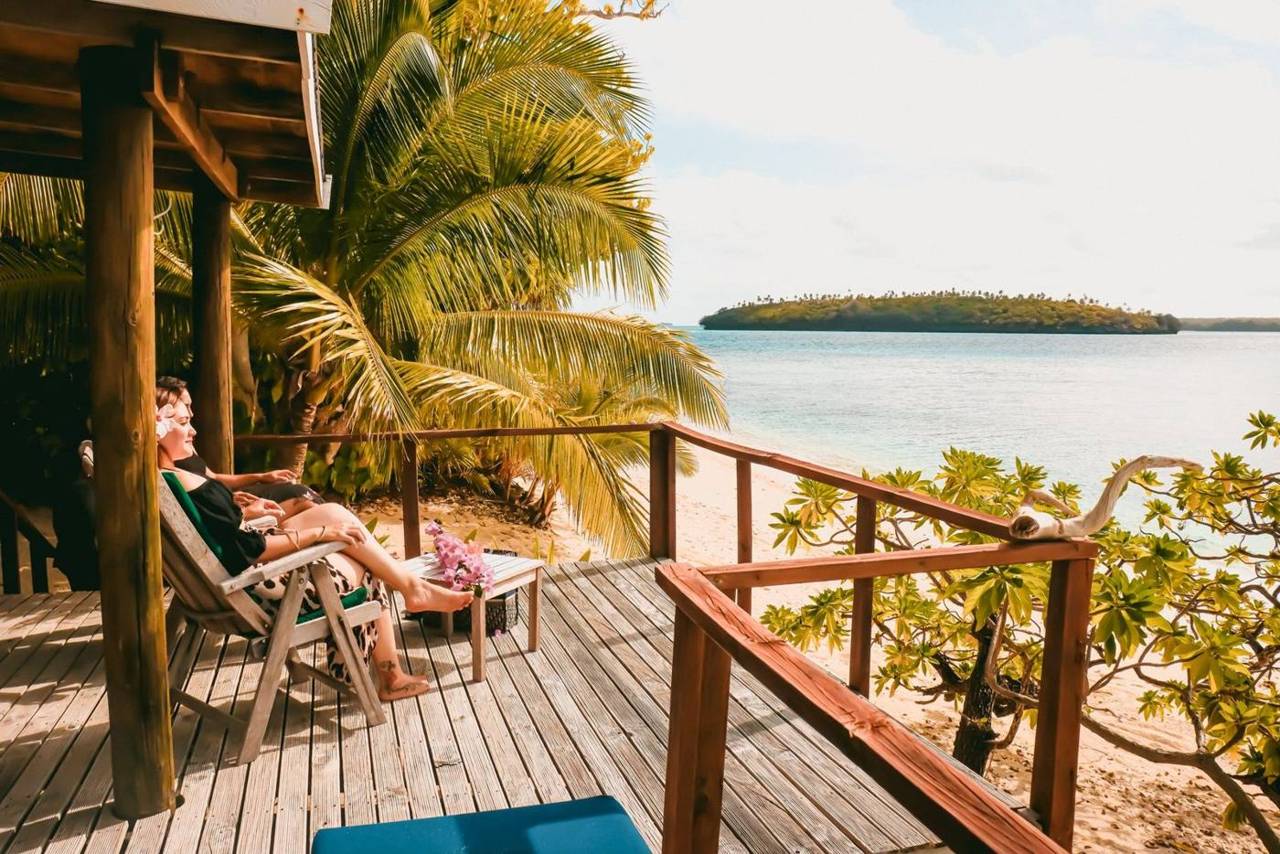
Tongatapu and the Ha'apai
The Ha'amonga 'a Maui trilithon, the Mapu'a 'a Vaea blowholes, the royal palace in Nuku'alofa and the remote islets of Ha'apai.
 3 daysModerate
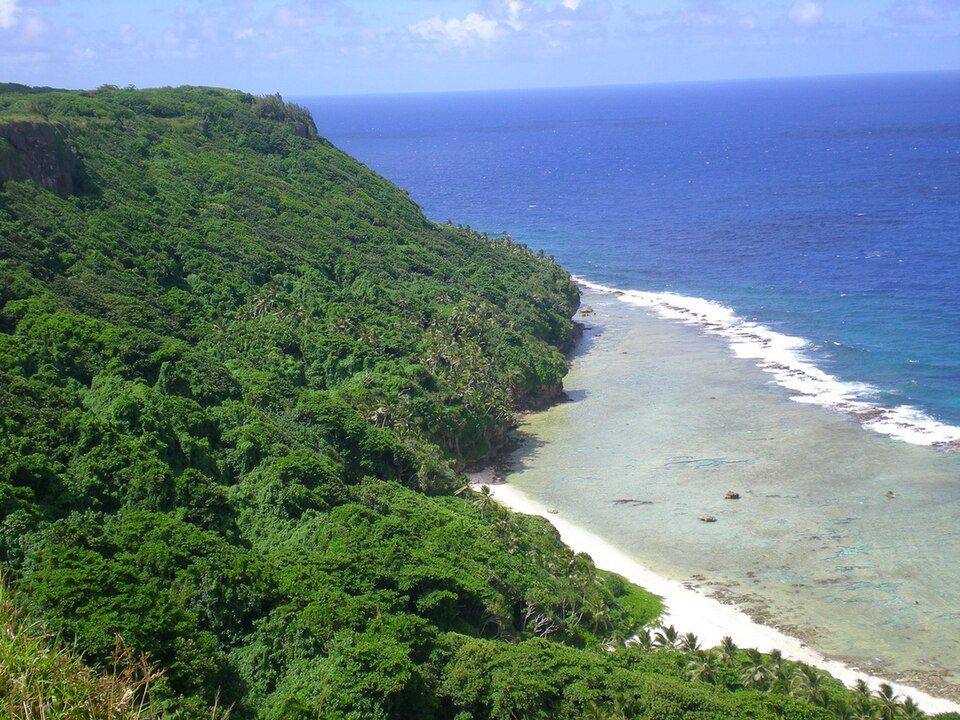
'Eua, the island of cliffs
Tonga's oldest island, a short hop from Tongatapu: national park forest, high ocean cliffs, caves and natural arches, rare birds and, in season, whales visible from the shore.
 4 daysEasy
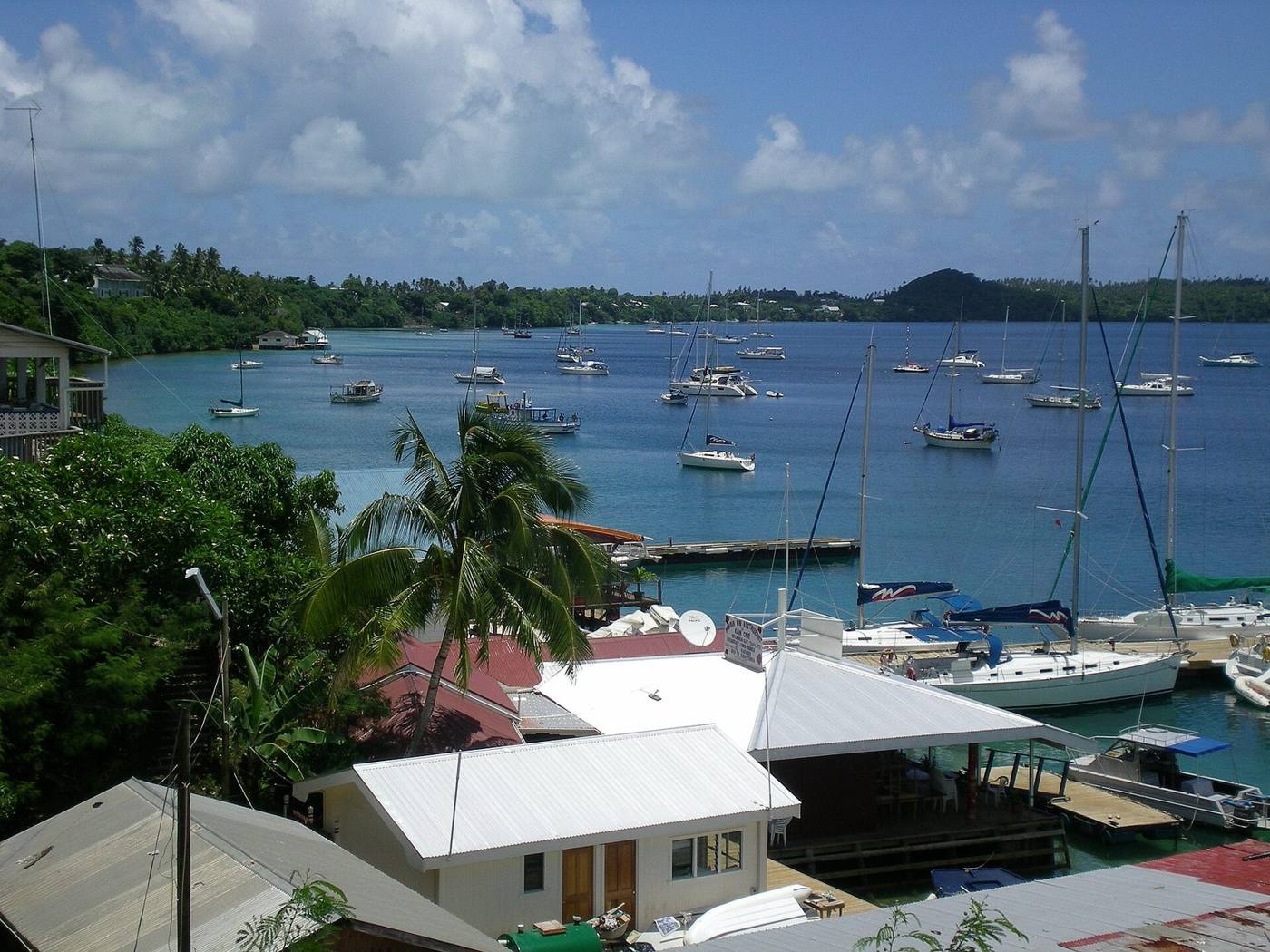
Vava'u by boat and kayak
Vava'u's maze of islands and sheltered bays, one of the Pacific's best places to sail: Swallows' Cave, Mariner's Cave, empty beaches and the harbour of Neiafu.