Lomé and the Kpalimé region
Lomé's grand market and fetish market, then the green hills of Kpalimé with coffee farms, waterfalls and Mount Agou.
- Lomé
- Akodessewa
- Kpalimé
- Mount Agou
- Kpimé
Day by day
- Day 1
Lomé, the grand marché and the seafront
This five-day trip takes you to Lomé, the capital of Togo, with its markets, and then to the green hills of the Kpalimé region, with coffee plantations, waterfalls and Mount Agou. You travel with a driver.
Before you go: Italian citizens enter Togo with a passport, valid for at least six months, and a visa, applied for online only on the official website voyage.gouv.tg at least a week before departure: it is not issued on arrival. Yellow fever vaccination is compulsory, so carry the certificate. Talk to your doctor about malaria prevention. Other nationalities should check their own rules. Official advice warns against the north of the country, especially the Savanes region on the border with Burkina Faso: this trip stays in the south.
In the morning go into Lomé's grand marché, in the centre, a large market on several floors and in the surrounding streets. This is the home of the famous Nana Benz, the wax fabric traders who became very rich and powerful in the years after independence. Among the stalls you find colourful cloth, spices, fruit, smoked fish and tools.
Then walk past the Sacred Heart Cathedral, built at the start of the twentieth century, during the German period, and the Independence Monument, which recalls 1960.
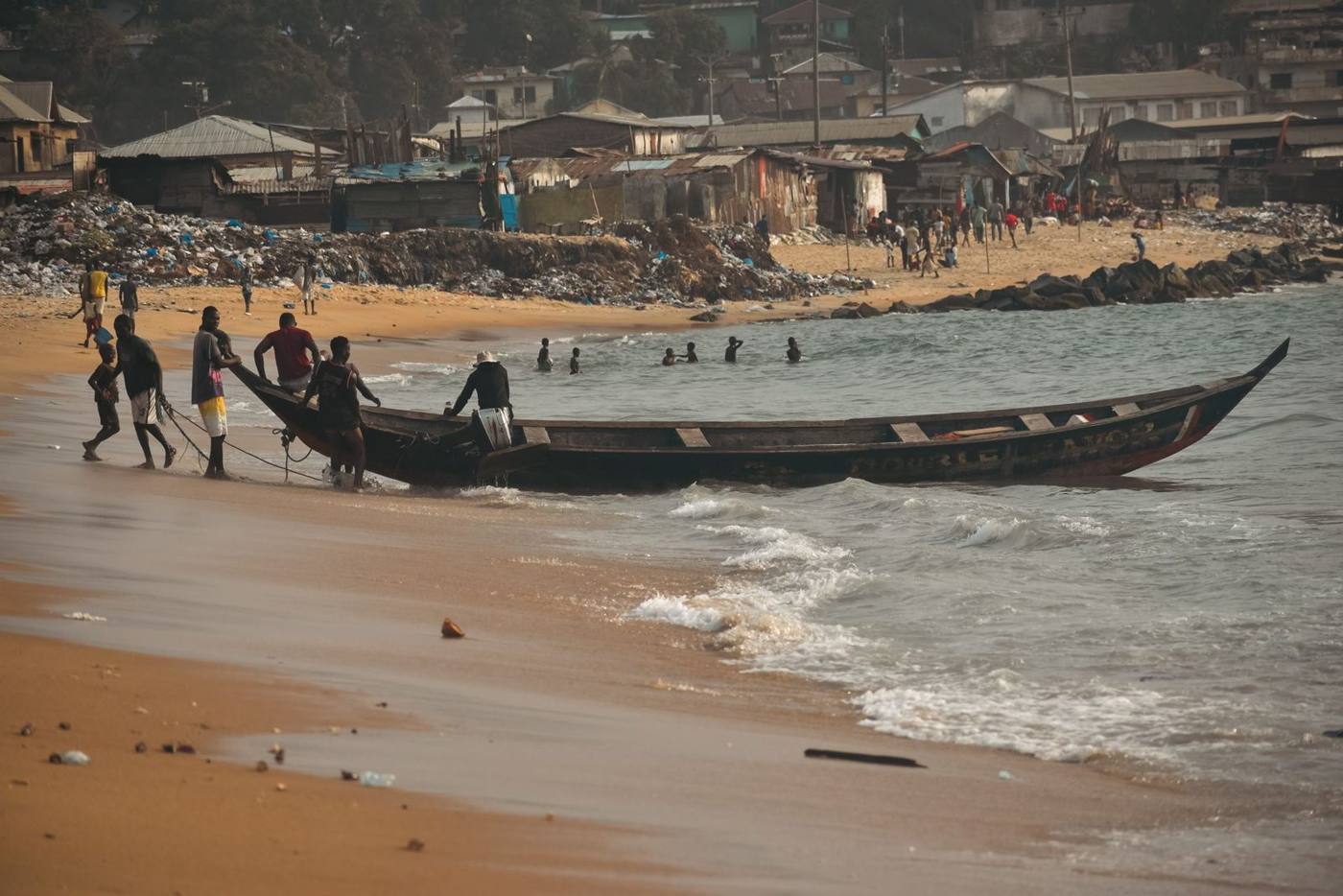
In the afternoon stroll along the seafront, the long avenue between the city and the ocean, with palm trees and families out for a walk. The sea here is rough and the currents are strong: it is best not to swim.
In the evening try grilled fish with akoumé, maize porridge.
Sleep in Lomé.
Practical tip: at the market keep your phone and wallet in a closed bag in front of you, and in the evening get around by taxi. Carry small notes, as stallholders rarely have change.
- Day 2
The Akodessewa fetish market and the road to Kpalimé
Today you visit the Akodessewa fetish market and then set off for Kpalimé.
In the morning go to the Akodessewa district, on the edge of Lomé, home to one of the most famous fetish markets in West Africa. The stalls are piled with dried animal heads and skins, bones, wooden figurines, amulets and powders. Everything is used by healers and priests of vodun, the region's traditional religion, to cure illness, protect against misfortune or ask the deities for help.
The visit is made with a market guide, who explains the rituals and takes you to see a healer. You pay a contribution to enter, and photography often costs extra: check prices and rules at the entrance. The sight can be striking, but for many families it is part of everyday life.
After lunch you head north-west to Kpalimé. The road crosses the plain, then fields and villages, while the first hills rise ahead of you. In about two hours, depending on traffic, you reach Kpalimé, a lively town in a green hollow, close to the border with Ghana.
In the evening walk around the centre and the market, where fruit, coffee and cocoa arrive from the hill villages.
Sleep in Kpalimé, for three nights.
Practical tip: at the fetish market take an official guide at the entrance and decide beforehand how much you want to spend; sellers offer amulets at very high prices. If you do not want to buy, say so politely and clearly from the start.
- Day 3
Mount Agou, the highest peak in Togo
Today you climb Mount Agou, the highest mountain in Togo, which rises to just over nine hundred metres.
Early in the morning you leave Kpalimé and take the road that climbs towards the summit. The road is narrow and winding, among coffee plantations, banana plants, palms and fruit trees, and passes small villages with houses built on the slopes. You can also walk part of the way, with a local guide, following the paths between the fields.
As you climb the air becomes cooler and the view opens over the plain and the surrounding hills. There is an antenna at the top, but the view from the viewpoints is very fine on clear days. In the morning the mountain is often wrapped in mist, which lifts little by little.
On the way back stop in a village to see how families grow coffee and cocoa and how they dry the beans in the sun in front of their houses. Many villagers are happy to explain their work.
In the afternoon return to Kpalimé and visit the town's craft workshops, where artisans work wood, pottery, batik and textiles.
In the evening taste fufu, pounded yam, with groundnut sauce.
Sleep in Kpalimé.
Practical tip: bring a light jumper and a rain jacket; in the mountains the weather changes quickly and mist can arrive suddenly. Start early, as the clearest views are usually before the midday heat.
- Day 4
The Kpimé waterfalls and the coffee villages
Today you visit the Kpimé waterfalls and the forest around Kpalimé.
In the morning go to the Kpimé waterfalls, a short distance from Kpalimé. After a short path through the trees you reach the falls, which tumble in steps down a rock face in the middle of the greenery. There is plenty of water above all in the rainy season and the weeks after; in the driest months the flow is much lower. You pay a contribution at the entrance: check prices and times on site.
Then climb towards the Kloto forest, on the hills above Kpalimé. The area is famous for its butterflies, which you see in large numbers along the trails. With a local guide take a walk in the forest, among tall trees, ferns and medicinal plants, and discover how local people use plants to treat illness.
In the afternoon visit one of the coffee villages along the road. Here families grow coffee in the shade of taller trees. They show you the picking of the red cherries, the separation of the beans and roasting in a pan, and at the end you can taste a cup of coffee made over the fire.
At sunset return to Kpalimé and enjoy the quiet evening in a hollow surrounded by hills.
Sleep in Kpalimé.
Practical tip: for the forest trails wear closed shoes, long trousers and repellent; after rain the ground is slippery and there are many mosquitoes. Bring a small towel if you want to cool off near the falls.
- Day 5
Back to Lomé
Today you leave the hills and return to Lomé.
In the morning, before leaving, take a last walk around Kpalimé market, where women from the villages sell fruit, avocados, pineapples, coffee and cocoa. It is the best place to buy a bag of local coffee to take home.
Then you set off south-east, cross the plain and in about two hours reach Lomé. If you still have time before your flight, go to the city's craft market for last purchases of fabrics and wooden objects, or return to the seafront for a walk at sunset.
In five days you have seen two faces of southern Togo: Lomé with the grand marché, the Nana Benz and the Akodessewa fetish market, and the Kpalimé region with Mount Agou, the Kpimé waterfalls, the forest butterflies and the coffee villages. Togo is a small, welcoming country, where French is spoken, and it is easy to combine with Ghana and Benin on a longer trip.
When to go: the best period is from November to February, in the dry season, with easier roads and more pleasant temperatures. In the rainy season the waterfalls are more beautiful, but the trails are muddy and the roads harder. From December to February the harmattan, the dry wind from the Sahara, can blow and make the sky hazy.
Practical tip: arrive at the airport well in advance and keep your passport, visa and yellow fever certificate to hand.
A small, quiet country in the south, easy to combine with Ghana and Benin. The north, on the border with Burkina Faso, is advised against because of armed groups. French is spoken.
Before you go
- Documents and visa
- Passport valid for at least six months and a compulsory visa, applied for online only on the official website voyage.gouv.tg at least a week before you leave: it is not issued on arrival. Make sure you have the confirmation code before you travel.
- Health and vaccines
- Yellow fever vaccination is compulsory: always carry the certificate. Malaria prevention is recommended, after medical advice. Healthcare facilities are basic: you need insurance covering medical costs and repatriation. Drink only bottled water.
- Money and payments
- West African CFA franc, with a fixed exchange rate to the euro. Almost everything is paid in cash; cash machines for foreign cards are found mainly in Lomé and the larger towns.
- Power sockets
- Type C, 220 volts: you need an adapter for British plugs.
- Time zone
- UTC+0 all year.
- Safety
- The UK advises against travel near the border with Burkina Faso and against all but essential travel to the rest of the Savanes region, in the north; Italy also asks for great care in the Kara region. The south is calmer; in Lomé watch out for theft in markets and after dark. Official advice: GOV.UK.
Information checked in November 2026 for Italian and EU citizens. Rules change: always check before you travel.
Variations
In three days you can do Lomé and a single night in Kpalimé, with Mount Agou or the Kpimé waterfalls.
In eight days you can add Atakpamé, Badou and the Akloa waterfall, further north in the same Plateaux region.
Frequently asked questions
Can I visit the Akodessewa fetish market?
Yes, with a market guide. You pay a contribution to enter and often a separate one for photos: check prices and rules at the entrance.
How far is Kpalimé from Lomé?
About two hours by car, depending on traffic. Travel by day and with a local driver.
Can I swim in Lomé?
The sea in front of the city is rough and has strong currents. It is better to walk along the seafront and swim only where locals recommend.
Indicative itinerary written by World Atlas. Before booking, check timetables, seasonal openings, documents and safety.
 2 daysEasy
Lake Togo and Togoville
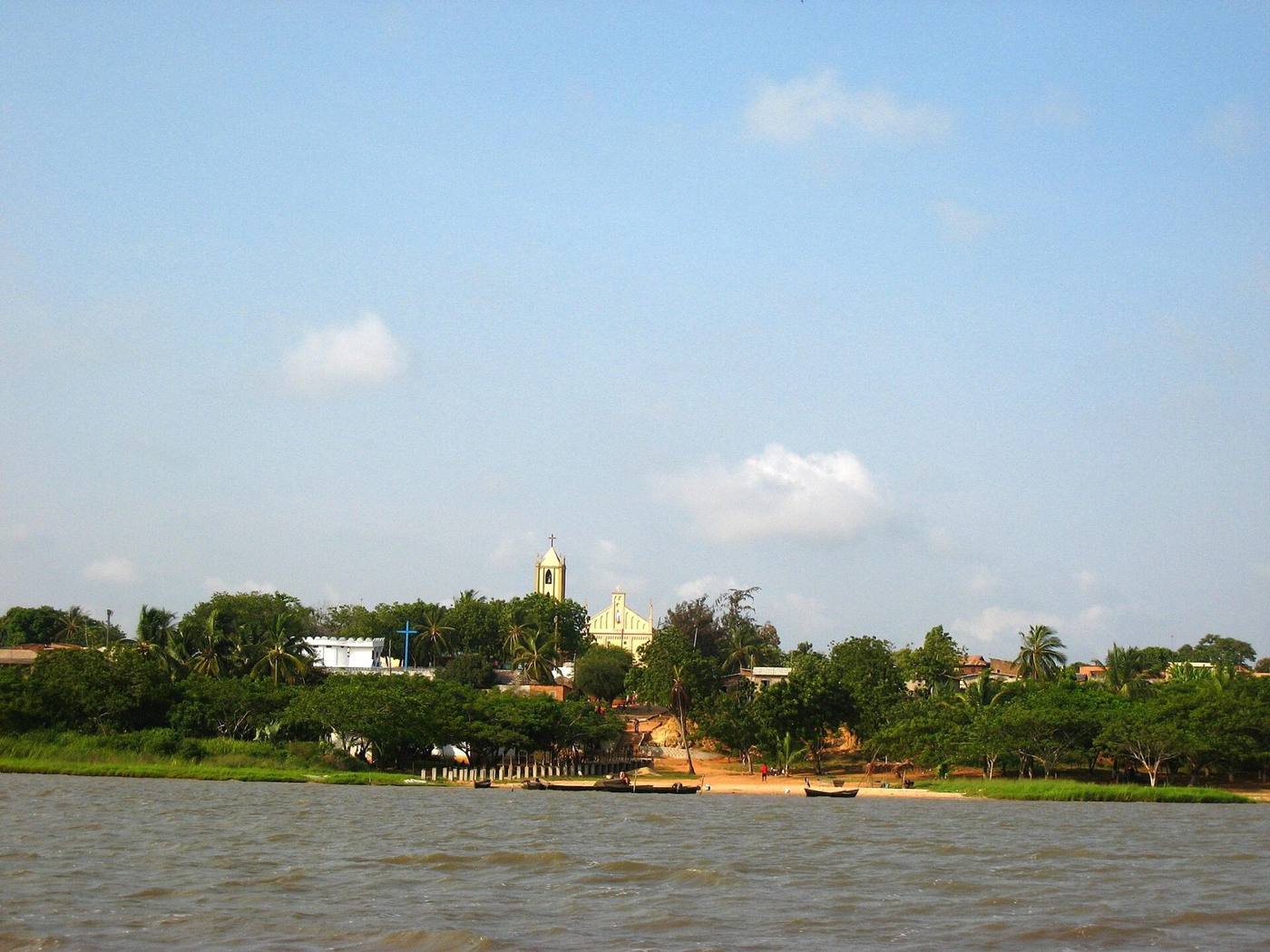
The lagoon east of Lomé: the pirogue to Togoville, the village that gave the country its name, with its cathedral, vodun shrines and the 1884 treaty house, then old Aného.
 3 daysModerate
Atakpamé and the Akloa falls
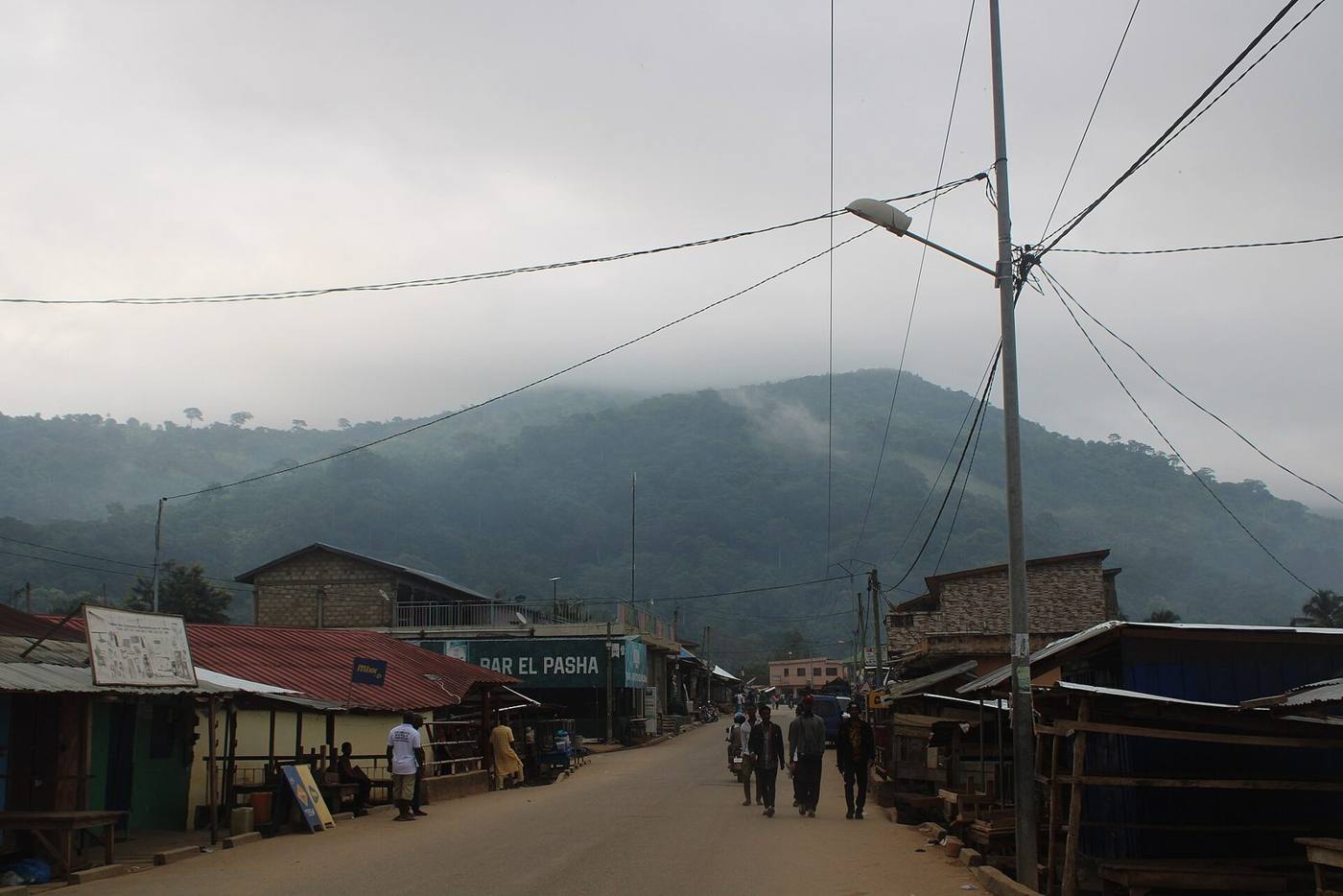
The west-central plateau: the hill town of Atakpamé, the coffee and cocoa plantations around Badou and the forest trail to the Akloa waterfall.