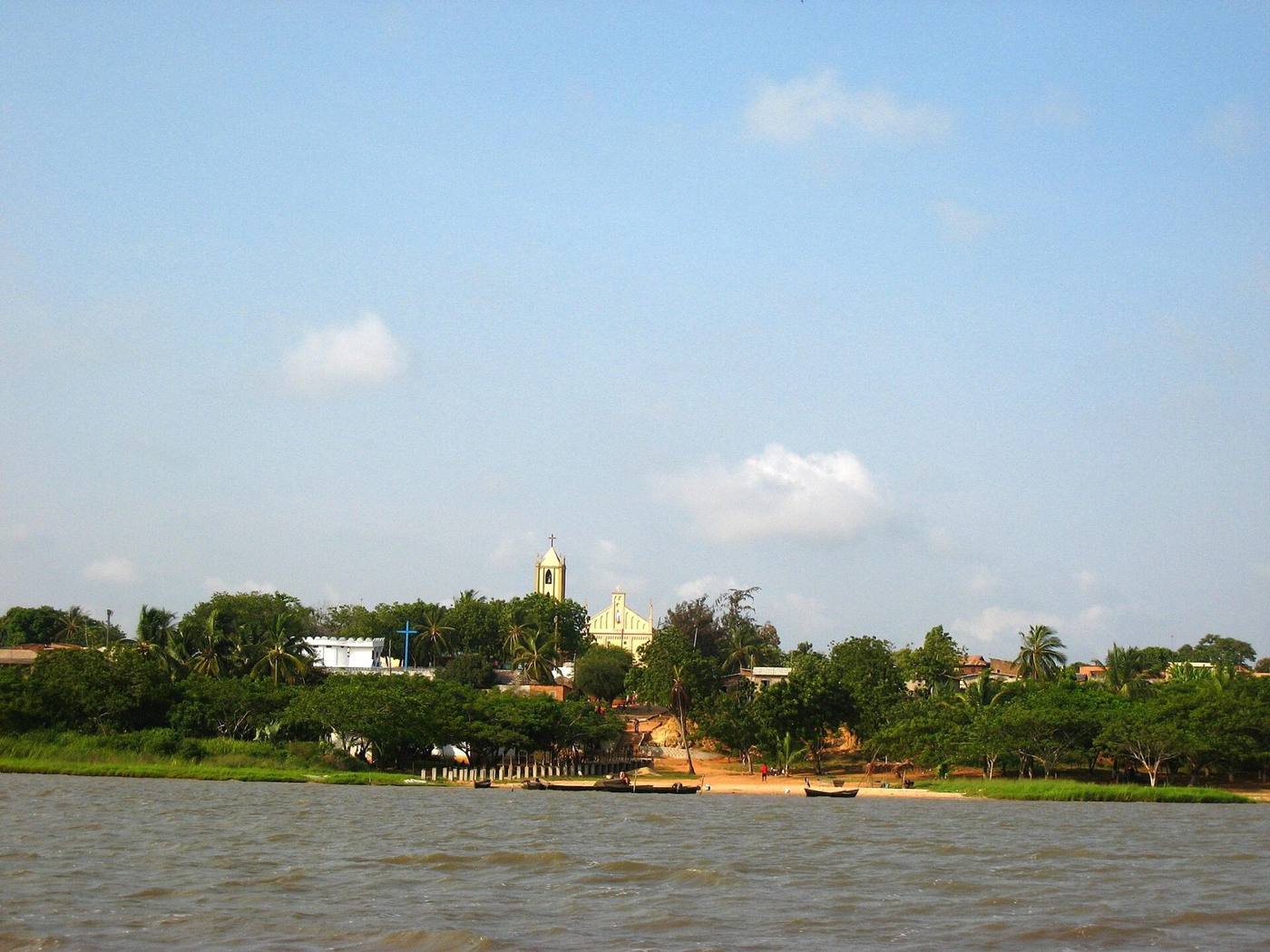
Lake Togo and Togoville
The lagoon east of Lomé: the pirogue to Togoville, the village that gave the country its name, with its cathedral, vodun shrines and the 1884 treaty house, then old Aného.
- Lomé
- Agbodrafo
- Togoville
- Aného
Day by day
- Day 1
Agbodrafo and the pirogue to Togoville
This two-day trip takes you to Lake Togo, the large lagoon east of Lomé: the pirogue to Togoville, the village that gave its name to the country, and the old colonial town of Aného, on the coast. You travel with a driver and by pirogue.
Before you go: Italian citizens enter Togo with a passport, valid for at least six months, and a visa, applied for online only on the official website voyage.gouv.tg at least a week before departure: it is not issued on arrival. Yellow fever vaccination is compulsory, so carry the certificate. Talk to your doctor about malaria prevention. Other nationalities should check their own rules. Official advice warns against the north of the country, especially the Savanes region on the border with Burkina Faso: this trip stays in the south.
In the morning you leave Lomé and follow the coast road east. In less than an hour you reach Agbodrafo, a village between the sea and the lagoon. Here visit the slave house, a nineteenth-century building used to hide people destined for the slave trade, which continued in secret even after abolition. A guide explains the history of the place.
Then board a wooden pirogue and cross Lake Togo. The crossing is calm: you see fishermen with their nets, birds on the shores and palm trees.
In Togoville, on the opposite shore, in 1884 the local chief Mlapa III signed with the German explorer Gustav Nachtigal the treaty that placed the coast under German protection. This is where the name Togo comes from. Visit the treaty house and the monument, then the cathedral, a place of pilgrimage visited by Pope John Paul II.
Sleep in Togoville or Agbodrafo, on the lakeshore.
Practical tip: agree the price of the pirogue before getting in and ask for a life jacket.
- Day 2
Aného and back to Lomé
Today you discover the shrines of Togoville, visit old Aného and return to Lomé.
In the morning, before leaving Togoville, walk among the village houses with a guide. Vodun, the traditional religion of this part of West Africa, is still very much alive: you see small shrines with clay statues, offerings and altars dedicated to the village deities, next to the Christian churches. The guide explains the meaning of the symbols and ceremonies. Always ask before photographing shrines: in some it is forbidden, in others it is allowed after leaving an offering.
Cross the lake again by pirogue and continue east to Aného, near the border with Benin. Aného was one of the first centres of German colonial power, before the capital moved to Lomé at the end of the nineteenth century. Today it is a quiet town between the sea and the lagoon, with old colonial buildings, churches and a lively market. The area is the heartland of the Guin people, and important traditional festivals are held nearby.
Walk across the bridge over the lagoon and watch the fishermen at work. For lunch try grilled fish with akoumé, maize porridge, and a spicy sauce.
In the afternoon you return to Lomé along the coast road.
In two days you have seen the lagoon, the history of Togoville and of the country's name, the vodun shrines and old Aného. It is an easy outing from the capital, full of history.
When to go: the best period is from November to March, in the dry season, with clearer skies.
Practical tip: carry cash in small notes for the pirogue, the guides and offerings at the shrines.
An easy trip from the capital. The north of the country (Savanes region and beyond Kandé) remains excluded because of terrorism; the south is calmer. Ask before photographing shrines.
Before you go
- Documents and visa
- Passport valid for at least six months and a compulsory visa, applied for online only on the official website voyage.gouv.tg at least a week before you leave: it is not issued on arrival. Make sure you have the confirmation code before you travel.
- Health and vaccines
- Yellow fever vaccination is compulsory: always carry the certificate. Malaria prevention is recommended, after medical advice. Healthcare facilities are basic: you need insurance covering medical costs and repatriation. Drink only bottled water.
- Money and payments
- West African CFA franc, with a fixed exchange rate to the euro. Almost everything is paid in cash; cash machines for foreign cards are found mainly in Lomé and the larger towns.
- Power sockets
- Type C, 220 volts: you need an adapter for British plugs.
- Time zone
- UTC+0 all year.
- Safety
- The UK advises against travel near the border with Burkina Faso and against all but essential travel to the rest of the Savanes region, in the north; Italy also asks for great care in the Kara region. The south is calmer; in Lomé watch out for theft in markets and after dark. Official advice: GOV.UK.
Information checked in November 2026 for Italian and EU citizens. Rules change: always check before you travel.
Variations
In one day you can do just Agbodrafo and Togoville, returning to Lomé in the evening.
In three days you can add Grand-Popo and Ouidah, in Benin, across the border near Aného, if you have a Benin visa.
Frequently asked questions
Is Togoville far from Lomé?
No. Agbodrafo, where the pirogue leaves from, is less than an hour's drive from Lomé, and the lake crossing is short.
Can I photograph the vodun shrines?
Always ask first. In some shrines it is forbidden, in others it is allowed after leaving a small offering.
Why is the country called Togo?
The name comes from Togoville, the village on the lake where the treaty with Germany was signed in 1884. At first the name referred only to the village, then it passed to the whole colony.
Indicative itinerary written by World Atlas. Before booking, check timetables, seasonal openings, documents and safety.
 3 daysModerate
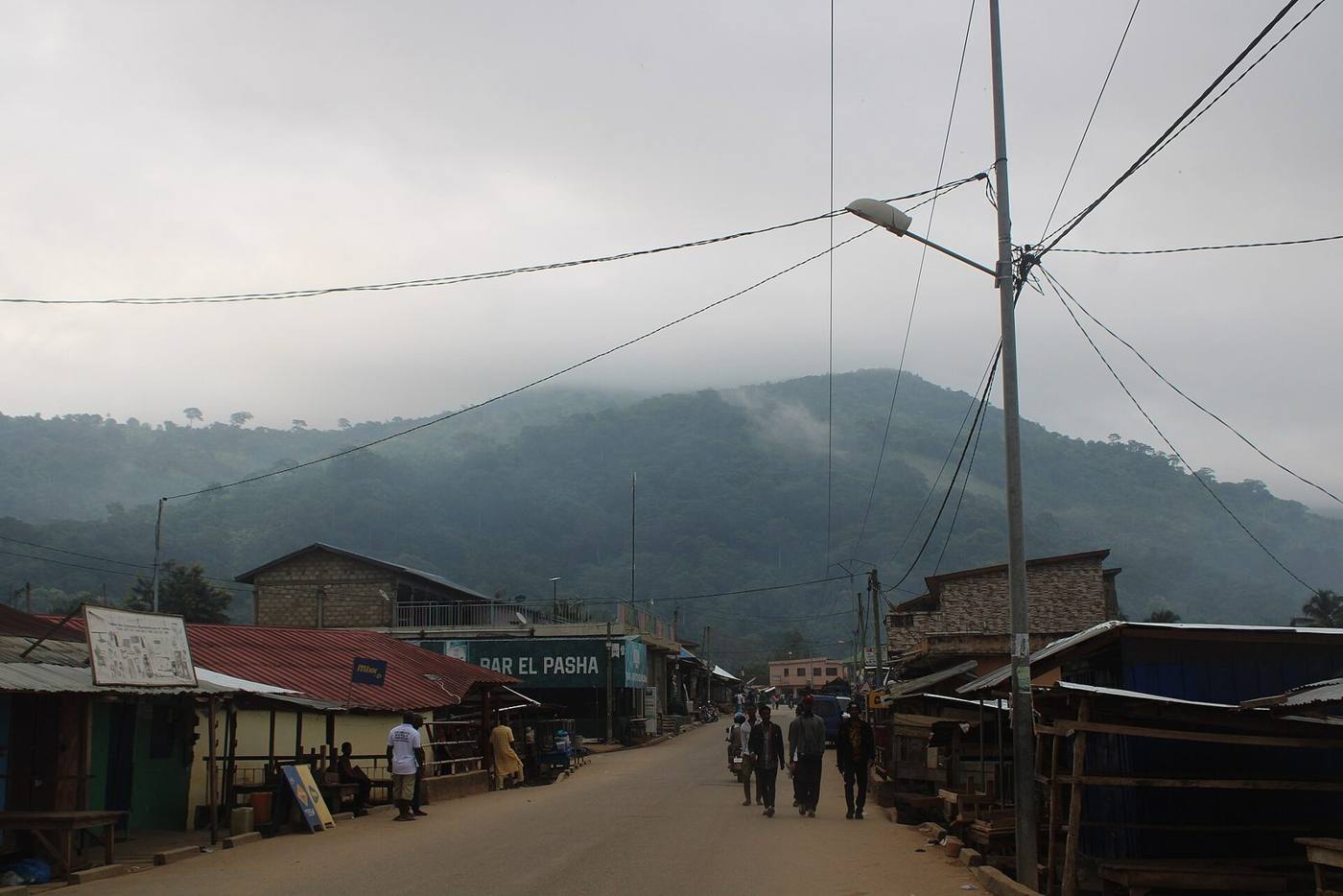
Atakpamé and the Akloa falls
The west-central plateau: the hill town of Atakpamé, the coffee and cocoa plantations around Badou and the forest trail to the Akloa waterfall.
 5 daysEasy
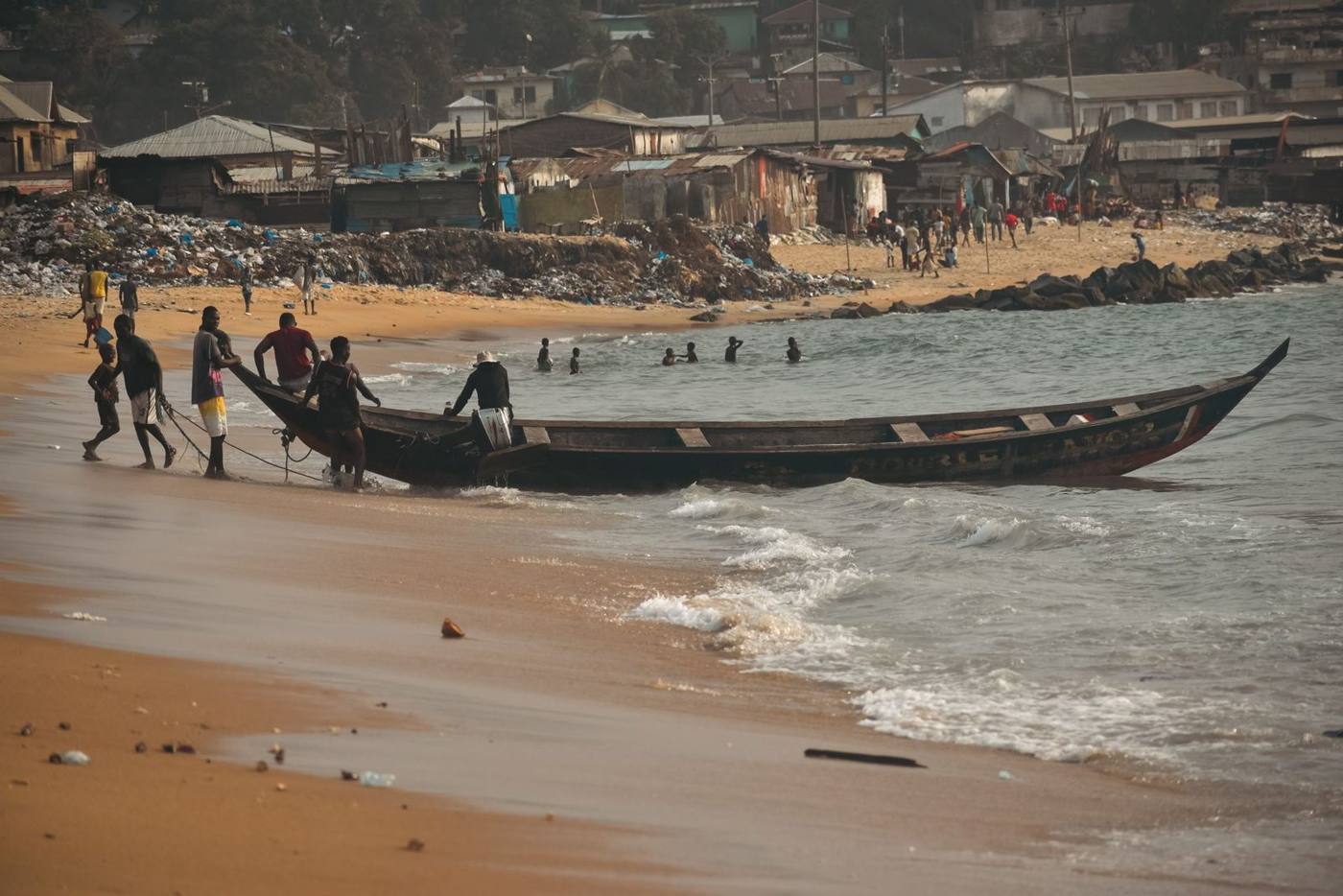
Lomé and the Kpalimé region
Lomé's grand market and fetish market, then the green hills of Kpalimé with coffee farms, waterfalls and Mount Agou.