Hua Hin and Phetchaburi
The Thais' own seaside, three hours from Bangkok: Hua Hin with its wooden station and night market, Phetchaburi with the hilltop royal palace of Phra Nakhon Khiri and the Tham Khao Luang cave with Buddhas in the light.
- Bangkok
- Phetchaburi
- Hua Hin
- Khao Takiab
Day by day
- Day 1
From Bangkok to Phetchaburi and Phra Nakhon Khiri palace
To enter Thailand you need a passport valid for at least six months and must complete the online Thailand Digital Arrival Card, TDAC, in the three days before arrival; EU citizens need no visa for tourist stays of up to thirty days. Check the rules for your nationality.
Phetchaburi and Hua Hin, on the western shore of the Gulf of Thailand, have been holiday places of the Thai royal family for more than a century. Phetchaburi is an old city full of temples and famous for its sweets; Hua Hin is the country's first seaside resort, elegant and relaxed. Together they make a short, easy trip from Bangkok.
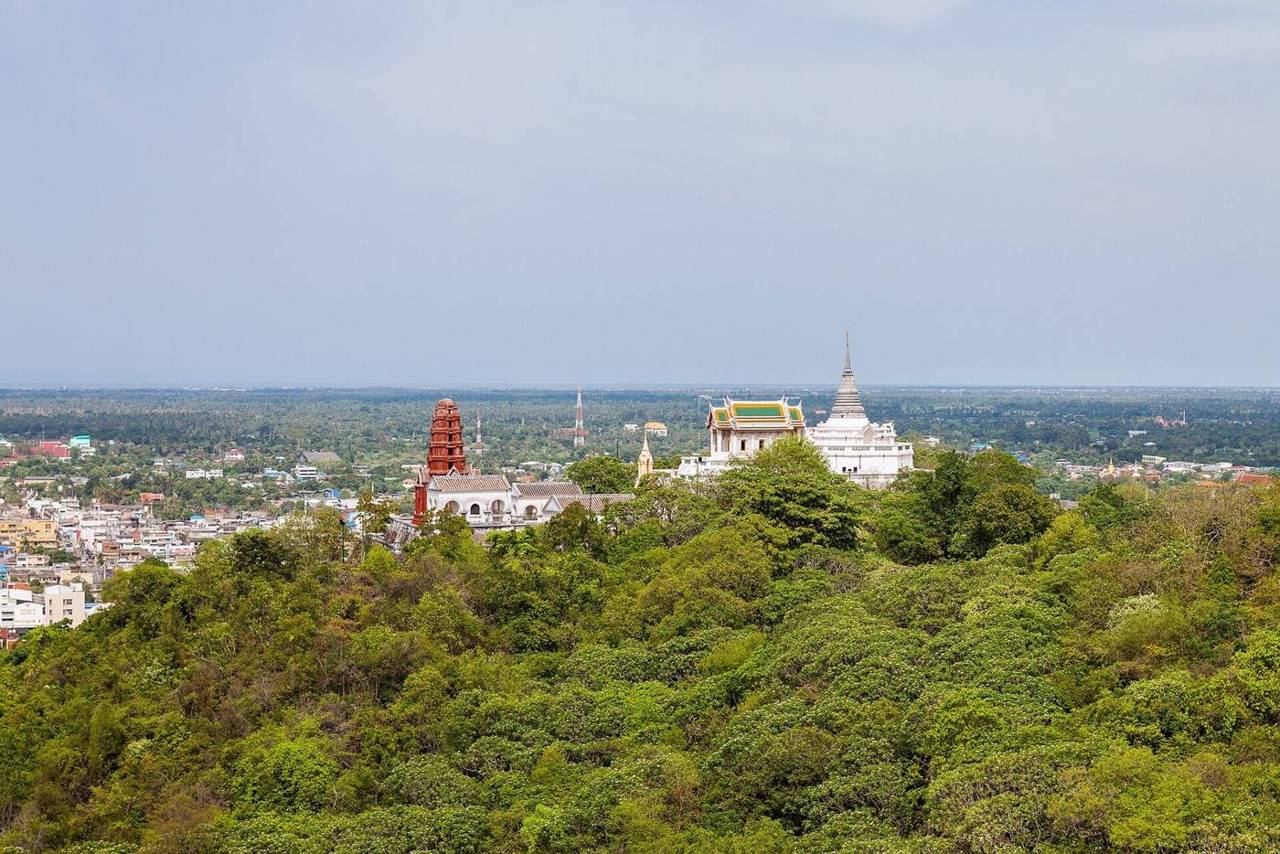
In the morning leave Bangkok by car, minibus or train south-west to Phetchaburi, about two or three hours. Then go up to Phra Nakhon Khiri, the hilltop palace, called by locals Khao Wang, palace hill: a summer residence built in 1860 by King Mongkut, Rama IV, on a hill overlooking the city, with three peaks linked by paths. You climb on foot or take a small funicular. The palace blends Thai, Chinese and European styles, with white pavilions, an observatory from which the king, a keen astronomer, studied the stars, and a large white chedi. From the top you see the whole plain with rice paddies and salt pans down to the sea.
In the afternoon visit Wat Mahathat Worawihan in the city centre, with five white corncob-shaped towers in Khmer style and very fine stucco decoration.
In the evening try Phetchaburi's sweets, famous throughout Thailand, made with sugar from the local palm trees, such as khanom mo kaeng, a coconut and egg custard.
Practical tip: many monkeys live on the palace hill; keep food out of sight and hold on to bags and glasses.
- Day 2
Tham Khao Luang cave and Hua Hin in the evening
In the morning visit Tham Khao Luang cave, about five kilometres from central Phetchaburi, one of Thailand's most beautiful sacred caves. A stairway leads down into a great cavern, as tall as a cathedral, where dozens of Buddha statues, some gilded, stand among stalactites and stalagmites. Natural openings in the roof let in sunlight, which in late morning lights the statues with shafts of light, creating a magical atmosphere. King Rama V and his successors had many statues brought here. At the entrance there are more monkeys, used to visitors.
In the afternoon continue south to Hua Hin, about an hour. On the way, halfway between Cha-am and Hua Hin, you can stop at Maruekhathaiyawan Palace, the summer residence of King Rama VI, built in 1923 of teak, with pavilions linked by long raised walkways on stilts, painted pale yellow, facing straight onto the beach to enjoy the sea breeze.
In the evening visit Hua Hin railway station, one of the country's most beautiful, with its royal pavilion of red and white painted wood, built to welcome the royal family. Then stroll through the night market, with stalls of grilled fish and seafood, tropical fruit, clothes and crafts.
Practical tip: the cave is most beautiful between ten and noon, when the sun shines through the openings in the roof.
- Day 3
The beach and Khao Takiab hill
In the morning relax on Hua Hin beach, a long stretch of pale sand running several kilometres south, with the calm, shallow water of the gulf, suitable for families. Ponies walk along the beach, and you see the fishermen's old wooden piers, some now turned into restaurants. Hua Hin became the country's first seaside resort in the 1920s, when King Rama VII built the Klai Kangwon Palace here, whose name means far from worries, still a royal residence and not open to visitors.
In the afternoon reach Khao Takiab, chopstick hill, about six kilometres south of town at the end of the beach. On the hill, reached on foot by a stairway, is a temple with a large standing Buddha facing the sea, and from the top you see the whole bay of Hua Hin, with the beach, the high-rises and the hills. A large group of monkeys lives on the hill. At its base a small fishing village sells dried fish and squid.
A little further south is Khao Tao hill, with a temple and a quieter beach, and further still Phraya Nakhon cave in Khao Sam Roi Yot National Park, with a royal pavilion inside a cave lit by an opening in the roof.
In the evening dine on fresh fish on one of the piers.
Practical tip: in the gulf, from April to October, there may be jellyfish; ask the lifeguards before swimming.
- Day 4
Back to Bangkok
In the morning, before leaving, take a last stroll around Hua Hin. If you like the countryside, visit one of the area's pineapple plantations, or the morning market, where locals buy fruit, vegetables and fish and have breakfast of rice and soup. Golfers will find some of Thailand's oldest courses in Hua Hin, including the one next to the station, opened in the 1920s.
If you have more time, on the way back you can stop at Cha-am, the nearby seaside town more popular with Thais, or visit the Damnoen Saduak floating market in Ratchaburi province, about two hours from Hua Hin on the road to Bangkok, where women sell fruit and food from boats along the canals; the market is very touristy, so arrive early, before the groups.
In the afternoon return to Bangkok by car, minibus or train, about three or four hours depending on traffic. The slower train crosses countryside and rice fields and is a pleasant way to see the landscape. Alternatively there are flights from Hua Hin to some cities.
Things to take home: Phetchaburi sweets and palm sugar, dried squid, silk and cotton textiles and coconut products.
Practical tip: on long weekends the roads to and from Bangkok are very busy; leave early. Check your government's travel advice before leaving.
An easy seaside break from Bangkok, by train or car. The monkeys at Phra Nakhon Khiri and Khao Takiab steal food and bags. Hua Hin's sea is not that of the islands, but the town is convenient all year. Since 15 September 2026 Italians can enter without a visa for tourism for up to 30 days (previously 60), and the Thailand Digital Arrival Card (TDAC) must be completed online before every arrival.
Before you go
- Documents and visa
- Passport valid for at least six months. Since 15 September 2026 many nationalities, including most EU citizens, enter without a visa for tourism for up to 30 days. Before each entry, within the three days beforehand, the no-cost Thailand Digital Arrival Card (TDAC) must be completed online on the official website.
- Health and vaccines
- No vaccines required arriving from Europe; ask your doctor about hepatitis A and typhoid. Dengue is present: use repellent. Do not drink tap water. Health insurance recommended. Emergencies: 191 police, 1669 ambulance, 1155 tourist police.
- Money and payments
- Baht. Cards accepted in cities and hotels; markets and small places need cash. ATMs charge a flat fee for withdrawals with foreign cards.
- Power sockets
- Types A, B, C and O, 220 volts: bring a universal adapter.
- Time zone
- UTC+7, no daylight saving time.
- Safety
- A safe country for travellers. Avoid the southernmost provinces near Malaysia and the border strip with Cambodia. Beware of tuk-tuk and gem scams, and of scooter traffic. Official advice: GOV.UK.
Information checked in November 2026 for Italian and EU citizens. Rules change: always check before you travel.
Variations
In 2 days: Phetchaburi with the palace and the cave on day one, Hua Hin on day two.
In 8 days: add Khao Sam Roi Yot National Park and the gulf islands, such as Koh Tao.
Frequently asked questions
What do I need to enter Thailand?
A passport valid for at least six months and the TDAC digital arrival card, completed online in the three days before arrival; EU citizens need no visa for up to thirty days. Check the rules for your nationality.
How do I get to Hua Hin from Bangkok?
By car or minibus in about three or four hours, or by train, slower but scenic.
When is the best time for Hua Hin?
November to April, in the dry season; Hua Hin is drier than other parts of Thailand in the other months too.
Indicative itinerary written by World Atlas. Before booking, check timetables, seasonal openings, documents and safety.
 5 daysModerate
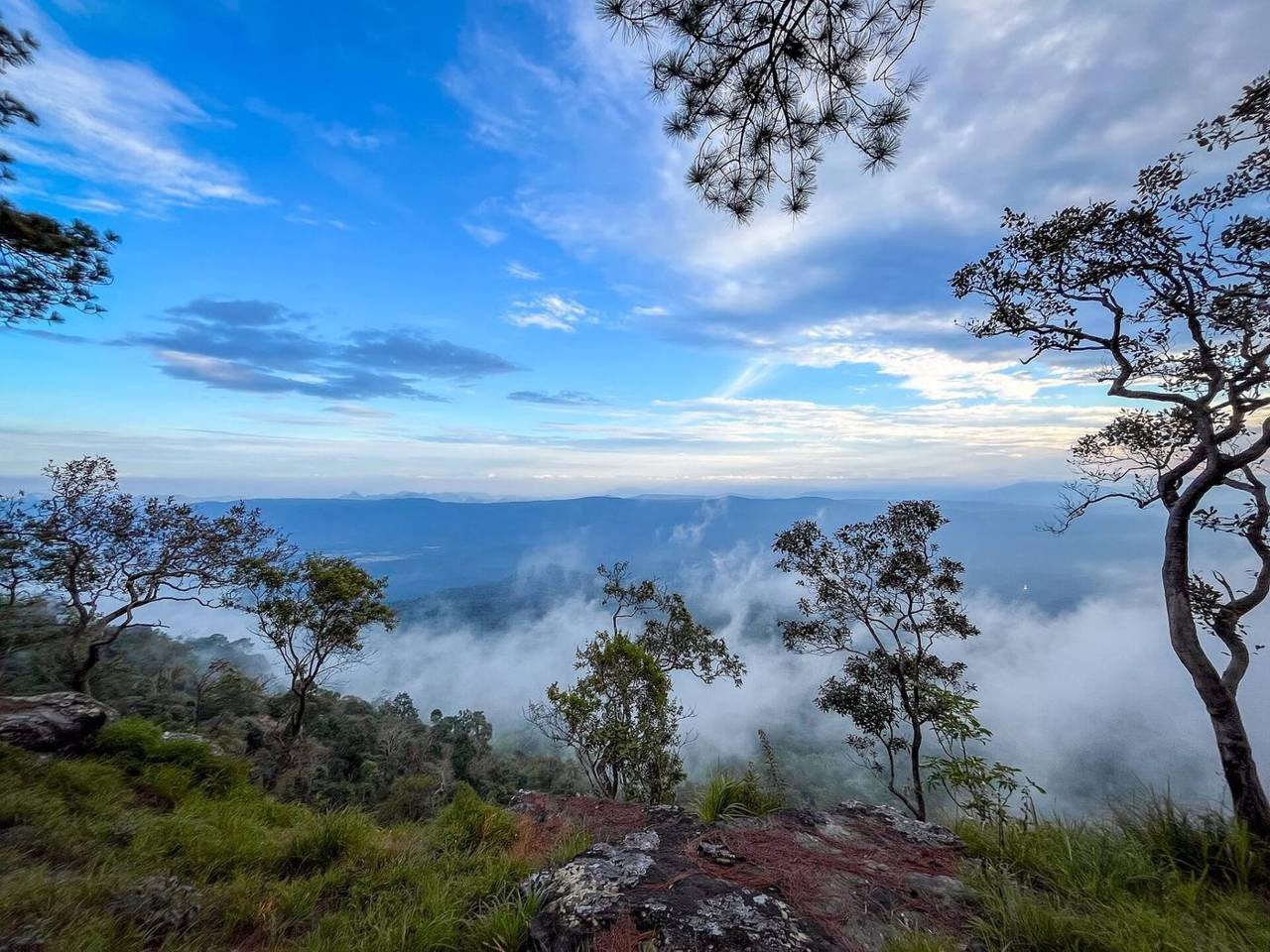
Loei, Chiang Khan and Phu Kradueng
Mountain Isan: the walk up to the Phu Kradueng plateau among pines and waterfalls, Chiang Khan with wooden houses on the Mekong and morning mist, and Phu Ruea park with its seas of clouds.
 4 daysEasy
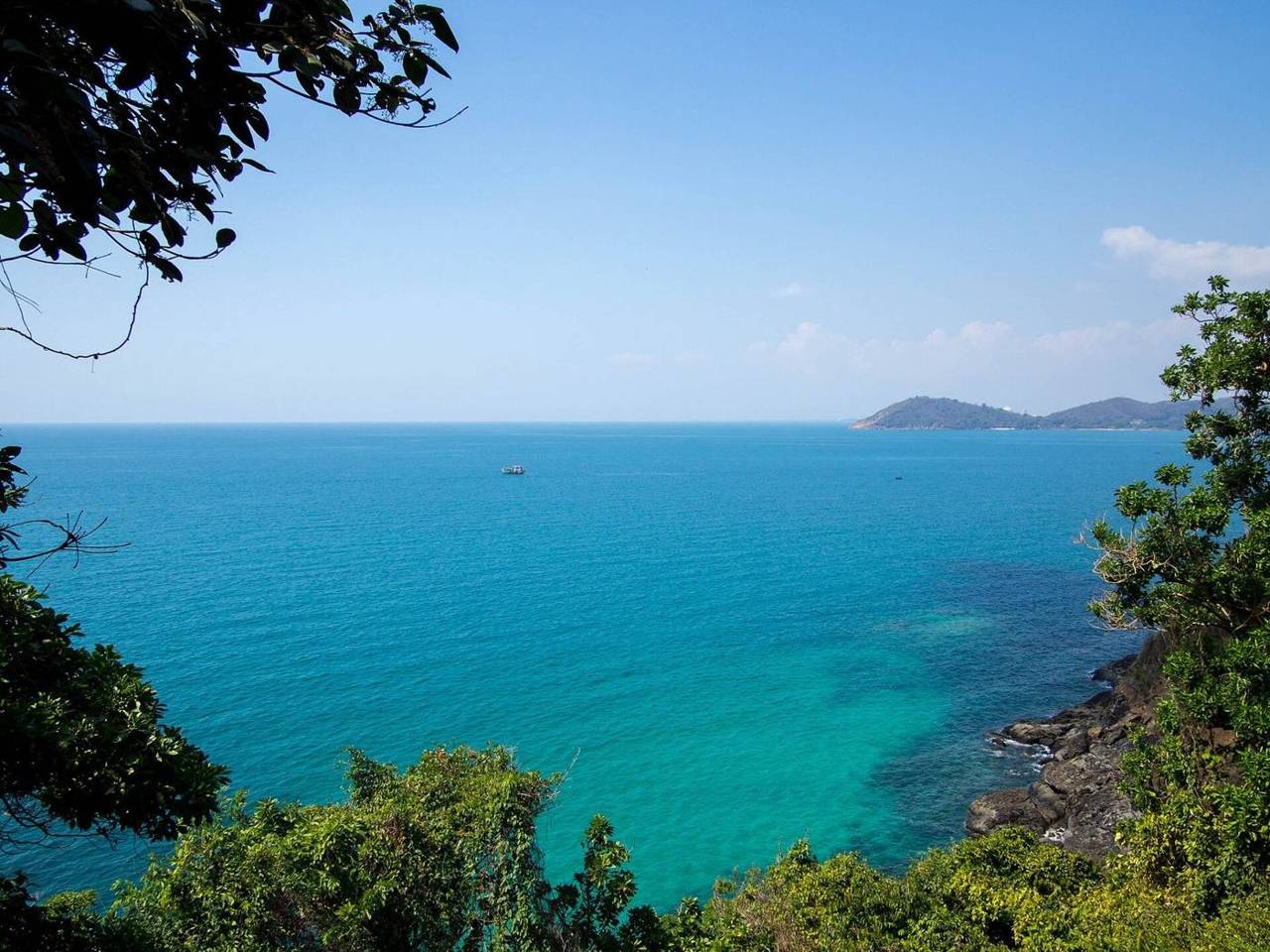
Koh Samet and Chanthaburi
Sea and history east of Bangkok: Koh Samet, a national park with white beaches a few hours from the capital, and Chanthaburi with its riverside quarter, French cathedral and weekend gem market.
 4 daysEasy
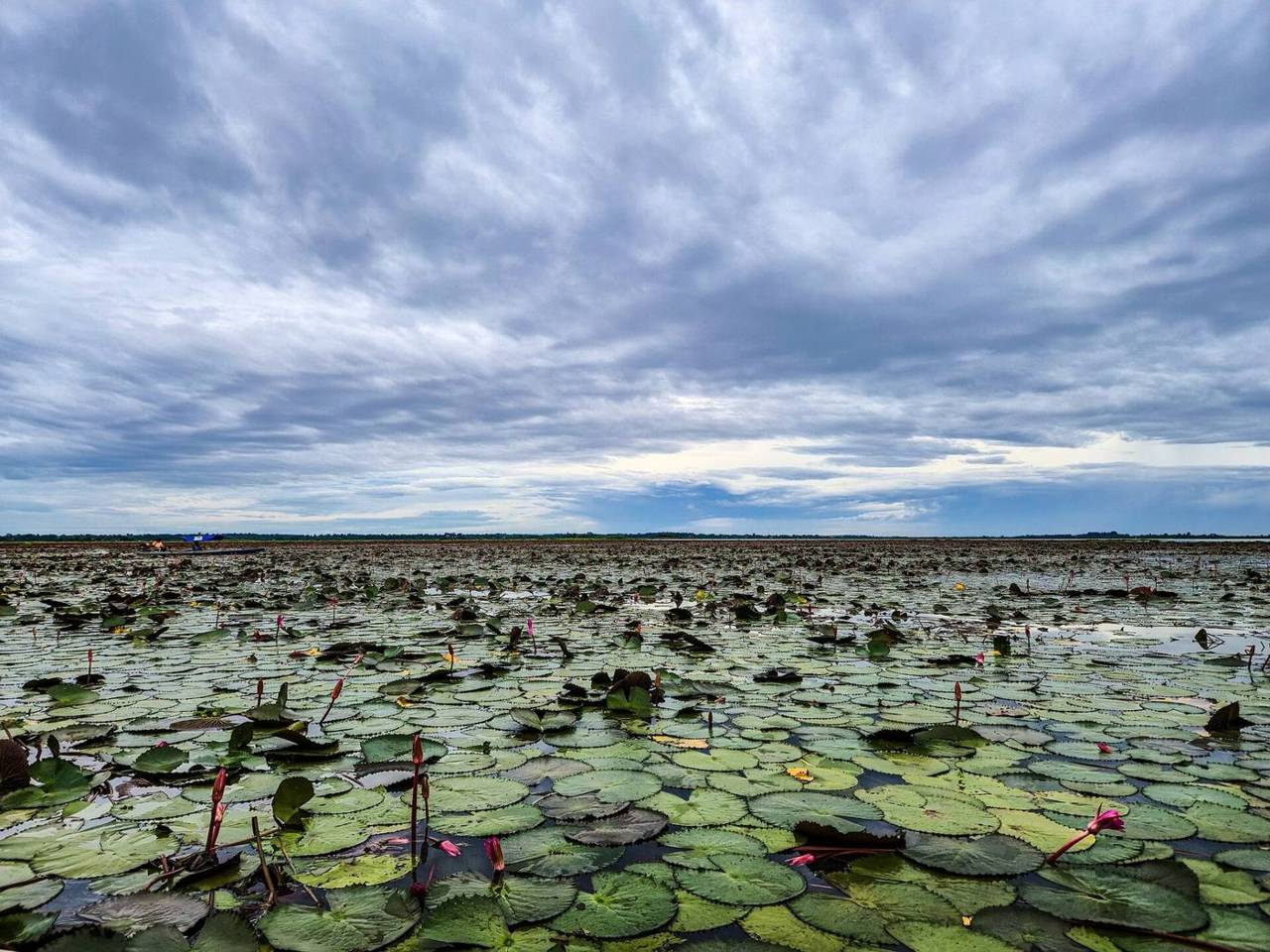
Udon Thani, Ban Chiang and the lotus lake
Northeastern Isan: Nong Han Kumphawapi lake covered in pink lotus flowers in winter, the prehistoric site of Ban Chiang, a UNESCO World Heritage site, with its painted pottery, and Phu Phrabat park with mushroom-shaped rocks and rock paintings.