Mikumi and the Udzungwa Mountains
The easy south from Dar es Salaam: safari on the Mikumi plain, with elephants, lions, giraffes and buffalo, then the rainforest of the Udzungwa Mountains, walking to the 170-metre Sanje Falls among red colobus and endemic monkeys found nowhere else.
- Dar es Salaam
- Mikumi
- Udzungwa
- Sanje
Day by day
- Day 1
From Dar es Salaam to Mikumi and the first game drive
Mikumi National Park and Udzungwa Mountains National Park are in southern Tanzania, a few hours from Dar es Salaam, far from the great northern parks such as the Serengeti and Ngorongoro. They are less famous and much less crowded, but in a few days they combine a savannah safari with hikes in one of the richest mountain forests in East Africa. It is a trip for those who have already seen the north, or for those starting from Dar es Salaam or Zanzibar with only a few days.
Early in the morning, leave Dar es Salaam by car heading west. The road, the main route towards Zambia, crosses farmland, villages and the town of Morogoro, at the foot of the Uluguru mountains. In about five or six hours, depending on traffic, you reach Mikumi.
Mikumi park is part of a large ecosystem that continues south into Nyerere National Park, the former Selous reserve. Its heart is the floodplain of the Mkata river, an expanse of grass with acacia and borassus palm woods, surrounded by mountains. The landscape is like a small Serengeti.
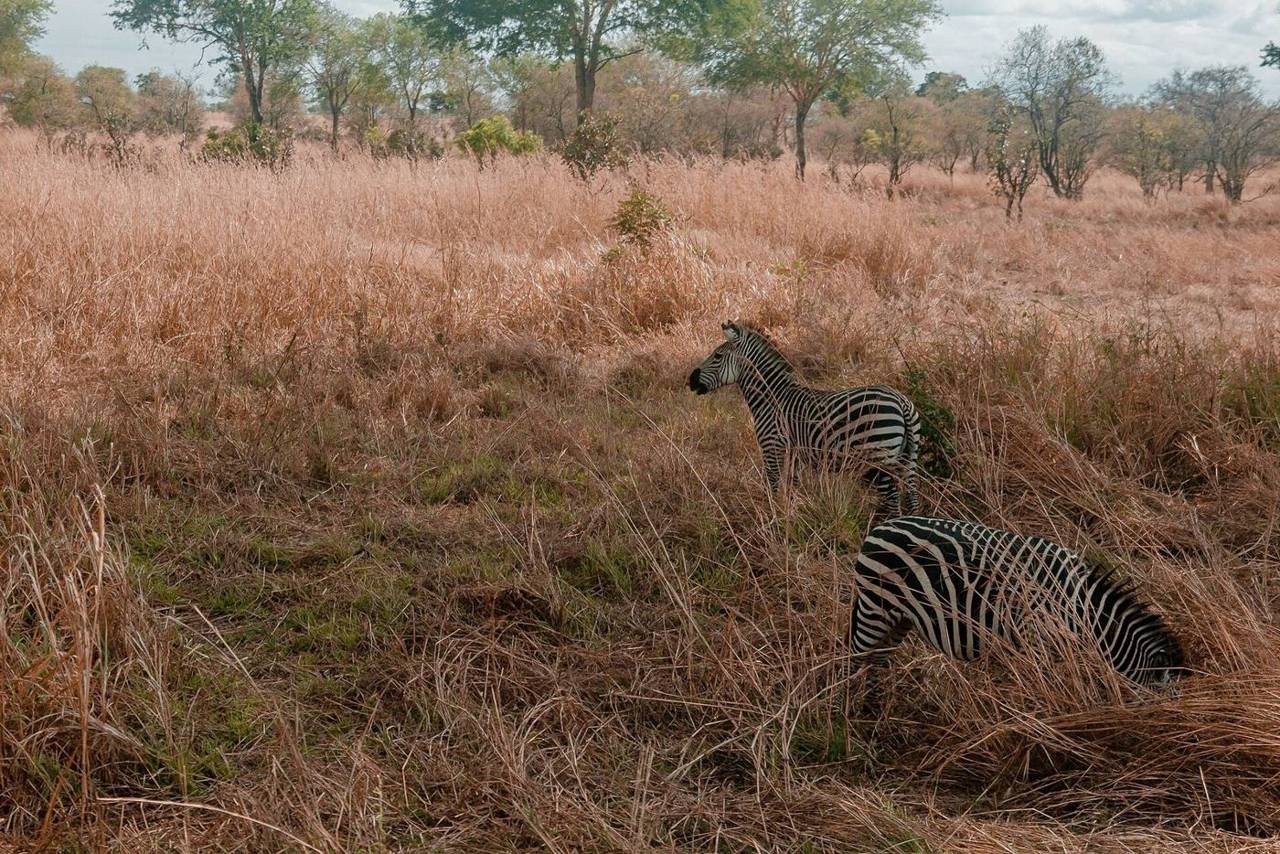
In the afternoon, after settling into your lodge or camp, take your first game drive. On the plain you easily see zebras, wildebeest, impala, giraffes, buffalo and large herds of elephants. At sunset, in the golden light, the animals move towards the waterholes.
Practical tip: the main road crosses the park and there is heavy lorry traffic. Animals sometimes cross the road: drive slowly and respect the speed limits.
- Day 2
A full day in Mikumi
Early in the morning, at dawn, set off on a long game drive on the Mkata plain. The first hours are the best for seeing lions, which in Mikumi sometimes climb into trees, and for meeting predators returning from the night's hunt, such as hyenas and jackals. With a little luck you also see wild dogs, which live in the southern ecosystem.
In mid-morning, stop at the hippo pools, where dozens of hippos spend the day in the water, snorting and squabbling, while crocodiles warm themselves in the sun on the bank. From here you also see many birds: marabou storks, herons, yellow-billed storks and hamerkops.
At midday, rest at the lodge during the hottest hours, when the animals too seek the shade.
In the afternoon, explore another part of the park, towards the hills and miombo woodland, home to less common antelopes such as the eland, the largest antelope in the world, the greater kudu and the sable antelope. Mikumi is also one of the few places where species from the north and south of East Africa are seen together.
At sunset, stop at a viewpoint over the plain, with the sun setting behind the mountains.
In the evening, at camp, have dinner outdoors and listen to the sounds of the night: the distant roar of lions, the laughter of hyenas, the crickets.
Practical tip: Mikumi is in a malaria area. Ask your doctor before leaving which prevention to follow, always use repellent and sleep under a mosquito net.
- Day 3
The transfer to the Udzungwa mountains
In the morning, take a last short dawn game drive in Mikumi, then head south. The road leaves the plain and crosses the Kilombero valley, a large green plain planted with sugar cane and rice, with the Udzungwa mountains rising dark on the right. In about two hours you reach Mang'ula, the village where the headquarters of Udzungwa Mountains National Park is located.
The Udzungwa mountains are part of the Eastern Arc Mountains, a chain of ancient mountains covered in rainforest, isolated for millions of years. That is why many species of plants and animals live here that exist nowhere else in the world, and biologists call them the Galápagos of Africa. There are no roads in the park: it can only be visited on foot.
In the afternoon, after registering at the headquarters and meeting your park guide, take a first short walk in the forest near the entrance. You walk under very tall trees, among lianas, ferns and flowers, listening to the calls of birds and monkeys.
Two primates found only in these mountains live here: the Udzungwa red colobus, with red and black fur, and the Sanje mangabey, a monkey discovered by scientists only in 1979. With the guide you can see them in the high branches.
In the evening, sleep in one of the small lodges or camps around Mang'ula, at the edge of the forest.
Practical tip: in Udzungwa Mountains National Park you can only walk with an authorised park guide, booked at the headquarters.
- Day 4
The Sanje waterfalls trail
Early in the morning, set off with the guide on the Sanje waterfalls trail, the park's most famous hike. The path climbs through the rainforest, with steep sections on earth steps and roots, crossing streams on small bridges. Along the way you often meet red colobus and black-and-white colobus leaping between the branches, colourful butterflies and, with a little luck, the Sanje mangabey.
The path leads to several viewpoints over the Sanje falls, which drop about 170 metres in several leaps through the forest. In the lower part there are natural pools where, if the guide allows, you can swim in cool water. From the highest points you see the Kilombero valley stretching green to the horizon.
The route takes about four or five hours there and back, with plenty of ups and downs.
In the afternoon, rest at camp. If you still have energy, walk through the villages around Mang'ula, among rice and sugar cane fields and brick houses, or watch one of the trains on the railway linking Tanzania and Zambia pass by.
For those with more time and very good fitness, the park also offers multi-day hikes with camping in the forest, up to the summit of Mwanihana, at more than 2,000 metres.
In the evening, at camp, listen to the sounds of the forest.
Practical tip: the Sanje trail is steep and slippery, especially after rain. Wear hiking boots and bring water, a poncho and a swimsuit if you want to swim.
- Day 5
Back to Dar es Salaam
On your last morning, if you have time, take a last short walk in the forest at dawn, when the monkeys are most active and the birds are singing.
Then head north, back through the Kilombero valley, Mikumi and Morogoro, to Dar es Salaam, in about seven or eight hours. Along the road, as you cross Mikumi park, you may still see elephants, giraffes and zebras near the road.
In Morogoro you can stop for lunch, with a view of the Uluguru mountains, covered in forest and terraced fields.
In the late afternoon you reach Dar es Salaam. If your flight is the next day, in the evening walk along the seafront or visit the Kivukoni fish market, where fishermen sell the day's catch.
This trip combines well with Zanzibar, for a few days by the sea after the safari, with Nyerere National Park, reachable from Mikumi, or with Ruaha National Park further west, one of the wildest in Tanzania.
Practical tip: you need a visa to enter Tanzania. Check on the official Tanzanian immigration website how to apply and how much it costs before you leave. The United States keeps Tanzania at level 2 for caution. The United Kingdom advises against non-essential travel within 20 kilometres of the border with Mozambique's Cabo Delgado province: this itinerary stays very far from it.
Mikumi is crossed by the main highway to Zambia: lorry traffic along the park edge. In the Udzungwa Mountains walking is only with a park guide. The climb to the falls needs good shoes and half a day. A visa is required, applied for online before travelling. The UK advises against all but essential travel within 20 km of the border with Mozambique's Cabo Delgado province, in the Mtwara region: this itinerary stays well away from it.
Before you go
- Documents and visa
- Passport valid for at least six months and a visa, applied for online on the official immigration website. From 2026 compulsory travel insurance is also required, and Zanzibar has its own: dates and costs differ between sources, so check the official websites.
- Health and vaccines
- Malaria prevention is recommended; a yellow fever certificate is needed if you arrive from a country at risk. Drink only bottled water. Emergencies: 112.
- Money and payments
- Tanzanian shilling. Parks are paid by card and safaris often in US dollars; carry cash for tips.
- Power sockets
- Types G and D, 230 volts: you need an adapter for British plugs.
- Time zone
- UTC+3 all year.
- Safety
- The United States rates Tanzania level 2, with more caution in the Mtwara region; the United Kingdom advises against travel within 20 km of the border with Cabo Delgado in Mozambique. Official advice: GOV.UK.
Information checked in November 2026 for Italian and EU citizens. Rules change: always check before you travel.
Variations
In 3 days: Mikumi only, there and back from Dar es Salaam with a full day of game drives.
In 9 days: after Udzungwa, go to Zanzibar for four days of sea and the Stone Town.
Frequently asked questions
When is the best time to go?
The dry season, from June to October, when animals gather near water and the forest trails are drier. From March to May there is heavy rain.
Is Mikumi good for a first safari?
Yes: the animals are easy to see and the park is close to Dar es Salaam. Compared with the Serengeti there are fewer predators and less wilderness, but also far fewer vehicles.
How hard is Udzungwa?
The Sanje trail takes four or five hours with steep climbs. Good fitness is needed. There are also shorter walks near the entrance.
Indicative itinerary written by World Atlas. Before booking, check timetables, seasonal openings, documents and safety.
 6 daysEasy
Southern Serengeti and the migration calving
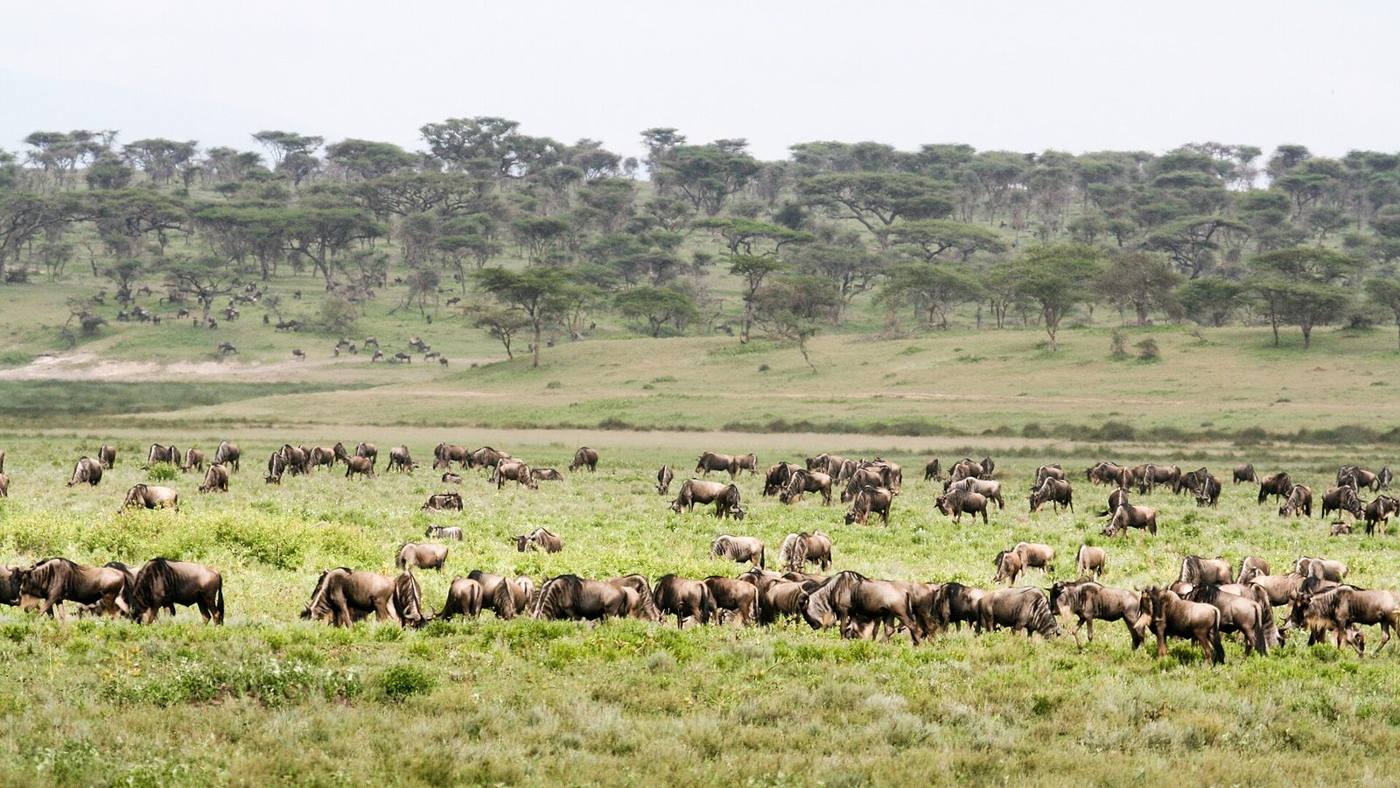
Between January and March the wildebeest gather on the short-grass plains around Ndutu, on the border between the Serengeti and the Ngorongoro area, and in a few weeks hundreds of thousands of calves are born: it is the predators' moment, with lions, cheetahs and hyenas always on the move.
 5 daysEasy
Saadani and the Pangani coast
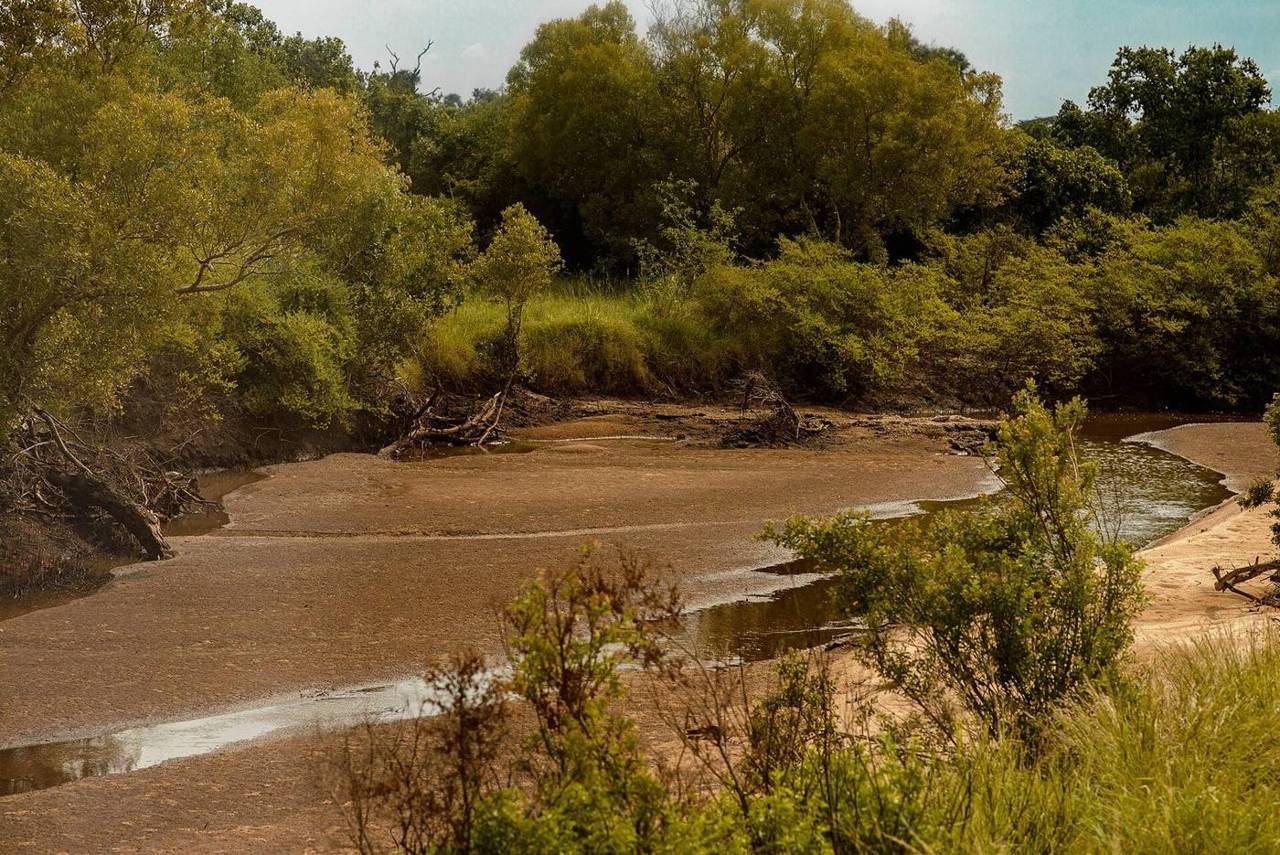
Where the savannah meets the sea: Saadani National Park with game drives, walks and boat trips on the Wami River among hippos and crocodiles, beaches where turtles nest, then the Swahili town of Pangani and the Maziwe sandbank.
 9 daysChallenging
Kilimanjaro via the Lemosho route
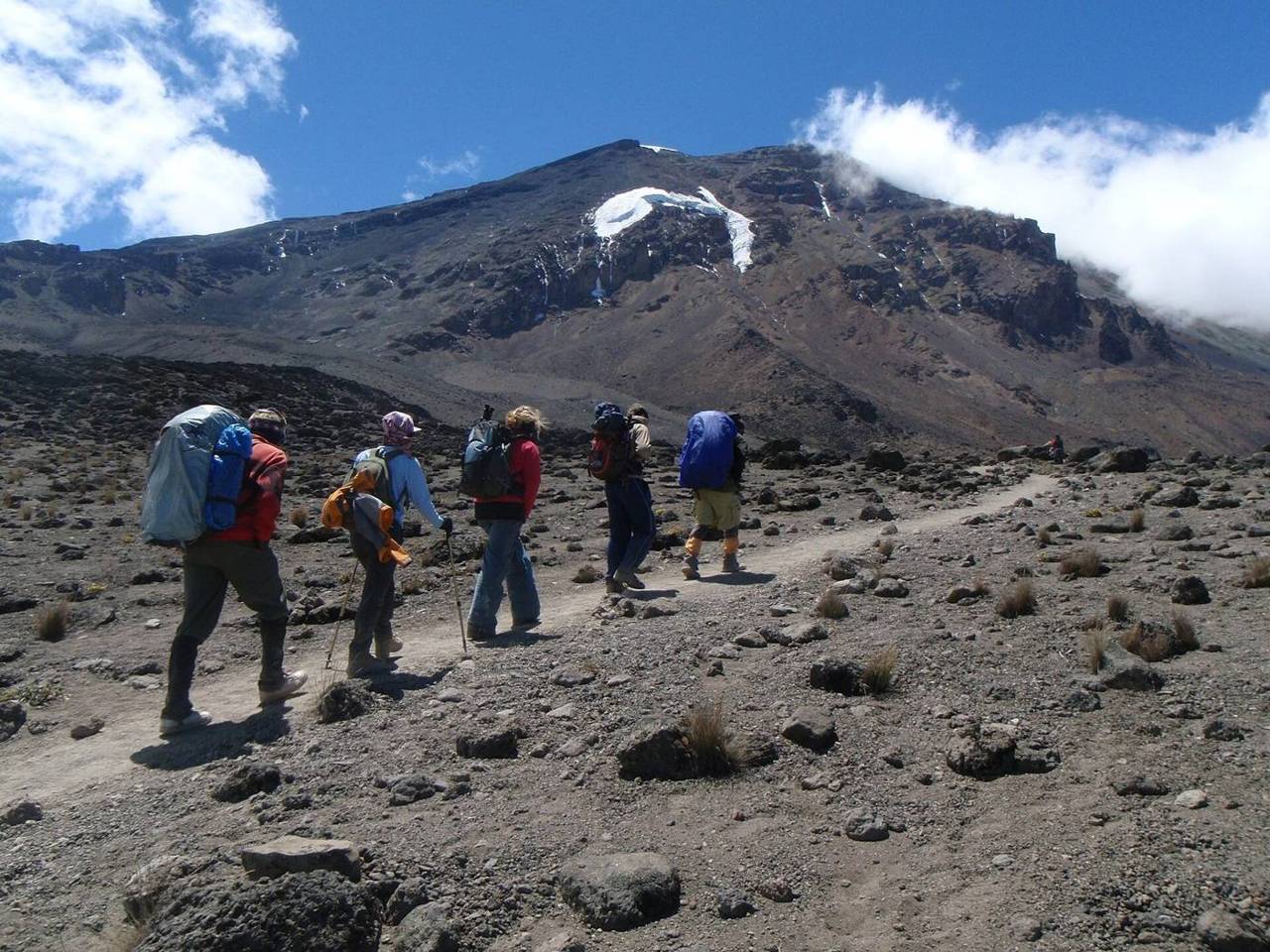
The most scenic and gradual route up the roof of Africa: it starts in the western forest, crosses the whole Shira plateau, skirts below the southern glaciers past the Lava Tower and the Barranco Wall, and climbs to Uhuru Peak, 5,895 metres, with more days to acclimatise.