Kenya and Tanzania: the Rift Valley and the Serengeti
Two countries in one safari: the lakes of Kenya's Rift Valley, the Maasai Mara and then across the border into the Serengeti and Ngorongoro, following the migration.
- Nairobi
- Lake Naivasha
- Lake Nakuru
- Masai Mara
- Serengeti
- Ngorongoro
- Arusha
Day by day
- Day 1
Arrival in Nairobi
This trip joins two countries in one great safari: the lakes of the Rift Valley in Kenya, the Masai Mara, then the Namanga border and the northern parks of Tanzania, with Tarangire, the Serengeti, Olduvai Gorge, the Ngorongoro Crater and Lake Manyara. You travel by road in a safari 4x4 with a driver guide.
Before you go: Italian citizens enter with a passport, and Kenya requires an electronic travel authorisation, the eTA, to be requested online on the official website before departure. From 5 October 2026 most visitors staying less than 12 months must also hold the travel health insurance provided by the Kenyan government: you buy it during the eTA application, or on the government eCitizen portal if you already have an eTA; it is valid for 90 days and foreign policies are not accepted in its place. For Tanzania you need a visa: check the current rules. Other nationalities should check their own rules. In October 2026 Kenya had a few cases of Ebola and the United States has had its advisory at level 3 since 19 October; the parks remain open. In Tanzania the UK only advises against the area within 20 kilometres of the border with Mozambique's Cabo Delgado province, very far from here. Check your government's travel advice before leaving.
You land at Jomo Kenyatta airport in Nairobi, at about 1,700 metres above sea level: the climate is cool, especially in the evening.
If you arrive early, visit the Karen Blixen Museum, the home of the author of Out of Africa, at the foot of the Ngong Hills. Check prices and times.
In the evening have nyama choma, grilled meat, with sukuma wiki, sautéed greens.
Sleep in Nairobi.
Practical tip: in Nairobi do not walk around after dark and use taxis booked by your accommodation or through an app.
- Day 2
Lake Naivasha and Hell's Gate
Today you descend into the Rift Valley, the great fracture in the Earth's crust that runs through East Africa from north to south.
You leave Nairobi early in the morning. After about an hour the road reaches the edge of the escarpment and the view opens over the valley floor, with extinct volcanoes on the horizon. Stop at the viewpoint: it is one of the most famous panoramas in Kenya.
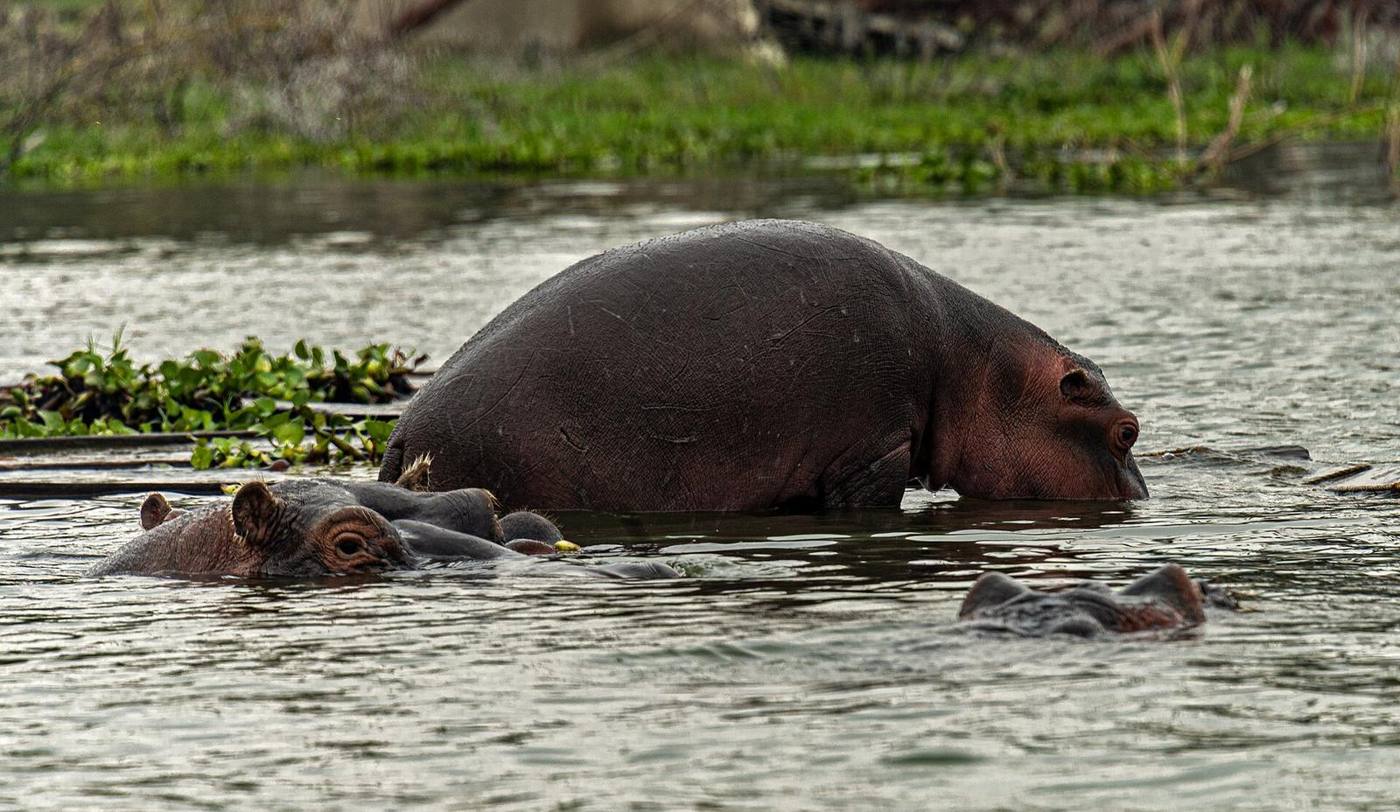
You reach Lake Naivasha, a freshwater lake surrounded by acacias with yellow bark. Board a motorboat with a local boatman: you approach groups of hippos, which stay in the water during the day, and you see African fish eagles, with their white heads, swooping down on the fish. The boatman knows how close to go: hippos must be respected.
In the afternoon enter Hell's Gate National Park, one of the few parks in Kenya where you can move around by bicycle or on foot, because the big predators are rarely seen here. You cycle among zebras, giraffes, buffaloes and gazelles, below the red walls of the gorge and the volcanic rock tower called Fischer's Tower. Then, with a guide, walk down into Ol Njorowa Gorge, narrow and carved by water, with its hot springs.
In the distance you see the steam of the Olkaria geothermal power station: here the earth is still hot.
Sleep near Lake Naivasha.
Practical tip: the gorge at Hell's Gate can close when it rains, because of the risk of flash floods. Always go down with an authorised park guide and check prices and times at the entrance.
- Day 3
Lake Nakuru, rhinos and flamingos
Today you reach Lake Nakuru National Park, about an hour and a half's drive to the north.
The park is fenced and is one of the most important rhino sanctuaries in Kenya: both the white rhino lives here, bigger and with a wide mouth for grazing grass, and the black rhino, smaller, shyer and with a pointed lip for eating leaves. With a little luck you see both on the same day.
The lake is salty and alkaline. It was once famous for the millions of pink flamingos that coloured its shores. In recent years the water level has risen a great deal and the flamingos often move to other lakes in the valley: their numbers change from month to month, so do not necessarily expect the great pink expanse.
Look out also for Rothschild's giraffes, with white legs like socks, buffaloes, baboons and, on the branches of the acacias, sometimes a leopard. Climb to the Baboon Cliff viewpoint, above the lake, for the widest view. In the forest of candelabra euphorbias, with branches like great green candlesticks, the landscape seems to belong to another world.
In the afternoon continue the safari along the shores and towards Makalia Falls, in the southern part of the park.
Sleep near Lake Nakuru.
Practical tip: bring a pair of binoculars for each person. The rhinos often stay far away, in the tall grass, and without binoculars you risk seeing only a grey shape. A small notebook helps too, if you like to keep a list of the animals you see.
- Day 4
Towards the Masai Mara
Today is a road day towards the Masai Mara, the most famous reserve in Kenya, in the south-west of the country.
The journey takes most of the morning. You pass through the town of Narok, the last big centre before the savannah, where the driver fills up with fuel. After Narok the road becomes narrower and you cross the lands of the Maasai, with herds of cattle and goats led by herders dressed in red.
The Masai Mara National Reserve is the Kenyan part of the same ecosystem as the Serengeti. There is no fence between the two countries: the animals move freely, following the rains and the fresh grass. Around the reserve there are the conservancies, Maasai lands leased for tourism, with fewer vehicles.
After lunch you go on your first afternoon game drive. The low hills, the lone acacias and the golden grass form the backdrop for zebras, wildebeest, topi, impala and giraffes. Late afternoon is when lions wake up and start to move: the guide listens to the radio and watches the behaviour of other animals to work out where they are.
At sunset you return to camp. At night you often hear roaring and hyenas in the distance.
Sleep in the Masai Mara, for three nights.
Practical tip: between Narok and the reserve the road can be very dusty. Keep your camera in a closed bag and bring a scarf for your nose and mouth. Wet wipes are useful too, for your hands and for cleaning your sunglasses.
- Day 5
The great migration
Today you go on a full-day game drive in the Masai Mara, with a packed lunch in the savannah.
Between July and October hundreds of thousands of wildebeest and zebras arrive in the Mara from the Serengeti, looking for fresh grass. It is the most famous part of the great migration: the plains fill with animals as far as the horizon, and behind them come lions, cheetahs, hyenas and vultures.
The most spectacular moment is the crossing of the Mara River. The wildebeest gather on the bank, sometimes for hours, then one jumps and all the others follow, into water full of crocodiles. Nobody can predict when it will happen: you need patience. The guide chooses a spot along the river and you wait in silence, with the engine off.
Even without a crossing the day is rich. The Mara is one of the best places in Africa to see the big cats: prides of lions with cubs, cheetahs hunting in the hottest hours and, along the wooded rivers, the leopard.
If you come out of season, between November and June, the wildebeest are further south, in Tanzania, but the resident predators stay and there are far fewer vehicles.
Sleep in the Masai Mara.
Practical tip: queues of vehicles form at the crossings. Respect the reserve rules: do not leave the tracks and do not block the animals' path to the river. Serious guides always follow these rules, and you can ask yours to do the same.
- Day 6
Dawn over the Mara and a Maasai village
Today you start early, with a dawn game drive, when the light is soft and the animals are most active.
If you wish, you can take a hot air balloon flight over the savannah, which leaves before sunrise and ends with breakfast on the grassland. It is expensive: check prices and conditions with your camp before you leave, because places sell out in high season.
In mid-morning visit a Maasai village, a manyatta, with low huts made of branches, mud and dung, arranged in a circle around the cattle enclosure. The men show you the traditional jumping dance, the adumu, and how they light a fire with two sticks. The women explain the meaning of the coloured bead necklaces. Cattle are at the centre of Maasai life: they measure the wealth of a family.
Choose a village recommended by your guide or camp, where the contribution goes to the community. Agree the price of the visit in advance. At the end you will be offered handicrafts: buying is a choice, not an obligation.
In the afternoon you go on your last game drive in the Mara. Look for the species you are still missing: perhaps the leopard, perhaps a black rhino, which is rare here.
Sleep in the Masai Mara.
Practical tip: always ask permission before photographing people, in the village too. Many Maasai are happy to agree, others prefer not to: respect their choice, and never take pictures of children without asking their parents first.
- Day 7
Back towards Nairobi
Today you leave the Masai Mara and head back towards Nairobi, where you stop before crossing into Tanzania.
If you like, early in the morning take one last short game drive as you leave the reserve: at that hour you can still meet lions returning from the hunt or hyenas near the track.
Then you retrace the road you came on, passing through Narok and climbing back up the Rift Valley escarpment. The journey takes many hours, with stops to stretch your legs. You reach Nairobi in the afternoon.
If you have time, visit the orphan elephant centre inside Nairobi National Park, where young elephants left without a mother are cared for before being returned to the wild. Visiting hours are limited and you often need to book: check prices and times. Alternatively visit the giraffe centre in Langata, where Rothschild's giraffes come up to a raised platform.
In the evening pack for the second part of the trip. Make sure you have your passport, your Tanzania visa or the receipt of your application, and your yellow fever vaccination certificate, which may be requested at the Tanzanian border from travellers arriving from Kenya.
Sleep in Nairobi.
Practical tip: keep a small supply of recent US dollar notes and some Kenyan shillings. At the border and in your first days in Tanzania cash will be useful, and changing money at the last minute is always awkward. Old or torn dollar notes are often refused.
- Day 8
The Namanga border and Arusha
Today you cross from Kenya into Tanzania through the Namanga border, on the road between Nairobi and Arusha.
You leave Nairobi early and travel south across the Maasai plains. On a clear day, to your left, the snowy summit of Kilimanjaro appears, the highest mountain in Africa, which stands in Tanzania.
At Namanga there is a one-stop border post, where the authorities of both countries work in the same building: you exit Kenya and enter Tanzania in the same place, at two counters. It takes some patience, especially when the buses arrive. At Namanga you often change vehicle and guide as well, because Kenyan 4x4s cannot always work in Tanzanian parks.
After the border the road crosses the savannah to Arusha, the safari capital of the north, at the foot of Mount Meru, a tall green volcano. Arusha is a lively and chaotic city, with a central market full of fruit, spices and colourful fabrics.
You have the afternoon to rest. In Tanzania the currency changes: here the Tanzanian shilling is used, but in the parks many payments are made by card or in dollars.
In the evening try mishkaki, skewers of marinated meat, and chipsi mayai, an omelette with chips.
Sleep in Arusha.
Practical tip: at the border keep your passport, visa and yellow fever certificate close at hand. Do not accept offers to change money from sellers in the street, even if the rate looks good.
- Day 9
Tarangire, elephants and baobabs
Today you enter Tarangire National Park, about two hours' drive south-west of Arusha.
Tarangire is the park of giants. In the dry season, from July to October, water is scarce everywhere and the animals gather along the Tarangire River, the only reliable source in the area. Large herds of elephants arrive, sometimes dozens together, with the young sheltering under their mothers' bellies.
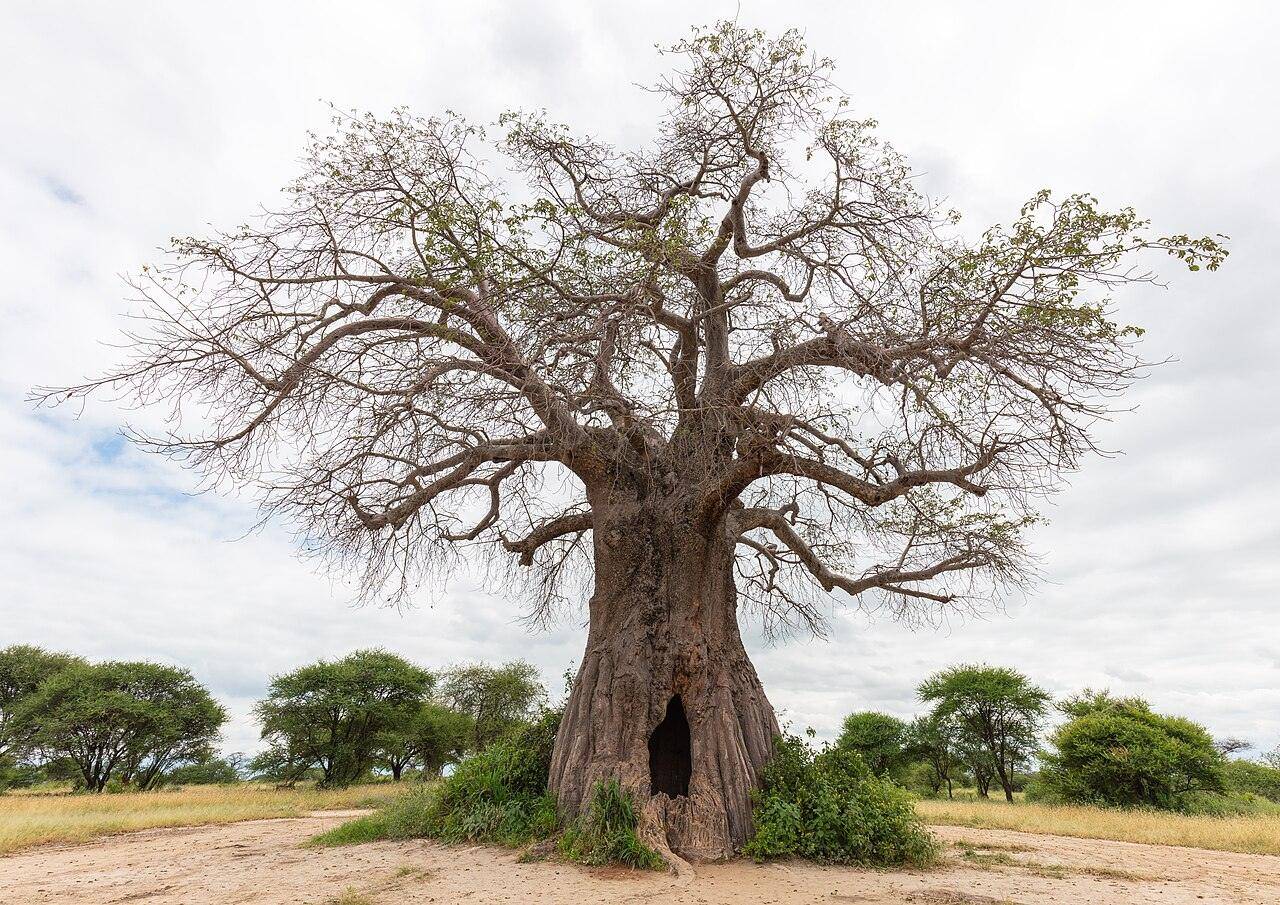
The landscape is different from Kenya. Everywhere baobabs rise up, enormous trees with thick trunks and bare branches that look like roots turned towards the sky. Elephants strip the bark from the trunks to suck out the moisture, and many trees bear the marks of their tusks.
During the game drive you also see zebras, wildebeest, buffaloes, giraffes, impala and, with luck, lions lying in the shade. Among the branches look for colourful birds: hundreds of species live here, such as hornbills and the yellow-collared lovebird.
Have a packed lunch at one of the park's picnic sites, with a view over the river.
In the late afternoon you leave the park and climb towards the cooler highlands of Karatu, among fields of coffee and wheat.
Sleep in Karatu.
Practical tip: in Tarangire there are tsetse flies, which bite and are attracted to dark colours, especially blue and black. Wear light colours such as beige and khaki and bring insect repellent. Long sleeves help a lot in the afternoon, when the flies are most active.
- Day 10
Towards the Serengeti
Today you cross the Ngorongoro highlands and enter the Serengeti, the most famous park in Africa.
From Karatu the road climbs through the damp forest to the rim of the Ngorongoro Crater. Stop at the viewpoint: below you the crater opens up, with the lake and the plains of its floor, where you will return in a few days. Then the road descends westwards, among Maasai villages and highland pastures, to the great plains.
You pass the Naabi Hill gate and enter Serengeti National Park, almost 15,000 square kilometres of savannah. The name comes from the Maasai language and means more or less endless plain. Here you understand why: the short grass stretches to the horizon, broken only by kopjes, piles of large granite boulders where lions and leopards rest.
In the afternoon you go on your first game drive in the central area of Seronera, crossed by the river of the same name. It is one of the best areas in Africa to see cats all year round, because there is water even in the dry season. The guides know the territories of the lion prides and the favourite branches of the leopards well.
At sunset the umbrella acacias stand out against the red sky: it is the classic image of the savannah.
Sleep in the Serengeti, for three nights.
Practical tip: in the Serengeti tented camps are not fenced. In the evening never leave your tent alone: ask to be escorted by a camp guard, even for a short walk to the dining tent.
- Day 11
The northern Serengeti and the Mara River
Today you follow the migration towards the north of the Serengeti, where the herds arrive between July and October.
The Serengeti changes a great deal from month to month. The wildebeest, together with zebras and gazelles, travel a great circle every year: they give birth on the southern plains between January and March, move west and north as the dry season arrives and pass into the Masai Mara. For this reason, in the best period for this trip, your guide will take you towards the Mara River valley, in the north of the park, the same area you saw from the Kenyan side.
The day is long and intense. Along the river you wait for the crossings, with wildebeest plunging into the water from the steep banks and crocodiles waiting for them. In the northern Serengeti there are generally fewer vehicles than in the Mara, and the green hills give a different atmosphere.
If you travel at another time of year, the guide adapts the route: in November and December the herds move down towards the centre and the south, while the north stays quieter.
Between one crossing and the next, look at the smaller animals too: mongooses, black-backed jackals and the surprising bat-eared foxes, with their enormous ears.
Sleep in the Serengeti.
Practical tip: distances inside the Serengeti are huge. Leave at dawn with a packed breakfast, so you make the most of the cooler hours and reach the river before the other vehicles.
- Day 12
Kopjes, cats and sunset over the savannah
Today is your last full day in the Serengeti. You can devote it to the big cats and to the landscapes of the kopjes.
Early in the morning the guide takes you towards rock outcrops such as the Moru or Simba kopjes, depending on the area you are in. They are granite islands in the plain, with fig trees and small pools of rainwater. Lions climb onto the rocks to see far, leopards hide in the cracks and small hyraxes, like large marmots, sunbathe on the stones.
Many thousands of lions live in the Serengeti, and it is also one of the best places to see the cheetah, the fastest cat, which hunts by day on the open plains. Watch it when it climbs onto a termite mound to scan the horizon: it is a moment the guides love to show.
In the middle of the day rest at camp. In the hot hours the animals also stop in the shade.
In the afternoon go back into the savannah for the last game drive. Stop to watch the sunset, when giraffes pass slowly in front of the sun and elephants make their way towards the river.
In the evening, around the fire, listen to the sounds of the night: the snorting of wildebeest, the hyenas and the deep roar of lions.
Sleep in the Serengeti.
Practical tip: in the Serengeti the nights are cool even in summer, and early mornings are cold in an open vehicle. Bring a fleece and a light windproof jacket, and a hat for the dust.
- Day 13
Olduvai Gorge, the cradle of humankind
Today you leave the Serengeti and head back towards the highlands, with a stop at one of the most important places in human history.
In the morning take a last game drive as you leave the park towards the south-east. The southern plains of the Serengeti, with their short grass, change a great deal with the seasons: between January and March they are full of wildebeest giving birth, while in the dry season they are almost empty.
At midday you reach Olduvai Gorge, a valley cut into the dry plain between the Serengeti and the Ngorongoro Crater. Here, in the layers of rock and volcanic ash, the palaeontologists Louis and Mary Leakey and their colleagues found hominin fossils and very ancient stone tools. In 1959 Mary Leakey discovered the skull of a hominin later called Paranthropus boisei.
Visit the small museum on the edge of the gorge, which tells the story of the excavations, the fossils and the Laetoli footprints, left by hominins walking on two legs more than three and a half million years ago. Check prices and times. From the viewpoint look at the different layers of rock in the gorge, like the pages of a book.
Near the gorge there is also a black dune of volcanic sand that moves slowly with the wind.
In the afternoon you climb towards the rim of the Ngorongoro Crater.
Sleep on the rim of the Ngorongoro Crater or in Karatu.
Practical tip: at Olduvai it is hot and there is little shade. Bring a hat, sunscreen and enough water.
- Day 14
The Ngorongoro Crater
Today you descend into the Ngorongoro Crater, the largest intact caldera in the world, formed by the collapse of an enormous volcano.
You leave at dawn. The rim of the crater lies at over 2,000 metres above sea level and in the morning it is often covered in mist and cold. Then the track descends steeply down the walls, for about six hundred metres, to the crater floor.
The floor is a world of its own, enclosed by green walls. There are grassy plains, a swamp, a small forest and Lake Magadi, which is salty and often has flamingos. Animals stay here all year, because there is always water: wildebeest, zebras, buffaloes, hyenas, jackals and many lions.
The crater is one of the best places in Tanzania to see the black rhino, protected with great care. You often see it from far away, on the open plain: use your binoculars. Look also for the old bull elephants with long tusks that live in the Lerai forest.
Have a packed lunch at the picnic site near the hippo pool. Watch out for the kites: they swoop down and steal food from your hands.
The Ngorongoro Conservation Area is a UNESCO World Heritage Site and is also the land of the Maasai, who live around the crater with their herds.
In the afternoon you climb back up to the rim of the crater.
Sleep in Karatu.
Practical tip: time in the crater is limited and the permit has a fee. Go down early to have more hours, and check prices and current rules before the visit.
- Day 15
Lake Manyara
Today you visit Lake Manyara National Park, small but very varied, at the foot of the Rift Valley escarpment.
From Karatu you go down the escarpment and see the lake from above, long and shallow, filling much of the park. You enter the park and the first surprise is the forest, green and dense, fed by underground springs that flow down from the escarpment. Under the giant trees live large troops of baboons and blue monkeys.
Further on the forest gives way to acacia woodland and to the shores of the lake. Manyara is famous for its lions that sometimes climb trees and lie stretched out on the branches: they are not easy to see, but the guide knows where to look. You also see elephants, giraffes, buffaloes and, at the hippo pool, dozens of hippos soaking in the water.
The lake is salty and attracts many water birds: pelicans, storks and, in some seasons, flamingos.
In the afternoon you leave the park and visit the village of Mto wa Mbu, which in Swahili means river of mosquitoes, at the foot of the escarpment. People from many different peoples live in this village, with banana plantations and rice fields. A walk with a local guide shows you the crops and daily life.
Sleep in Mto wa Mbu or in Karatu.
Practical tip: in Mto wa Mbu taste the local red bananas, small and sweet, which you find at the stalls along the main road. They make a good snack for the drive.
- Day 16
Back to Arusha
Today you return to Arusha, for a calmer day after two weeks of safari.
The road from Mto wa Mbu to Arusha is paved and crosses the Maasai plains, with Mount Meru drawing closer on the horizon. It takes about two hours. Along the way you see Maasai herders with their cattle and children walking home from school.
In Arusha you have the afternoon to rest, wash your clothes and sort out your photos. If you feel like walking, visit the central market, where fruit, vegetables, spices, dried fish and kanga cloths are sold, with Swahili sayings printed along the edge. You can also pass by the clock tower, in the centre of town, and the natural history museum, in an old German fort. Check prices and times.
In the evening, for your last dinner in Tanzania, try pilau, the spiced rice of the Swahili coast, and chapati, the thin soft flatbread.
If you prefer nature, instead of the town you can spend half a day in Arusha National Park, on the slopes of Mount Meru, with black and white colobus monkeys and the Momella lakes. Arrange it in advance with your guide.
Sleep in Arusha.
Practical tip: in Arusha souvenir and safari sellers often approach you in the street. Answer with a smile and a firm «hapana, asante», which means no, thank you. Saying it in Swahili usually works better than in English.
- Day 17
Departure from Kilimanjaro Airport
Today you leave Tanzania from Kilimanjaro International Airport, between Arusha and Moshi, about an hour's drive from Arusha. If the day is clear, early in the morning look east: the white summit of Kilimanjaro rises above the clouds.
In seventeen days you have crossed a whole ecosystem from north to south. You have seen the Rift Valley from the escarpment viewpoint, the hippos of Lake Naivasha and Hell's Gate gorge by bicycle, the rhinos of Lake Nakuru, the lions and herds of the Masai Mara and the Maasai village. Then the Namanga border, the elephants and baobabs of Tarangire, the plains of the Serengeti, Olduvai Gorge, the Ngorongoro Crater with the black rhino and the forest of Lake Manyara.
When to go: the best period is from July to October, in the dry season, when the migration straddles the border between the Masai Mara and the northern Serengeti and the animals gather around the water. January and February are an excellent alternative for the births in the southern Serengeti, but then it is better to reverse the route and spend more time in Tanzania. From March to May come the long rains: some tracks become difficult and many camps close.
If you still have a few days, from here you can fly to Zanzibar for some time by the sea.
Have a good trip.
Practical tip: arrive at the airport at least three hours early. Before leaving, spend your last Tanzanian shillings, because outside Tanzania they are hard to change.
East Africa's richest safari in two and a half weeks. The Maasai Mara and the Serengeti are one ecosystem: between July and October the migration straddles the border, the best time for this trip. You need two visas, Kenya (eTA) and Tanzania.
Before you go
- Documents and visa
- Passport valid for at least six months and a visa, applied for online on the official immigration website. From 2026 compulsory travel insurance is also required, and Zanzibar has its own: dates and costs differ between sources, so check the official websites.
- Health and vaccines
- Malaria prevention is recommended; a yellow fever certificate is needed if you arrive from a country at risk. Drink only bottled water. Emergencies: 112.
- Money and payments
- Tanzanian shilling. Parks are paid by card and safaris often in US dollars; carry cash for tips.
- Power sockets
- Types G and D, 230 volts: you need an adapter for British plugs.
- Time zone
- UTC+3 all year.
- Safety
- The United States rates Tanzania level 2, with more caution in the Mtwara region; the United Kingdom advises against travel within 20 km of the border with Cabo Delgado in Mozambique. Official advice: GOV.UK.
Information checked in November 2026 for Italian and EU citizens. Rules change: always check before you travel.
Variations
In 10 days: only the Tanzanian part, from Arusha to Tarangire, the Serengeti, Olduvai, Ngorongoro and Lake Manyara.
In 21 days: add four days by the sea in Zanzibar, with a flight from Arusha or Kilimanjaro Airport.
Frequently asked questions
What documents do I need for this trip?
A passport, the Kenyan eTA with the Kenyan government's travel health insurance, compulsory from 5 October 2026 for most visitors, and a visa for Tanzania. Carry your yellow fever certificate, which may be requested when entering Tanzania from Kenya. Other nationalities should check their own rules.
Is the trip safe?
Since 19 October 2026 the United States has rated Kenya at level 3, partly because of the Ebola cases in October; the parks remain open. In Tanzania the UK only advises against the strip near the border with Cabo Delgado, in Mozambique, far from this route. Check your government's travel advice before leaving.
When is the best time?
From July to October, when the migration straddles the border between the Masai Mara and the Serengeti. From March to May come the long rains and many tracks become difficult.
Indicative itinerary written by World Atlas. Before booking, check timetables, seasonal openings, documents and safety.
 7 daysModerate
Classic safari: Tarangire, Serengeti, Ngorongoro
The northern circuit in a week: elephants and baobabs, the endless Serengeti plains and Africa's most famous crater.
 15 daysModerate
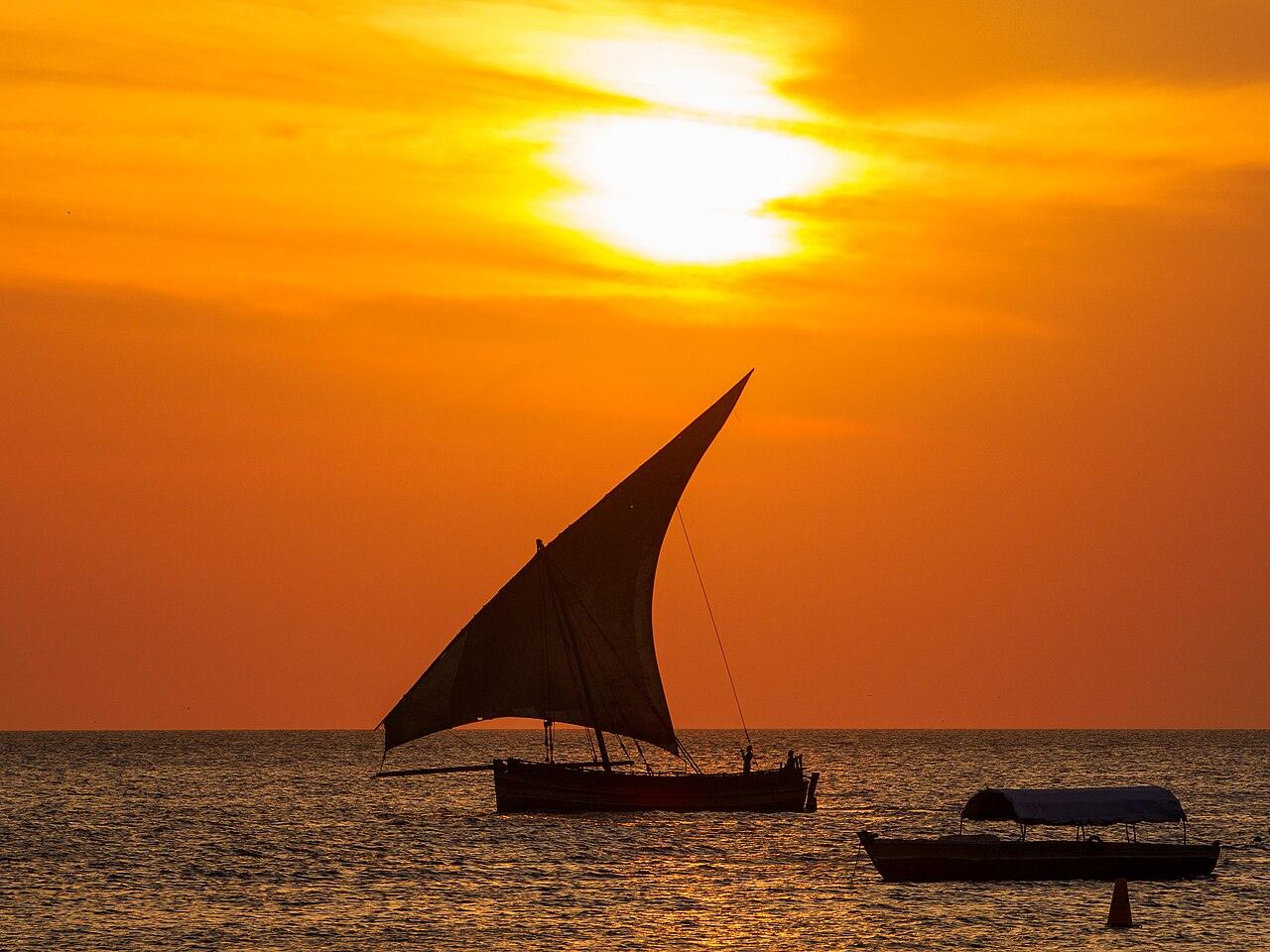
Safari and Zanzibar
One week in the great northern parks and one in Zanzibar, between Stone Town and the Indian Ocean beaches.
 9 daysEasy
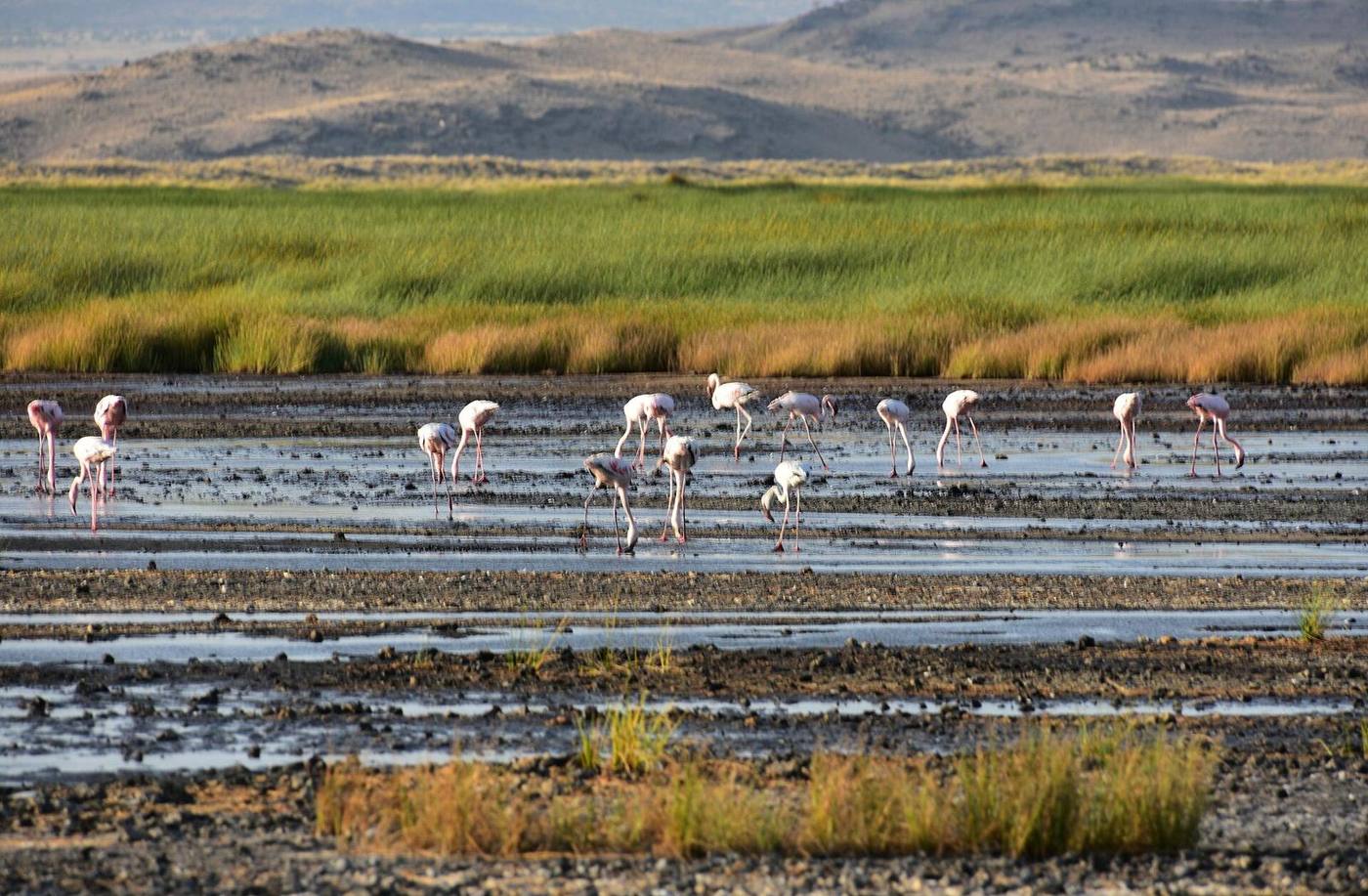
The northern parks and Lake Natron
Tarangire, the Serengeti, Ngorongoro Crater, Olduvai Gorge and the flamingos of Lake Natron below the Maasai's sacred volcano.