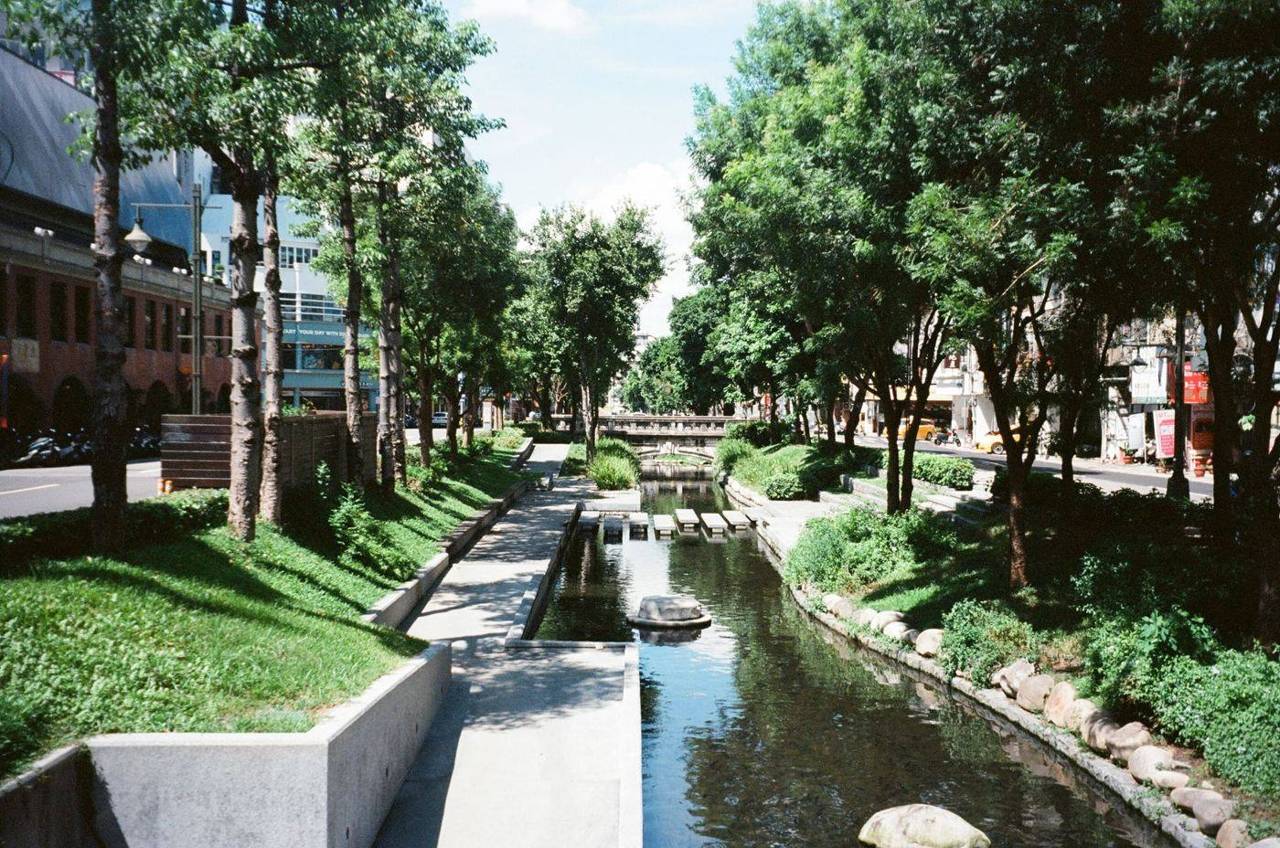
Taichung and Lukang
Taichung with its National Theater, Rainbow Village, night markets and the birthplace of bubble tea, and the historic town of Lukang with its temples and lanes.
- Taichung
- Rainbow Village
- Lukang
Day by day
- Day 1
Taichung, the National Theater and Rainbow Village
This trip spends three days in the centre of the island: Taichung, a large, green and liveable city with modern architecture, museums and night markets, and Lukang, one of the most beautiful historic towns in Taiwan, with old temples and red-brick lanes.
Before you go: Italian citizens need a passport valid for at least six months from the date of entry; the electronic identity card is not enough. They can stay up to 90 days without a visa. Within the three days before arrival, fill in the Taiwan Arrival Card online on the official immigration website. Other nationalities should check their own rules. The country is very safe; from May to November follow typhoon warnings.
You arrive from Taipei on the high-speed train in under an hour. Drop your bags and go to the National Taichung Theater, designed by the Japanese architect Toyo Ito: inside there are no straight walls, only curves that look like caves. You can enter the public spaces and go up to the roof garden.
In the afternoon take a bus or taxi to Rainbow Village, in the Nantun district. It is a small group of military houses, saved from demolition thanks to the colourful drawings of an elderly veteran who painted walls, doors and lanes with animals, people and flowers.
Towards evening stroll along the Calligraphy Greenway, a long, narrow park that crosses the city, with museums, cafés and small galleries. For dinner try bubble tea with tapioca pearls, born, according to local tradition, right here in Taichung in the 1980s, along with some street dishes.
Practical tip: buy an EasyCard at the station. It works on city buses and local trains.
- Day 2
Lukang, the temples and the lanes
Today go to Lukang, about an hour by bus from Taichung. In the eighteenth and nineteenth centuries it was one of the most important ports in Taiwan, trading with mainland China. Then the river silted up and the town was left behind: that is why the historic centre has survived almost intact to this day.
Start at Tianhou Temple, dedicated to Mazu, the sea goddess, always full of worshippers, incense and offerings. Then walk to Longshan Temple, one of the oldest and best preserved temples on the island, with quiet courtyards, carved wooden beams and a decorated domed ceiling.
Between the two temples, wander the lanes. Nine Turns Lane has tight bends, designed to stop the wind and, according to tradition, thieves. Moru Lane is so narrow that two people passing each other touch. Along the old trading street there are workshops making lanterns, fans, incense and traditional sweets.
Also visit the Lukang Folk Arts Museum, in a large mansion from the early twentieth century, with furniture, clothes and objects of daily life. Check prices and times.
At lunch taste the local specialities: fried oysters, shrimp fritters and the sweet ox-tongue pastries. In the late afternoon return to Taichung.
Practical tip: Lukang is small and easy to explore on foot. Avoid weekends if you can, when the lanes are packed with people.
- Day 3
Fengjia night market and departure
In the morning visit the National Museum of Natural Science, one of the largest museums in Taiwan, with dinosaurs, a tropical greenhouse and halls on the history of the earth and of the indigenous peoples. Check prices and times. If you prefer the open air, go to Taichung Park, with its lake and Japanese-era pavilion.
At lunch stop at the Second Market, an old covered market from the Japanese era, with stalls of noodles, rice with braised pork and soups. It is used mainly by locals.
In the afternoon, if you fancy some nature, take a bus to the Gaomei Wetlands on the coast, with a wooden boardwalk over the mud, wind turbines and wide sunsets over the sea.
In the evening go to Fengjia night market, near the university, one of the largest in Taiwan. Many street food fashions were born here: skewers, giant grilled squid, spiral potatoes and every kind of tea. Taste a little at a time and wander among the stalls.
After dinner go back to the high-speed rail station to leave for Taipei or the south.
In short, in three days you see the modern Taichung of the theatre, museums and markets, the painted village and the old Lukang of temples and lanes. When to go: from October to April, with dry days and mild temperatures. In summer it is hot and humid and there are typhoons.
Practical tip: go to Fengjia market on weekdays and before 8 pm, when the crowds are still bearable.
A liveable city in the middle of the island, a base for Sun Moon Lake. Lukang is one of Taiwan's most authentic towns. Easy by train.
Before you go
- Documents and visa
- Passport valid for at least six months from the date of entry. British citizens can visit without a visa for up to 90 days, which can be extended by a further 90 days after arrival. Since 1 October 2025 the online Taiwan Arrival Card is compulsory: submit it within three days before arrival on the official National Immigration Agency website (twac.immigration.gov.tw), or you cannot clear immigration.
- Health and vaccines
- No vaccinations required. Healthcare is excellent; you still need insurance covering medical costs. In summer there are dengue outbreaks in the south: use repellent. Drink bottled or boiled water. Emergencies: 119 ambulance and fire, 110 police.
- Money and payments
- New Taiwan dollar. Cards work in cities, hotels and large shops; night markets, temples and the countryside need cash. Convenience store cash machines accept foreign cards. The rechargeable EasyCard works on the metro, buses, local trains and for small purchases.
- Power sockets
- Type A and B, 110 volts: you need an adapter for British plugs; phone and laptop chargers work, but hair dryers and straighteners often do not.
- Time zone
- UTC+8 all year, eight hours ahead of the UK in winter, seven in summer.
- Safety
- Taiwan is very safe and the United States rates it level 1, the lowest. The main risks are natural: earthquakes, and typhoons from May to November that cause landslides and close mountain roads, especially in the centre and south. Since the 2024 earthquake Taroko National Park has been only partly open. Relations with mainland China are tense and military exercises sometimes take place in the strait: follow local news. Official advice: GOV.UK.
Information checked in November 2026 for Italian and EU citizens. Rules change: always check before you travel.
Variations
In 2 days: Taichung on the first day and Lukang on the second, with Fengjia market in the evening.
In 5 days: add two days at Sun Moon Lake, about an hour and a half by bus.
Frequently asked questions
How do I get to Lukang from Taichung?
By direct bus in about an hour, or by train to Changhua and then by bus. Lukang has no railway station.
Is Rainbow Village worth the detour?
Yes, if you like folk art and photography. It is small and takes half an hour; combine it with another stop in the south-west of the city.
When is the best time to go?
From October to April, with little rain and mild temperatures. In summer it is very hot, and from May to November typhoons can arrive.
Indicative itinerary written by World Atlas. Before booking, check timetables, seasonal openings, documents and safety.
 2 daysEasy
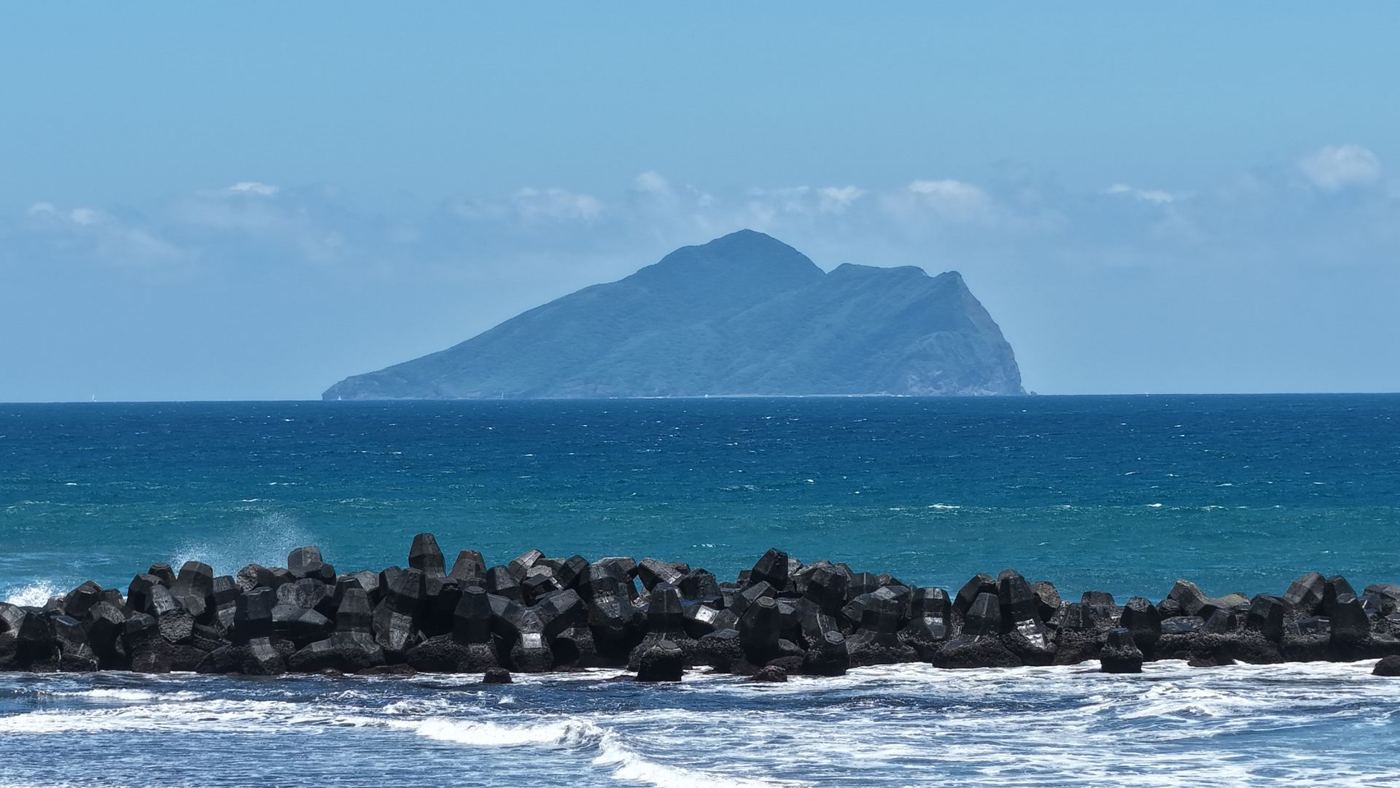
Yilan and Jiaoxi
The hot springs of Jiaoxi, the Kavalan whisky distillery, Turtle Island with its dolphins and the fishing port of Nanfang'ao, an hour from Taipei.
 4 daysEasy
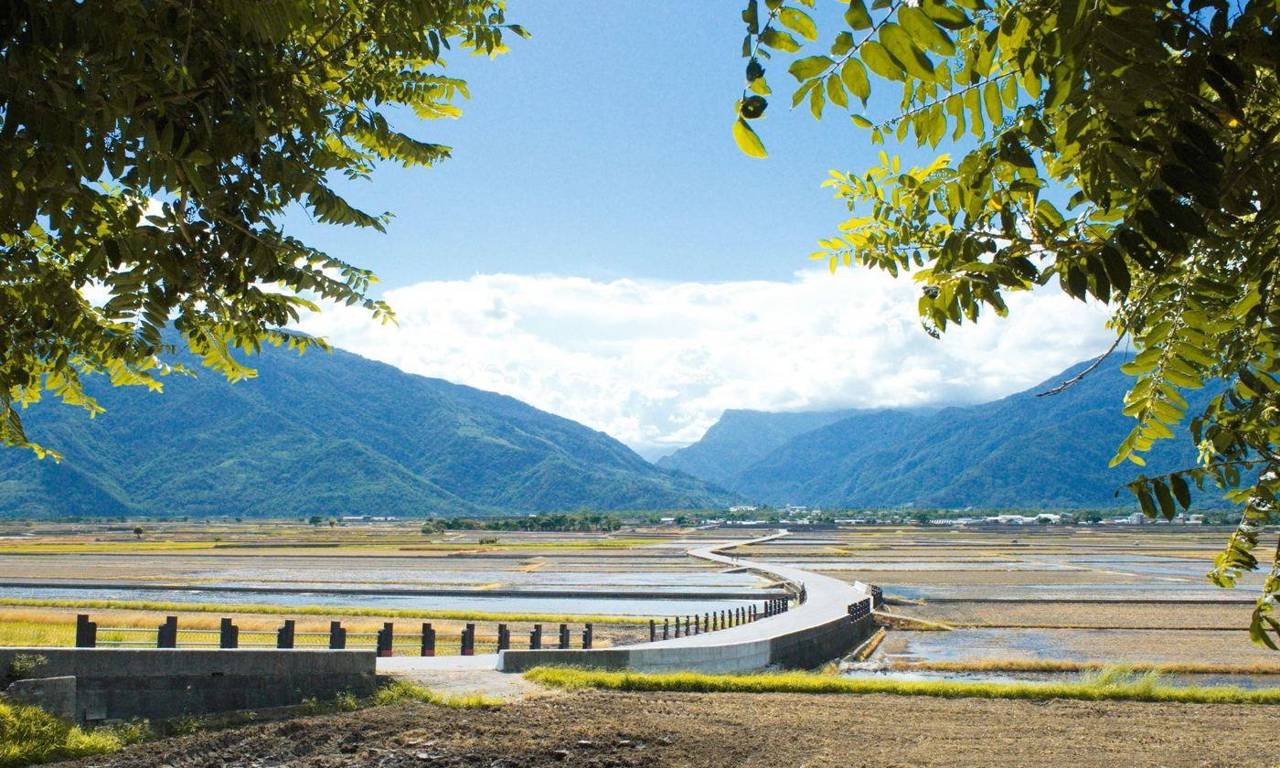
The East Rift Valley
The valley between Hualien and Taitung by train and bike: Chishang's rice fields, Luye plateau with its summer hot-air balloons, Amis villages and hot springs.
 10 daysEasy
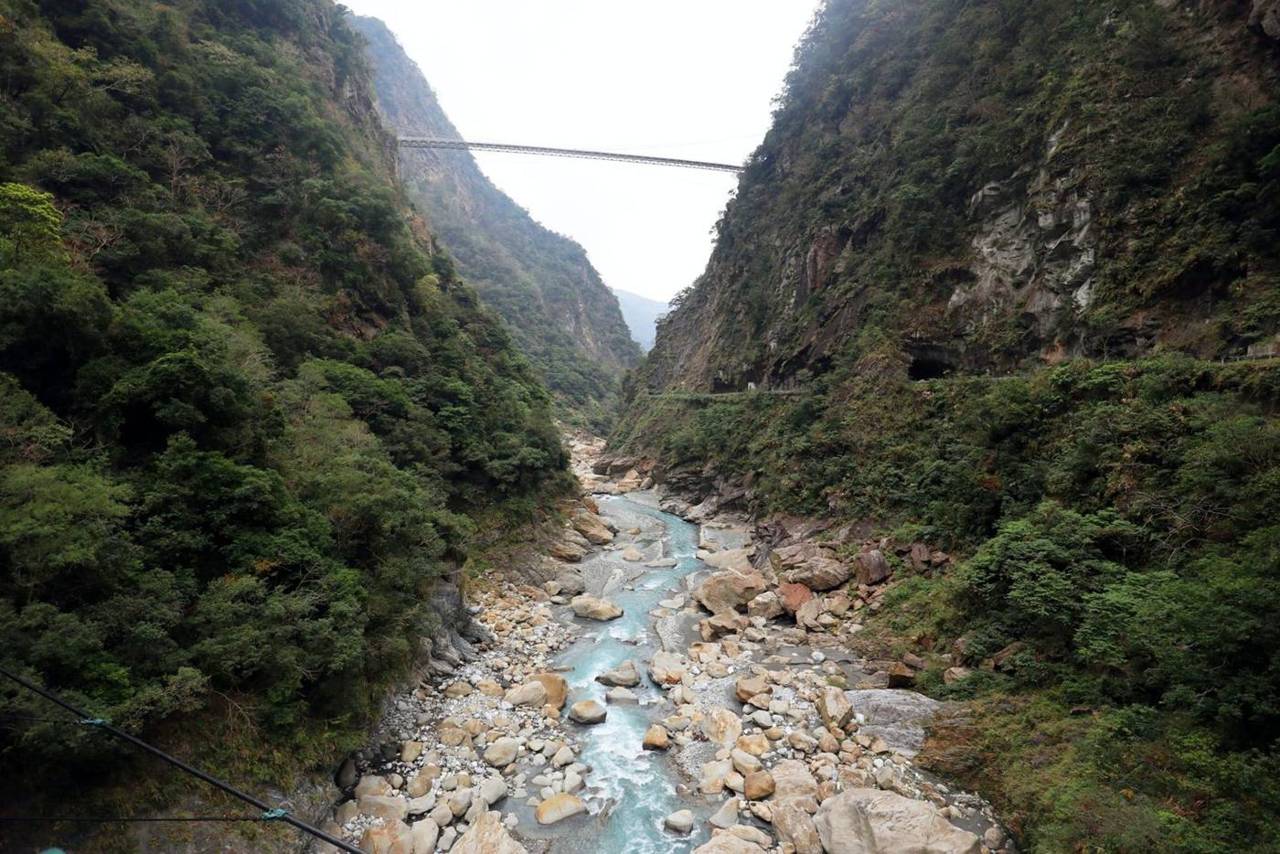
Around the island
Taipei and its night markets, Taroko Gorge, the east coast, Kenting, Tainan and its temples and Sun Moon Lake, by train.