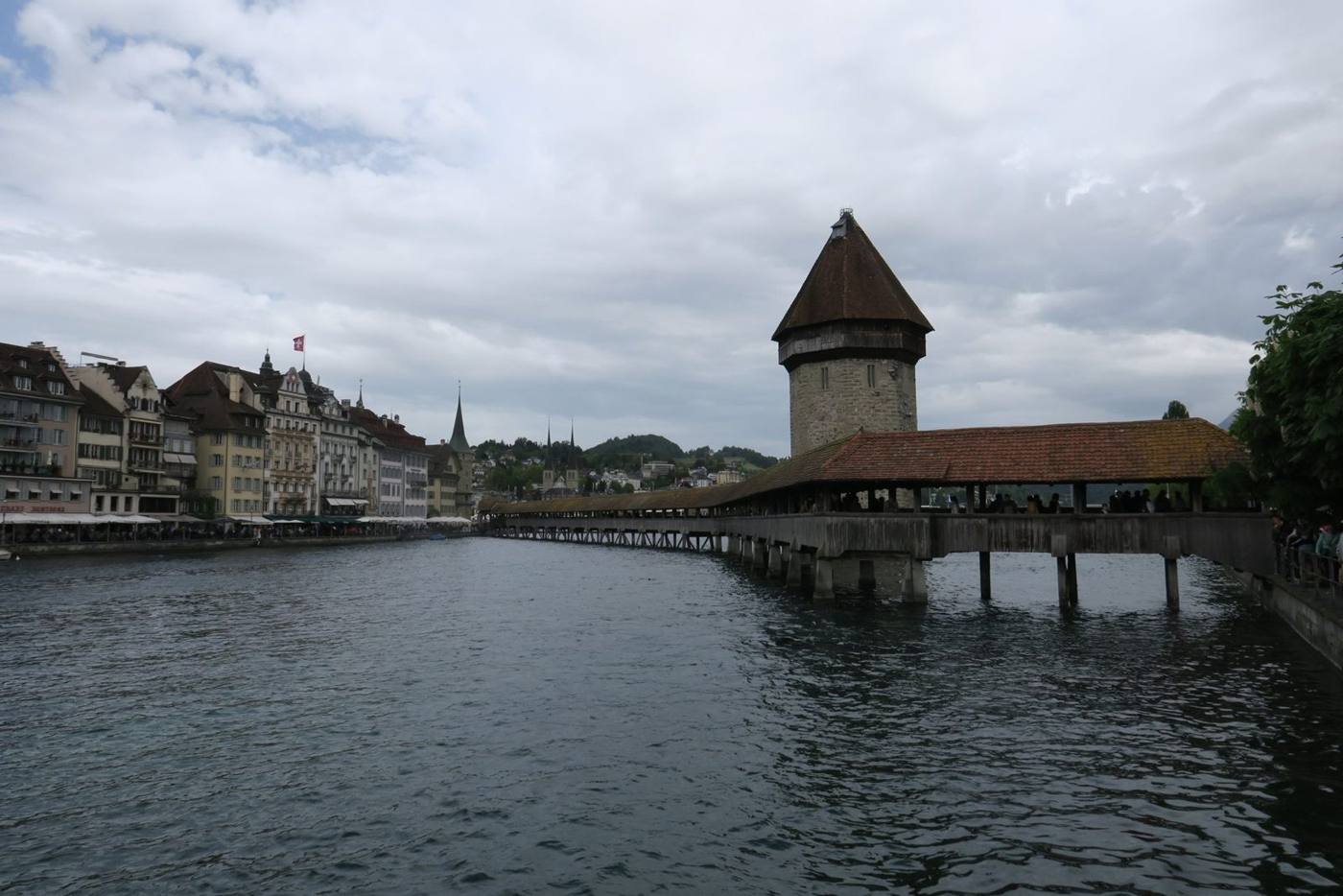
Lucerne and Central Switzerland
The Chapel Bridge and Lion of Lucerne, a steamer on Lake Lucerne, Pilatus with the world's steepest cogwheel railway and the Rigi.
- Luzern
- Pilatus
- Rigi
- Vitznau
- Stoos
Day by day
- Day 1
Lucerne, the Chapel Bridge, the Musegg walls and the lion
This trip is a long four-day weekend in Lucerne and central Switzerland: the old town on Lake Lucerne, Pilatus with the steepest cogwheel railway in the world, the Rigi or the Stoos ridge, and the Swiss Museum of Transport. Everything is done by boat, train and cable car, an hour from Zurich.
Before you go: Italian citizens only need an electronic identity card valid for travel abroad or a passport, with no visa. Switzerland is not in the European Union but is in the Schengen area; you pay in Swiss francs, and driving on motorways requires the vignette. Other nationalities should check their own rules. The country is very safe; in the mountains the weather changes quickly, so always carry a jacket.
You arrive at Lucerne station, on the lake. Start with the Chapel Bridge, the Kapellbrücke, the oldest covered wooden bridge in Europe, from the 14th century, with its octagonal water tower that once served as a prison and archive. Under the roof look at the 17th-century painted panels; many burned in the fire of 1993.
At midday cross the old town, between the wine market square and the corn market square, with their painted façades. Then climb onto the Musegg walls: in summer you can go into some of the towers, including the Zyt tower, with the oldest clock in the city, which strikes one minute before all the others. Check prices and times.
In the afternoon walk to the Lion Monument, the dying lion carved into the rock in 1821 in memory of the Swiss Guards who fell at the Tuileries in 1792.
Practical tip: anyone staying overnight in Lucerne usually receives a guest card valid on city transport: ask for it at check-in and check what it covers.
- Day 2
The Pilatus Golden Round Trip
Today you do the Golden Round Trip on Pilatus, a rocky mountain towering over Lucerne, by boat, cogwheel railway, cable car and gondola.
In the morning take the boat from the pier opposite the station to Alpnachstad, in about an hour and a half, along the arms of the lake past meadows, villas and woods. Alternatively there is the train, which is faster.
At Alpnachstad board the Pilatus cogwheel railway, opened in 1889, the steepest in the world, with gradients of up to 48 per cent. The red carriages climb like staircases, past pastures, tunnels and rock walls, in about half an hour. The cogwheel railway runs from spring to autumn, roughly May to November; the rest of the year you can only go up from Kriens by cable car. Check prices and times.
At midday you are at the top, at about 2,100 metres. Follow the short paths to the Tomlishorn, the highest summit, or the Esel, with views over the lake and a long line of alpine peaks. Ibex and alpine choughs, the black birds with yellow beaks, live among the rocks around you.
In the afternoon go down on the large Dragon Ride cable car to Fräkmüntegg and then by gondola to Kriens, from where a bus takes you back to Lucerne. The name of the mountain is linked to a legend about Pontius Pilate and to the dragons that, according to old tales, lived among the rocks.
Practical tip: do the trip in this direction, going up by cogwheel railway, because in summer the queue to go down at Alpnachstad is long and seats on the trains are limited.
- Day 3
The steamboat, the Rigi or the Stoos ridge
Today you choose between two mountains: the Rigi, green and gentle, with the first mountain railway in Europe, or the Stoos ridge, one of the finest and least crowded viewpoints in the area.
For the Rigi, in the morning take one of the paddle steamers that still sail on the lake and get off at Vitznau, in about an hour. From here the cogwheel railway, opened in 1871, climbs to Rigi Kulm, at about 1,800 metres: on clear days you see a dozen lakes and the chain of the Alps. At midday walk down to Rigi Kaltbad, in about an hour, and return by cable car to Weggis and then by boat. Check prices and times.
For the Stoos take the train to Schwyz and the bus to the station of the Stoos funicular, opened in 2017, the steepest in the world, with gradients of up to 110 per cent: the cabins are rotating barrels that always stay level. From the village with no cars take the chairlift to Klingenstock and walk along the ridge to Fronalpstock, in about two and a half hours, with views of several lakes. Some sections are narrow and exposed, with safety cables: you need to be sure-footed. Check prices and times.
In the afternoon go down by chairlift from Fronalpstock and by funicular to Schwyz, where you can visit the Museum of the Federal Charters, with the charter of 1291. Check prices and times.
Practical tip: do not go onto the Stoos ridge in fog, strong wind or rain: the rocks become slippery and the view disappears.
- Day 4
The Swiss Museum of Transport and departure
On your last day you stay in Lucerne for the Museum of Transport, the most visited museum in Switzerland, then set off.
In the morning take the bus or the boat to the Verkehrshaus, the Swiss Museum of Transport, on the lakeshore. There are steam and electric locomotives, the story of the Gotthard tunnel, cars, planes, boats and cable cars, with many areas where you can climb aboard and try things out. There is also a planetarium and a large-screen cinema. Allow at least three hours. Check prices and times.
At midday go back to the centre and stroll along the lakeside to the KKL, the culture and convention centre with Jean Nouvel's great thin roof, where the Lucerne Festival of classical music is held in summer.
In the afternoon you leave: Lucerne is about an hour by train from Zurich and its airport, and about two hours from Lugano through the Gotthard Base Tunnel.
In four days you have seen a compact, easy side of Switzerland: the old town of Lucerne with its bridges and walls, Lake Lucerne by boat, Pilatus with its cogwheel railway and the Rigi or the Stoos ridge. It is a trip suitable for everyone, with short walks and one more demanding hike if you choose the Stoos.
When to go: from May to October, when the Pilatus cogwheel railway is open and the boats run their full timetable. July and August are the busiest months; May, June and September are quieter and often clear.
Practical tip: if you stay longer, consider a regional pass for the boats and lifts of central Switzerland: check prices and conditions on the official website.
A compact, easy Switzerland, perfect for a long weekend. The Pilatus cogwheel railway runs only from May to November. The Stoos ridge is one of the finest and least crowded views in the area. Lucerne is an hour from Zurich.
Before you go
- Documents and visa
- Switzerland is not in the EU but is in the Schengen area. British visitors can stay up to 90 days in any 180 days without a visa, and the EU Entry/Exit System applies. Motorways need the vignette, as a sticker or an e-vignette from the official website.
- Health and vaccines
- No vaccines required. Healthcare is excellent but very expensive: take travel insurance that covers repatriation and mountain rescue, because helicopter rescue costs a great deal. Watch out for ticks in woods. Emergencies: 112, police 117, fire 118, ambulance 144, Rega air rescue 1414.
- Money and payments
- Swiss franc. Cards are accepted almost everywhere, even for small amounts; euros are taken in many places, but change comes in francs at a poor rate.
- Power sockets
- Swiss type J, 230 volts: you need an adapter for British plugs.
- Time zone
- Central European Time (UTC+1, summer UTC+2).
- Safety
- A very safe country. In the mountains carry the right gear, check the MeteoSwiss forecast and, in winter, the avalanche bulletin. Traffic fines are severe, especially for speeding. Official advice: GOV.UK.
Information checked in November 2026 for Italian and EU citizens. Rules change: always check before you travel.
Variations
Shorter: two days, with Lucerne and the Pilatus Golden Round Trip.
Longer: add two days in the Bernese Oberland, at Interlaken, with the panoramic train over the Brünig.
Frequently asked questions
When is the Pilatus cogwheel railway open?
From spring to autumn, roughly May to November. The rest of the year you go up from Kriens by gondola and cable car. Check prices and times.
Rigi or Stoos?
The Rigi is easier, suitable for everyone and has the historic cogwheel railway. The Stoos ridge is more beautiful and less crowded, but it has exposed sections and you need to be sure-footed.
Do you need a transport pass?
The Swiss Travel Pass covers trains, boats and the Rigi and gives discounts on other lifts. For a few days compare it with single tickets and regional cards.
Indicative itinerary written by World Atlas. Before booking, check timetables, seasonal openings, documents and safety.
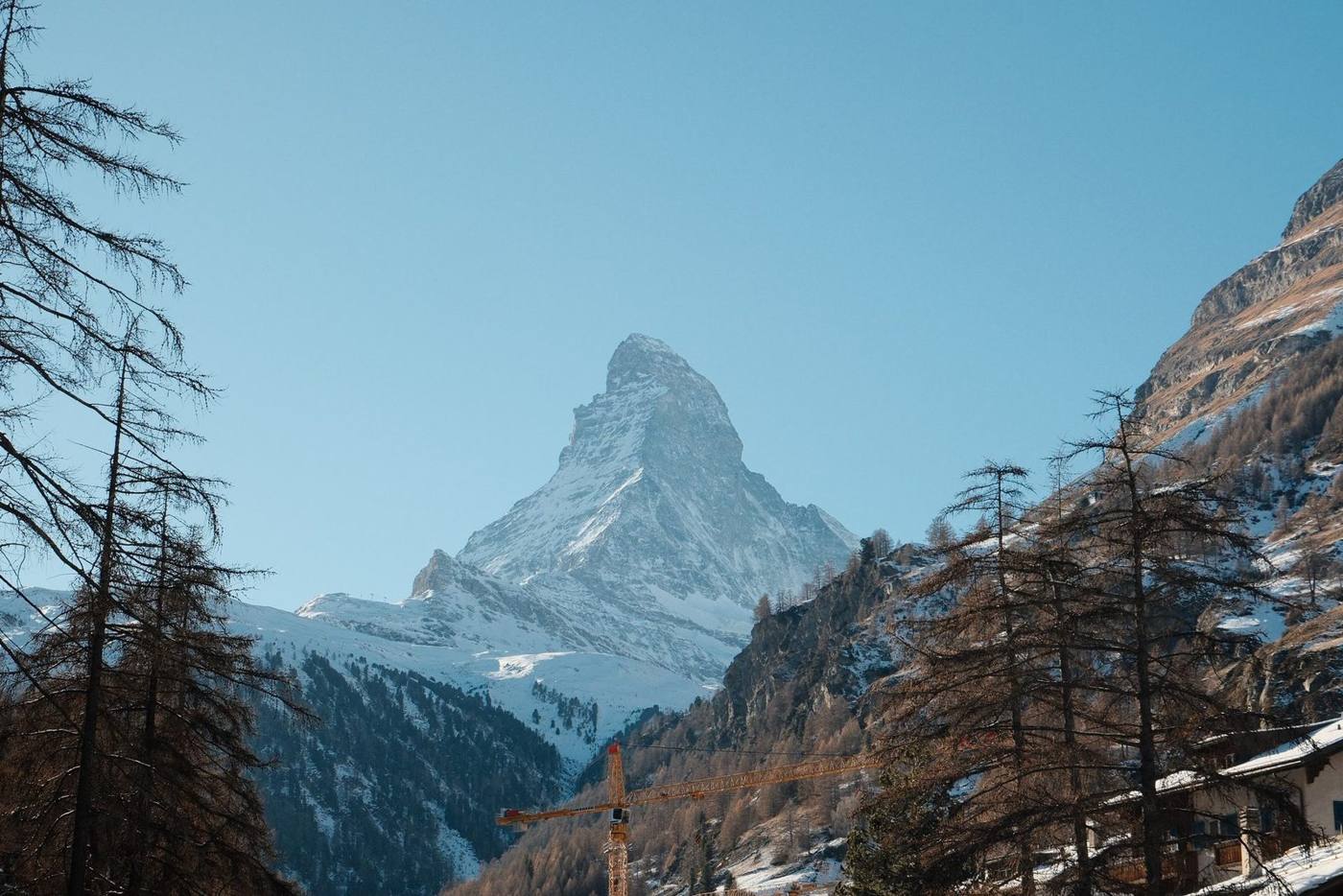 12 daysChallenging
The Haute Route from Chamonix to Zermatt
The trek between the two capitals of mountaineering, below Mont Blanc and the Matterhorn, across eleven passes and the valleys of the Valais.
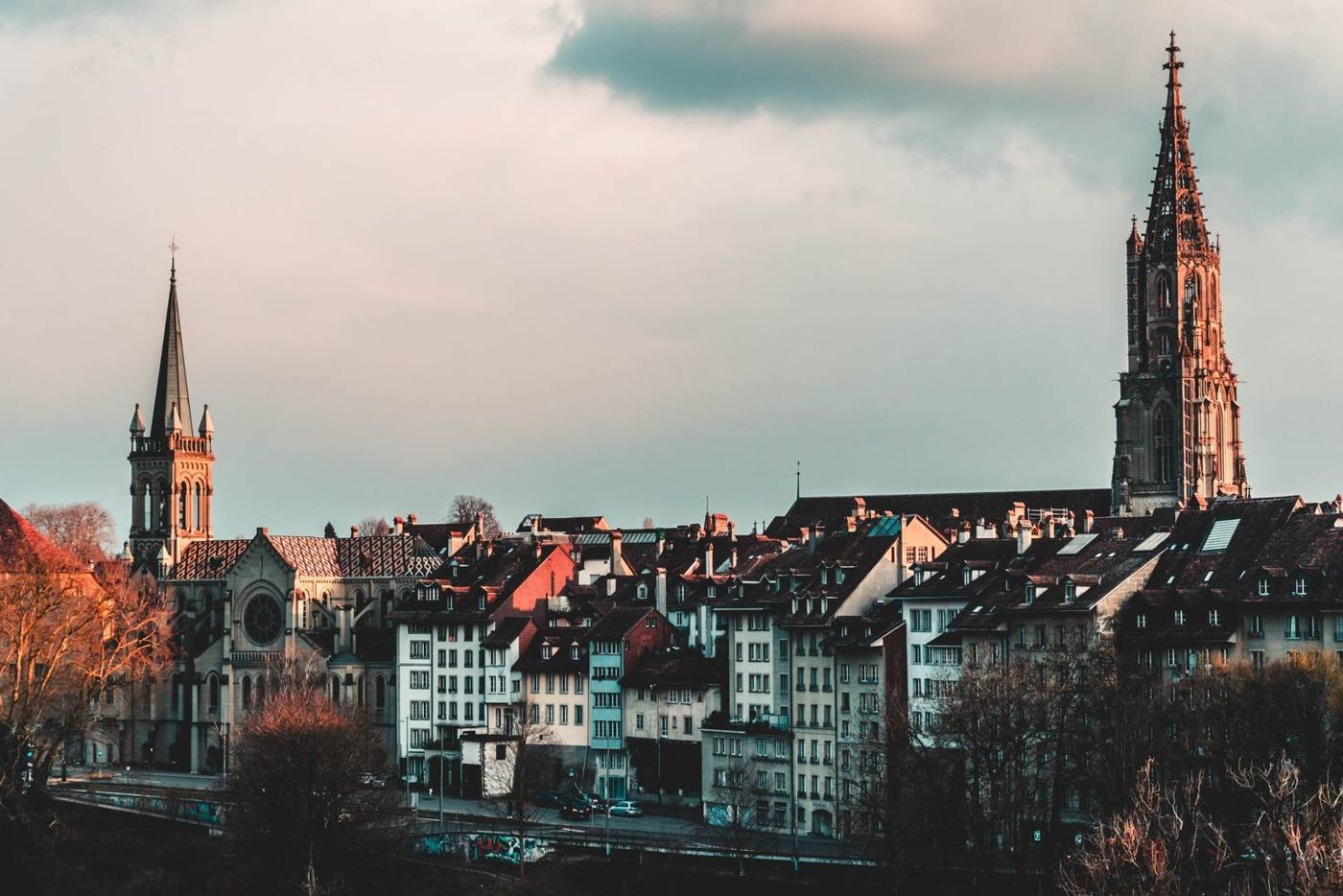 5 daysEasy
Bern, Zurich and Basel
Switzerland's cities: medieval Bern with its arcades and the Aare, Zurich and its districts, Basel and its great art museums, with a swim in the Rhine.
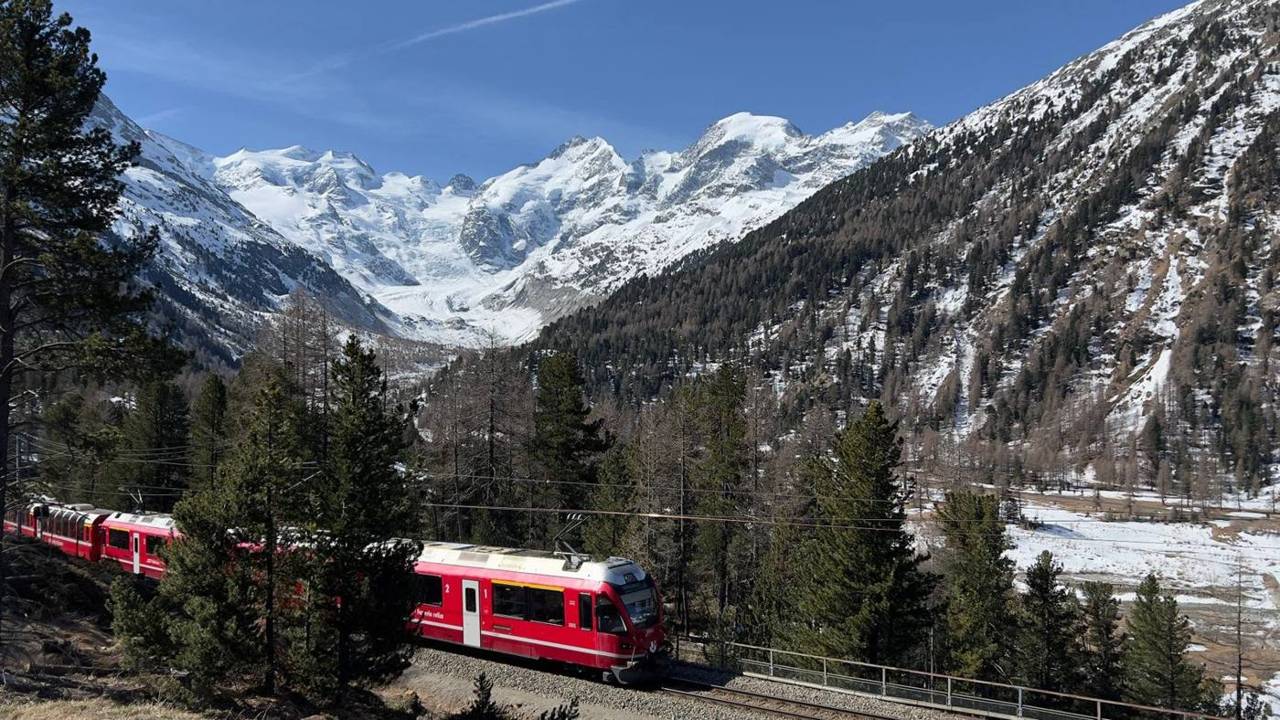 10 daysEasy
The Grand Train Tour
Switzerland by panoramic train: Zurich, Lucerne, the GoldenPass to Montreux, Zermatt with the Glacier Express and the Bernina Express to Tirano.