Lake Geneva and Lavaux
International Geneva, Lausanne and the Olympic Museum, the UNESCO-listed terraced vineyards of Lavaux, Vevey, Montreux and Chillon Castle.
- Genève
- Lausanne
- Lavaux
- Vevey
- Montreux
- Chillon
Day by day
- Day 1
Geneva, the old town and the Jet d'Eau
This trip follows the Swiss shore of Lake Geneva, Lac Léman, in five days: international Geneva, Lausanne with its cathedral and Olympic Museum, the terraced vineyards of Lavaux, Vevey, Montreux and Chillon Castle. This is French-speaking Switzerland, elegant and relaxed, to explore by train and boat.
Before you go: Italian citizens only need an electronic identity card valid for travel abroad or a passport, with no visa. Switzerland is not in the European Union but is in the Schengen area; you pay in Swiss francs, and driving on motorways requires the vignette. Other nationalities should check their own rules. The country is very safe; in stations and on crowded trams in Geneva keep an eye on your wallet and phone.
You arrive at Geneva airport, a few minutes by train from the centre. In the afternoon climb into the old town, on the hill, up to St Peter's Cathedral: Calvin preached here, and from the towers you see the lake and the rooftops. Beneath the cathedral there is a large archaeological site with the remains of older churches. Check prices and times.
Then go down to the Parc des Bastions, where the Reformation Wall shows the great statues of Calvin and the other fathers of the Protestant Reformation.
Towards evening walk along the lakeside to the Jet d'Eau, the water jet about 140 metres high, symbol of the city, and walk out along the jetty to see it up close; in the wind it will soak you.
Practical tip: anyone staying in a hotel, hostel or campsite in Geneva receives a card for the city's public transport for the whole stay: ask for it at check-in.
- Day 2
The Palais des Nations and CERN
Today you see international Geneva, home to dozens of world organisations, and the laboratory where the web was born.
In the morning take the tram to the Place des Nations, with the Broken Chair, the huge wooden chair with a broken leg, a symbol of the fight against landmines. Opposite is the Palais des Nations, the European headquarters of the United Nations, built in the 1930s for the League of Nations. You can visit it on guided tours, bringing an identity document. Check prices and times. Nearby is the International Red Cross and Red Crescent Museum, which tells the story of humanitarian aid since the movement was founded in Geneva.
At midday have lunch in the international district or head back towards the lake and eat in the Ariana park.
In the afternoon take the tram to Meyrin and visit CERN, the European laboratory for particle physics, where Tim Berners-Lee proposed the World Wide Web in 1989. The Science Gateway, opened in 2023, has interactive exhibitions on the universe and on accelerators; some guided tours are booked online. Check prices and times.
In the evening go back to the centre and walk around Carouge, an 18th-century Sardinian town, with low houses, courtyards and craft workshops.
Practical tip: for the Palais des Nations book your tour on the official website and bring your passport or identity card, because there are airport-style security checks at the entrance.
- Day 3
Lausanne, the cathedral and the Olympic Museum
Today you take the train to Lausanne, in about forty minutes, a city built on steep hills above the lake.
In the morning climb to the cathedral of Notre-Dame, one of the finest Gothic monuments in Switzerland, with its painted portal and 13th-century rose window. Every night, from 10pm to 2am, a watchman calls out the hour from the tower over the city, a tradition that goes back centuries. Check prices and times. Then go down into the old town, past the Place de la Palud with its animated clock and the covered market steps.
At midday take the metro down to Ouchy, on the lake: Lausanne is the smallest city in the world with a metro, which climbs very steep gradients.
In the afternoon visit the Olympic Museum, in a park on the shore, because Lausanne is home to the International Olympic Committee. It tells the story of the Games from ancient Greece to today, with torches, medals and athletes' equipment. Check prices and times. Then walk along the Ouchy lakeside, with views of the French Alps across the water.
In the evening try fillets of perch or a papet vaudois, leeks and potatoes with cabbage sausage.
Practical tip: in Lausanne too, anyone staying in the city receives a card valid on public transport: use it for the metro between the station, the cathedral and Ouchy.
- Day 4
Walking through the Lavaux vineyards to Vevey
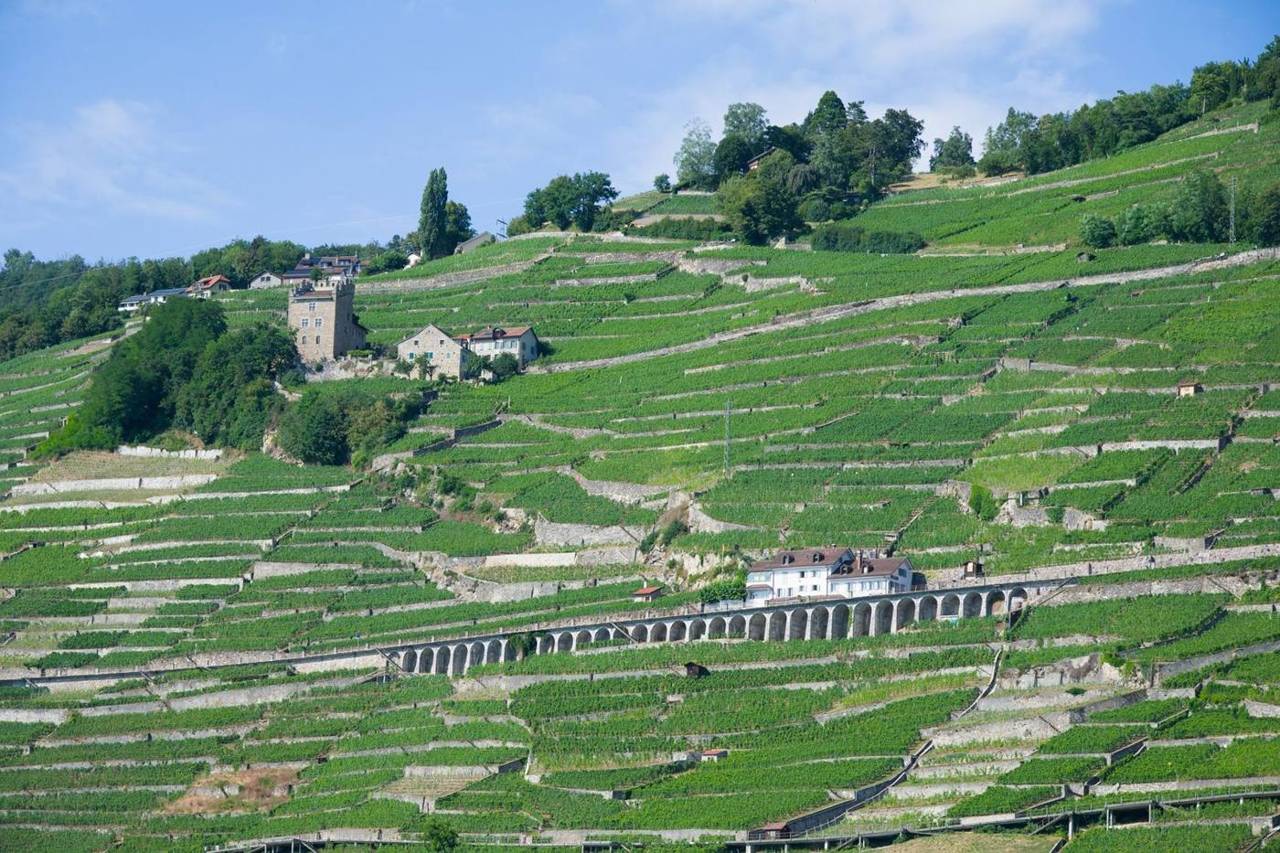
Today you walk through the vineyards of Lavaux, a UNESCO World Heritage Site since 2007, one of the most beautiful walks in Switzerland.
In the morning take the regional train from Lausanne to Cully or Lutry. The terraces of Lavaux run down to the lake along about thirty kilometres of shore, held up by stone walls built by monks from the Middle Ages onwards. The main grape here is Chasselas, a white variety that makes a light, mineral wine.
Follow the marked path through the vines, passing the villages of Epesses, Riex and Saint-Saphorin, with their stone houses and small churches. The route is easy, but with ups and downs; from Cully to Saint-Saphorin takes about three hours. The lake below you reflects the light and the mountains of Savoy.
At midday stop at a caveau, the village cellar where winegrowers take turns to serve their wine, and taste a glass with cheese and bread. Check prices and times.
In the afternoon go down to Vevey, on the shore. Look at the giant fork planted in the water in front of the Alimentarium, the food museum, and at the statue of Charlie Chaplin, who spent his last years in Corsier-sur-Vevey, on the hill, in the house that is now a museum.
Practical tip: bring water, a hat and comfortable shoes: there is no shade on the terraces. If you get tired, the little tourist train and the regional trains link the villages.
- Day 5
Montreux, Chillon Castle and departure
On your last day follow the shore to Montreux and Chillon Castle, then set off home.
In the morning take a historic paddle steamer from Vevey to Montreux: several Belle Époque steamers still sail on the lake. In Montreux stroll along the flower-lined lakeside, with palm trees and the statue of Freddie Mercury facing the water.
Continue on foot towards Territet and Veytaux, in about an hour, to Chillon Castle, on a rocky islet linked to the shore by a bridge. It was a fortress of the Counts of Savoy, who controlled the road between the lake and the mountains. Visit the halls, the painted chapels and the dungeons, where Lord Byron set his poem The Prisoner of Chillon. Check prices and times.
In the afternoon return to Montreux by bus or train and leave for Geneva or Valais.
In five days you have seen French-speaking Switzerland: the international city of Geneva, the cathedral and Olympic Museum of Lausanne, the terraced vineyards of Lavaux, Vevey and the castle on the water at Chillon. It is an easy trip, suitable for everyone, with just one long walk.
When to go: from May to October, when the boats run their full timetable and the vines are green; September and October are harvest time. In July there is the Montreux Jazz Festival, with many concerts and expensive beds.
Practical tip: Geneva is one of the most expensive cities in the world: staying in Lausanne or Vevey often costs less, and trains along the lake are frequent.
French-speaking Switzerland, elegant and relaxed, with vintage steamboats on the lake. The walk through the Lavaux vineyards is easy and offers one of the country's finest views. Geneva is among the world's most expensive cities; hotel guests receive a no-cost transport card. The Montreux Jazz Festival is in July.
Before you go
- Documents and visa
- Switzerland is not in the EU but is in the Schengen area. British visitors can stay up to 90 days in any 180 days without a visa, and the EU Entry/Exit System applies. Motorways need the vignette, as a sticker or an e-vignette from the official website.
- Health and vaccines
- No vaccines required. Healthcare is excellent but very expensive: take travel insurance that covers repatriation and mountain rescue, because helicopter rescue costs a great deal. Watch out for ticks in woods. Emergencies: 112, police 117, fire 118, ambulance 144, Rega air rescue 1414.
- Money and payments
- Swiss franc. Cards are accepted almost everywhere, even for small amounts; euros are taken in many places, but change comes in francs at a poor rate.
- Power sockets
- Swiss type J, 230 volts: you need an adapter for British plugs.
- Time zone
- Central European Time (UTC+1, summer UTC+2).
- Safety
- A very safe country. In the mountains carry the right gear, check the MeteoSwiss forecast and, in winter, the avalanche bulletin. Traffic fines are severe, especially for speeding. Official advice: GOV.UK.
Information checked in November 2026 for Italian and EU citizens. Rules change: always check before you travel.
Variations
Shorter: three days, with Geneva, Lavaux and Montreux.
Longer: add two days in Valais, at Zermatt, reachable by train from Montreux.
Frequently asked questions
How hard is the Lavaux walk?
It is easy and suitable for everyone, but it has ups and downs between the terraces and little shade. From Cully to Saint-Saphorin takes about three hours.
Can you visit the UN in Geneva?
Yes, the Palais des Nations can be visited on guided tours. Book online and bring an identity document; check prices and times.
How do you get around the lake?
By frequent regional trains and by boat, some of them historic steamers. Anyone staying in Geneva or Lausanne receives a card for city transport.
Indicative itinerary written by World Atlas. Before booking, check timetables, seasonal openings, documents and safety.
 5 daysEasy
Ticino
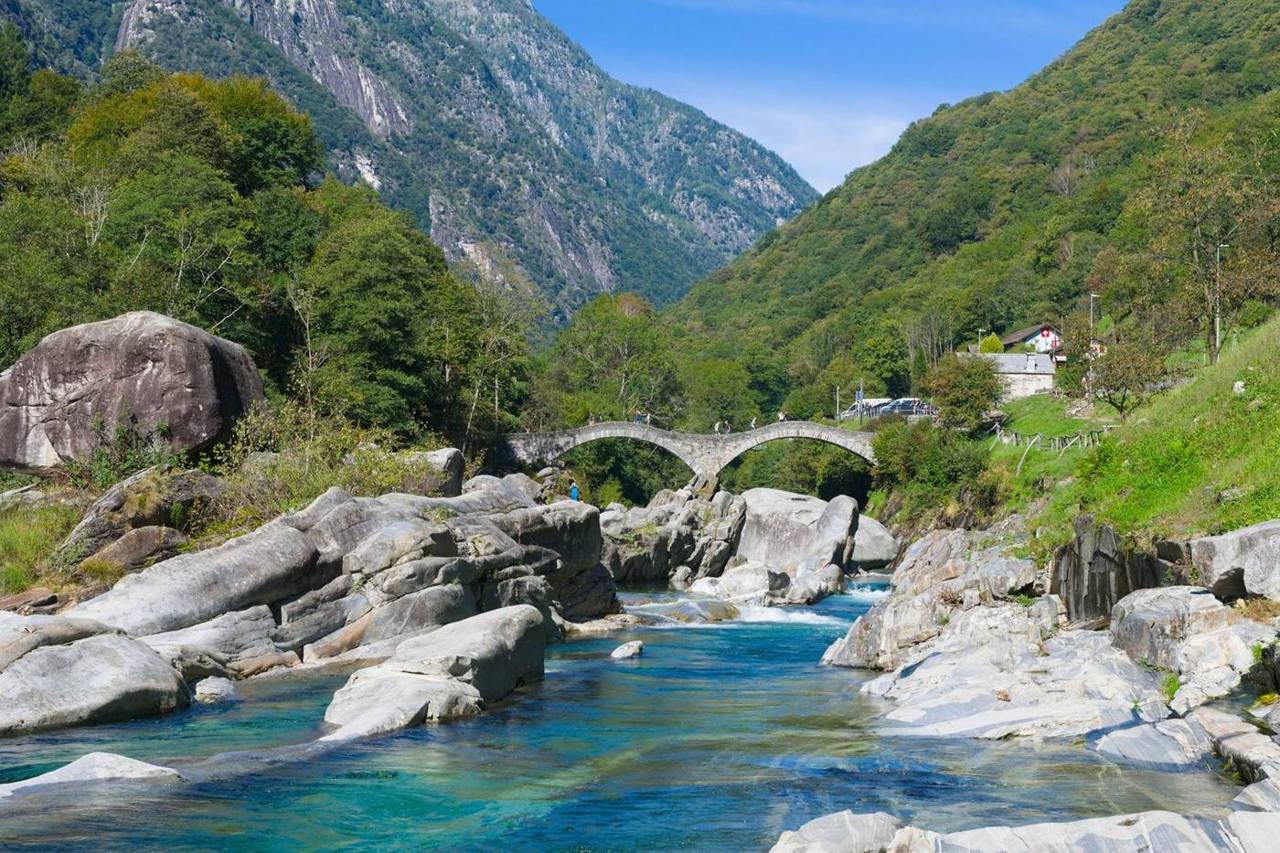
Italian-speaking Switzerland: Lugano and Monte Brè, Locarno, the green waters of the Valle Verzasca and the Ponte dei Salti, the Valle Maggia and the grotti.
 6 daysModerate
The Engadine
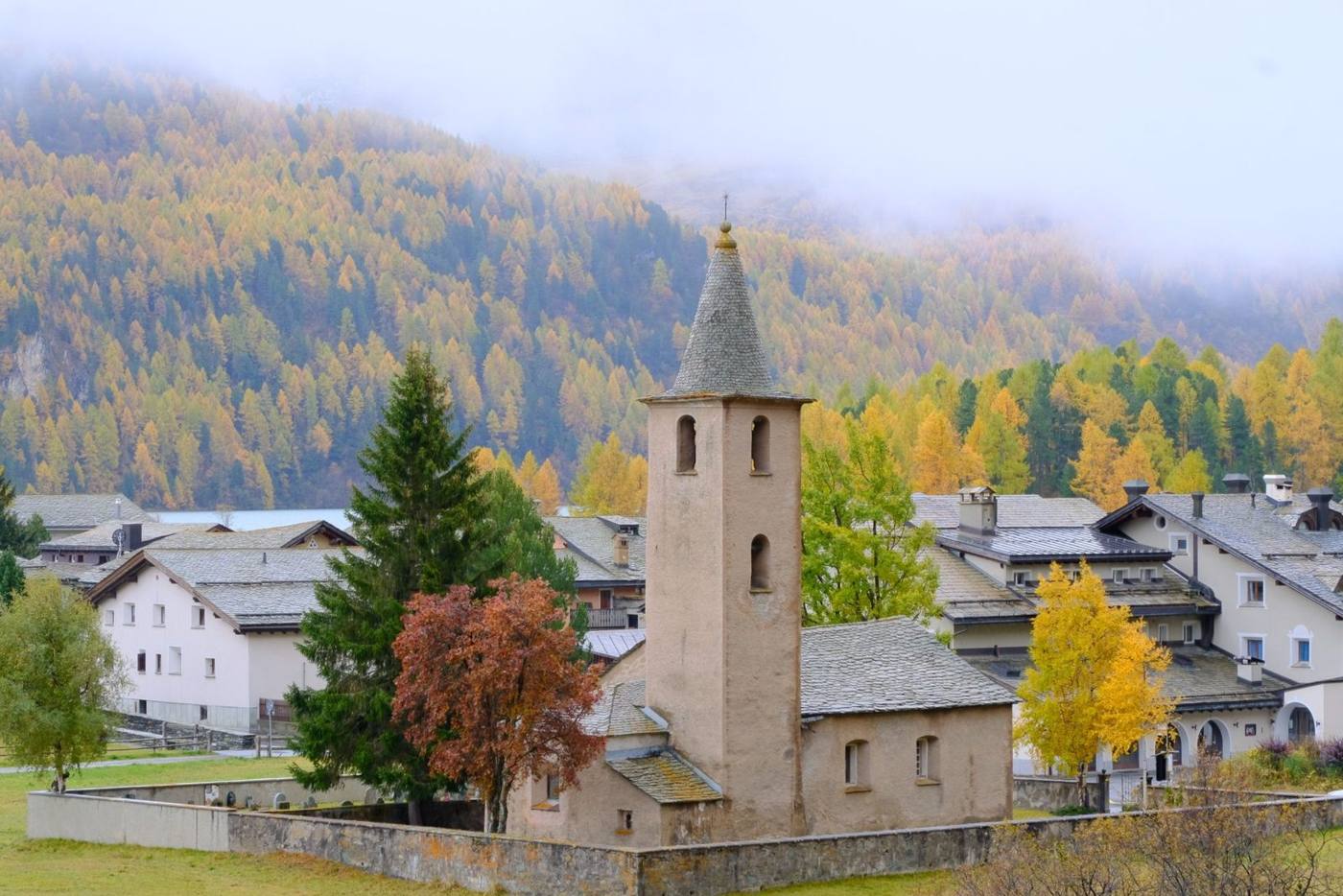
St. Moritz and the lakes of the Upper Engadine, Muottas Muragl, the Val Roseg, the Swiss National Park and the painted villages of Guarda and Scuol.
 4 daysEasy
Lucerne and Central Switzerland
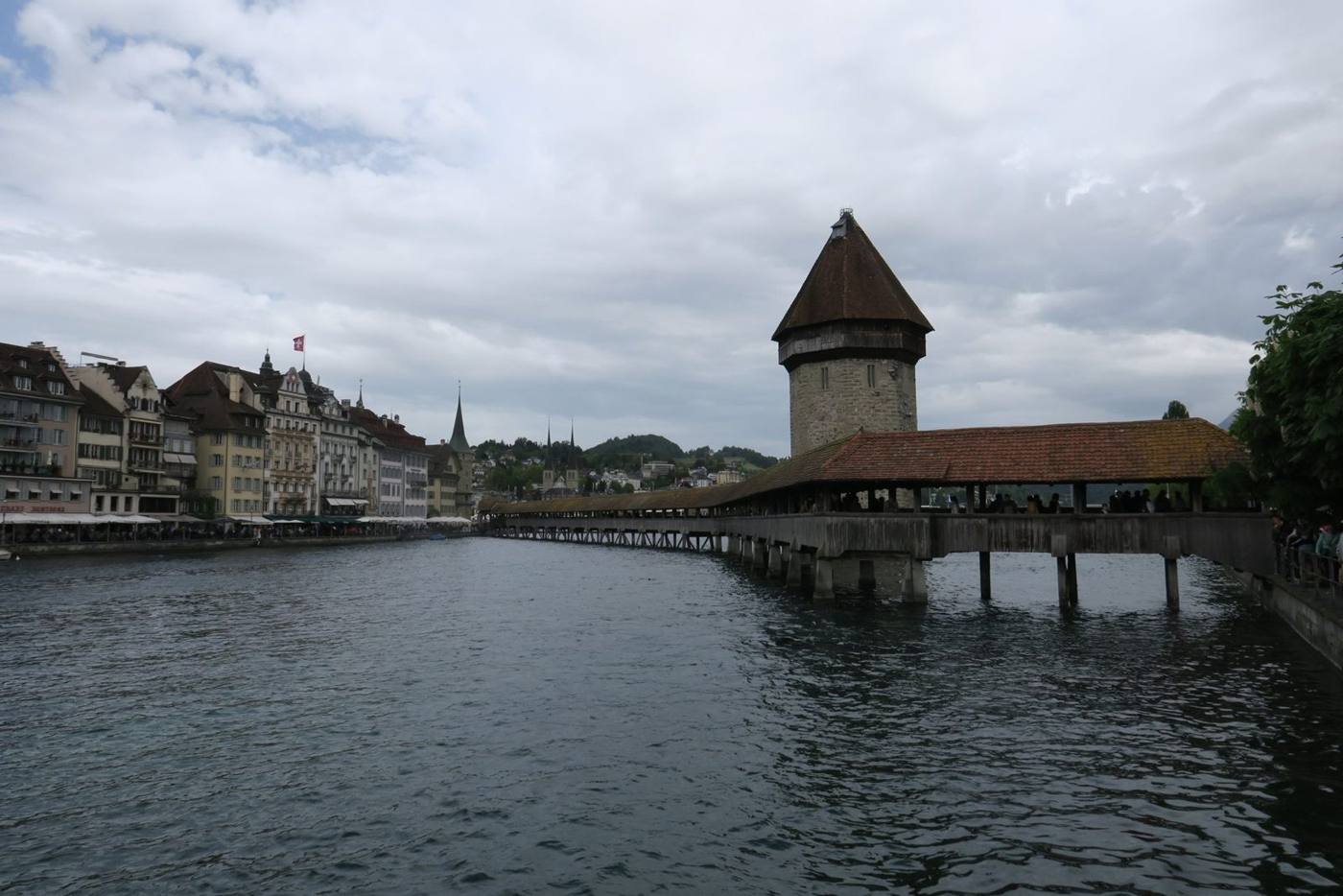
The Chapel Bridge and Lion of Lucerne, a steamer on Lake Lucerne, Pilatus with the world's steepest cogwheel railway and the Rigi.