Glacier Express and Bernina Express
The two most famous panoramic trains in the Alps: from Zermatt to St. Moritz over the Oberalp, then down to Tirano over the Brusio viaduct.
- Zermatt
- Andermatt
- Oberalp
- Landwasser
- St. Moritz
- Alp Grüm
- Brusio
- Tirano
Day by day
- Day 1
Zermatt, the village at the foot of the Matterhorn
This trip joins the two most famous panoramic trains in the Alps: the Glacier Express, from Zermatt to St. Moritz over the Oberalp Pass, and the Bernina Express, from St. Moritz down to Tirano, in Italy. These are five easy days, mostly sitting by a window, with two stops in the mountains.
Before you go: Italian citizens only need an electronic identity card valid for travel abroad or a passport, with no visa. Switzerland is not in the European Union but is in the Schengen area; you pay in Swiss francs, and driving on motorways requires the vignette. Other nationalities should check their own rules. The country is very safe; for high walks wear proper shoes and take insurance that covers mountain rescue.
You arrive in Zermatt by train: the village is closed to private cars, which are left in Täsch, where a rail shuttle takes you up in a few minutes. Along the main street you can already see the Matterhorn, 4,478 metres, the most famous rock pyramid in the Alps.
In the afternoon walk through the old quarter of Hinterdorf, with barns of blackened larch raised on flat stones to keep the mice out. Visit the Matterhorn Museum, devoted to the first ascent in 1865 and the tragedy on the descent. Check prices and times. Then walk up to the mountaineers' cemetery, near the church, where many climbers are buried.
At sunset stand on the bridge over the Vispa, near the church, and watch the summit of the Matterhorn glow pink.
Practical tip: book your seat on the Glacier Express well in advance, because reservations are compulsory and in summer seats sell out quickly.
- Day 2
Glacier Express, from Zermatt to St. Moritz
Today is Glacier Express day: about eight hours by train from Zermatt to St. Moritz, across 291 bridges and through 91 tunnels, with the Oberalp Pass as the highest point.
In the morning you leave Zermatt and go down the St. Niklaus valley to Visp, then up the Rhône valley, past Valais villages and farmland. After Brig the train enters the Goms valley, wide and green, with villages of dark wooden houses.
At midday you pass through the Furka tunnel and reach Andermatt, a crossroads of the central Alps. From here the train climbs in hairpins on the rack to the Oberalp Pass, at 2,033 metres, near the source of the Rhine, then descends towards the Anterior Rhine valley and Disentis, with its large Benedictine monastery.
In the afternoon you cross the Rhine gorge, the Ruinaulta, carved through the debris of an ancient landslide, with white cliffs above the river. After Chur the train joins the Albula line, a UNESCO World Heritage Site, and crosses the Landwasser viaduct, about 65 metres high, which runs straight into a tunnel in the rock. Then spiral tunnels lift the train up to the Engadine.
You reach St. Moritz in the evening, as the lights are reflected in the lake.
Practical tip: lunch can be ordered at your seat, but bring water and something to eat anyway. With a Swiss Travel Pass the ticket is covered and you only pay the reservation: check prices and times on the official website.
- Day 3
St. Moritz, the lake and Muottas Muragl
Today you stay in the Upper Engadine, a high, bright valley at about 1,800 metres, where Romansh is spoken as well.
In the morning walk around the lake of St. Moritz, in about an hour on a level path. In winter the lake freezes and hosts horse races and polo matches on the ice; in summer you see sails and anglers. Then go up into the village centre to see the leaning tower, the remains of an old church, and the Segantini museum, devoted to the painter who depicted these mountains. Check prices and times.
At midday take the regional train or bus to Punt Muragl and ride the funicular up to Muottas Muragl, at about 2,450 metres. From the terrace you see the whole chain of Upper Engadine lakes, from St. Moritz to Sils, with the Maloja at the end.
In the afternoon follow the panoramic path from Muottas Muragl towards Alp Languard, above Pontresina, in about three hours with little climbing. On the way you see the Val Roseg and the Bernina group with its glaciers. From Alp Languard a chairlift goes down to Pontresina.
In the evening try pizzoccheri or capuns, chard leaves wrapped around a spätzli dough, typical dishes of Graubünden.
Practical tip: guests staying overnight in many Engadine resorts in summer receive a guest card that includes lifts and local transport: ask for it on arrival and check what it covers.
- Day 4
Bernina Express, Alp Grüm and the Brusio viaduct
Today you go down from the Engadine to Italy on the Bernina Express, on the Bernina line, a UNESCO World Heritage Site since 2008 together with the Albula line.
In the morning you leave St. Moritz and climb towards the Bernina Pass, beside the Morteratsch glacier. The train reaches Ospizio Bernina, at 2,253 metres, the highest point of the line, next to Lago Bianco. Here you are above the tree line, among rocks and snow even in summer.
Get off at Alp Grüm, a small station perched above the Poschiavo valley: in front of you is the Palü glacier and below you the railway's hairpin bends. The gradient reaches 7 per cent without a rack, one of the steepest in the world for an adhesion railway. To get off and back on you need the regional trains, because a seat reservation on the Bernina Express is valid for one journey only.
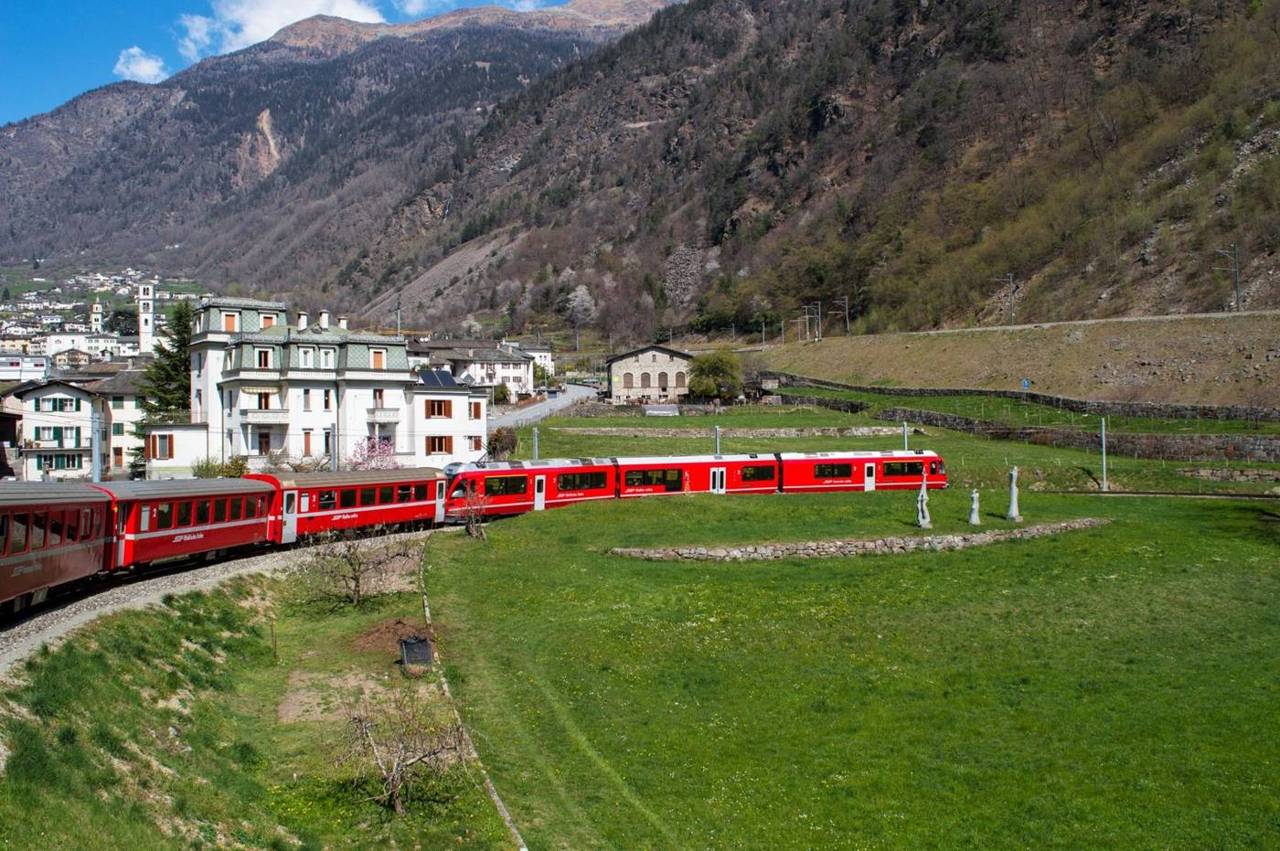
In the afternoon get back on the train and go down to Poschiavo, an Italian-speaking town with a square and the houses of merchants who came home from abroad. Further down the train crosses the circular viaduct of Brusio, a stone spiral that turns the railway around on itself to lose height.
You arrive in Tirano, where the train crosses the square in front of the sanctuary of the Madonna di Tirano, like a tram.
Practical tip: regional trains on the same line have windows that open and are excellent for photos, but leaning out is forbidden and dangerous in the tunnels.
- Day 5
Tirano and the return to Italy
You spend your last day in Tirano, in the Valtellina, before heading home.
In the morning visit the sanctuary of the Madonna di Tirano, built from 1505 on the site of an apparition, with its Renaissance façade and great carved wooden organ. Check prices and times. Then walk around the historic centre, across the river Adda, among the palaces of noble families and the narrow streets.
At midday have lunch with Valtellina pizzoccheri, buckwheat pasta with cabbage, potatoes and cheese, and try bresaola. All around, on the sunny slopes, are the terraced vineyards of the Valtellina wines.
In the afternoon you leave: regional trains run from Tirano to Sondrio, Lake Como and Milan. Sit on the lake side after Colico to see the waters of Lake Como.
In five days you have crossed the Swiss Alps from west to east and then from north to south: the Matterhorn at Zermatt, the bridges and tunnels of the Glacier Express, the lakes of the Engadine and the spectacular descent of the Bernina line to Italy. It is a comfortable trip, suitable for everyone, with short walks.
When to go: from June to September for green meadows and open paths; in winter for the snow, when the trains run through white landscapes and the Engadine is perfect for skiing. In spring and autumn some lifts close for maintenance.
Practical tip: if you go back to Switzerland by car, remember the motorway vignette, and if you travel by train check the connections between the Swiss and Italian railways.
Two days on trains that are a journey in themselves, easy to reach from Italy. Seats in the panoramic carriages require a supplement and sell out early in summer. Regular RhB regional trains run the same Bernina route, with windows that open for photos and no supplement.
Before you go
- Documents and visa
- Switzerland is not in the EU but is in the Schengen area. British visitors can stay up to 90 days in any 180 days without a visa, and the EU Entry/Exit System applies. Motorways need the vignette, as a sticker or an e-vignette from the official website.
- Health and vaccines
- No vaccines required. Healthcare is excellent but very expensive: take travel insurance that covers repatriation and mountain rescue, because helicopter rescue costs a great deal. Watch out for ticks in woods. Emergencies: 112, police 117, fire 118, ambulance 144, Rega air rescue 1414.
- Money and payments
- Swiss franc. Cards are accepted almost everywhere, even for small amounts; euros are taken in many places, but change comes in francs at a poor rate.
- Power sockets
- Swiss type J, 230 volts: you need an adapter for British plugs.
- Time zone
- Central European Time (UTC+1, summer UTC+2).
- Safety
- A very safe country. In the mountains carry the right gear, check the MeteoSwiss forecast and, in winter, the avalanche bulletin. Traffic fines are severe, especially for speeding. Official advice: GOV.UK.
Information checked in November 2026 for Italian and EU citizens. Rules change: always check before you travel.
Variations
Shorter: three days, with the Glacier Express from Zermatt and the Bernina Express the next day.
Longer: add two days in Zermatt for the Gornergrat and the Five Lakes Walk.
Frequently asked questions
Do you need to book the panoramic trains?
Yes, seat reservations are compulsory on the Glacier Express and the Bernina Express, with a supplement. In summer book months ahead.
Can you do the Bernina route without the panoramic train?
Yes, regional trains run on the same line, with windows that open and no reservation supplement.
Does the Swiss Travel Pass cover these trains?
It covers the travel ticket, but the seat reservation is paid separately. Check prices and times on the official railway website.
Indicative itinerary written by World Atlas. Before booking, check timetables, seasonal openings, documents and safety.
 5 daysEasy
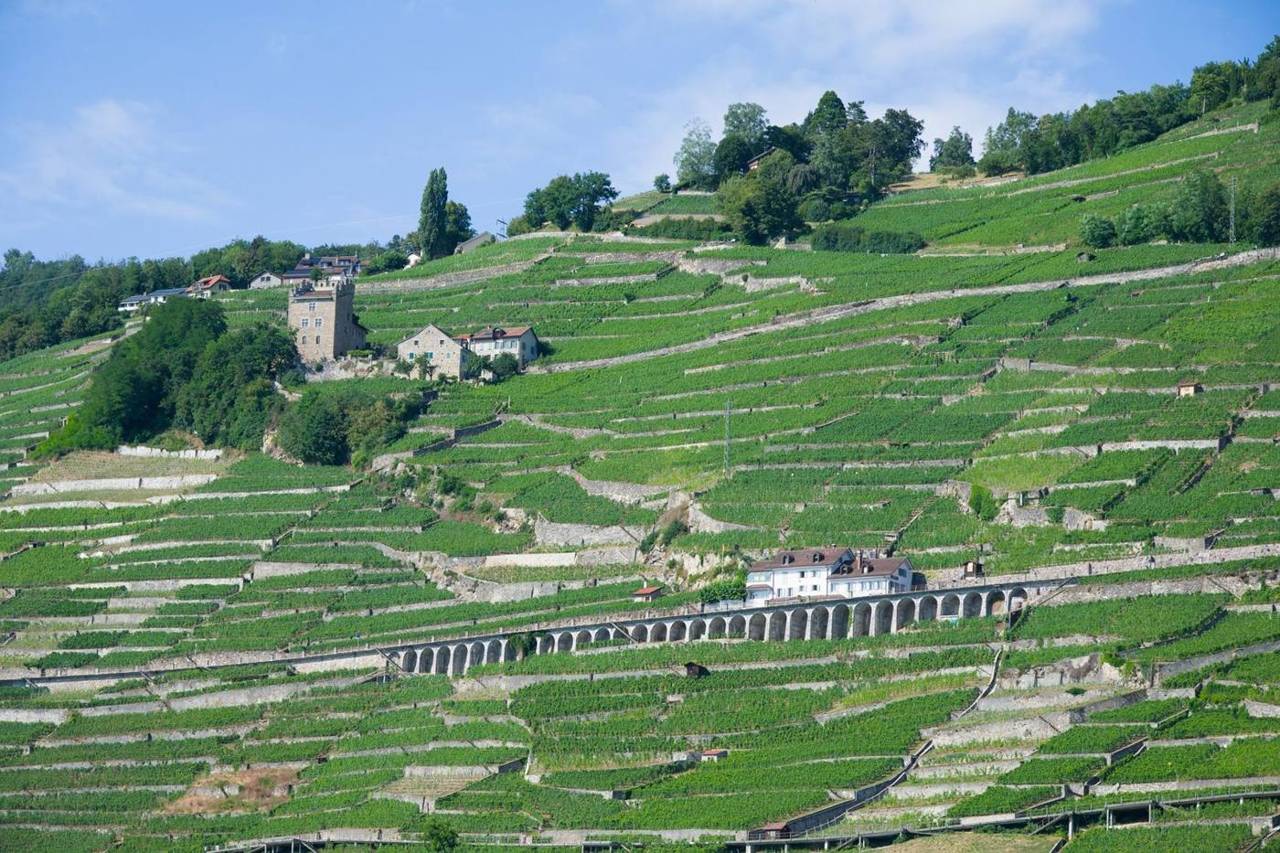
Lake Geneva and Lavaux
International Geneva, Lausanne and the Olympic Museum, the UNESCO-listed terraced vineyards of Lavaux, Vevey, Montreux and Chillon Castle.
 5 daysEasy
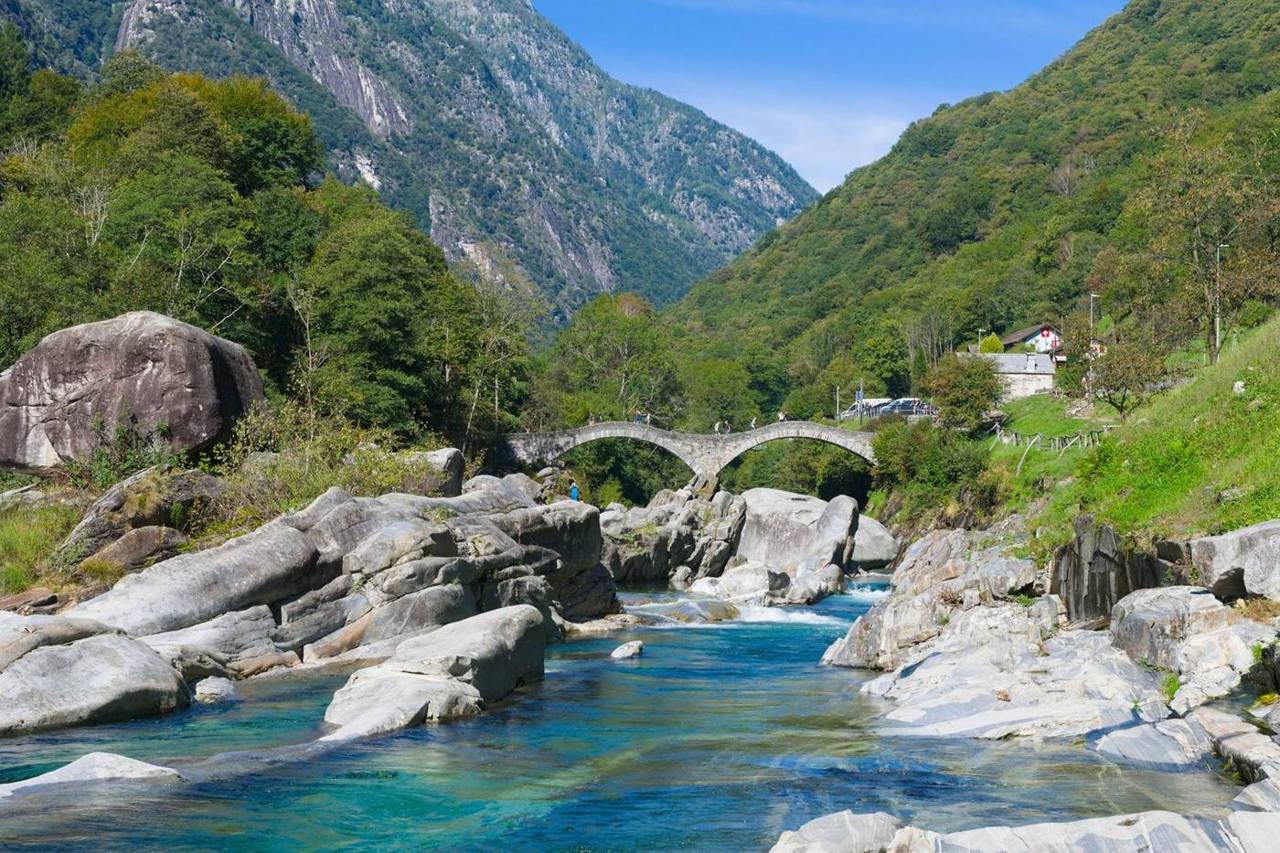
Ticino
Italian-speaking Switzerland: Lugano and Monte Brè, Locarno, the green waters of the Valle Verzasca and the Ponte dei Salti, the Valle Maggia and the grotti.
 6 daysModerate
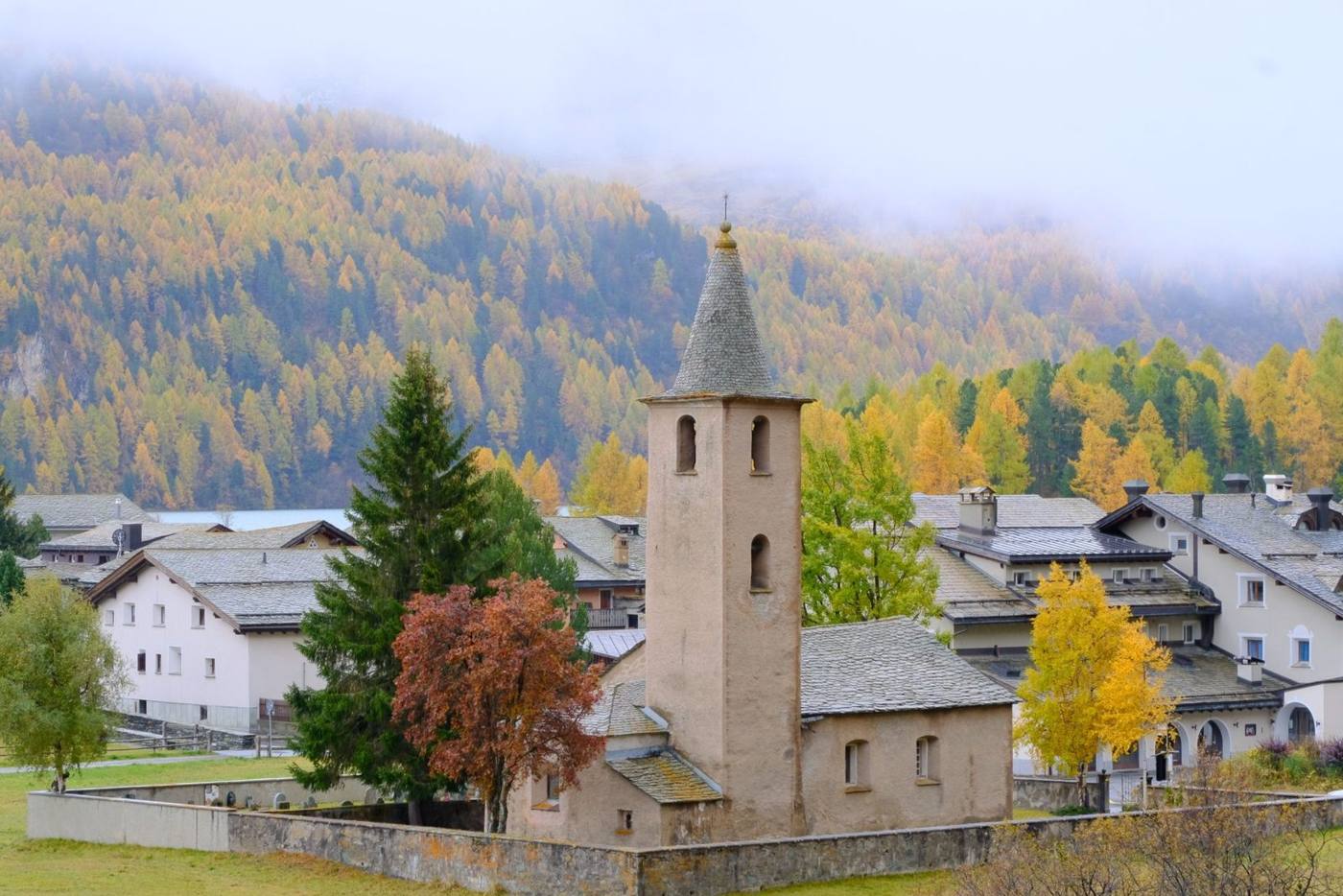
The Engadine
St. Moritz and the lakes of the Upper Engadine, Muottas Muragl, the Val Roseg, the Swiss National Park and the painted villages of Guarda and Scuol.