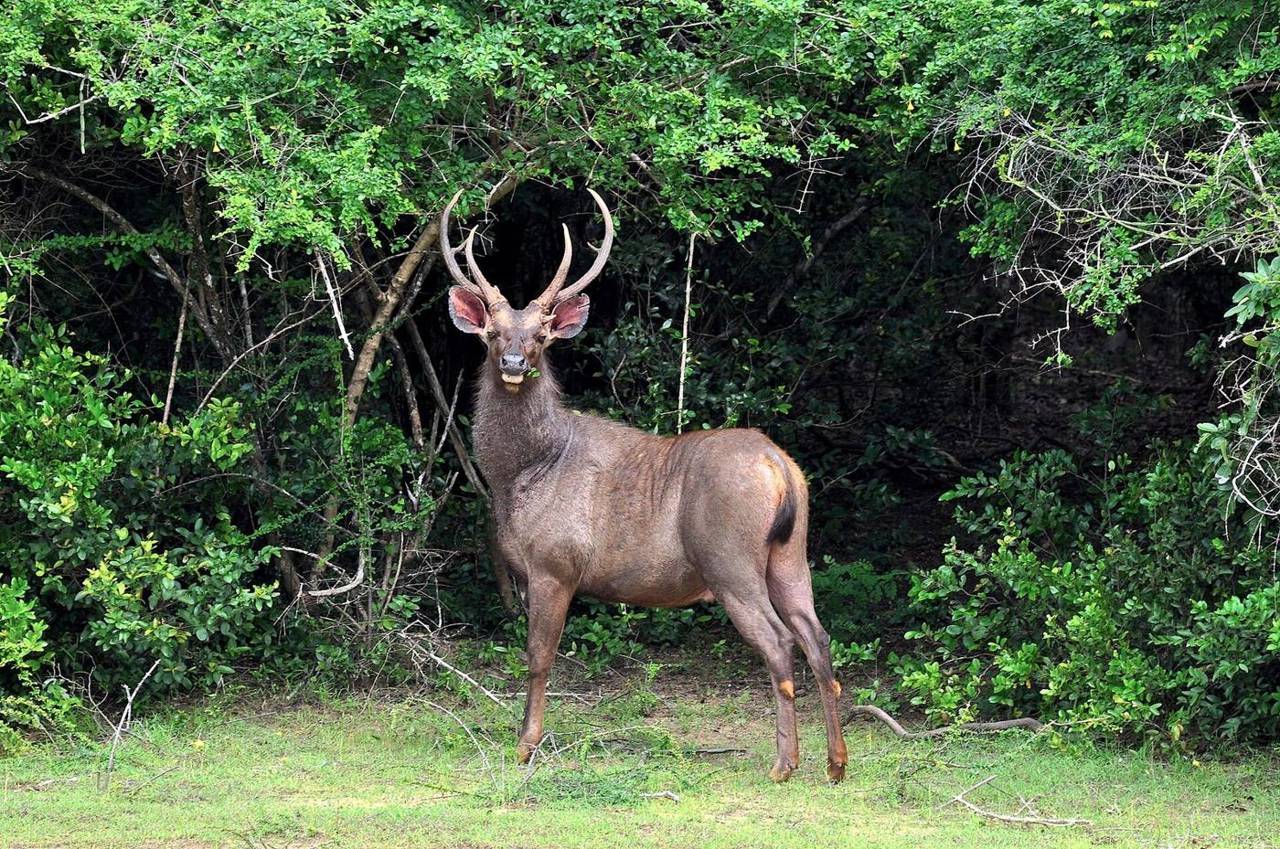
Wilpattu and Kalpitiya
The lesser-known west coast: Wilpattu, the island's largest park, with natural lakes called villus where you look for leopards and sloth bears without Yala's lines of jeeps, then the Kalpitiya lagoon for kitesurfing and, in season, boat trips for dolphins and whales.
- Negombo
- Wilpattu
- Kalpitiya
Day by day
- Day 1
Arrival in Negombo and the road to Wilpattu
This trip explores the lesser-known west coast of Sri Lanka: Wilpattu National Park, the largest on the island, where you look for leopards and sloth bears without the jeep queues of the more famous parks, and the Kalpitiya lagoon, with kitesurfing and boat trips to see dolphins.
Before you go: Italian citizens enter Sri Lanka with a passport valid for at least six months and with the ETA, the electronic travel authorisation to apply for before leaving on the official website eta.gov.lk. Since 25 May 2026 the tourist ETA for Italian passports costs nothing, is valid for 30 days and allows two entries. Other nationalities should check their own rules. Cyclone Ditwah, in November and December 2025, caused landslides and serious damage to roads and railways: check conditions before every journey. Viaggiare Sicuri advises against driving yourself, recommends a local driver and advises against travelling at night. Do not show Buddha tattoos: they can lead to deportation.
You arrive at the international airport, very close to Negombo, a fishing town with Catholic churches, a lagoon and a fish market. If you arrive in the morning, look at the traditional boats and the fish laid out to dry in the sun on the beach.
Then set off north with a driver, along the coast, through coconut plantations, salt pans and lagoons. The journey to the Wilpattu entrance takes a few hours. Arrive before dark.
Sleep near Wilpattu, for two nights.
Practical tip: if your flight lands in the evening, sleep in Negombo and leave the next morning; book the full-day safari in advance with an operator registered with the Department of Wildlife Conservation.
- Day 2
A full-day safari in Wilpattu
Today you spend the whole day in Sri Lanka's largest park.
At dawn enter Wilpattu National Park by jeep. The name means land of lakes: in the dry forest open the villus, shallow natural lakes surrounded by white sand, which fill with the rains. Animals gather around the water, and that is where the tracker, the park guide who rides in the jeep, takes you to look for them.
Wilpattu is famous for the leopard, which here is seen by day along the tracks or on branches, and for the sloth bear, shy and easier to see when the trees are in fruit. You also see elephants, spotted deer, sambar, buffalo, mugger crocodiles, monitor lizards and many birds, such as painted storks, fish eagles and hornbills.
At midday have lunch at the authorised rest area, the only place where you can get out of the jeep.
In the afternoon continue the safari to the exit, before closing time.
The rules of the Department of Wildlife Conservation apply to everyone: only registered jeeps and authorised drivers, stay in the vehicle, do not feed the animals, no noise, stay on the marked tracks, give way to the animals and take your rubbish back. Check prices and times.
Sleep near Wilpattu.
Practical tip: dress in neutral colours, such as beige and green, bring binoculars, a light jacket for the early morning and plenty of water.
- Day 3
Transfer to Kalpitiya
Today you leave the forest and reach the sea.
In the morning, if you like, take one more short safari at dawn, or rest after yesterday's long day.
Then set off south-west with your driver to the Kalpitiya peninsula, a long strip of sand between the Puttalam lagoon and the Indian Ocean. The journey takes a couple of hours. On the way you see the Puttalam salt pans, where salt is gathered by hand from the basins, onion fields and coconut plantations.
In the afternoon walk on the beach, wide and quiet, with fishing boats pulled up on the shore, and watch village life, among communities of Catholic, Muslim and Buddhist fishermen. In the town of Kalpitiya there is an old Dutch church and a seventeenth-century fort, now used by the navy.
At sunset watch the sun go down over the ocean, with the colours reflected on the lagoon.
In the evening try the fish and crabs from the lagoon, cooked in curry with coconut milk, or grilled cuttlefish.
Sleep in Kalpitiya, for two nights.
Practical tip: the sea on the open beach can have strong currents: swim only where you are told it is safe, or in the lagoon, where the water is shallow and calm.
- Day 4
The lagoon, kitesurfing or the dolphin boat
Today you choose between the wind on the lagoon and trips out to sea.
If you love kitesurfing, the Kalpitiya lagoon is one of the best places in South Asia to learn and practise: the water is shallow, flat and warm, and the wind blows strong and steady, above all from May to September and from December to February. There are schools with instructors for all levels. Choose those with well-kept equipment and insurance.
If you prefer animals, at dawn go out by boat into the ocean to look for dolphins. In the right season, usually from November to April, when the sea is calmer, you see large pods of spinner dolphins, which leap and spin out of the water, and sometimes sperm whales. Boats must keep their distance, not chase the animals and not surround them. Check prices and times.
In the afternoon go snorkelling at Bar Reef, a protected marine area off the peninsula, if the sea allows, or explore the lagoon by kayak among the mangroves, with herons and kingfishers.
In the evening relax on the beach.
Sleep in Kalpitiya.
Practical tip: dolphin trips depend very much on the sea; ask about conditions the day before, and if it is too windy do not hesitate to give up.
- Day 5
Return to the airport
Today you head back to the airport.
In the morning enjoy one last walk on the beach or one last kite session at dawn, when the wind is lighter.
Then set off south with your driver, along the coast, to the international airport near Negombo. The journey takes a few hours; allow a wide margin for traffic and checks. If you have time, stop in Negombo to see the fish market on the beach, the lagoon and the old Dutch canal, dug to carry cinnamon and other goods.
In five days you have seen the quietest west coast of Sri Lanka: the villus of Wilpattu with leopards, sloth bears and elephants, the Puttalam salt pans, the Kalpitiya peninsula with its lagoon, the wind for kitesurfing and the dolphins in the ocean.
When to go: from February to October for Wilpattu, when the park is drier and the animals gather around the villus. The wind for kitesurfing blows above all from May to September and from December to February; dolphin trips are usually best from November to April. October and November bring heavy rain.
Practical tip: around Wilpattu and Kalpitiya there are few cash machines: withdraw money in Negombo before setting off and carry enough cash for safaris, boats and tips.
Wind for kitesurfing blows mainly from May to September and from December to February. Dolphin trips depend heavily on the sea: ask about conditions the day before. A passport and an online ETA are needed; it has been no-cost for Italians since 25 May 2026 and is valid 30 days.
Before you go
- Documents and visa
- Passport valid for at least six months with two consecutive blank pages, plus the ETA, the electronic travel authorisation to apply for before leaving on the official website eta.gov.lk. Since 25 May 2026 the tourist ETA for Italian passports costs nothing: it is valid for 30 days and allows two entries; to stay longer you need a paid extension.
- Health and vaccines
- No vaccinations are compulsory for travellers from Italy. Malaria has been eliminated, but dengue and chikungunya are rising, especially during the monsoons: use insect repellent and if you have a fever see a doctor at once, without taking aspirin. After a bite from a stray animal you need rabies treatment. Drink bottled water. Outside the big cities hospitals are often basic: you need insurance covering medical costs and repatriation. Emergencies: 119.
- Money and payments
- Sri Lankan rupee (LKR). Cards work in hotels and larger shops; carry cash for tuk tuks, markets, temples and small places. Change money at banks or authorised exchange offices.
- Power sockets
- Types D and G, 230 volts: bring a universal adapter.
- Time zone
- UTC+5:30 all year.
- Safety
- Public order is generally stable. Cyclone Ditwah, in November and December 2025, caused landslides and serious damage to roads and railways: the train line from Colombo returned to Peradeniya, on the edge of Kandy, only in October 2026, and the section to Badulla has not yet been restored. During the monsoons further landslides and closures are possible: check the forecast on meteo.gov.lk; the Disaster Management Centre answers on 177. Driving yourself is not advised: use a local driver, and never travel at night. Buy train tickets only on the official railway website. Wild elephants can attack: in parks always follow authorised guides. Showing Buddha tattoos or disrespecting sacred images can lead to arrest or deportation; drug laws are very strict. In the north, around Jaffna, Kilinochchi and Mullaitivu, mine clearance is still under way. Official advice: GOV.UK.
Information checked in November 2026 for Italian and EU citizens. Rules change: always check before you travel.
Variations
In three days: a full-day safari in Wilpattu and a day on the Kalpitiya lagoon.
In eight days: add Anuradhapura, the ancient capital with its great stupas, a couple of hours from Wilpattu.
Frequently asked questions
What document do I need for Sri Lanka?
Italian citizens enter with a passport valid for at least six months and the ETA, applied for before leaving on the official website eta.gov.lk; since 25 May 2026 it costs nothing for Italian passports and is valid for 30 days. Other nationalities should check their own rules.
Is it easy to see a leopard in Wilpattu?
It is never certain, but Wilpattu is one of the best places on the island, with far fewer jeeps than Yala. A full-day safari improves your chances.
When is there wind for kitesurfing in Kalpitiya?
Above all from May to September and from December to February. In the months in between the wind is weaker and less regular.
Indicative itinerary written by World Atlas. Before booking, check timetables, seasonal openings, documents and safety.
 5 daysModerate
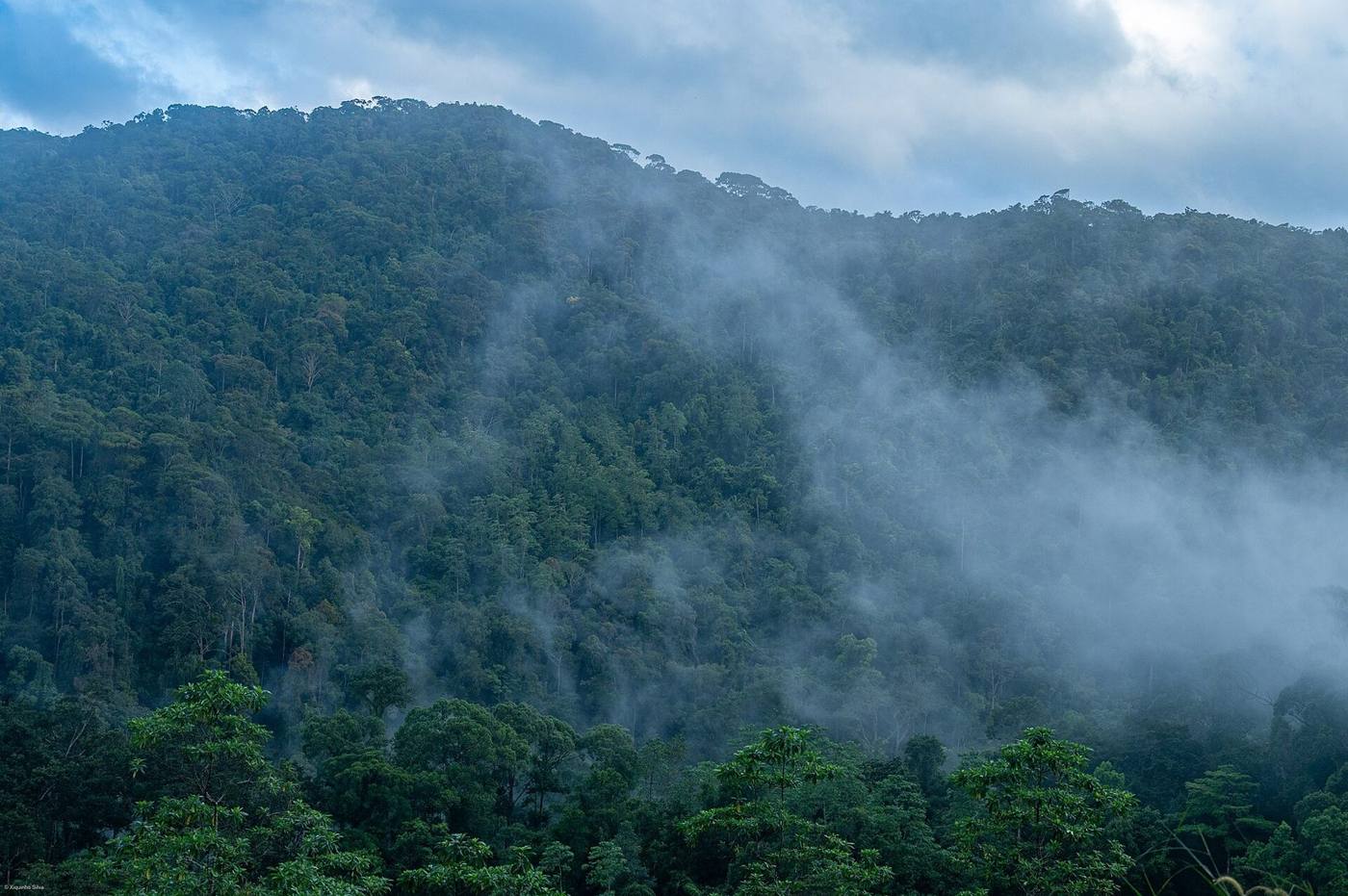
Sinharaja and Udawalawe
From rainforest to elephants: Sinharaja, the island's last large primary rainforest and a UNESCO site, with endemic birds and guided trails, then Udawalawe park, the surest place to see elephant herds, and the centre that raises orphans and returns them to the wild.
 5 daysEasy
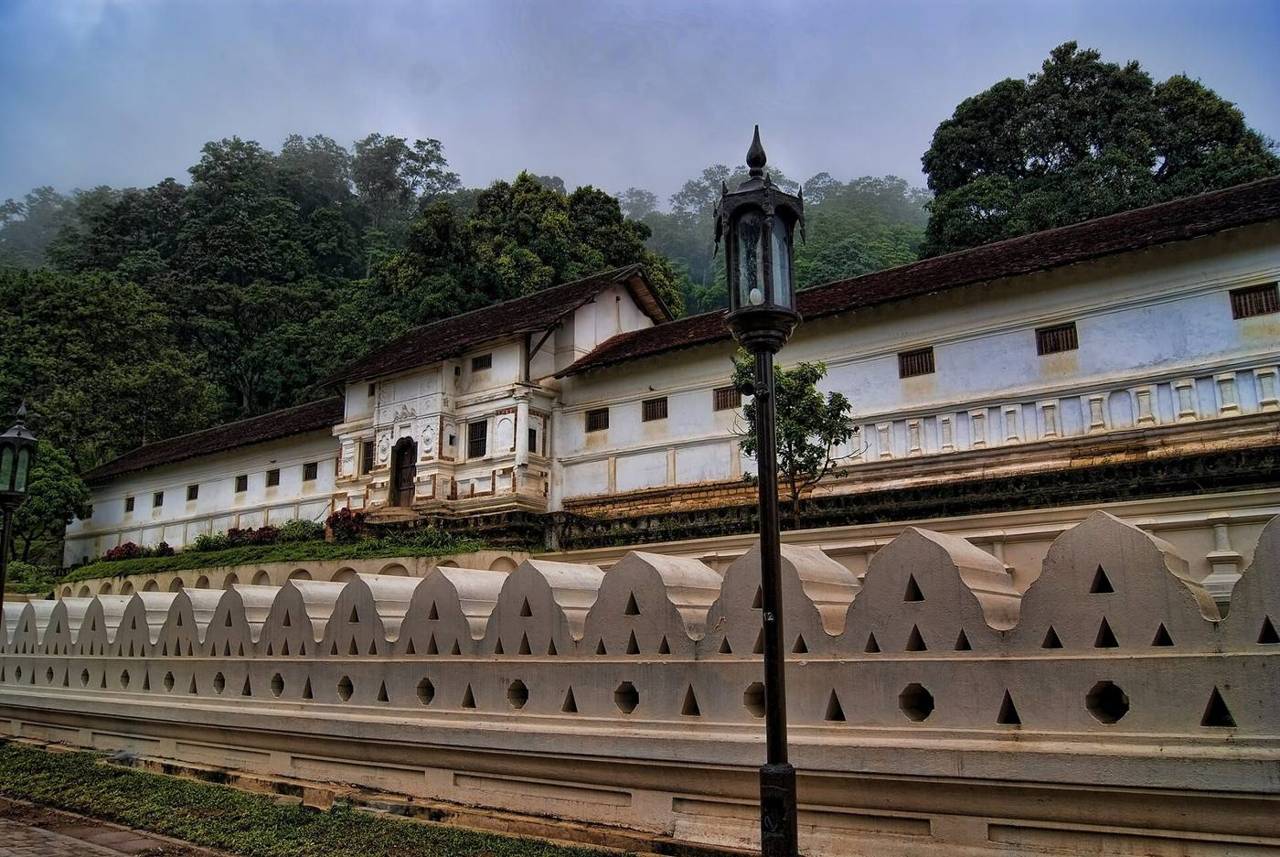
Kandy and the central hills at an easy pace
Five unhurried days around the last capital of the Sinhalese kings: the Temple of the Tooth and Kandy lake, Peradeniya botanical gardens, the temples of Gadaladeniya and Lankatilaka, a tea estate in the Hantana hills and Kandyan dance in the evening.
 6 daysEasy
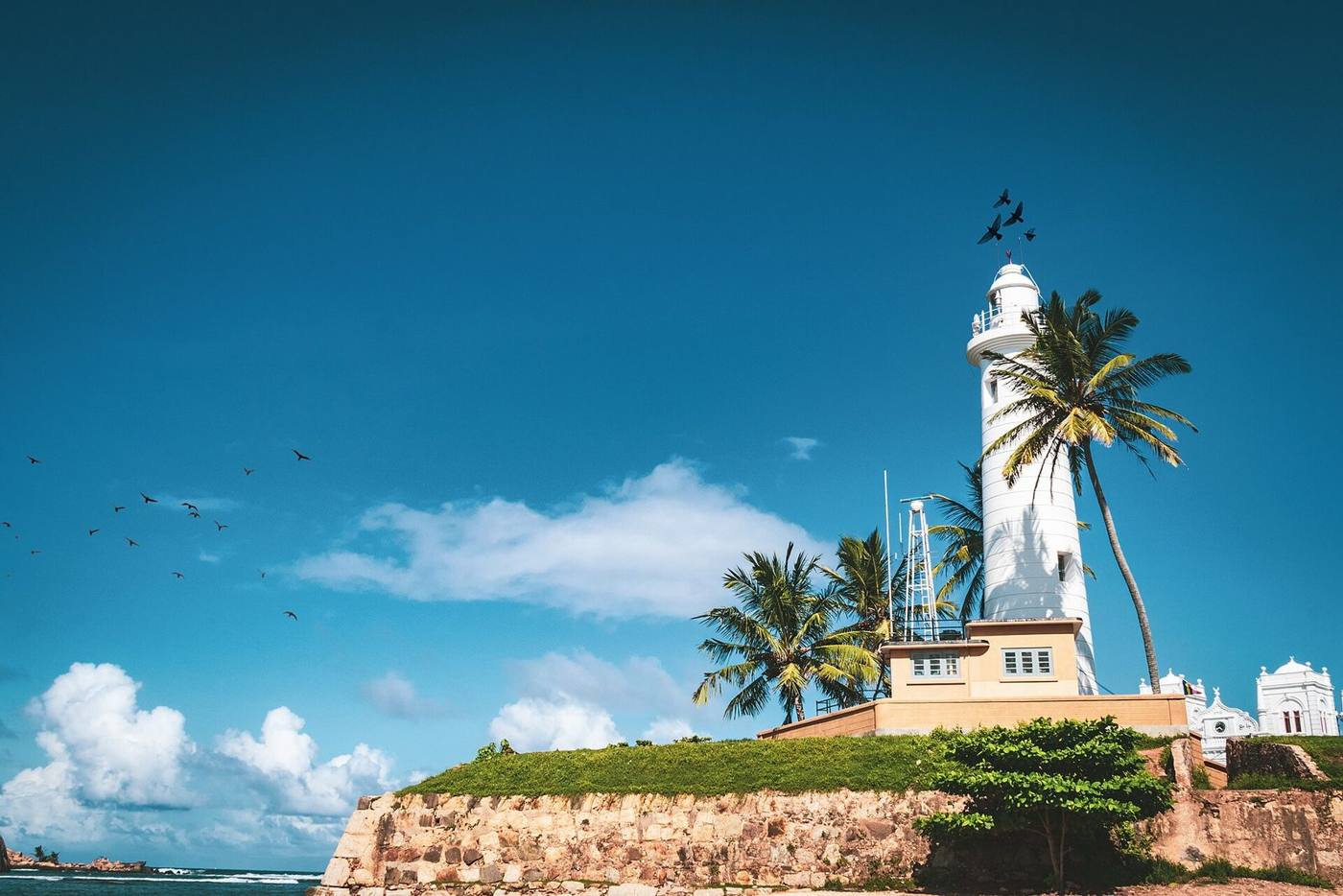
Galle and the south-west coast
The colonial coast and southern beaches: Galle's Dutch fort (UNESCO), its walls walked at sunset, Unawatuna bay, the stilt fishermen at Koggala, the Kosgoda turtles, the Madu river by boat and Bentota with the Brief garden and Lunuganga, the estate of architect Geoffrey Bawa.