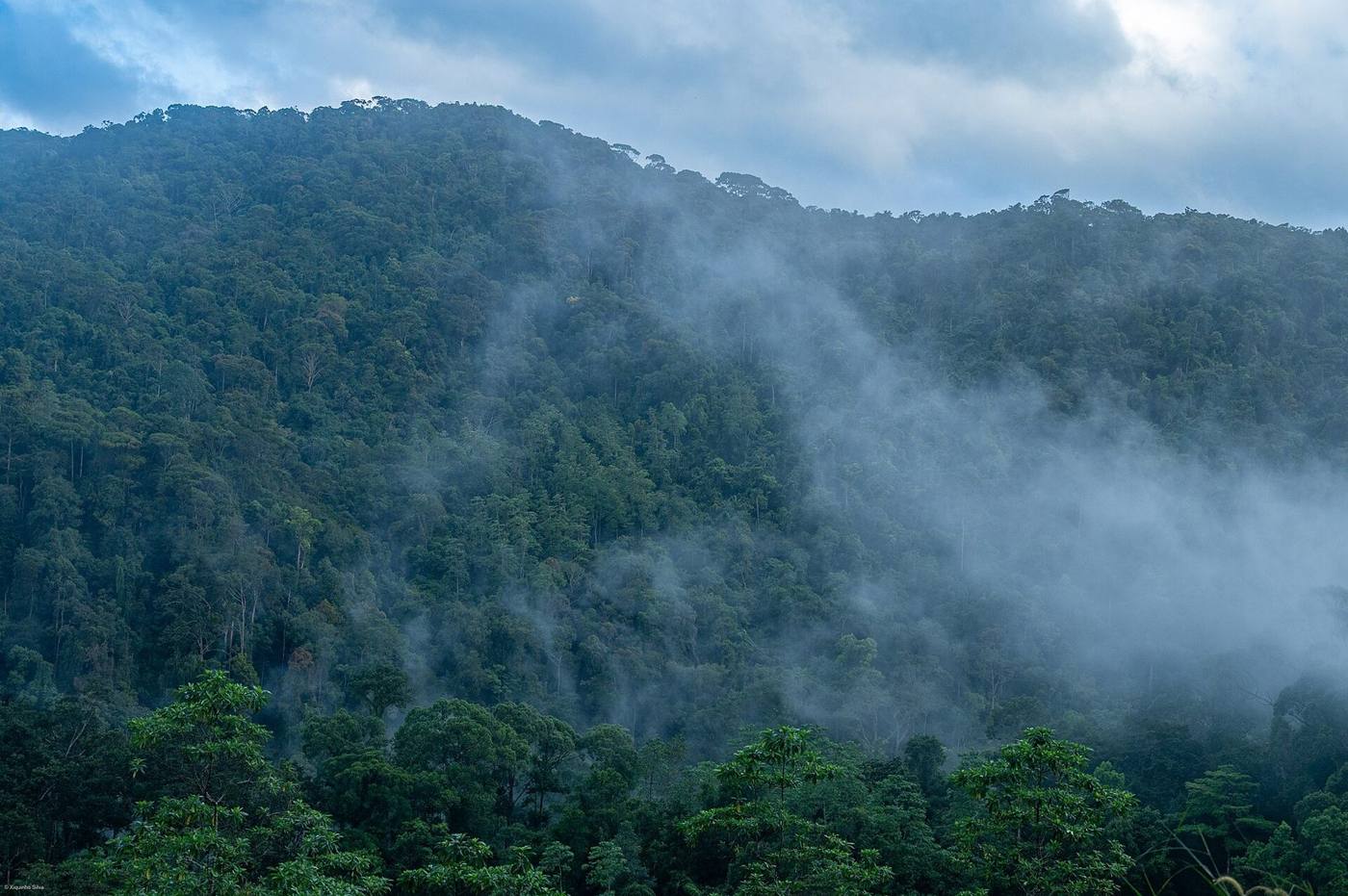
Sinharaja and Udawalawe
From rainforest to elephants: Sinharaja, the island's last large primary rainforest and a UNESCO site, with endemic birds and guided trails, then Udawalawe park, the surest place to see elephant herds, and the centre that raises orphans and returns them to the wild.
- Colombo
- Deniyaya
- Sinharaja
- Udawalawe
Day by day
- Day 1
Arrival and the road to Sinharaja
This trip goes from the rainforest to the elephants: Sinharaja, the last large primary lowland forest in Sri Lanka and a UNESCO World Heritage Site, with birds found only on the island, and then Udawalawe National Park, the best place to see herds of elephants.
Before you go: Italian citizens enter Sri Lanka with a passport valid for at least six months and with the ETA, the electronic travel authorisation to apply for before leaving on the official website eta.gov.lk. Since 25 May 2026 the tourist ETA for Italian passports costs nothing, is valid for 30 days and allows two entries. Other nationalities should check their own rules. Cyclone Ditwah, in November and December 2025, caused landslides and serious damage to roads and railways: check conditions before every journey. Viaggiare Sicuri advises against driving yourself, recommends a local driver and advises against travelling at night. Do not show Buddha tattoos: they can lead to deportation.
You arrive at the international airport, north of Colombo, and set off south with a driver. The Southern Expressway runs parallel to the coast through rubber and coconut plantations; then the road climbs inland, through tea plantations, to Deniyaya, the village near the southern entrance of the forest. The journey takes several hours.
In the afternoon, if you arrive early, walk among the tea plantations around the village and look at the forest-covered hills.
Sleep near Sinharaja, for two nights.
Practical tip: if your flight lands in the evening, sleep near the airport and leave the next morning: the road at night is dangerous, and in the hills fog and landslides make driving even harder.
- Day 2
A guided trail in the forest
Today you enter the Sinharaja forest, one of the richest in species in all of South Asia.
Early in the morning go to the forest entrance and meet the park guide, compulsory for all visitors. Buy your ticket at the Forest Department office. Check prices and times.
Walk for a few hours along the trails among very tall trees, lianas, tree ferns and streams. The guide shows you the plants and animals you would not see on your own: green pit vipers motionless on branches, colourful frogs, horned lizards, giant butterflies and purple-faced langurs, monkeys found only in Sri Lanka. Many of the forest's plants and animals are endemic, meaning they exist only here.
Along the way you reach a waterfall where you can rest and, if the water level allows, cool off.
In the afternoon it often rains: go back under cover and rest.
In the evening, with a torch and the guide, take a short walk around the lodge to see frogs, spiders and night insects.
Sleep near Sinharaja.
Practical tip: Sinharaja is very wet and has leeches: wear leech socks over long trousers, closed shoes and bring a poncho. Never leave the trails and never collect plants or insects: it is an offence punished with fines and prison.
- Day 3
Birds at dawn and the road to Udawalawe
Today you look for forest birds and then go down towards the southern plains.
At dawn return to the forest with the guide, when birds are most active. Sinharaja is famous for its mixed flocks, groups of many different species that move together through the trees looking for insects. With some luck you see the Sri Lanka blue magpie, with its red beak, the red-faced malkoha, the grey hornbill, the Sri Lanka junglefowl, the national bird, and several species of bulbul and flycatcher.
Return to the lodge for breakfast and set off east with your driver. The road descends from the hills towards the dry southern plains, with rice paddies, banana fields and the great Udawalawe reservoir. The journey takes a few hours. Along the way stop in a village to see how rice is grown, with flooded terraced fields and farmers at work.
In the afternoon settle in near the park and rest. At sunset look at the reservoir from the dam, where elephants sometimes come down to drink.
Sleep near Udawalawe, for two nights.
Practical tip: bring binoculars and a guide to the birds of Sri Lanka, or download an identification app: forest birds are heard long before they are seen.
- Day 4
Safari in Udawalawe and the Elephant Transit Home
Today you see wild elephants and the centre that helps orphaned calves.
At dawn enter Udawalawe National Park, around the great reservoir on the Walawe river. Open savannah, grasslands and patches of scrub make it easy to see Asian elephants, which live here in herds all year round. You also see water buffalo, crocodiles, spotted deer, jackals, eagles, peacocks and, much more rarely, leopards.
For the safari use only jeeps registered with the Department of Wildlife Conservation, with an authorised driver. The park rules are clear: always stay in the vehicle, do not get out, do not feed the animals, speak quietly, stay on the marked tracks and always give way to elephants. Take all your rubbish back with you. Check prices and times.
In the afternoon visit the Elephant Transit Home, a department centre that cares for orphaned elephant calves and returns them to the wild when they are old enough. From a platform you watch feeding time, when the calves drink milk from large funnels, with no contact with the animals. Check prices and times.
Sleep near Udawalawe.
Practical tip: choose the early morning safari, with the best light and less heat; bring a hat, a scarf for the dust and water.
- Day 5
Towards the south coast or Colombo
Today you leave the interior of the island.
In the morning you have two choices. You can go down to the south coast, a couple of hours by road, for a few days by the sea among beaches and palm-fringed bays. Or you can return towards Colombo and the airport with a driver, taking the Southern Expressway: the journey takes several hours, so leave early and allow a wide margin for traffic and any roadworks.
On the way stop at a roadside fruit stall to taste king coconut, the orange coconut you drink, or curd, buffalo milk yoghurt served with kithul palm syrup, a speciality of the south.
In five days you have seen two faces of Sri Lanka's nature: the Sinharaja rainforest, with its guides, birds and plants found only here, and the savannah of Udawalawe, with its herds of elephants and the calves of the Elephant Transit Home.
When to go: from December to April, when it rains less in the south-west and the Sinharaja trails are easier. From May to September the south-west monsoon brings a lot of rain to the forest; Udawalawe can be visited all year round.
Practical tip: in rural areas always carry cash in rupees, because cards are rarely used, and keep some small notes for tips for guides and drivers.
Sinharaja is very wet and has leeches: leech socks, and a park guide is required. At the Elephant Transit Home you watch feeding from a platform, with no contact with the animals. A passport and an online ETA are needed; it has been no-cost for Italians since 25 May 2026 and is valid 30 days.
Before you go
- Documents and visa
- Passport valid for at least six months with two consecutive blank pages, plus the ETA, the electronic travel authorisation to apply for before leaving on the official website eta.gov.lk. Since 25 May 2026 the tourist ETA for Italian passports costs nothing: it is valid for 30 days and allows two entries; to stay longer you need a paid extension.
- Health and vaccines
- No vaccinations are compulsory for travellers from Italy. Malaria has been eliminated, but dengue and chikungunya are rising, especially during the monsoons: use insect repellent and if you have a fever see a doctor at once, without taking aspirin. After a bite from a stray animal you need rabies treatment. Drink bottled water. Outside the big cities hospitals are often basic: you need insurance covering medical costs and repatriation. Emergencies: 119.
- Money and payments
- Sri Lankan rupee (LKR). Cards work in hotels and larger shops; carry cash for tuk tuks, markets, temples and small places. Change money at banks or authorised exchange offices.
- Power sockets
- Types D and G, 230 volts: bring a universal adapter.
- Time zone
- UTC+5:30 all year.
- Safety
- Public order is generally stable. Cyclone Ditwah, in November and December 2025, caused landslides and serious damage to roads and railways: the train line from Colombo returned to Peradeniya, on the edge of Kandy, only in October 2026, and the section to Badulla has not yet been restored. During the monsoons further landslides and closures are possible: check the forecast on meteo.gov.lk; the Disaster Management Centre answers on 177. Driving yourself is not advised: use a local driver, and never travel at night. Buy train tickets only on the official railway website. Wild elephants can attack: in parks always follow authorised guides. Showing Buddha tattoos or disrespecting sacred images can lead to arrest or deportation; drug laws are very strict. In the north, around Jaffna, Kilinochchi and Mullaitivu, mine clearance is still under way. Official advice: GOV.UK.
Information checked in November 2026 for Italian and EU citizens. Rules change: always check before you travel.
Variations
In three days: a day on the Sinharaja trails and a safari in Udawalawe with the Elephant Transit Home.
In eight days: add three days on the south coast, with Galle and the beaches of Mirissa and Tangalle.
Frequently asked questions
What document do I need for Sri Lanka?
Italian citizens enter with a passport valid for at least six months and the ETA, applied for before leaving on the official website eta.gov.lk; since 25 May 2026 it costs nothing for Italian passports and is valid for 30 days. Other nationalities should check their own rules.
Do I need a guide at Sinharaja?
Yes, the park guide is compulsory to enter the forest. Bring leech socks and a poncho.
Can you touch the elephants at the Elephant Transit Home?
No. The calves' feeding is watched from a platform, without contact, because the animals must stay wild to return to freedom.
Indicative itinerary written by World Atlas. Before booking, check timetables, seasonal openings, documents and safety.
 5 daysEasy
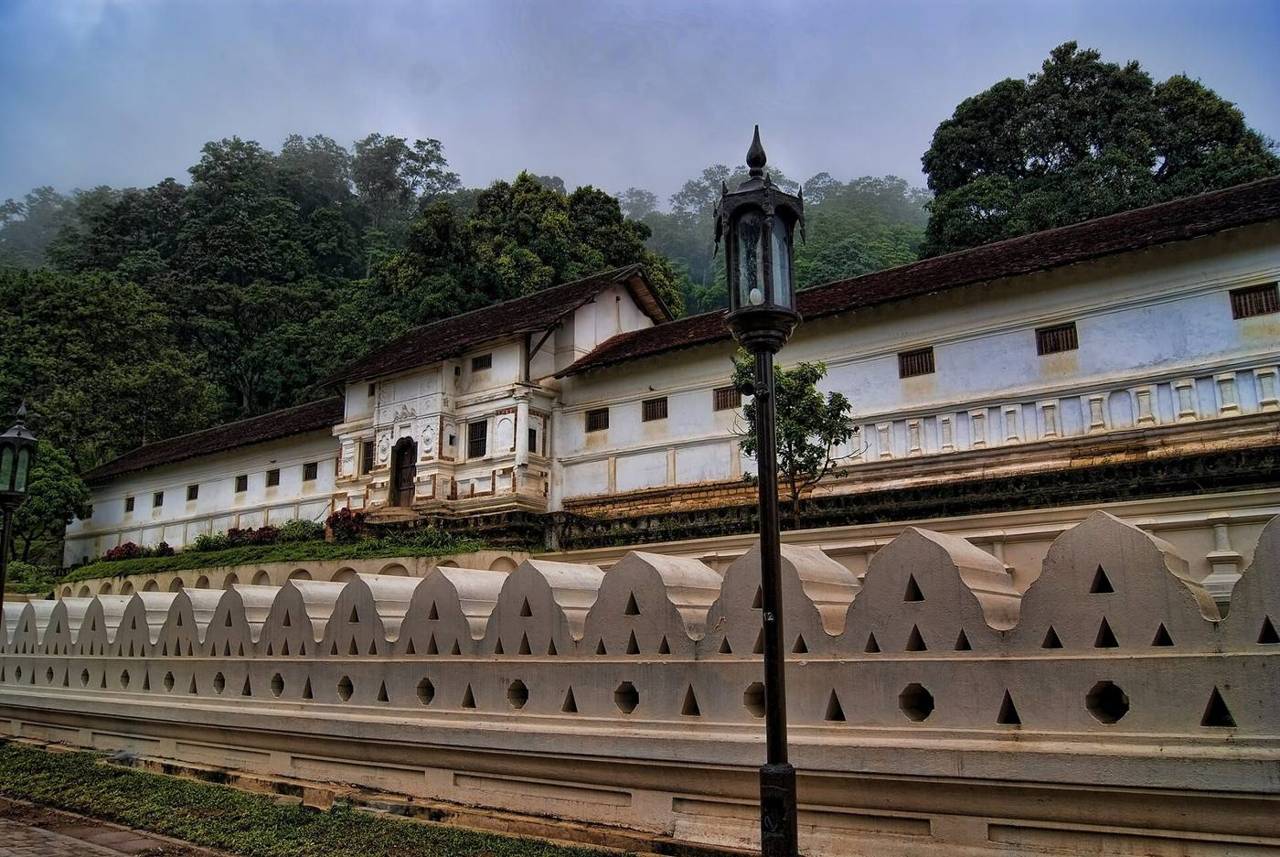
Kandy and the central hills at an easy pace
Five unhurried days around the last capital of the Sinhalese kings: the Temple of the Tooth and Kandy lake, Peradeniya botanical gardens, the temples of Gadaladeniya and Lankatilaka, a tea estate in the Hantana hills and Kandyan dance in the evening.
 6 daysEasy
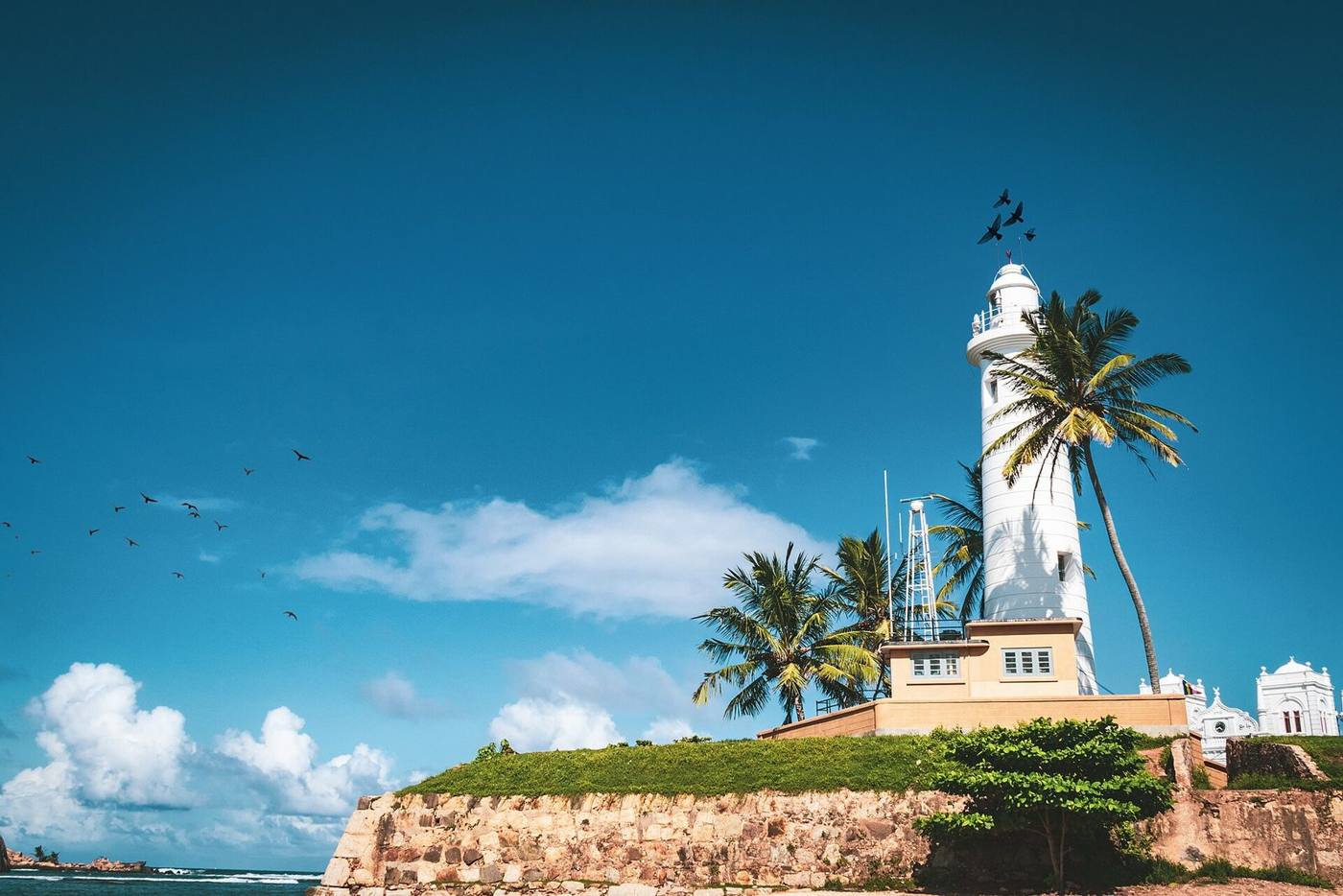
Galle and the south-west coast
The colonial coast and southern beaches: Galle's Dutch fort (UNESCO), its walls walked at sunset, Unawatuna bay, the stilt fishermen at Koggala, the Kosgoda turtles, the Madu river by boat and Bentota with the Brief garden and Lunuganga, the estate of architect Geoffrey Bawa.
 5 daysEasy
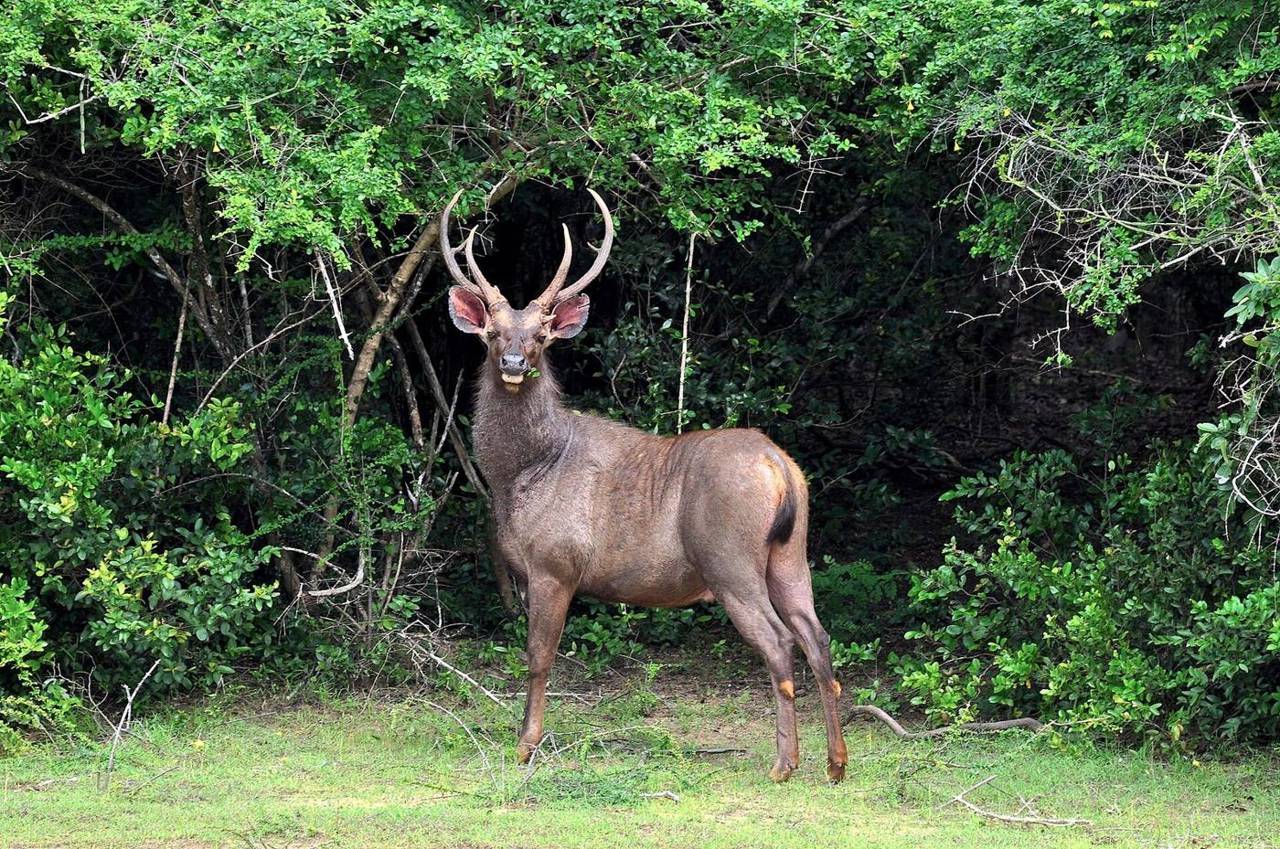
Wilpattu and Kalpitiya
The lesser-known west coast: Wilpattu, the island's largest park, with natural lakes called villus where you look for leopards and sloth bears without Yala's lines of jeeps, then the Kalpitiya lagoon for kitesurfing and, in season, boat trips for dolphins and whales.