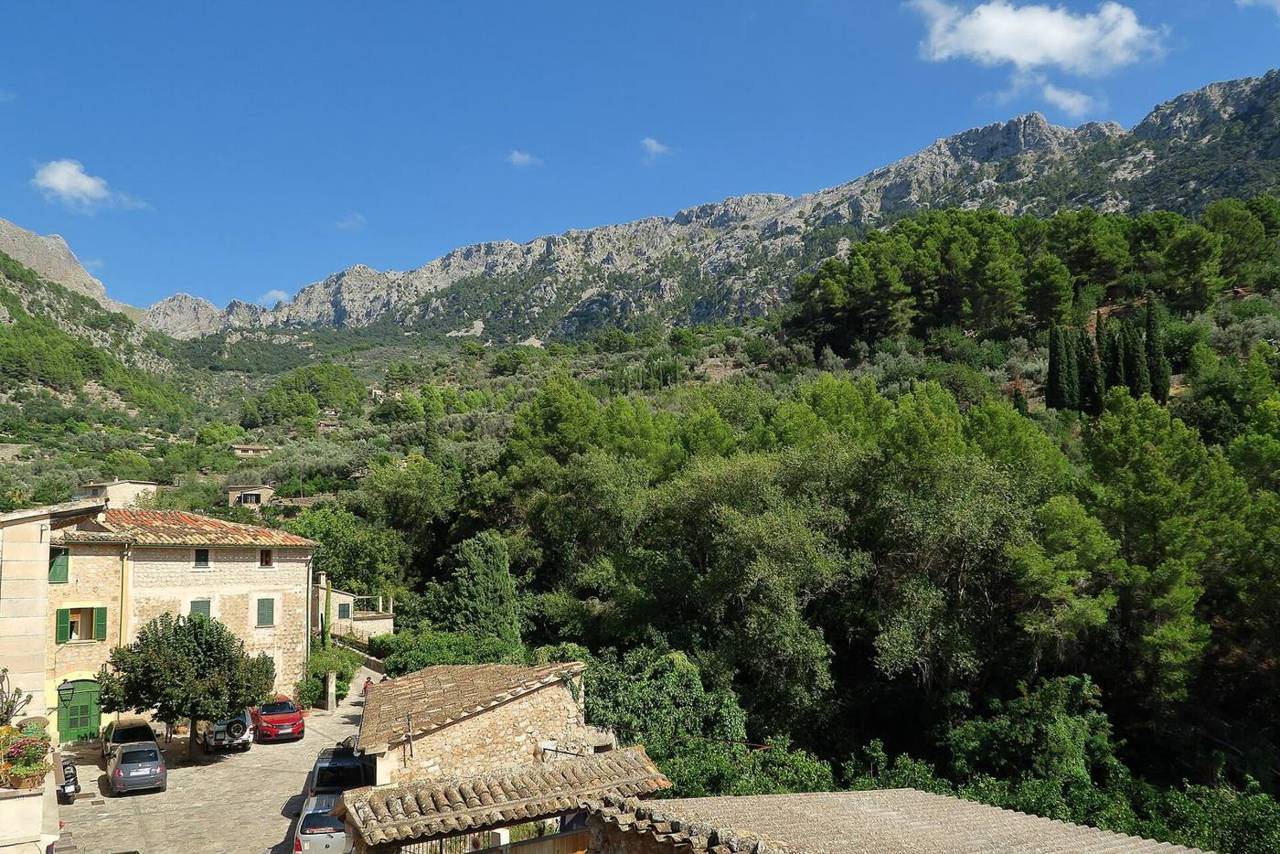
Mallorca: Serra de Tramuntana
Mountain Mallorca, a UNESCO World Heritage site: the stone villages of Valldemossa, Deià and Fornalutx, the wooden Sóller train, coastal paths above the sea, the Torrent de Pareis and Lluc monastery, with Palma and its cathedral.
- Palma
- Valldemossa
- Deià
- Sóller
- Fornalutx
- Lluc
- Sa Calobra
Day by day
- Day 1
Palma: the cathedral, the Almudaina and the old town
Mallorca, the largest of the Balearic Islands in the western Mediterranean, is not only beaches. Along its whole north-west coast runs the Serra de Tramuntana, a range of limestone mountains up to about 1,450 metres, a UNESCO World Heritage Site since 2011 as a cultural landscape: terraces of ancient olive trees held up by dry-stone walls, stone villages, monasteries, citrus valleys and cliffs dropping into the sea. In six days you see Palma, Valldemossa, Deià, Sóller, Fornalutx and Sa Calobra.
You arrive by plane at Palma airport, with direct flights from many Italian and European cities, or by ferry from Barcelona or Valencia. For the Tramuntana, it is best to hire a car.
In the afternoon, visit Palma cathedral, La Seu, one of the great Gothic buildings of the Mediterranean, built by the sea from the fourteenth century, with spires and buttresses reflected in the artificial lake of the Parc de la Mar. Inside, the very high nave is lit by an enormous rose window. In the early twentieth century the architect Antoni Gaudí worked on renovating the interior, with the great canopy above the altar.
Next door is the Almudaina palace, an old Arab fortress turned into the residence of the kings of Mallorca. Then walk through the old town, with the courtyards of noble palaces, the Arab baths, churches and squares.
In the evening, taste ensaïmada, the spiral pastry, sobrassada and vegetable tumbet.
In the evening, sleep in Palma.
Practical tip: the cathedral is very busy when cruise ships arrive. Visit early in the morning or late in the afternoon, and check the opening hours, which change through the season.
- Day 2
Valldemossa and Deià, the Archduke's path
In the morning, drive to Valldemossa, about half an hour from Palma, a stone village set among the mountains, with houses decorated with flowerpots and narrow lanes. Visit the Charterhouse, an old Carthusian monastery where the composer Frédéric Chopin and the writer George Sand stayed in the winter of 1838 to 1839. The cells keep a piano, scores and letters, and Sand described that winter in her book A Winter in Majorca.
If you are fit, walk the Archduke's path, an old mule track built at the end of the nineteenth century by Archduke Ludwig Salvator of Habsburg, who was in love with Mallorca. The path climbs from Valldemossa onto a panoramic ridge, with views of the sea and the mountains, in a loop of about five hours. It is a mountain route, with rocky sections.
In the afternoon, continue along the coast road to Deià, a village of honey-coloured houses clinging to a hill above the sea, with the church at the top. Deià attracted artists and writers throughout the twentieth century: the English writer Robert Graves, author of I, Claudius, lived here, and his house is now a museum. From the church you see the mountains and the sea.
Then go down to Cala de Deià, a small pebble cove with clear water.
In the evening, sleep in Deià or Sóller.
Practical tip: the Tramuntana coast road is narrow and winding, with many cyclists and buses. Drive calmly and park only in marked car parks.
- Day 3
The Sóller train and the tram to the port
In the morning, take the Sóller train, a historic railway opened in 1912 linking Palma to Sóller, with old wooden carriages. If you are staying in Sóller, you can do the route in reverse or just part of it. The train crosses the plain with olive and almond trees, then climbs into the mountains through thirteen tunnels and over a viaduct, and descends towards the Sóller valley with a beautiful view, in about an hour.
Sóller is a small town in a bowl among the mountains, surrounded by orange and lemon groves. The orange trade with France in the nineteenth century made the town rich, and you can still see the merchants' houses in modernist style. In the main square stands the church of Sant Bartomeu, with a modernist facade designed by a pupil of Gaudí, and next to it a modernist building with large wrought-iron windows.
In the afternoon, take the wooden tram that runs from the centre down to the Port de Sóller through the orange groves, in about twenty minutes. The port lies in a round, almost enclosed bay, with fishing boats and two lighthouses at the entrance. You can swim or walk to the Cap Gros lighthouse for sunset over the sea.
In the evening, return to Sóller and taste the ice cream or orange juice of the valley.
In the evening, sleep in Sóller.
Practical tip: the Sóller train and tram are in high demand in peak season. Get to the station early and check the timetables, which change between summer and winter.
- Day 4
Fornalutx and Biniaraix on foot
Today you walk around Sóller, among the villages and terraces of the valley, one of the most beautiful landscapes in the Tramuntana.
In the morning, go to Biniaraix, a small stone village about two kilometres from Sóller, with its chapel, wash-house and houses with green shutters. From here starts the Barranc de Biniaraix trail, a mountain gorge climbed by a stone mule track of thousands of steps, built by farmers to bring mountain produce down to the valley. The path rises between olive terraces, dry-stone walls and rock walls, beside the stream. Do at least the first section, to the viewpoints over the valley, in about two or three hours there and back.
In the afternoon, walk from Biniaraix to Fornalutx, along a path through orange and olive groves, in about an hour. Fornalutx is considered one of the most beautiful villages in Spain, with golden stone houses, stairways, green shutters, pots of geraniums and a square with the church. Behind it rises Puig Major, the highest mountain on the island, with a military base on the summit.
Return to Sóller on foot by another path, or by bus or taxi.
In the evening, sleep in Sóller.
Practical tip: Tramuntana trails are stony and very hot in summer. Wear hiking shoes, carry plenty of water and set off early. In many places you cross private land: close the gates behind you.
- Day 5
Lluc and the Torrent de Pareis at Sa Calobra
In the morning, drive along the mountain road from Sóller towards the north-east, one of the most beautiful on the island, climbing among the peaks of the Tramuntana, past the Cúber and Gorg Blau reservoirs and at the foot of Puig Major.
After about forty minutes, descend to Sa Calobra on a spectacular road built in 1932, with twelve kilometres of very tight hairpins dropping about eight hundred metres to the sea. At the point called Nus de sa Corbata, the knot of the tie, the road makes a 270-degree turn and passes under itself.
At Sa Calobra, walk along the path cut into the rock, with short tunnels, to the mouth of the Torrent de Pareis, a very deep gorge with vertical walls up to two hundred metres high, which opens onto the sea with a small beach of white pebbles. It is one of the most spectacular places in Mallorca. Alternatively, you can reach Sa Calobra by boat from the Port de Sóller.
In the afternoon, drive back up and visit the monastery of Lluc, the island's most important sanctuary, in an isolated valley among the mountains, with the statue of the black Madonna, La Moreneta, the boys' choir and the botanical garden.
In the evening, sleep in Lluc or return to Sóller.
Practical tip: the Sa Calobra road is very narrow and in summer full of buses and cyclists. Go early in the morning or late in the afternoon. Walking through the Torrent de Pareis gorge itself is difficult and dangerous in rain: only do it with experience or a guide.
- Day 6
Back to Palma
On your last morning, head back to Palma. From Lluc you can go down through Inca, an inland town famous for its shoe and leather factories, or pass through Pollença, to the north-east, with the Calvari stairway of 365 steps among cypresses and the chapel at the top.
If you have time, north of Pollença you can drive the Cap de Formentor road, the island's northernmost point, with towering cliffs above the sea, the Mirador des Colomer viewpoint and the lighthouse at the end of the peninsula. In summer car access to the lighthouse may be restricted: check beforehand.
By late morning you reach Palma. If you have a few hours, visit Bellver castle, a fourteenth-century Gothic castle with a circular plan, unique in Europe, on a wooded hill above the city, with views of the bay and the port. Or take a last walk along the seafront Passeig Marítim, or through the Olivar market, the city's large covered market.
In the afternoon, go to Palma airport for your flight home.
This trip combines well with the coves of the east coast and the south of Mallorca, or with Menorca, reachable by ferry or plane.
Practical tip: for European Union citizens a valid identity card is enough. In Mallorca a tourist tax is paid per night on accommodation: check the amount when you book.
For those wanting an island out of season, between walks and villages. In summer it is too hot to hike and the mountain roads are packed. The Balearics charge a tourist tax per night. The full Torrent de Pareis is a demanding hike with rock scrambles, to avoid after rain.
Before you go
- Documents and visa
- EU citizens need a valid identity card or passport. Other nationalities should check the Schengen rules.
- Health and vaccines
- No vaccines required. EU citizens should bring their EHIC; in summer the south often goes above 40 °C. Emergencies: 112.
- Money and payments
- Euro. Cards are accepted almost everywhere. Catalonia, the Balearics and some other areas charge a tourist tax per person per night.
- Power sockets
- Types C and F, 230 volts.
- Time zone
- Central European Time (UTC+1, summer UTC+2); the Canary Islands are one hour behind.
- Safety
- A safe country. In Barcelona and Madrid pickpocketing is common on the metro, on the Ramblas and in crowded places. Official advice: GOV.UK.
Information checked in November 2026 for Italian and EU citizens. Rules change: always check before you travel.
Variations
In 3 days: Palma, Valldemossa, Deià and Sóller by train.
In 10 days: add Cap de Formentor, the eastern coves or Menorca.
Frequently asked questions
When is the best time to go?
From March to June and from September to October, when it is warm but not too hot for walking. In February the almond trees blossom. In July and August it is very hot and the island is crowded.
Can I do it without a car?
Partly, with the Sóller train and the buses linking the Tramuntana villages, but a car gives much more freedom.
What documents do I need?
Italian citizens only need an identity card valid for travel abroad or a passport.
Indicative itinerary written by World Atlas. Before booking, check timetables, seasonal openings, documents and safety.
 6 daysEasy
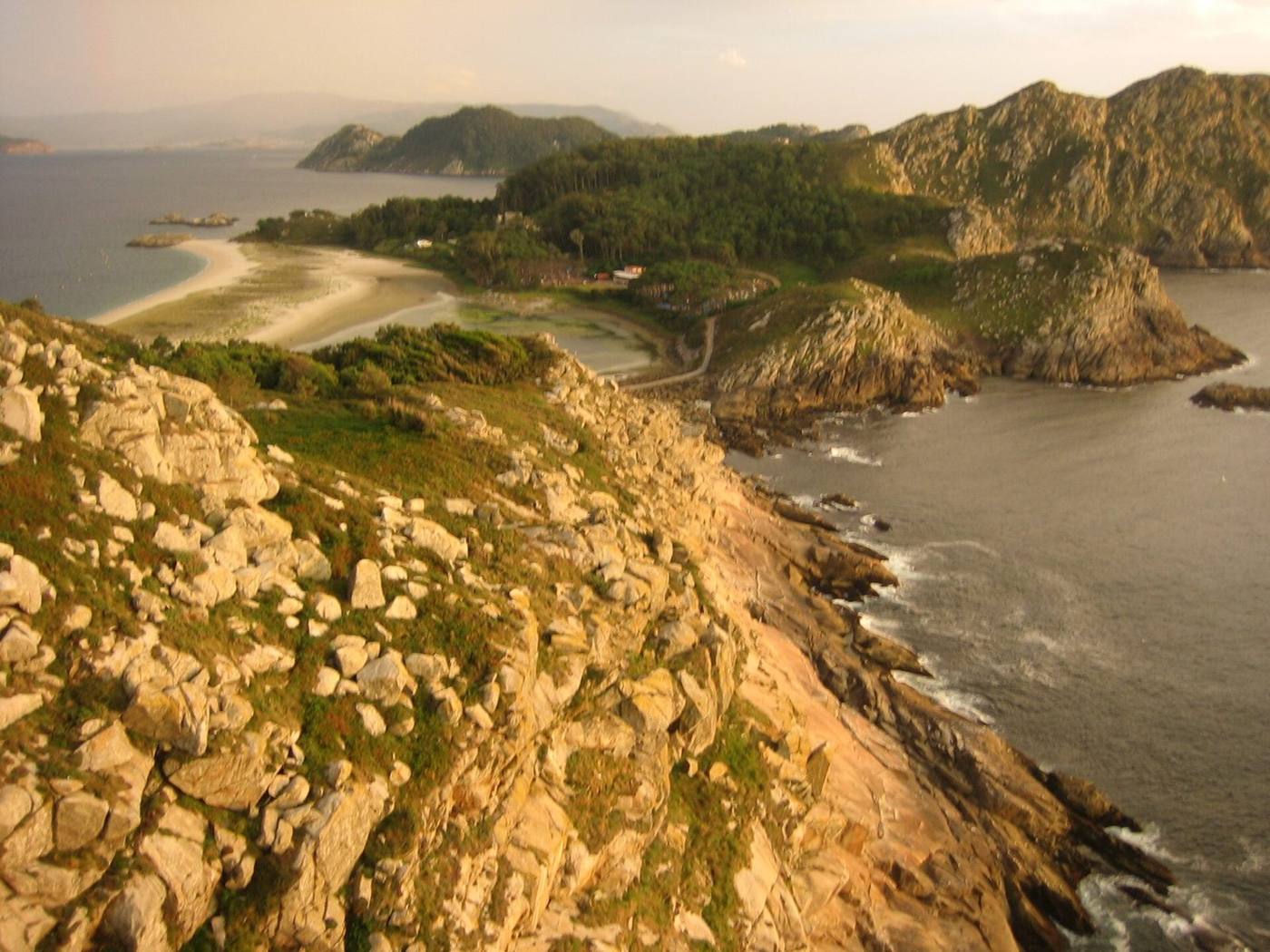
Galicia: the Rías Baixas and the Cíes Islands
Ocean Galicia: the Cíes Islands with Rodas beach, a national park, the Albariño wines of the Salnés valley, Pontevedra, the fishing village of Combarro with its granaries by the sea, seafood and Monte Santa Tegra above the Miño river.
 5 daysEasy
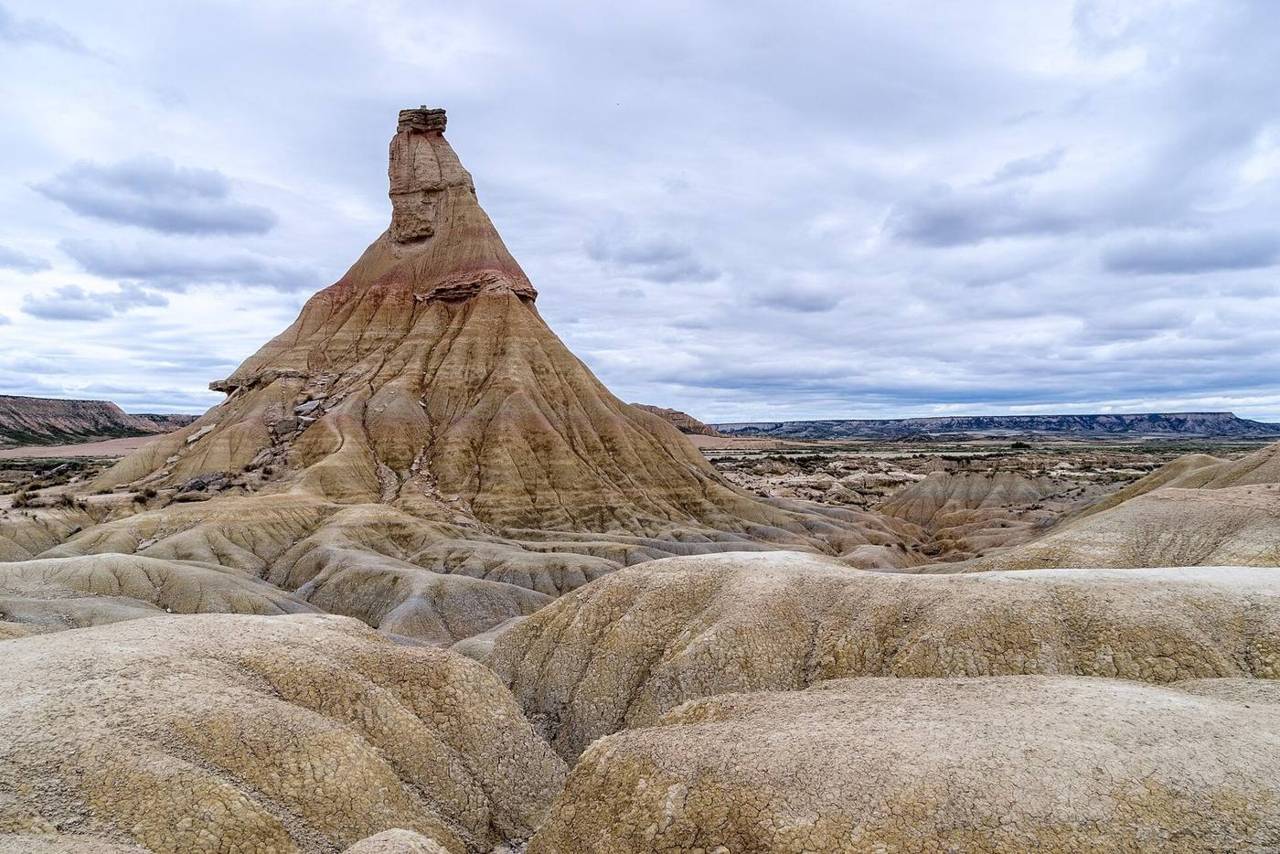
La Rioja and Navarre
The north of wine and landscapes: Logroño and the pintxos of Calle Laurel, the wineries of Rioja Alta and Rioja Alavesa with modern architecture, the monasteries of San Millán, a UNESCO World Heritage site, the castle of Olite and the Bardenas Reales desert.
 5 daysEasy
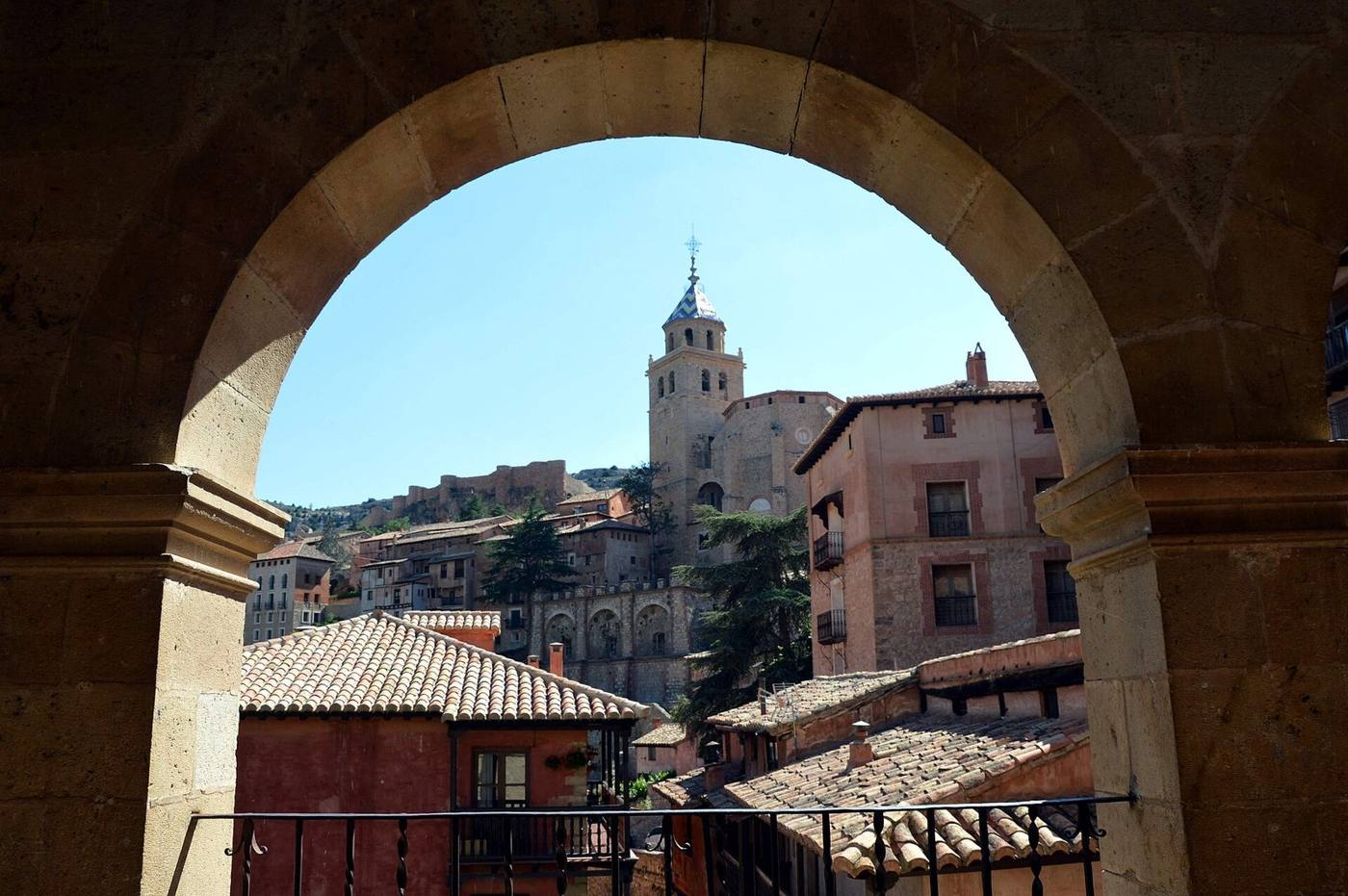
Aragon: Zaragoza, Teruel and Albarracín
Aragon of Mudéjar art, a UNESCO World Heritage site: Zaragoza with the Basilica del Pilar and the Aljafería palace, Teruel with its ceramic-decorated towers and the legend of the lovers, and the pink village of Albarracín perched above the Guadalaviar river.